Keep houseplants because they make a room feel alive; that is reason enough. The trouble starts only when a shelf of greenery gets sold as an air-cleaning system, because that promise quietly talks people out of the things that actually clean indoor air. A pot of pothos is lovely. It is not a substitute for opening a window, running a filter during smoke, or keeping the soil from staying wet. Enjoy the plants for what they are, and let the real clean-air work happen elsewhere. For background, see EPA — Improving Indoor Air Quality .
Where The Idea Comes From
The popular belief traces back to sealed-chamber experiments where plants, in small closed boxes over long periods, took up certain gases. That is genuinely interesting botany, and it is nearly irrelevant to your living room. A real home is enormous by comparison, constantly leaking air with the outdoors, and continuously loaded with new sources: cooking, dust, pets, fragrance, and people coming and going. To match the air exchange of even a modestly ventilated room, you would need a jungle, not a shelf. The honest framing is modest: a plant may interact with the sliver of air right around its leaves and soil, but it is not clearing a lived-in room. That modesty matters because overselling plants delays better moves. If a bedroom is dusty, the answer is bedding, surfaces, and filtration, not another fern.
Soil Is A Moisture Reservoir
Potting mix is designed to hold water, which is exactly what roots need and occasionally what indoor air does not. Overwater a plant, let it sit in a full saucer, or tuck it into a cool, still corner, and the soil can stay damp long enough to smell earthy or frankly musty. That smell is not automatically a disaster, but it is information worth reading rather than masking. Water more deliberately and less often, let excess drain, and empty saucers when the plant and pot allow. Watch decorative cachepots in particular, because they love to hide standing water at the bottom where you cannot see it. If a plant corner develops a persistent damp odor, the musty smell triage guide applies in miniature: find the moisture, reduce it, and resist the urge to cover it with fragrance.
A Dense Plant Corner Can Nudge Humidity
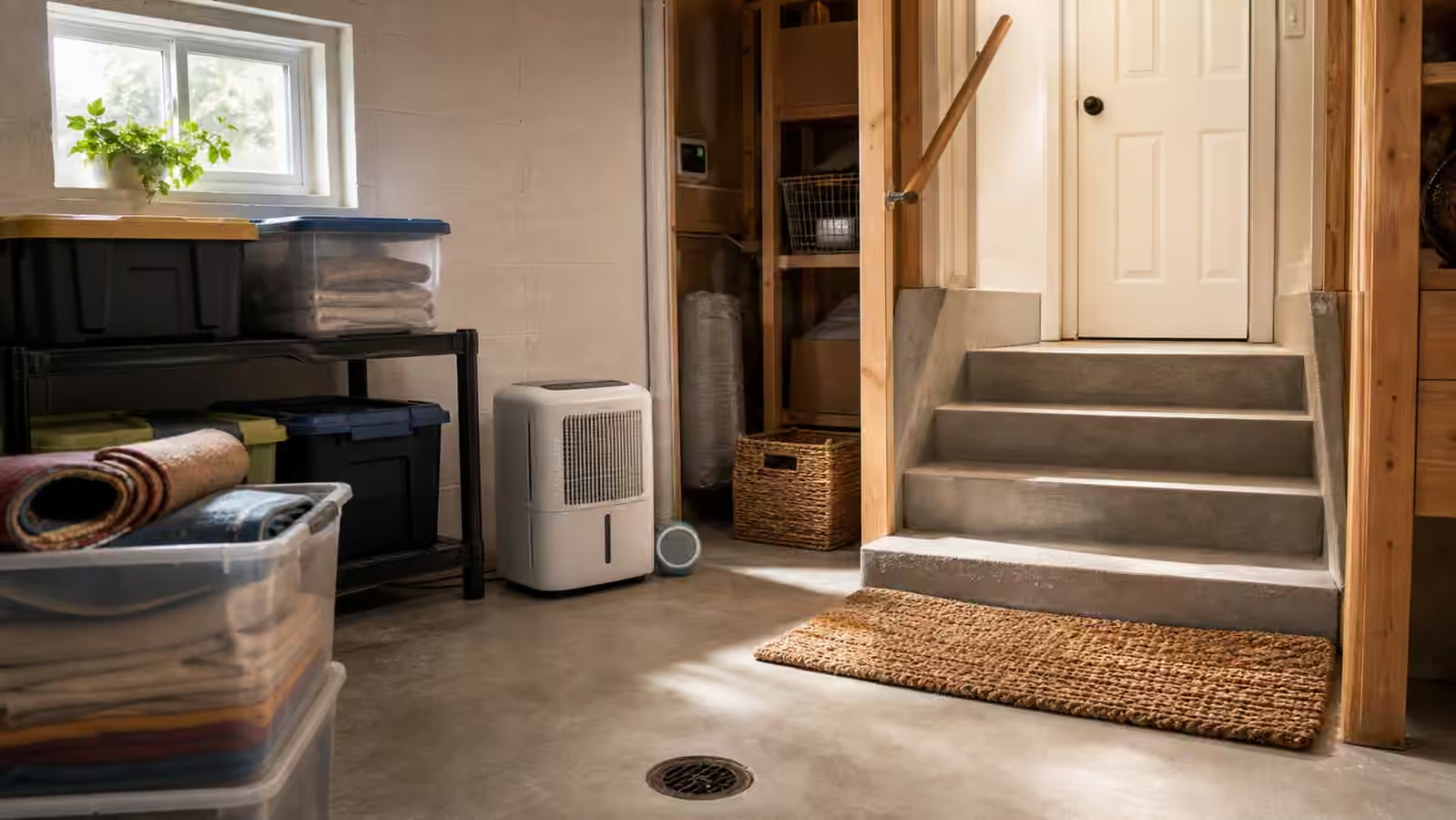
One plant rarely moves a room’s humidity in any meaningful way. A crowded cluster of pots, frequent misting, and consistently wet soil can, especially in a room that already runs damp, such as a cool apartment, a basement, or a window corner prone to condensation. This is where plant care and room care can quietly work against each other: the plant may prefer more moisture than the room can safely carry. A cheap hygrometer settles the argument better than feel, and the humidity sweet spot guide explains where the comfortable middle sits. Misting is the habit to reconsider first, because it feels attentive but mostly wets leaves, shelves, and nearby textiles without addressing what the plant actually needs, and in an already-damp room it is pushing the wrong direction.
Plants Are Surfaces, And Surfaces Collect Dust
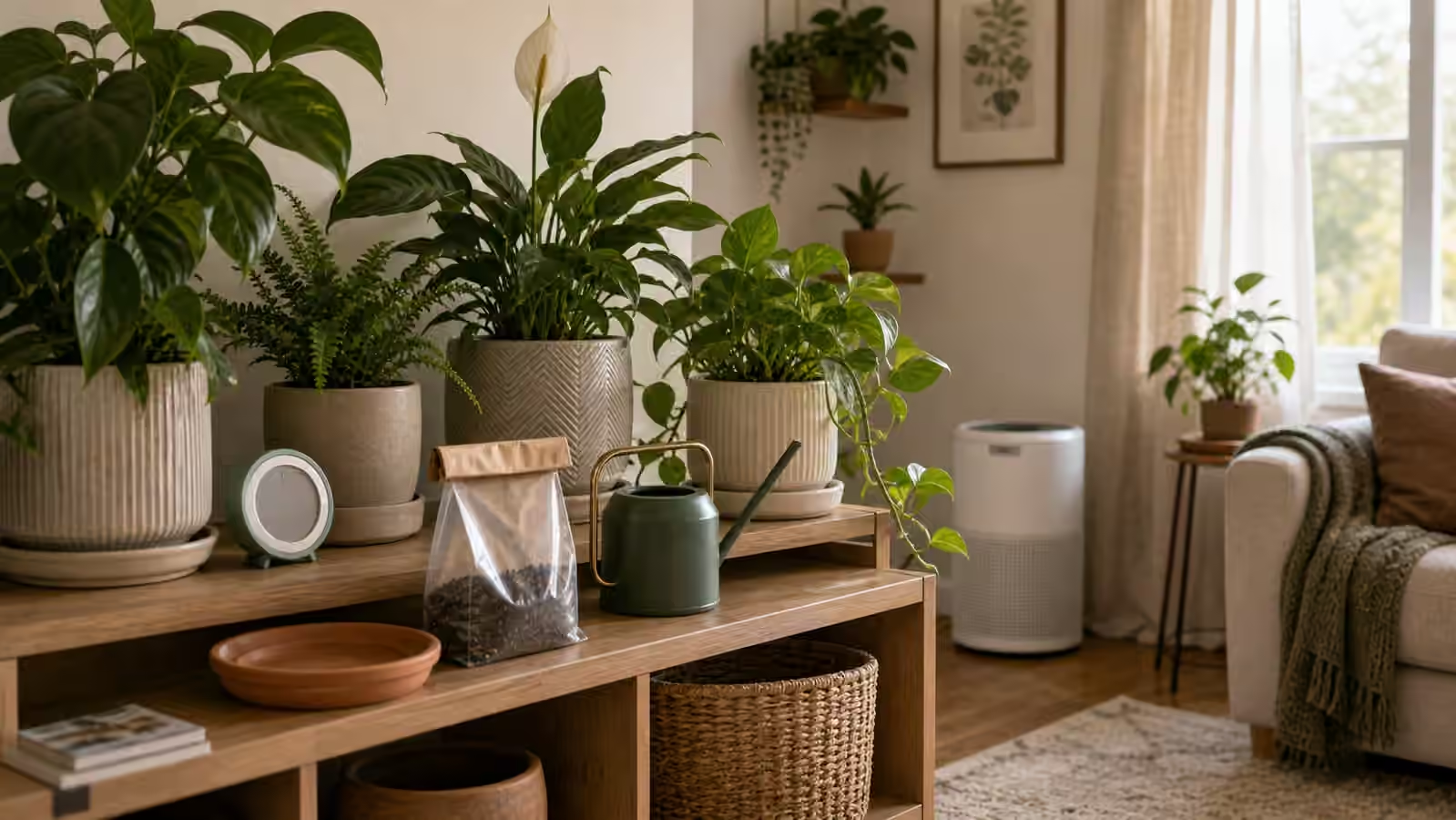
Beyond moisture, a plant shelf is a collection of surfaces that gather dust. Broad leaves catch it, shelves accumulate spilled potting grit, and woven baskets trap debris. Dusty leaves even tempt you to overwater, because a tired-looking plant reads as thirsty when it may just need wiping. Clean leaves gently in a way that suits the species, wipe under the pots, and sweep up dry spilled soil before it becomes airborne grit. This is the same principle as dust control that actually changes a room : the goal is removing reservoirs that keep reloading the air, and a corner with twenty pots, an open bag of mix, dry leaf litter, and forgotten saucer water can be a reservoir no matter how pleasant each object looks on its own.
Fungus Gnats And Other Small Nuisances
A plant collection that stays a little too wet tends to announce itself in a specific way: tiny gnats drifting up from the soil whenever you water. Fungus gnats are less an air-quality hazard than a sign that the top of the potting mix rarely dries out, which is the same overwatering pattern behind the musty smell. The fix is the same too. Let the surface of the soil dry between waterings, empty saucers, and avoid leaving a permanently damp layer for them to breed in. Reaching for a fragrance spray or a fogger to deal with the gnats only adds compounds to the room without touching the wet soil that caused them, which is exactly the kind of masking this whole guide argues against. Treat the moisture and the nuisance usually fades on its own.
Place Plants Around Airflow, Not Against It
Greenery should not block the tools that do the real air work. Keep pots clear of purifier intakes, HVAC return grilles, and the path to wipe a windowsill. A plant crowded against an air purifier may dry out fast, shed leaf bits into the intake, and make filter changes a chore. A shelf staged in front of a window looks beautiful, but if that window is part of your smoke-and-pollen strategy, it still needs to close tightly when outdoor air turns bad. Airflow can also stress the plant, since a drafty sash, a hot supply vent, or a dry purifier exhaust makes care harder, and the fix is to move the plant or choose a hardier one, not to sacrifice the room’s air plan for the sake of the display.
When The Kindest Move Is To Relocate It
Sometimes good plant care means taking the plant out of a particular room. Move it out of a bedroom if the soil stays wet, if fungus gnats appear, if the pot leaks, or if watering and cleaning cannot happen without disturbing the bed. Do potting work somewhere that can be swept and wiped, and keep bags of mix, fertilizers, and treatments closed and out of living spaces when they are not in use. If a plant corner is tangled up in a larger damp-room question, the humidity and musty-smell triage tool can help you separate a wet saucer from window condensation from a genuinely damp wall before you blame the plants. Keep the boundary honest, too: this is practical education, not medical advice, and no arrangement of greenery can promise a room is safe. A persistent musty smell, spreading mold, or moisture you cannot trace is a building question for a professional, not a plant question. Give your plants good care, keep the soil under control, and let them be what they are best at, which is pleasant, living decor that makes a room nicer to be in.