A room’s air is designed, without anyone thinking about it, for the number of people who usually sit in it. Fill that same living room with a dozen guests, warm food, coats, and a couple of candles, and every quiet assumption changes at once. It gets warmer, more humid, and stuffier; the smells stack; and the dust that normally lies flat on the shelves gets stirred back into the air by moving bodies. This is not a hosting failure or a sign that your home is dirty. A gathering is simply the one time an ordinary room has to handle several air sources arriving together, and the trick is that almost all of the useful decisions get made before the doorbell rings, while the room is still empty and calm. For background, see EPA — Improving Indoor Air Quality .
People Themselves Are A Load
The most invisible source at a party is the guests. Every person adds body heat, moisture from breath and skin, and a steady exhale that pushes the carbon dioxide level of a closed room upward. That rising CO2 is not toxic at party levels, but it is a reliable signal that fresh air is not keeping up, and it tends to track the stuffy, heavy, slightly-too-warm feeling everyone recognizes an hour into a crowded evening. A monitor can make the trend visible, though as the companion guide on CO2 and home ventilation explains, that number is a proxy for air exchange and not a measure of every pollutant or a verdict on whether the room is fine. The practical response is the same whether or not you own a sensor: give the room a way to trade its stale air for fresh air across the evening, not just once at the start.
When the weather and the outdoor air allow, that can be as simple as a window cracked on the far side of the room, or a short flush before guests arrive to start them off in fresh air rather than yesterday’s. When the outdoor air is smoky, thick with pollen, or heavy with traffic, opening up trades one problem for another, and it is better to lean on filtration and on simply not overpacking the smallest room. If you want to weigh that tradeoff for your specific space and guest count, the Ventilation and CO2 Helper turns it into a quick worksheet instead of a vague worry. Whatever you decide, spreading people across two rooms rather than crowding one is itself a ventilation move.
The Kitchen Sets The Baseline Early
A surprising amount of party air is decided in the kitchen before the first guest sits down. Frying, roasting, and broiling load the whole home with cooking particles and grease vapor that then greet everyone at the door and linger for the rest of the night. The fix is timing and capture: run the range hood or exhaust from the moment the oil heats, cook the smokiest dish while you still have a window available, and wipe grease before it settles into a film that keeps releasing odor. The full method lives in cooking smoke, grease, and dinner smells , and it pays off double at a gathering because you are cooking heavier and for longer than usual.
Fragrance Is A Choice, Not A Cleanup
Candles, incense, plug-ins, and fabric sprays get reached for right before guests arrive, usually to make a room feel welcoming. It is worth being honest that these are sources, not solutions. In an already crowded room layered with cooking smells and warm bodies, added fragrance can make the air feel heavier rather than fresher, and some guests are genuinely sensitive to it. The more durable move is to hunt the smell you are trying to cover: the trash, food scraps, a damp towel, a litter box, or a coat pile is usually the real culprit, and handling it beats perfuming over it. If you do want scent, decide before the room fills with other sources rather than piling it on top of them, a boundary the guide on candles, incense, and fragrance walks through in detail.
Coats, Shoes, And The Overloaded Entry
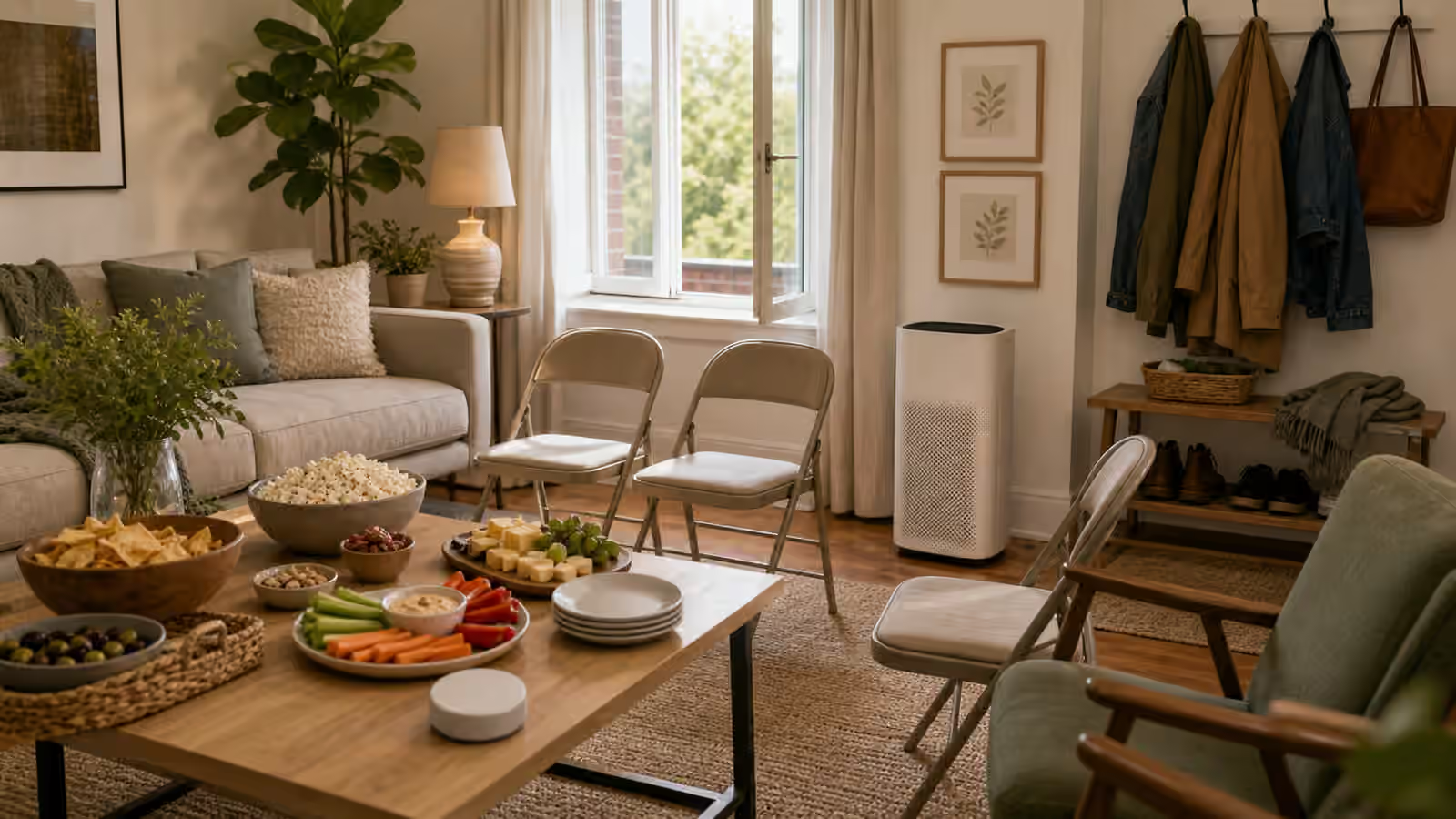
Visitors carry the outdoors in on their coats and shoes: pollen, road grit, smoke or fragrance from wherever they came from, and damp from the weather. None of that means treating guests like a contamination event. It just means outerwear needs a landing spot that is not the main sofa or the dining chairs, where it will sit for hours releasing whatever it brought. A washable mat at the door, a coat area with a little air around it, and a plan for wet umbrellas keep the gathering space from turning into a storage room. If your home is shoes-off, make that graceful and obvious rather than an awkward negotiation at the threshold.
Start Filtration Early And Reset Before Bed
A purifier does the most good when it runs before, during, and after the crowd, not when it is switched on after the room already feels thick. Give it clear intake and outlet space, away from curtains, coats, and the snack-table traffic, and pick a speed people will actually tolerate for the whole evening rather than a roar that gets silenced in ten minutes. Remember what filtration can and cannot do: it captures some airborne particles, but it will not lower CO2, dry a humid room, or erase odor at the source, so it works alongside ventilation and cleanup rather than replacing them.
The last piece is the reset. The room after a gathering holds food odor, crumbs, sticky surfaces, and a full, strong-smelling trash bag, and every hour those sit overnight is an hour they soak into fabrics. A short pass before bed pays off in the morning: pull the food scraps, close containers, take out the strongest trash if it is practical, wipe the kitchen surfaces, and air the room out if the outdoor air is worth letting in. Blankets and cushion covers that caught the evening’s smells are handled in the wash, not with another spray.
Keep the honest boundary in view. This is practical education, not medical advice, and a good party air plan cannot guarantee a room is safe or diagnose why a particular guest feels unwell. If a gathering involves any fuel-burning appliance, a working carbon monoxide alarm is the real safeguard, and persistent mold, chemical, radon, or building-ventilation problems call for qualified help and your local public health guidance rather than a fan and a filter.