A closet is the part of the home most likely to hold a small, private climate of its own. Nobody sits in it, so nobody notices the air until the door swings open and a season’s worth of stored breath rolls out into the bedroom or hallway all at once. The smell might be musty, dusty, plasticky, faintly sweet from an old scented sachet, or simply flat and closed-up. It clings to coats, linens, luggage, cardboard, and the boxes of decorations that only appear twice a year. None of that means the closet is dangerous by default. It means the closet is a low-airflow zone where materials, moisture, and dust have been sitting together with nothing to carry their odor away. For background, see EPA — A Brief Guide to Mold, Moisture and Your Home .
The mistake worth avoiding from the start is treating that odor as a cloud to be perfumed. Dropping a fragrance product onto a shelf and shutting the door again does not remove the damp towel, the dusty back corner, or the cold exterior wall that is actually producing the smell. It just adds a second source on top of the first. Everything useful about closet air comes from the opposite instinct: open it up, slow down, and figure out which of the ordinary causes is at work before you cover anything.
Let The Timing Tell The Story
Before you empty anything, notice when the smell shows up. Does it appear after rain, after you store a fresh load of laundry, during the humid part of the year, when the heating or cooling switches over, or only when one particular bin is opened? Timing separates a simple stale-air problem from a moisture problem, a material problem, or a hidden leak, and it costs nothing but attention. The same detective habit runs at room scale in Musty Smell Triage , but a closet is easier to read because the list of possible culprits is short and everything is within arm’s reach.
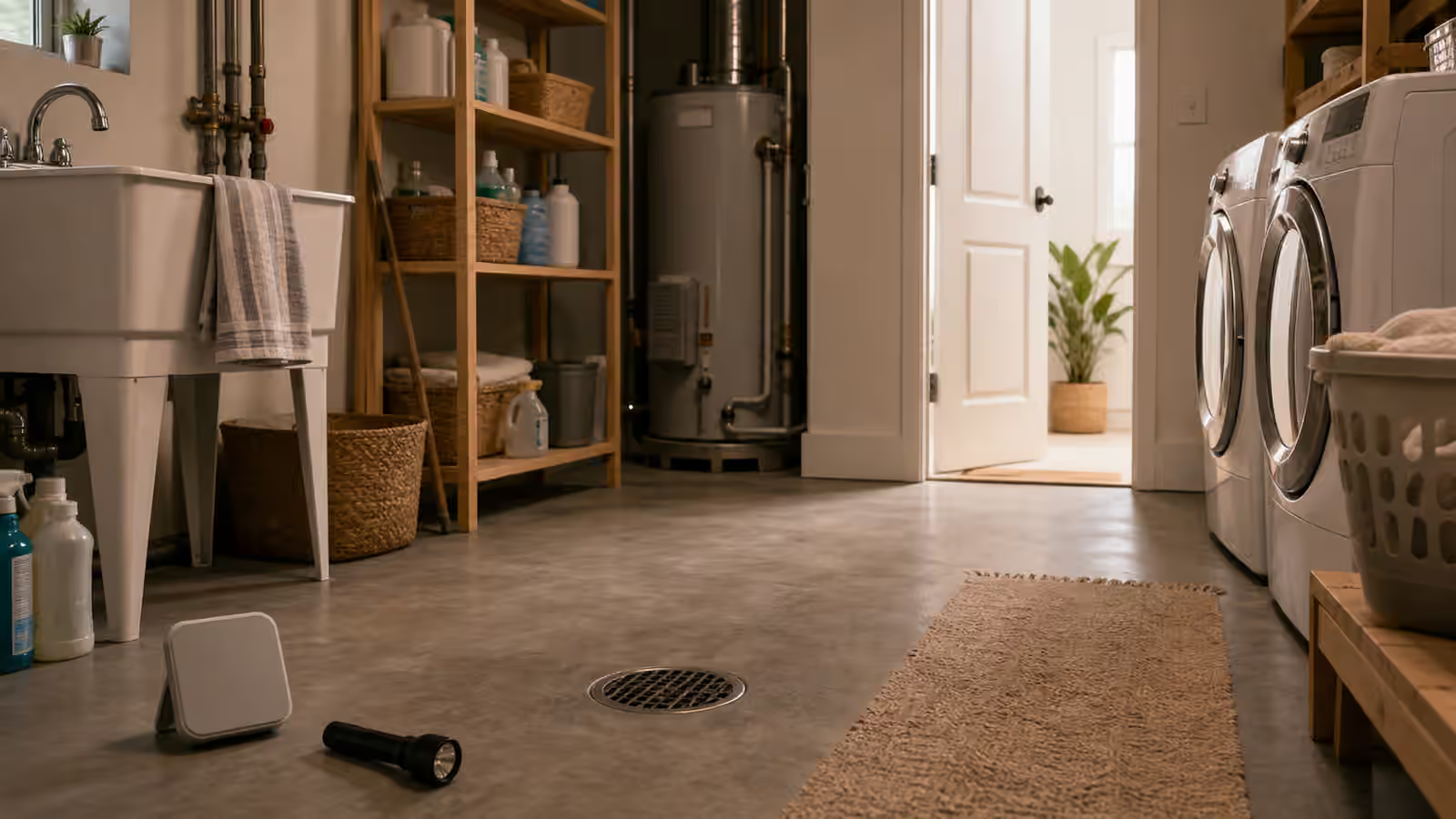
Then take a flashlight to the places air rarely reaches: the back wall, the floor edges, the ceiling corner, the door track, and anything that shares a boundary with a bathroom, an exterior wall, an attic hatch, or a basement stair. Cold surfaces collect condensation, and a closet built against the outside of the house can run damper than the room it opens into. Look before you start hauling things out, because what you find in those first minutes often names the problem. If you see water staining, recurring dampness, damaged material, or widespread visible mold, this stops being a storage habit and becomes the territory of Mold, Moisture, and When to Stop DIY .
The Contents Are Usually The Source
Closets hold precisely the materials that hold odor well: wool, coats, leather, shoes, towels, bedding, paper, foam, and cardboard. When those items go in clean and fully dry, the closet may need nothing more than occasional dust control and an airing now and then. When they go in damp, dusty, or heavily scented, the closet becomes a reservoir that keeps releasing what was packed into it. The air smells wrong because the contents are still working.
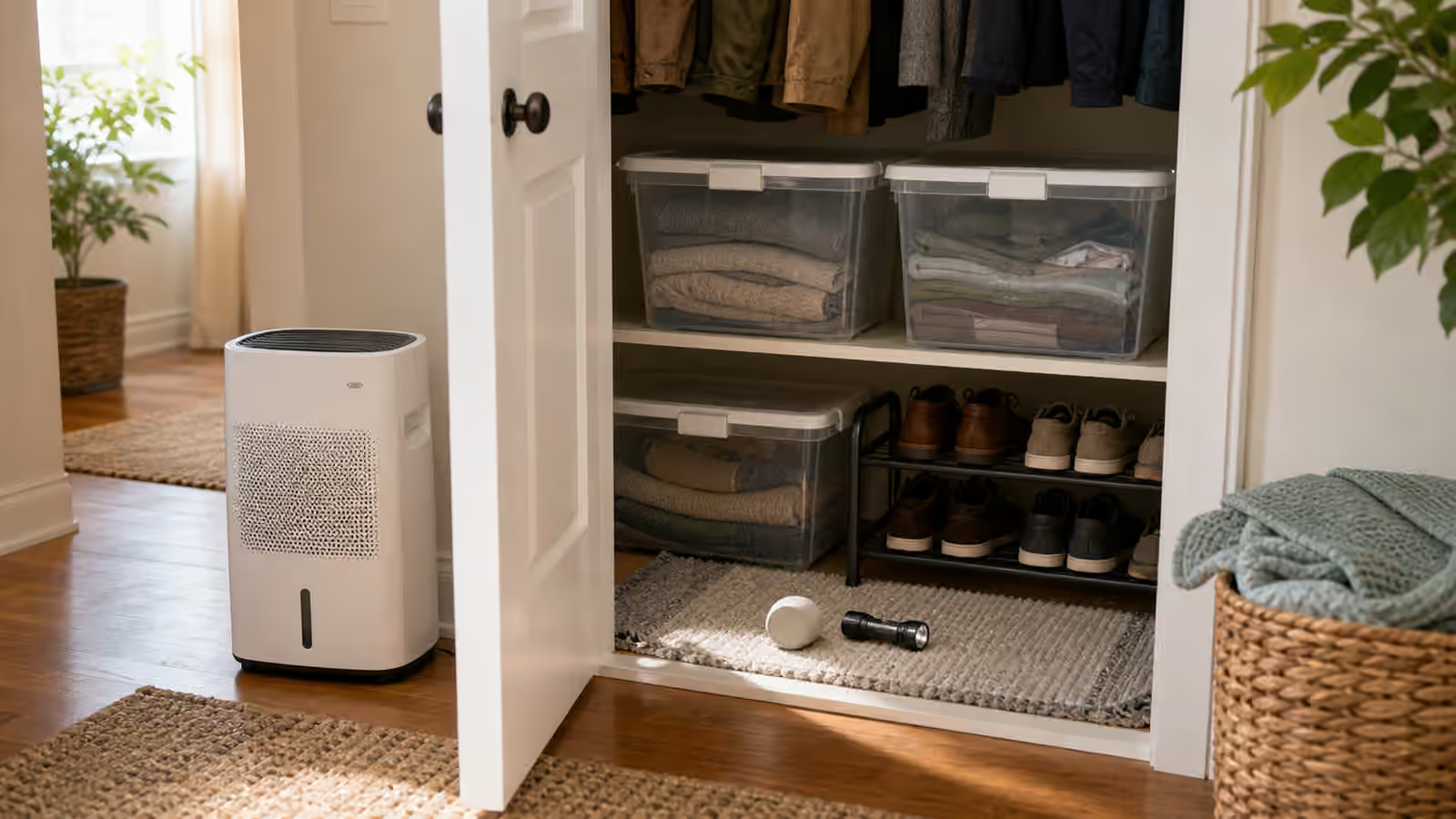
Cardboard earns particular suspicion. It is convenient and free, but it drinks up dampness in a humid space and keeps a musty note long after the surrounding room has recovered. Clear lidded bins are an improvement, not because plastic is magic, but because they reduce the exposed surface area, let you see what is inside without unpacking, and keep dust off the contents. The operative word, though, is dry. A sealed bin packed with a slightly damp blanket does not solve the moisture; it traps it in a smaller box and hands you the same smell later. Let textiles dry completely before they go in, and resist using sealed bins as a way to postpone dealing with something that already smells musty, because sealing rarely cures an odor that is already present.
Entry Closets Carry The Outdoors In
A closet by the front door does a different job from a linen closet, and it deserves different handling. Shoes bring in soil, road grit, pollen, salt, and moisture; coats carry whatever was in the air of the places they have been, from restaurant grease to cigarette smoke to public-space fragrance. If clean bedding or towels share that same closet, they quietly absorb the entry smells. Very often the fix is not a device in the hallway but simple separation: keep the clean textiles away from the shoes and outerwear. The door routine described in Entryway Dirt, Shoes, and Outdoor Particles either succeeds or fails right here, in the closet where damp coats and dirty shoes get crowded together. A washable mat, a raised rack that lets air move under the shoes, and enough room for wet items to dry before they are packed in tight will do more than any spray.
Move A Little Air, Then Reset Carefully
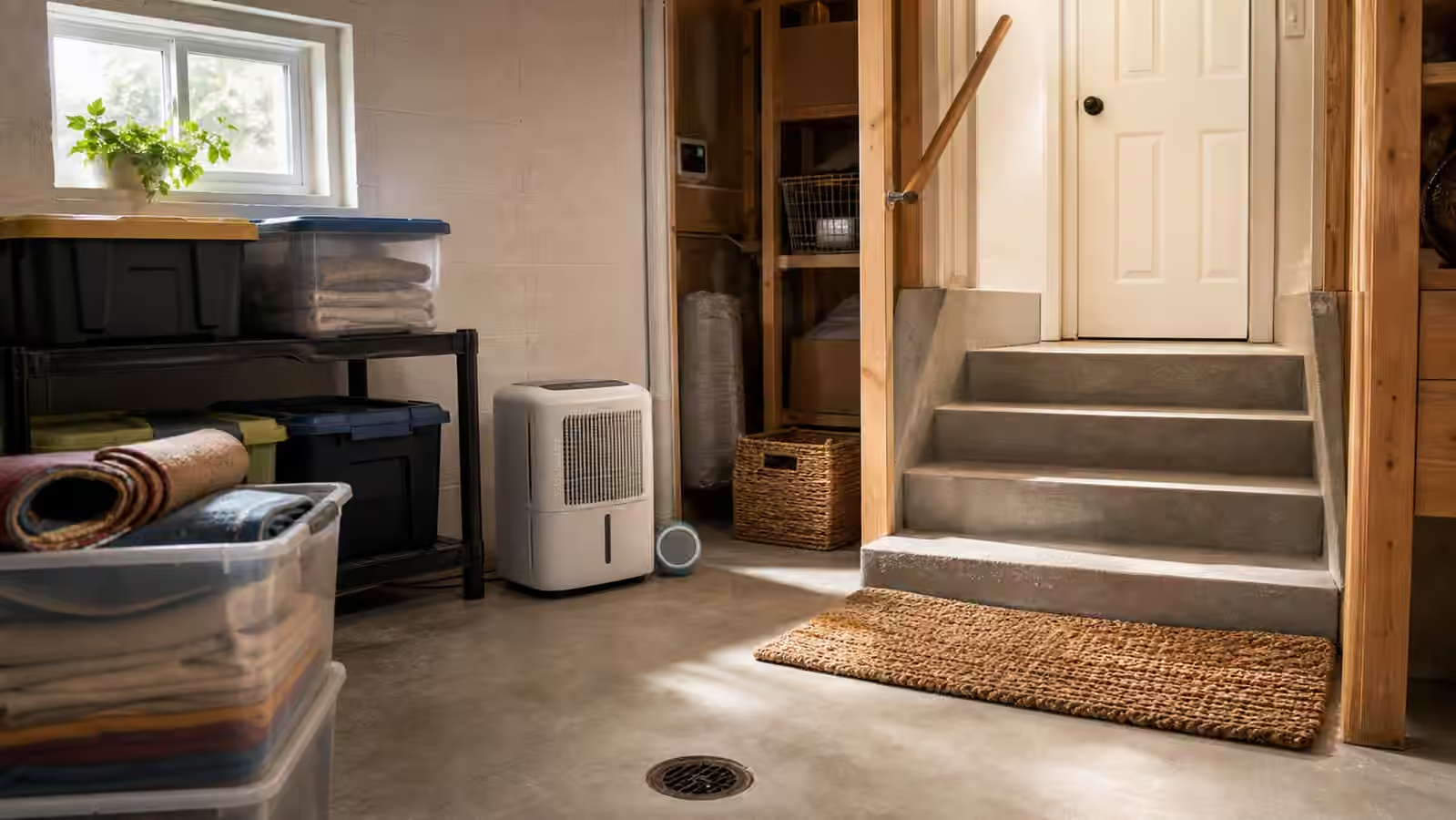
Closets do not need to become wind tunnels; they need just enough drying and gentle mixing to avoid a stagnant pocket. Leaving the door open for a while after cleaning, after damp weather, or after adding stored items helps when the surrounding room air is acceptable. A small fan placed outside the closet can speed drying once the shelves are wiped, but running a fan across dusty shelves before you clean them just launches that dust into the room, so wipe first and blow second. If the closet sits along a damp lower level, Basement Air Moving Upstairs explains how that moisture travels, and a dehumidifier in the wider room can help the whole zone, provided it is not used as an excuse to leave wet materials in place.
When you do reset the closet, work in stages so dust does not go airborne all at once, wipe or vacuum shelves according to the surface, wash or air the textiles by their care labels, and let everything dry before it goes back. Keep strong fragrance out of the reset, since scent hides whether the moisture and dust are genuinely gone; if the cleanup itself gets smelly, Cleaning Products, VOCs, and Fresh Air is the companion for that. Judge success not by the empty, open closet but by how it smells a few days after the same items return. If the smell comes back with one particular bin, rug, or suitcase, that item is your culprit; isolate it and deal with it directly. When observations pile up without a clear next step, the Humidity and Musty-Smell Triage tool helps turn them into a calmer decision.
Keep It Observable, And Know The Boundary
The best closet is not the most decorative one; it is the one you can see into. Keep the floor visible, the back wall reachable, items raised off surfaces that have ever been damp, and fabrics away from cold exterior walls. Revisit seasonal bins before the humid season rather than after they already smell. This is practical education about storage and home air, not medical advice, and it cannot promise that any space is safe. If you find persistent water, extensive visible mold, sewage, or damage behind the closet wall, stop the do-it-yourself approach, document what you see, and bring in qualified help rather than repacking over the problem.