Most people picture their home’s air as a set of separate rooms, but a house behaves more like a single tall column of air, and basements sit at the bottom of it. Warm air rises through a building and escapes near the top, which quietly pulls replacement air in from below. That upward drift has a name in building science, the stack effect, and it means the lowest, dampest, most-stored level of the home is often the level feeding air to everything above it. So when an upstairs room carries a musty note that no amount of surface cleaning removes, the honest first suspicion is not the room you are standing in. It is the basement breathing upward into it. For background, see EPA — A Brief Guide to Mold, Moisture and Your Home .
The clues tend to be about timing rather than a single dramatic discovery. A stale note that strengthens after rain, a heaviness that arrives when the heating system kicks on, a whiff near a floor register, or a smell that changes depending on whether the basement door is open all point to a path, not just a source. That is why the useful work here is detective work first and shopping last. A purifier placed upstairs cannot outrun a wet wall two floors below if the air keeps carrying that wall’s signature up the stairwell.
Read the Stack, Not Just the Smell
Start by watching how the odor tracks with events. Note whether it grows after a rainy stretch, when the furnace fan runs, after someone showers and the bath fan pulls, or during the coldest days when the stack effect is strongest. Each pattern points somewhere different. A post-rain smell implicates water intrusion and soil moisture. A furnace-fan smell implicates ductwork that runs through the basement, because leaky return ducts down there can literally inhale basement air and blow it into upstairs rooms. A smell tied to opening a closet or a bin implicates stored materials rather than the building itself.
The stairwell is the obvious highway, and the door at the top of it is your first real control. A door that closes and latches slows the free mixing that an open stairwell allows; one left open, or one with a large gap under it, lets the basement’s air join the house’s upward current unhindered. None of this requires instruments. A week of honest notes about when the smell appears usually narrows the cause more than a single anxious walkthrough with a flashlight.
Moisture First, Because It Is the Root of Most Basement Air
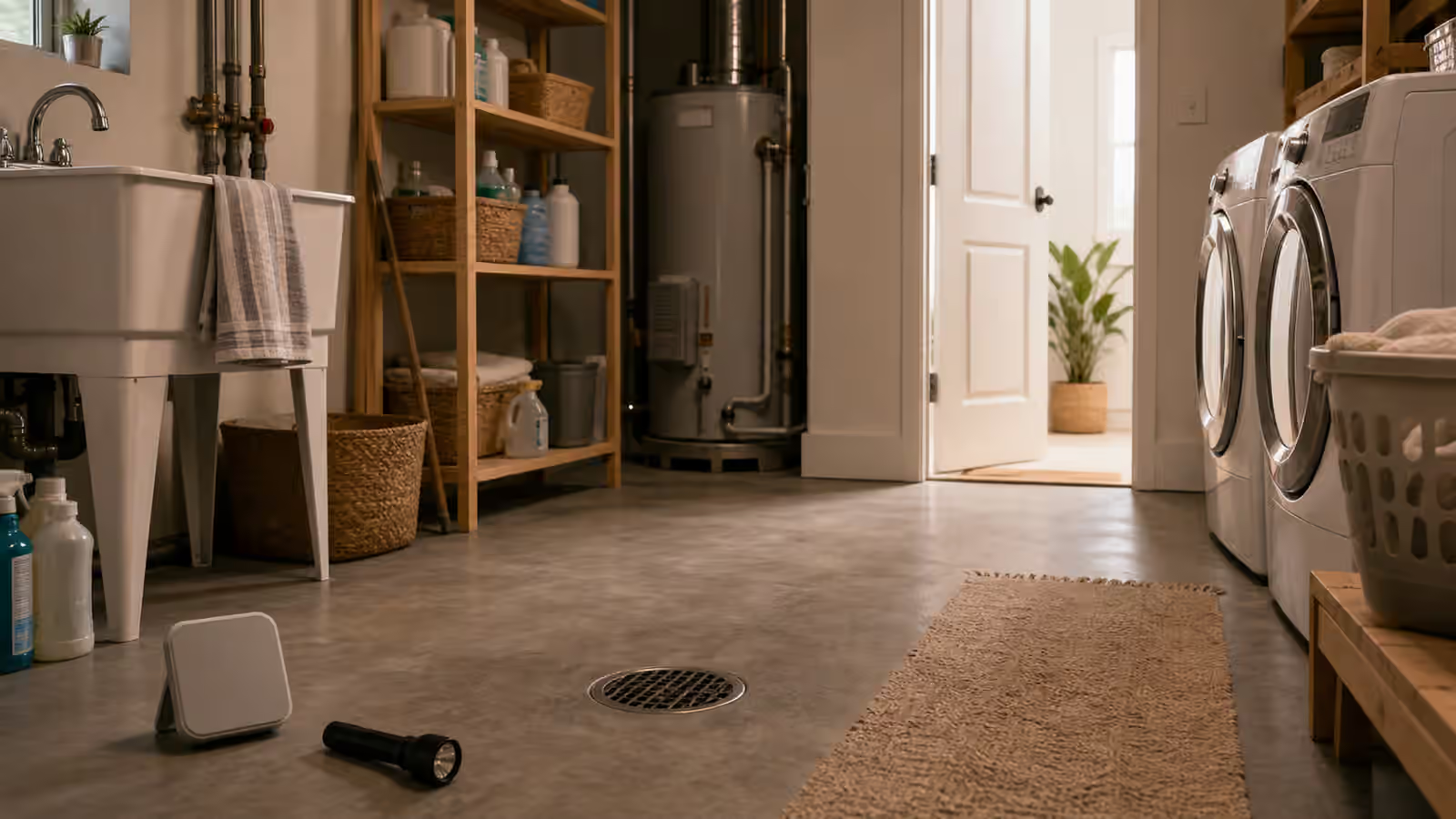
Basements are cool, in contact with soil, and prone to condensation on masonry and cold pipes, which makes chronic dampness the underlying driver of most basement odors. Fragrance does not fix damp material; it masks the note while the moisture keeps working, and the companion musty-smell triage guide is built around that exact discipline. Before you spray anything, look at the ordinary moisture clues: staining along the floor edge, damp cardboard, efflorescence on block walls, sweating pipes, window wells that hold water, and a sump area that stays wet.
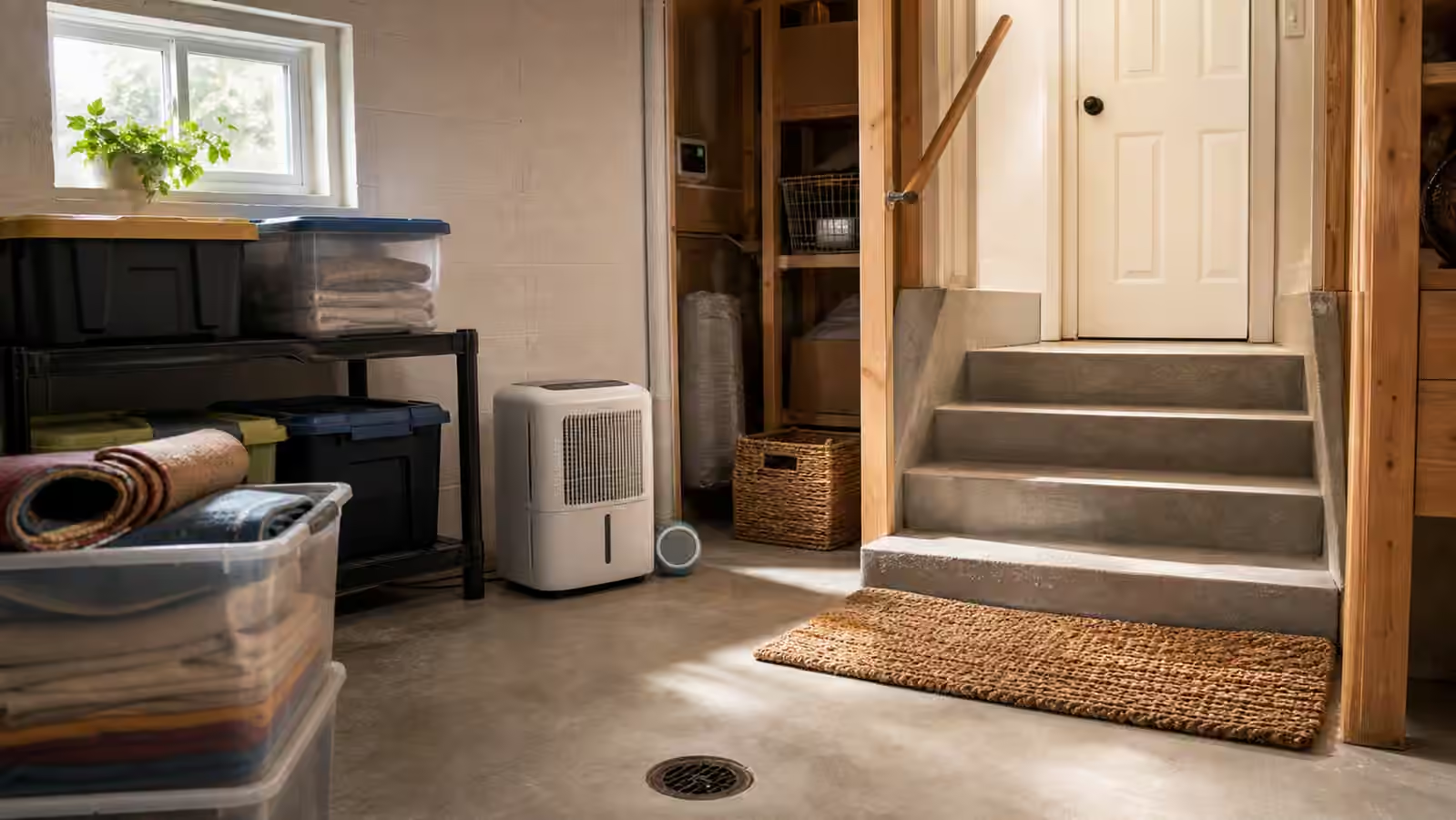
A humidity gauge, read at the same time each day and kept away from any dehumidifier’s exhaust, tells you whether the level is genuinely damp or just cool. When the notes and the numbers feel scattered, the Humidity and Musty-Smell Triage tool turns them into a short structured worksheet so you can separate a general dampness problem from a specific wet-material problem. A dehumidifier earns its place when the room is broadly humid but not actively leaking or flooding, and only when it drains reliably and gets cleaned; the dehumidifier basics guide covers running one without either panic or neglect. If you find yourself emptying a bucket daily while water keeps arriving, the machine is not solving the problem, it is politely announcing one.
Storage Is a Source That Rides the Stack
A basement quietly converts storage decisions into air-quality decisions. Cardboard drinks moisture and then smells of it. Fabric, old rugs, and papers hold odors long after the room around them has dried. Half-closed cans of paint and solvent off-gas into the very air that the stack effect is about to carry upstairs. Sealed bins raised off the floor do two things at once: they cut how much material is exposed to damp basement air, and they make it far easier to spot water on the floor before it soaks something. The hardest part is usually sentimental rather than technical, because the smelliest objects are often the ones a household is least willing to discard. Cleaning the air around a musty box changes little while the box remains the source; the real options are to dry it, seal it, move it, or let it go.
Cut the Duct Path, Then Filter What Remains
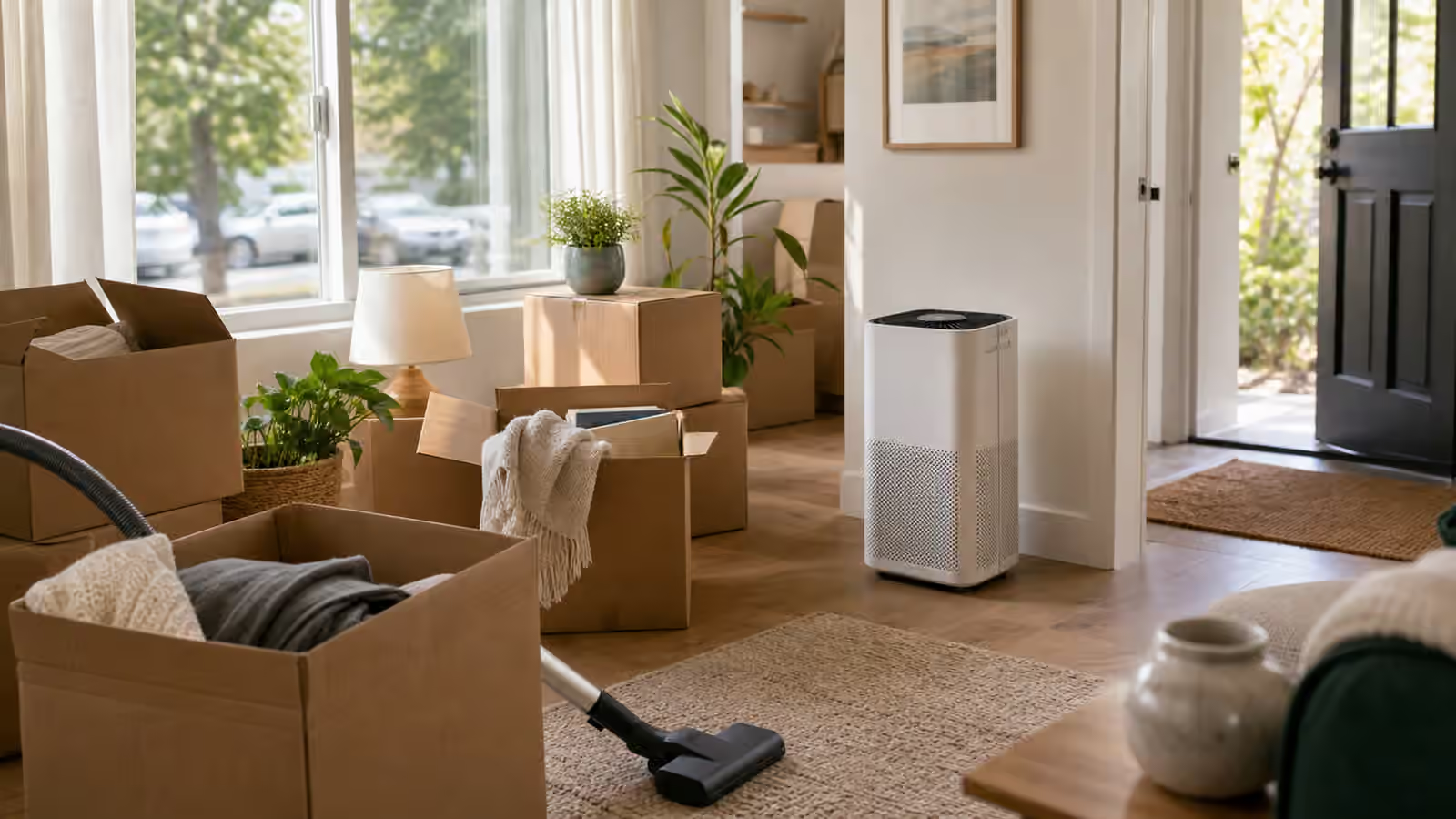
Because forced-air systems run their ducts through the basement, a leaky return can turn the whole HVAC system into a pump that distributes basement air to every room. Sealing accessible return-duct joints and making sure the filter is snug so unfiltered air is not bypassing it does more for the upstairs than any air cleaner. Once the water is managed, the storage is under control, and the duct path is tightened, filtration finally has a fair job to do. A right-sized portable cleaner near the top of the stairs can catch particles crossing into the living area, and a unit in the basement itself helps if people use that space and the remaining issue is dust rather than dampness. Whether running the central fan continuously helps or simply spreads the problem depends on your ducts and filter, which is the reason that fan decision belongs to its own mold-and-moisture judgment call rather than a blanket rule.
After the first round of fixes, revisit the stairwell on an ordinary week and see whether the upstairs air stays calm. If it does, your notes did their job. If the same smell returns, those dated observations give a contractor or landlord something concrete to act on instead of a vague complaint.
Clean Air Society is practical home education, not medical advice, diagnosis, or remediation, and it cannot promise that a given room is safe. A basement responds well to ordinary habits, but it should not be treated as a harmless closet when the rest of the house is breathing through it. Stop the DIY approach and bring in qualified help when water keeps returning, when mold covers more than a small isolated patch, when sewage or a chemical contaminant is possible, when combustion equipment down there is involved, or when the odor is strong enough that the household cannot use the space normally.