The hardest part of recovering from a smoke day is resisting the urge to do everything at once. When the sky finally clears, the instinct is to fling every window open, strip the beds, and scrub the house from ceiling to baseboard in a single afternoon. That reflex often does the wrong work at the wrong time. A smart reset moves in an order that matches how smoke actually settled into your home, starting with the outdoor air and working inward through filters, surfaces, textiles, and habits. The aim is not to erase every molecule of a rough week. It is to stop letting smoke back in, clear what the home can reasonably clear, and end up better prepared than you started. For background, see EPA — Create a Clean Room to Protect Indoor Air Quality During a Wildfire .
Confirm the Air Is Actually Better
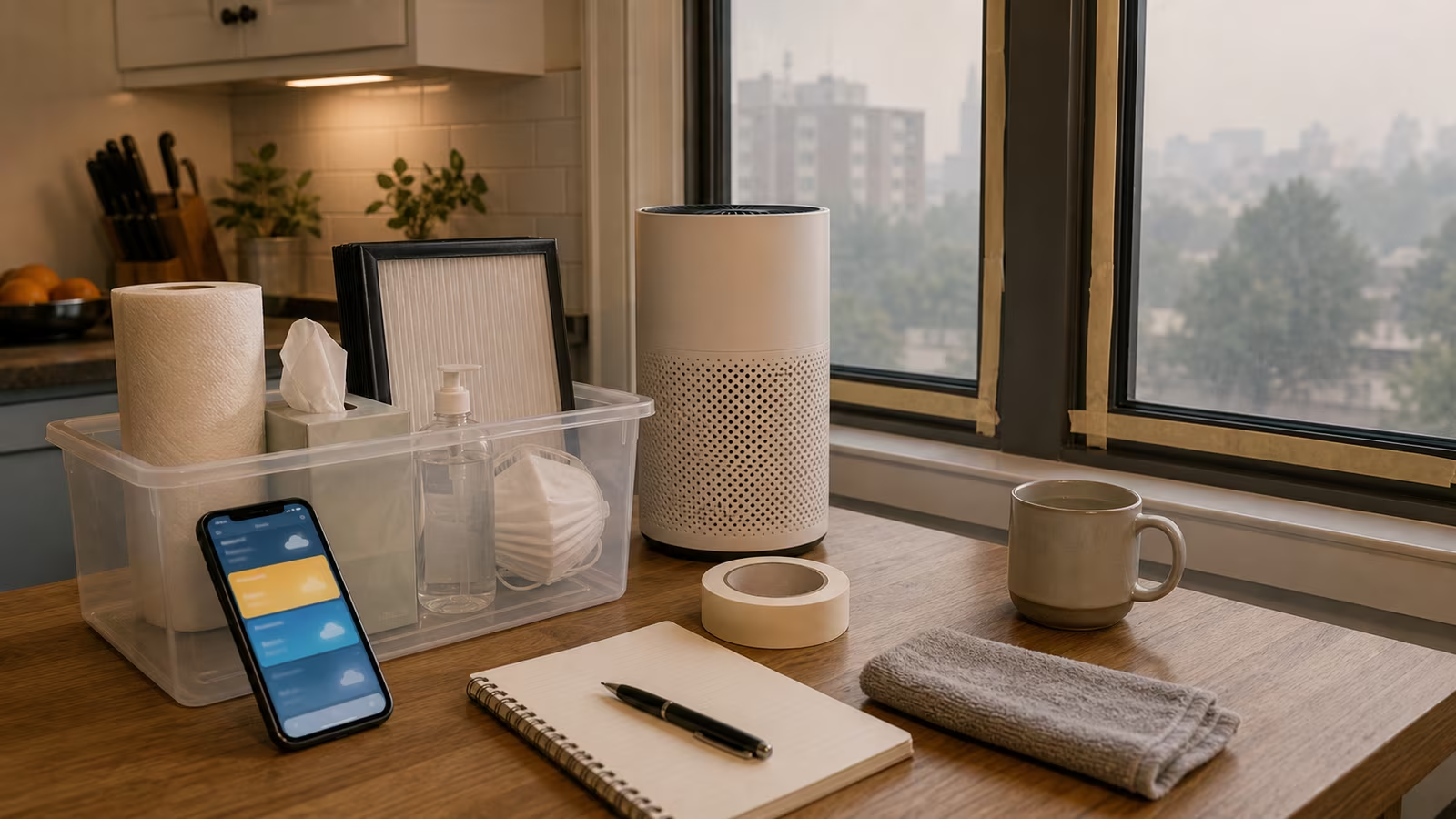
Smoke fools the eye. Haze can lift and the horizon can sharpen while fine particles, the PM2.5 that matters most for the reset, are still elevated. Opening up on the strength of a nicer-looking sky can undo the very protection you spent the smoke period building. Before you commit to ventilation, check outdoor readings from a public index, watch the trend rather than a single snapshot, and glance at whatever indoor monitor you have. If the outdoor numbers are genuinely lower than your indoor air, an airing period will help. If they are not, the reset waits and the smoke-day routine continues. Our companion guide on PM2.5, AQI, and indoor decisions walks through why the visible horizon is only one clue among several.
There is no prize for being first to open the windows. Short, deliberate ventilation once the air has clearly improved beats leaving the whole house open on a day that merely feels free.
Work Outward From the Clean Room
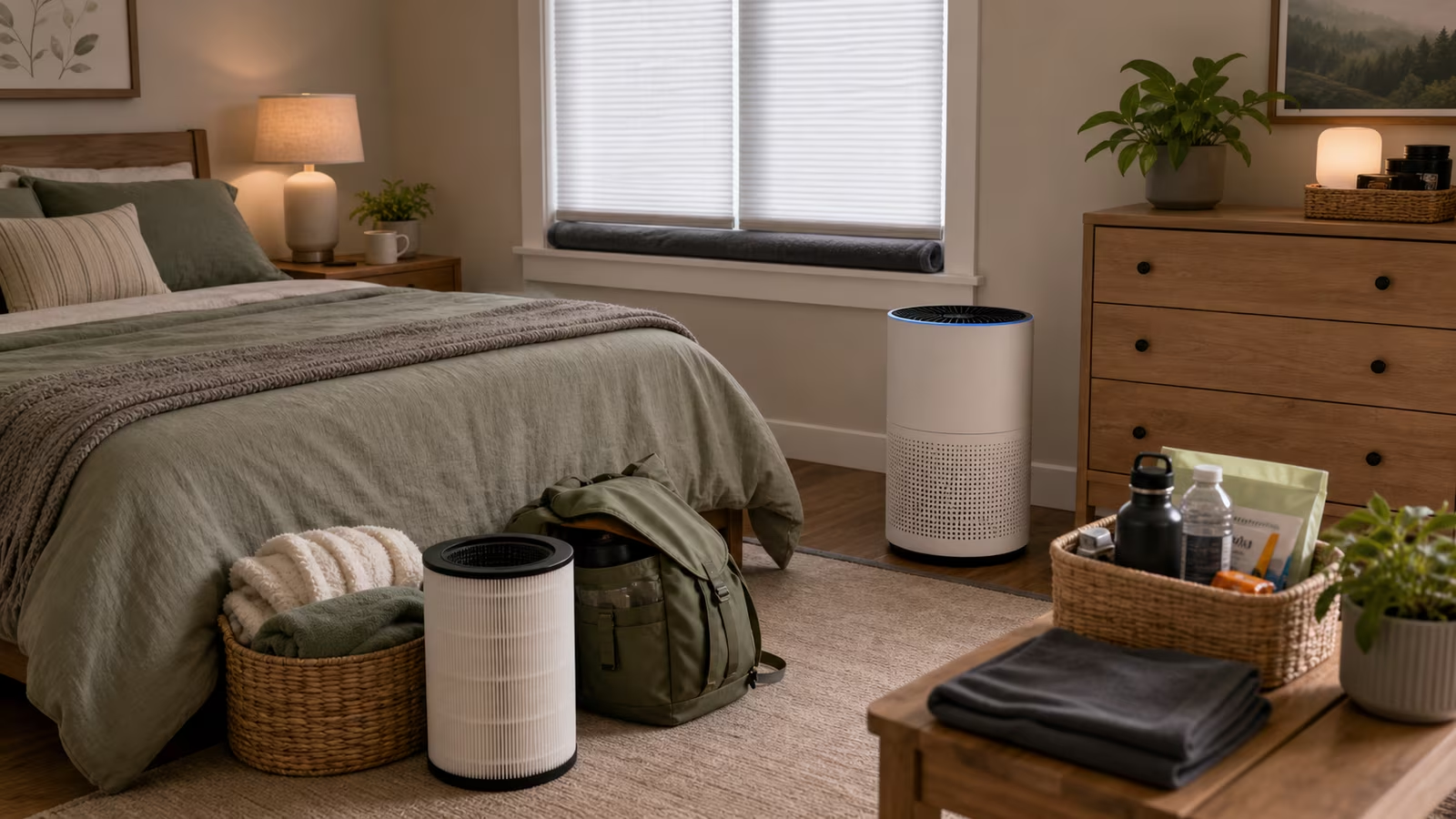
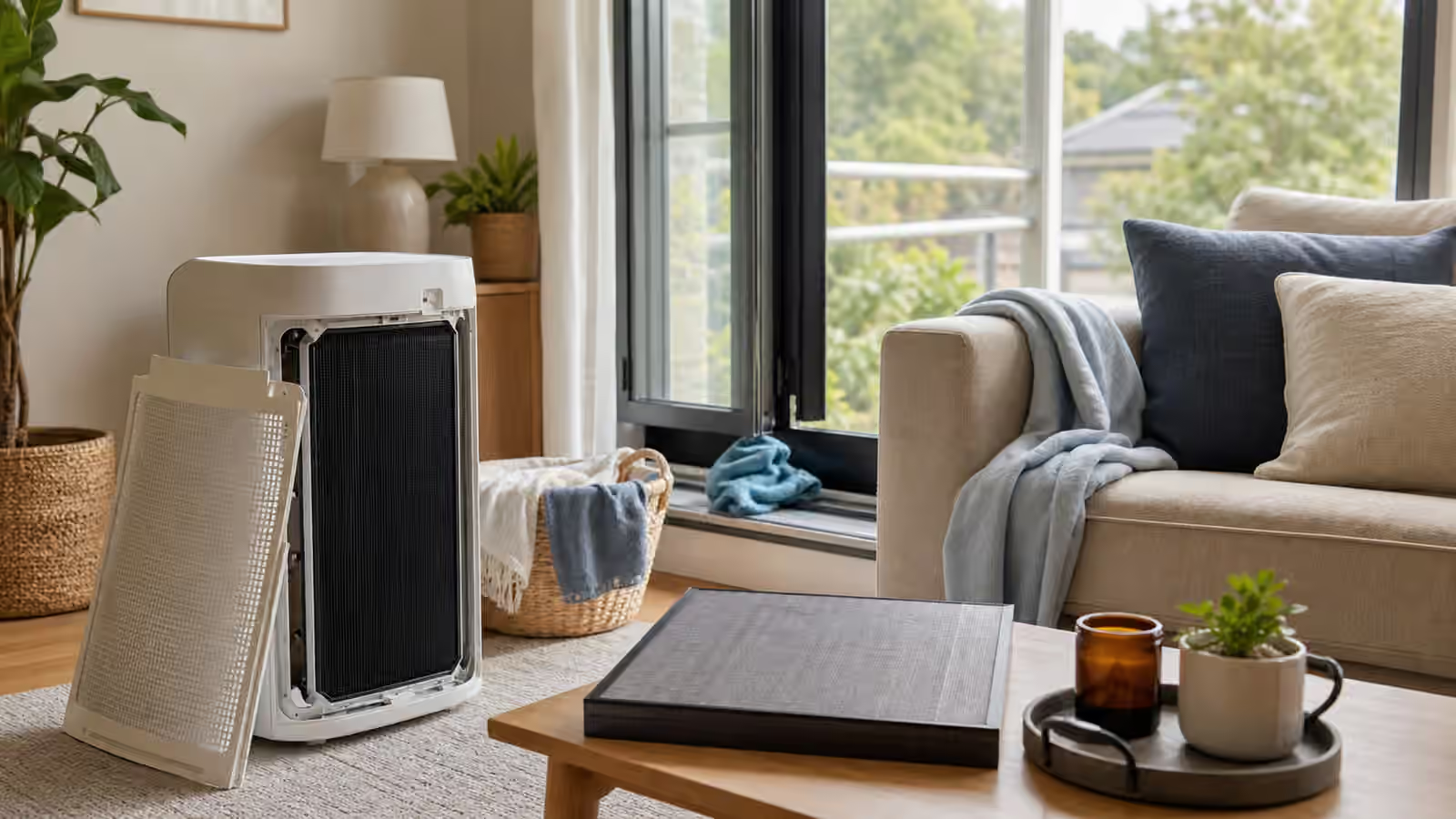
If you set up a single filtered room during the event, reset that space first. It is your cleanest starting point because it had the steadiest filtration, the fewest door openings, and the fewest indoor particle sources. Turn the purifier off, open the panel, and look at the filter. Check the prefilter if the unit has one, and wipe the intake grille where a gray film often collects. Then deal with settled dust the gentle way: a damp microfiber cloth traps particles instead of relaunching them into the air, which is exactly what dry dusting or an aggressive early vacuum pass tends to do. Save heavier vacuuming for later, and use a well-sealed machine when you do. The clean room for smoke days that carried you through the event now becomes the model for how the rest of the home should feel.
Pay attention to what that room taught you. Was the purifier easy to place, or fighting a corner? Did the space overheat with the door closed? Did the filter clog faster than you expected? Those observations are worth more than a vague memory that the smoke day was stressful, because they tell you what to fix before the next one.
Judge the Filters, Do Not Panic-Replace Them
Smoke loads filters fast, but a single smoke day rarely means every filter in the house is spent that same hour. Look before you buy. A purifier filter that has darkened, an HVAC filter that is visibly gray, reduced airflow, a machine running louder than usual, or media already near the end of its normal life all argue for replacement. A nearly new filter after a short, mild event may just need a note and another look in a week. Turn equipment off before you handle anything, resist shaking a dirty filter indoors, bag it if you are discarding it, and reinstall the replacement in the correct airflow direction with the panel fully closed. The filter replacement calendar turns this into a record instead of a guess, which matters because smoke exposure is uneven and memory is unreliable.
One caution for central systems: if you dropped in a higher-MERV filter during the smoke, confirm the equipment is happy running it long term before you leave it in place. A smoke plan should support your HVAC, not quietly starve it for airflow.
Target the Entry Points, Not Every Object
Smoke gathers where air moved, which means the residue concentrates in predictable places rather than spreading evenly over every surface. Window tracks, door thresholds, tired weatherstripping, balcony door seals, the opening around a portable AC hose, and entry mats all collect a smoky film. Wiping those small zones with a damp cloth does more, faster, than cleaning every shelf and ornament in the house. Rinse the entry mat, run a careful vacuum pass near the door, and you cut down what foot traffic and fans would otherwise redistribute for days.
Whatever you do, do not paper over the smell with heavy fragrance. A scented spray makes a room feel finished while adding its own compounds to air you are trying to clear, and the impulse to make the house smell clean is strongest right after something unpleasant. Freshness should come from source reduction, filtration, and clean outdoor air, not from a new layer of scent over old smoke.
Give Textiles the Judgment They Deserve
Soft surfaces hold odor and particles unevenly, so an all-or-nothing rule wastes effort. A throw blanket that sat by a leaky window may need washing while a closet of clothes behind a closed door does not. Bedding in the sealed clean room may be fine; bedding in a room that stayed smoky probably benefits from a wash. Curtains, upholstery, rugs, and pet beds earn attention based on exposure and smell rather than a blanket decree. Keep the laundry low-scent if you can, and dry everything fully before it goes back into closed storage, so a smoke reset does not quietly turn into a moisture and musty-smell problem.
Restart Ventilation Gradually and Build the Plan for Next Time
When outdoor air is genuinely acceptable, bring normal ventilation back in stages. A few windows open briefly refreshes stale indoor air; kitchen and bathroom exhaust help clear residual moisture and cooking particles as routines resume. Watch the humidity, because the temptation to leave everything open for hours can push damp air in and set up new problems. Then close the loop by writing a short, honest note: which room worked, which filter sizes you used, which leak points were obvious, whether heat was the real enemy, and what to stock before the next event. That note is a supply list, not a diary of worry, and it is exactly the kind of thing the Smoke Day Plan Builder is designed to turn into a ready-to-use plan so the next smoke period starts from preparation instead of scramble. Our smoke-day indoor plan becomes far easier when the last event left evidence behind.
A routine reset is not fire restoration, medical advice, or proof that a room is safe. Clean Air Society is practical education. If there is ash indoors, building or water damage from firefighting, a strong smoke odor that will not clear after cleaning, or symptoms that concern anyone in the household, step outside the guidebook frame and use professional or official guidance instead. Most homes, after a moderate outdoor smoke period, need exactly this measured sequence: wait for better air, refresh on purpose, judge the filters, wipe the high-value surfaces, wash what was exposed, and restock what you used.