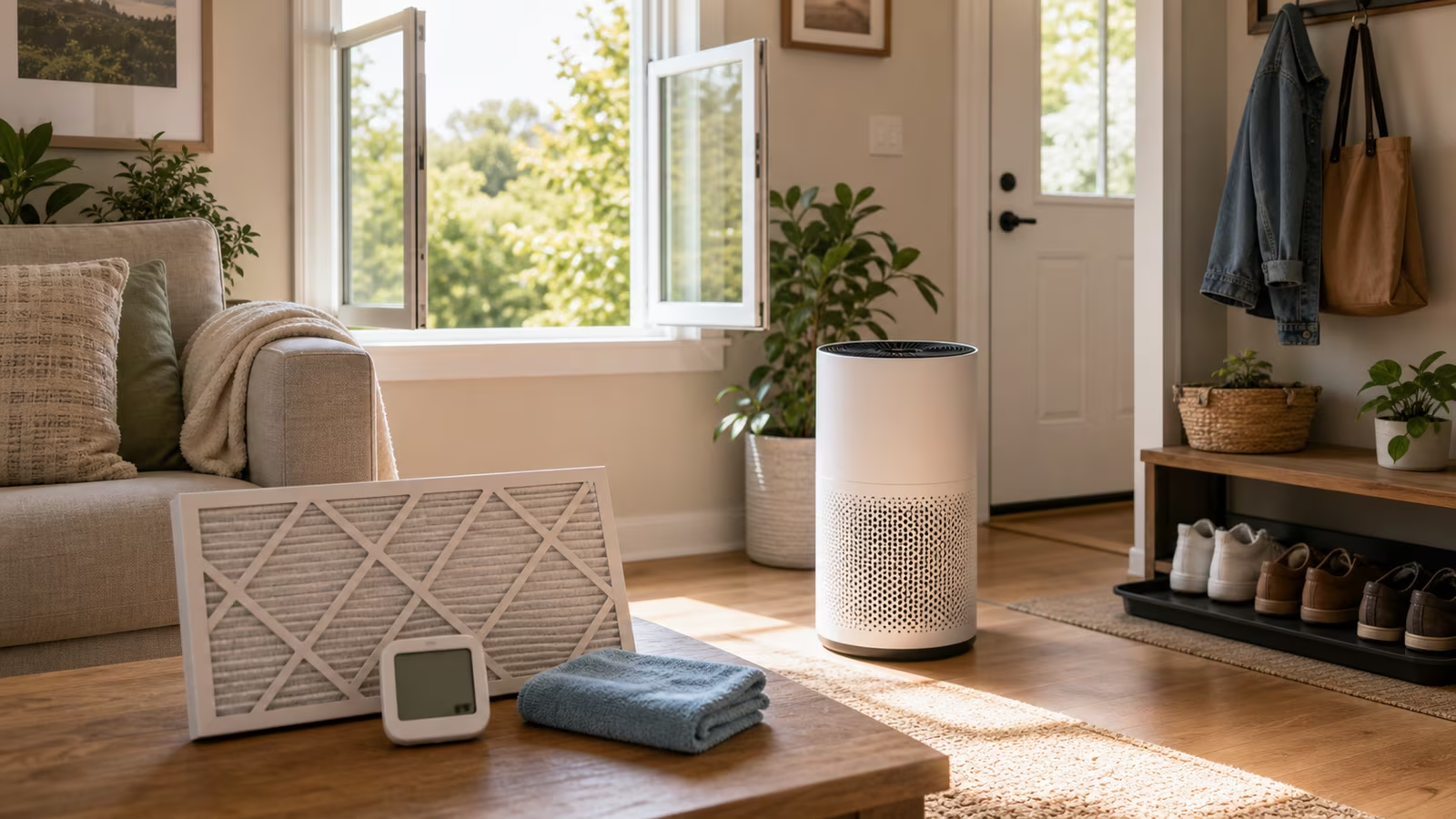
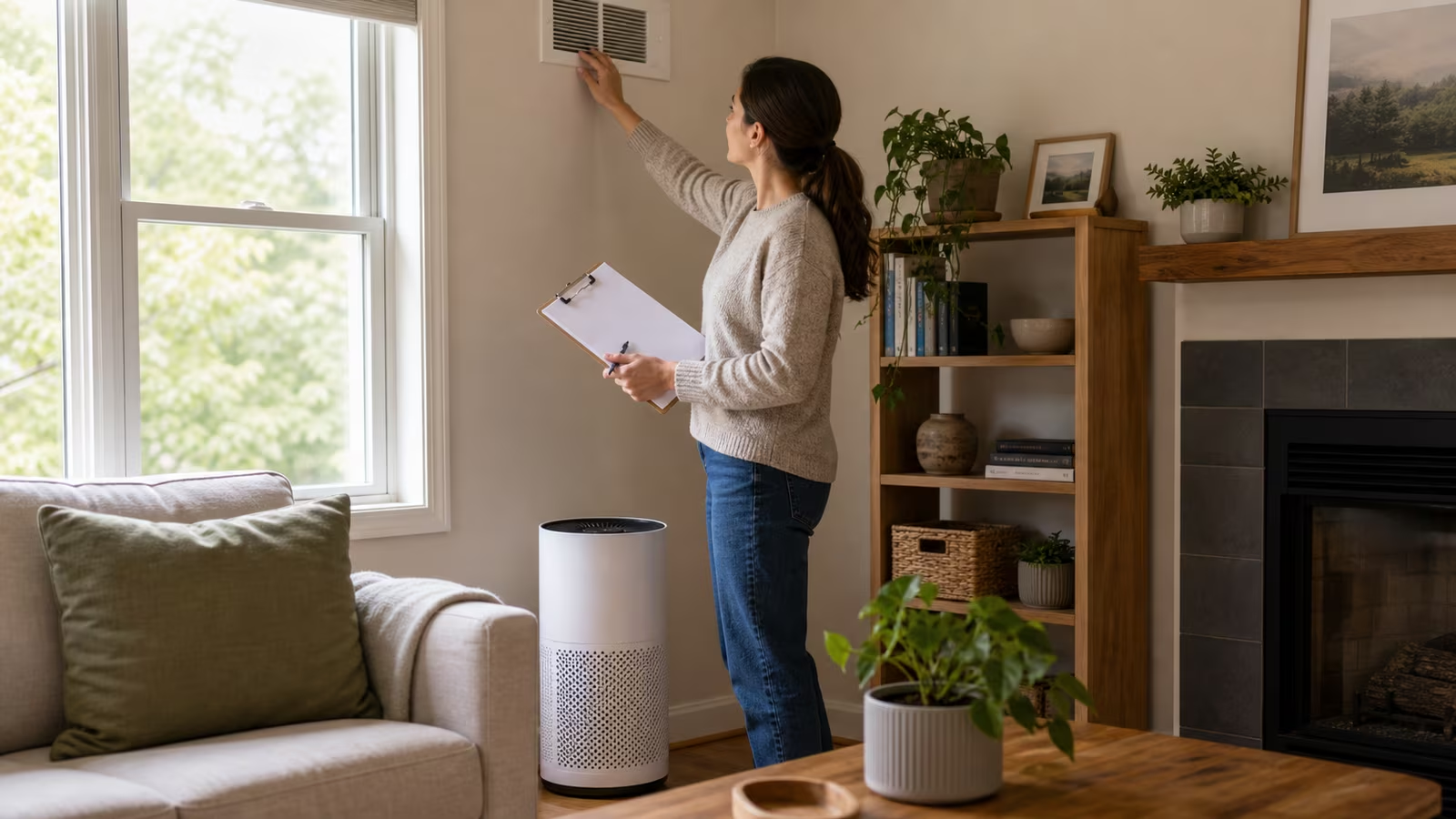
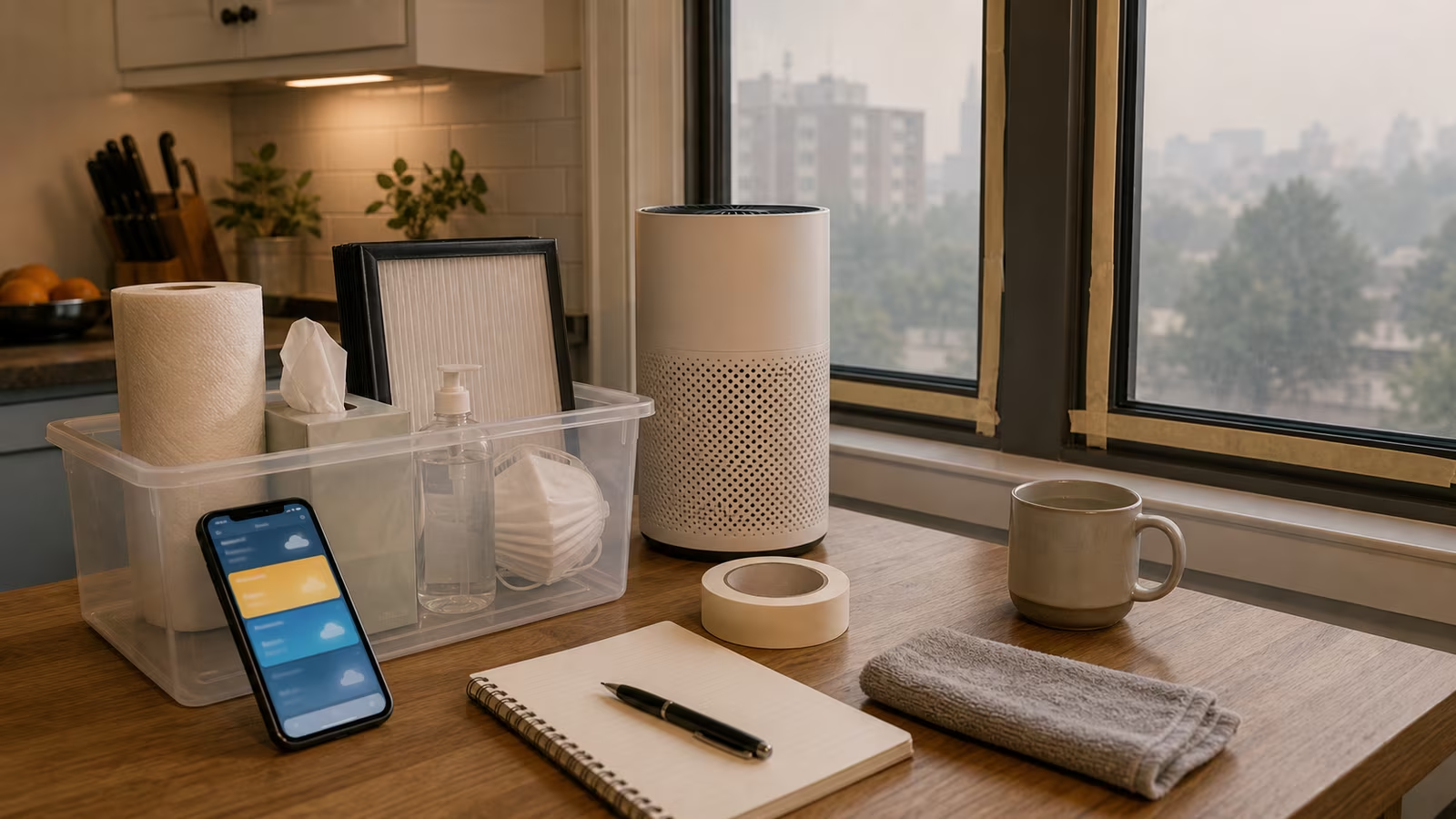
Clean Air Society is a guidebook shelf for practical, beginner-friendly indoor air quality. It covers source control, smoke days, post-smoke resets, dust, pollen, pet dander, humidity, musty smells, ventilation, CO2 trends, air purifiers, HVAC filters, filter fit, monitor boundaries, room setups, air leaks, return paths, basement paths, laundry moisture, hobby rooms, plant myths, combustion boundaries, temporary filter builds, room AC habits, closet storage, scented textiles, fan mixing, shared-building air paths, gatherings, window timing, guest rooms, workout spaces, pest-control events, utility drains, moving boxes, and buying decisions without pretending one device makes a home healthy.
For short practice between guides, use the Clean Air Society game track . For calculators and checkers, start with Air Purifier Sizing , Smoke-Day Planning , and Humidity Triage .
Full path
- Clean Air Society Quickstart - Understand the first clean-air moves before buying gear.
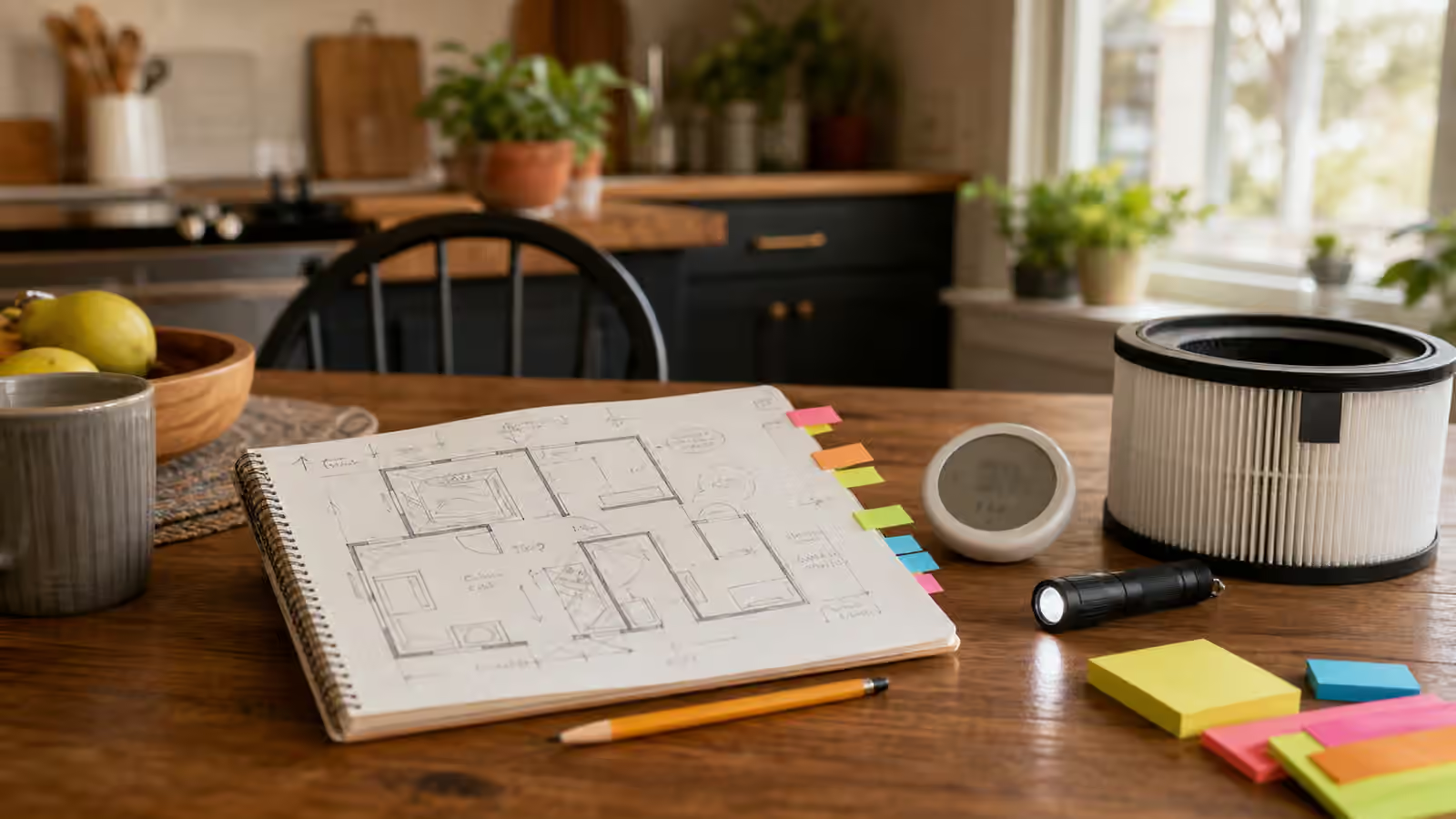
- The Clean-Air Walkthrough for Any Room - Turn a vague room complaint into a short inspection route.
- Source Control Before Air Purifiers - Remove or reduce what is making the air dirty before filtering what remains.
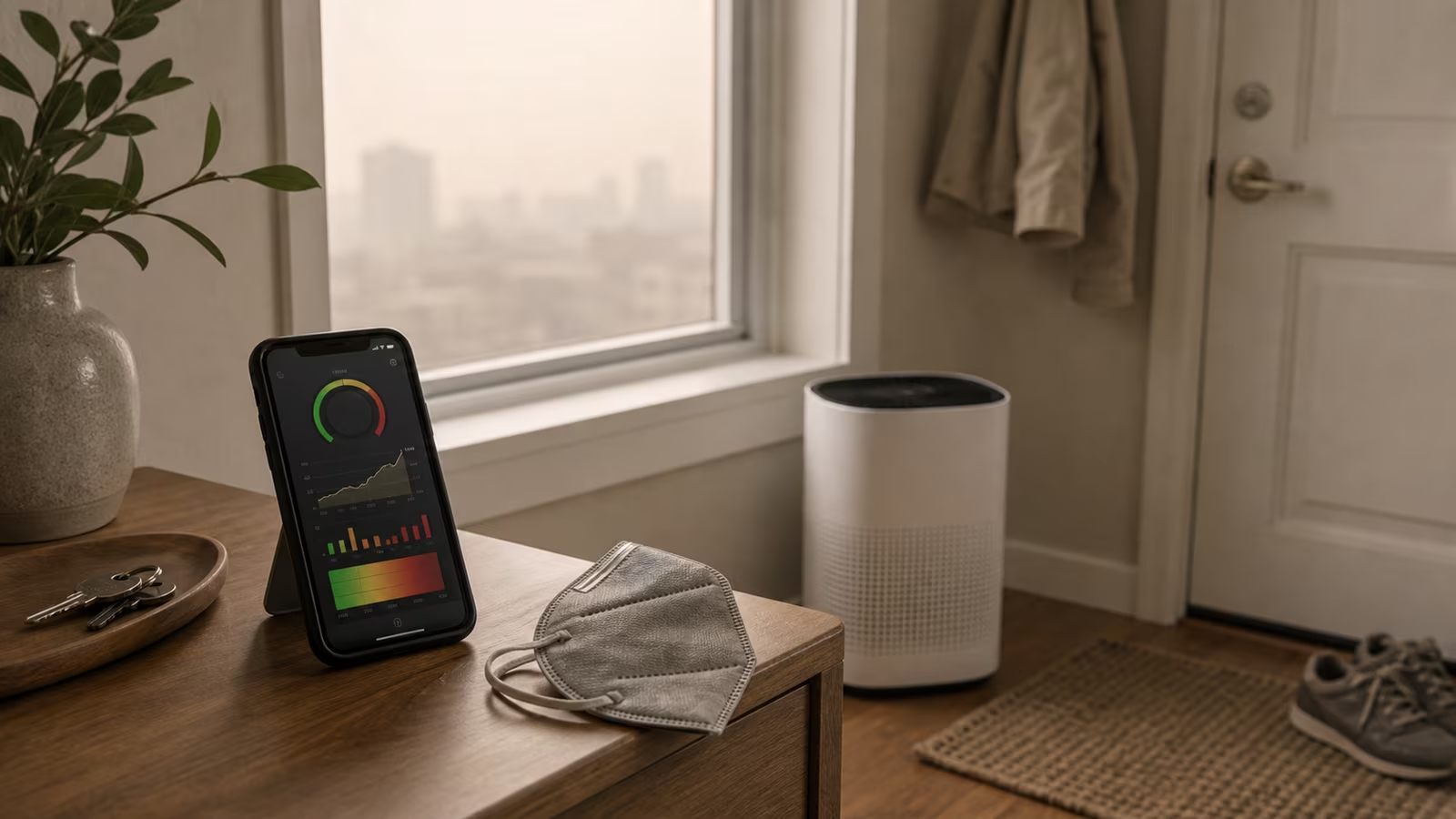
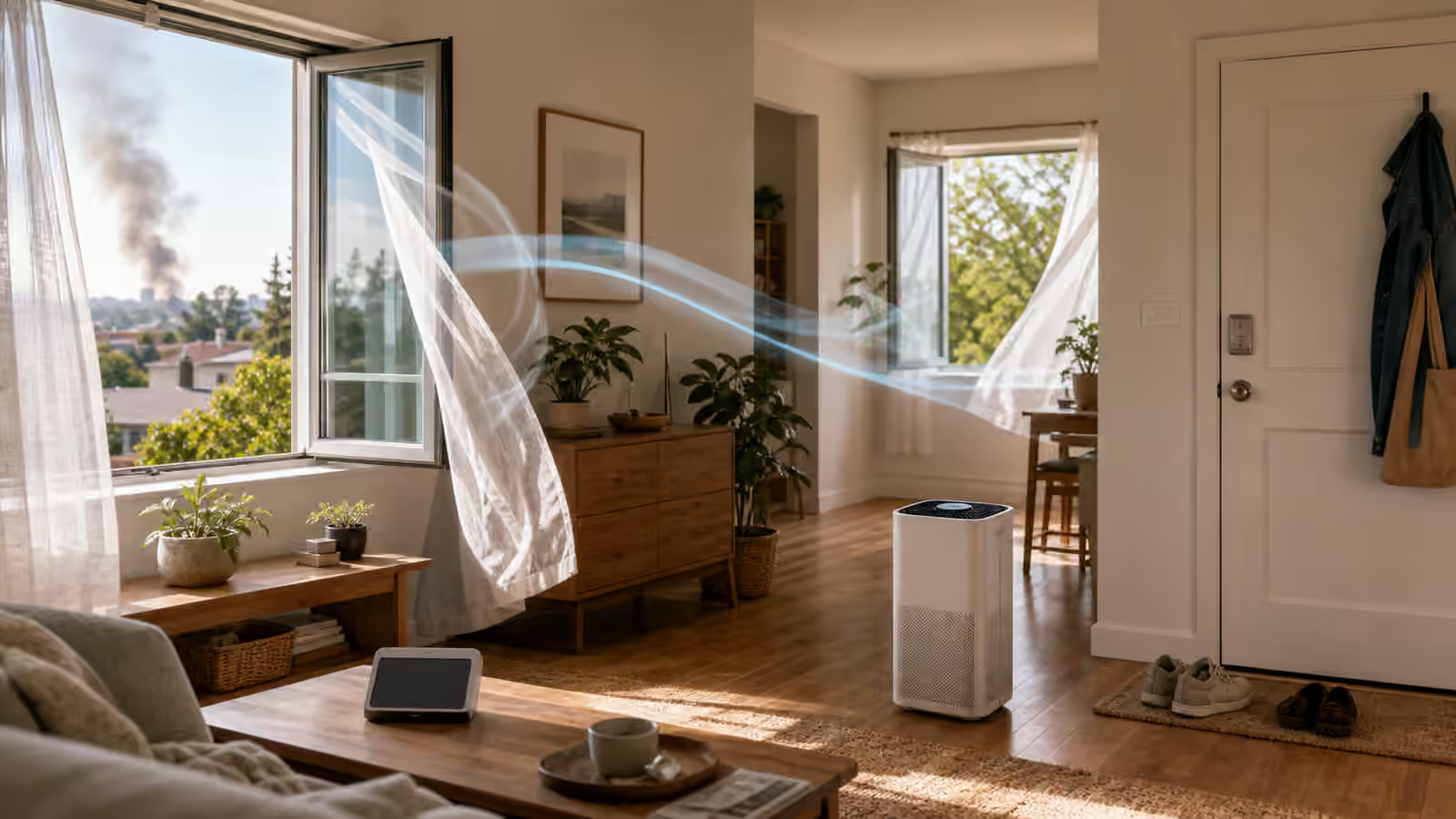
- Smoke-Day Indoor Plan - Prepare before wildfire smoke or neighborhood smoke arrives.
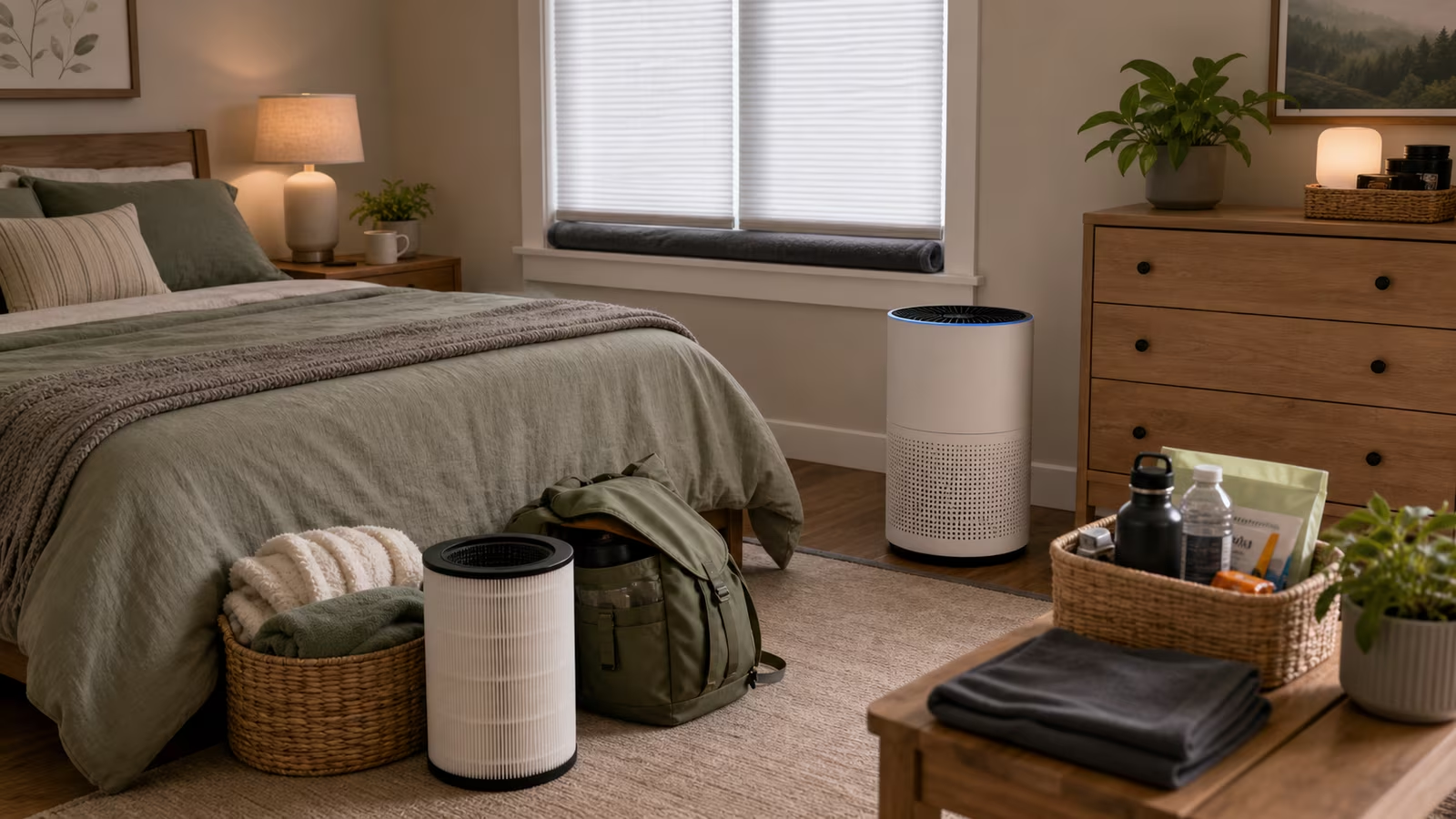
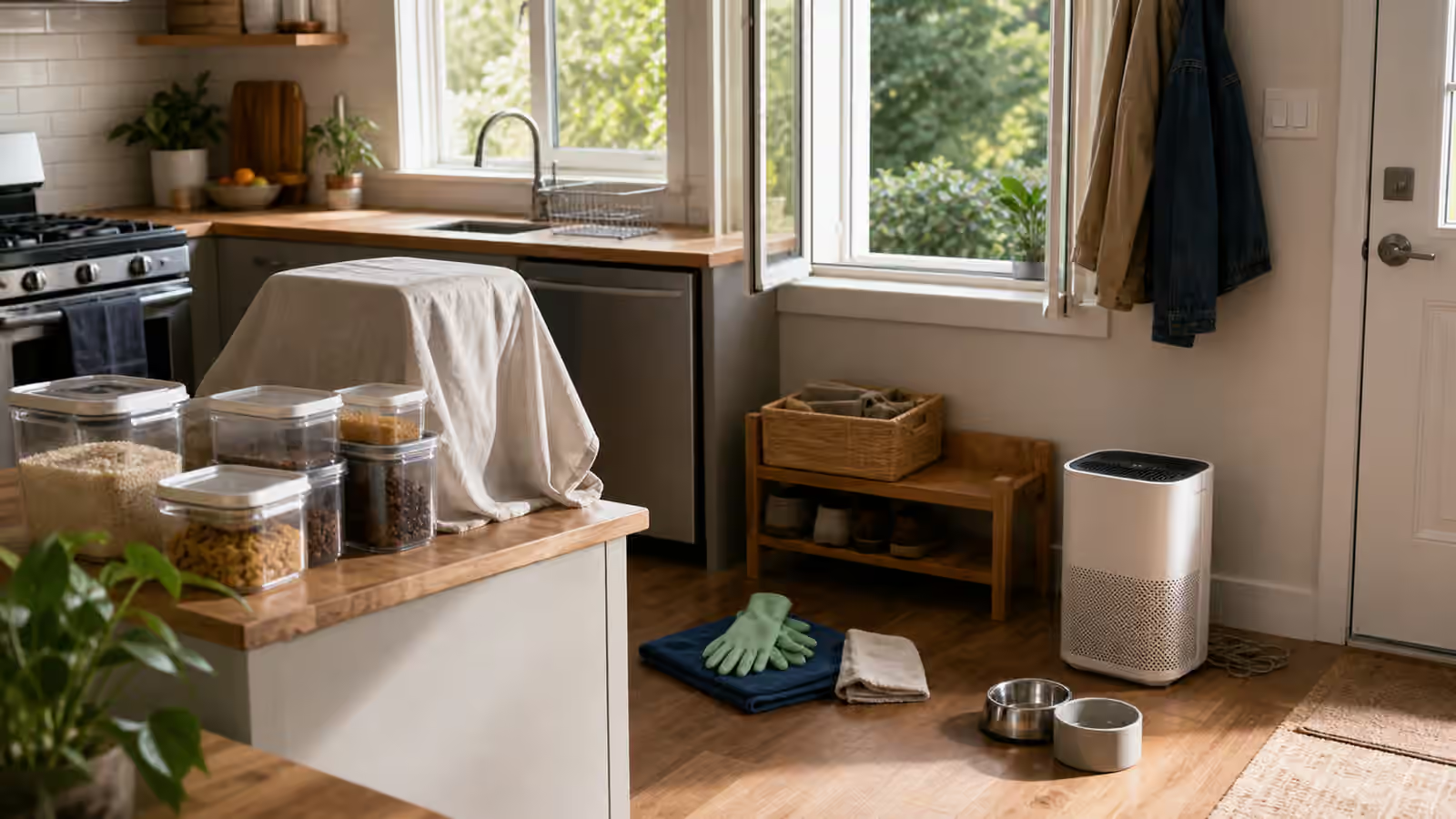
- Make One Clean Room for Smoke Days - Set up one room where filtration and closure can work better.
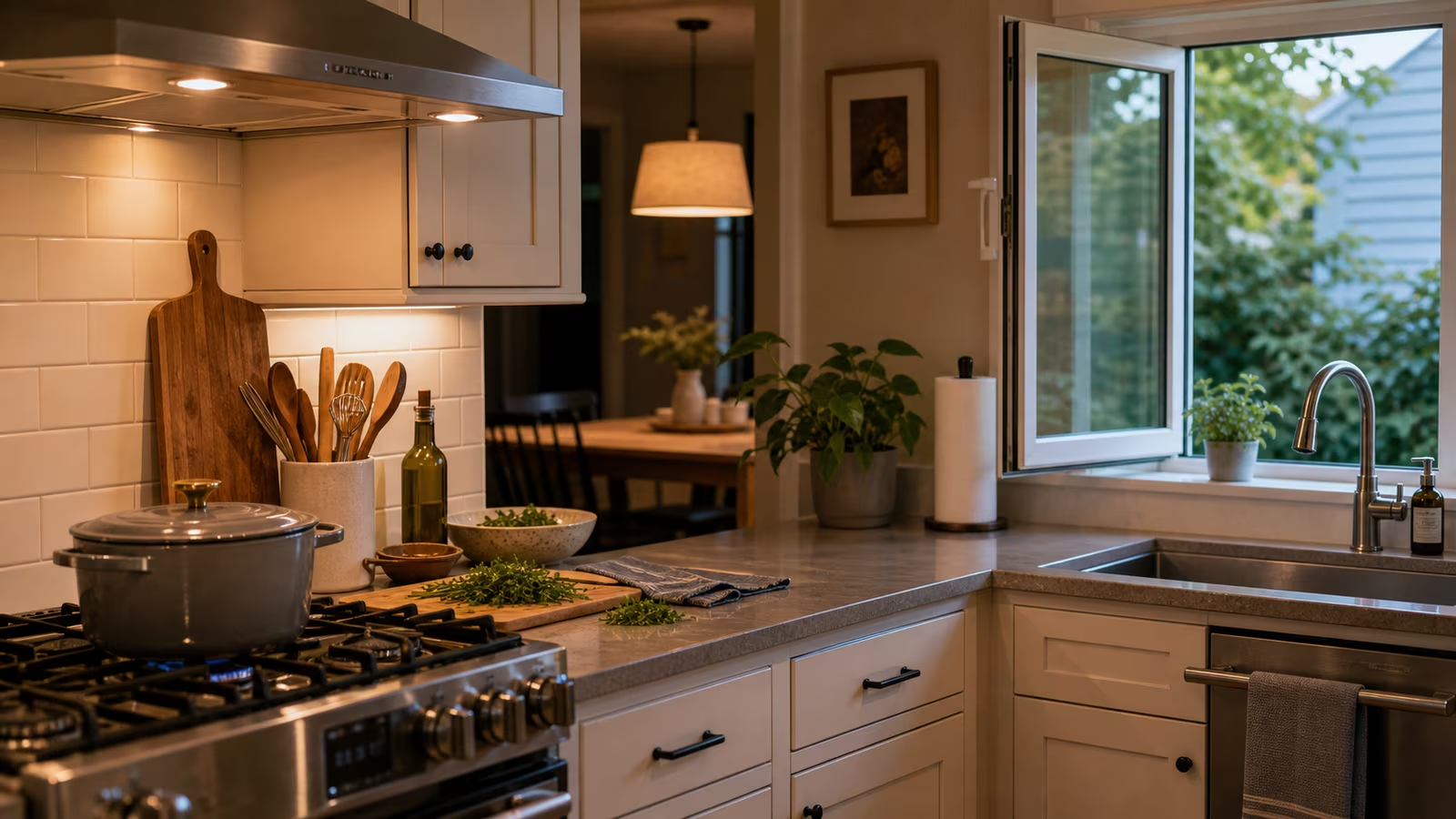
- Cooking Smoke, Grease, and Dinner Smells - Reduce normal cooking particles without making dinner stressful.
- Secondhand Smoke in Apartments - Respond calmly when smoke comes from a neighboring unit or hallway.
- Dust Control That Actually Changes the Room - Reduce dust reservoirs instead of only wiping visible surfaces.
- Dust Mites, Bedding, and Soft Surfaces - Make the bedroom less dusty without promising symptom cures.
- Pollen Season Indoor Routine - Keep outdoor pollen from becoming an indoor reservoir.
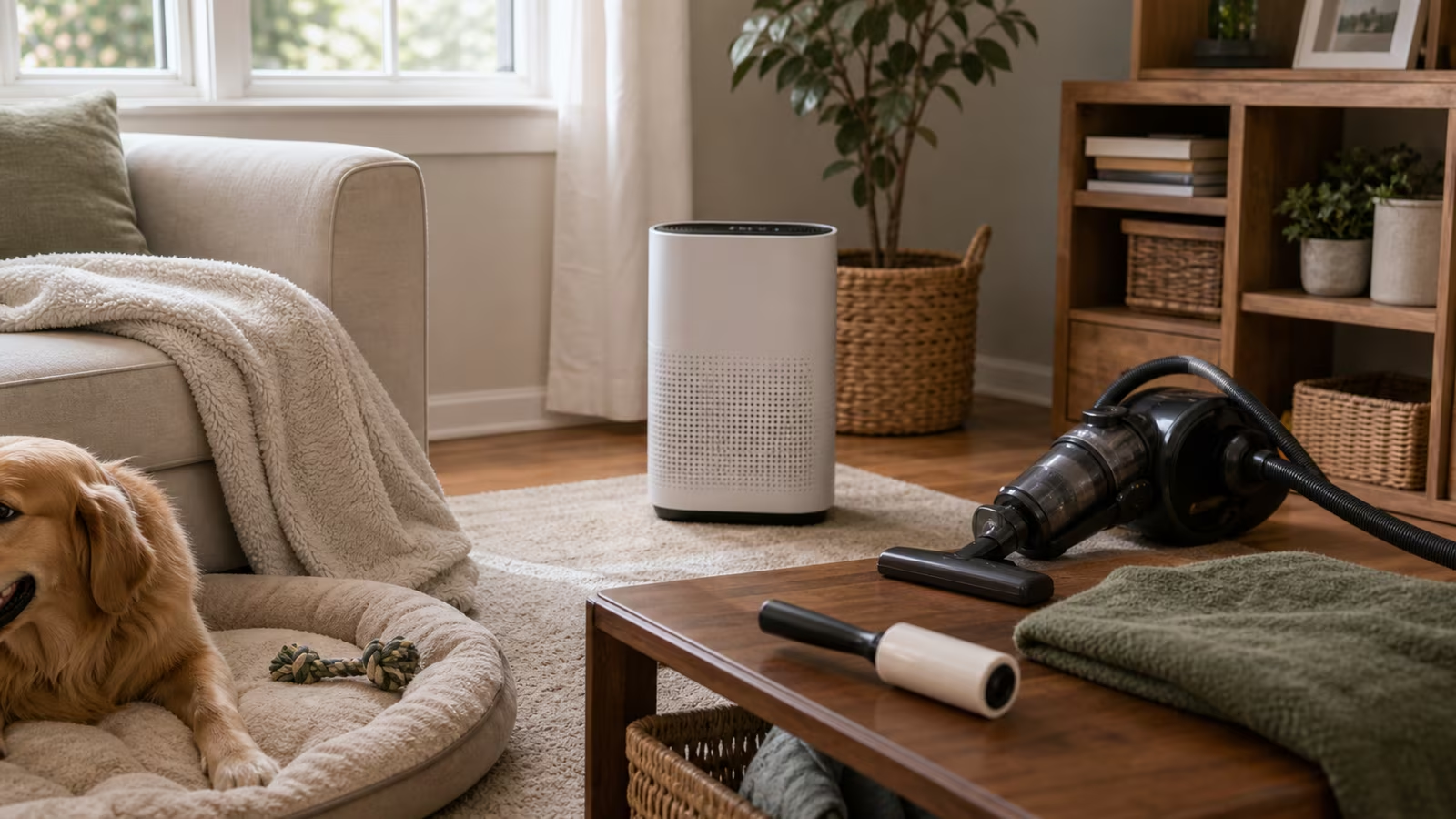
- Pet Dander Without Blaming the Pet - Reduce pet-related particles while keeping the home kind and realistic.
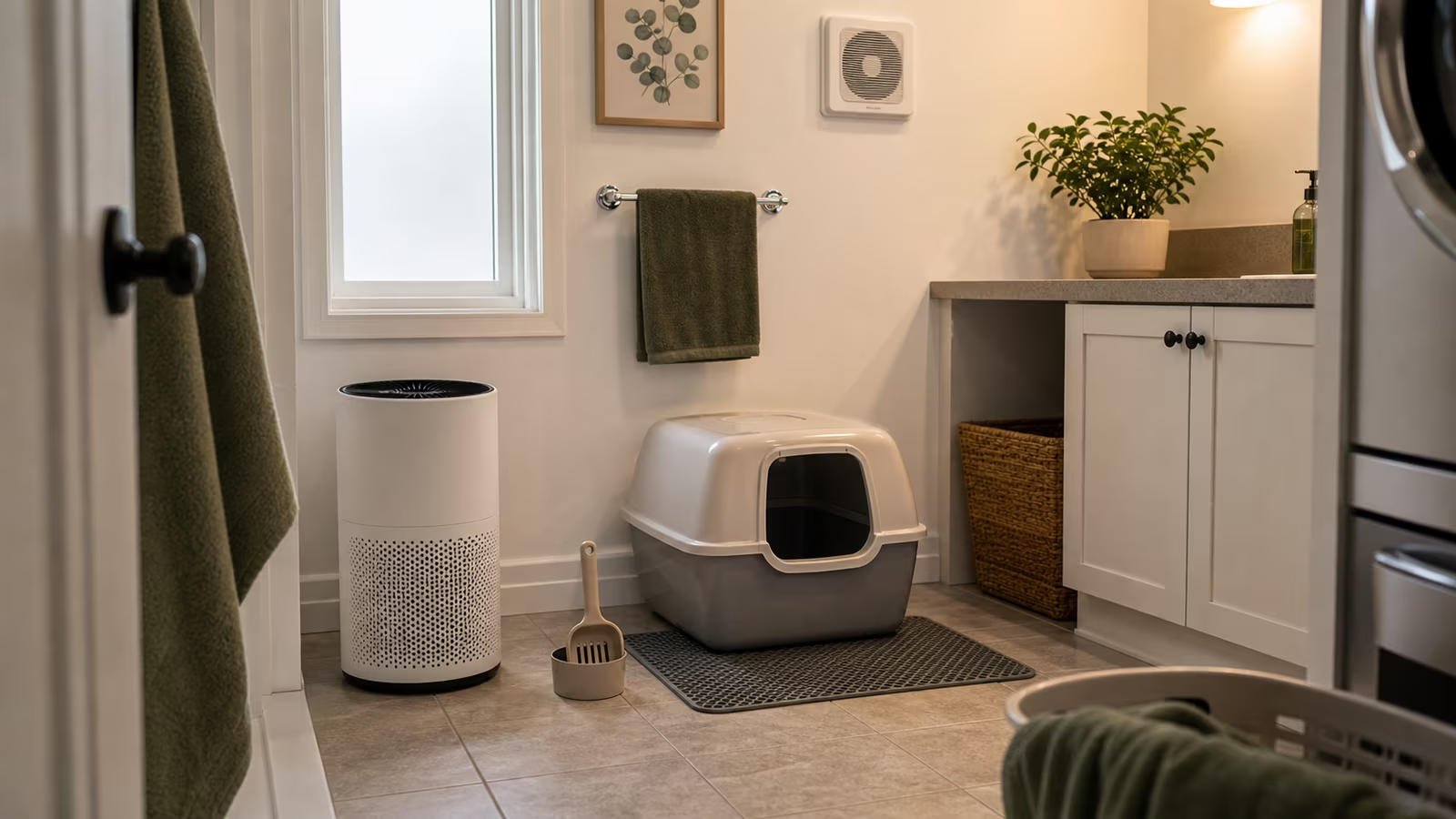
- Cat Litter Dust and Small Bathrooms - Manage litter dust, odor, moisture, and ventilation in tight spaces.
- Humidity Sweet Spot for Beginners - Understand why humidity affects comfort, dust, mold risk, and static.
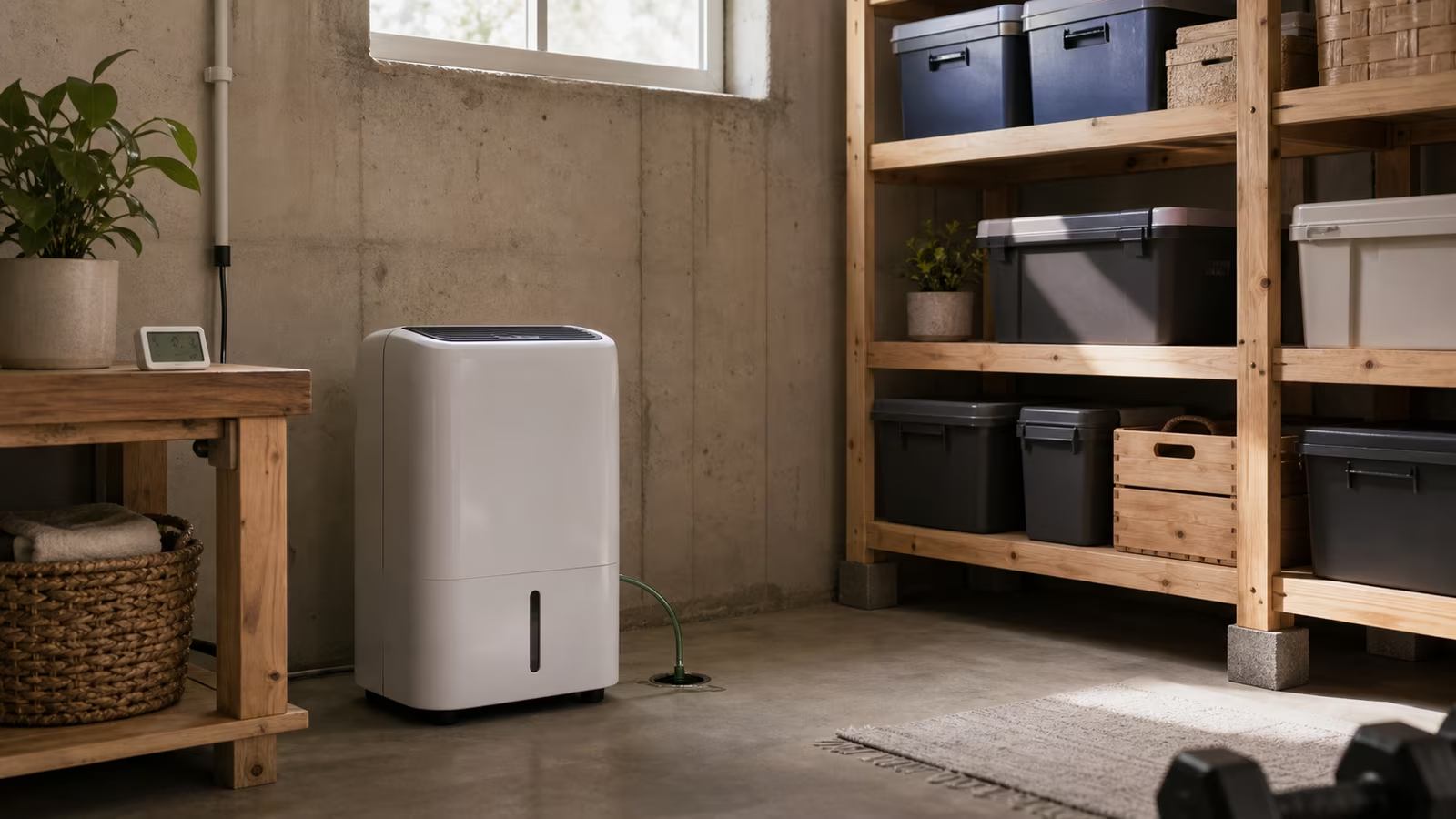
- Dehumidifier Basics Without Mold Panic - Choose and run a dehumidifier for damp rooms without treating it as magic.
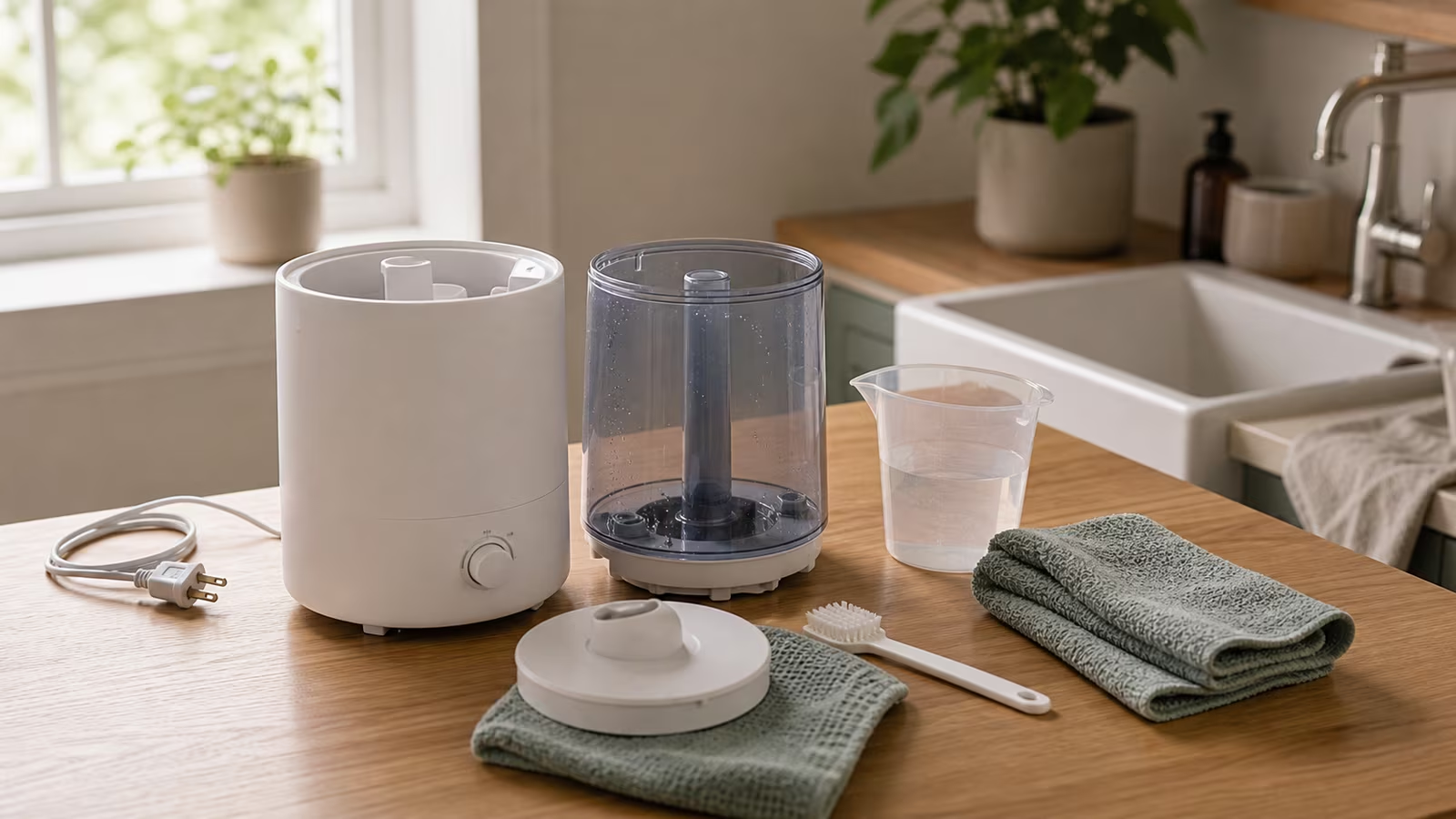
- Humidifier Safe Use and Cleaning - Use a humidifier carefully when dry air is the problem.
- Musty Smell Triage - Separate stale air, damp materials, hidden leaks, and ordinary odors.
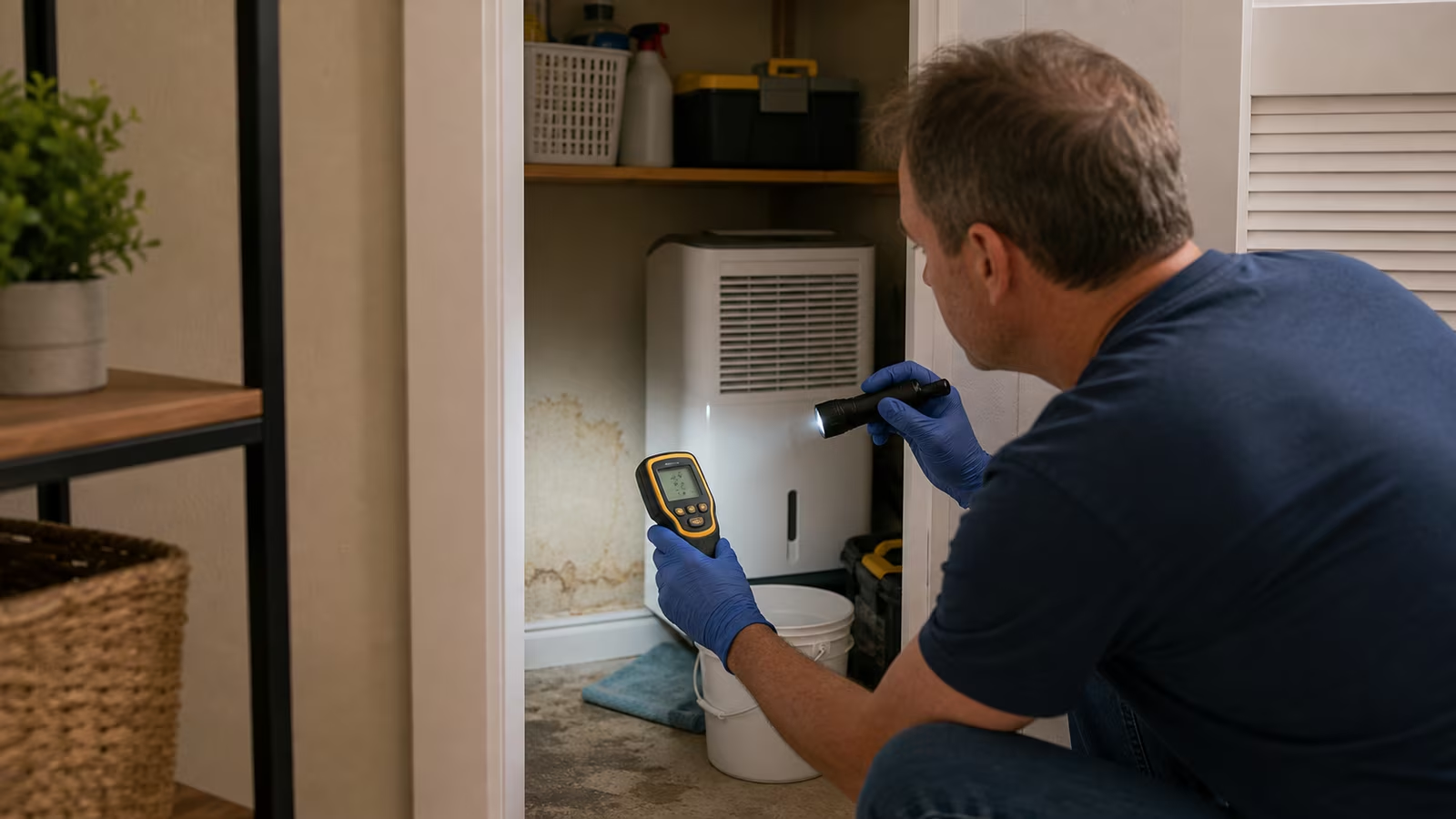
- Mold, Moisture, and When to Stop DIY - Know the boundary between household moisture habits and remediation.
- Ventilation Basics for Stale Rooms - Refresh a stale room without assuming windows are always right.
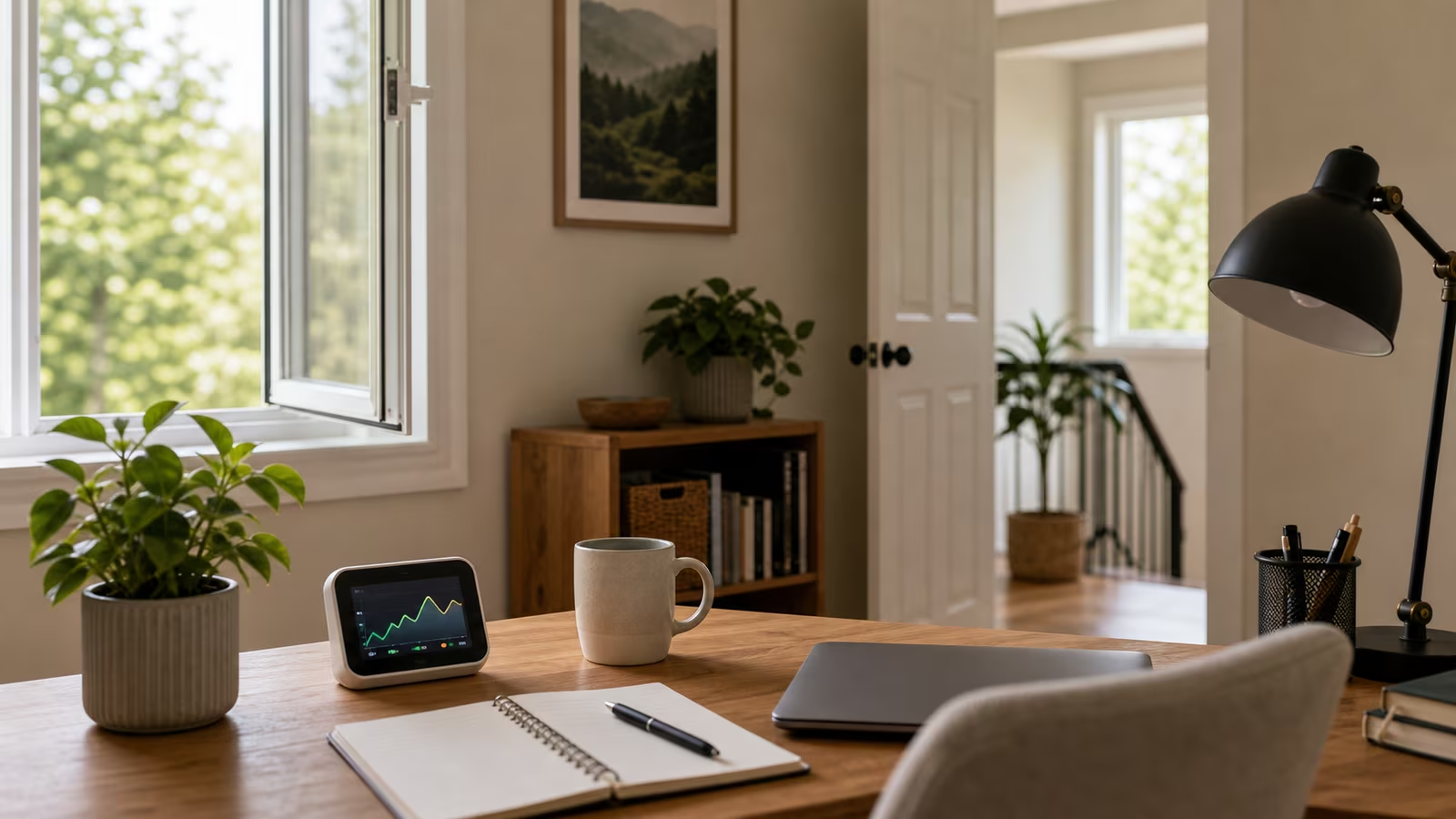
- CO2 Monitors for Home Ventilation - Use co2 as a ventilation clue without turning it into a health verdict.
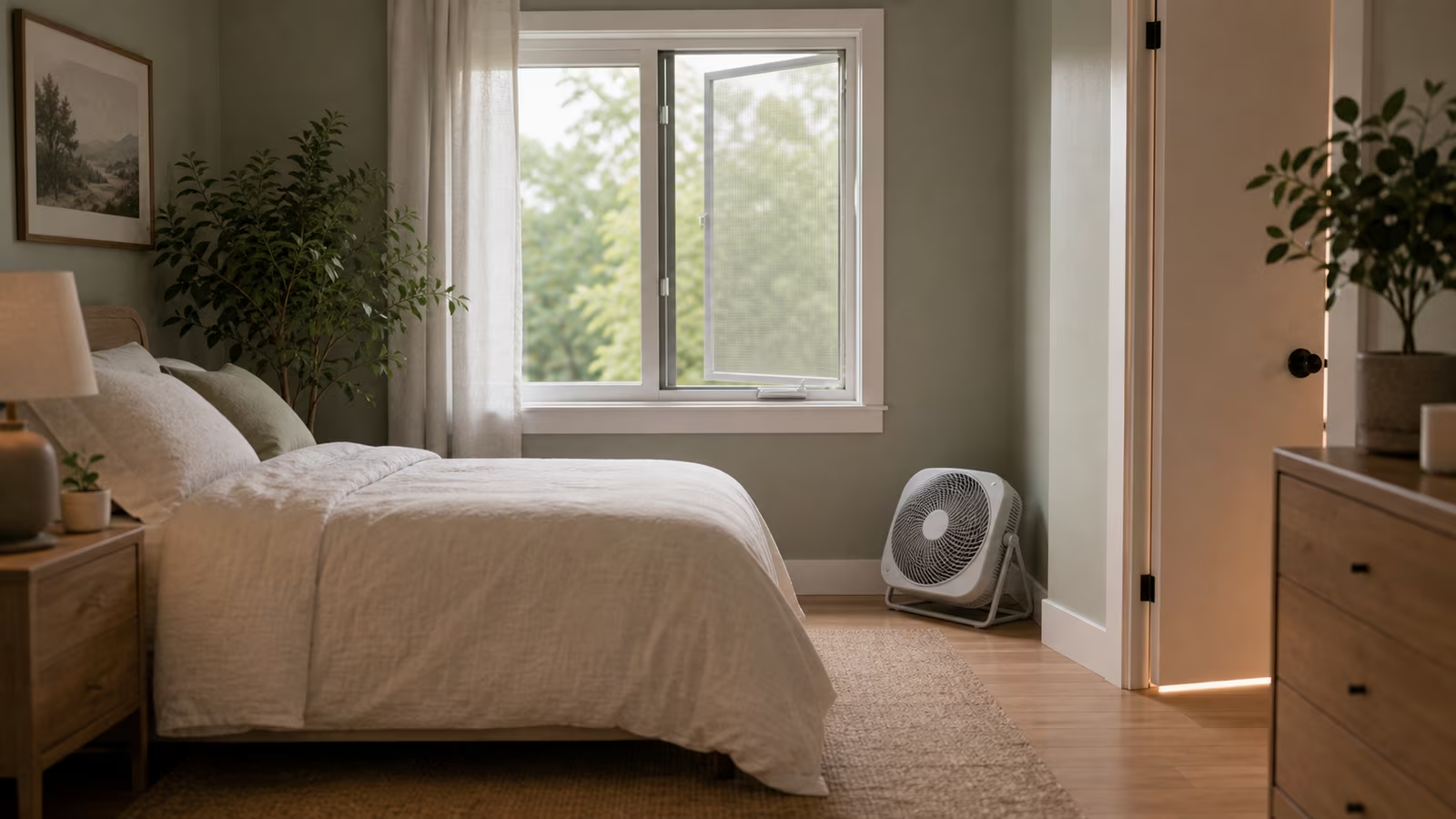
- Bedroom Ventilation Overnight - Keep a closed bedroom from feeling stale by morning.
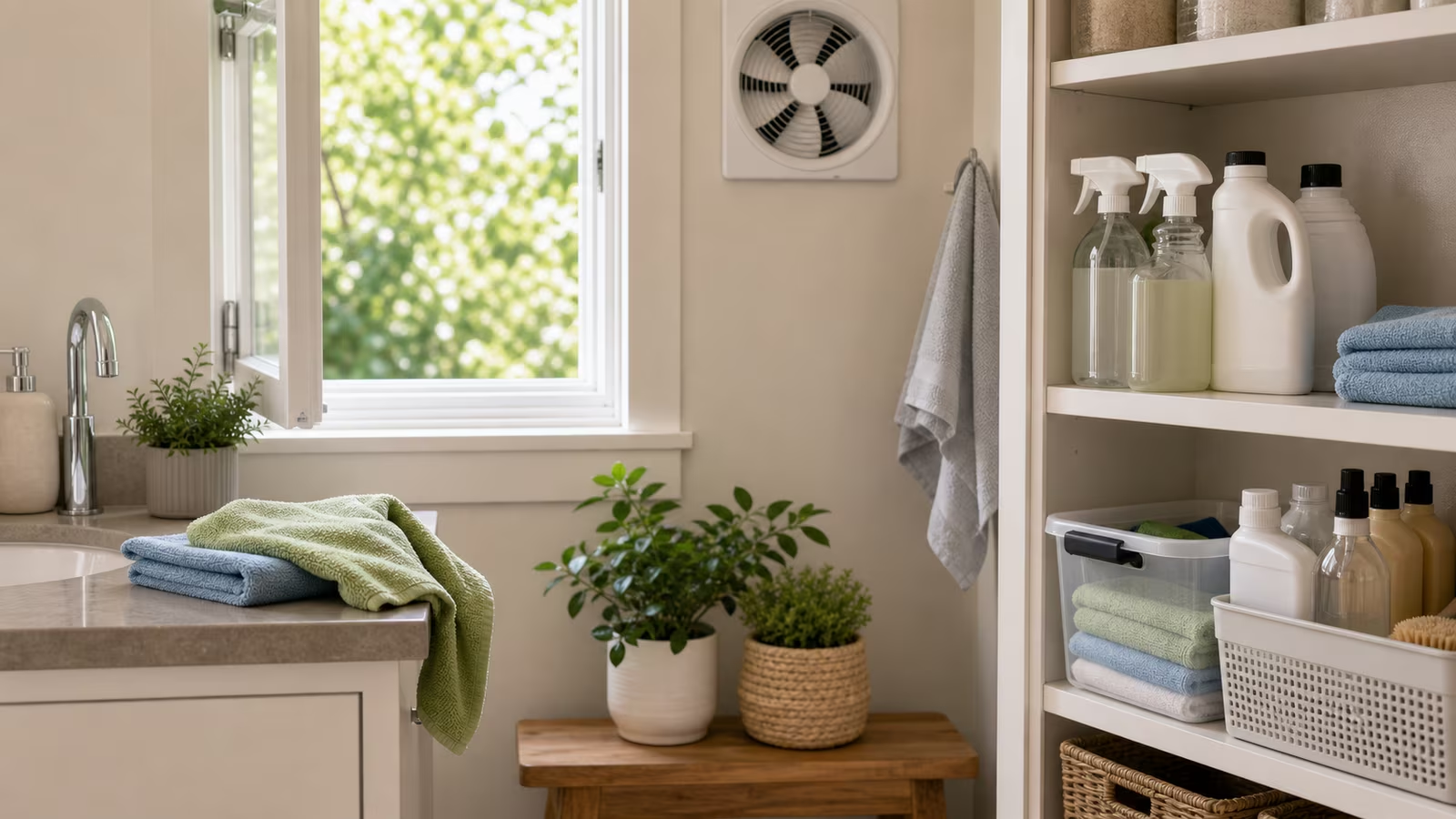
- Bathroom Exhaust and Shower Moisture - Move shower moisture out before it becomes a room problem.
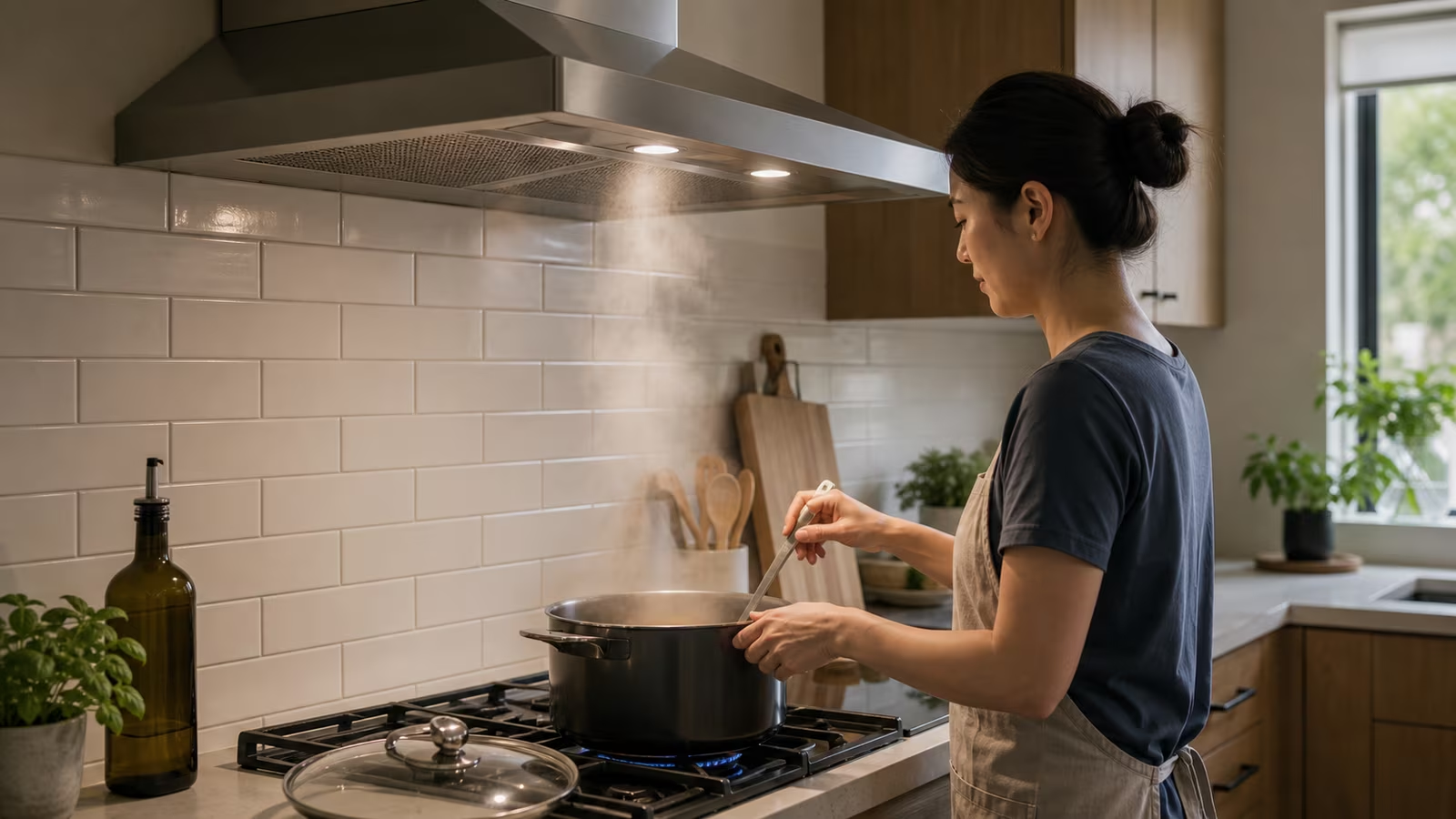
- Range Hoods and Kitchen Exhaust - Use kitchen exhaust effectively before particles spread.
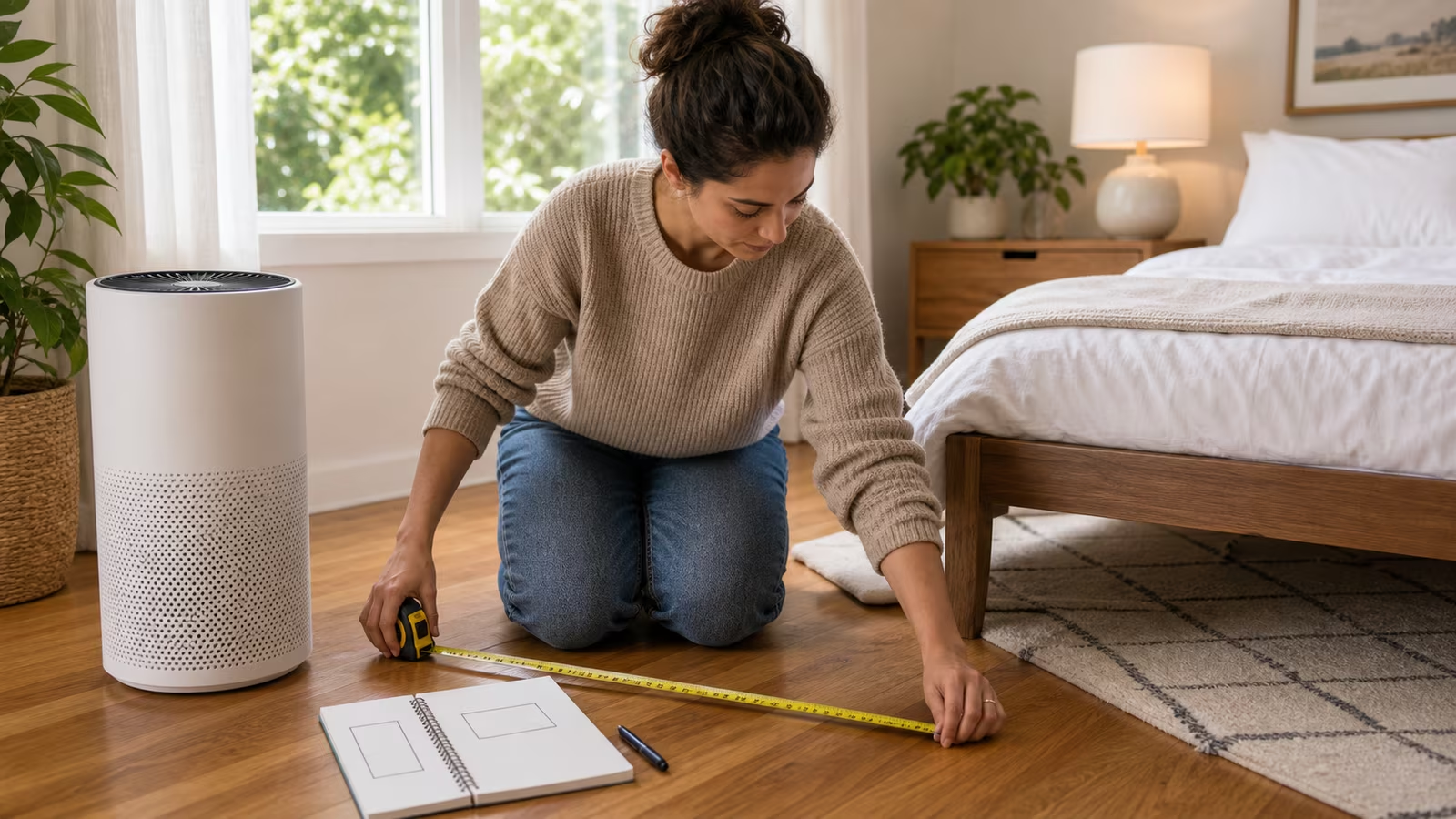
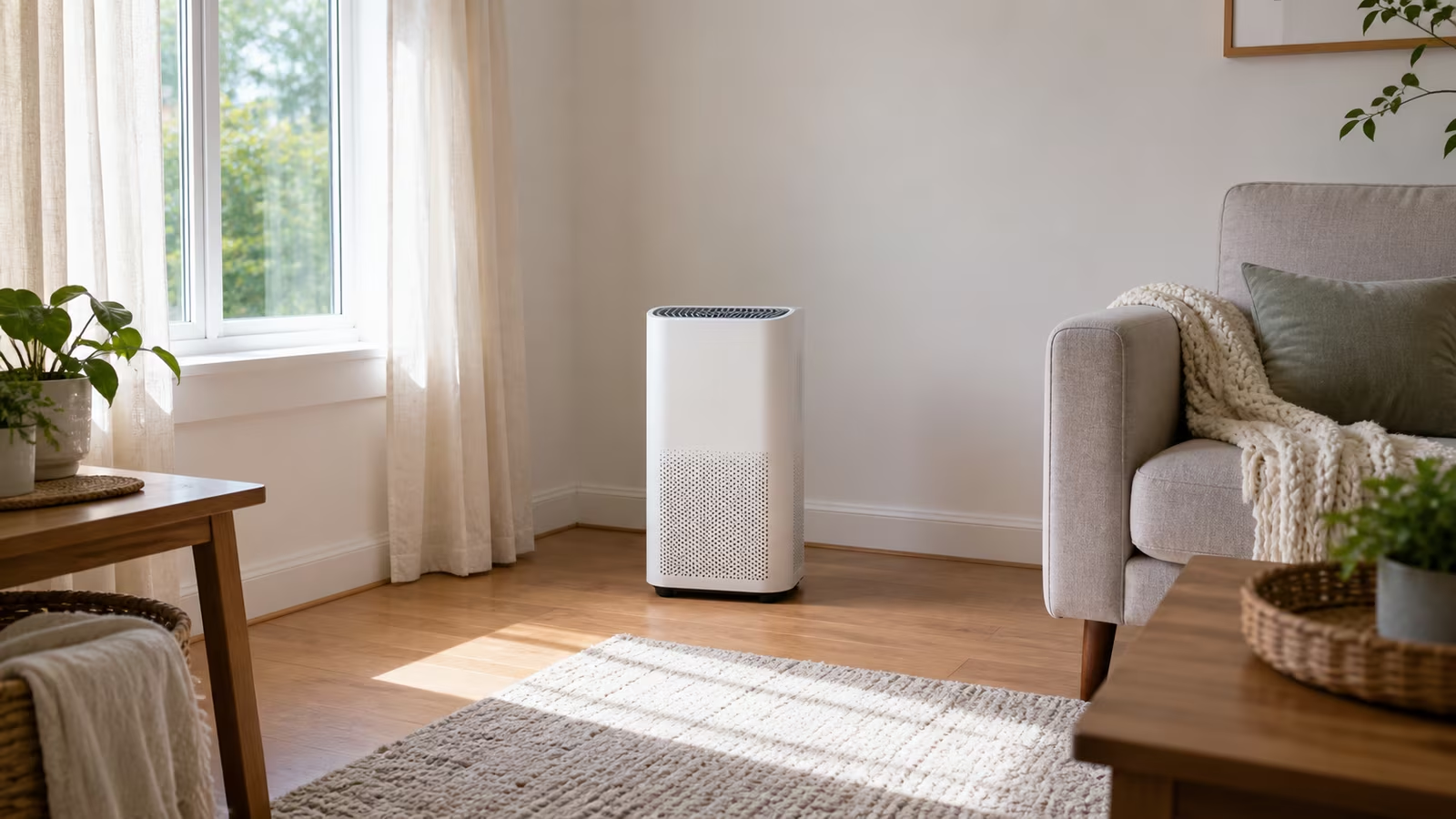
- Air Purifier Sizing by Room - Choose a purifier by room volume and cadr instead of box hype.
- Where to Put an Air Purifier - Place a purifier so air can actually reach it.
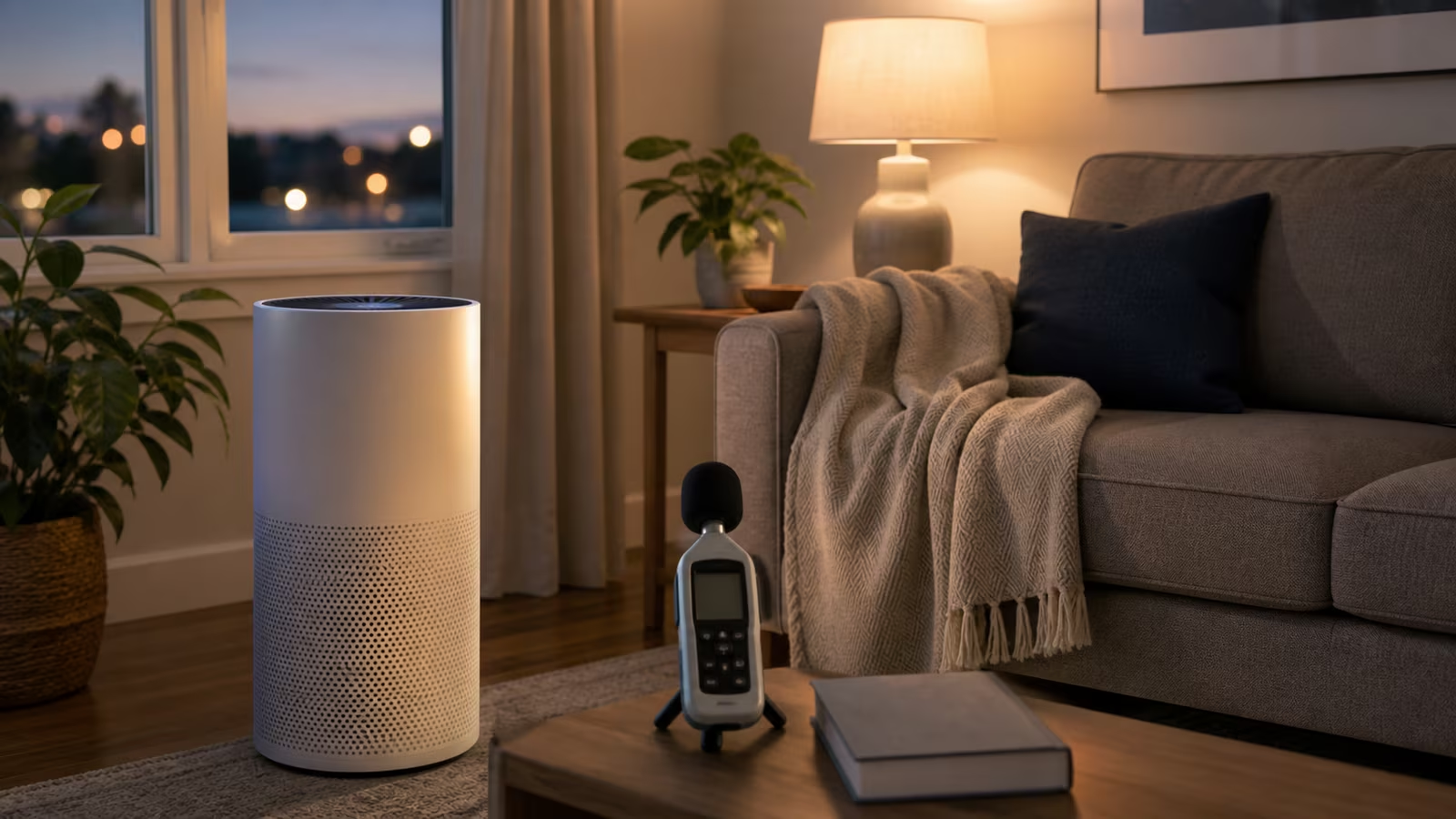
- Air Purifier Speeds, Noise, and Runtime - Run a purifier long enough and fast enough to matter.
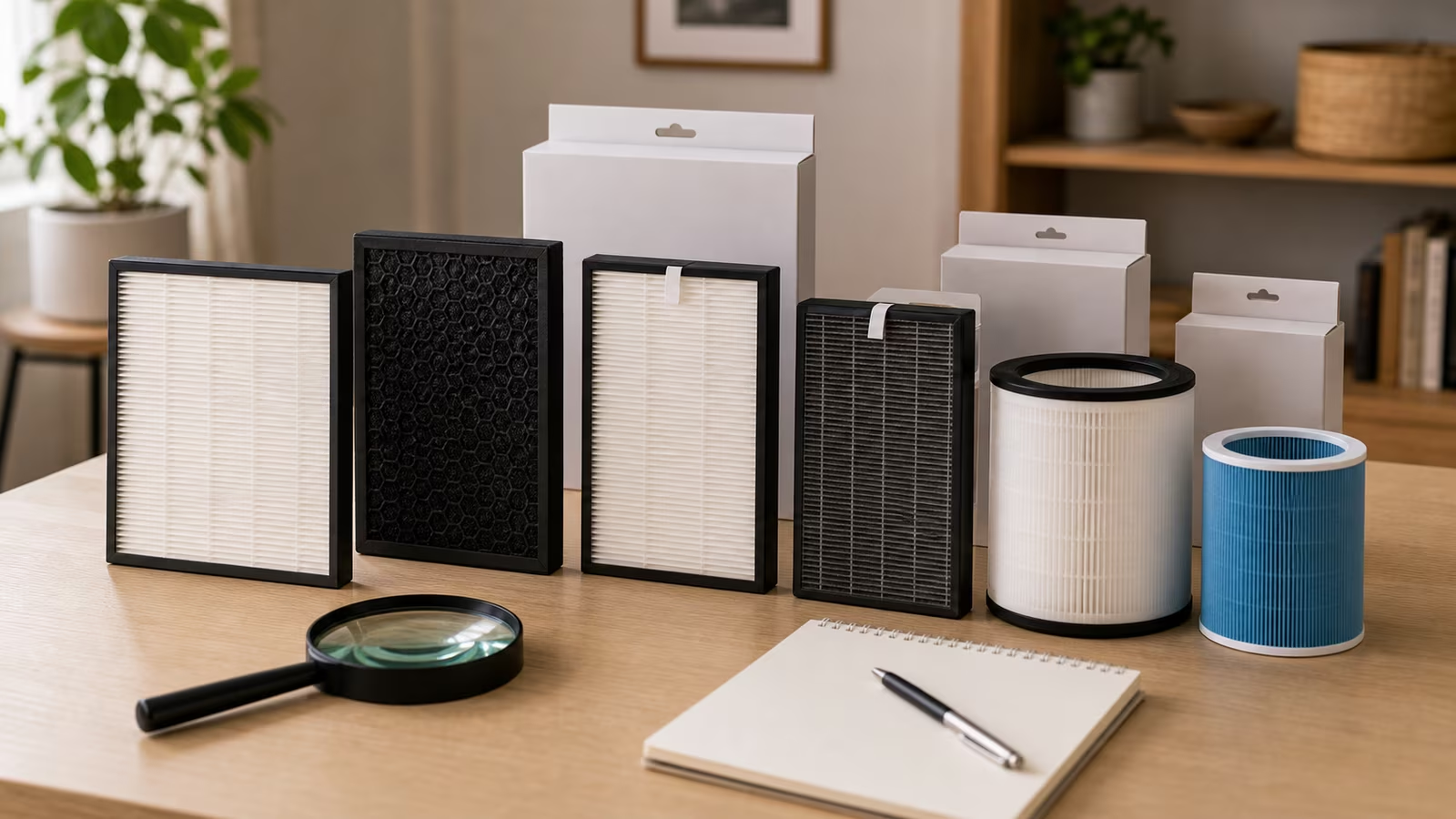
- HEPA, True HEPA, and Filter Marketing - Read purifier filter claims without getting lost in labels.
- Activated Carbon for Odors and Gases - Understand when carbon helps and when source control matters more.
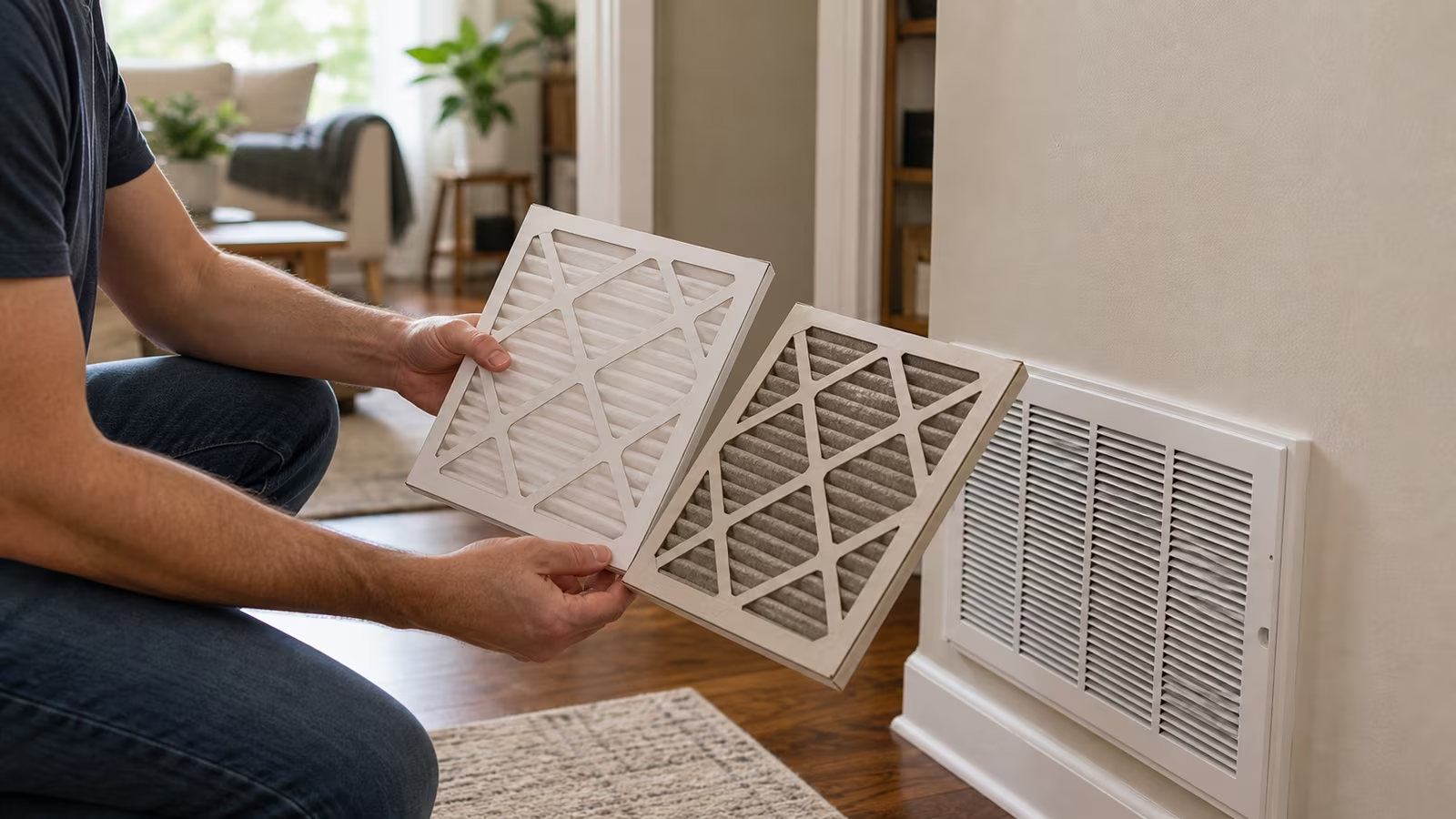
- HVAC Filters and MERV for Beginners - Upgrade hvac filtration without overloading the system.
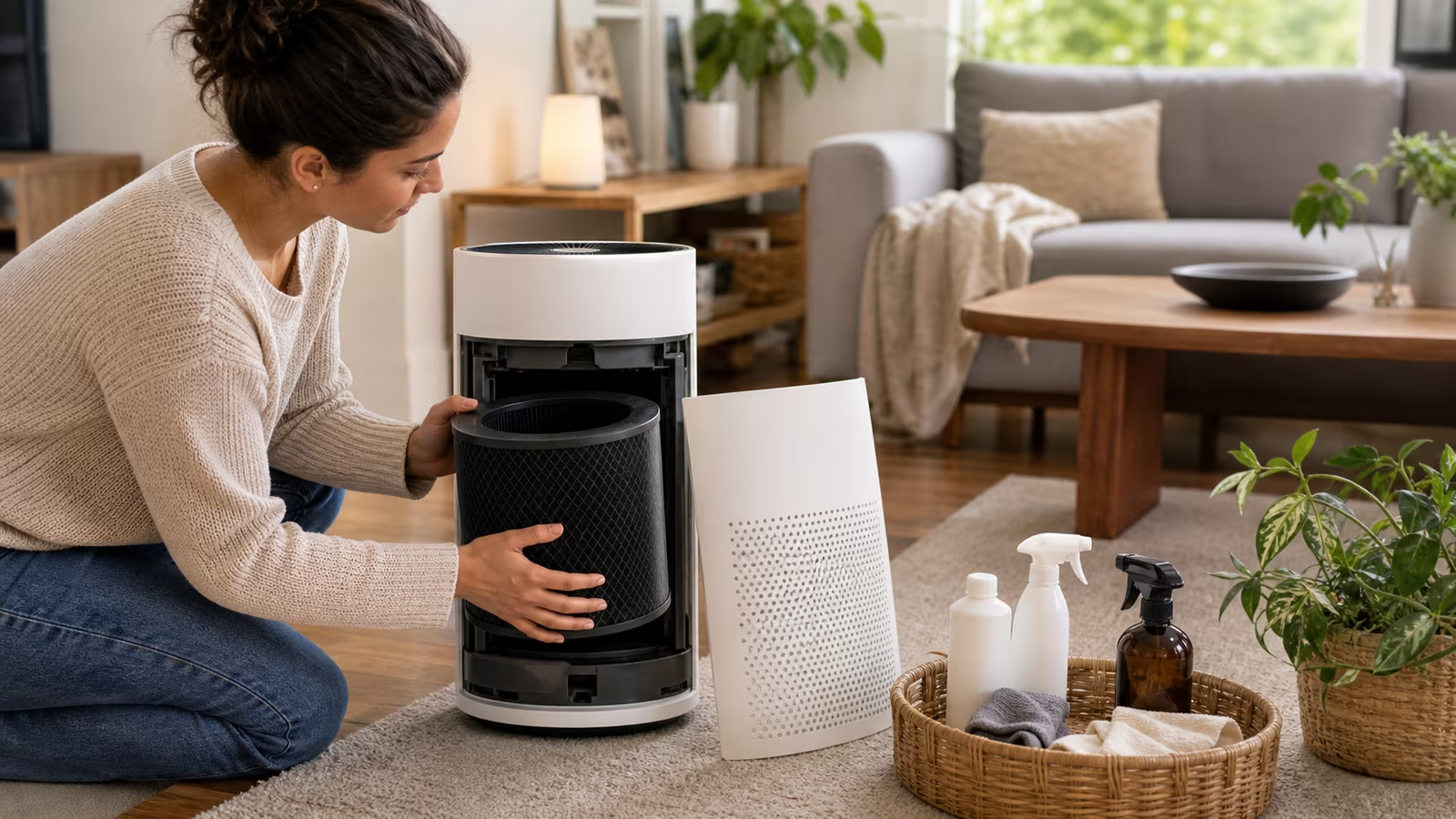
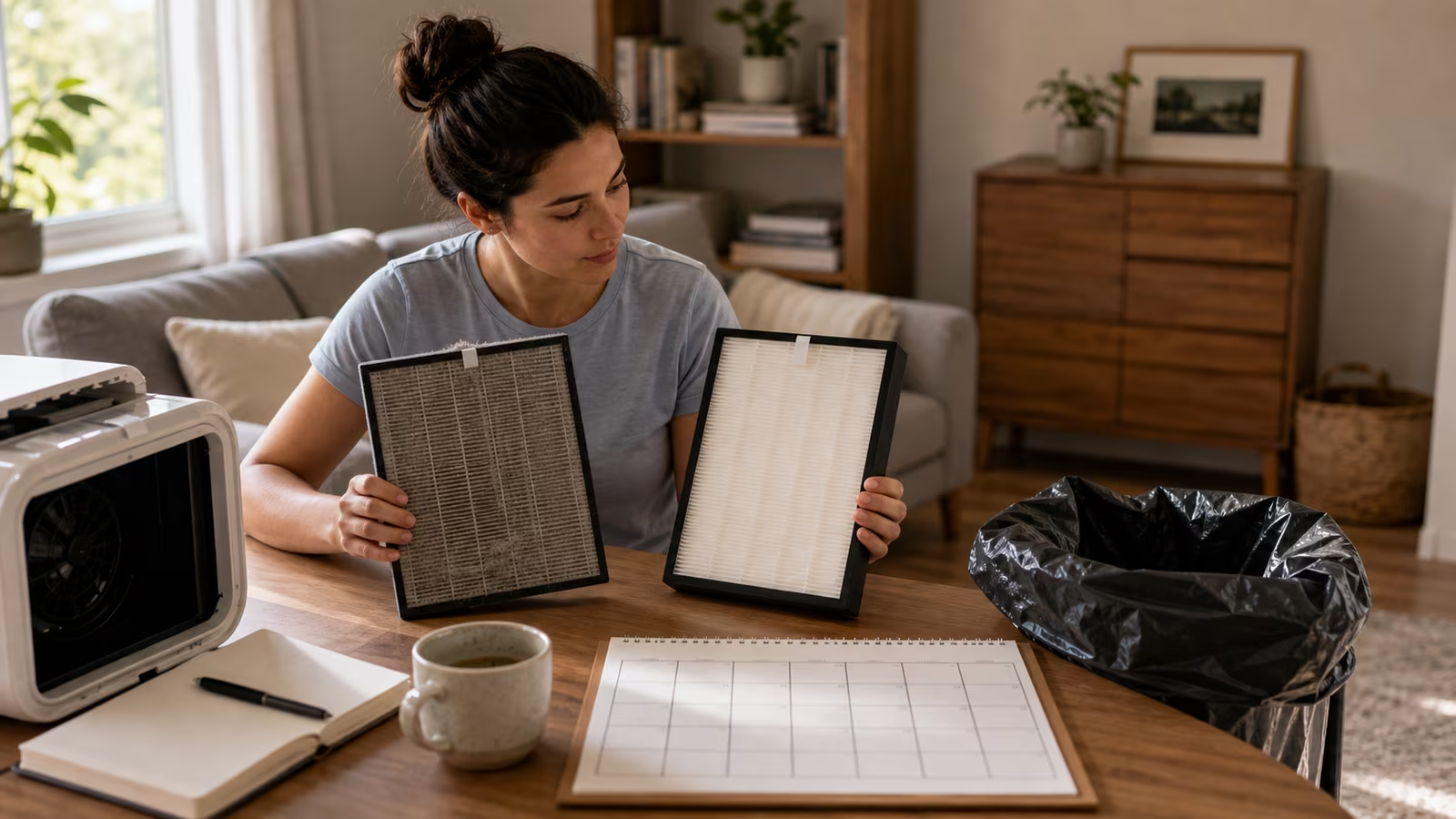
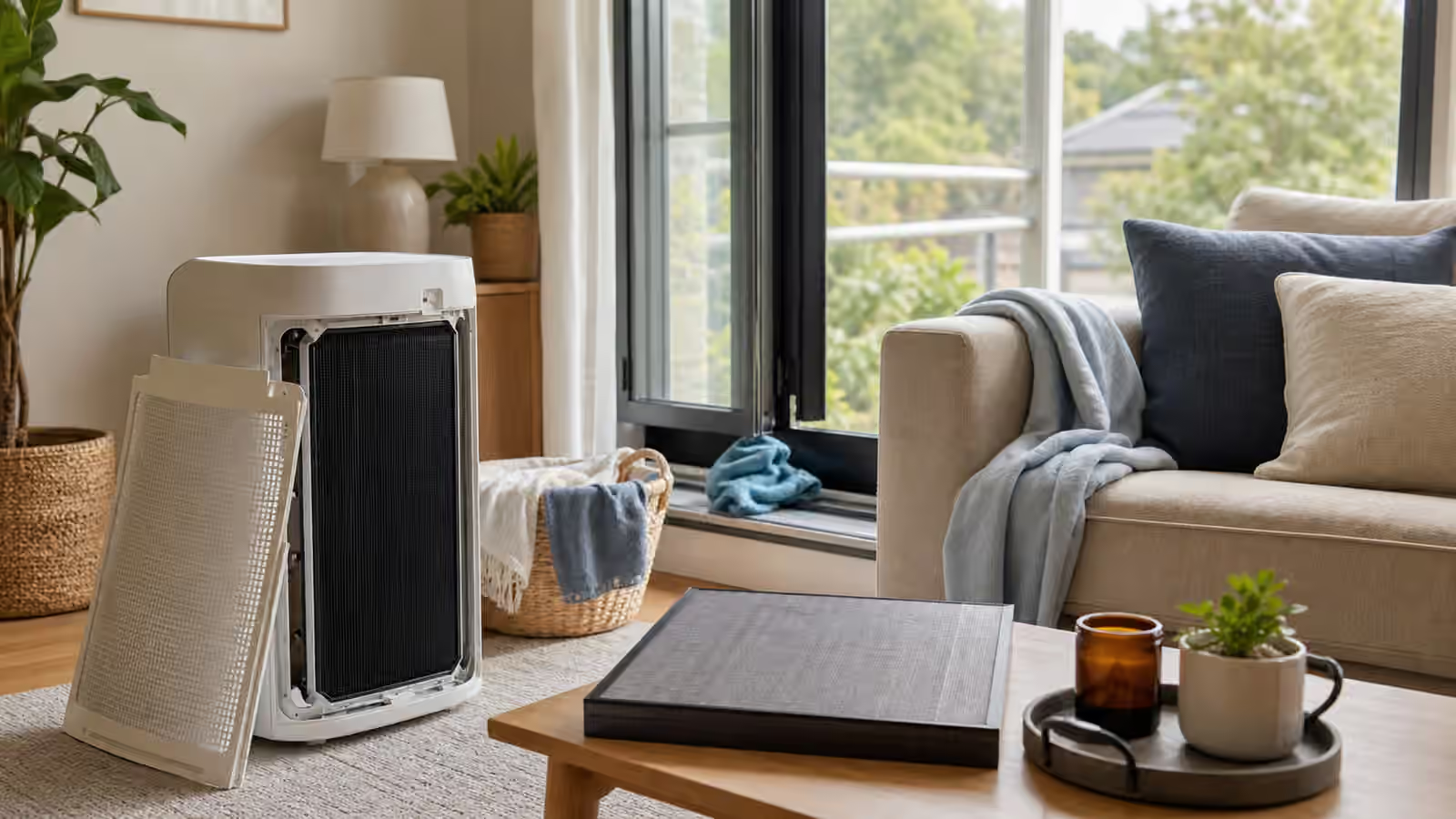
- Filter Replacement Calendar - Replace purifier and hvac filters based on real load.
- HVAC Fan On, Auto, and Circulate - Decide when running the central fan supports filtration.
- Renter-Friendly Clean-Air Setup - Improve air without drilling, duct work, or owner-controlled hvac.
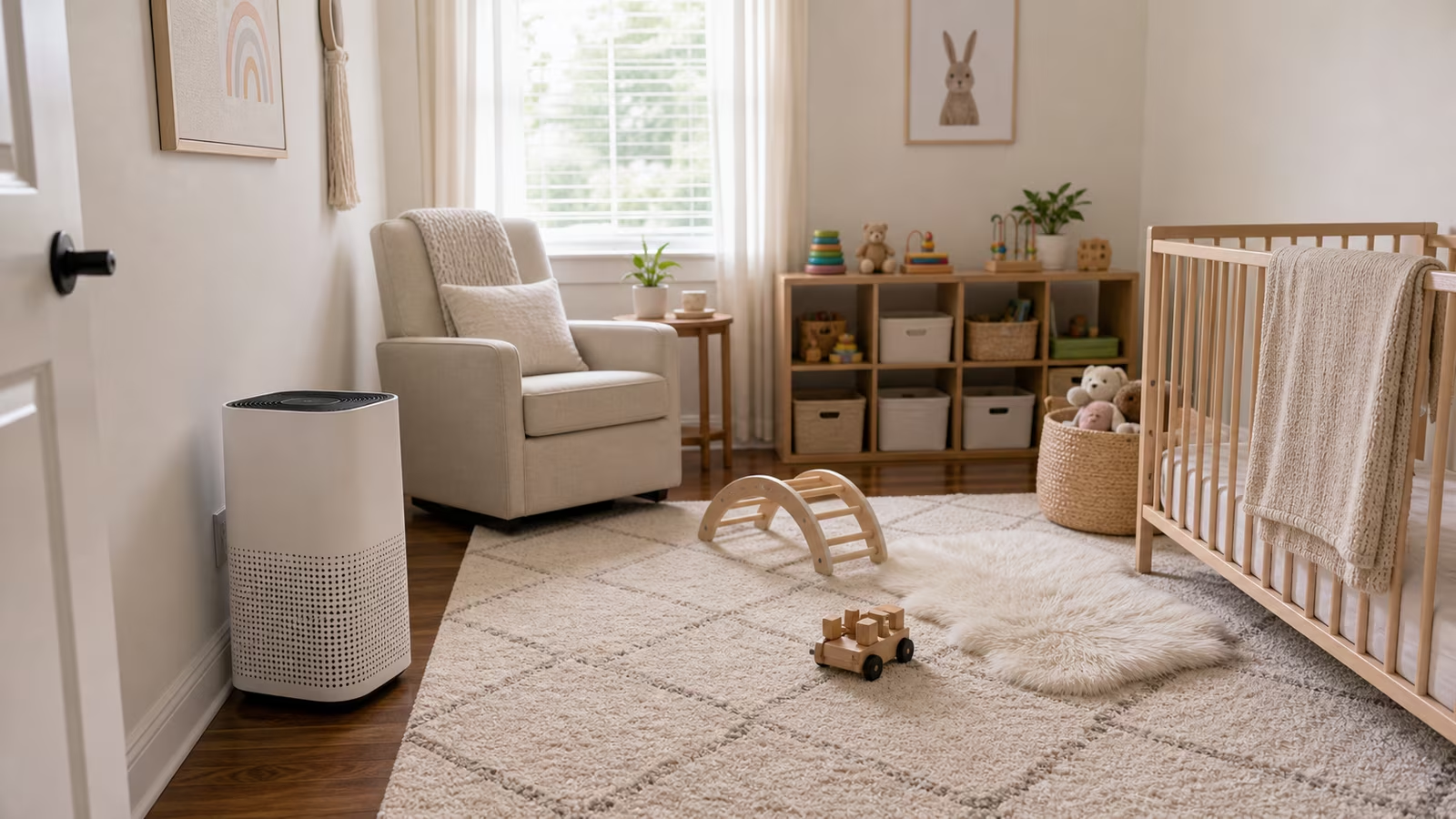
- Kids’ Rooms, Nurseries, and Clean-Air Boundaries - Make child spaces calmer without overclaiming health outcomes.
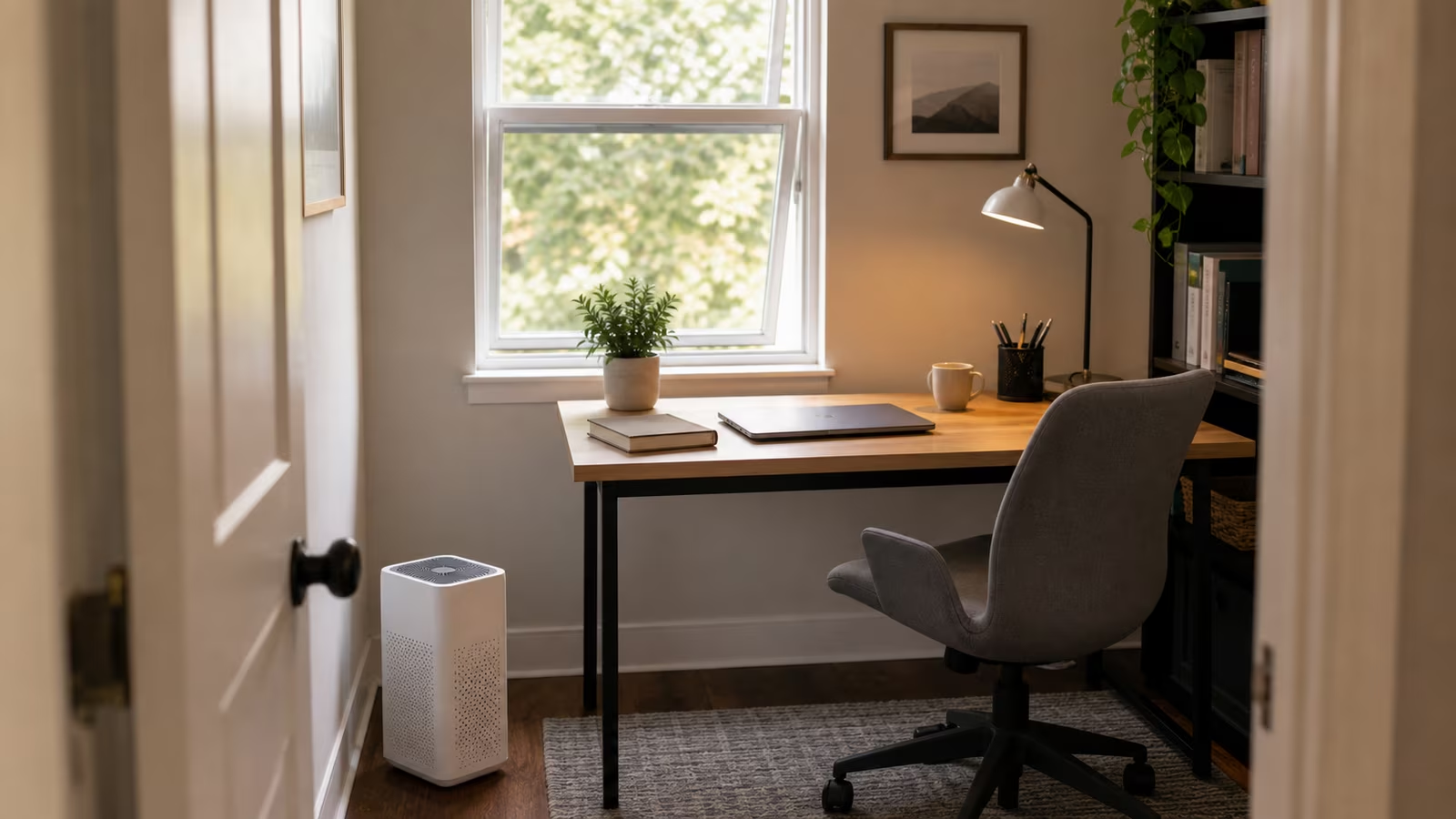
- Home Office Air for Closed-Door Work - Keep a small office from becoming stuffy during calls and focused work.
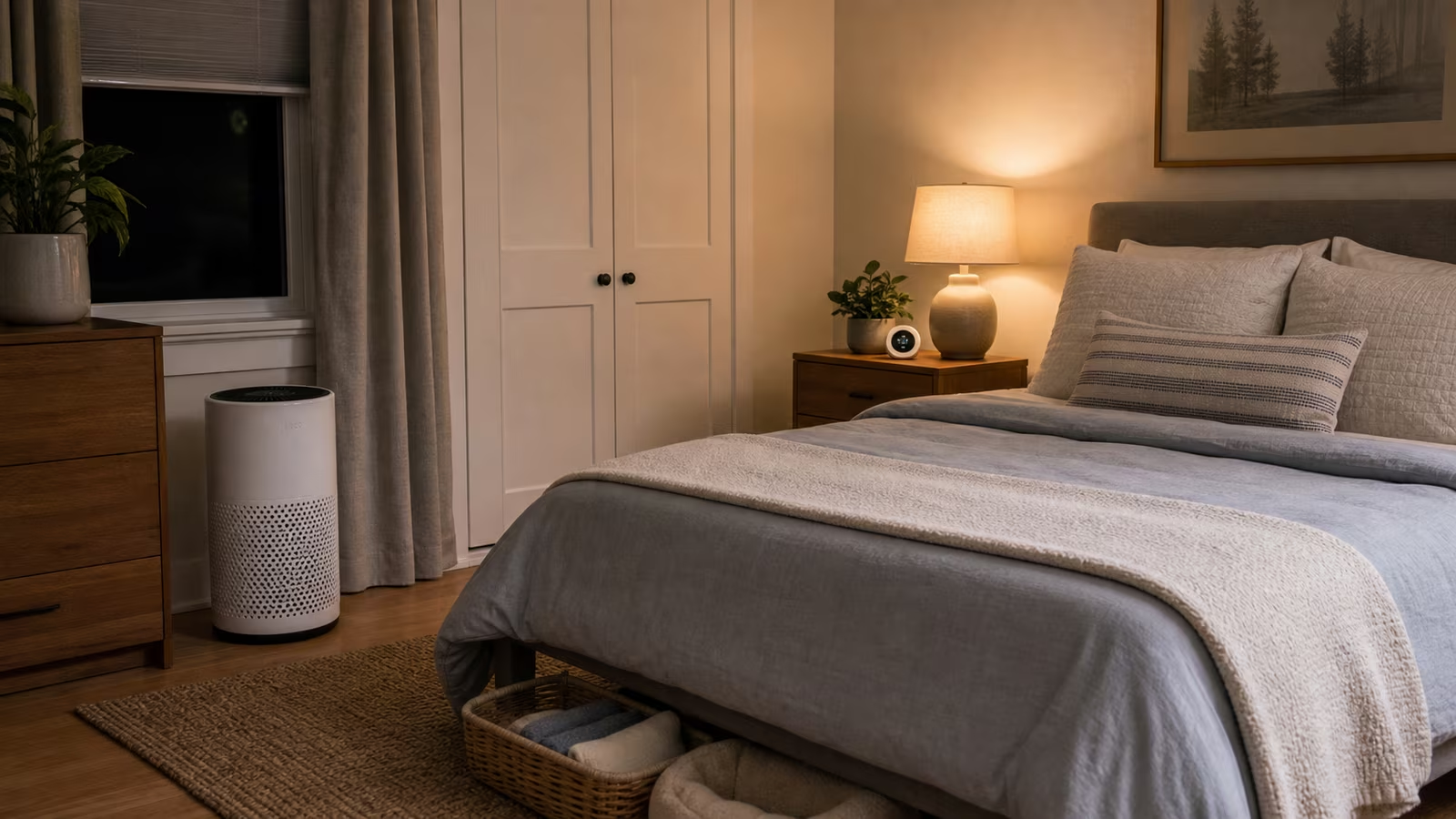
- Sleep Setup and Cleaner Bedroom Air - Combine bedding, humidity, ventilation, and filtration for a calmer bedroom.
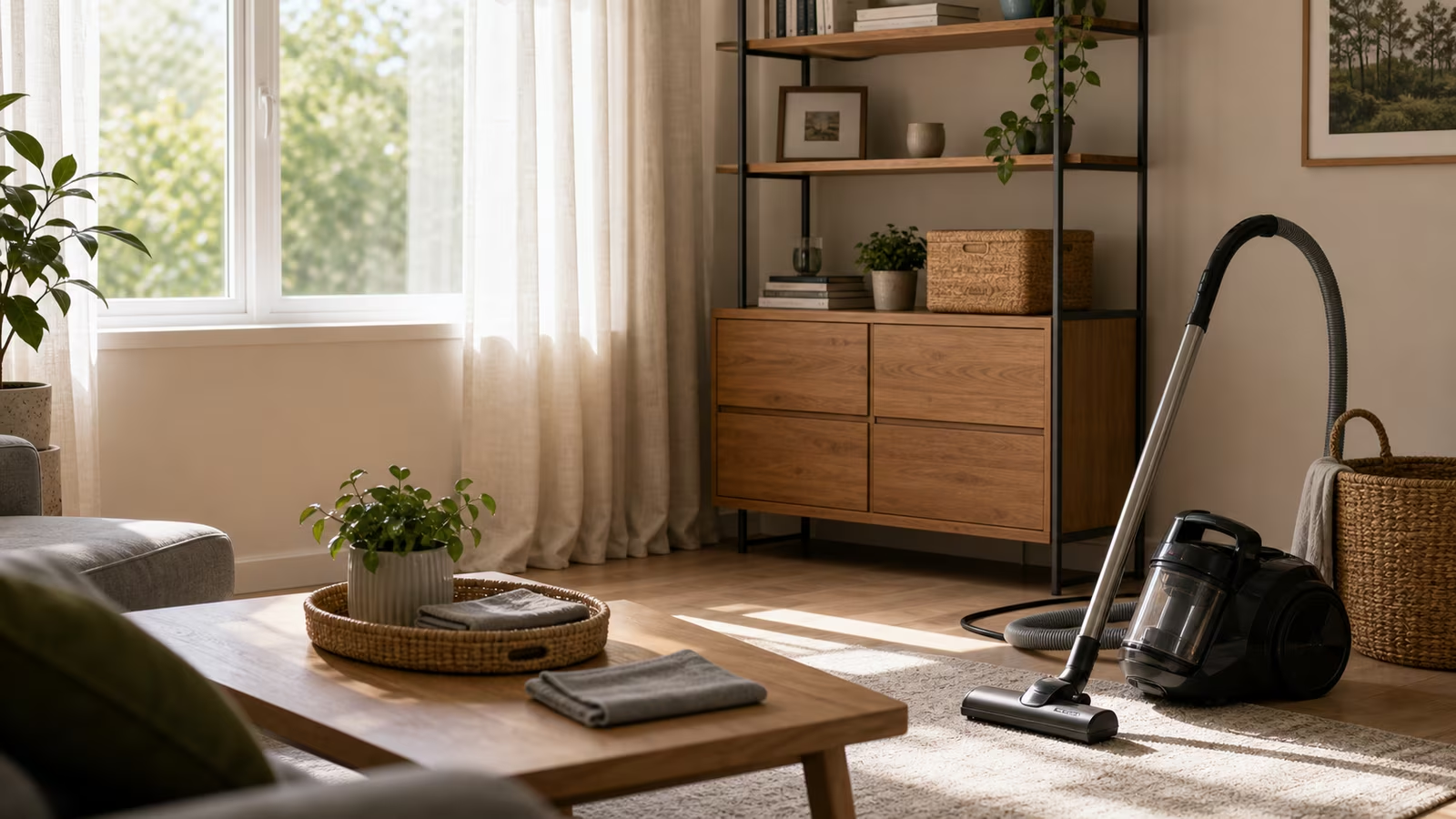
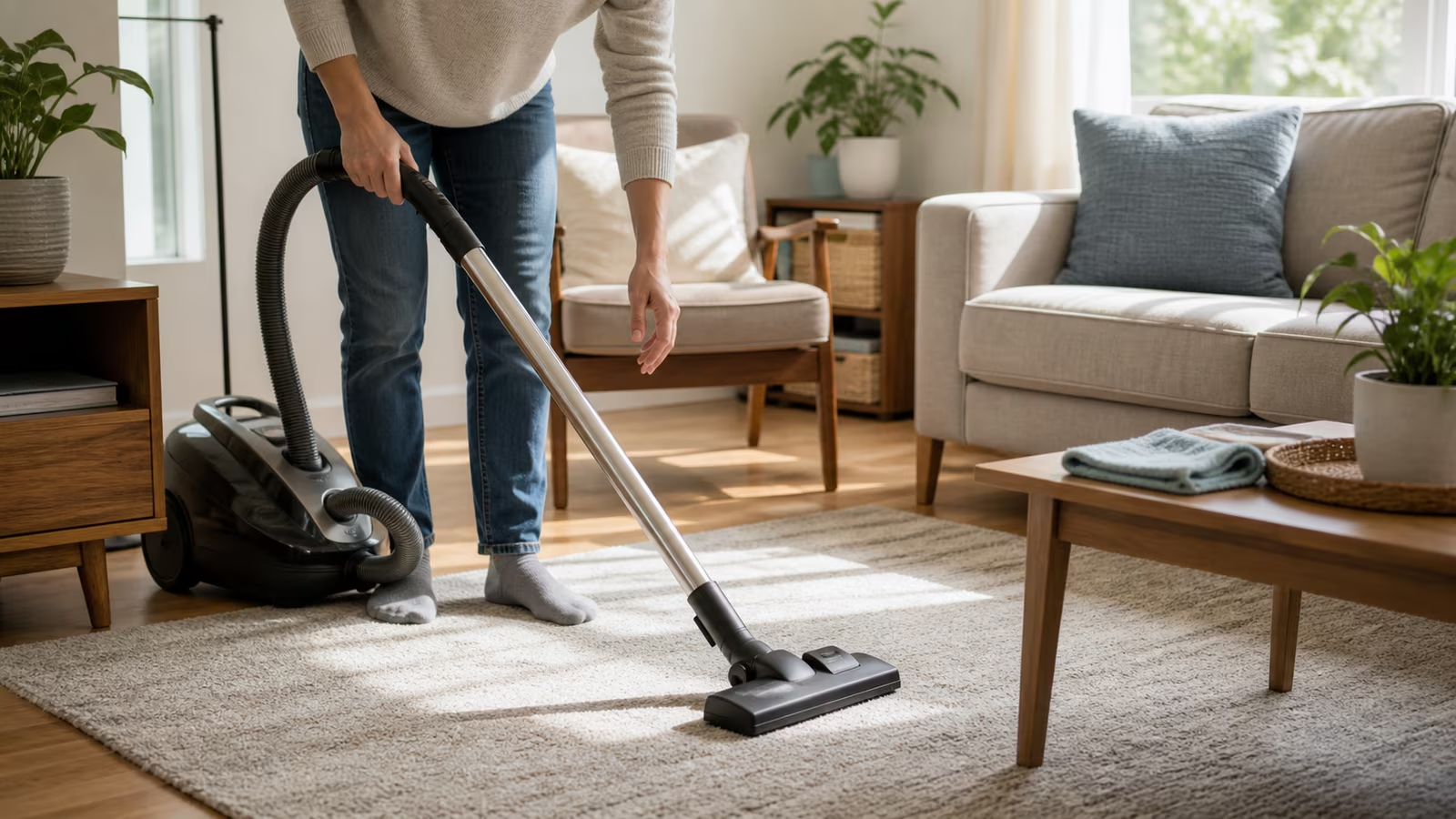
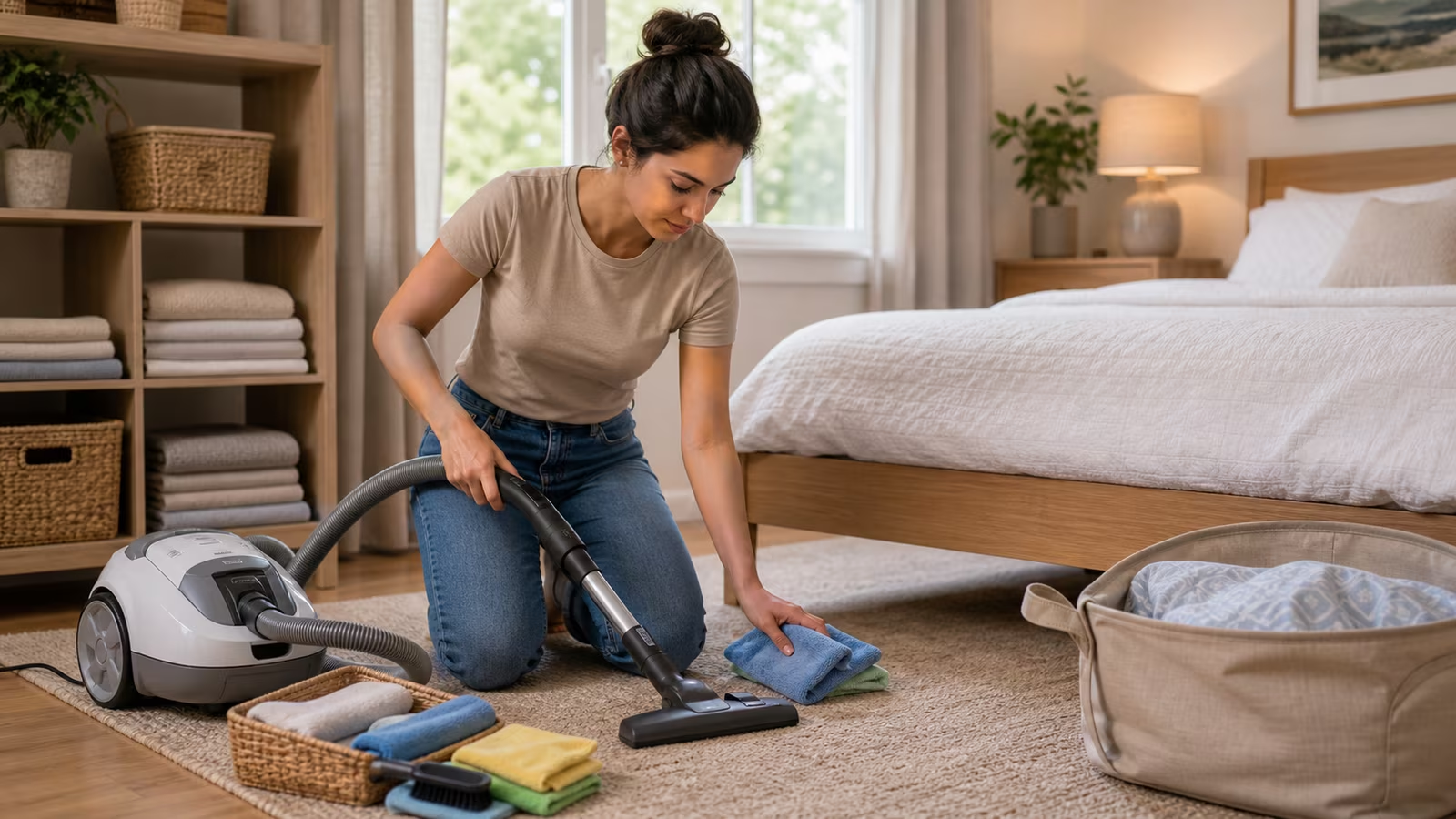
- Vacuuming Without Kicking Dust Around - Clean floors and fabrics without turning dust into room air.
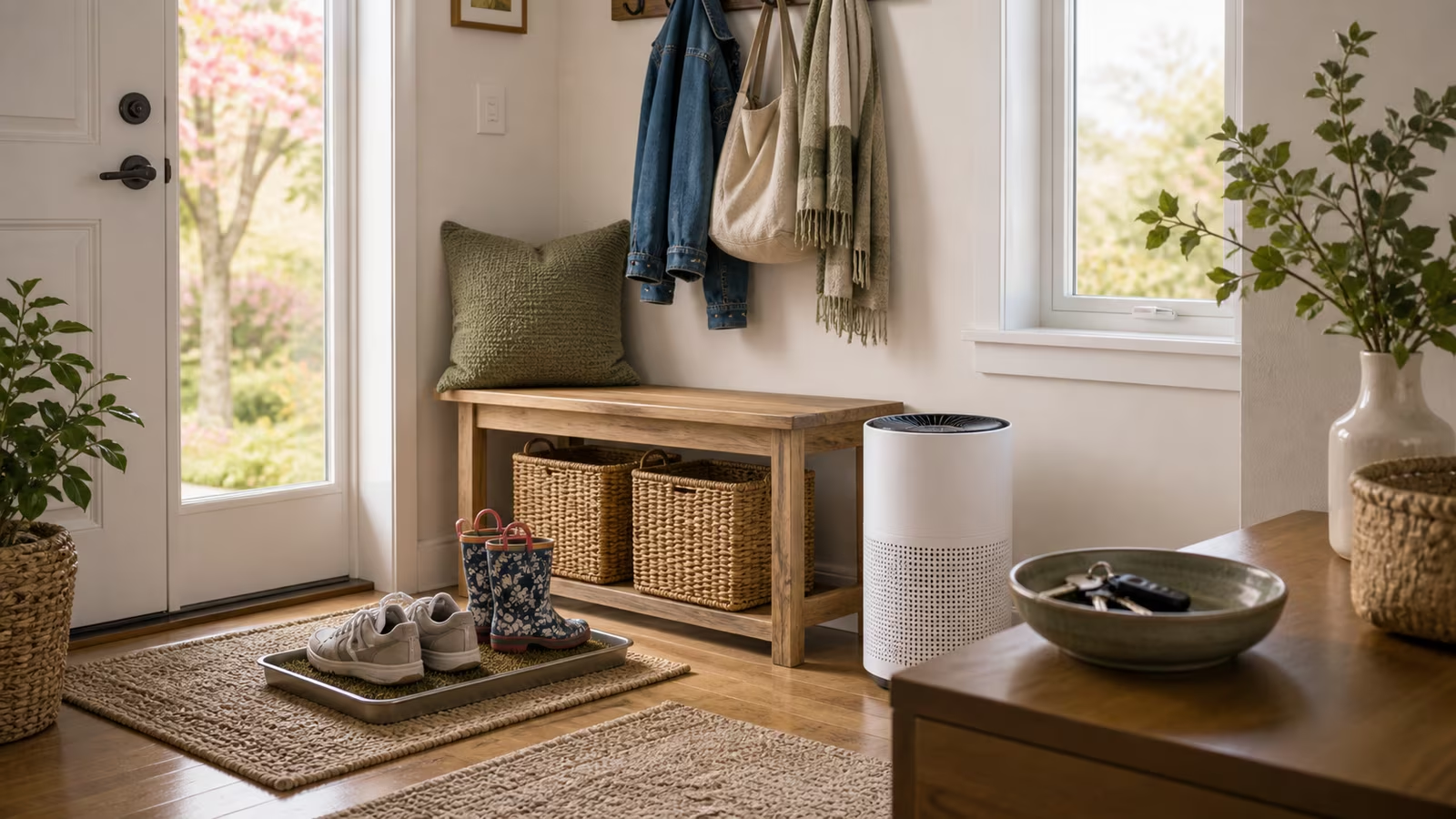
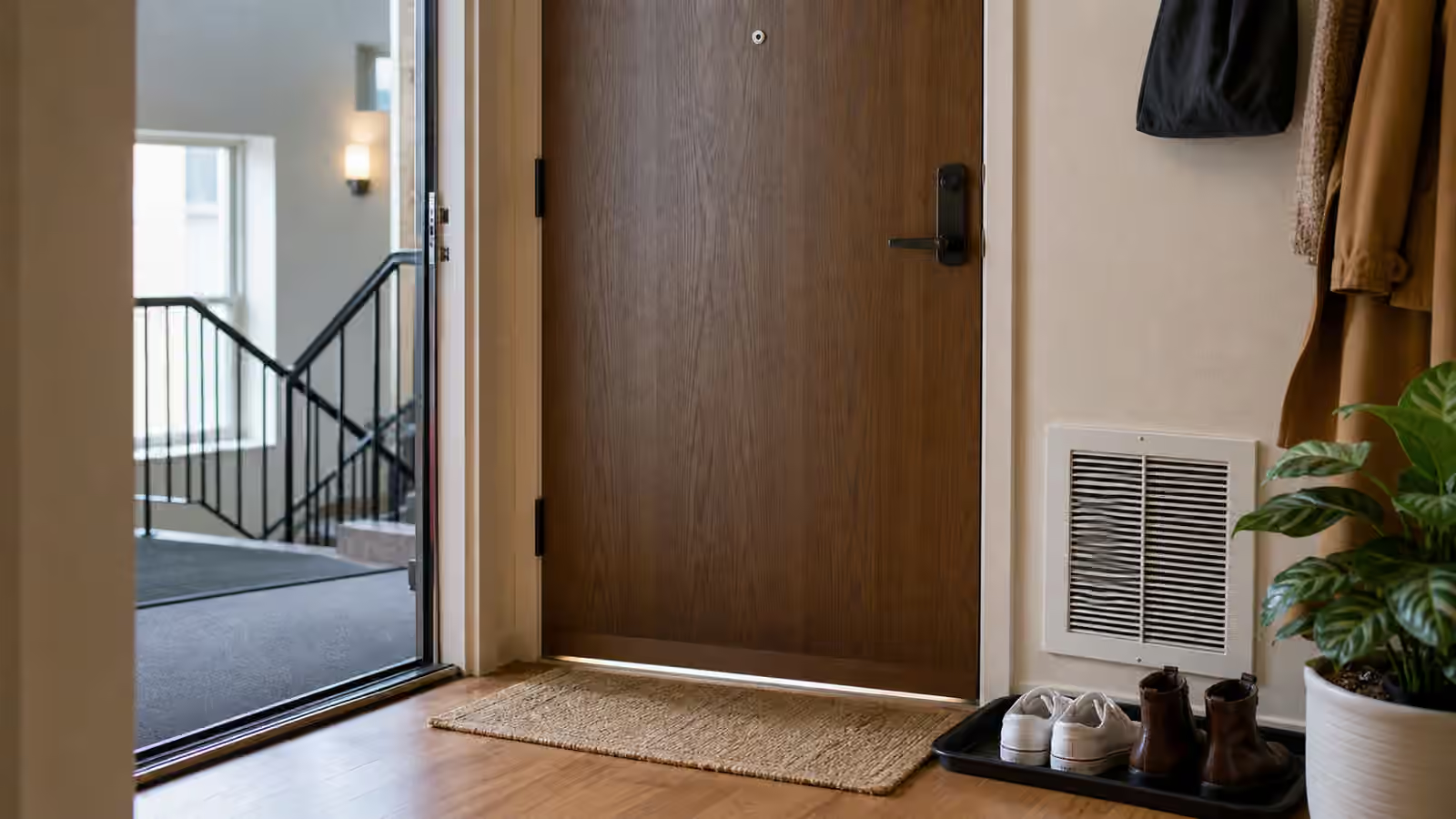
- Entryway Dirt, Shoes, and Outdoor Particles - Stop outdoor particles at the door.
- Cleaning Products, VOCs, and Fresh Air - Clean without adding avoidable fumes.
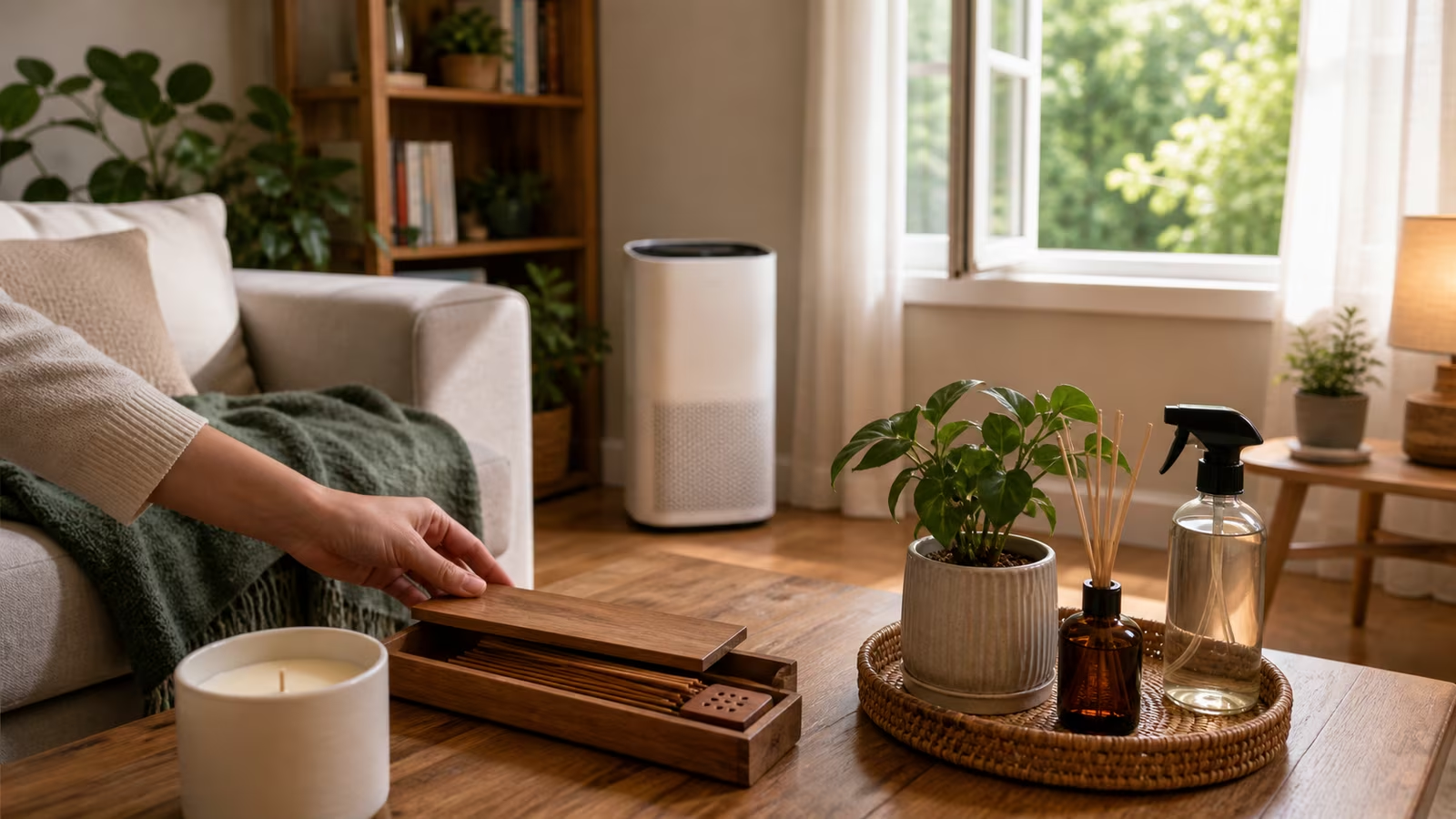
- Candles, Incense, and Fragrance Habits - Make scent choices without pretending particles are harmless.
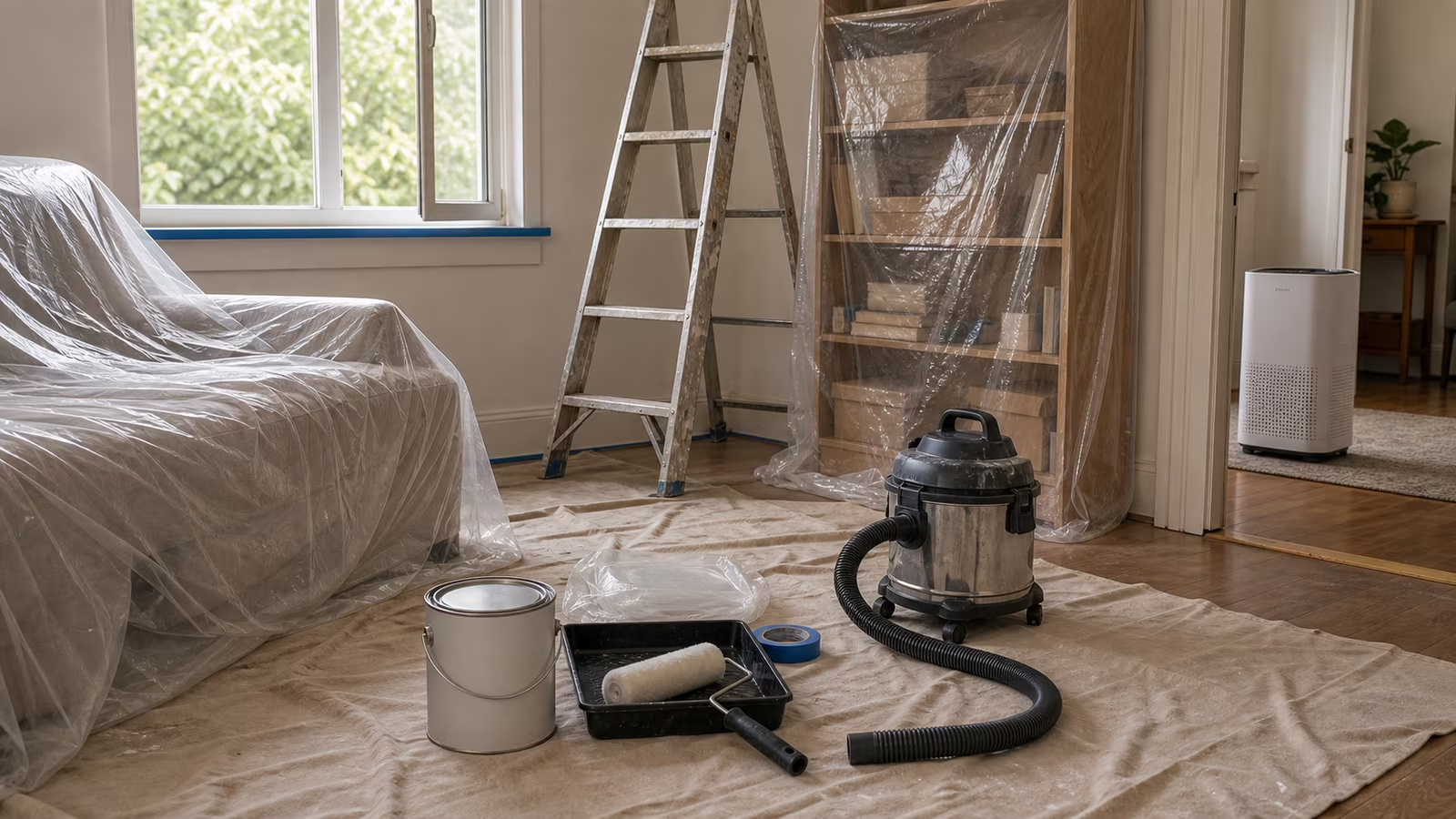
- Paint, Renovation Dust, and New Furniture - Plan air around projects that release dust or vocs.
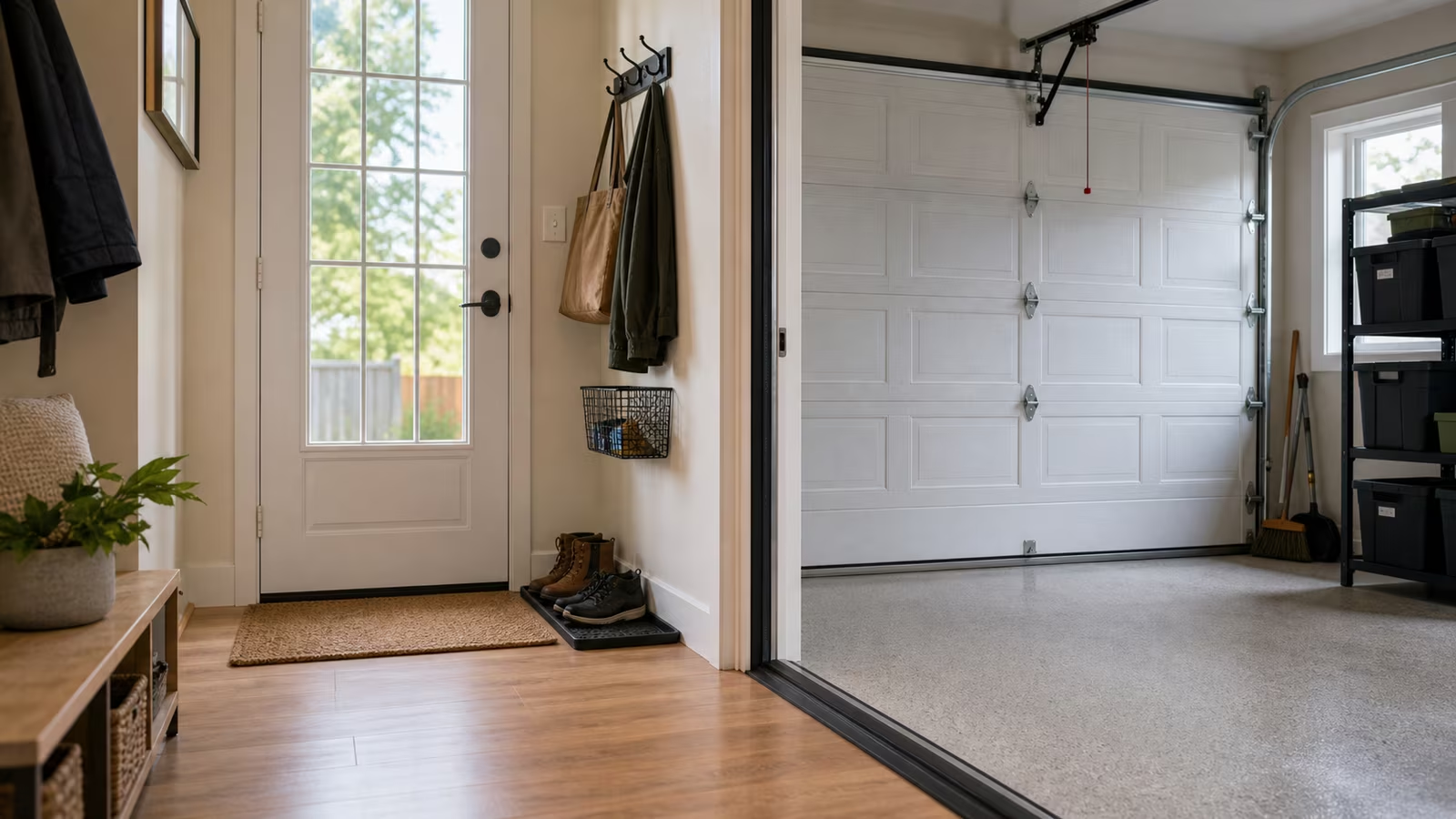
- Attached Garage and House Air - Reduce garage pollutants entering living space.
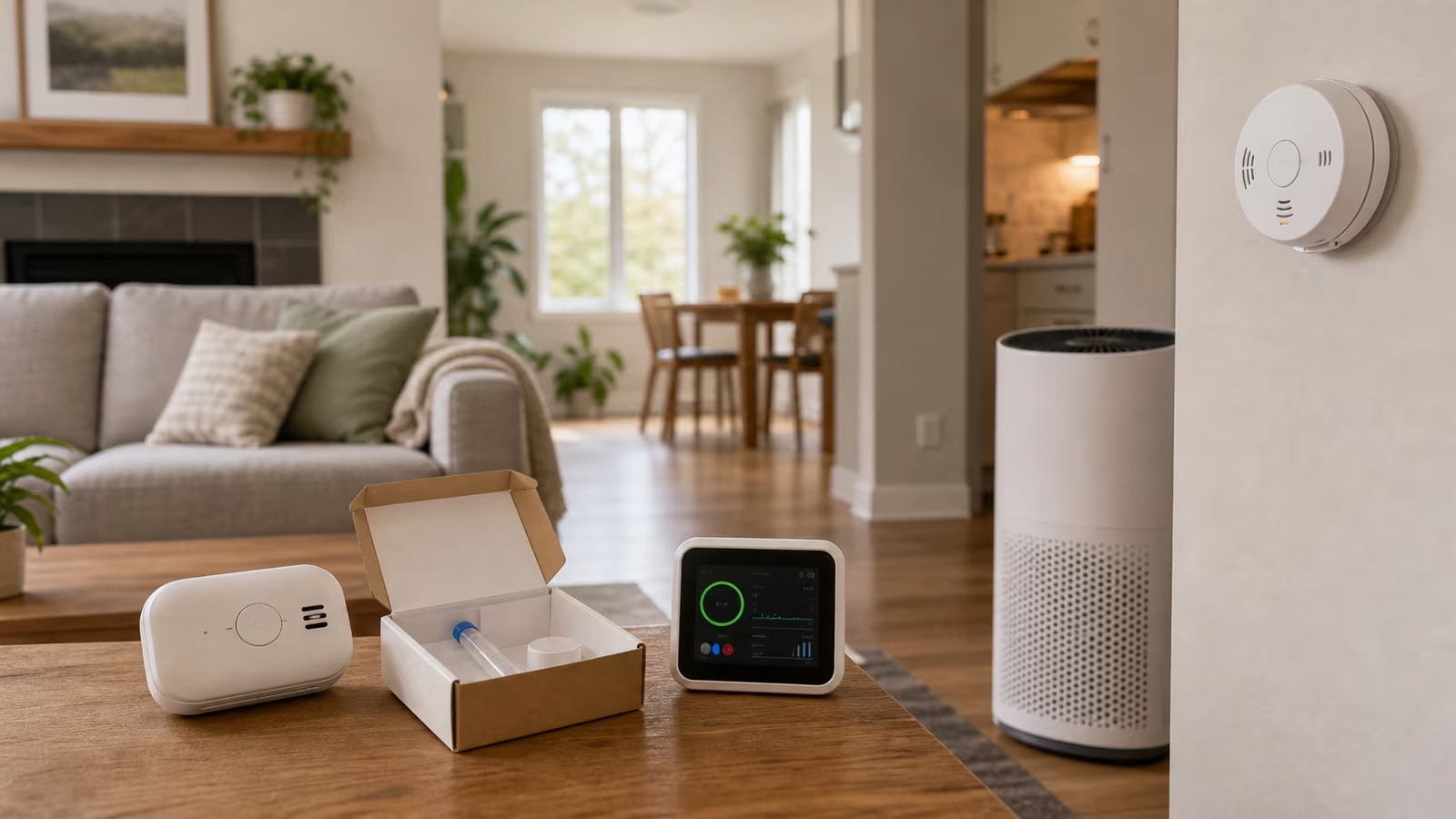
- Carbon Monoxide, Radon, and Monitor Boundaries - Understand what air purifiers and consumer monitors do not solve.
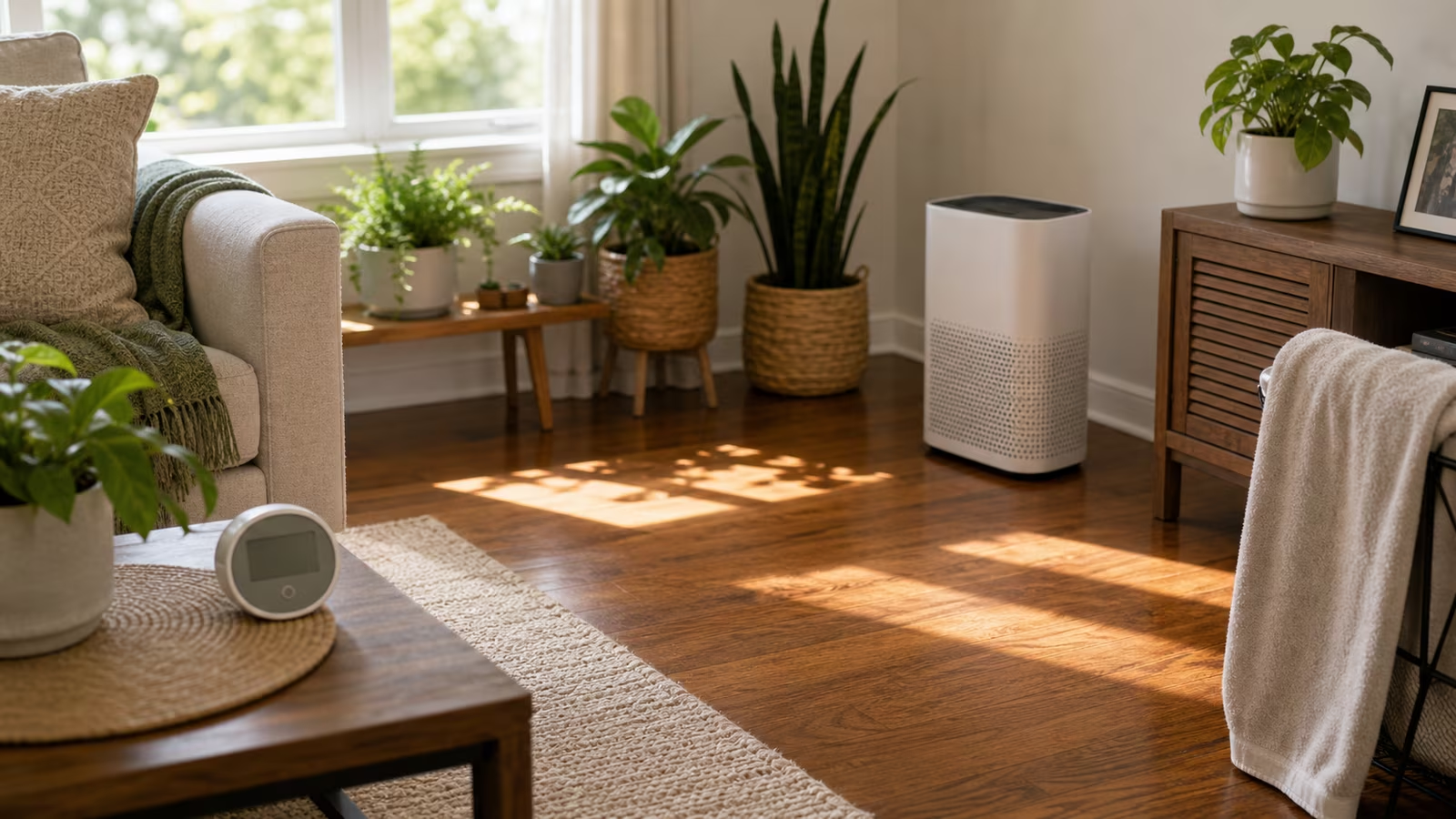
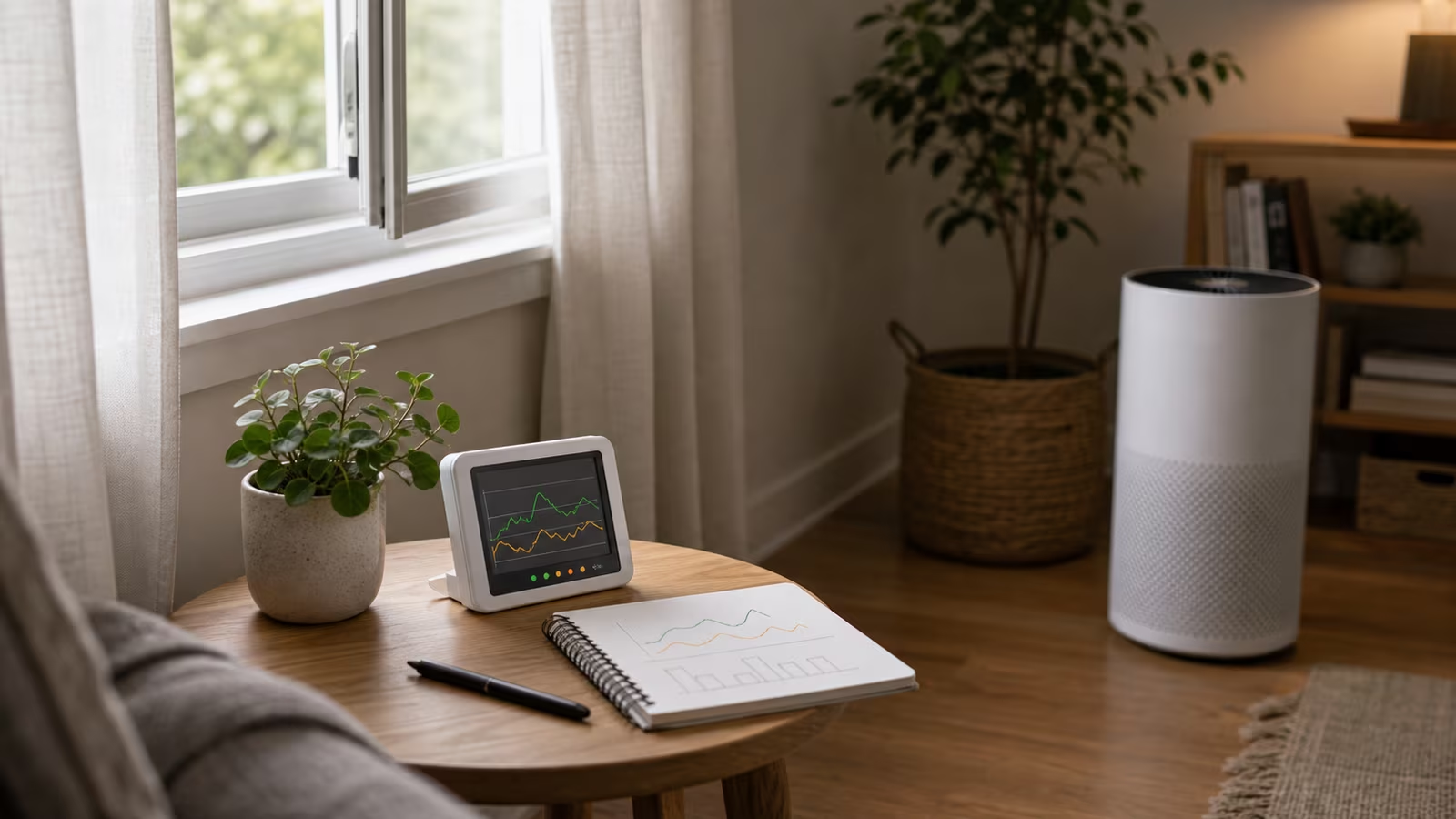
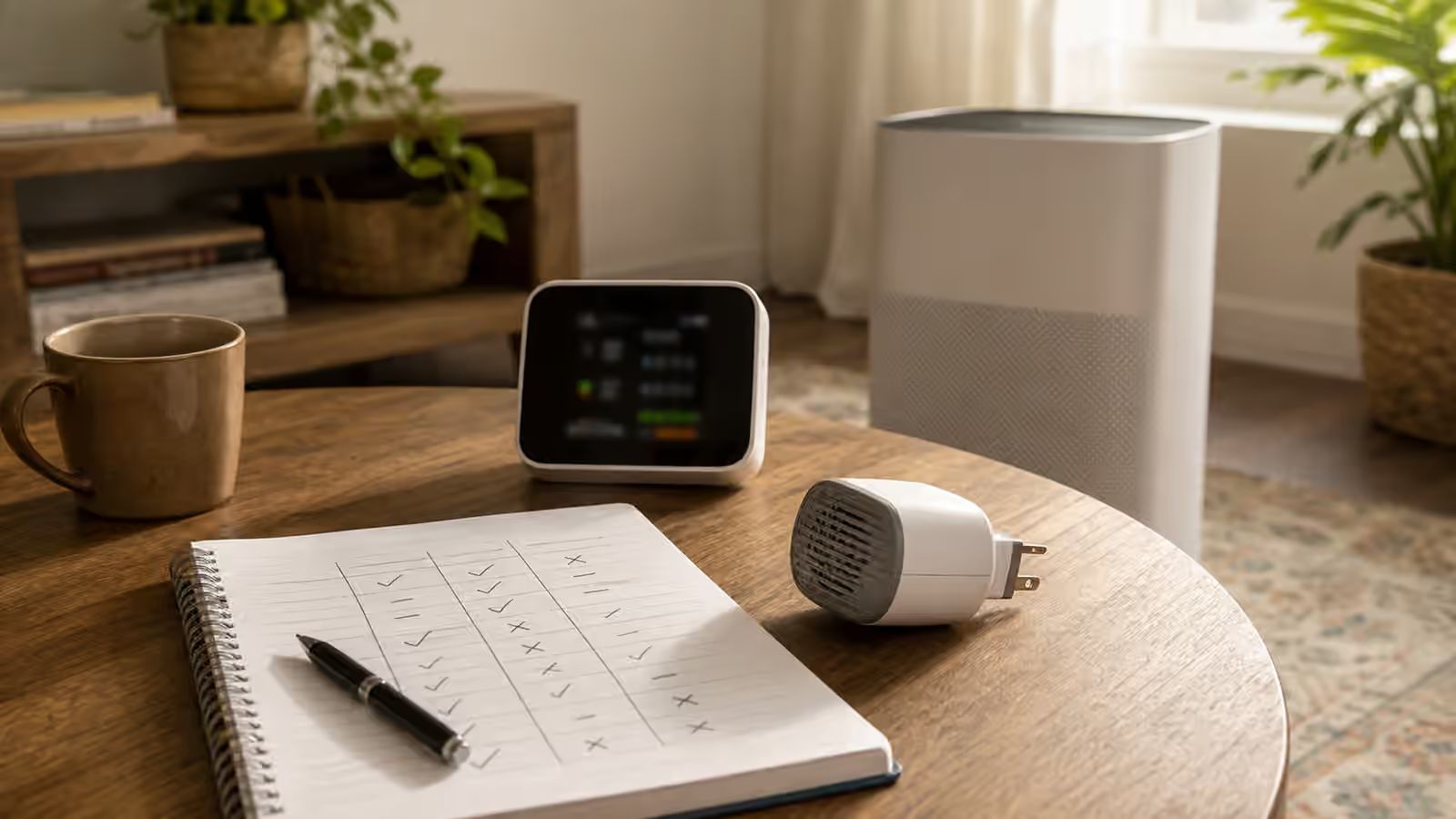
- Air Quality Monitors: What to Trust - Use home air monitors as trend tools instead of absolute verdicts.
- PM2.5, AQI, and Indoor Decisions - Translate outdoor particle data into indoor choices.
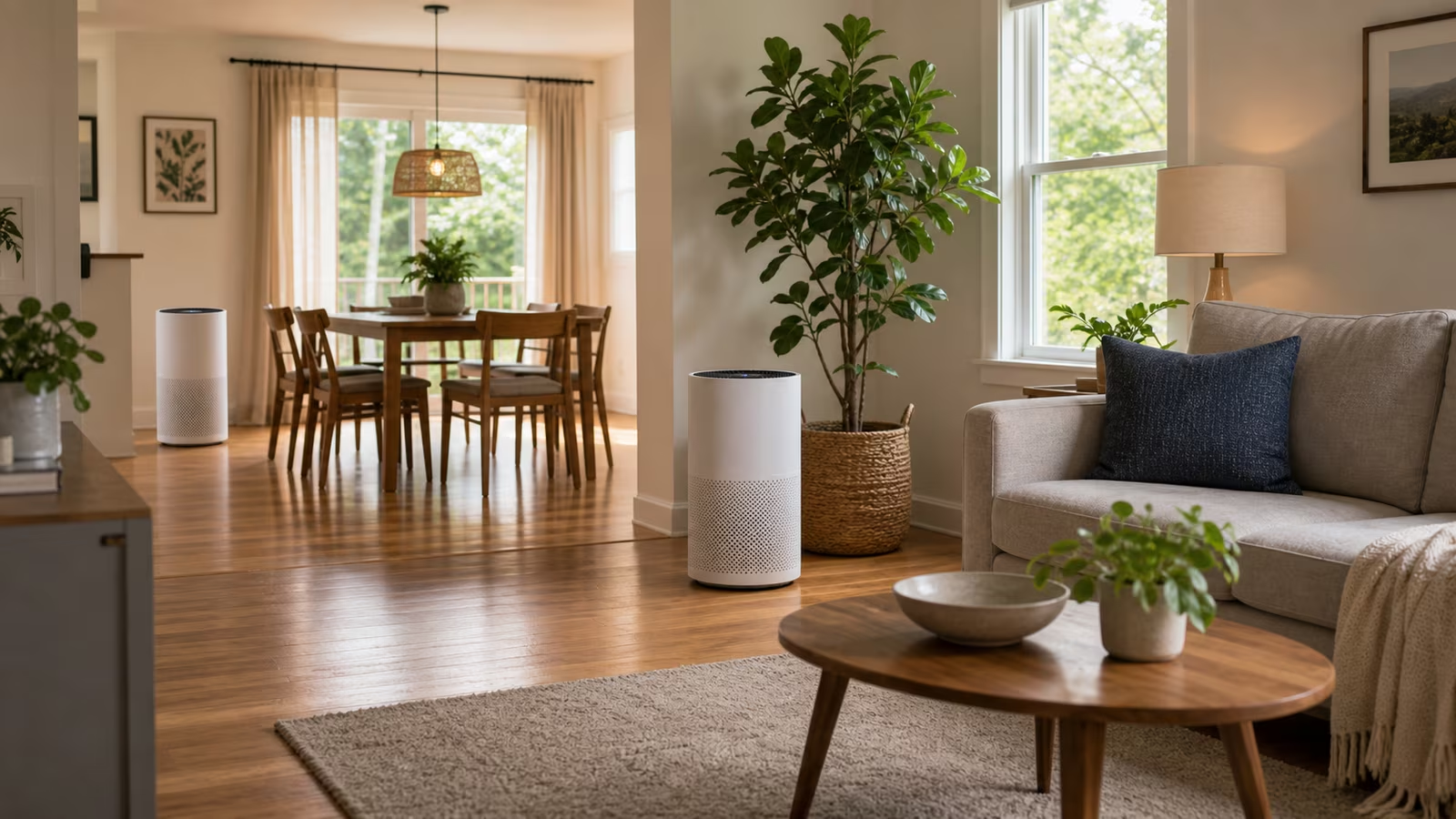
- Air Purifiers for Open Floor Plans - Handle large connected spaces without pretending one small unit covers all.
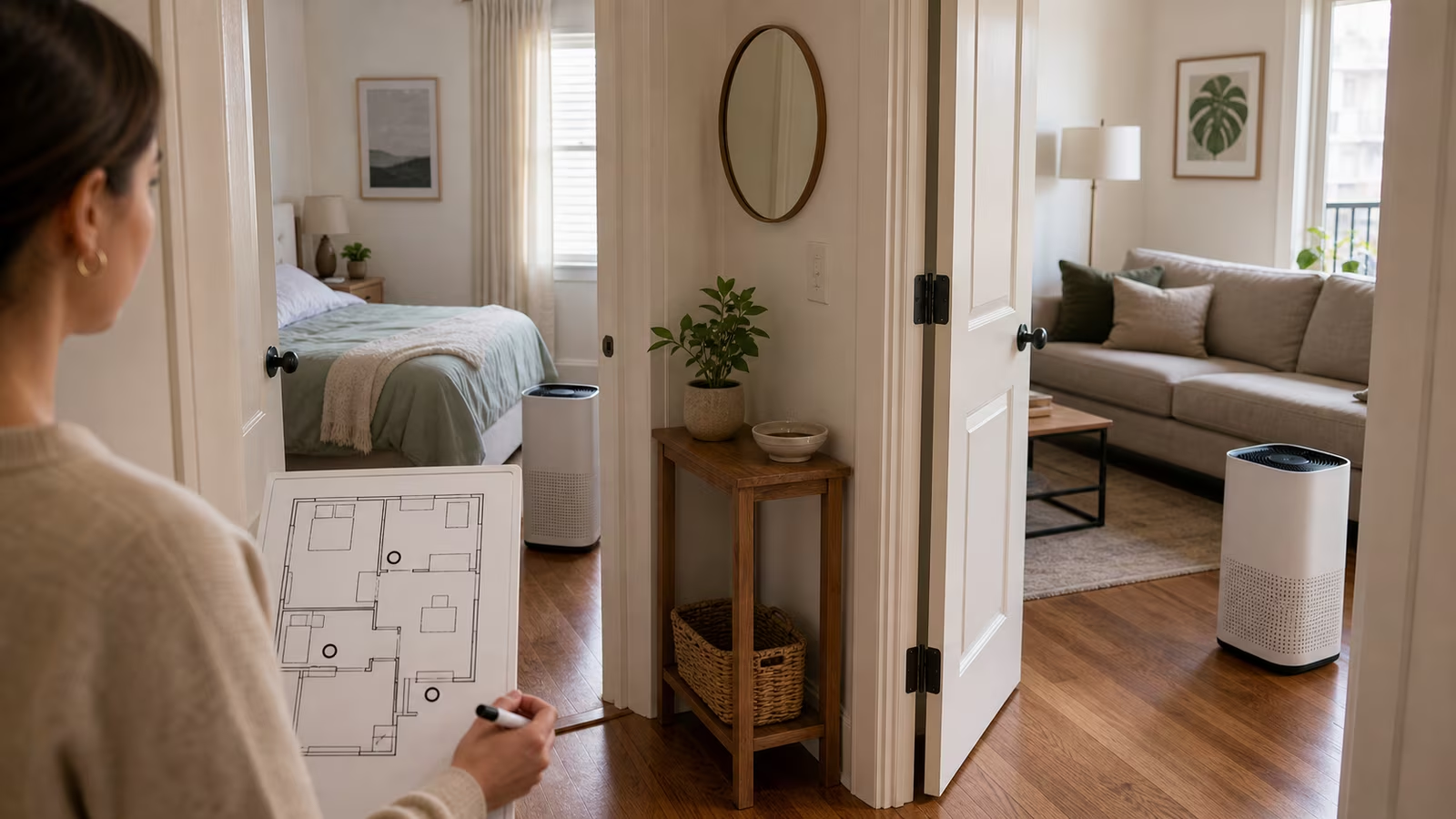
- Multi-Room Clean-Air Strategy - Choose where filtration matters most when the budget is limited.
- Seasonal Clean-Air Maintenance - Build a quarterly routine around filters, humidity, pollen, smoke, and hvac.
- Allergy-Friendly Cleaning Without Medical Claims - Reduce common triggers while avoiding cure language.
- When Symptoms Make Air a Bigger Question - Know when practical clean-air habits are not enough.
- Budget Clean-Air Plan Under Pressure - Make useful improvements without buying every product.
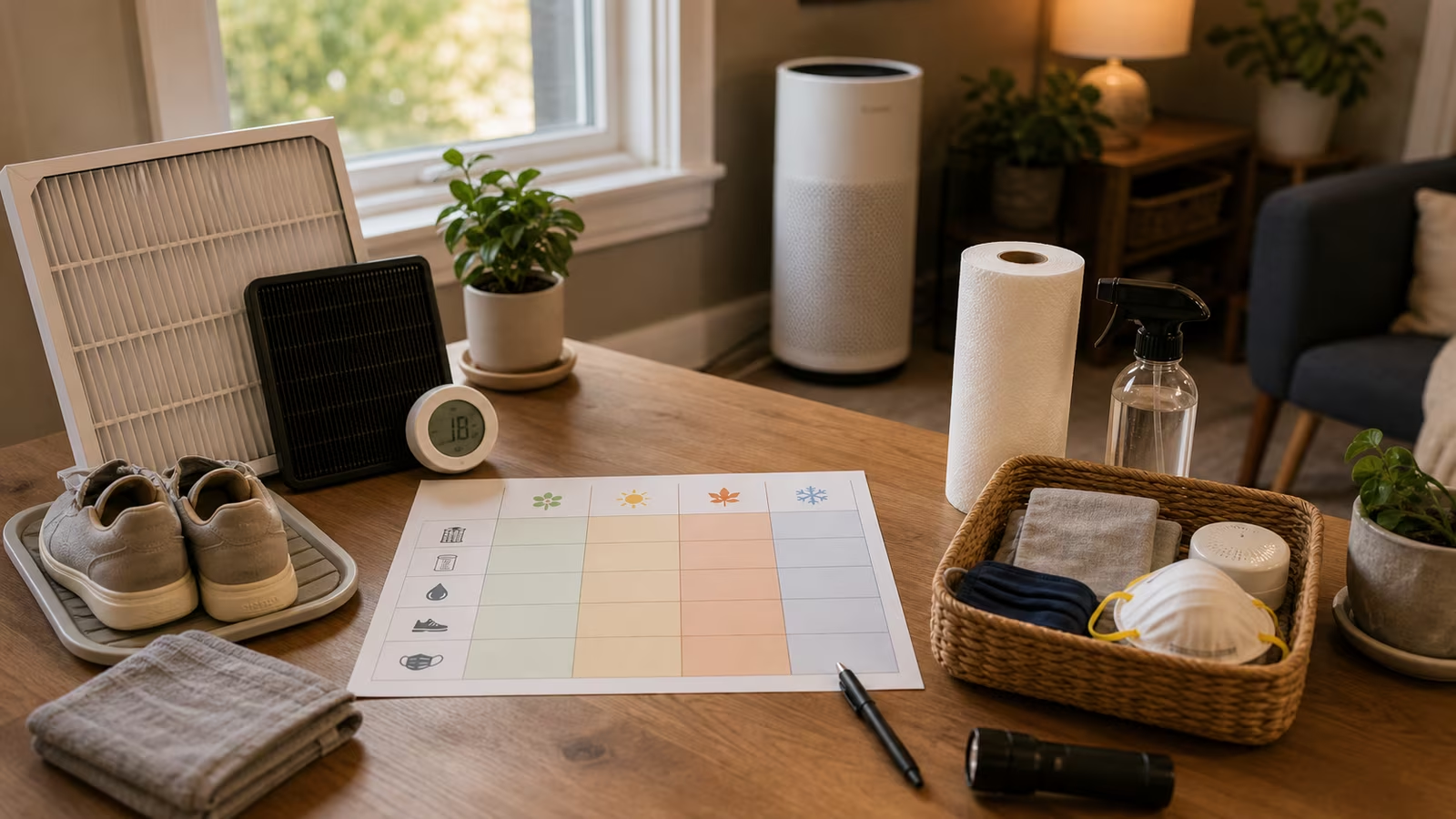
- Clean-Air Kit Checklist - Assemble supplies before smoke, pollen, humidity, or filter problems arrive.
- Leaky Windows, Doors, and Outdoor Air - Reduce outdoor particles and hallway air coming through gaps without sealing blindly.
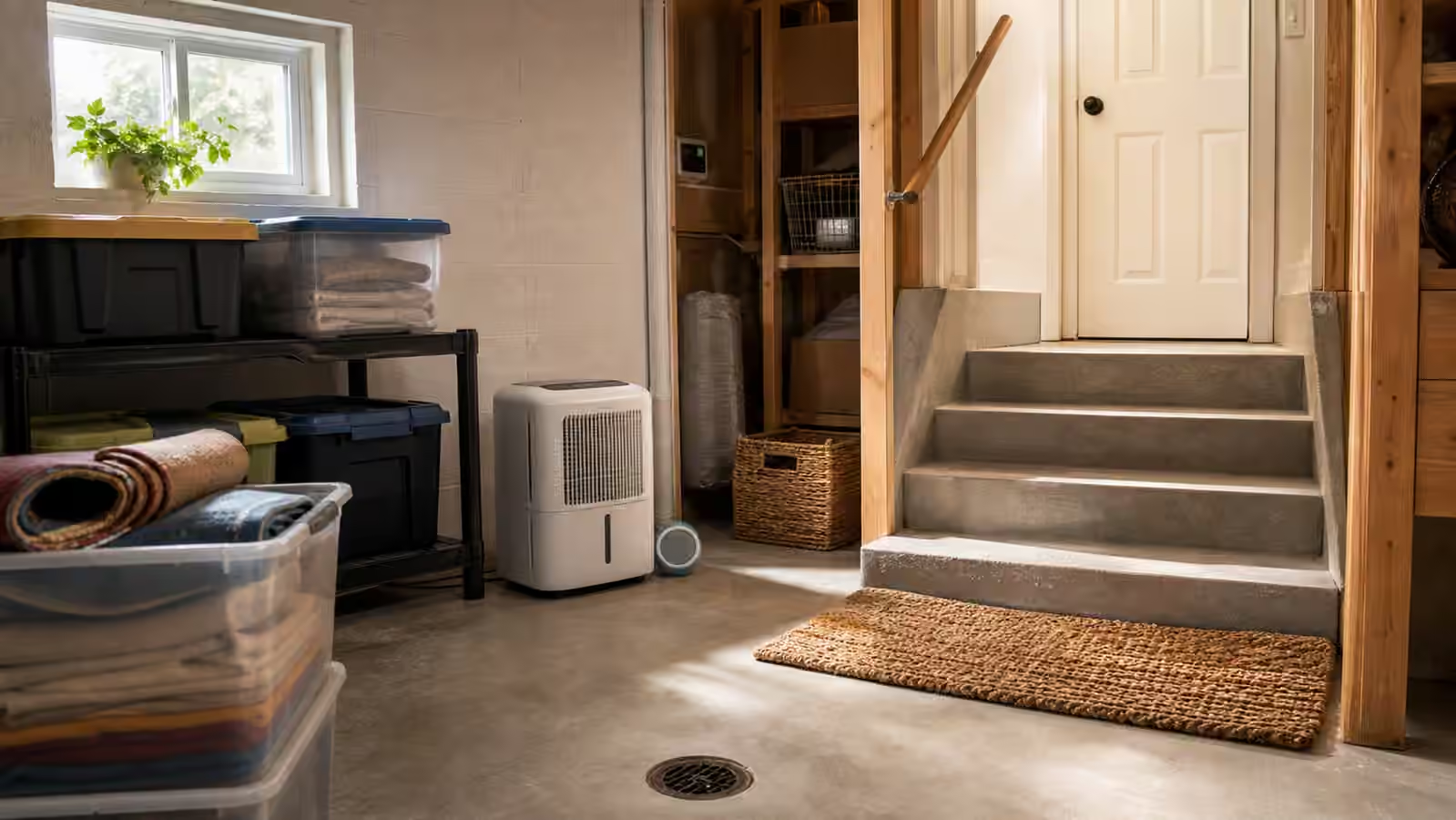
- Basement Air Moving Upstairs - Understand how damp basement air, stored materials, and dust influence rooms above.
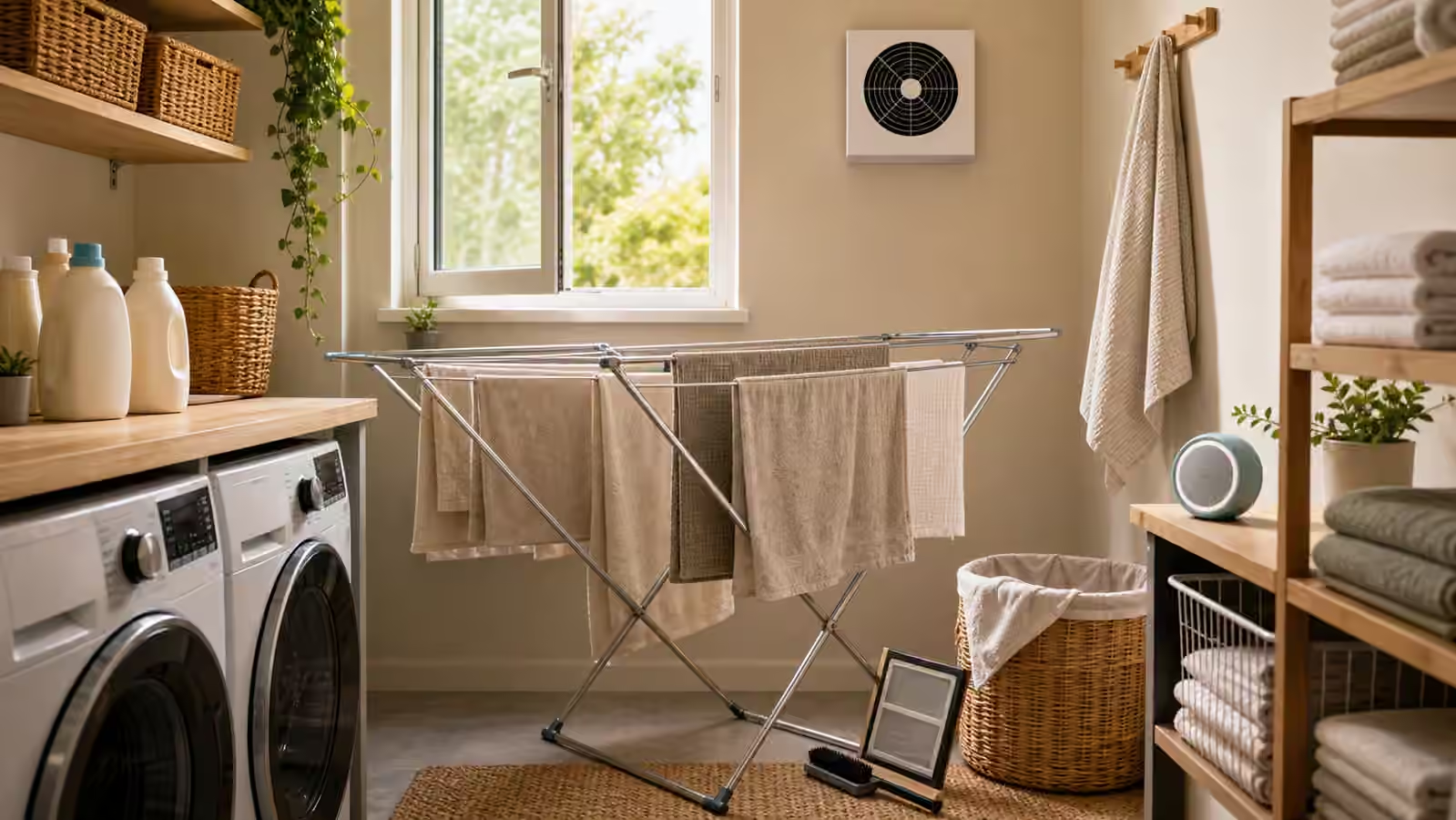
- Laundry, Drying Racks, and Indoor Moisture - Dry laundry indoors without turning a small room damp, linty, or heavily scented.
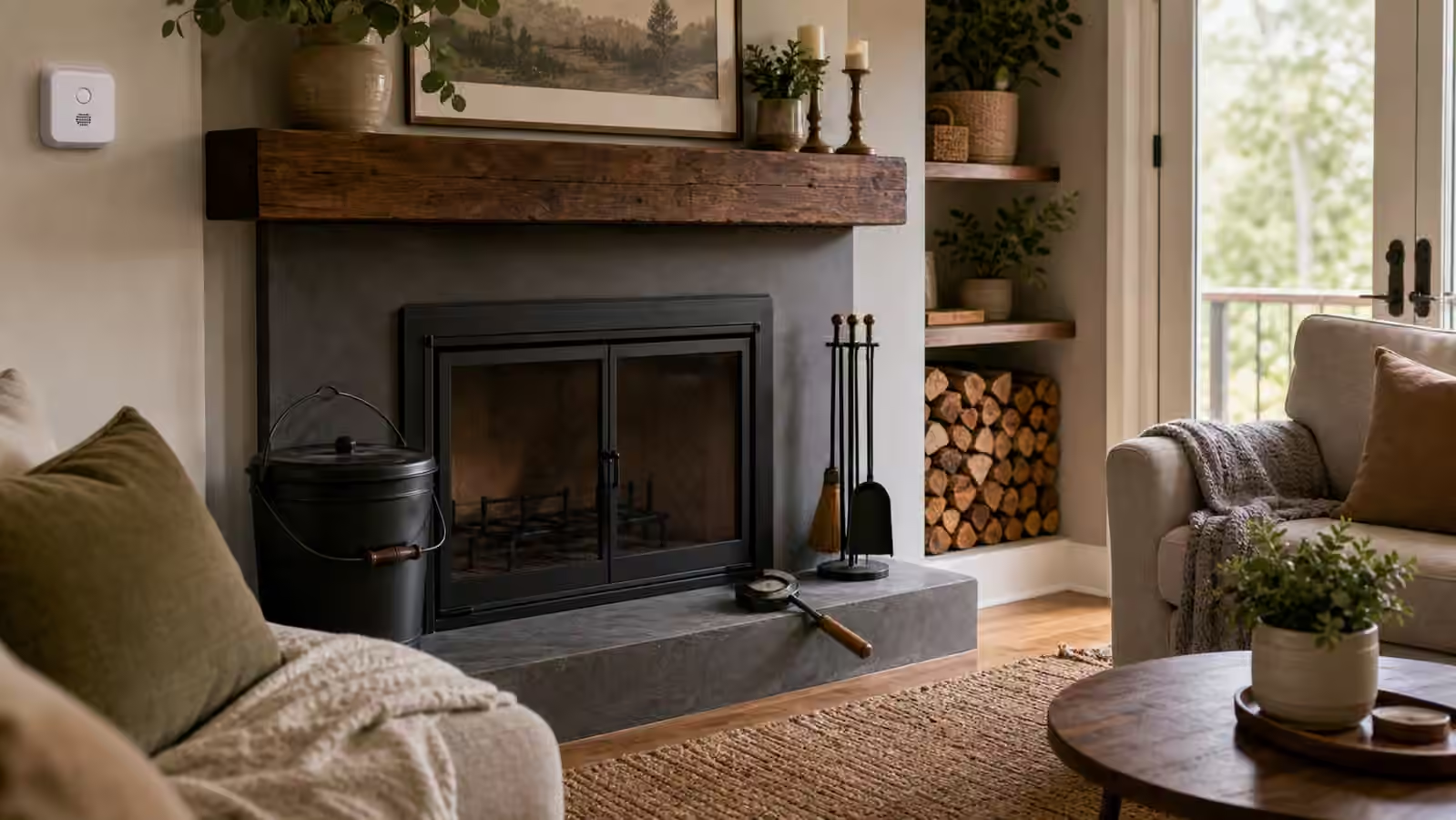
- Fireplaces, Wood Stoves, and Indoor Smoke Boundaries - Keep combustion smoke, ash, and draft paths from becoming ordinary living-room air.
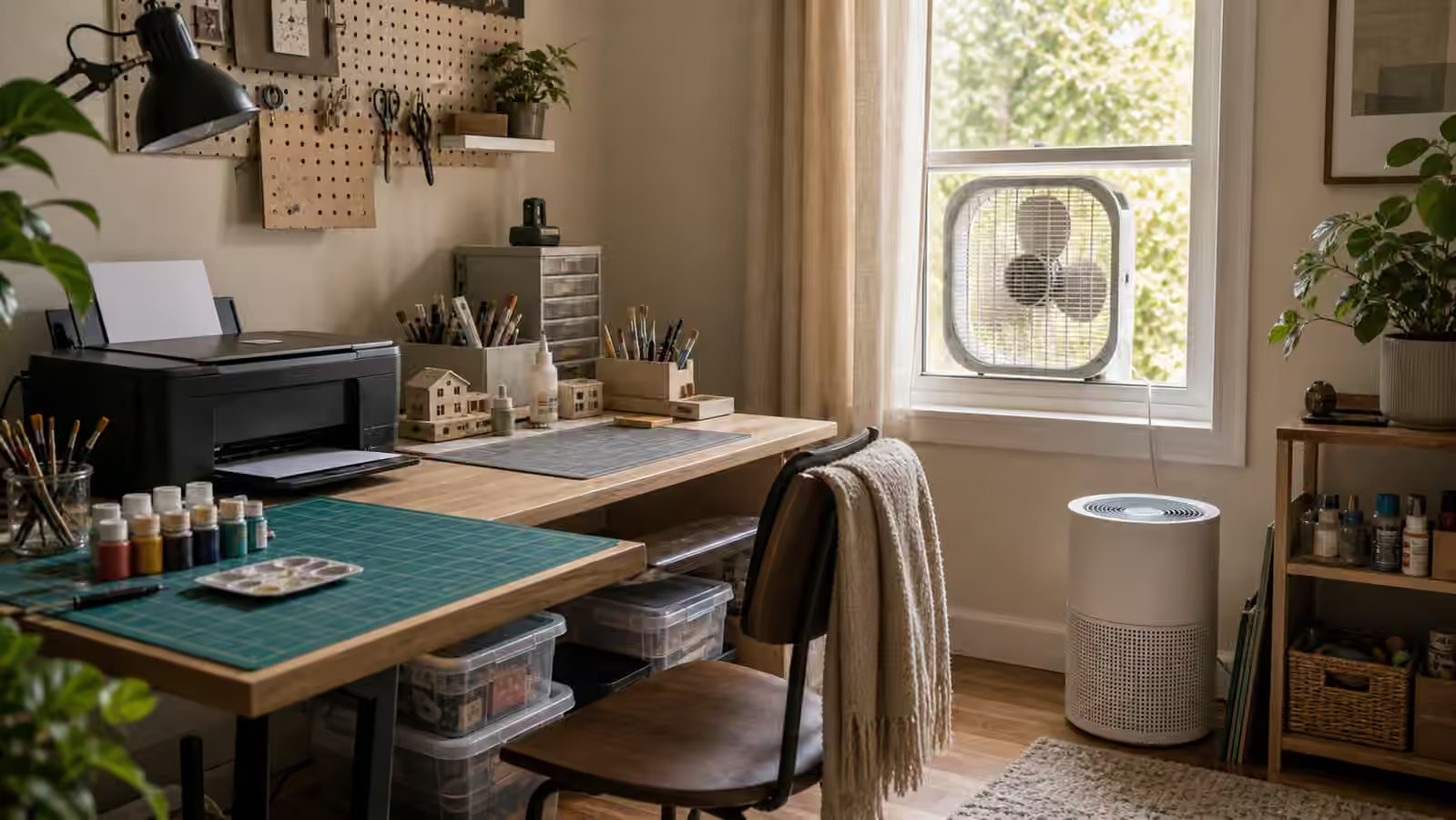
- Printers, Crafts, and Hobby Room Air - Handle dust, fumes, timing, and ventilation in a changing project room.
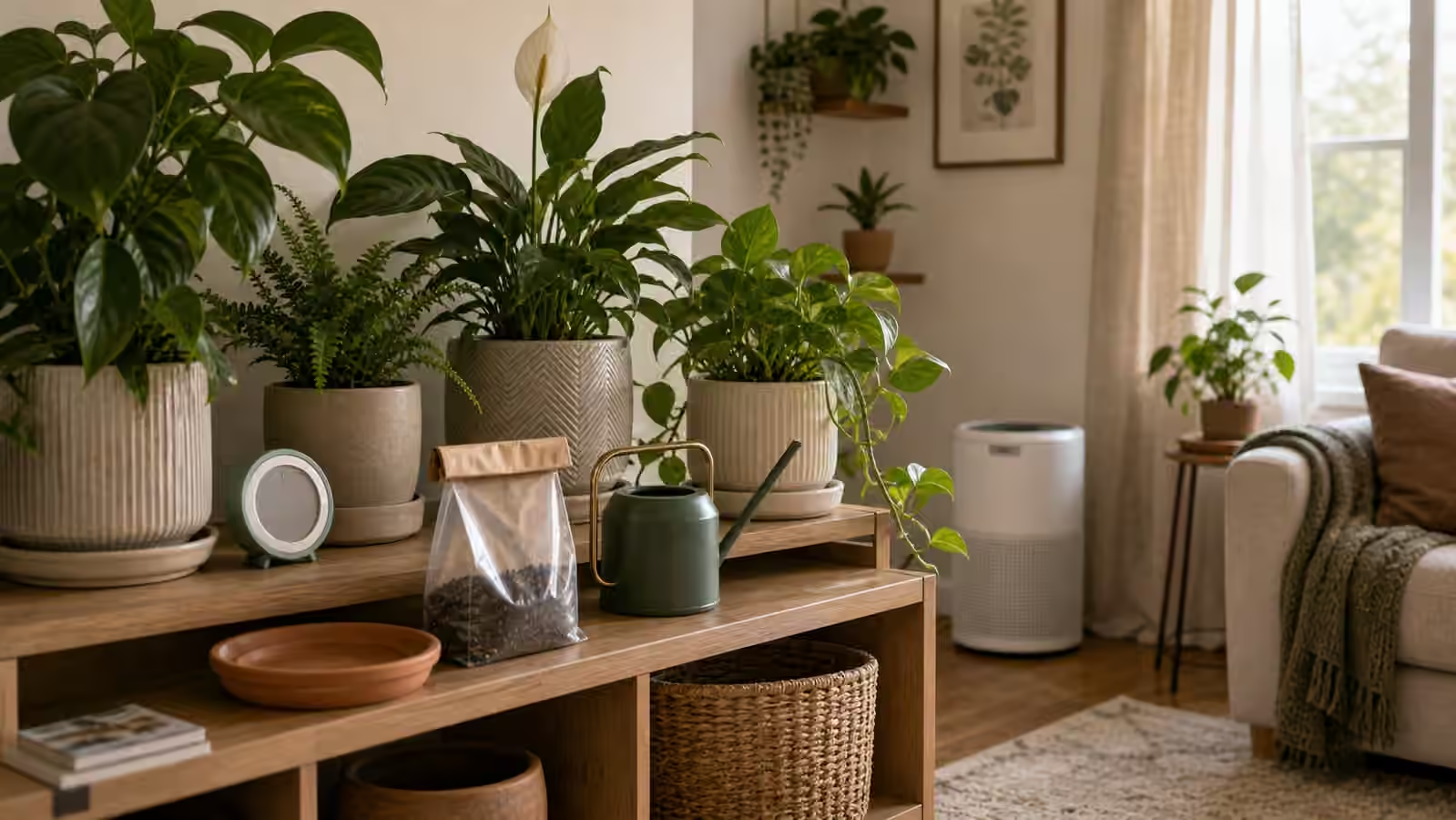
- Houseplants, Potting Soil, and Clean-Air Myths - Enjoy plants without leaning on plant-clean-air myths or ignoring damp soil.
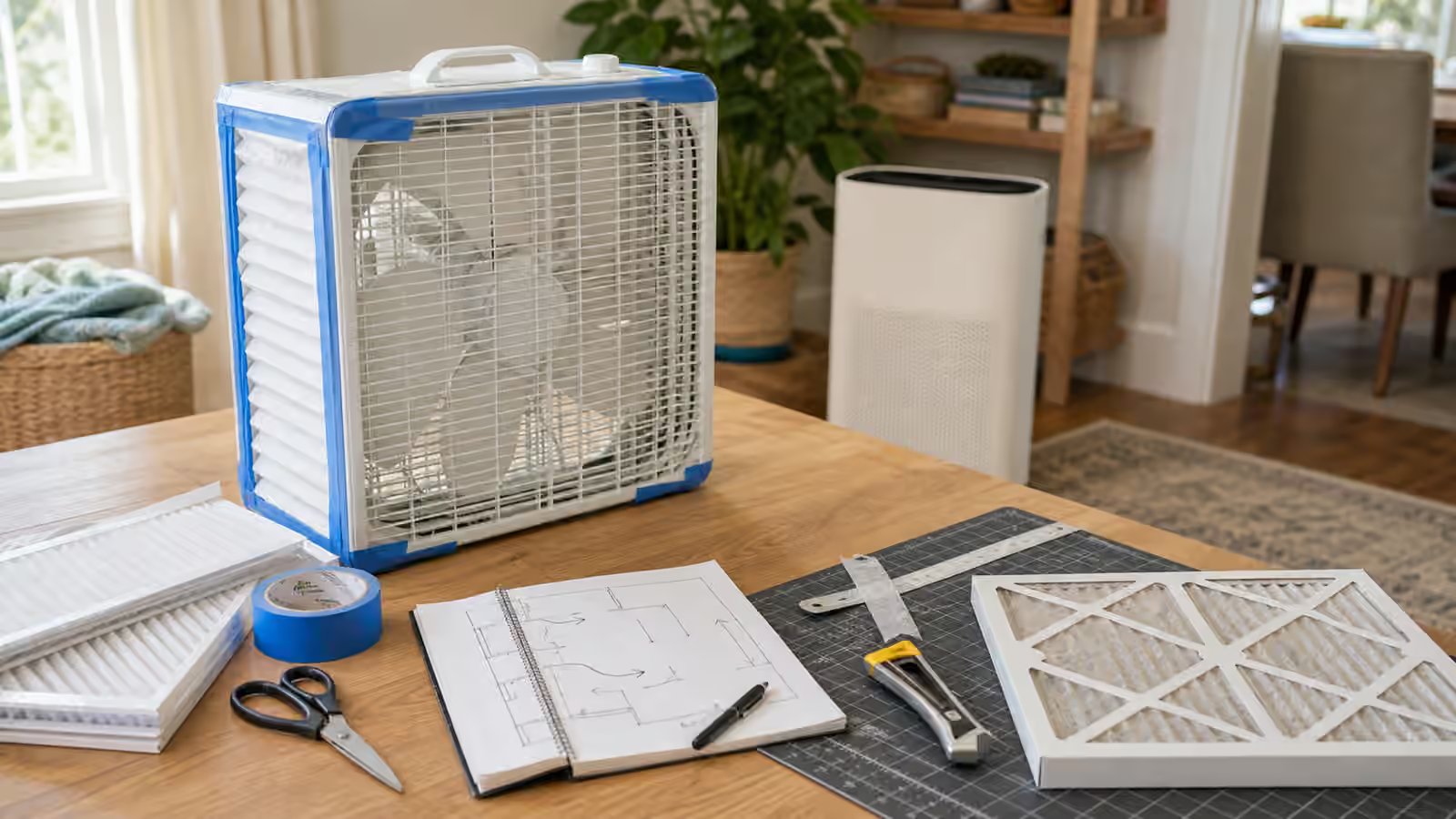
- Box Fan Filter Builds and Clean-Air Boundaries - Use temporary filter fan builds as particle tools without treating them as permanent appliances.
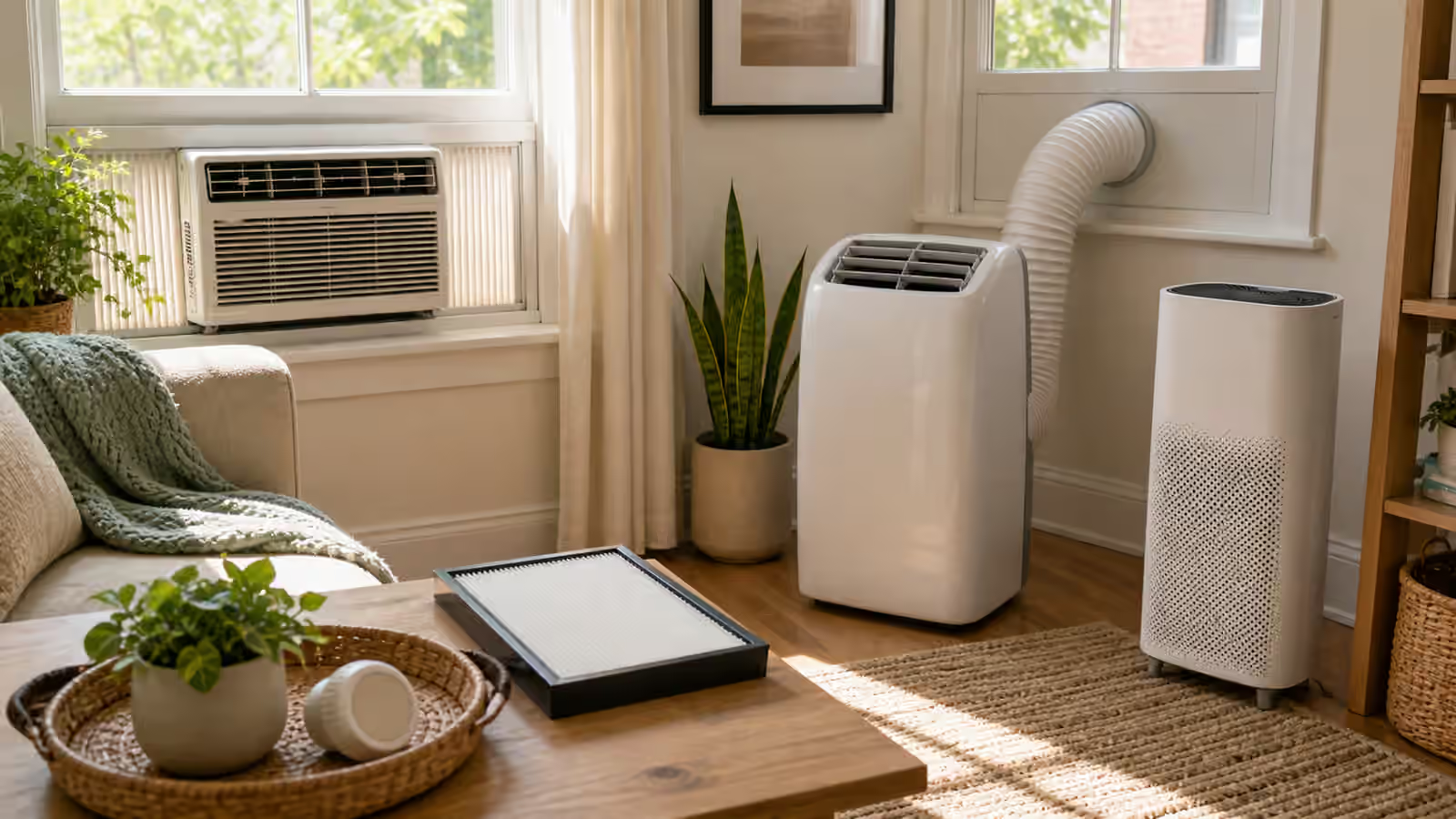
- Window AC and Portable AC Air Habits - Separate cooling, filtering, exhaust, and outdoor air when room air conditioners are running.
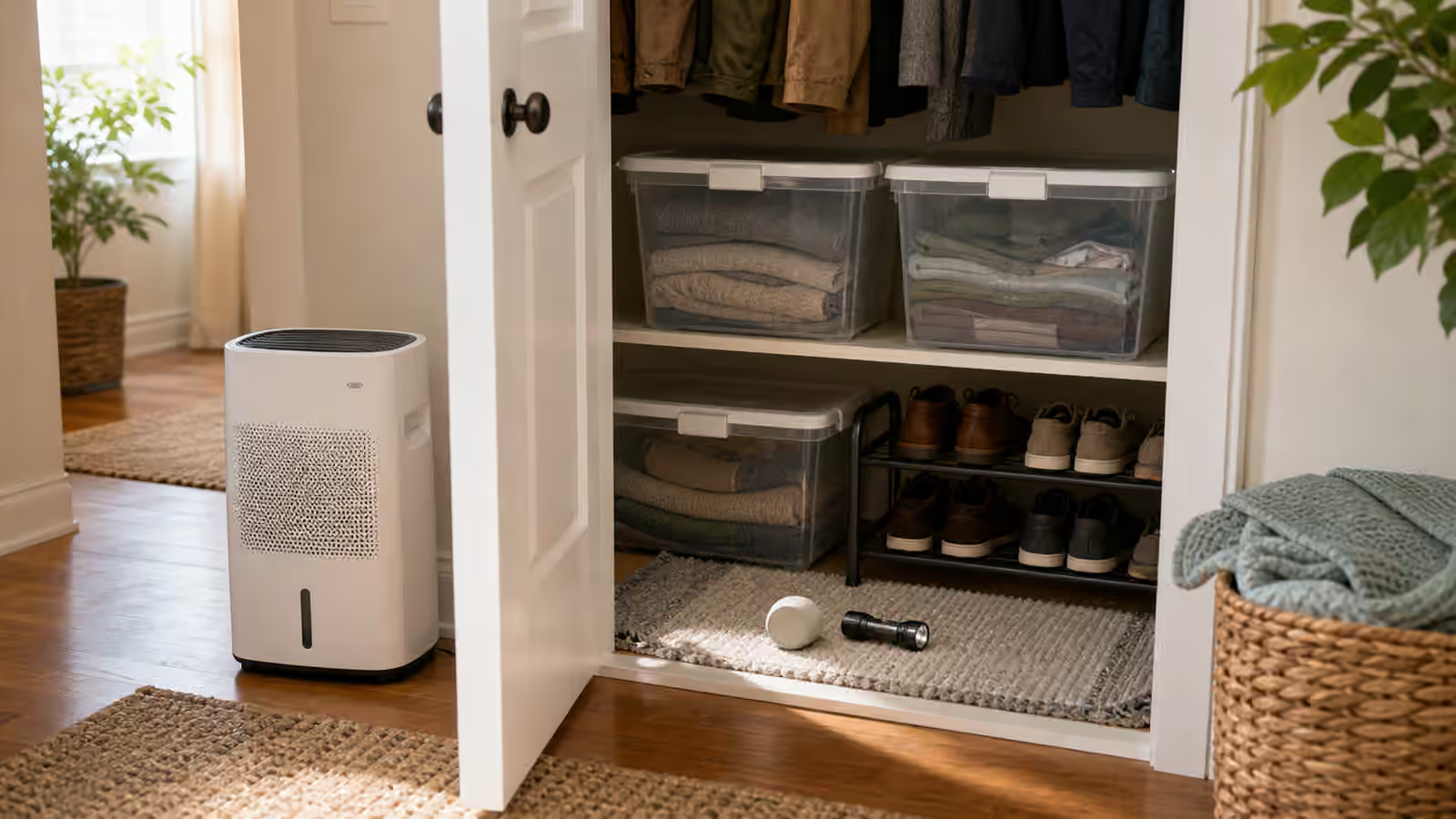
- Closets, Storage Bins, and Musty Air - Handle closed storage spaces that hold dust, damp textiles, cardboard odor, and stale air.
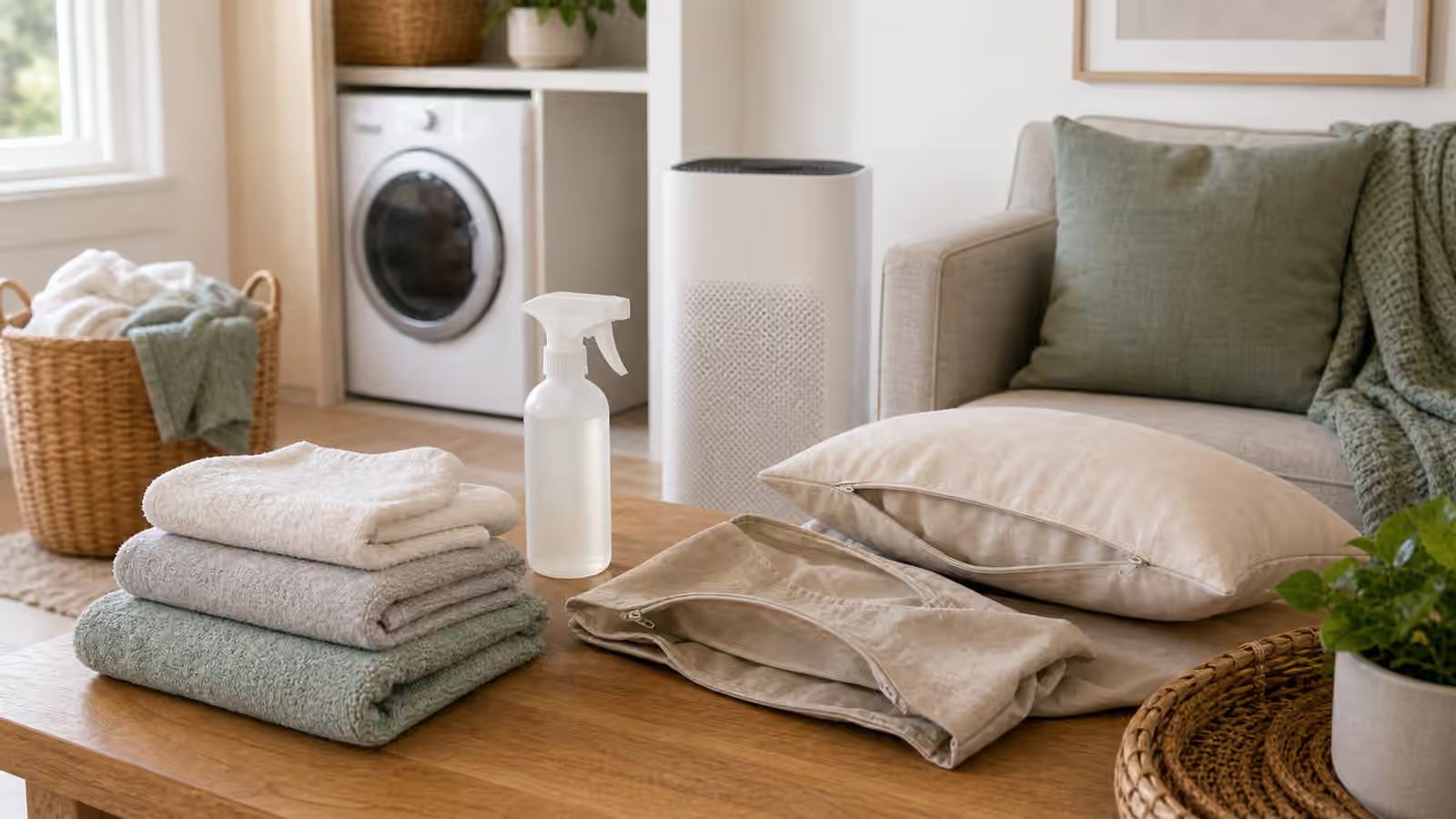
- Scented Laundry, Fabric Sprays, and Room Air - Manage fragrance from detergents, dryer products, fabric sprays, and soft furnishings.
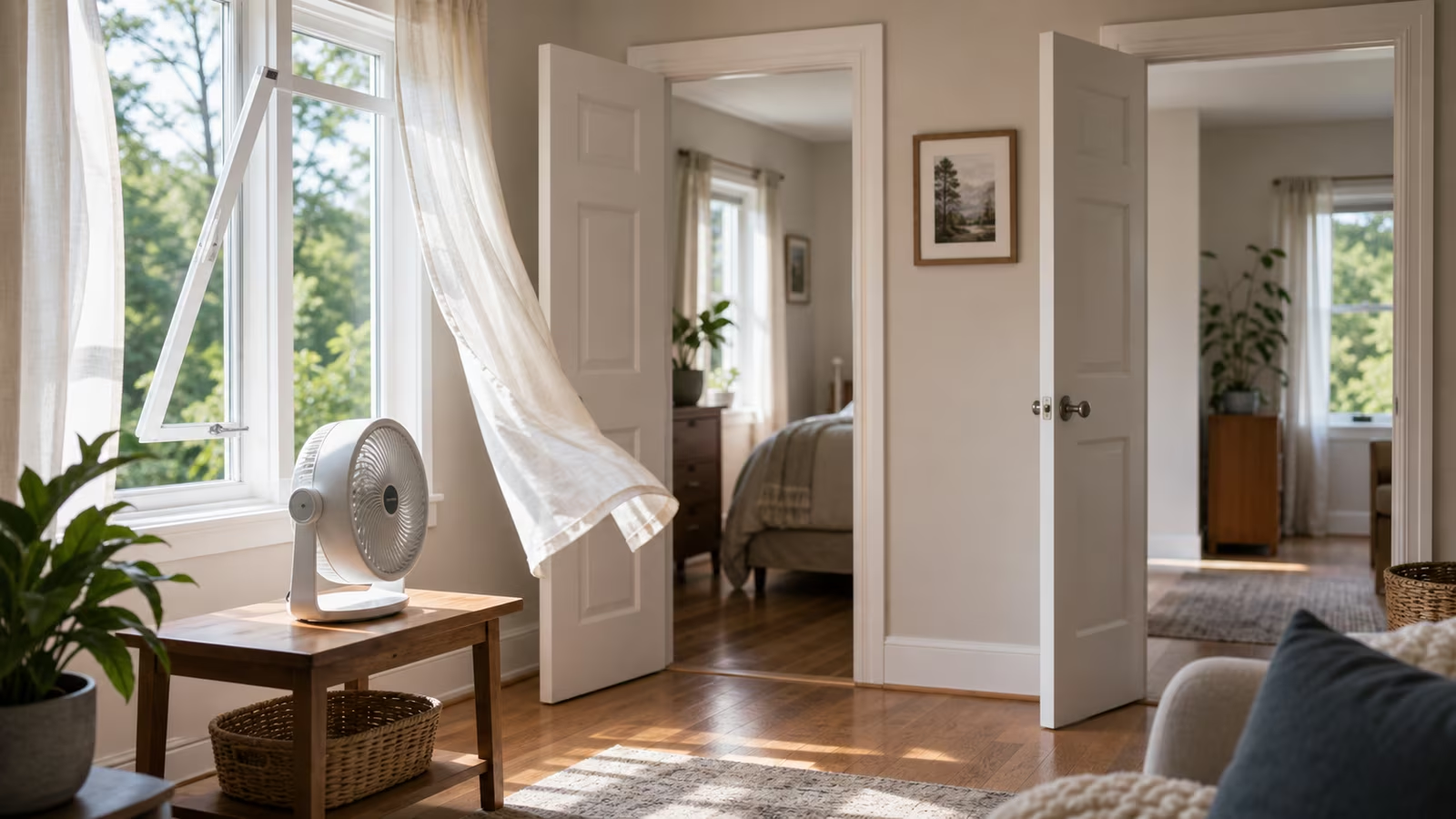
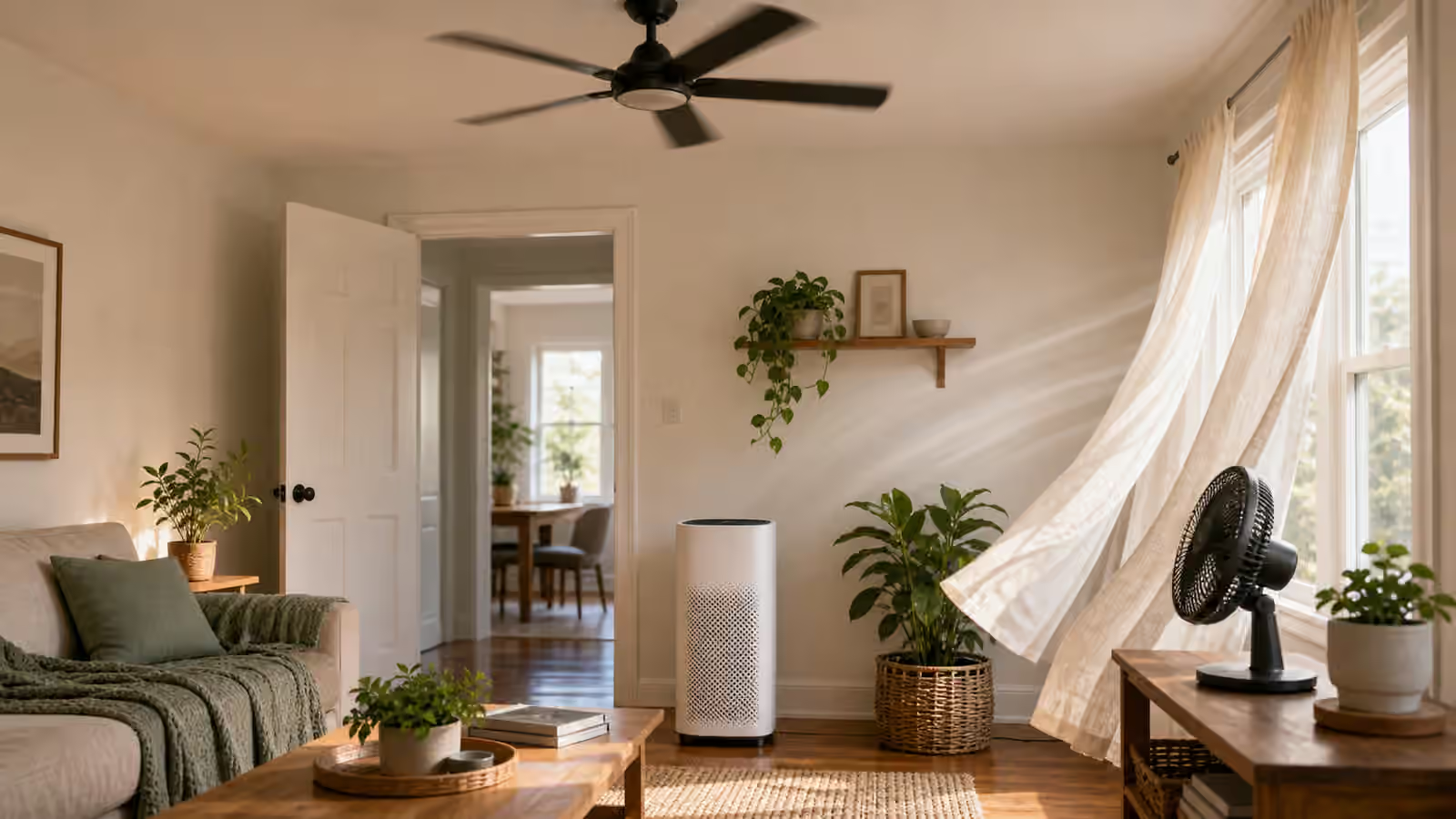
- Ceiling Fans, Desk Fans, and Room Air Mixing - Understand what fans can and cannot do for room mixing, purifier placement, comfort, and stale air.
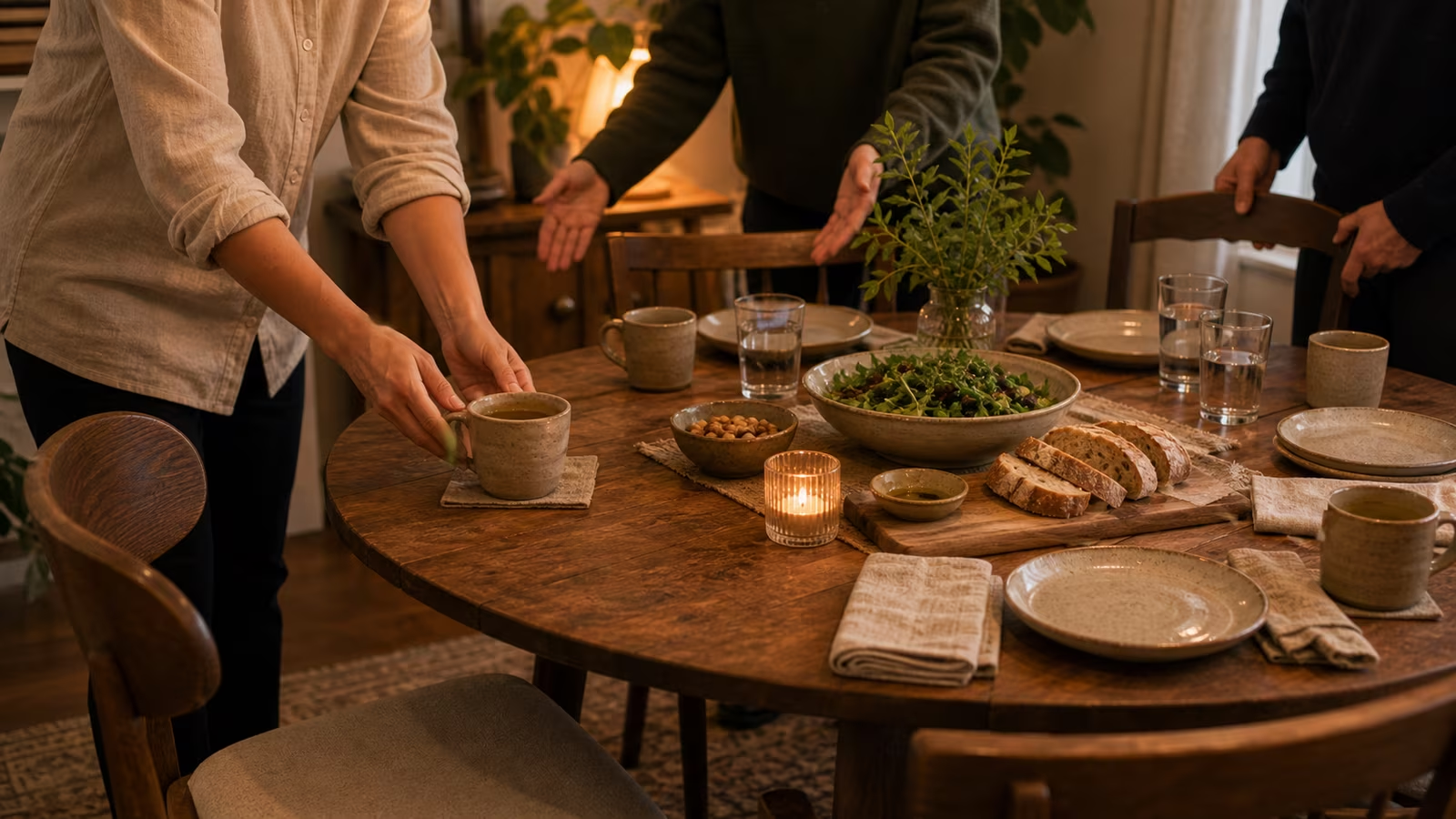
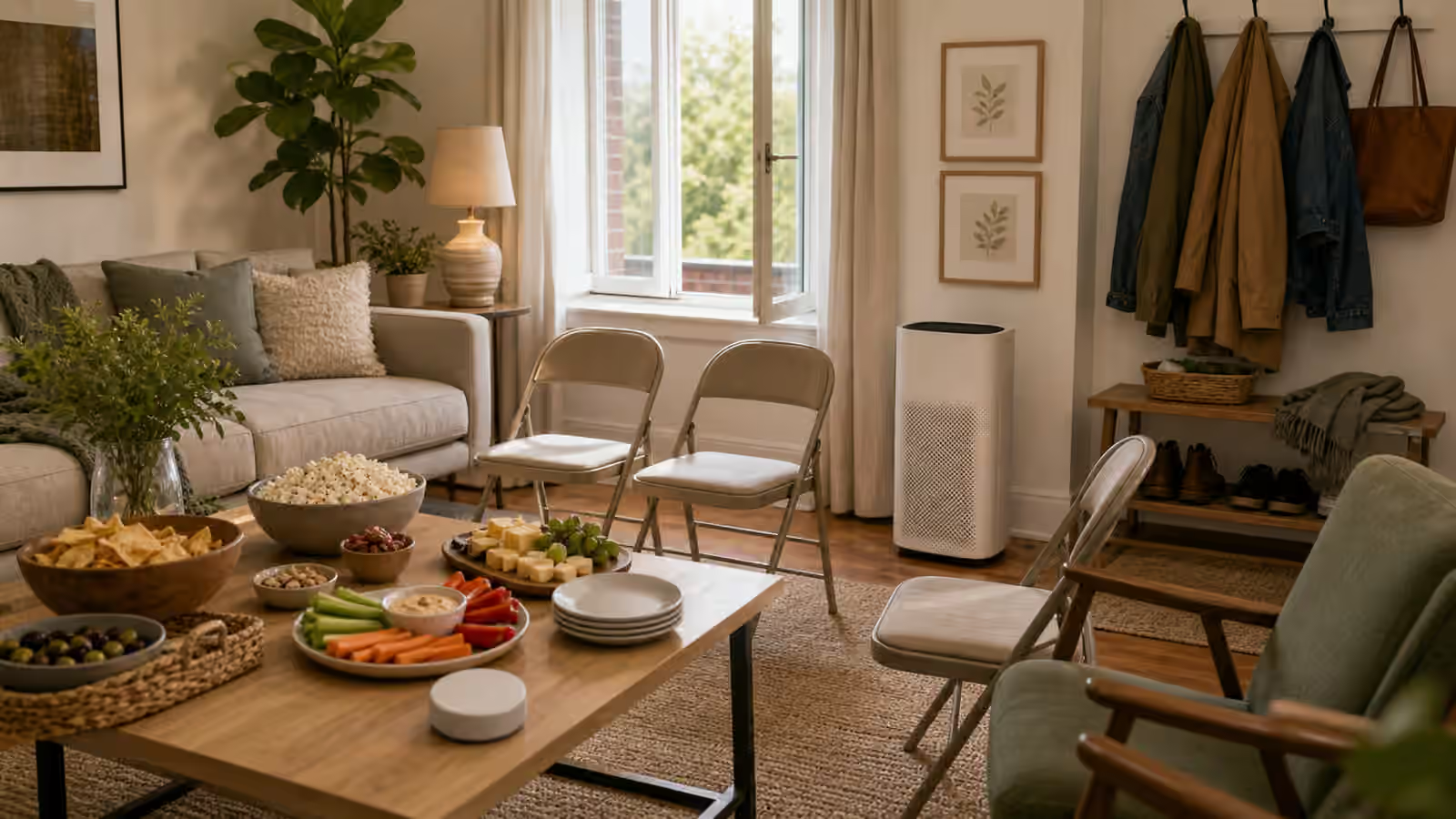
- Crowded Rooms, Visitors, and Party Air - Plan for gatherings that add people, cooking smells, coats, dust, candles, stale air, and cleanup decisions.
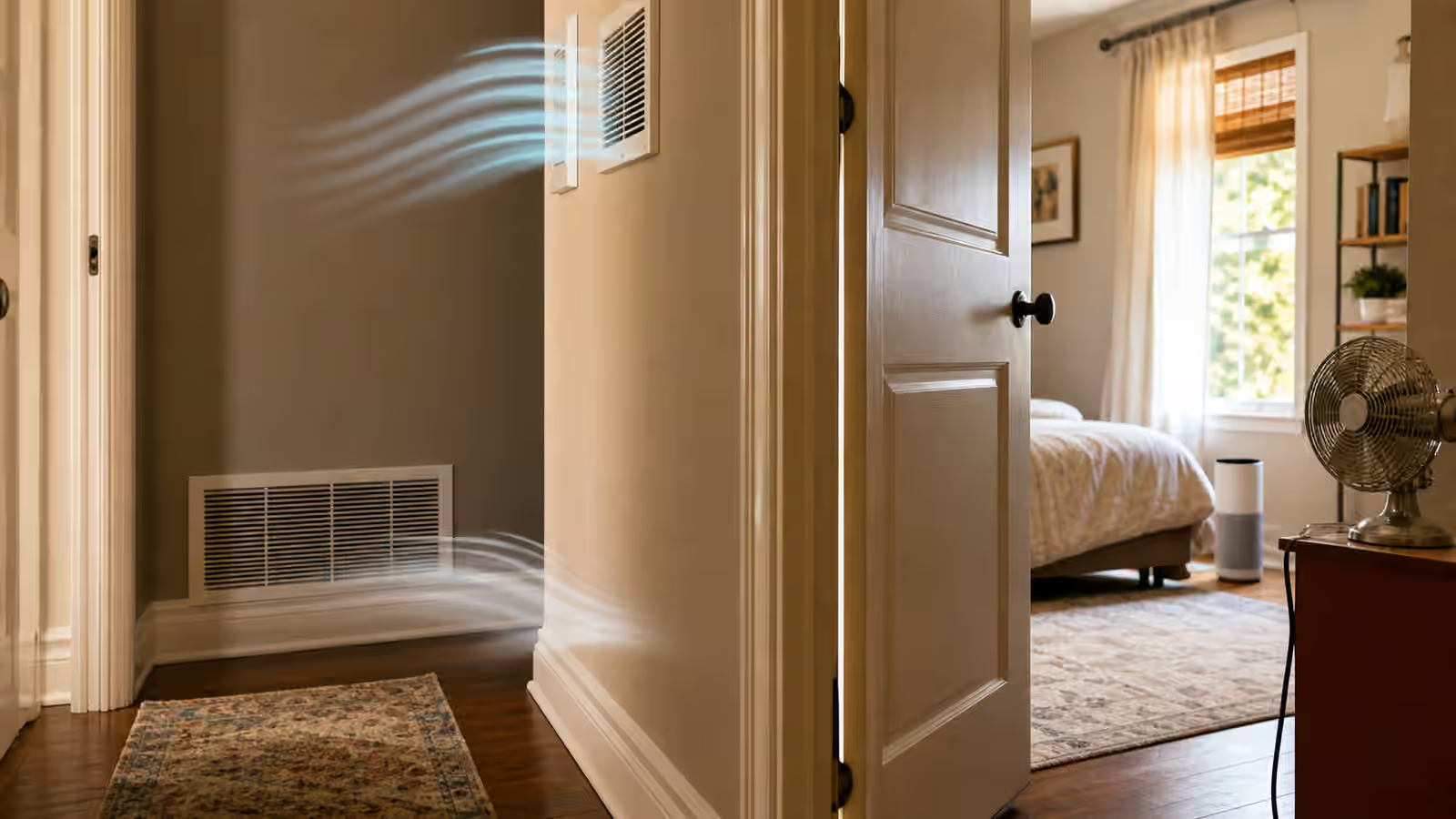
- Return Paths, Closed Doors, and Room Pressure - Keep closed rooms from becoming stale pockets by noticing how air returns to the rest of the home.
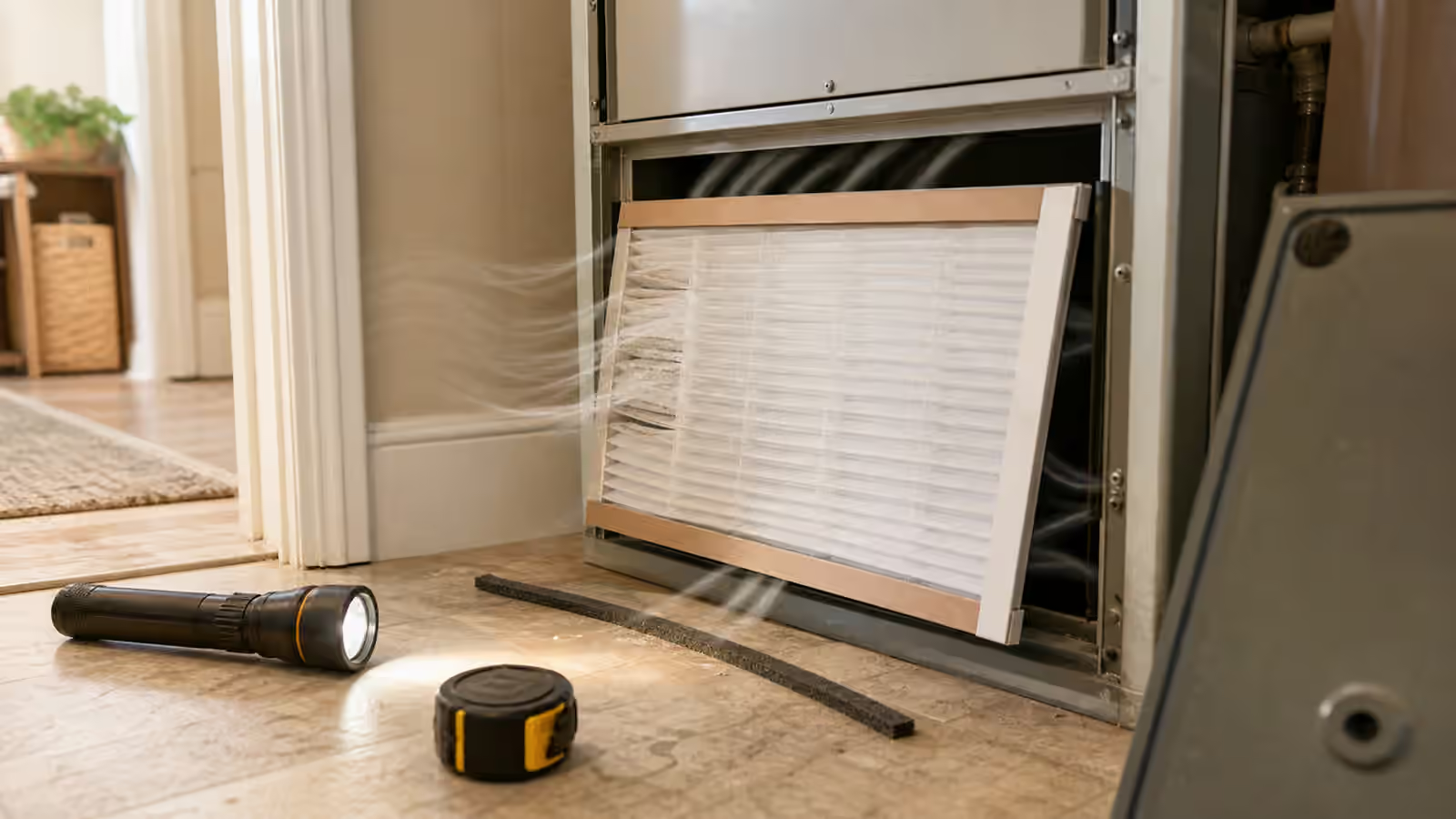
- Filter Fit and Bypass Leaks - Make sure air passes through the filter instead of slipping around a loose frame or panel.
- Ionizers, Ozone, and Fresh-Air Claims - Evaluate active purification language, ionizer features, ozone cautions, and freshness claims.
- After a Smoke Day: Resetting Home Air - Reset filters, surfaces, textiles, and notes after outdoor smoke improves.
- Room-by-Room Air Notes That Actually Help - Track useful room patterns without turning clean-air work into a worry log.
- Hallways, Stairwells, and Apartment Air Paths - Manage shared-building air paths from halls, stairs, lobbies, and neighboring spaces.
- Window Opening Strategy for Cleaner Air - Use windows intentionally when outdoor air, stale rooms, pollen, smoke, humidity, and traffic all compete.
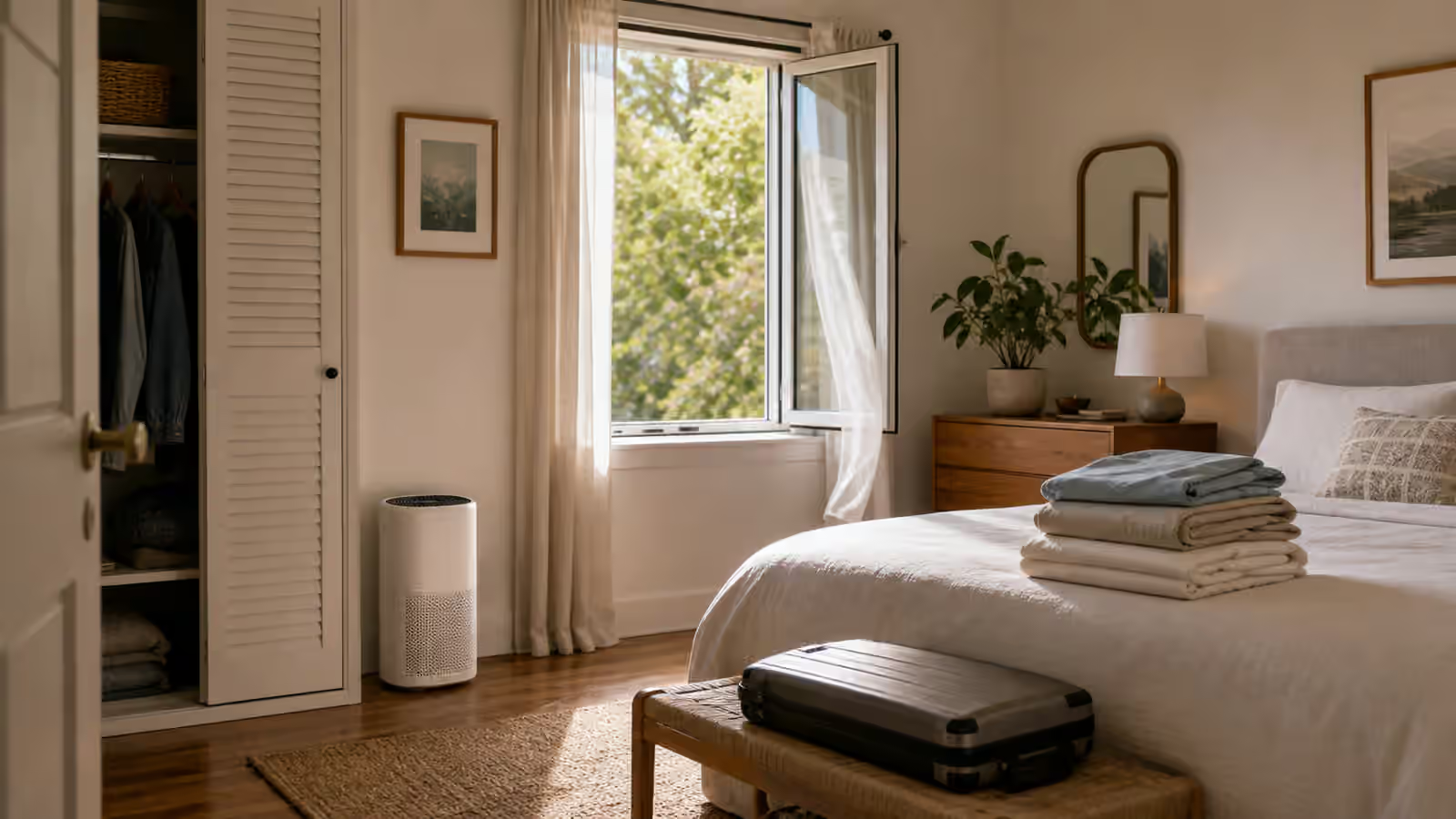
- Guest Room and Spare Bedroom Air - Make occasional-use bedrooms feel fresh without masking stale air, dust, storage odors, or textile fragrance.
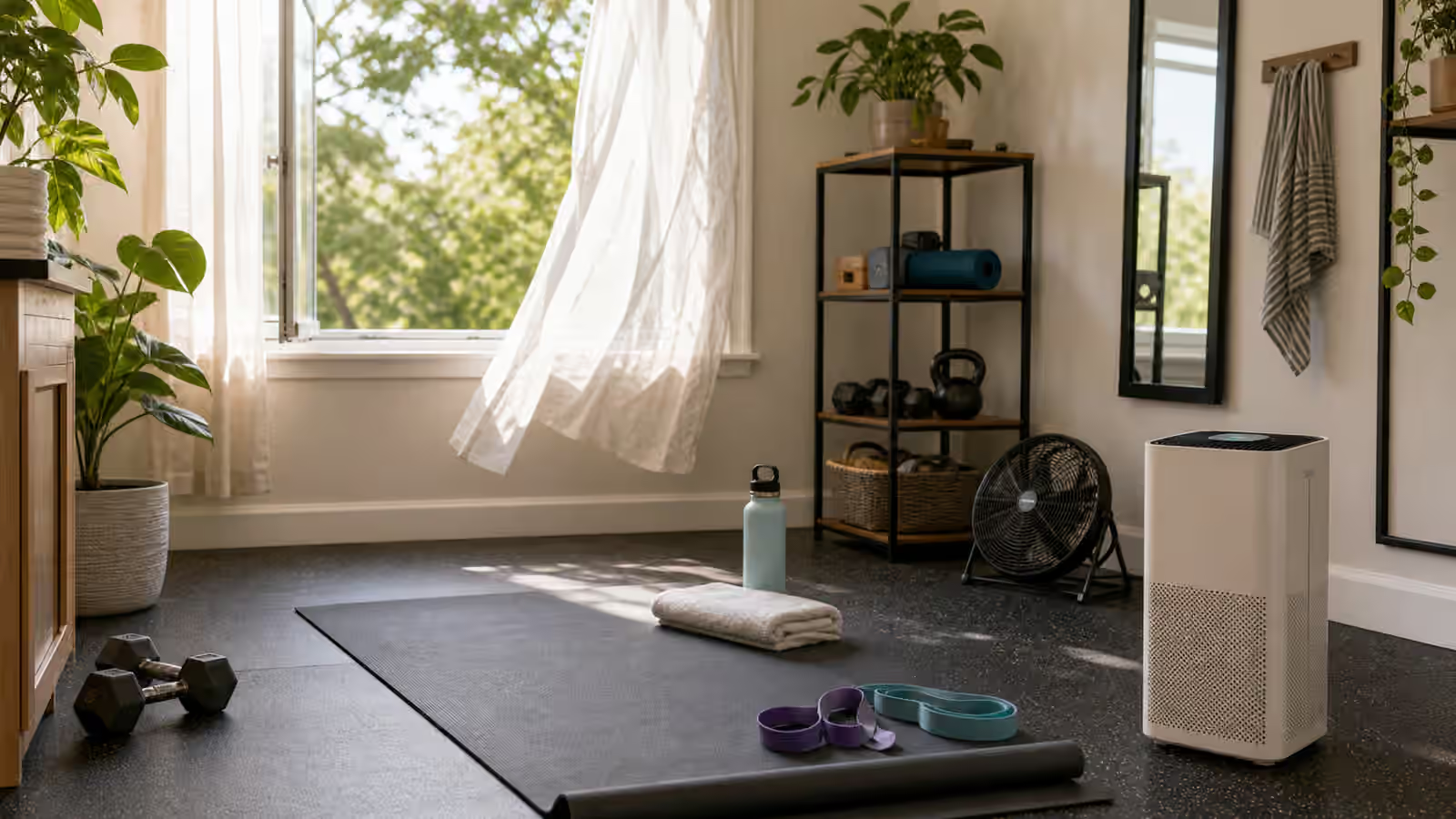
- Home Gym, Exercise Mats, and Workout Air - Handle moisture, mat odor, dust movement, fan placement, and filtration in workout spaces.
- Pest Control Sprays and Indoor Air - Prepare for pest-control sprays, foggers, powders, baits, treated surfaces, ventilation, and cleanup boundaries.
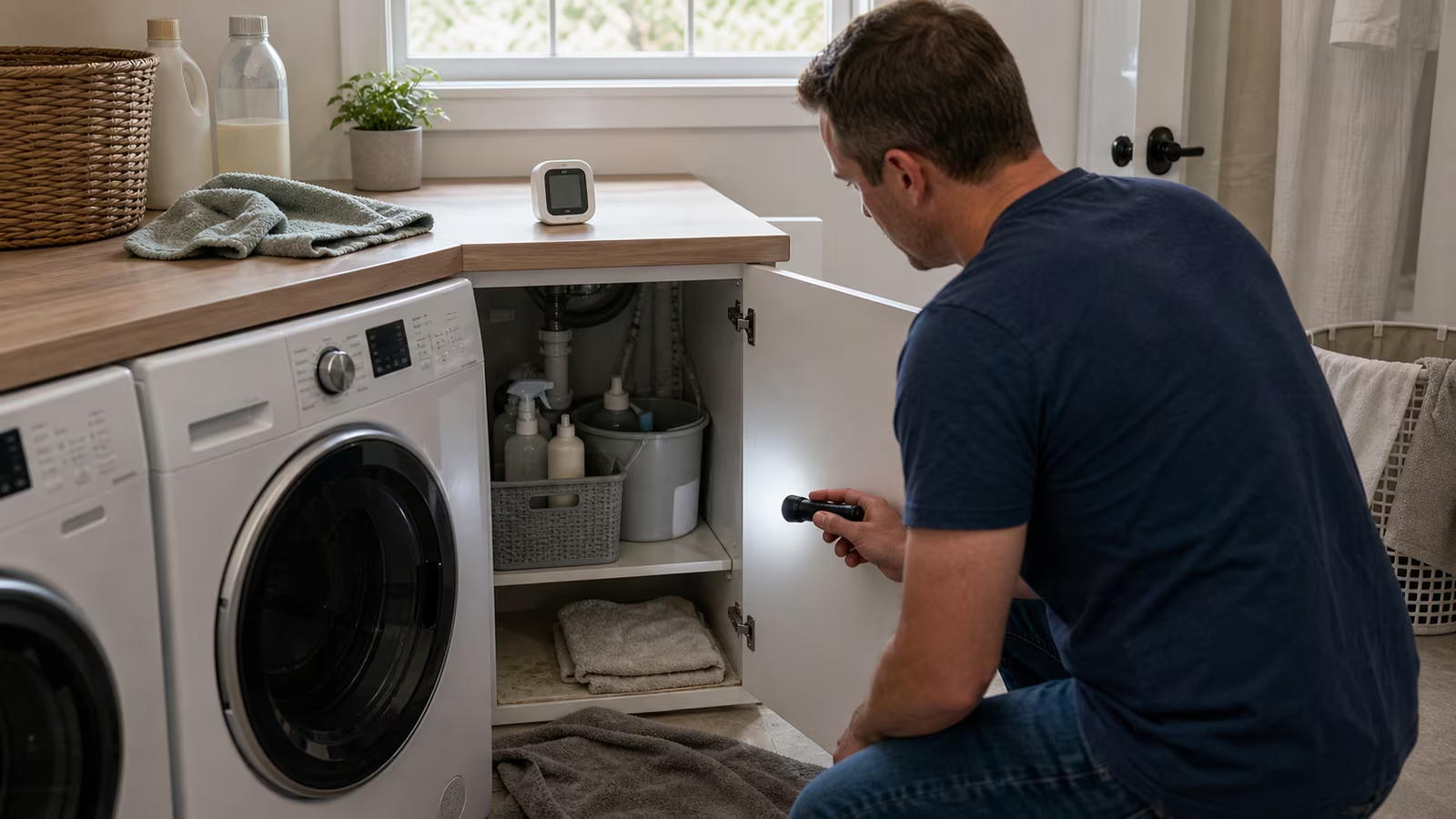
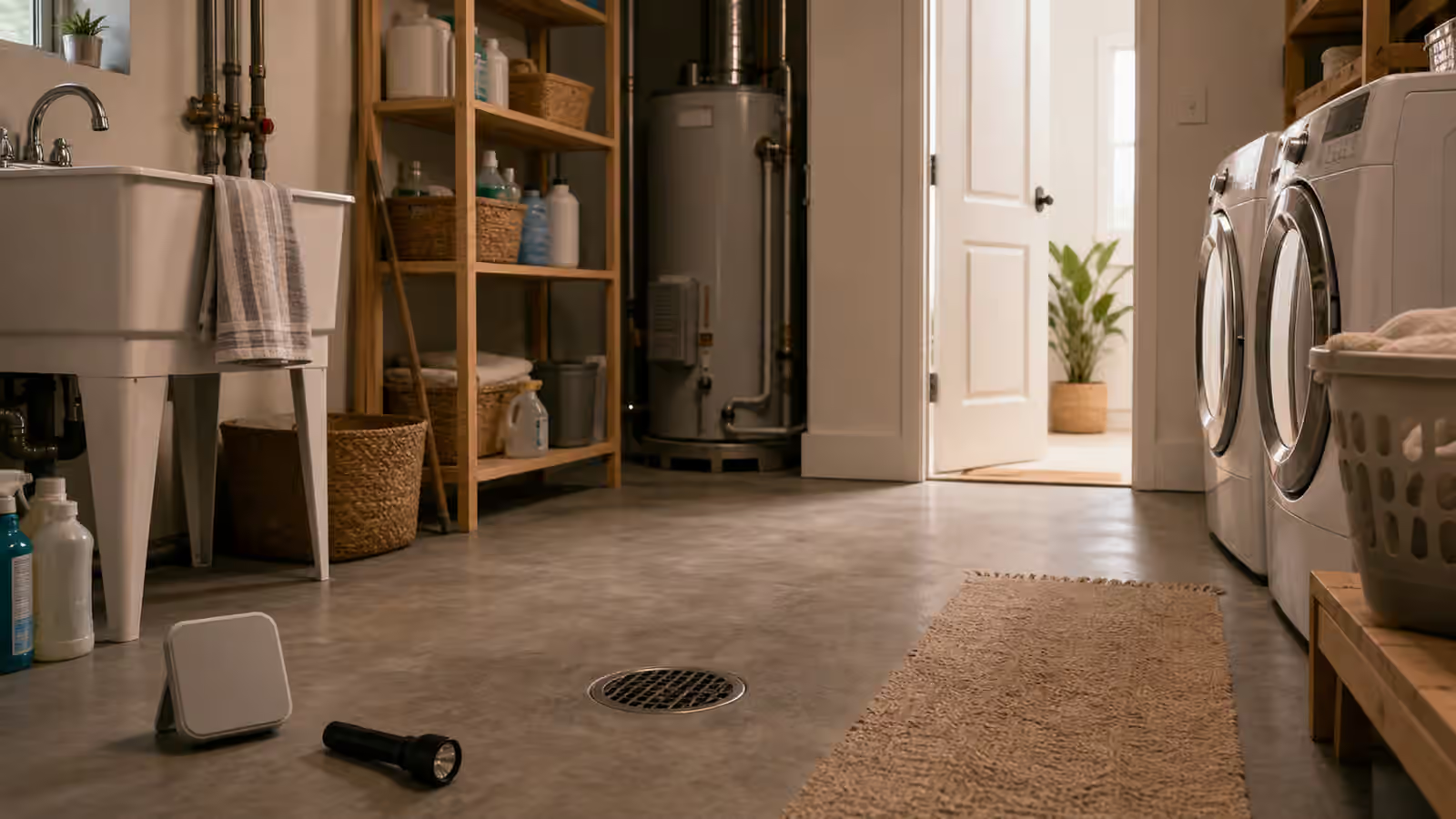
- Utility Room, Floor Drain, and Mechanical Closet Air - Notice utility-space sources before musty air spreads into living areas.
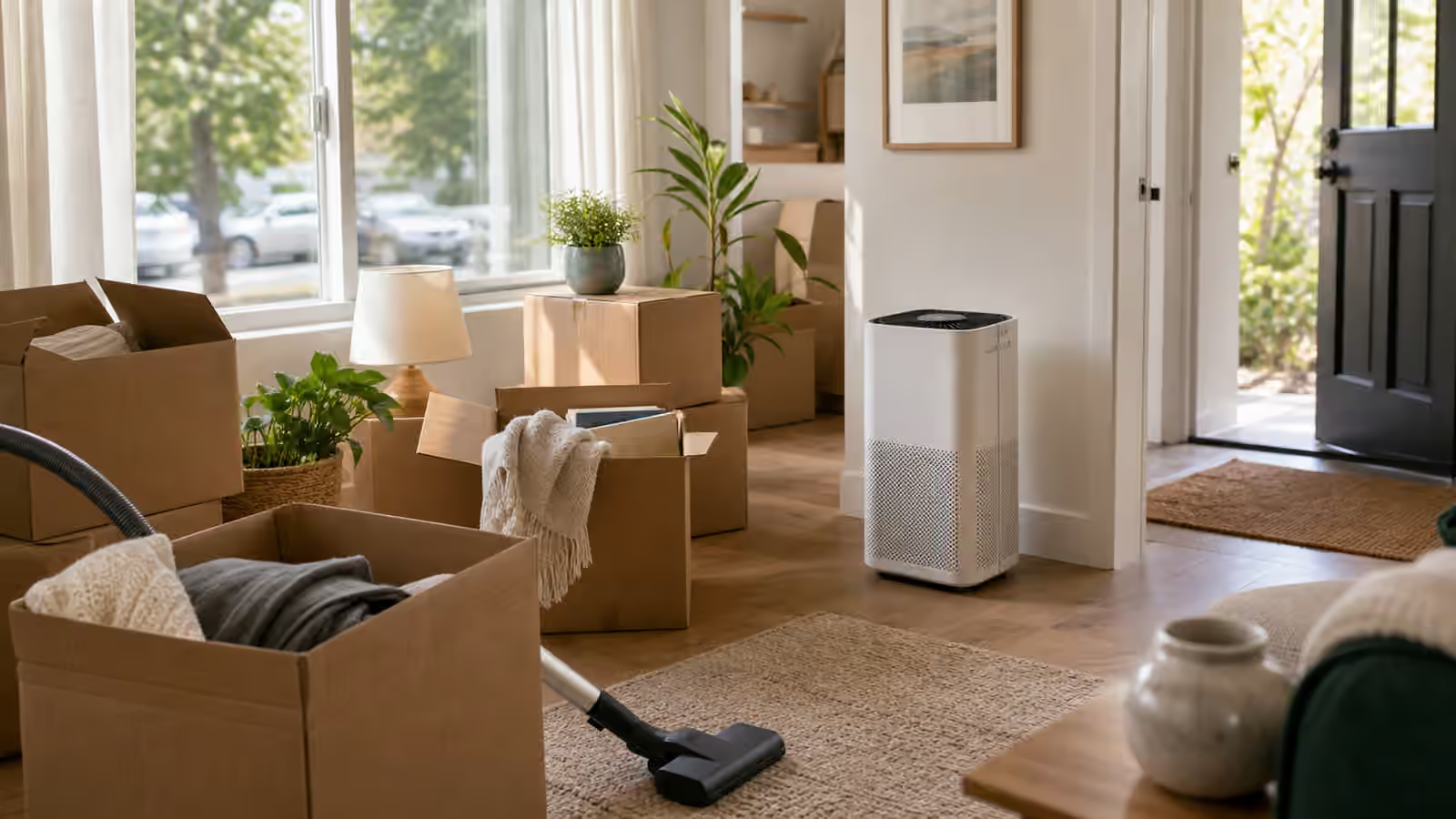
- Moving Day, Boxes, and Stored Belongings Air - Keep move-in dust, cardboard, old textiles, storage odor, and open-door traffic manageable.