Chocolate is not fragile in a dramatic way, but it is sensitive to ordinary warmth. A bar left in a sunny bag can soften before lunch. A box of truffles can sweat after moving from refrigerator to porch. A carefully tempered bark can arrive dull and streaked after a warm car ride. The chocolate may still be edible, but the texture, shine, snap, and aroma can change quickly. Warm-weather handling is mostly the art of preventing avoidable temperature swings.
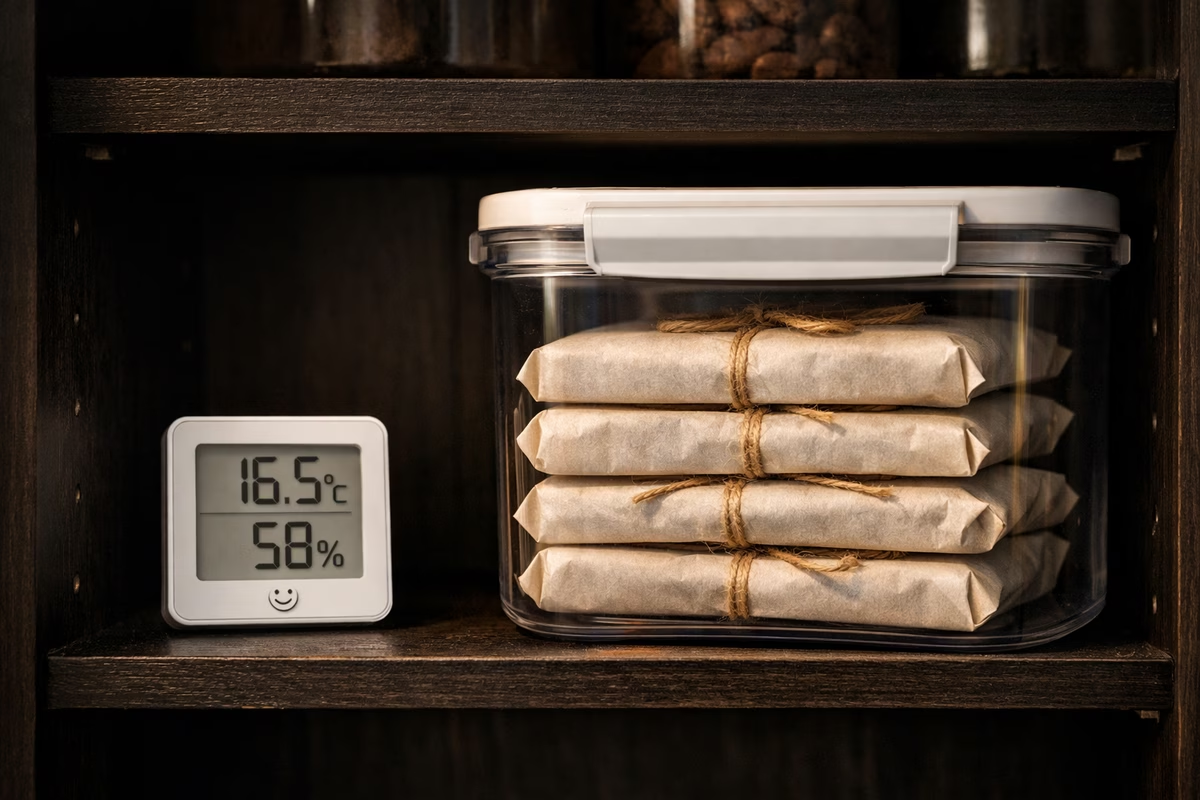
The goal is not to keep chocolate ice cold. Cold creates its own problems, especially condensation. The goal is steady, cool, dry, odor-free storage with enough protection during movement. That sounds boring because good chocolate care often is boring. The reward is a bar that tastes like the maker intended instead of like the inside of a bag.
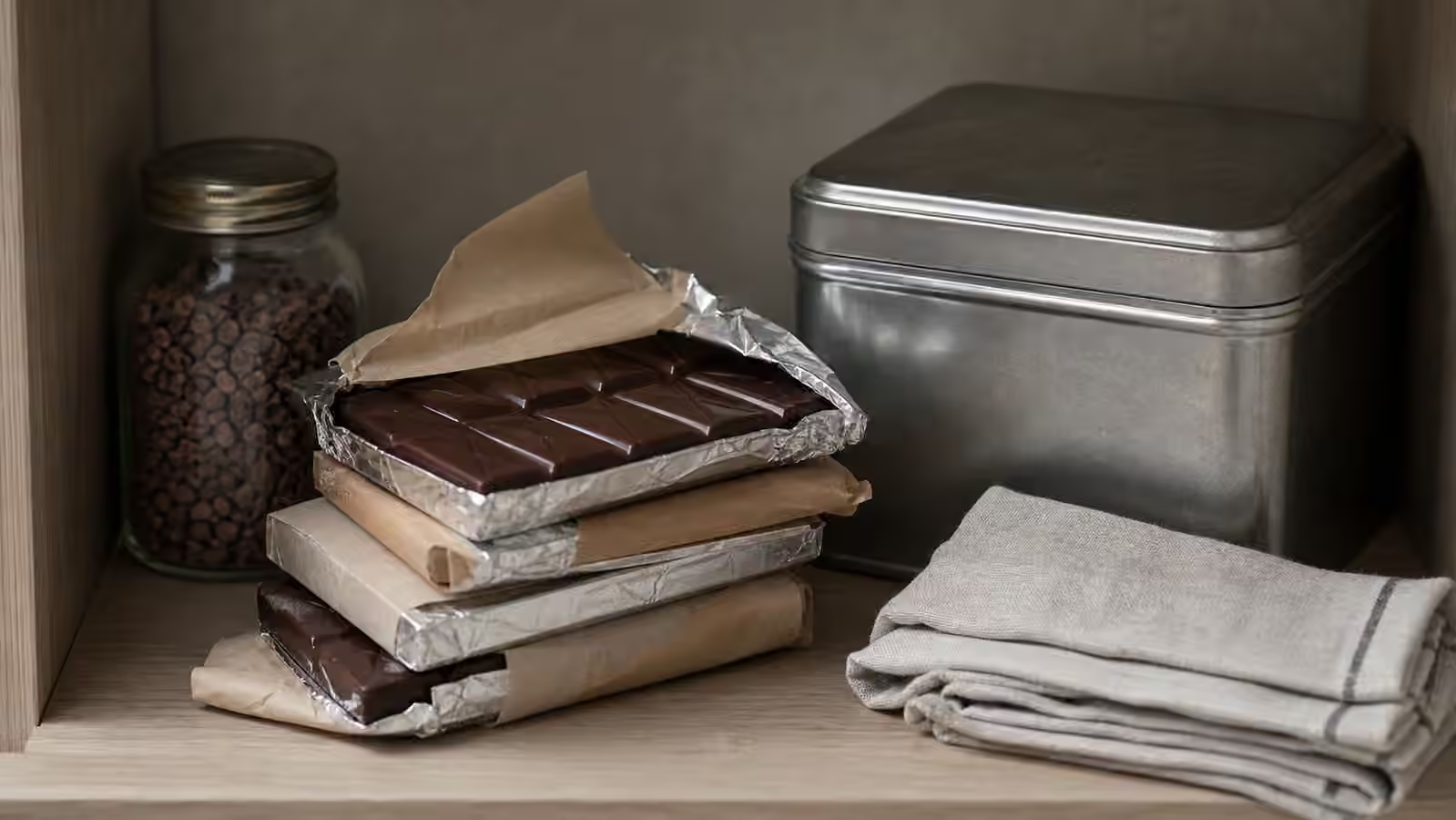
If you want the underlying storage principles, start with Storage and Serving . If you are trying to understand pale streaks or dusty surfaces after heat, read Chocolate Bloom . Warm weather is where those lessons stop being theoretical.
Heat changes more than shape
Most people notice melting first because it is visible. A bar bends, fingerprints appear, corners slump, or fillings soften. But heat affects chocolate before it becomes a puddle. Cocoa butter begins to soften, crystals shift, aromas volatilize, and inclusions or fillings can move fat into the shell. The chocolate may later firm up again, but it may not return to the same surface or snap.
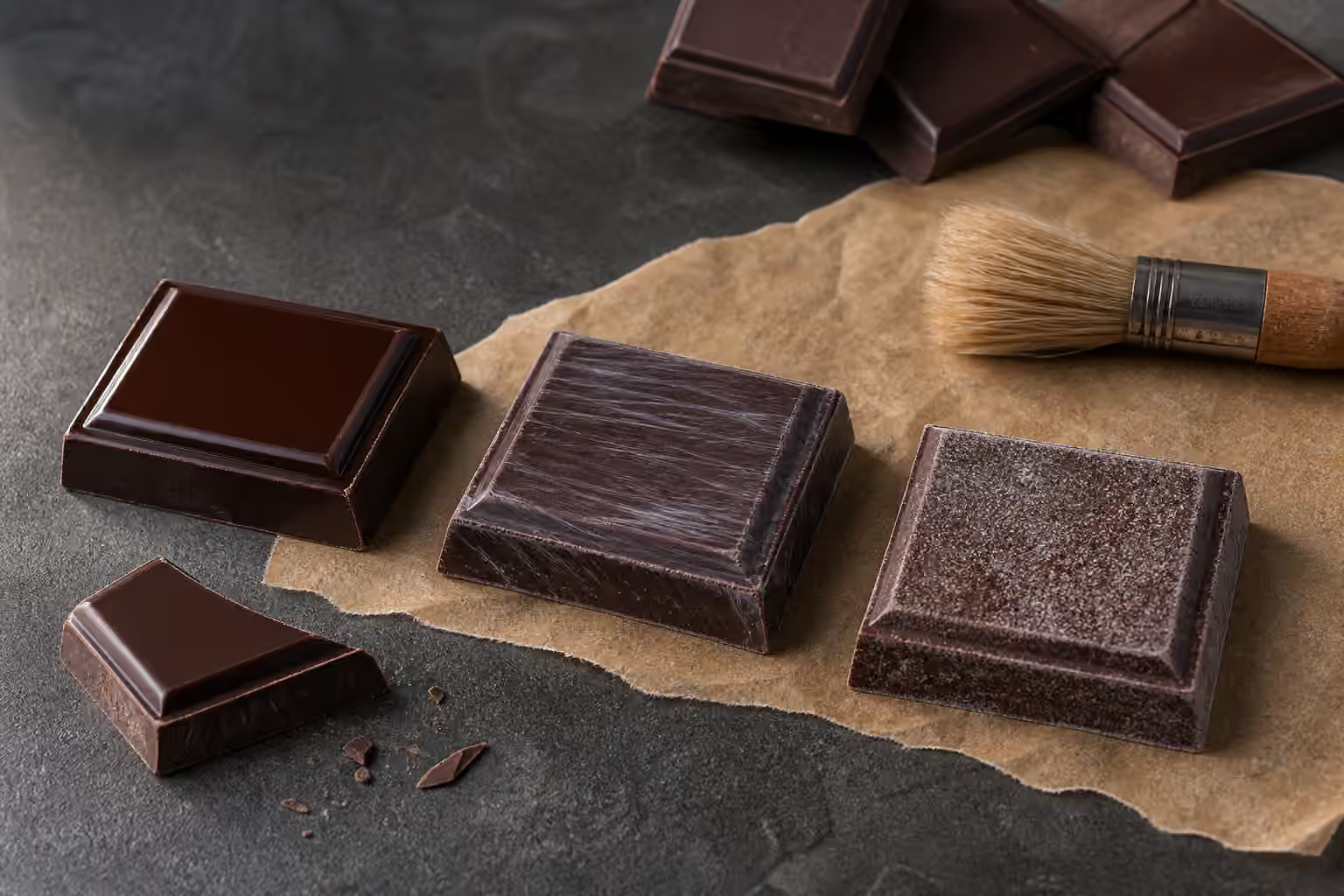
Tempered chocolate depends on stable cocoa-butter crystals. When it gets too warm, those crystals can weaken or melt. As the chocolate cools again, the cocoa butter may recrystallize unevenly, creating fat bloom. That bloom looks pale, streaky, or dusty. It is not the same as mold on plain chocolate. It is a structural change in the fat. The texture may become softer or grainier, and the appearance may look tired.
Sugar bloom is different. It comes from moisture. If cold chocolate is opened in humid air, condensation can settle on the surface. Sugar dissolves in that moisture, then dries into a rough, pale layer. Warm weather often creates this problem indirectly because people overcorrect by chilling chocolate, then expose it too fast.
Pack for steadiness, not maximum cold
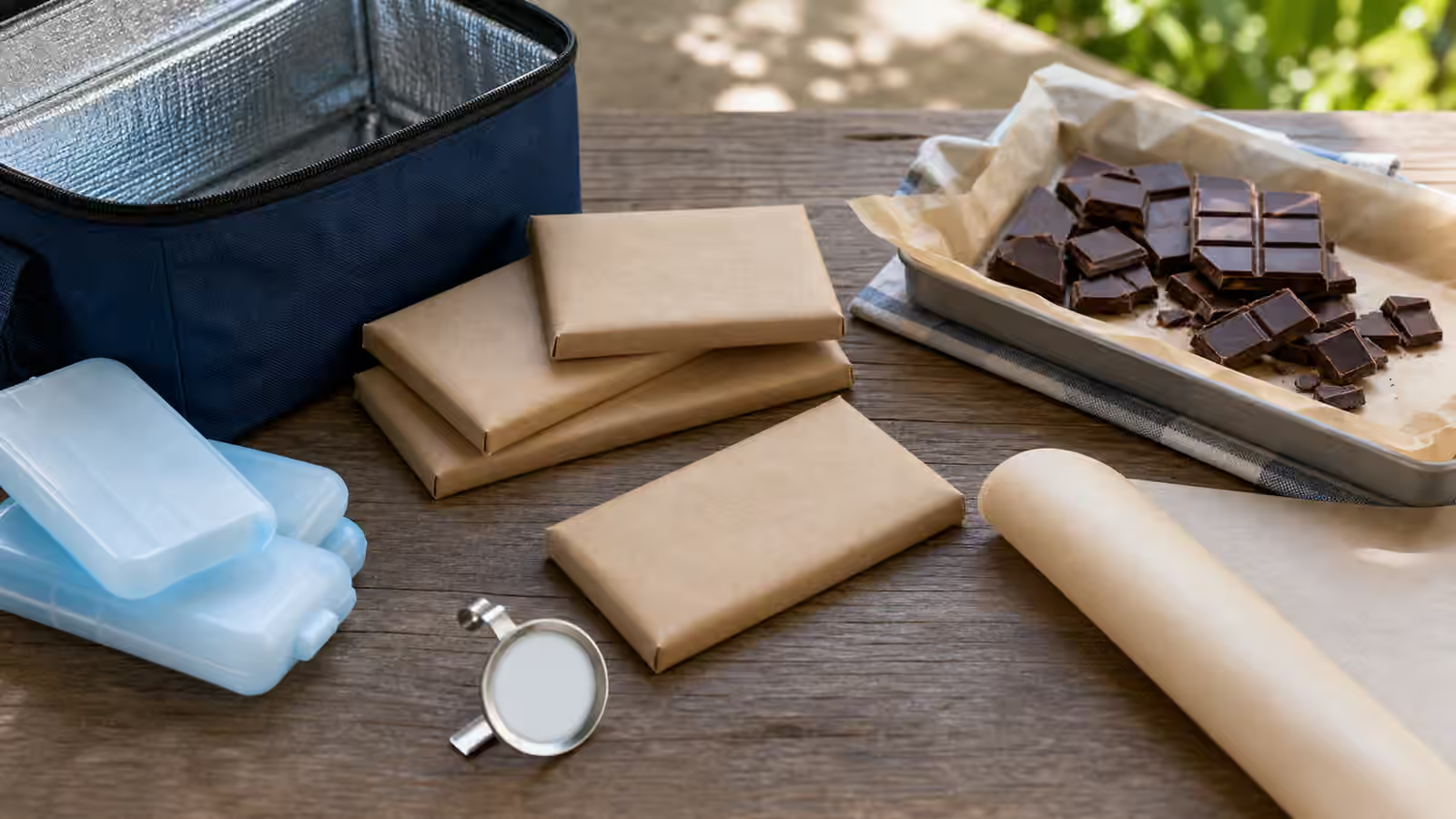
An insulated bag is useful because it slows change. It does not need to turn chocolate into a frozen item. Wrap bars or boxes so they do not sit directly against a hard frozen pack. Use a towel, paper, or cardboard layer between the cool source and the chocolate. Direct contact can chill one side too much, then invite condensation later.
Plain bars are easier to move than filled chocolates. Bars have a simpler structure and less water. Filled pieces may contain ganache, caramel, nut paste, fruit, cream, or other centers that respond differently to heat. A thin shell around a soft center is more vulnerable than a solid bar. Bark with nuts or dried fruit can also be sensitive because toppings may carry oil or moisture.
Keep chocolate out of sunlight, even inside packaging. A dark wrapper can absorb heat quickly. The trunk of a car, a windowsill, a beach bag, or the top of a picnic basket can become much warmer than the surrounding air. If chocolate must travel, place it in the coolest stable part of the plan and move it indoors sooner rather than later.
Refrigeration is a tool with conditions
Refrigeration can be useful in hot climates or warm rooms, but it should be used deliberately. Chocolate absorbs odors, and refrigerators are full of them. It also dislikes moisture. If you refrigerate chocolate, seal it well. A tightly closed container or bag protects it from smells and slows moisture exchange.
The important step comes when you remove it. Let the sealed package sit until it approaches room temperature before opening. This keeps condensation on the outside of the packaging instead of directly on the chocolate. Opening cold chocolate immediately in humid air is a common path to sugar bloom.
Freezing is even more demanding. It can work for some plain chocolate when wrapped carefully and thawed slowly while sealed, but it is rarely necessary for ordinary use. Filled chocolates, bars with inclusions, and delicate finishes may suffer more from moisture and texture change. The simplest advice is to avoid freezing unless you have a clear reason and can manage the thaw.
Serving in warm rooms requires smaller gestures
A large platter of chocolate looks generous, but in warm weather it can punish the last pieces. They sit out, soften, collect fingerprints, and pick up room odors. Smaller servings work better. Bring out part of the chocolate, keep the rest protected, and refresh the plate as needed. This is especially useful for tasting flights, bark, truffles, and filled pieces.
Shade matters. Serve chocolate away from windows, grills, stovetops, coffee machines, dishwashers, and warm plates. A cool ceramic dish can help for a short serving window, but avoid a plate so cold that it creates condensation. Parchment is useful because it reduces handling and makes it easier to move pieces back to a protected container.
Temperature also changes flavor. Very cold chocolate tastes muted and waxy. Overly warm chocolate tastes loose and sometimes sugary because the melt happens too fast. The best serving condition is usually cool room temperature, where aroma rises and texture still has shape. In warm weather, that may mean bringing chocolate out shortly before eating rather than leaving it on display.
Rescue depends on what happened
Softened plain bars are often useful. If a bar melted slightly, then firmed with a dull surface, it can still be chopped for brownies, folded into cookies, melted into ganache, or turned into sauce. Appearance matters less when the chocolate will be melted again. Choosing Chocolate for Baking can help decide where a bloomed or heat-marked bar belongs.
If the chocolate smells clean and tastes normal, bloom alone is not a reason to panic. Fat bloom can usually be handled by melting and using the chocolate in a cooked or melted application. Sugar bloom is rougher because moisture has touched the surface, but plain chocolate may still be useful if it tastes clean and dry. If chocolate smells rancid, musty, strongly stale, or like the refrigerator, baking may not hide the problem.
Filled chocolates deserve more caution. Heat can change centers, encourage leakage, and shorten freshness. Cream-based or fruit-based centers are not the same as plain bars. If a filled piece has leaked, smells odd, feels wet, or has been held warm for an uncertain period, it is better to be conservative. Warm-weather rescue is most reliable with plain bars and simple solid pieces.
Buying and gifting need timing
Warm-weather buying is partly logistics. Buy chocolate near the end of errands rather than leaving it in a bag while you do other shopping. If ordering by mail, choose timing and delivery conditions that reduce long exposure to heat when possible. Shipping practices vary by maker, season, and destination, so current maker guidance matters more than a general rule.
For gifts, choose formats that can survive the handoff. Plain bars, sturdy bark, and well-packed solid pieces travel more easily than delicate filled chocolates. A beautiful box of bonbons may be the wrong gift if it will sit in a warm office, car, or entryway. The better gift is the one that arrives in good condition and can be enjoyed without stress.
Packaging should not trap heat unnecessarily. Insulation helps during transit, but once the chocolate is safely indoors, do not leave it sealed in a warm insulated bag. Move it to a cool, dry place. If cool packs were used, remove or separate them once they are no longer needed so condensation does not become the next problem.
The quiet habit that protects flavor
Warm-weather chocolate care comes down to steady conditions. Keep chocolate shaded, sealed, cool, dry, and away from odors. Slow down temperature changes. Avoid direct contact with frozen packs. Let chilled chocolate warm while still closed. Serve smaller amounts. Use heat-damaged plain bars in melted applications when they still smell and taste clean.
None of this makes chocolate fussy. It makes it legible. Good chocolate carries careful fermentation, roast, refining, conching, tempering, and storage decisions. Warmth can blur those decisions in an afternoon. A little planning keeps the snap clear, the surface calm, and the flavor closer to what you meant to taste.