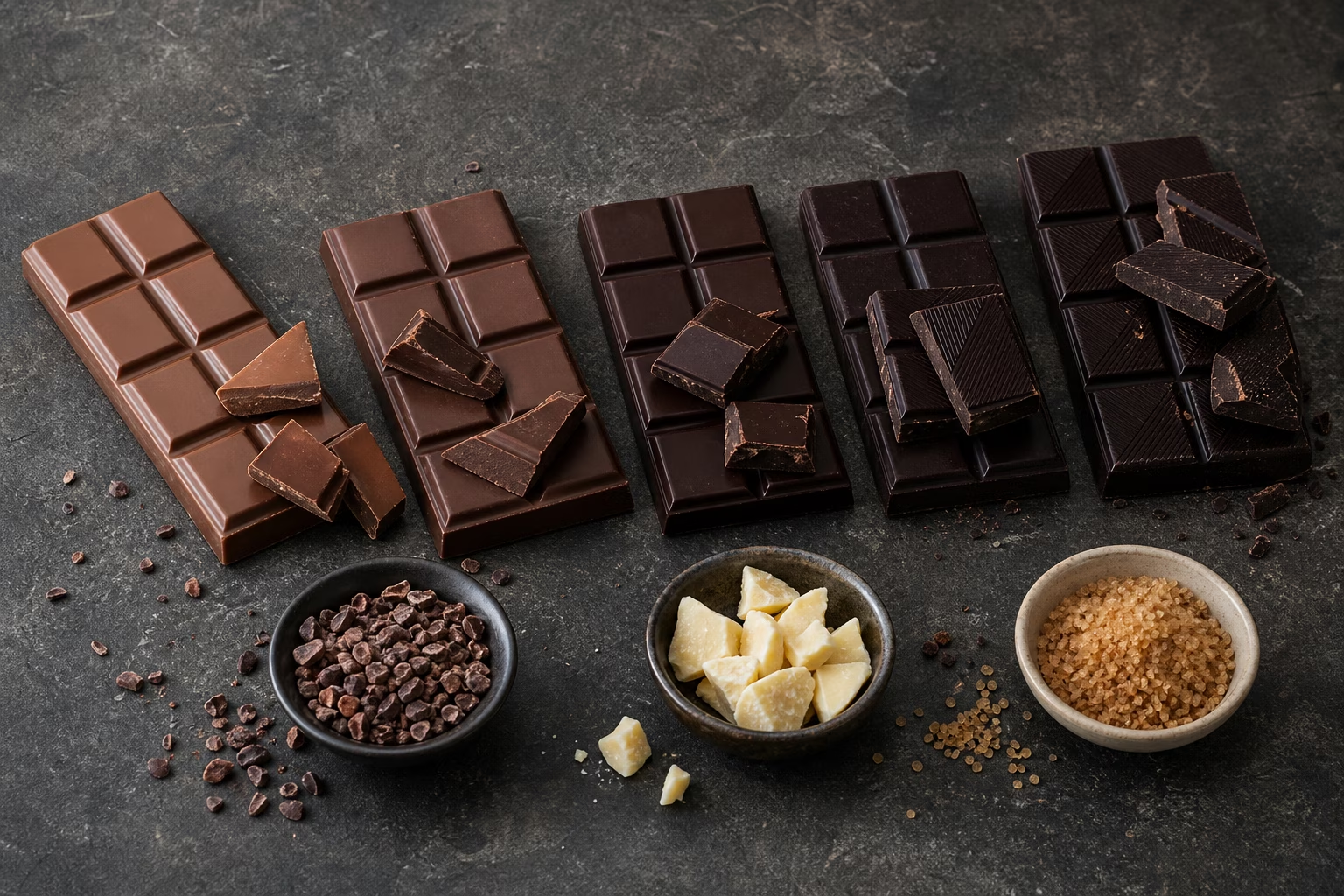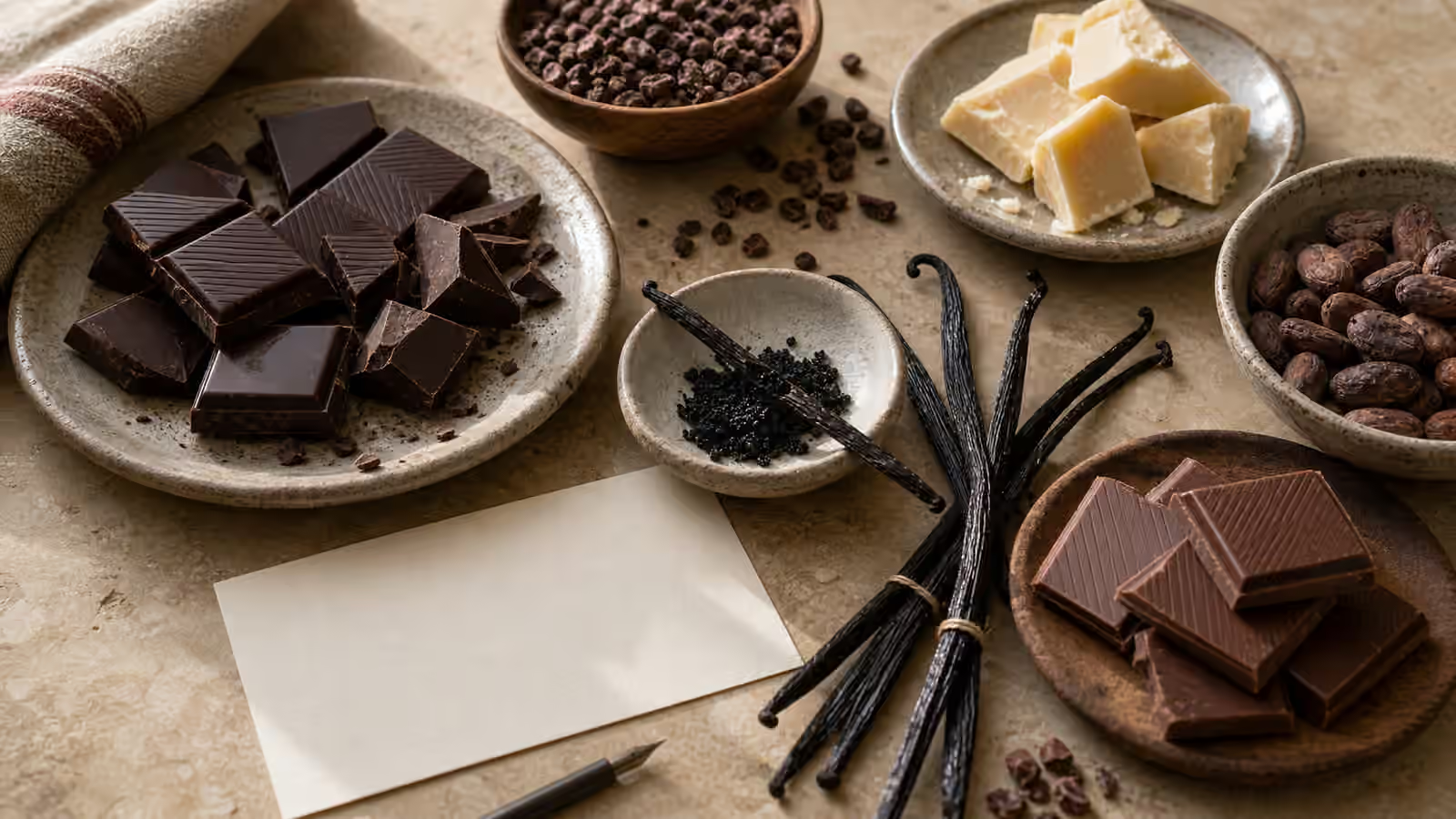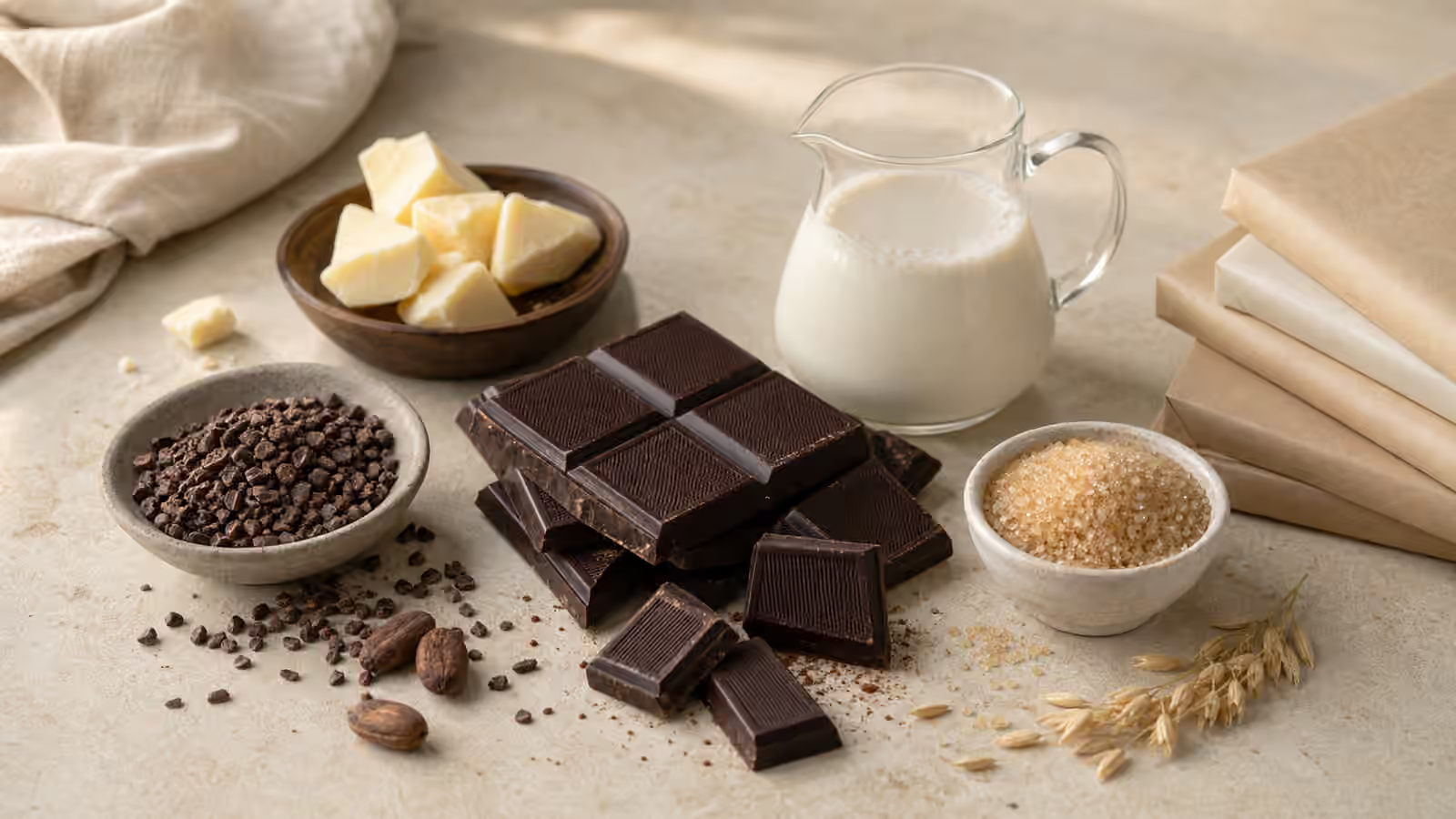
Dairy-free chocolate sounds as if it should be easy to identify. Dark chocolate is often made from cacao, sugar, and cocoa butter, so people expect it to be free of milk by default. Sometimes that is true. Sometimes the label includes milk powder, butterfat, lactose, whey, cream powder, or a milk-derived flavor. Sometimes the ingredient list is dairy-free but the wrapper mentions shared equipment. Sometimes a bar is vegan by recipe but not certified. The useful skill is reading the whole package instead of trusting the color of the chocolate.
This guide is about chocolate judgment, not medical advice. People avoid dairy for different reasons, including preference, ethics, digestion, allergy management, religious practice, or household simplicity. The level of caution needed varies. If the consequences are serious, the wrapper alone may not be enough, and the maker’s current process matters. For ordinary buying and tasting, though, a careful label read will prevent most confusion.
The broader habits from Reading Chocolate Ingredients apply here. Ingredients tell you what the maker intentionally used. Advisory statements and certification language tell a different story about production, standards, or shared spaces. Those are related, but they are not the same.
Dark chocolate is not automatically dairy-free
A plain dark bar can be dairy-free when it contains cacao, sugar, cocoa butter, and perhaps lecithin, vanilla, or salt. Many craft dark bars are built that way. The higher the cacao percentage, the more likely the bar is to be made without milk, but percentage is not a guarantee. A 70 percent bar can still contain milk powder if the maker wants a softer flavor or texture. A lower-percentage dark bar can be dairy-free if it simply has more sugar.
The phrase “dark chocolate” is a style signal, not a full ingredient statement. It usually means the chocolate does not present itself as milk chocolate, but it does not replace the ingredient list. Some dark chocolates include butter oil or milk fat for texture. Some include lactose or milk powder for sweetness and body. Some include “natural flavors” that need more context if strict avoidance matters. The label has to do the work.
This is where Understanding Chocolate Percentages helps. Percentage tells you how much of the bar comes from cacao-derived ingredients, not whether milk is absent. Cocoa butter counts toward cacao percentage. Milk powder does not. Sugar does not. A number can predict intensity, but it cannot answer the dairy question by itself.
Milk alternatives change texture and flavor
Vegan milk-style chocolate has become more common because makers can use oat, rice, coconut, almond, cashew, soy, or other plant-derived ingredients to soften dark chocolate’s bitterness and create a creamier profile. These bars can be excellent, but they should not be judged as if they are all trying to mimic dairy in the same way.
Oat ingredients can bring cereal sweetness and a round body. Coconut can add strong aroma and fat, which may be pleasant or distracting depending on the cacao. Nut ingredients can reinforce hazelnut, almond, or praline notes, but they can also complicate allergy and flavor expectations. Rice-based ingredients can make a bar lighter but sometimes sweeter or less creamy. The base cacao still matters. A bright fruit-forward chocolate with oat may taste like berries and grain. A roasty chocolate with almond may taste warmer and more confectionery.
The best vegan milk-style bars feel coherent. The plant ingredient should support the chocolate rather than cover it. If the bar tastes mainly of sugar and added flavor, the dairy-free claim may be true but the chocolate may not be interesting. If it smells like cocoa, grain, nut, fruit, malt, or caramel and the finish returns to chocolate, the bar has a clearer structure.
Cocoa butter is not dairy butter
Cocoa butter confuses many label readers because of the word “butter.” It is the natural fat pressed from cacao. It is not dairy butter. White chocolate, dark chocolate, and couverture often contain cocoa butter because it gives chocolate its melt, fluidity, and set. A dairy-free bar may contain cocoa butter and still be dairy-free by recipe.
The confusion matters most with white chocolate and white-style confections. Traditional white chocolate contains cocoa butter, sugar, and milk solids, so it is not dairy-free. A dairy-free white-style chocolate uses cocoa butter with plant-derived solids or other ingredients instead of milk. It can be useful, especially for decorations or sweet coatings, but its flavor depends heavily on those added solids because it has no cocoa solids for dark chocolate depth.
White Chocolate is useful if you want to understand why cocoa butter, dairy, and sugar create such a different experience from dark chocolate. For dairy-free white-style products, the same structure remains, but the dairy component has been replaced. The result can be smooth and pleasant, or it can taste mainly sweet and fatty if the formula lacks aroma.
Shared equipment language needs context
A chocolate can be dairy-free by ingredients and still carry advisory language about shared equipment or a facility that also handles milk. These statements are not all written the same way, and they do not always mean the same level of practical risk. They may reflect real shared lines, careful cleaning between batches, legal caution, voluntary disclosure, or the limits of a small workshop.
For casual preference, an ingredient list may be enough. For strict ethical practice, certification or direct maker clarity may matter more. For allergy management, current manufacturer information is important because processes can change. A guidebook cannot verify a package in your hand. It can only teach the reading habit: separate intentional ingredients from advisory statements, then decide what level of assurance your situation requires.
Small craft makers often have more direct process information than the front label can hold. Some explain shared equipment on their websites or wrapper notes. Some publish vegan collections. Some avoid milk entirely. Some make both milk and dark chocolate in the same space. The calm move is to check the current source when it matters, not to infer too much from dark color or artisan styling.
Dairy-free baking needs structure, not just substitution
When chocolate is used in baking, dairy-free choice affects more than the label. A dark dairy-free bar can work beautifully in brownies, cakes, sauces, and ganache, but its percentage, sugar, and cocoa butter still matter. A vegan milk-style bar may be sweeter and softer than a dark bar. A dairy-free white-style chocolate may melt differently from traditional white chocolate because the plant solids and fats are different.
Use the same practical lens from Choosing Chocolate for Baking . What job does the chocolate have to do? If it needs to melt into batter, chopped dairy-free dark chocolate may be simple. If it needs to create a firm coating, couverture-style dairy-free dark chocolate will usually behave better than chips. If it needs to become ganache, the liquid and fat around it need thought. Coconut cream, oat cream, nut milk, coffee, or fruit puree can all make chocolate mixtures, but they do not behave like dairy cream automatically.
Water content and fat content matter. Thin plant milks can make a ganache loose and less creamy. High-fat coconut cream can make a strong flavor statement. Nut creams can add texture or aroma. A dairy-free ganache can be excellent, but it is still an emulsion. The chocolate does not care that the substitution has good intentions. It responds to fat, water, sugar, temperature, and stirring.
Taste the bar as chocolate first
A dairy-free label should not become the whole tasting note. Once the bar fits your requirements, taste it as chocolate. Notice aroma, snap, melt, sweetness, bitterness, acidity, and finish. The method in Chocolate Tasting works the same way. A dairy-free dark bar can be fruity, roasty, nutty, earthy, floral, or flat. A vegan milk-style bar can be balanced or cloying. The absence of dairy does not decide quality.
Texture is especially revealing. Some dairy-free bars melt cleanly because cocoa butter and particle size are handled well. Others feel waxy, gritty, or slow. Plant ingredients can add body, but they can also leave a powdery finish if not refined carefully. Sugar can cover bitterness, but it cannot create a long cocoa finish. A small tasting flight can teach more than label reading alone: one plain dark bar, one vegan milk-style bar, and one inclusion bar with nuts or fruit will show how dairy-free chocolate can move across styles.
The most useful label habit is modest. Read the ingredient list. Look for milk-derived words. Notice advisory statements separately. Check current maker information when strict avoidance matters. Then taste the chocolate on its own terms. A good dairy-free bar does not need to apologize for what is missing. It needs a clear relationship between cacao, sugar, fat, texture, and finish.