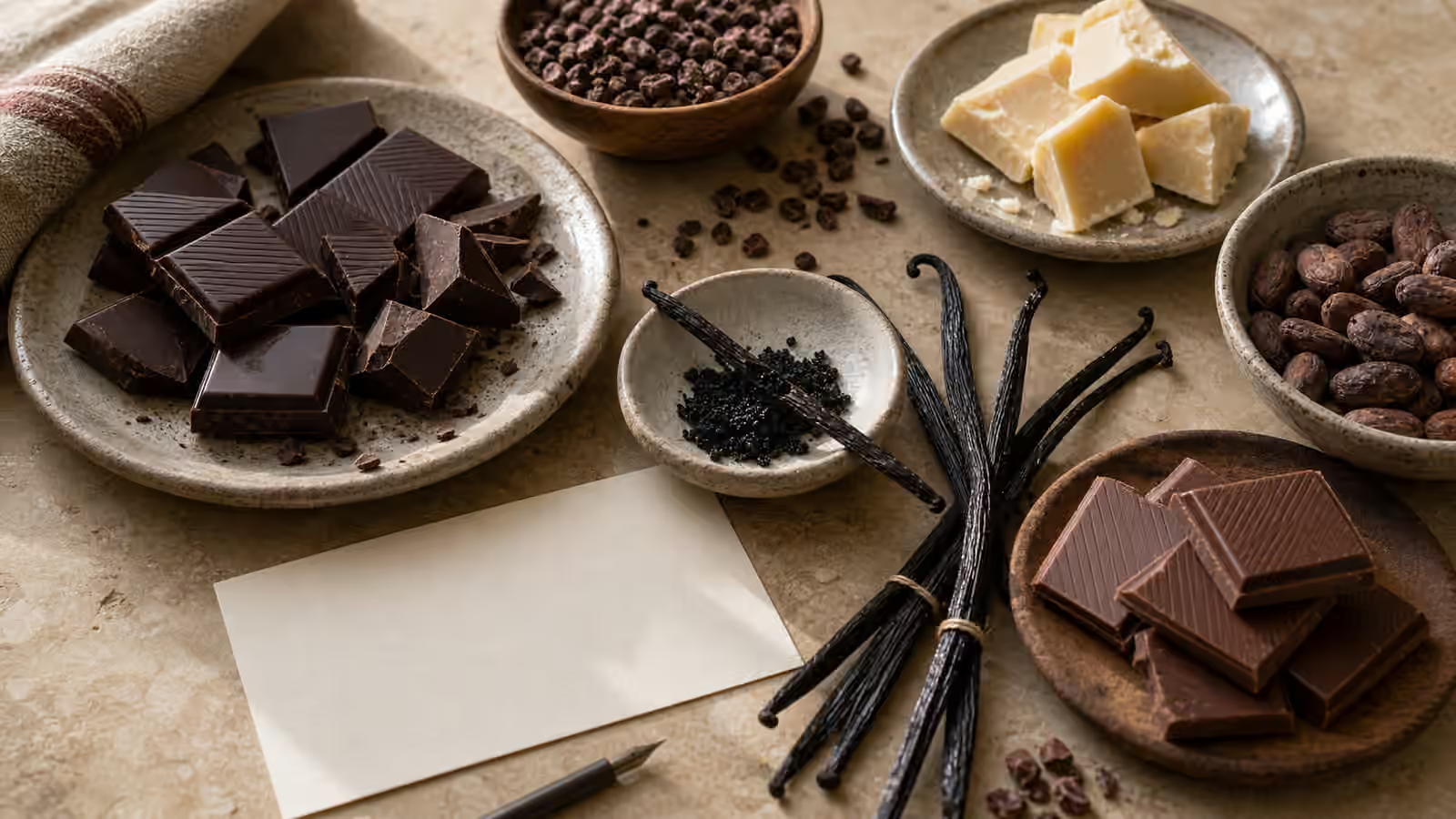
Vanilla and chocolate have spent a long time together, so the pairing can feel inevitable. Vanilla warms cocoa, rounds dairy, softens bitterness, and makes sweetness seem more fragrant. It can make a milk chocolate taste generous and a white chocolate taste complete. It can also flatten a delicate dark bar until every origin tastes a little more like the same pleasant dessert.
The point is not to decide that vanilla is good or bad. It is an ingredient with a job. A careful label reader asks what that job appears to be. Is vanilla supporting the chocolate, defining the chocolate, or covering something the cacao could not carry by itself? Reading Chocolate Ingredients begins this conversation. This guide stays with vanilla long enough to taste its effects more clearly.
Vanilla Makes Edges Feel Rounder
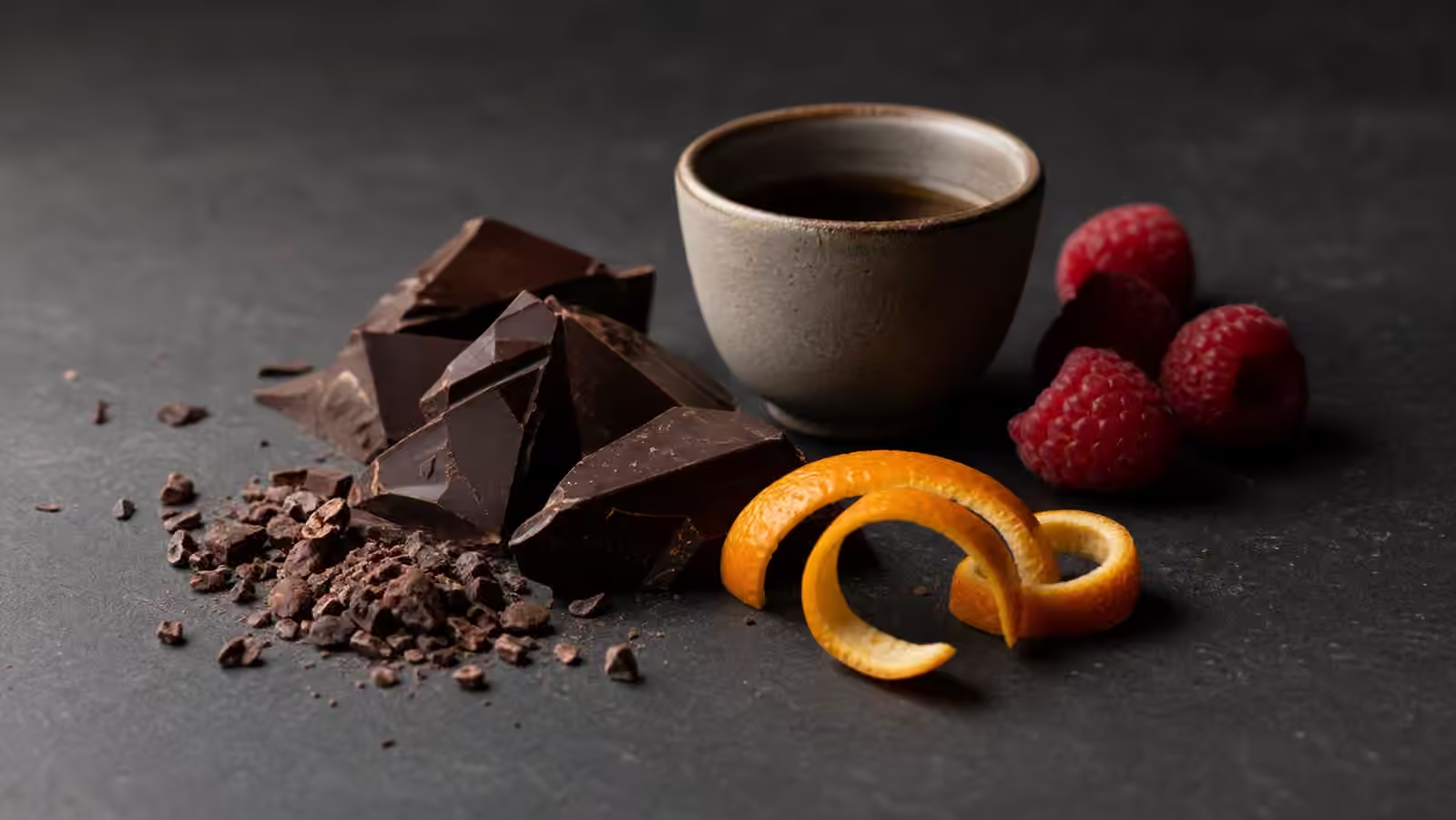
Cacao has sharp edges. Bitterness, acidity, astringency, roast, and tannin can all make dark chocolate feel angular. Some of that structure is beautiful. It gives the bar shape and length. Too much can make the chocolate taste harsh, dry, or unfinished. Vanilla can soften those edges by adding a warm aromatic layer that the palate reads as sweetness, cream, pastry, or comfort even when the sugar level has not changed much.
That is why vanilla often appears in dark chocolate that wants to be approachable. It can make a 70 percent bar feel less severe. It can connect roast notes to caramel, nuts, or baked goods. It can smooth the first impression so bitterness arrives later and more gently. Used with restraint, it is less like a flavoring and more like soft lighting. You know the room changed, but you may not immediately notice the lamp.
The danger is that vanilla can become a blanket. A cacao with floral, citrus, tropical fruit, or delicate tea-like notes may lose its outline under heavy vanilla. If you are trying to learn Cacao Origins , a plain bar without vanilla is often easier. The quieter the supporting ingredients, the easier it is to hear place, fermentation, roast, and maker style.
Dark Chocolate Needs The Most Restraint
In dark chocolate, vanilla should be read against the bar’s purpose. A plain two-ingredient single-origin bar usually wants cacao and sugar to carry the experience. If vanilla is present, ask whether the maker is aiming for a house style rather than a pure origin study. There is nothing wrong with that. A house dark chocolate can be lovely when cocoa depth, sweetness, and vanilla feel proportionate.
If the wrapper promises rare origin character but the bar tastes mostly like vanilla, the claim and the eating experience are not aligned. The bar may still be pleasant, but it is not teaching much about the origin. This is especially clear when several bars from different origins all smell alike because the same vanilla note sits on top of them. The difference between support and masking is often easiest to notice in comparison.
Vanilla can also hide roast problems. A slightly smoky, bitter, or flat chocolate may seem friendlier when vanilla adds warmth. It cannot remove the underlying fault, but it can distract from it. Chocolate Flavor Faults is the companion here. If the finish remains ashy, stale, musty, or waxy after the vanilla fades, the issue was never the absence of aroma.
Milk Chocolate Welcomes Vanilla Differently
Milk chocolate gives vanilla a different role because dairy changes the whole structure. Milk powder brings lactose, milk fat, cooked-milk aroma, and softness. Vanilla can connect those qualities to cocoa and sugar, making the bar taste creamy rather than merely sweet. A touch of vanilla can make caramel and malt notes feel fuller without hiding the chocolate.
But milk chocolate can also become one-note when vanilla is too loud. The bar may taste like sweet vanilla cream with cocoa in the background. That can be comforting, but it shortens the finish and makes the cacao hard to read. In high-cacao milk chocolate, too much vanilla can be especially frustrating because the category has enough cocoa structure to show nuance. Heavy flavoring turns that nuance into a soft blur.
Milk Chocolate is useful because it treats dairy as structure rather than decoration. Vanilla should be judged in that same structural way. Does it make milk, cocoa, and sugar feel integrated? Or does it become the first, middle, and last thing you taste?
White Chocolate Depends On Aroma
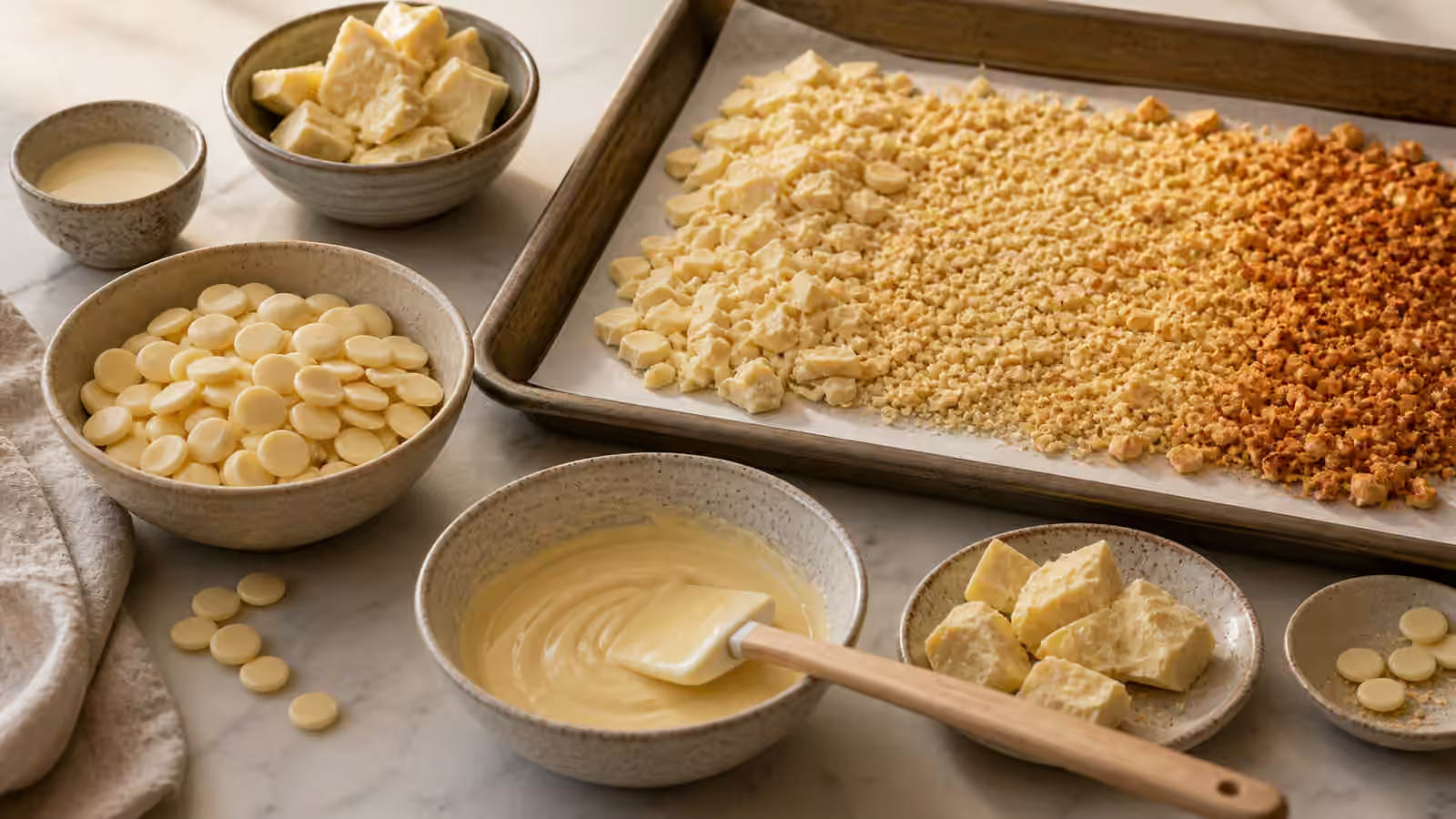
White chocolate has cocoa butter but no cocoa solids. Without cocoa bitterness, roast, or acidity, its flavor depends on cocoa butter quality, dairy, sugar balance, and aromatic support. Vanilla is common because it can make white chocolate smell complete. It turns plain sweetness into something that suggests cream, custard, pastry, or warm milk.
This does not mean vanilla should carry everything. Good white chocolate should still have clean cocoa butter, pleasant dairy, and a texture that melts without waxiness. If it tastes only like sugar and vanilla, the cocoa butter may not be doing much sensory work. White Chocolate and Cocoa Butter explains why the category belongs to chocolate through fat and texture even without cocoa solids.
Vanilla can also influence how white chocolate behaves in desserts. A vanilla-forward white chocolate can make a glaze, mousse, or ganache feel sweeter than expected because aroma reinforces sweetness. When pairing white chocolate with tart fruit, tea, nuts, or caramelized flavors, that may be welcome. When the dessert already has vanilla, it can become redundant.
Labels Tell Part Of The Story
A label may say vanilla, vanilla bean, natural vanilla flavor, natural flavor, flavoring, or nothing at all. Those words do not all mean the same thing, and exact rules vary by context, but a reader does not need to become a regulatory specialist to taste well. Start with plain observation. Does the bar smell strongly of vanilla before it smells of cacao? Does the vanilla note persist through the finish? Does it feel like a gentle background or a separate perfume?
The ingredient list can help you decide what kind of bar you are holding. A bar with cacao, sugar, and vanilla is making a different promise than a two-ingredient origin bar. A milk chocolate with vanilla is common and often sensible. A flavored bar that names vanilla as part of its profile should be judged as a composed chocolate rather than an origin reference.
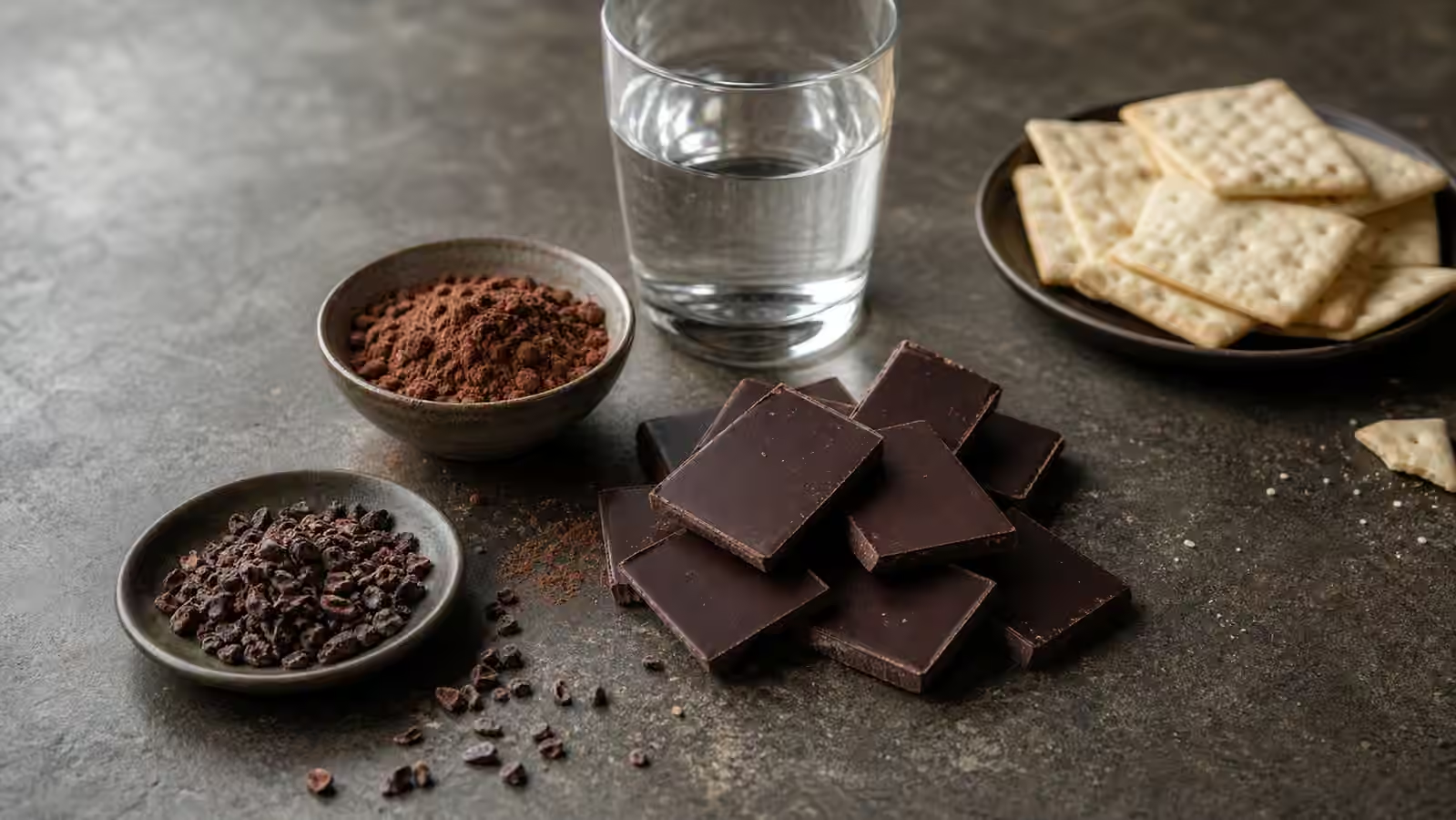
For serious tasting, compare a vanilla-free bar and a vanilla-scented bar from similar percentages. Notice how aroma changes the first impression. Notice whether bitterness feels softer, sweetness feels higher, or fruit notes become less distinct. The method from Chocolate Aroma and Tasting Vocabulary helps because it separates aroma from taste and texture.
Using Vanilla In Chocolate Work
At home, vanilla is easiest to overuse when making ganache, drinking chocolate, mousse, or sauces. Chocolate already contains aroma. Dairy and sugar add more. A heavy splash of vanilla can make every preparation taste familiar in the same way. Add less than instinct suggests, then taste after the chocolate has had time to settle into the mixture.
Vanilla is especially useful when the chocolate’s job is comfort: hot chocolate, buttercream, a simple milk chocolate ganache, or a white chocolate cream. It is less useful when the goal is to understand a rare bar, compare origins, or preserve a delicate fruit note. In those moments, restraint gives cacao more room.
Vanilla has earned its place beside chocolate because it works. The mature question is how much work it is doing. When it rounds, connects, and warms, it can make chocolate feel more graceful. When it dominates, it makes chocolate easier but less specific. A careful taster learns to enjoy the warmth without letting it erase the bean.