Unsweetened chocolate is easy to misunderstand because it looks like ordinary dark chocolate but behaves like a concentrated ingredient. It has cocoa solids, cocoa butter, bitterness, aroma, and structure, but no sugar to soften the edges. A small piece can taste severe if you eat it like a snack. In a batter, sauce, drink, or savory dish, that same severity can become depth.
The related phrase “chocolate liquor” creates another kind of confusion. It does not mean alcohol. In chocolate making, liquor is the smooth paste made by grinding roasted cacao nibs until their cocoa butter turns the mass fluid. That paste can be cooled into unsweetened chocolate, pressed into cocoa butter and cocoa powder, or mixed with sugar and other ingredients to become finished chocolate. It is the central material between nib and bar.
If ingredient words are already starting to blur, read Reading Chocolate Ingredients first. If you want the full maker-side sequence, Bean-to-Bar Basics and Chocolate Refining and Conching show how nibs become a smooth chocolate mass. This guide stays with the unsweetened material and why it matters in the kitchen.
What Chocolate Liquor Really Is
Cacao nibs are the edible inner pieces of roasted, cracked, and winnowed cacao beans. They contain cocoa solids and cocoa butter together. When those nibs are ground, friction and time reduce the particles and release enough fat to make the mixture flow. The result is chocolate liquor, also called cocoa liquor, cocoa mass, or cocoa paste. Different names appear on labels and in recipes, but they usually point to the same idea: ground cacao before sugar.
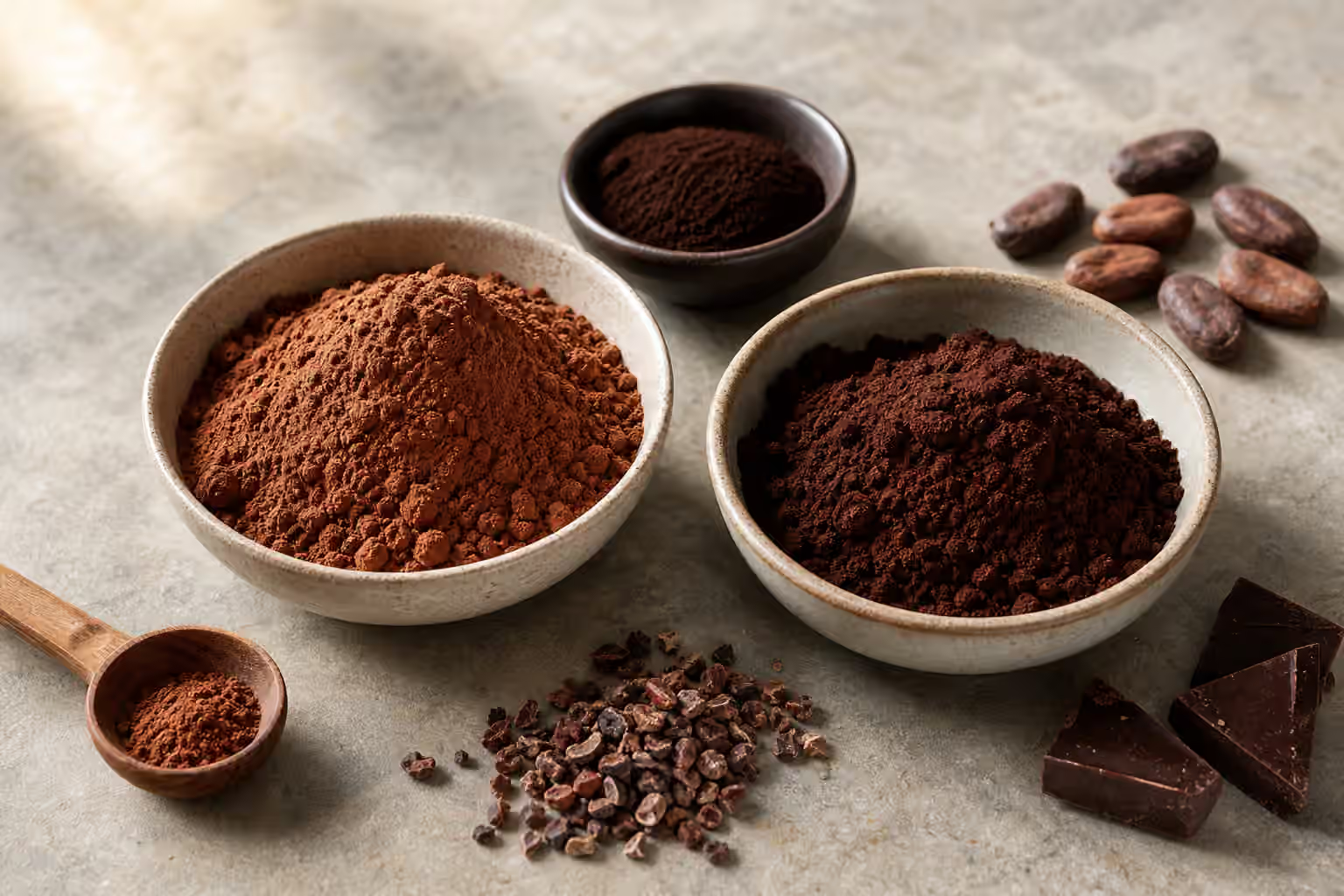
Because chocolate liquor contains both solids and fat, it is not the same as cocoa powder. Cocoa powder is what remains after much of the cocoa butter has been pressed out of the liquor. Powder brings strong cocoa flavor with less fat. Unsweetened chocolate brings cocoa flavor and cocoa butter together. That difference matters in baking because fat changes tenderness, spread, emulsification, and mouthfeel.
Chocolate liquor is also not the same as cacao nibs, even though it begins with them. Nibs are crunchy, bitter, and textured. Liquor is ground, continuous, and fat-rich. A cookie with nibs gets crunch and bursts of bitterness. A brownie with unsweetened chocolate gets a deeper chocolate phase running through the whole batter. Cacao Nibs: Flavor, Texture, and Everyday Uses is useful when you want that crunch rather than a melted ingredient.
Why Unsweetened Chocolate Tastes So Strong
Finished dark chocolate balances cacao with sugar, and sometimes extra cocoa butter, vanilla, lecithin, or other ingredients. Unsweetened chocolate removes the sugar from that balancing act. What remains is bitter, aromatic, fatty, and dry all at once. That does not make it bad. It means it is not designed to be judged the same way as an eating bar.
Sugar changes more than sweetness. It slows bitterness, rounds acidity, and makes roast notes feel warmer. Without it, the cacao can seem stern and direct. If the beans were roasted dark, unsweetened chocolate may taste smoky, coffee-like, or almost burnt. If the beans were fruitier, it may taste sharp, winey, or tangy. If the texture is coarse, the bitterness can feel even harsher because the particles drag on the tongue.
This is why a recipe that uses unsweetened chocolate usually adds its own sugar elsewhere. The cook gets to decide the balance rather than accepting the sweetness level of a finished bar. That control is useful in brownies, cakes, puddings, sauces, and some savory dishes. It is less useful when a recipe needs the polished melt and sweetness of a ready-to-eat chocolate. Choosing Chocolate for Baking helps separate those jobs.
Fat and Solids Travel Together
When you add unsweetened chocolate to a recipe, you are adding both cocoa solids and cocoa butter. That is the central practical fact. The cocoa solids bring flavor, color, bitterness, and some drying structure. The cocoa butter brings fat that melts cleanly and sets firm when cool. A recipe built around unsweetened chocolate expects both parts.
Replacing unsweetened chocolate with cocoa powder is possible only when the missing fat is considered. Cocoa powder can supply cocoa solids, but it cannot supply the same cocoa butter unless another fat is added. Even then, butter, oil, and cocoa butter do not behave identically. Butter brings water and milk solids. Oil stays liquid at room temperature. Cocoa butter sets firm and melts around body temperature. Those differences change crumb, snap, and gloss.
The reverse substitution has its own problem. Replacing cocoa powder with unsweetened chocolate adds fat to a formula that may not have room for it. A cake can become heavy, a cookie can spread, and a glaze can set differently. The flavor may be excellent, but the structure may not be what the recipe intended. Chocolate ingredients are not just flavors. They are building materials.
Using It in Brownies, Cakes, and Sauces
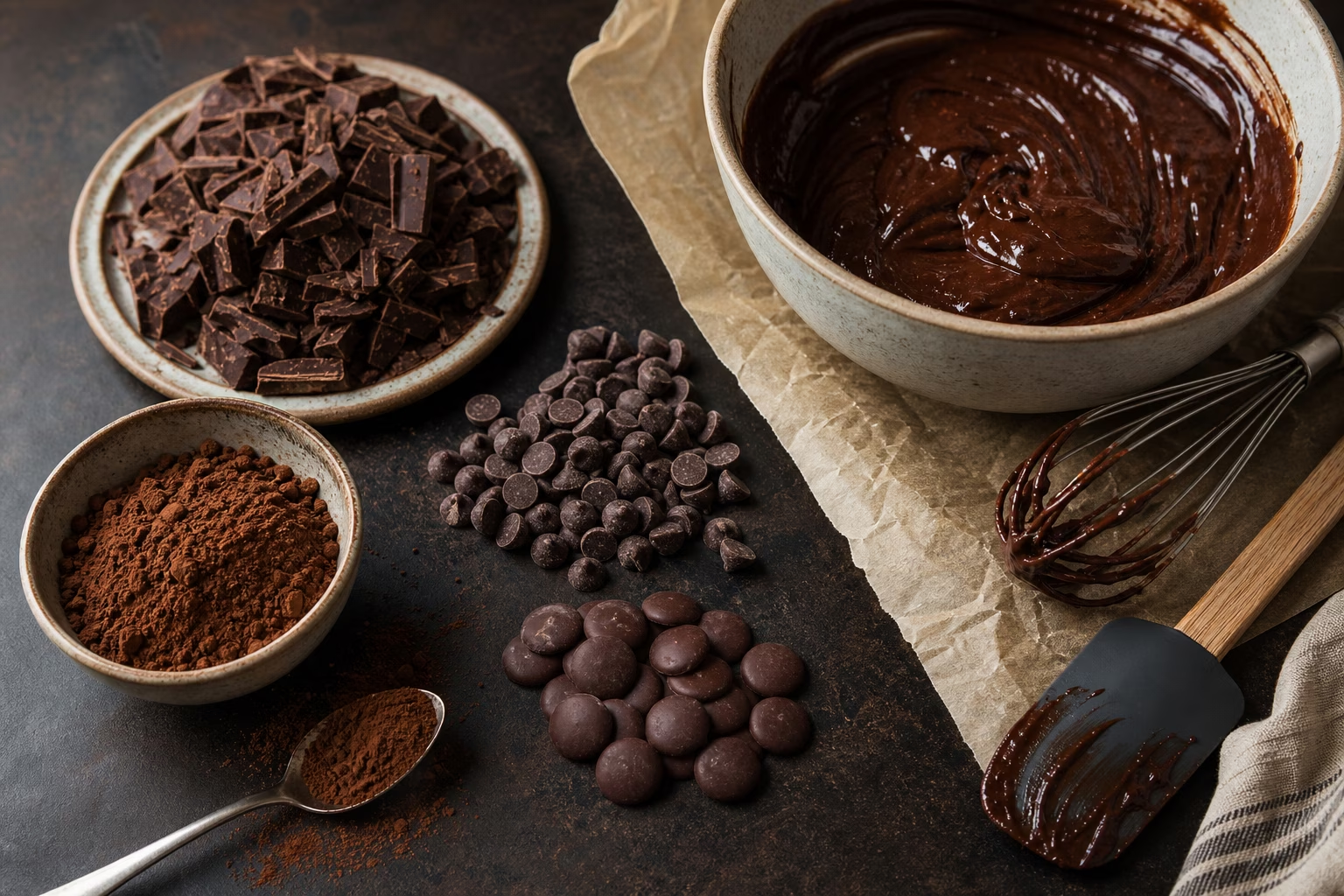
Unsweetened chocolate is especially useful in brownies because the recipe can build sugar and fat around a strong cocoa base. Melted with butter, it forms a dark, aromatic foundation that carries through the batter. Cocoa powder can make brownies intense too, but powder tends to give a different kind of chew and dryness. Many good recipes use both because unsweetened chocolate gives fat-rich depth while powder reinforces cocoa flavor.
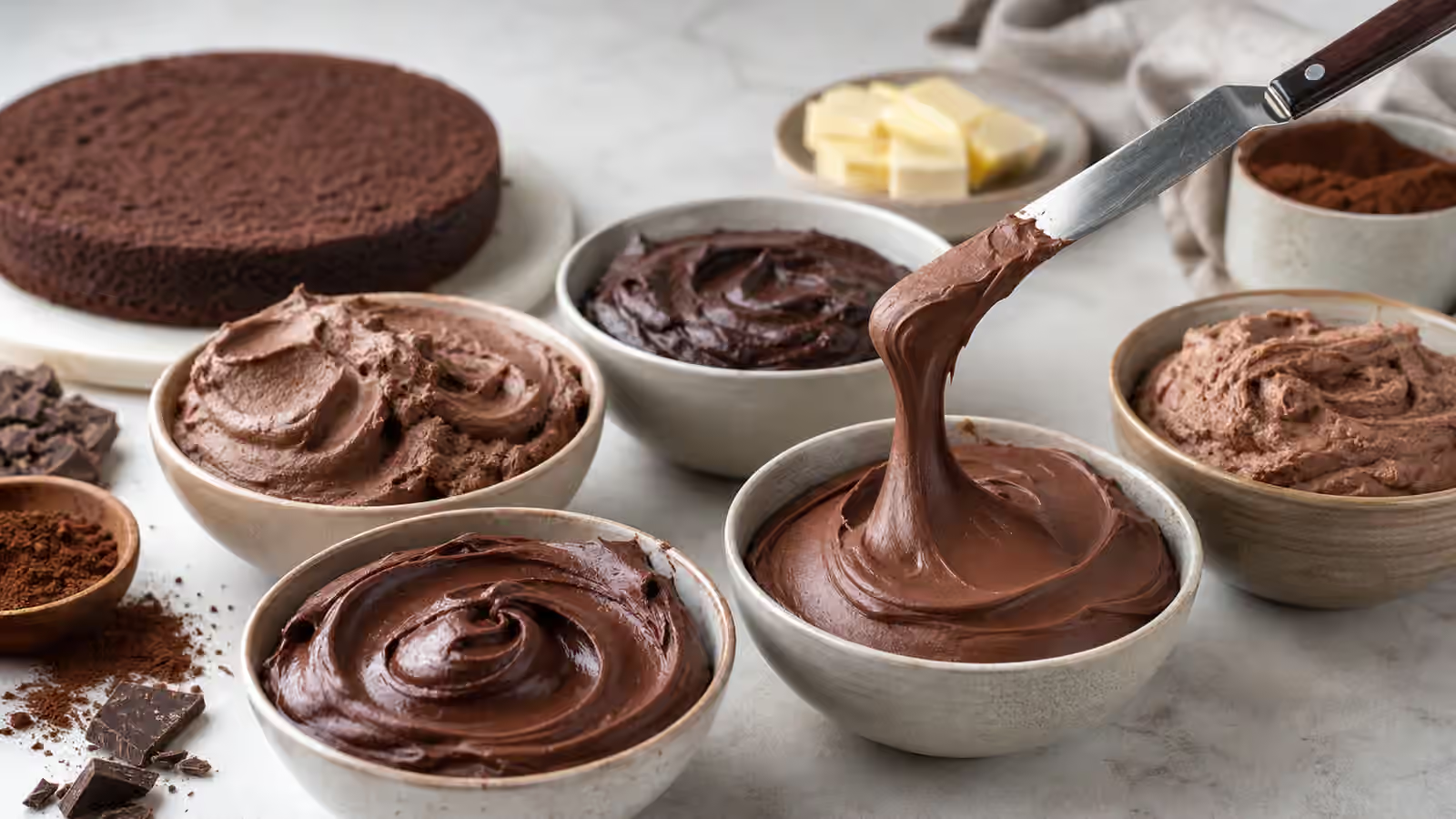
In cakes, unsweetened chocolate can add roundness, but it needs enough liquid, sugar, and mixing care. If the chocolate cools into small bits before the batter is ready, the flavor will not distribute evenly. If it is too hot, it can affect butter, eggs, or other ingredients. Letting melted chocolate cool until fluid but not hot is a small detail that makes the difference between integration and streaks.
Sauces and puddings show another side of unsweetened chocolate. Because it contains cocoa butter, it can give body and a clean melt. It also needs enough sugar and liquid to avoid tasting blunt. A little salt can sharpen the chocolate, and dairy can soften bitterness, but the balance should still taste like cacao rather than sweetened fat. If the mixture turns grainy or tight, the issue may be heat, water balance, or emulsification. Chocolate Ganache: Emulsion, Ratios, and Texture explains that liquid-fat relationship in more detail.
Savory Uses Need Restraint
Unsweetened chocolate can work in savory food because it brings roast, bitterness, color, and body without adding sweetness. In a chili, stew, braise, mole-inspired sauce, or bean dish, a small amount can deepen the background. The goal is usually not to make the dish taste like dessert. The goal is to add a darker bass note that makes spices, tomatoes, toasted seeds, or browned meat taste more grounded.
The danger is excess. Too much unsweetened chocolate can turn a savory sauce muddy, bitter, and heavy. Add it as an accent, let it melt completely, and taste after the sauce has had time to settle. Bitterness can bloom as the dish rests. What seems subtle at first can become dominant later.
Savory Cacao Cooking looks at cocoa powder, nibs, and dark chocolate in this role. Unsweetened chocolate belongs in that family, but it is fat-rich. That can be helpful in a sauce that needs body and gloss. It can be awkward in a dish that already has plenty of fat.
Buying and Storing With Purpose
For baking, choose unsweetened chocolate that tastes clean even if it tastes intense. It should smell like cocoa, roast, nuts, fruit, or earth in a pleasant way, not like stale oil, dust, mold, or harsh smoke. You do not need the most expensive craft bar for every brownie, but you do need an ingredient that will not carry old or flat flavors into the recipe.
Store it as you would other chocolate: cool, dry, sealed, and away from strong smells. Unsweetened chocolate has no sugar to distract from stale fat or absorbed aromas, so poor storage can show quickly. If it develops bloom but smells clean, it may still work well in melted applications. If it smells rancid or musty, melting will not make that problem disappear.
Unsweetened chocolate is not glamorous in the way a finished single-origin bar can be, but it is one of the clearest ways to understand what cacao contributes before sugar enters. It teaches that chocolate is flavor and fat, bitterness and aroma, structure and melt. Once you see that, recipes make more sense. You stop treating unsweetened chocolate as a harsh version of a candy bar and start treating it as concentrated cacao waiting for balance.