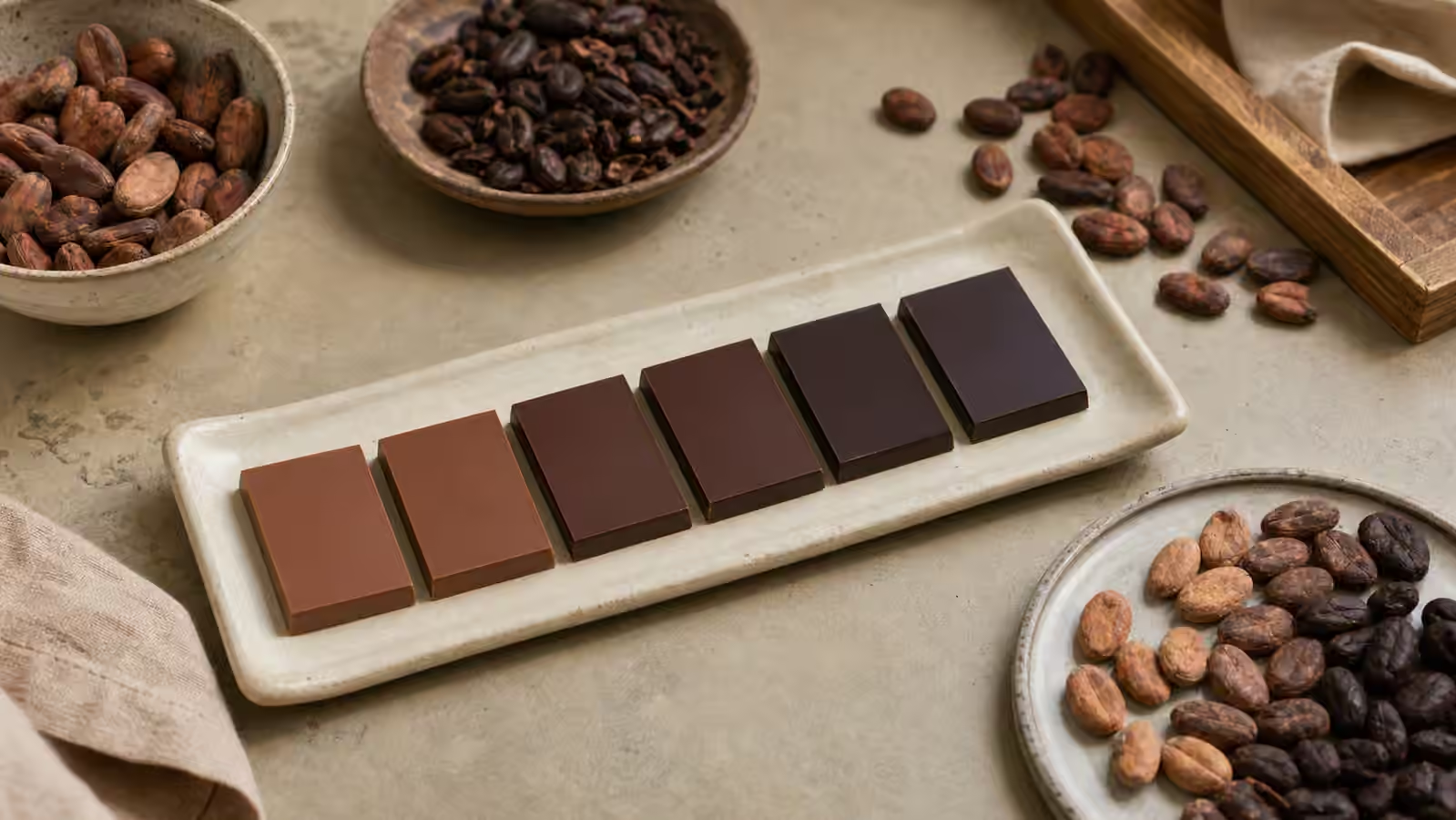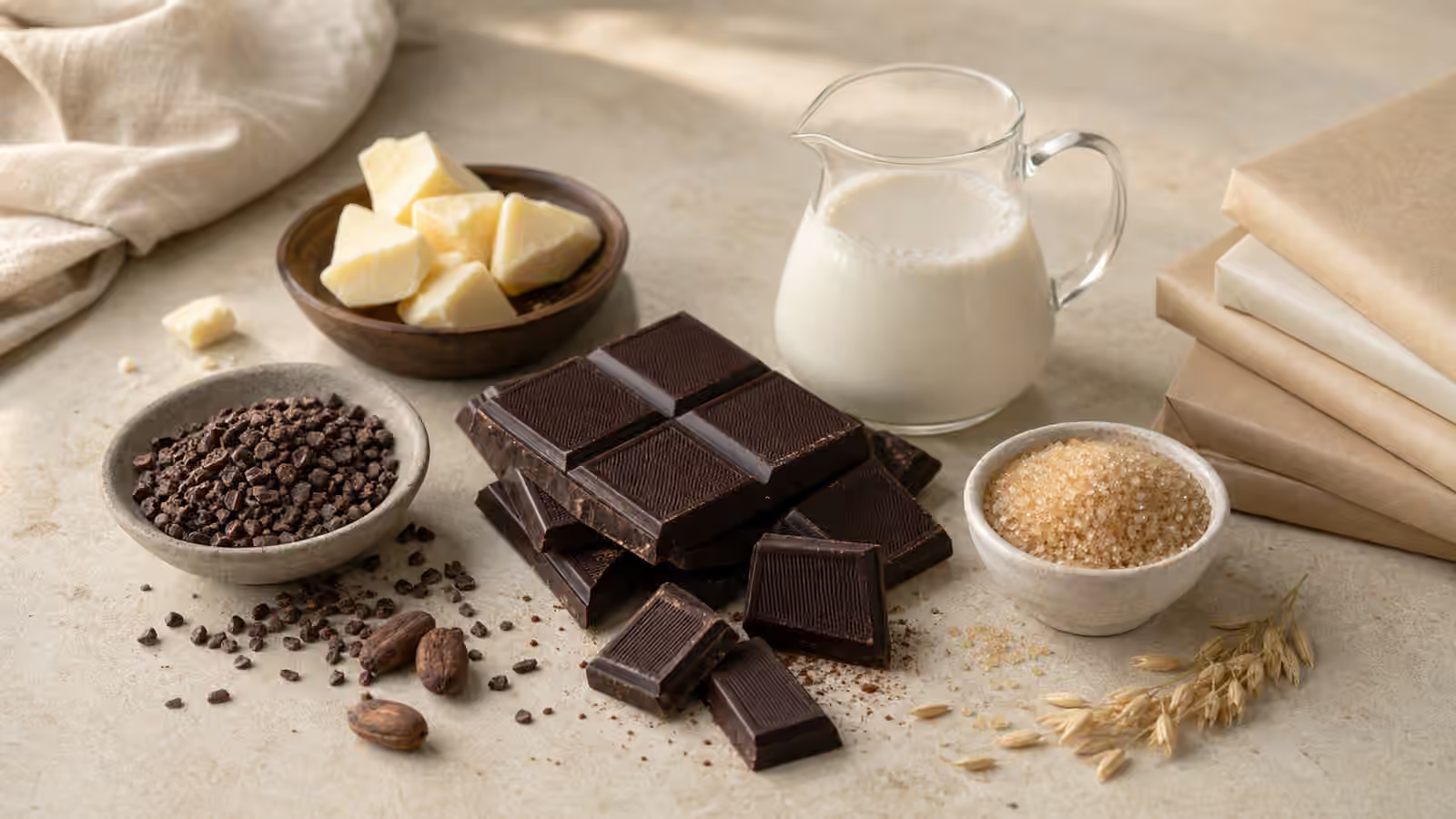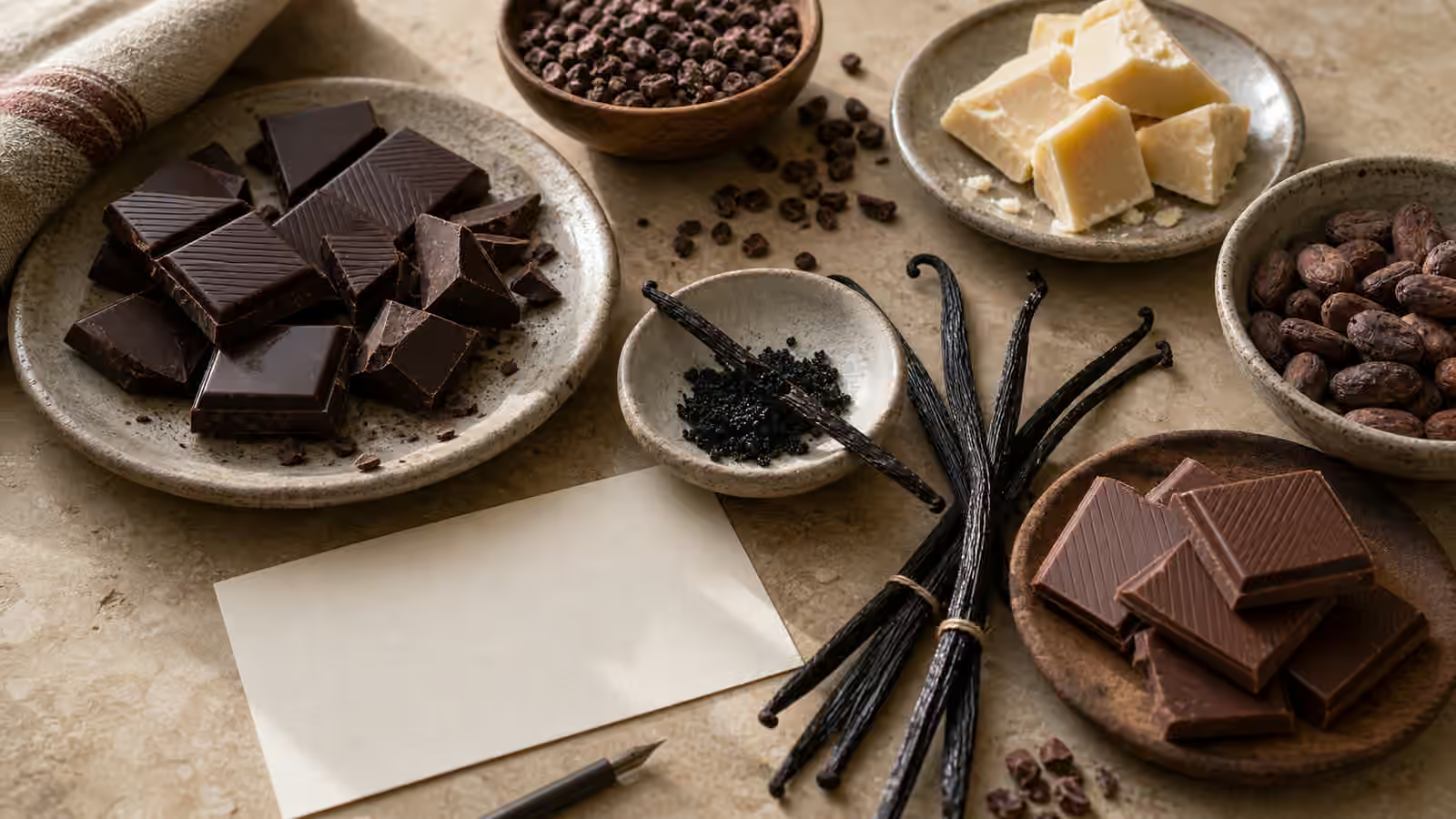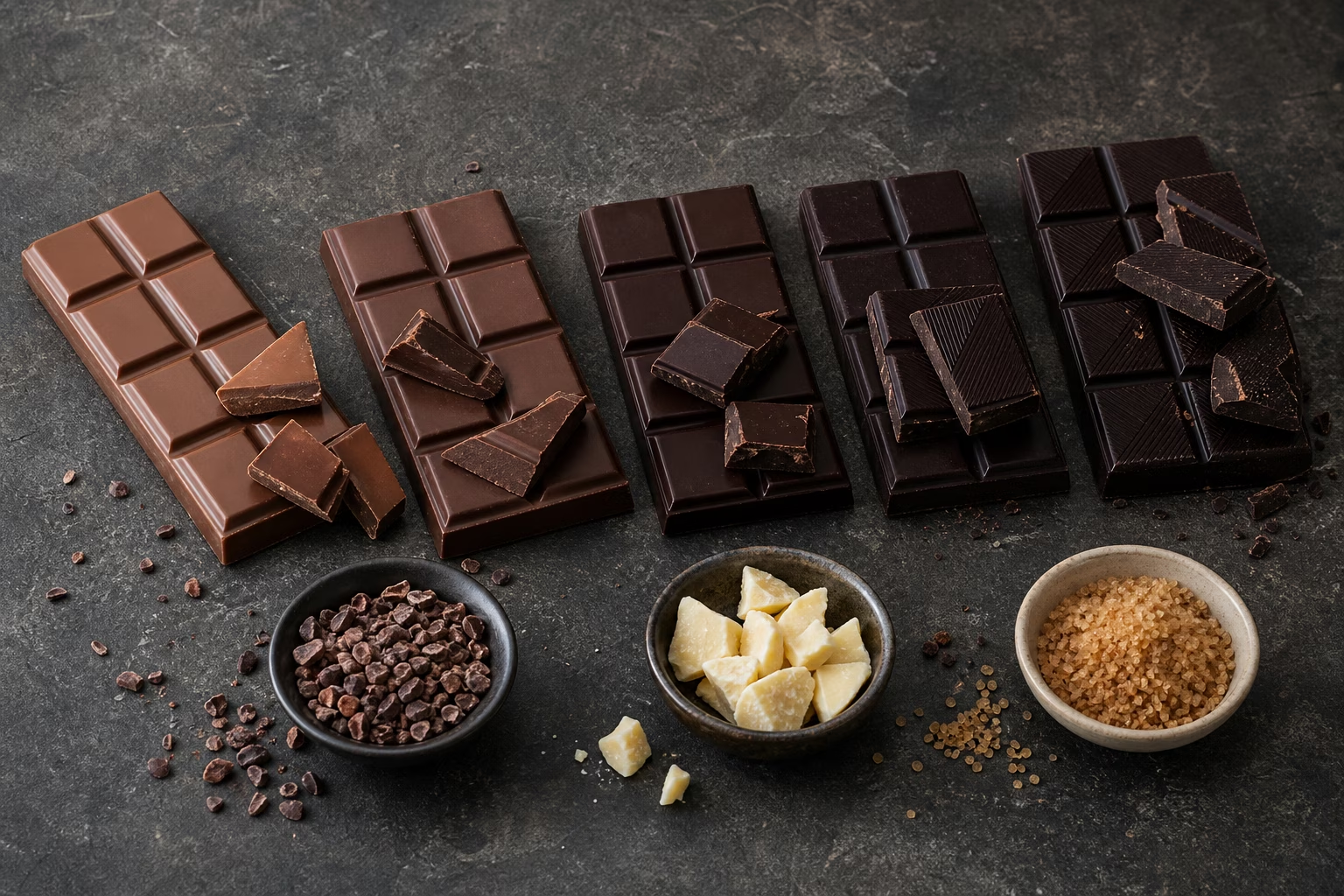
Chocolate percentage looks like the plainest part of a wrapper. It is a number, usually printed larger than the ingredient list and sometimes treated as if it were a score. A 70 percent bar sounds serious. An 85 percent bar sounds even more serious. A 45 percent milk chocolate sounds gentle before you taste it.
That number is useful, but only if you ask it the right question. Percentage tells you how much of the finished chocolate comes from cacao ingredients. It does not tell you whether the cacao was fermented well, roasted gently, refined cleanly, or balanced with care. It predicts intensity better than quality. Once you understand that difference, the label becomes less intimidating and much more practical.
If you are just starting with craft bars, read this alongside the Chocolate Quickstart and How to Buy Craft Chocolate . Those guides help you choose and taste. This one slows down on the single number that people tend to overtrust.
What the Percentage Counts
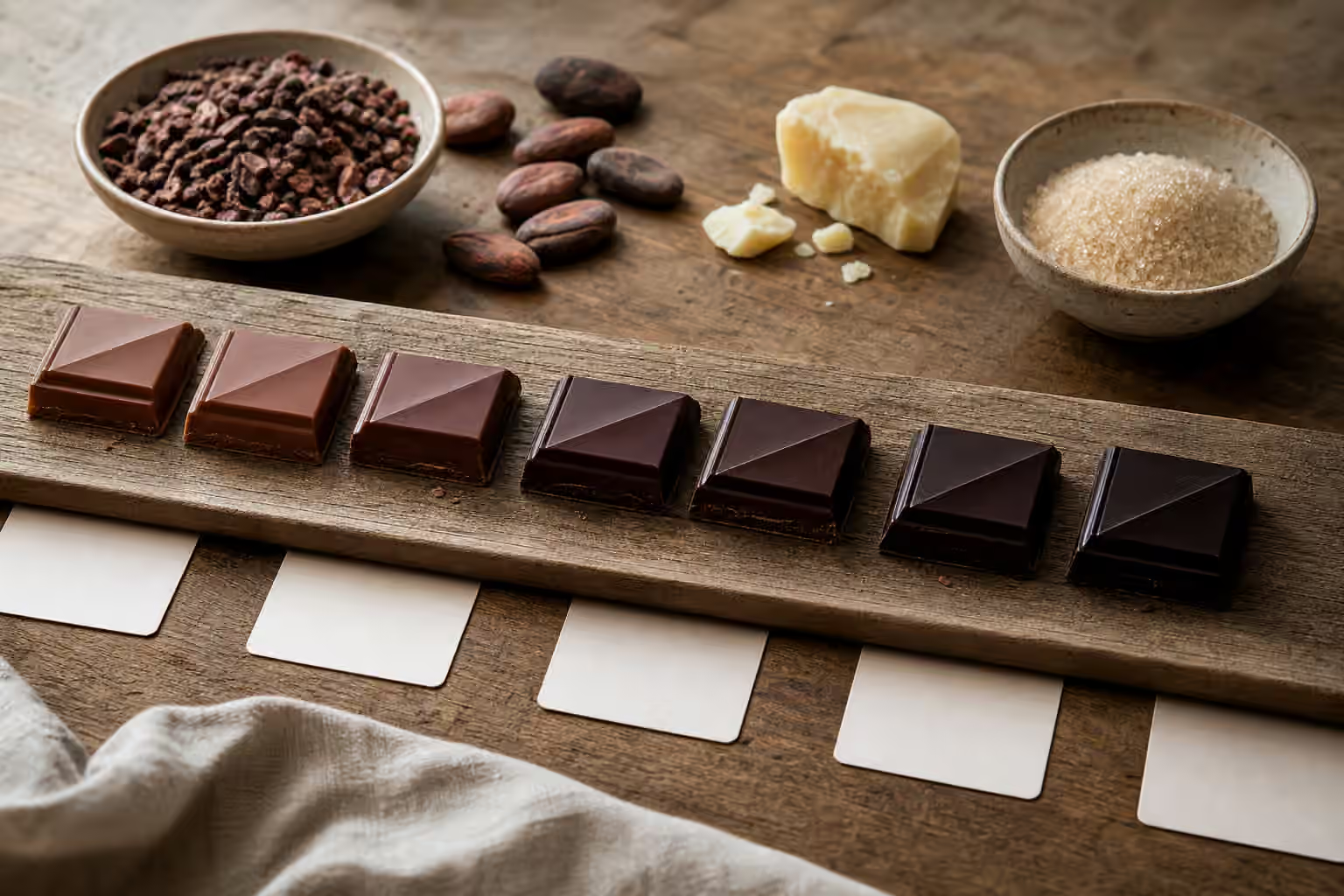
In most plain chocolate, the percentage describes the share of the bar made from cacao-derived ingredients. That can include ground cacao nibs, often called cacao mass or chocolate liquor, and it can include added cocoa butter. The rest of the bar is usually sugar, milk ingredients in milk chocolate, and sometimes small amounts of vanilla or emulsifier.
So a 70 percent dark chocolate is not automatically 70 percent cocoa solids and 30 percent sugar. It is more accurate to think of it as 70 percent cacao ingredients and 30 percent everything else. That distinction matters because cacao mass and cocoa butter behave differently. Cacao mass carries the dry cocoa particles that bring bitterness, acidity, aroma, tannin, and deep chocolate flavor. Cocoa butter is the fat. It carries aroma and gives chocolate its melt, but it does not taste like cocoa solids in the same forceful way.
Two 70 percent bars can therefore be built differently. One maker might use mostly cacao mass and very little added cocoa butter, producing a dense, intense bar with a slower melt. Another maker might add more cocoa butter for flow, gloss, and creaminess, producing a softer, silkier bar that tastes less forceful even though the front label shows the same number. The percentage did not lie. It simply did not tell the whole recipe.
This is why the ingredient list still matters. A short list makes the number easier to interpret. If the label says cacao, sugar, and cocoa butter, you know the bar is built from a few variables. If it includes milk powder, vanilla, lecithin, or inclusions, the percentage still counts cacao ingredients, but the eating experience has more moving parts.
Why Higher Does Not Mean Better
Higher percentage usually means less sugar. That can make a bar taste darker, firmer, more bitter, more tannic, or more cocoa-forward. It can also make beautiful fruit, flowers, nuts, and roast notes easier to hear because sweetness is not covering them. But none of that makes high percentage a quality grade.
A well-made 65 percent bar can be more expressive than a harsh 85 percent bar. A 72 percent bar from carefully fermented cacao can taste round, bright, and long, while an 80 percent bar made from flat beans can taste like dry cocoa powder and smoke. Percentage changes the volume of the cacao signal. It does not guarantee that the signal is interesting.
The easiest way to feel this is to taste two bars near the same percentage and let origin or maker style be the variable. The Cacao Origins guide is useful here because it shows how place, fermentation, and drying can push chocolate toward fruit, flowers, nuts, cocoa, spice, or earth. If you taste a bright Madagascar-style bar beside a deeper West African-style bar at similar percentages, the number stays steady while the flavor moves dramatically.
That comparison teaches the right lesson: percentage is a frame. Origin, post-harvest work, roast, refining, conching, and formulation fill the frame.
The Middle Range Is Where Many Palates Learn Fast
Many craft dark bars sit around the mid-60s to mid-70s because that range gives makers enough cacao to show character and enough sugar to keep the structure open. Sugar is not just sweetness. In a balanced bar, it can lift fruit notes, soften tannin, and help aroma feel clear instead of severe.
This is why 70 percent became a kind of informal reference point. It is dark enough to taste like cacao, but not so dark that bitterness dominates by default. For learning, it is a practical anchor. When you taste a few 70 percent bars side by side, you can begin to separate maker style from origin style, texture from sweetness, and acidity from bitterness.
At lower dark percentages, the bar may feel more immediately friendly. A 55 or 60 percent dark chocolate can be excellent, especially when it leans caramel, nutty, or creamy. It may also hide some cacao detail under sweetness. At higher percentages, the bar may become more architectural: less sugar, more cocoa structure, more tannin, more demand on the maker’s handling of the beans. Some people love that clarity. Others experience it as dryness or fatigue.
Neither reaction is more advanced. Preference is information. The goal is not to train yourself to like the highest number. The goal is to learn which balance gives you the most pleasure and the clearest flavor.
Milk Chocolate Percentages Need a Different Reading
Milk chocolate percentage can confuse people because the number often looks low compared with dark chocolate. A 45 percent milk chocolate may sound weak if you are used to dark bars, but it can be quite flavorful because milk changes the whole structure. Milk powder or condensed milk brings dairy sweetness, caramel notes, lactose, proteins, and a softer melt. Those ingredients round bitterness and can make cacao feel warmer and more dessert-like.
A high-cacao milk chocolate can be one of the best bridges into serious tasting. Around the 40 to 55 percent range, many craft milk bars keep enough cacao character to be interesting while letting milk create a creamy frame. You may notice malt, caramel, toasted nuts, cooked milk, honey, or brownie batter. Those are not lesser notes. They are part of what milk chocolate can do when it is made with intention.
The percentage still counts cacao ingredients, but it does not explain the milk system. A 50 percent milk chocolate might taste bolder than a 60 percent dark chocolate if the dark bar is high in cocoa butter and lightly flavored, or if the milk bar uses assertive cacao and a restrained sugar level. Again, the number is a clue, not a verdict.
White chocolate stretches the idea even further. It contains cocoa butter but no cocoa solids, so its cacao percentage, when given, points to fat rather than cocoa flavor. Good white chocolate can be fragrant, creamy, and deeply vanilla-dairy in character, but it will not deliver the bitterness, acidity, or roasted cocoa notes people associate with dark chocolate. It belongs in the chocolate family through cocoa butter, not through cocoa solids.
Texture Changes the Meaning of the Number
Percentage is easy to read. Texture is easy to overlook. Yet texture is often what makes two bars at the same percentage feel completely different.
Added cocoa butter can make chocolate melt more quickly and feel more luxurious. Longer refining can make the same formula feel smoother and less aggressive. A slightly coarser grind can make acidity and tannin seem louder because the particles linger on the tongue. Conching can drive off harsh volatile notes and integrate sugar, which makes a bar feel calmer without changing the printed percentage.
This is where the Bean-to-Bar Basics guide helps. It shows that chocolate is not just a recipe; it is a sequence of physical changes. Roasting develops flavor, grinding changes particle size, conching rounds aroma, and tempering organizes cocoa butter crystals. The wrapper number sits on top of all that work.
When you taste, let the chocolate melt before judging the percentage. A cold 75 percent bar can feel waxy and severe. The same bar at cool room temperature may become smoother, brighter, and more aromatic. A well-tempered 85 percent bar can snap cleanly and melt with grace. A poorly made 70 percent bar can feel dull, thick, or gritty. The number did not cause those textures by itself.
How to Use Percentage When Buying
Use percentage to set expectations before you spend money, not to decide quality in advance. If you want a daily eating bar that feels balanced and clear, the mid-60s to low-70s are a sensible place to begin. If you want fruit and brightness without too much bitterness, do not assume darker is always better; some origins show beautifully at moderate percentages. If you want intensity, dryness, and a longer cocoa finish, move higher gradually and compare bars rather than jumping straight to the most severe option on the shelf.
For gifts, percentage helps you avoid extremes. Many people who enjoy chocolate casually will be more comfortable with dark bars around the 60s or mild 70s than with very high-percentage bars. For someone who already loves serious dark chocolate, a higher percentage can be welcome, but it still helps to choose a maker known for balance rather than force.
When buying for cooking, the question changes. A subtle single-origin 72 percent bar may be wonderful for slow tasting and wasteful inside a heavily spiced brownie. Baking heat, butter, flour, eggs, and sugar can flatten delicate aroma. The new Choosing Chocolate for Baking guide explains when bars, chips, cocoa powder, and couverture make sense. Percentage matters there too, but structure matters more. A chocolate that melts properly or brings the right amount of fat may serve a recipe better than a rarer bar with a more impressive label.
A Simple Tasting Experiment
The most useful way to learn percentage is to hold everything else as steady as you can. Choose one maker if possible and taste a milk chocolate, a moderate dark chocolate, and a high-percentage dark chocolate from that same maker. If that is not available, choose bars with simple ingredient lists and no inclusions, then keep them close in style.
Taste slowly using the method in Chocolate Tasting . Smell first, let each piece melt, and notice when sweetness arrives, when bitterness appears, and how the finish behaves. You will probably feel sugar first in the lower-percentage bar. In the middle bar, you may notice better balance between sweetness and cocoa. In the high-percentage bar, you may notice longer bitterness, more tannin, or more concentrated aroma.
The point is not to crown a winner. The point is to calibrate your mouth. Once you know what 60, 70, and 85 percent feel like in broad strokes, labels become more useful. You can look at a new bar and make a better guess about mood, pairing, and serving size.
The Number Is a Door, Not the Room
Chocolate percentage is one of the best shortcuts on the wrapper because it gives you a quick sense of sweetness and intensity. It is also one of the easiest shortcuts to misuse. The number cannot tell you whether the beans were good, whether the roast was thoughtful, whether the bar was stored well, or whether you will like the finish.
Read the percentage first, then keep reading. Look at ingredients. Notice origin. Think about maker style. Taste at the right temperature. Compare bars that change one variable at a time. A label that once felt like a ranking system becomes a set of clues.
That is the practical promise of percentage: not certainty, but orientation. It tells you where the bar starts. Your palate still gets to decide where it goes.