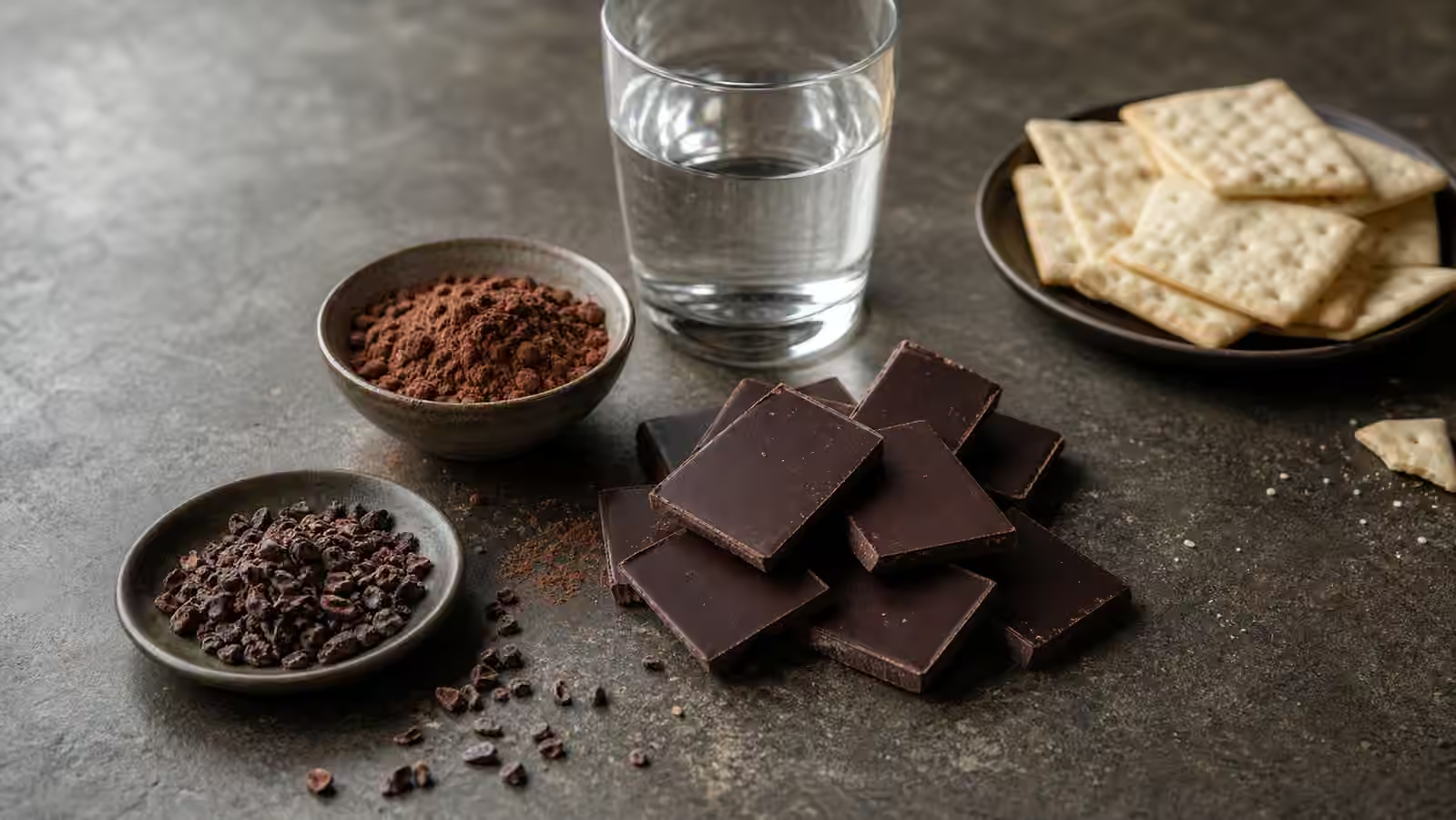
Chocolate in savory food makes more sense when you stop expecting it to taste like dessert. Cacao is bitter, aromatic, fatty, earthy, fruity, tannic, and roasty before it is sweet. Sugar turns those traits into familiar chocolate pleasure, but the traits were already there. In savory cooking, the cook can use them without asking cacao to become cake, frosting, or candy.
The challenge is proportion. A small amount of cocoa can deepen a sauce until it tastes more browned and complete. A few cacao nibs can give roasted crunch to vegetables or grains. A square of dark chocolate can round a chile sauce or stew. Too much can make the whole dish taste muddy, bitter, or oddly sweet. Savory cacao works best when it is treated as a seasoning with structure, not as a dessert ingredient looking for a place to hide.
This guide sits beside Cocoa Powder: Natural vs. Dutch-Process , Cacao Nibs: Flavor and Use , and Choosing Chocolate for Baking . Those chapters explain the forms. Here the question is how those forms behave when the food around them is salty, acidic, spicy, meaty, vegetal, or smoky rather than sweet.
Cocoa Powder Adds Dry Depth
Cocoa powder is the easiest cacao form to use in savory food because it brings concentrated flavor without much fat or sugar. It can darken a sauce, reinforce roasted notes, and add a quiet bitterness that makes sweetness from onions, tomatoes, carrots, or squash feel less simple. In a spice rub, it can sit beside chiles, cumin, coriander, pepper, garlic, or smoked paprika without becoming obviously chocolatey.
Natural and Dutch-process cocoa behave differently. Natural cocoa is brighter and more acidic. It can work well when the dish already has fruit, tomato, vinegar, or chile heat, because the acidity feels connected. Dutch-process cocoa is rounder, darker, and less sharp. It can give a smoother, almost bass-note effect in stews, braises, bean dishes, and dark sauces. Neither is universally better. The right one is the one whose acidity or softness matches the dish.
Because cocoa powder is dry, it needs hydration and fat around it. If it is sprinkled late into a finished sauce, it can form dusty clumps or taste raw. It behaves better when bloomed with spices in warm fat, stirred into a moist base early enough to hydrate, or whisked into a small amount of liquid before joining the pot. The goal is not to make the dish taste like hot cocoa. The goal is to let the cocoa dissolve into the darker flavors already present.
Salt is essential. Unsweetened cocoa without enough salt can taste flat and chalky. Salt sharpens the roast and keeps bitterness from feeling hollow. Acid matters too. A splash of vinegar, citrus, wine, or tomato can make cocoa taste more alive, especially in bean dishes and sauces. This is the same balance you notice in Chocolate Tasting , where bitterness, acidity, sweetness, and finish have to share space.
Dark Chocolate Adds Fat and Roundness
Dark chocolate behaves differently from cocoa powder because it brings cocoa butter and usually sugar. Even a high-percentage bar contains some sweetness unless it is unsweetened baking chocolate. That sweetness can be useful in savory food, but it has to be counted. A square of 70 percent chocolate may round a chile sauce beautifully. Several squares can turn the same sauce toward dessert before you realize what happened.
The fat matters as much as sweetness. Cocoa butter gives sauces a smoother mouthfeel and a quiet gloss. It can help a braise or chile-based sauce feel more integrated, especially when the dish already contains toasted spices, nuts, seeds, or browned ingredients. But cocoa butter also coats the tongue. If the dish is already rich with meat fat, cream, coconut milk, or oil, chocolate can make it heavy. In those cases, cocoa powder may be a cleaner choice.
Unsweetened chocolate is the strongest savory tool because it brings cocoa solids and cocoa butter without sugar. It is powerful, and it can become bitter quickly, but it gives the cook more control. Bittersweet chocolate is friendlier and often easier to balance, especially in sauces with chile heat, tomato sweetness, or slow-cooked onions. Milk chocolate rarely belongs in savory cooking unless the dish is intentionally sweet, because dairy and sugar push the flavor toward confectionery.
Choose plain chocolate without inclusions. Nuts, dried fruit, caramel, salt crystals, or flavored fillings may be delicious in a bar but unpredictable in a pot. If you would not add those ingredients separately to the dish at that moment, do not let the chocolate smuggle them in. The label-reading habits from Reading Chocolate Ingredients apply strongly here.
Nibs Bring Roast and Crunch
Cacao nibs are not little chocolate chips. They are roasted cacao fragments, bitter and dry, with crunch that does not melt away. That makes them useful where you want texture as much as flavor. They can finish roasted squash, mushrooms, grain bowls, salads with bitter greens, chili, braised beans, or creamy soups. They can also be ground into spice blends when you want roast and tannin without visible pieces.
Their bitterness needs a frame. Nibs are happiest with fat, salt, and something sweet or aromatic nearby. Olive oil, butter, tahini, yogurt, avocado, roasted nuts, browned onions, winter squash, carrots, beets, or tomatoes can all give nibs a place to land. Acid helps keep the crunch from feeling dusty. A little citrus, vinegar, or fermented brightness can make the nib taste intentional rather than scattered.
Toasting nibs gently can wake them up, but they are easy to push too far because they have already been roasted. Warm them until they smell aromatic, not smoky. If they begin to smell burnt or harsh, that bitterness will dominate the dish. The guide to Cacao Nibs: Flavor and Use is useful before you cook with them because it explains why nibs taste more severe than finished chocolate.
Texture is the main reason to use nibs whole. If the dish is soft and long-cooked, add them near the end or at serving. If they simmer for too long, they may lose definition while leaving bitterness behind. If you grind them, treat them like a spice rather than a garnish. Ground nibs can disappear into rubs and sauces, but they need enough other flavors to prevent the finish from turning dry.
Where Cacao Fits Naturally
Cacao fits best with foods that already welcome roast, bitterness, fruit, smoke, or earth. Chiles are a natural partner because they bring heat, fruit, and sometimes smoke. Tomatoes bring acidity and sweetness. Beans bring starch and a mild earthy base. Slow-cooked meat or mushrooms bring browned depth. Nuts and seeds echo cacao’s roasted side. Warm spices such as cinnamon, allspice, clove, cumin, and coriander can connect cacao to savory food without making the result taste like dessert.
Vegetables can be excellent partners when they have sweetness or char. Roasted carrots, squash, sweet potatoes, onions, peppers, cauliflower, and beets can all carry a small amount of cocoa or nibs because their natural sugars soften bitterness. Bitter greens can work too, but they need fat and acid so cacao does not stack bitterness on bitterness. A spoonful of yogurt, a sharp vinaigrette, or a nutty sauce can make the difference.
Seafood is less forgiving, though not impossible. Cocoa’s tannin and roast can feel heavy against delicate fish. If cacao appears there, it usually needs to be extremely restrained, perhaps as part of a spice crust or sauce with citrus and chile. Poultry is more flexible, especially in sauces built around toasted chiles, nuts, seeds, tomato, or stock. The more delicate the protein, the more cautiously cacao should enter.
How to Keep It From Tasting Like Dessert
The common mistake is adding chocolate late, tasting sweetness, and then adding more salt in panic. It is better to build the dish so cacao has a job from the beginning. Toast spices. Brown aromatics. Use cocoa powder early enough to hydrate. Add dark chocolate in small amounts once the sauce has enough liquid and heat to melt it smoothly. Taste after a few minutes, not immediately, because bitterness and fat need time to spread.
Keep sugar in view. If the dish already contains sweet onions, tomato paste, dried fruit, sweet wine, barbecue sauce, squash, or carrots, bittersweet chocolate can push it across the line. Use unsweetened chocolate or cocoa powder instead. If the dish is very bitter or acidic, a slightly sweeter dark chocolate may be helpful, but it should still disappear into balance rather than announce candy.
Storage matters after cooking. Cacao flavors can deepen overnight in sauces and stews, which is often pleasant. Nibs, however, may soften if left in moist food. Add crunchy nibs close to serving when texture matters. Keep unused chocolate, powder, and nibs sealed away from strong odors, as described in Storage and Serving , because savory cooking will expose stale or refrigerator-scented cacao just as clearly as dessert does.
Savory cacao is not a gimmick when it is used with restraint. It gives the cook access to chocolate’s older vocabulary: bitterness, roast, fruit, fat, and earth before sugar takes over. A small amount can make a sauce feel longer, a vegetable feel more grounded, or a bowl of beans feel darker and more complete. The test is simple. If someone can name chocolate immediately, you may have used too much. If the dish tastes deeper and harder to explain, cacao probably did its work.