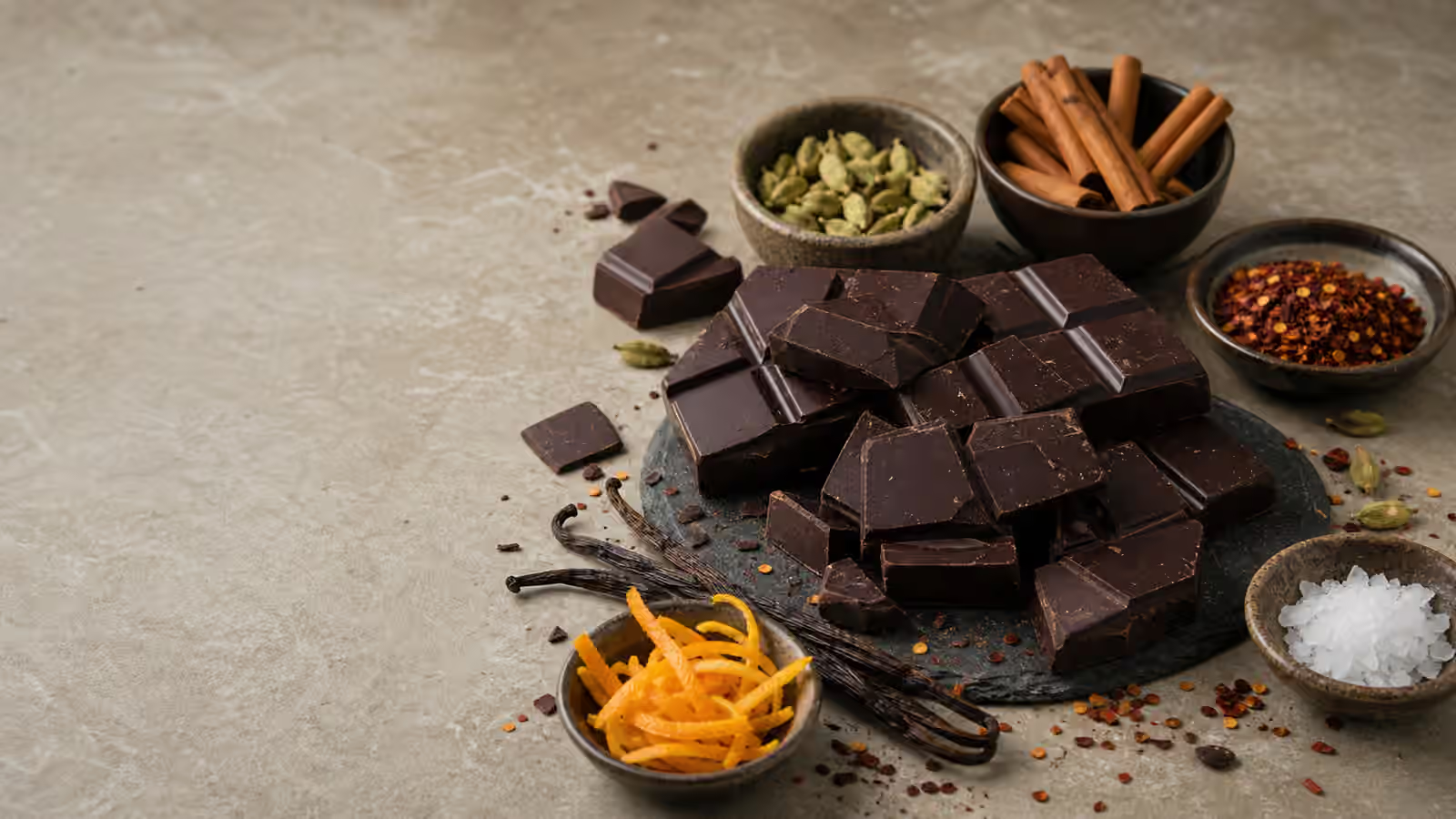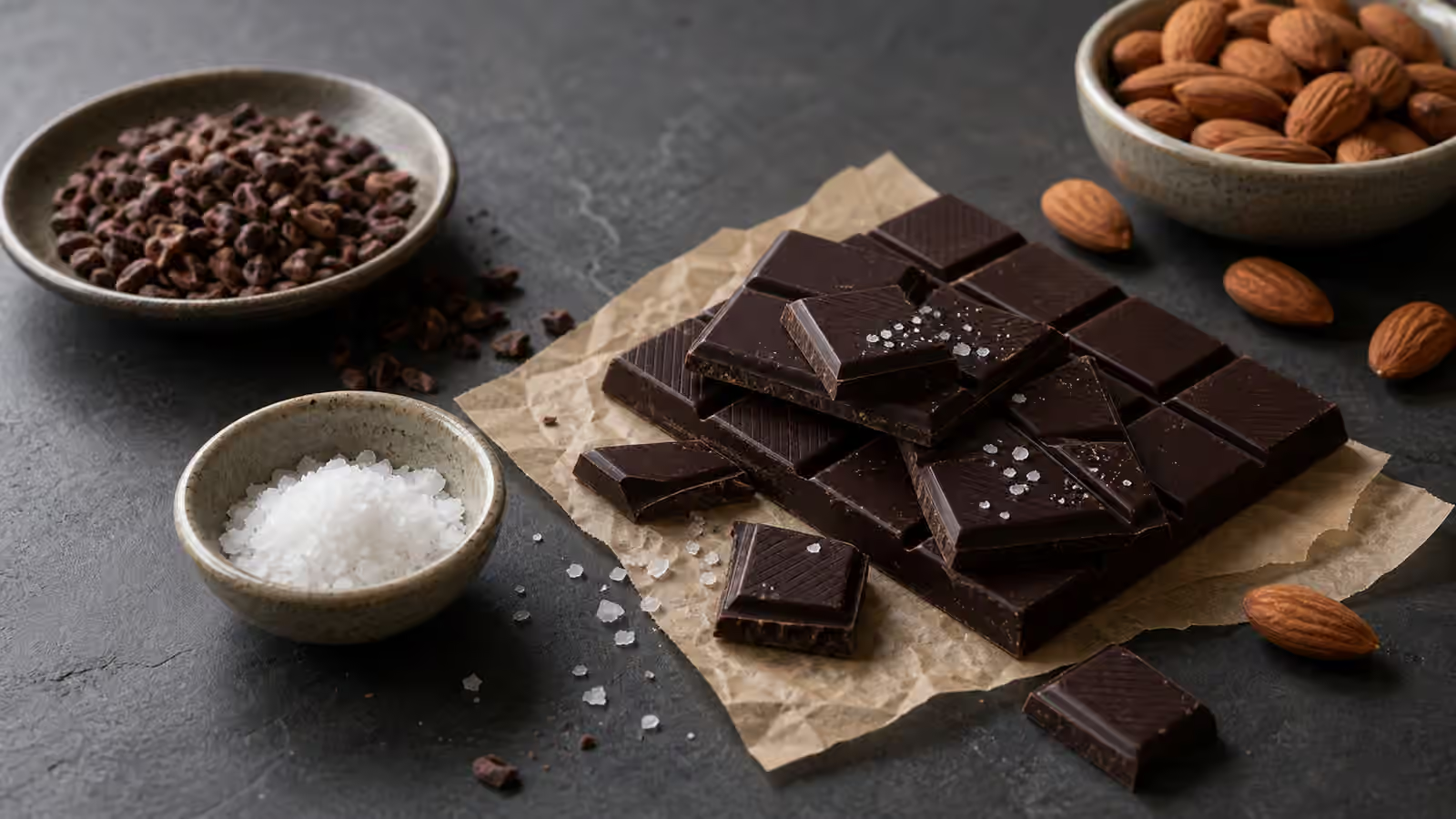
Salt is small, fast, and persuasive. A few crystals can make chocolate taste clearer, sweeter, deeper, or more complete. A few more can make the whole bar taste like salt with chocolate attached. That narrow margin is why salt deserves its own attention. It is not only a topping. It changes timing, texture, aroma, and the way bitterness lands.
Chocolate already has structure: sweetness, bitterness, acidity, fat, roast, and astringency. Salt pushes on that structure. It can sharpen fruit, round caramel, make nuts taste warmer, and keep dairy sweetness from feeling flat. It can also flatten origin detail if it arrives too loudly. As with Chocolate Sweetness and Sugar Balance , the question is proportion.
Salt Changes The First Impression
Salt is usually noticed early. If the crystals sit on the surface, they dissolve before the chocolate has fully melted. That makes the first second of tasting very different from an unsalted bar. The palate gets brightness and intensity before cocoa butter opens. This can be thrilling in a composed confection, but it can also make slow origin tasting harder.
In a plain dark bar, a tiny amount of salt can make cocoa seem more vivid. It can soften bitterness and make sweetness feel more present without adding sugar. If the chocolate has fruit notes, salt can make them seem juicier. If it has nut or caramel notes, salt can make them feel toasted and round. The effect is familiar because many desserts use salt to keep sweetness from becoming heavy.
The same speed can become a problem. Large flakes on a delicate bar may dominate the aroma before the cacao has a chance to speak. A very high-percentage bar with heavy salt can become a contest between bitterness and salinity. A milk chocolate with too much salt can taste snack-like rather than chocolate-like. None of those outcomes is automatically bad, but they are different from tasting cacao clearly.
Surface Salt And Mixed-In Salt Behave Differently
Surface salt is dramatic because it arrives in bursts. A flake hits the tongue, dissolves, and changes the next melt of chocolate. This works well in bark, caramels, nut clusters, and bars meant to be eaten for contrast. It can make each bite slightly different, which is part of the pleasure. The guide to Chocolate Bark, Clusters, and Slabs uses this kind of contrast often because the format welcomes visible texture.
Salt mixed into chocolate is quieter. When it is fully dispersed, it becomes part of the formula rather than a separate event. It may make the bar taste more balanced without announcing itself. This style is useful when the maker wants cocoa, dairy, nuts, or caramel to feel sharper but does not want a salted bar as the main identity.
Both choices have risks. Surface salt can fall off, concentrate unevenly, or make storage trickier if paired with moist toppings. Mixed-in salt can disappear if used timidly or become strangely flat if the chocolate lacks aroma. Salt cannot make stale chocolate taste fresh. It cannot repair musty cacao. It only adjusts the sensations that are already there.
Salt, Bitterness, And Astringency
Bitterness gives dark chocolate backbone. Astringency gives dryness and grip. Salt can soften the way bitterness is perceived, but it does not remove astringency. This distinction matters. A chocolate that is pleasantly bitter may become more elegant with a small salt accent. A chocolate that is harsh, woody, or mouth-drying may still feel rough after the salt dissolves.
If a salted bar tastes exciting at first and tiring by the finish, the problem may be astringency. The salt gave the first bite energy, but the underlying cacao or roast still left the palate dry. Chocolate Bitterness and Astringency is the better guide for that structure. Salt can frame bitterness. It cannot turn roughness into length.
Acidity changes the equation too. Bright fruit-toned chocolate can be beautiful with salt, especially when sugar is present to keep acidity from turning sharp. Without enough sweetness, salt and acidity together may feel sour or hard. This is why salted fruit inclusions, caramel, nuts, or dairy often work better than salt alone on a very bright dark bar.
Inclusions Need A Salt Strategy
Salt rarely travels alone in chocolate. It often appears with nuts, caramel, pretzels, cookies, puffed grains, dried fruit, coffee, or spices. Each inclusion changes how much salt the bar can carry. Roasted nuts welcome salt because their fat and browned flavors need definition. Caramel welcomes salt because sugar and dairy become more vivid. Pretzels and crackers bring their own salt, so the chocolate around them needs restraint.
Chocolate Inclusions and Texture is useful because salt is both flavor and texture when it remains crystalline. A large flake adds crunch. Fine salt disappears into the melt. Salt stuck to a nut arrives with fat. Salt in caramel arrives with chew. The same amount can feel different depending on where it sits.
When tasting an inclusion bar, ask whether salt helps the inclusion and chocolate meet. If the salt makes nuts taste roasted and chocolate taste deeper, it is doing its job. If it only makes you thirsty, it has become the main event. If the first bite is exciting but the third is dull, the bar may be leaning on contrast instead of cacao quality.
Baking And Sauces Use Salt Quietly
In baking, salt often works best when it is invisible. Brownies, cookies, cakes, ganache, glazes, puddings, and drinking chocolate all need enough salt to make cocoa taste complete. Without it, chocolate desserts can taste flat even when they contain good chocolate. With too much, they taste oddly sharp or snack-like.
Chocolate form matters. Cocoa powder can taste dusty without salt because it lacks the full cocoa-butter body of a bar. Unsweetened chocolate can taste blunt until sugar, fat, liquid, and salt give it shape. Milk chocolate already has dairy and sugar, so it may need less added salt than a dark chocolate dessert. Choosing Chocolate for Baking helps choose the chocolate, while salt helps the chosen chocolate speak.
Sauces and ganache show the same principle. A small pinch can wake up cocoa and cream. But salt should be dissolved and tasted after the mixture rests briefly, because hot mixtures and cold mixtures do not read the same. Chocolate Sauces and Glazes explains how dilution changes chocolate. Salt is one of the tools that keeps diluted chocolate from becoming hollow.
Pairing With Salted Chocolate
Salted chocolate pairs differently from plain chocolate. Coffee can make salt feel roasted and deep. Tea can make salt feel abrupt if the tea is delicate. Cheese can be wonderful or exhausting because cheese brings its own salt. Fruit can balance salted chocolate when the fruit has enough acidity and water to refresh the palate. Nuts are the easiest partner because they already understand salt.
If you are serving a tasting flight, place salted chocolate after plain origin bars. Salt changes the palate quickly, and a salted bite can make the next unsalted chocolate seem dull. Chocolate Tasting Flights at Home works best when strong inclusions and salted bars are treated as composed pieces rather than reference bars.
Salt is powerful because it clarifies quickly. That power asks for restraint. Let it sharpen cocoa, lift caramel, define nuts, or finish a dessert. Do not ask it to supply all the interest. The best salted chocolate still tastes like chocolate after the salt has dissolved.