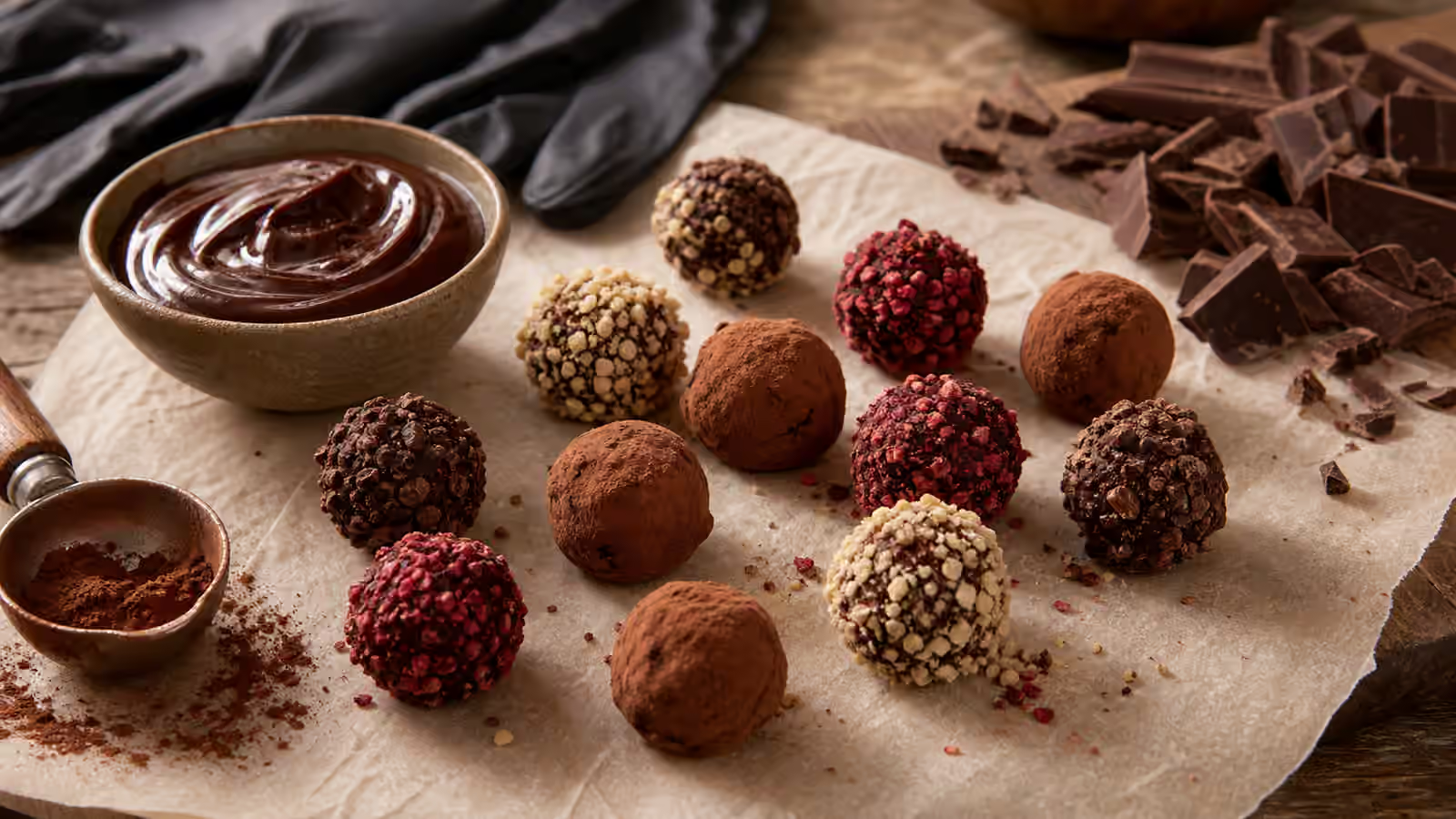
Hand-rolled truffles are the most forgiving way to make chocolate feel ceremonial without buying molds or learning shell work first. They begin as ganache, rest until scoopable, then become small pieces rolled in cocoa powder, chopped nuts, cacao nibs, coconut, cookie crumbs, or tempered chocolate. The shape is modest by design. A truffle does not need perfect corners. It needs a center that melts cleanly, a coating that belongs, and enough restraint that the chocolate remains the main event.
The rustic look can mislead people into thinking truffles are only a recipe. They are really a texture exercise. A ganache with too much cream slumps and sticks to the hand. A ganache with too much chocolate sets hard and eats like a cold plug. A coating that is too thick hides the center. A wet or oily coating shortens freshness. The work is not difficult, but it rewards attention.
If you have not made ganache before, start with Chocolate Ganache . That guide explains the emulsion beneath the center. If your melted chocolate tends to seize, read Melting Chocolate Without Seizing before heating cream or washing bowls. Truffles are simple only when the base ganache is smooth.
A truffle center is ganache with a job
Ganache for a tart glaze can be fluid. Ganache for a cake filling can be soft. Ganache for truffles must become firm enough to scoop and roll while staying tender enough to melt in the mouth. That balance comes from the ratio of chocolate to cream, the type of chocolate, the amount of added butter or syrup, and the temperature at which the center is served.
Dark chocolate makes the easiest truffle center because its cocoa solids and cocoa butter give structure. Milk chocolate needs less cream because it already contains more sugar and dairy, which soften the set. White chocolate needs still less liquid and more careful flavor balance because it can become sweet and soft quickly. If you use the same cream amount for all three, the results will not match.
Think in terms of firmness after resting, not thickness in the bowl. Warm ganache always looks looser than it will be later. A mixture that seems pourable after stirring may become perfect after several hours. A mixture that already looks stiff while warm may become too hard once the cocoa butter firms. Patience is part of the recipe even when the ingredient list is short.
Choose chocolate that carries through cream
A truffle center dilutes chocolate with cream, so the chocolate must have enough character to remain clear. This does not mean using the rarest bar you own. Delicate floral notes can vanish once dairy, butter, and coatings join the scene. A steady dark chocolate with cocoa, roast, nut, fruit, or caramel notes often performs better because its flavor survives the format.
Percentage helps predict sweetness and firmness, but it is not a quality grade. The guide to Understanding Chocolate Percentages is useful here. A 70 percent dark chocolate usually gives a firmer, less sweet center than a 55 percent dark chocolate. A high-cacao milk chocolate can make beautiful truffles with malt, caramel, and cream notes, but it needs a ratio that respects its softer structure.
Chips are possible but not ideal. Many chips are formulated to keep shape in cookies, so they can melt thickly and make the ganache feel less smooth. Chopped bars, pistoles, or couverture melt more evenly. If chips are all you have, chop them smaller, use gentle heat, and expect a denser texture.
Make the emulsion before you think about rolling
The smoothest truffle centers come from careful mixing. Chop the chocolate finely and place it in a dry bowl. Heat the cream until it is steaming and just active at the edge, then pour it over the chocolate. Let it sit briefly so the chocolate softens. Stir from the center until a glossy core forms, then widen the circles until the whole bowl becomes smooth.
That center-out stirring matters because it builds the emulsion gradually. If you stir wildly at the edges first, you can cool some chocolate before it has melted or splash cream across pieces that are still firm. If the ganache looks broken, oily, or grainy, keep calm. Often it needs a small amount of warm liquid and patient stirring to re-form. Sometimes it needs gentle warmth because pieces of chocolate remain unmelted.
Flavorings belong in the liquid phase when possible. Tea, coffee, citrus zest, spices, herbs, and vanilla can infuse into cream, then be strained before meeting the chocolate. Alcohol can loosen the ganache and make the center softer, so use it sparingly and adjust the ratio. Salt should be present enough to sharpen flavor but not enough to announce itself in every bite.
Resting decides whether rolling is pleasant
Fresh ganache is too fluid for truffles. It needs time to cool and crystallize. Spread it into a shallow container so it cools evenly, cover the surface, and let it rest until scoopable. Room-temperature resting gives a more even texture when the room is cool. Refrigeration is useful when the kitchen is warm, but a cold ganache may become firm at the edges while remaining soft in the center.
The ideal rolling texture feels like dense frosting or soft clay. It should hold a scoop but yield under light pressure. If it sticks aggressively to the spoon, it is too warm or too loose. If it fractures or crumbles, it is too cold or too chocolate-heavy. Let the temperature move before you change the recipe. Many apparent failures are only ganache in the wrong thermal state.
Use small portions. Large truffles look generous but eat heavily, especially when the center is rich. Small pieces melt faster and let coatings contribute without tiring the palate. A small scoop gives consistency, but spoons work fine. The goal is not identical factory pieces. It is a set of bites that feel intentional.
Coatings should protect and clarify
Cocoa powder is the classic coating because it keeps the truffle from sticking and gives a bitter first note that makes the sweet center taste deeper. Use a cocoa powder whose flavor you like, not the stale canister at the back of the pantry. Natural cocoa gives more brightness; Dutch-process cocoa gives a rounder, darker coat. Cocoa Powder explains that difference.
Cacao nibs, chopped nuts, toasted coconut, cookie crumbs, sesame, and freeze-dried fruit crumbs all change the bite. They should be dry, small enough to adhere, and matched to the ganache. A bright dark chocolate can work with raspberry powder or orange zest. A roasty chocolate can work with hazelnut, almond, nibs, or coffee. A milk chocolate center can welcome malt, toasted nuts, or a little salt. Coatings are not confetti. They are the first thing the tongue meets.
Roll gently. Warm hands soften ganache quickly, so work in short sessions. If the centers become sticky, pause and let them firm again. If the coating stops adhering, the surface may be too cold or too dry; let the centers sit briefly before rolling. If the coating clumps, sift it or replace it. A rough truffle can be charming. A damp, patchy coating usually means the process rushed ahead of the chocolate.
Tempered shells are optional, not mandatory
Some hand-rolled truffles are dipped in tempered chocolate before a final coating. This gives a thin snap and a cleaner hand-feel, but it changes the project. Now you need chocolate in temper, centers at the right temperature, and a plan for excess chocolate. If you want that finish, use Tempering Chocolate at Home and work with small batches until the rhythm feels manageable.
Undipped truffles are softer and more immediate. They are also more vulnerable to handling, heat, and moisture. That is not a flaw. It simply means they are best treated as fresh confectionery rather than shelf-stable candy. A cocoa-coated truffle eaten a day or two after making can be more satisfying than a dipped truffle made carelessly for the sake of polish.
If you do dip, avoid cold centers straight from the refrigerator. They can thicken the coating, create condensation, or cause uneven setting. Centers should be cool enough to hold shape but not so cold that they shock the tempered chocolate. The same principle appears in Chocolate Inclusions : cold additions can disturb chocolate texture even when the ingredients themselves are good.
Storage is part of the recipe
Truffles contain cream, so they do not keep like plain bars. Exact keeping time depends on ingredients, hygiene, water content, alcohol, storage temperature, and coating, so avoid treating them as permanent pantry candy. Keep them covered, cool, and away from strong odors. If refrigeration is necessary, seal them well and let the container warm before opening so condensation forms outside the container rather than on the truffles.
Flavor changes as truffles rest. A fresh truffle can taste bright but slightly unsettled. After a day, the center often tastes more integrated. After too long, coatings can dull, nuts can stale, and aromas can fade. Cocoa powder can absorb moisture and become patchy. Fruit coatings can soften. The best batch size is the one you can enjoy while the coatings still taste alive.
Hand-rolled truffles teach a useful chocolate lesson because every part is visible in the bite. The center tells you whether the emulsion worked. The coating tells you whether texture was considered. The storage tells you whether freshness was respected. You do not need a mold to make a thoughtful confection. You need smooth ganache, dry coatings, patient resting, and the discipline to stop adding things once the chocolate is clear.