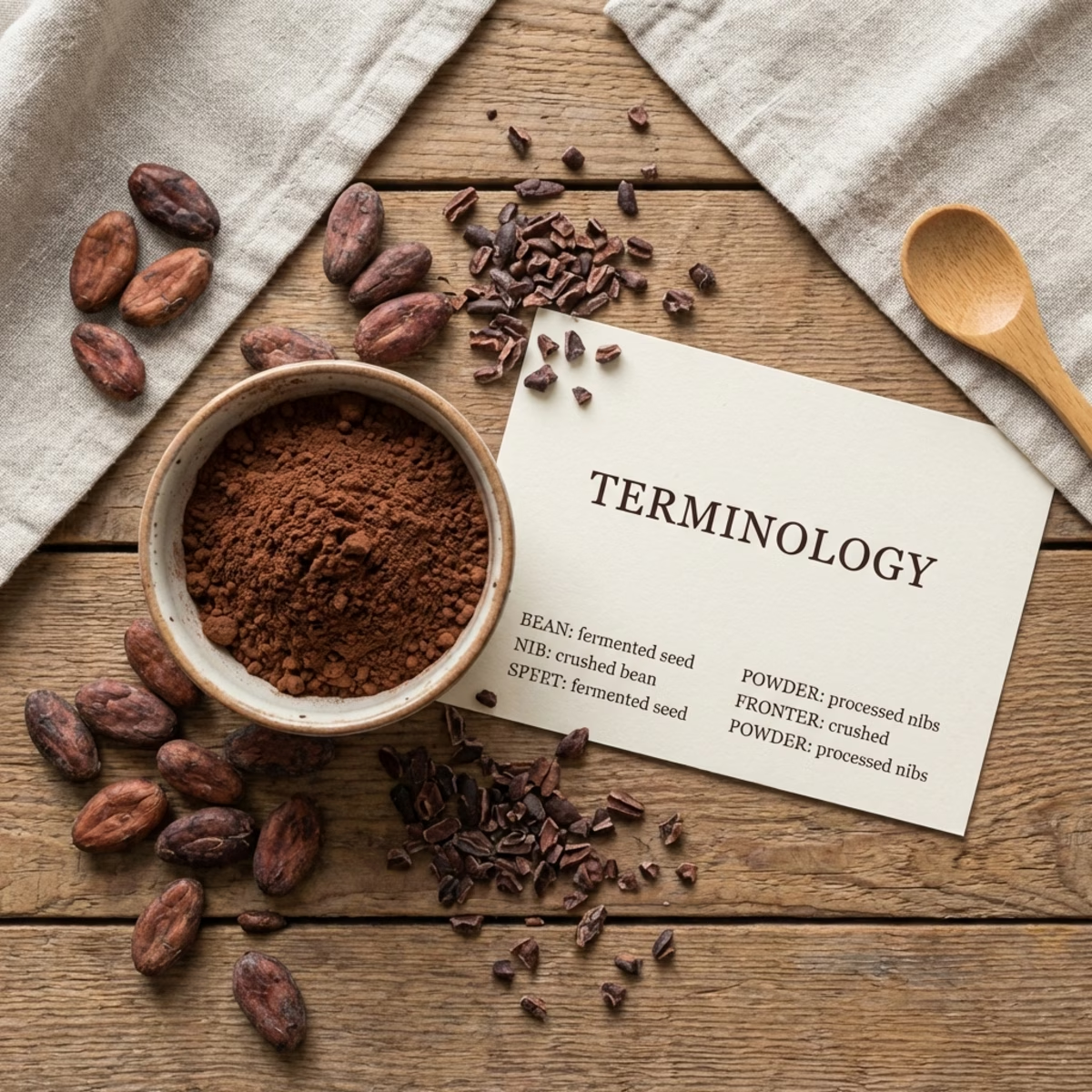
Your complete reference for chocolate and cacao terminology—from tropical farms to finished bars. Use it to decode labels, understand technique, and put accurate words to what you’re tasting.
A
Acidity: Bright, tangy flavor notes in chocolate, desirable in moderation.
Alkalized (Dutch Process): Cocoa treated with alkali to reduce acidity and darken color; often tastes rounder and less bright than natural cocoa.
Amelonado: Forastero cacao variety, common in West Africa.
Aroma: Scent of chocolate before tasting.
Arriba: Legendary Nacional cacao from Ecuador, floral and fruity.
Astringency: Drying, puckering sensation from under-roasted or poorly fermented cacao.
B
Baking Chocolate: Unsweetened chocolate (100% cacao) for cooking, not eating.
Bar: Molded chocolate product, typically rectangular.
Batch Number: Production lot number for traceability.
Bean-to-Bar: Chocolate maker controlling entire process from cacao beans to finished bar.
Benching: Resting period during tempering.
Bitter: Primary taste component in dark chocolate from cacao solids.
Blooming: See Fat Bloom or Sugar Bloom.
Bonbon: Filled chocolate confection with ganache, caramel, or other centers.
Bouquet: Complex aroma of fine chocolate.
Break: See Snap.
Brix: Measurement of sugar content.
Bulk Cacao: Commodity-grade cacao (vs. fine flavor).
C
Cacao: 1) Theobroma cacao tree; 2) Raw bean before processing; 3) All products from the bean.
Cacao Belt: Tropical region 20° north/south of equator where cacao grows.
Cacao Butter: Fat extracted from cacao beans, used in chocolate and cosmetics.
Cacao Content/Percentage: Amount of bar from cacao (beans + butter) vs. sugar.
Cacao Mass: Ground cacao nibs, unsweetened chocolate liquor.
Cacao Nibs: Roasted, shelled, broken cacao beans before grinding.
Cacao Powder: Defatted cacao solids ground into powder.
Ceremonial Cacao: Marketing term for minimally processed chocolate used in ceremonies (no standard definition).
Chocolate Liquor: See Cacao Mass (no alcohol despite name).
Cocoa: 1) Processed cacao powder; 2) Hot chocolate beverage; 3) Sometimes used interchangeably with cacao.
Cocoa Butter: See Cacao Butter.
Cocoa Powder: Defatted cacao solids, processed; Dutch process vs. natural.
Compound Chocolate: Chocolate substitute using vegetable oil instead of cacao butter.
Conche/Conching: Mixing and aerating chocolate to develop flavor and smooth texture.
Couverture: High-quality chocolate with min. 31% cacao butter, used by professionals.
Covering: See Enrobing.
Criollo: Rare cacao variety (5-10% of production), delicate and complex.
Crystallization: Formation of cocoa butter crystals during tempering.
Curvada: Fermentation box design.
D
Dark Chocolate: Chocolate with no milk solids, varying cacao percentages (typically 50-100%).
Direct Trade: Chocolate maker buying directly from farmers, transparent pricing.
Drying: Sun or mechanical drying of fermented beans to reduce moisture.
E
Ecuador: Major fine flavor cacao origin, known for floral, fruity profiles.
Emulsifier: Ingredient helping fat and water mix (lecithin common in chocolate).
Enrobing: Coating center (ganache, nut, fruit) with tempered chocolate.
Estate Chocolate: Chocolate from single farm or estate cacao.
F
Fair Trade: Certification ensuring minimum prices and ethical labor practices.
Fat Bloom: White, streaky appearance from cocoa butter crystals migrating to surface (safe to eat, affects appearance).
Fermentation: Crucial 3-7 day process developing chocolate flavor precursors.
Fine Flavor Cacao: High-quality cacao prized for flavor (5-10% of world production).
Finish: Lingering flavor after swallowing chocolate.
Flavanols: Antioxidant compounds in cacao, health benefits.
Flavor Notes: Descriptive terms for chocolate taste (fruity, nutty, floral, etc.).
Forastero: Most common cacao variety (80-90% production), robust and hardy.
Form V Crystals: Stable cocoa butter crystals formed during proper tempering, create snap and shine.
Form VI Crystals: Unstable crystals forming during bloom, undesirable.
G
Ganache: Emulsion of chocolate and cream, used in bonbons and truffles.
Ghana: Major cacao producer, commodity-grade Forastero.
Gianduja: Chocolate blended with hazelnut paste.
Grind: Reducing cacao to liquid state through grinding.
Grinding: Process of turning nibs into chocolate liquor.
H
Harvest: Picking ripe cacao pods.
Heirloom Cacao: Rare, genetically important cacao varieties being preserved.
Hot Chocolate: Beverage made from melted chocolate or cacao powder (vs. cocoa mix).
I
Inclusion: Ingredient added to chocolate (nuts, fruit, nibs, etc.).
Ivory Coast (Côte d’Ivoire): World’s largest cacao producer, mostly commodity grade.
J
Jaggery: Unrefined cane sugar sometimes used in craft chocolate.
K
Kibbling: See Winnowing.
L
Lecithin: Emulsifier from soy or sunflower, reduces viscosity.
Length: How long flavor persists after eating.
M
Madagascar: Prized cacao origin, distinctive berry and citrus notes.
Maillard Reaction: Chemical reaction during roasting creating complex flavors.
Mass: See Cacao Mass.
Melangers: Stone grinders refining chocolate for hours or days.
Melting Point: Temperature chocolate melts (86-90°F for dark, ~82°F for milk).
Milk Chocolate: Chocolate containing milk powder or condensed milk (typically 10-50% cacao).
Mold: Form shaping melted chocolate into bars or bonbons.
Mouthfeel: Textural sensation of chocolate (smooth, grainy, creamy, etc.).
Mucilage: Sugary pulp surrounding cacao beans, crucial for fermentation.
N
Nacional: Rare Ecuadorian cacao variety, considered finest Forastero.
Natural Cocoa Powder: Non-alkalized cocoa powder, acidic (vs. Dutch process).
Nib: See Cacao Nib.
Non-Alkalized: See Natural Cocoa Powder.
O
Origin: Geographic location where cacao was grown.
Organic: Cacao grown without synthetic pesticides or fertilizers.
Over-Roasted: Beans roasted too long/hot, creating burnt, bitter flavors.
P
Particle Size: Measurement of ground chocolate smoothness (microns); under 20μ undetectable to tongue.
Percentage: See Cacao Content.
Peruvian: Cacao origin known for nutty, clean flavors.
Polyphenols: Antioxidant compounds in cacao.
Porcelana: Rare white Criollo cacao from Venezuela, extremely prized.
Pot: Cacao pod containing beans.
Pre-Crystallization: See Seeding.
Q
Quetzalcoatl: Aztec feathered serpent god associated with cacao.
R
Raw Chocolate: Marketing term for minimally processed chocolate (no legal definition; all chocolate is processed).
Refining: Grinding chocolate to reduce particle size for smooth texture.
Roasting: Heating beans to develop flavor, typically 250-325°F for 15-40 minutes.
Ruby Chocolate: Fourth chocolate type (white, milk, dark, ruby) from specific beans, pink color, fruity flavor.
S
Seeding: Tempering method adding solid tempered chocolate to melted chocolate.
Semi-Sweet: Dark chocolate with moderate sugar, no legal definition (typically 50-70% cacao).
Single-Estate: Chocolate from one farm.
Single-Origin: Chocolate from one country or region.
Snap: Clean break when chocolate is broken, indicates proper tempering.
Stone Ground: Chocolate ground using stone melangers (traditional method).
Sugar Bloom: Grainy white film from moisture dissolving sugar then recrystallizing (safe, affects texture).
Sweet Chocolate: Legal US term for chocolate min. 15% cacao (baking chocolate).
T
Tablage: Traditional tempering method using marble slab.
Tannins: Astringent compounds from cacao, more in under-fermented beans.
Tasting: Systematic evaluation of chocolate flavor, aroma, texture, finish.
Tempering: Controlled heating/cooling process creating stable cocoa butter crystals for snap, shine, and shelf life.
Terroir: Complete growing environment (soil, climate, altitude) affecting cacao flavor.
Texture: Mouthfeel of chocolate (smooth, grainy, creamy, waxy).
Theobroma Cacao: Scientific name of cacao tree; “theobroma” = “food of the gods.”
Theobromine: Alkaloid in cacao creating mild stimulant effect (similar to caffeine).
Tree-to-Bar: Chocolate maker controlling entire process from cacao trees to finished bar (rare, requires tropical land).
Trinitario: Hybrid cacao (Criollo × Forastero), balance of flavor and hardiness (10-15% production).
Truffle: Spherical chocolate confection, traditionally ganache rolled in cocoa powder.
U
Unsweetened Chocolate: 100% cacao with no added sugar, used for baking.
Upcycling: Using cacao pod husks or other parts typically discarded.
V
Vanilla: Common flavoring in chocolate, from vanilla bean or extract.
Varietal: Specific cacao variety within species.
Venezuelan: Cacao origin producing some world’s finest chocolate, especially Criollo.
Viscosity: Thickness and flow of melted chocolate.
W
White Chocolate: Confection of cacao butter, milk, and sugar (no cacao solids), technically not chocolate.
Winnowing: Removing shells from roasted cacao beans, leaving nibs.
Wrapping: Packaging finished chocolate bars.
X
Xocolatl: Aztec chocolate beverage, bitter and spicy (chocolate’s linguistic origin).
Y
Yield: Percentage of usable product from cacao pod or bean.
Z
Zero-Waste: Utilizing all parts of cacao pod (beans, shells, husks, pulp).
Quick Reference: Chocolate Types
Chocolate “types” are mostly a story about how much of the bar is cacao solids, how much is sugar, and whether milk is present. White chocolate is built from cocoa butter without cacao solids, so it reads sweet and creamy rather than “chocolatey.” Milk chocolate commonly sits somewhere around 10–50% cacao and tends to feel round and gentle. Dark chocolate spans a wide range, roughly 50–100%, and can run from balanced and dessert-like to intensely bitter and cocoa-forward. The labels semi-sweet and bittersweet are common ways of describing where a dark chocolate sits in that range; unsweetened chocolate is essentially 100% cacao and is typically used for baking rather than snacking.
Cacao Varieties
The Criollo / Forastero / Trinitario framework is a helpful historical shorthand rather than a strict taxonomy. Criollo is rare and often described as delicate and complex, Forastero is common and robust with classic cacao power, and Trinitario sits in between as a hybrid with a broad range of outcomes. You’ll also see Nacional referenced frequently, especially in Ecuador; it’s often described as an exceptional, aromatic lineage within the broader Forastero family.
Common Flavor Notes
Fruity: Berry, citrus, tropical fruit, stone fruit, dried fruit
Nutty: Almond, hazelnut, walnut, cashew
Floral: Jasmine, rose, orange blossom, lavender
Earthy: Tobacco, leather, wood, mushroom, forest floor
Roasted: Coffee, cocoa, caramel, toast, molasses
Spice: Cinnamon, vanilla, pepper, clove
Master this vocabulary and you’ll understand craft chocolate makers, evaluate quality, and describe chocolate like a professional taster. Keep this glossary handy for your chocolate explorations!