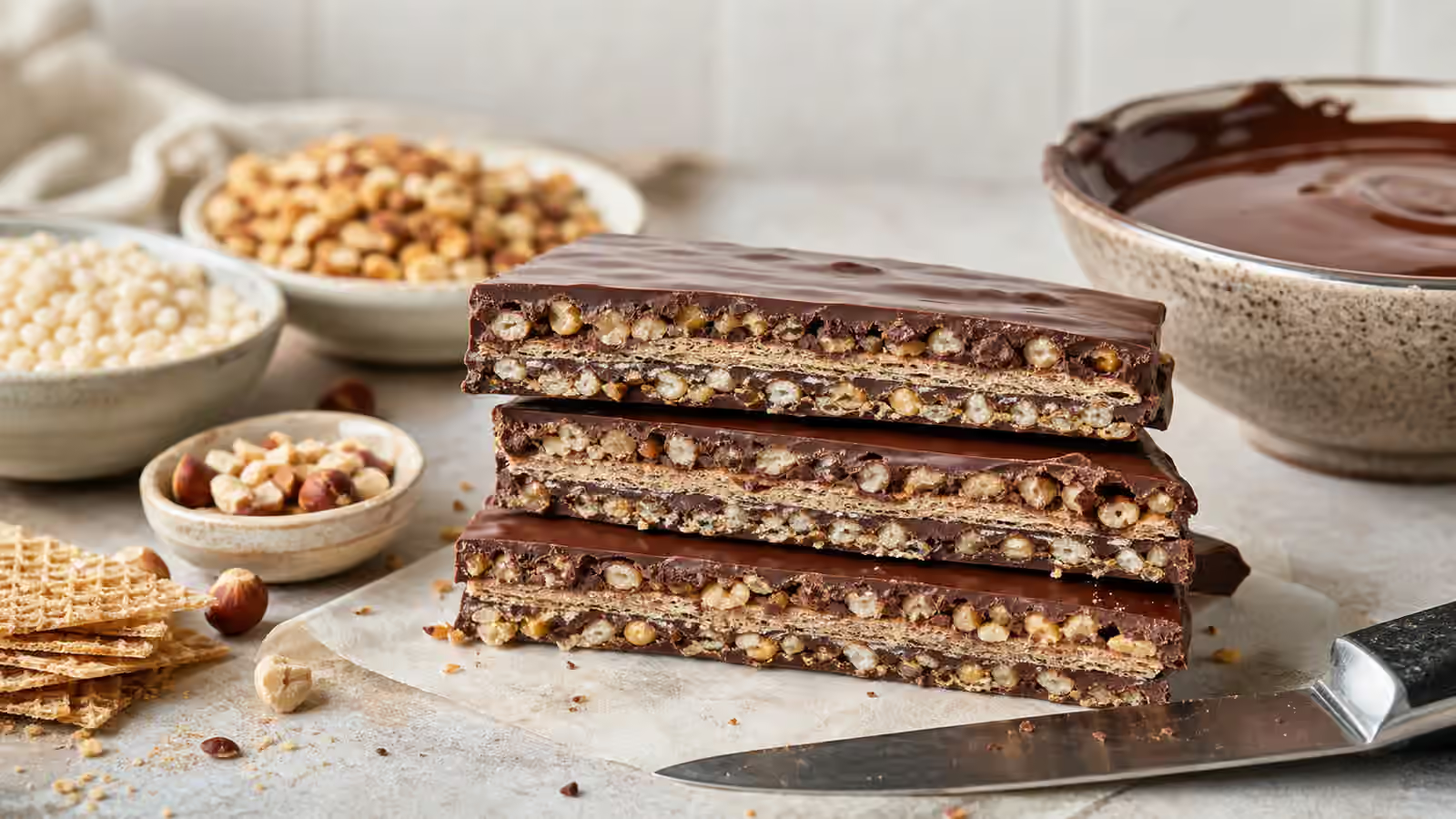
Chocolate and nuts can meet in two very different ways. One is obvious: chopped almonds, hazelnuts, pistachios, peanuts, or cacao nibs scattered through a bar for crunch. The other is quieter and often more luxurious: nuts ground into a smooth paste and blended with chocolate until the two become one texture. Gianduja and nut praline live in that second world.
This is not just a flavor pairing. It is a structural partnership. Nuts bring fat, roast, protein, fiber, and aroma. Chocolate brings cocoa solids, cocoa butter, sugar, snap, bitterness, and melt. Sugar can become syrup, caramel, powder, or fine crystals depending on the method. Refining decides whether the mixture feels silky, sandy, dense, or greasy. A good nut-chocolate filling tastes simple because many small choices have been made well.
If you want the crunchy side of the subject, start with Chocolate Inclusions . This guide focuses on smooth nut systems: gianduja, praline paste, and the fillings that sit between chocolate bar, bonbon center, spread, and confection.
Gianduja Is About Integration
Gianduja is usually associated with chocolate and finely ground hazelnuts, though related pastes can be made with other nuts. The goal is not to hide nuts inside chocolate. The goal is to make nut fat, cocoa butter, sugar, and cocoa solids melt together in a unified way. When it works, the texture is softer than a plain chocolate bar, more aromatic than a simple nut butter, and cleaner than a sugary spread.
The classic appeal comes from hazelnuts because roasted hazelnuts share so much language with chocolate: toast, caramel, warm skin, cocoa, and a faint bitterness that keeps sweetness in check. But the same logic can extend to almonds, pistachios, peanuts, and other nuts if their roast and fat are handled carefully. Each nut changes the balance. Almond can be drier and more marzipan-like. Pistachio can be fragrant and green. Peanut can be bold, salty, and familiar. Hazelnut remains the reference because it becomes round and deep without needing much help.
Gianduja differs from a chocolate bar with chopped nuts because the nut is part of the continuous texture. You should not have to chew through pieces to find it. The flavor arrives as the confection melts. That integrated melt is the whole point.
Praline Paste Brings Caramel
Praline paste begins with nuts and cooked sugar. The sugar is caramelized, cooled with the nuts, then ground into a paste. Compared with plain nut paste, praline has deeper sweetness and a cooked edge. It can taste like caramel, toast, brittle, browned butter, or roasted sugar depending on how far the caramel goes and how deeply the nuts are roasted.
When praline paste enters chocolate, it changes more than sweetness. Caramel notes can make milk chocolate taste warmer and dark chocolate feel rounder. The paste’s fat can soften texture. The ground sugar and nuts can create body. If the paste is not refined enough, it can feel sandy. If it is too oily, the filling can feel loose or greasy. If the caramel is too dark, the whole center can taste bitter in a burnt-sugar way rather than a cocoa way.
This is why praline fillings are often so satisfying in Filled Chocolates . A thin tempered shell gives snap. The praline center gives roast, sweetness, and soft resistance. The bite has contrast without needing a complicated flavor list.
Roast Is the First Flavor Decision
Nut roast sets the direction before chocolate enters the bowl. Lightly roasted hazelnuts taste sweet, creamy, and sometimes grassy. Deeper roasting brings toast, skin bitterness, and a stronger aroma that can stand beside dark chocolate. Over-roasting turns the paste harsh and dry. Under-roasting can make it taste raw or bland.
Chocolate roast matters too. A deeply roasted chocolate with deeply roasted nuts can become heavy if neither side brings brightness. A fruitier dark chocolate can make hazelnut praline taste more vivid. Milk chocolate can amplify caramel and dairy notes, especially if the nut roast is warm rather than aggressive. White chocolate can work with pistachio or hazelnut, but sweetness needs control because there is no cocoa bitterness to push back.
The best way to learn is to taste the nut paste before adding chocolate. If it tastes flat, chocolate will not magically create roasted complexity. If it tastes burnt, chocolate will not erase the bitterness. Nut work rewards patience at the first step.
Texture Depends on Refining
Smooth nut-chocolate fillings are only as good as their particle size. A food processor can make a rough paste, then a smoother paste, then something glossy as nut oils release, but it may still leave perceptible grit. Professional refiners and melangers can take texture further by reducing sugar and nut particles until the paste feels more like chocolate than nut butter.
At home, the realistic question is what texture you want. A rustic praline paste can be excellent in cookies, layered bars, and spooned desserts. A bonbon filling needs more refinement because the center is eaten in a small, focused bite. A gianduja slab should slice cleanly and melt smoothly enough that grit does not distract from aroma.
Fat balance also matters. Nuts contain their own oil, and chocolate contains cocoa butter. Add too much extra fat and the mixture may taste loose. Use too little and it may become thick, pasty, or crumbly. Cocoa Butter in Chocolate Work explains why cocoa butter can help with set and melt, but nut oil behaves differently. It softens the mixture without giving the same snap as tempered cocoa butter.
Sugar Should Have a Job
Sugar in gianduja and praline is not only about sweetness. In gianduja, fine sugar can help carry the nut and cocoa flavors if it is refined well. In praline, caramelized sugar brings cooked flavor and a glassy structure before grinding. In either case, too much sugar turns the filling short and sticky. Too little can leave nut bitterness and cocoa bitterness competing without enough warmth.
Salt can help, but it should not be asked to repair a bad formula. A little salt sharpens hazelnut and chocolate beautifully. Too much makes the filling taste like a snack rather than a confection. Vanilla can round the aroma, especially with milk chocolate, but it can also make every nut paste taste familiar in the same way. Use supporting flavors only after the nut, chocolate, and sugar balance is working.
This is where Chocolate Sweetness and Sugar Balance becomes useful. A nut filling can taste sweeter than its formula because fat carries aroma and softens bitterness. It can also taste less sweet than expected if the roast is dark and the texture is dry. Sweetness is perceived through the whole system.
Working With Shells, Slabs, and Spreads
Gianduja can be poured into a frame, cut into squares, enrobed, layered into bars, or piped as a filling if the texture is right. For clean pieces, the mixture needs enough structure to set. Tempered chocolate in the formula helps. Cocoa butter can help. Refrigeration may make cutting easier, but condensation and bloom become risks if pieces are not handled thoughtfully.
Praline paste can be folded into ganache, blended with chocolate, layered with wafers, or used as a bonbon center. A pure paste may be too loose or too intense on its own, while a chocolate-praline blend can be cleaner and easier to cut. If you are filling molded shells, the center should be cool enough not to melt the shell and fluid enough to settle without trapping gaps.
Spreads are a different goal. They need to stay soft, which often means more oil, different sugar handling, or dairy ingredients. That can be delicious, but it is not the same as gianduja meant to slice or set. Decide whether you want spreadability, bite, or clean cut before adjusting the formula.
Taste the Finish
The finish tells you whether the filling is balanced. Good gianduja does not end as plain sugar or oily nut paste. It should leave cocoa, roast, and nut aroma in a clean sequence. Good praline should carry caramel without burnt harshness. The texture should invite another small piece, not coat the mouth until everything tastes the same.
When a nut-chocolate filling feels too heavy, reach first for structure rather than novelty. The nuts may be over-roasted, the chocolate too mild, the sugar too high, the grind too coarse, or the fat balance too loose. Adding more flavors rarely solves those problems. Better roasting, better refining, and a clearer chocolate choice usually do.
Gianduja and praline are proof that chocolate technique can be quiet. There may be no dramatic shine, no tall cake, and no elaborate decoration. Just nuts, sugar, chocolate, fat, and time, refined until the bite feels inevitable.