Cocoa powder looks simple because it arrives as a dry brown scoop, but it is one of the most opinionated chocolate ingredients in the kitchen. It can make a cake taste bright and lively, push a brownie toward deep bitterness, turn frosting dark and mellow, or make hot cocoa taste thin and dusty. The difference is not only brand quality. It is also whether the powder is natural, Dutch-process, heavily alkalized, fresh, stale, fatty, lean, acidic, or already stripped of the character you hoped it would bring.
The Choosing Chocolate for Baking guide explains why cocoa powder, bars, chips, and couverture behave differently. This guide stays with cocoa powder itself. Once you understand what the press removed, what alkalization changed, and what the recipe expects from the powder, the choice becomes less mysterious. You stop treating every cocoa canister as interchangeable and start reading it as a practical ingredient with flavor, chemistry, and texture.
Cocoa Powder Is Not Just Ground Chocolate
A chocolate bar contains cocoa solids, cocoa butter, sugar, and sometimes milk, vanilla, or an emulsifier. Cocoa powder begins earlier in the manufacturing story. Roasted cacao is ground into chocolate liquor, then pressed so much of the cocoa butter separates out. What remains is a dense cocoa cake that can be milled into powder. That powder carries a strong concentration of cocoa solids, but it has far less fat than a bar.
That missing fat is the reason cocoa powder is powerful in baking. It gives direct chocolate flavor without making a batter as rich or fluid as melted chocolate would. A cake recipe can add butter, oil, eggs, milk, or water separately while using cocoa powder as the main source of chocolate taste. A brownie can use cocoa powder to become cleaner and more intense, while a melted chocolate brownie often tastes rounder because the cocoa butter and sugar from the bar are part of the structure.
The tradeoff is dryness. Cocoa powder absorbs liquid and can make a recipe feel dusty if the formula does not hydrate it well. This is why many good recipes bloom cocoa powder in hot water, coffee, milk, or melted butter before mixing it into a batter. The heat wets the particles, releases aroma, and helps the powder become part of the batter instead of sitting in it like fine soil. The result is not magic, just better contact between dry cocoa solids and the liquid that carries them.
Natural Cocoa Is Brighter and More Acidic
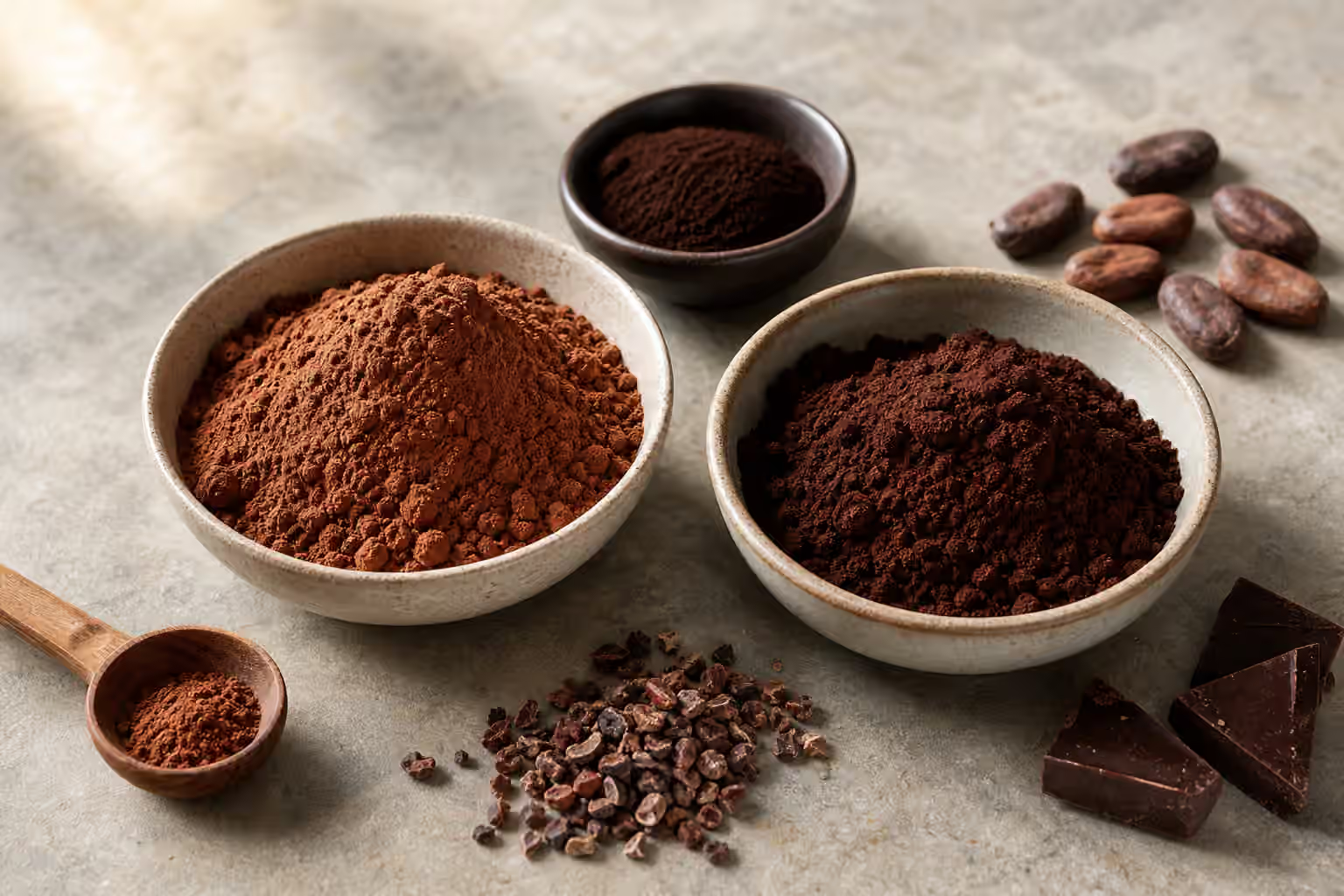
Natural cocoa powder has not been alkalized. It usually has a lighter reddish-brown color, a sharper aroma, and a flavor that can read as fruity, tangy, roasted, or slightly astringent. The exact character still depends on the cacao, roast, fat content, and freshness, but natural cocoa tends to feel more direct than Dutch-process cocoa. It keeps more of the acidity that was present before processing.
That acidity matters in recipes. Baking soda needs acid to react fully, so older-style chocolate cakes often pair natural cocoa with baking soda. The reaction helps the batter rise and softens some of the sharpness. If you replace natural cocoa with Dutch-process cocoa in that kind of cake, the flavor may become smoother, but the chemistry may lose some lift. The cake might still bake, especially if the recipe has buttermilk, brown sugar, yogurt, or another acid, but the substitution is no longer neutral.
Natural cocoa can be beautiful when the dessert wants brightness. It works well in cookies where a little edge keeps sweetness from becoming flat. It can make chocolate cake taste lively rather than heavy. It also pairs well with fruit, tangy dairy, brown sugar, and coffee because its sharper profile has something to push against. If you like tasting chocolate for fruit, roast, and finish, the same habits from Chocolate Tasting apply here. Smell the powder before you bake with it. Fresh natural cocoa should smell like chocolate with some lift, not like cardboard.
Dutch-Process Cocoa Is Darker and Rounder
Dutch-process cocoa has been treated with an alkaline solution. This process reduces acidity, darkens the color, and changes the flavor. The powder often tastes smoother, rounder, and less sharp than natural cocoa. It can lean toward dark cake, warm brownie edges, chocolate sandwich cookie, or mellow hot cocoa. The process is old enough to belong in chocolate history, and the Chocolate That Crossed an Ocean guide places it alongside the press that separated cocoa butter from cocoa solids.
Because Dutch-process cocoa is less acidic, it behaves differently with leavening. Recipes built around baking powder often use Dutch-process cocoa because baking powder brings its own acid-base system. The cocoa can focus on color and flavor rather than helping baking soda react. This is why many dark layer cakes, frostings, puddings, and modern cocoa brownies call specifically for Dutch-process powder. The recipe wants depth and smoothness, not a bright acidic bite.
Dutch-process cocoa also tends to mix more easily into drinks and frostings because the mellow flavor feels less raw when it is not baked hard. It can make hot cocoa taste plush, especially when the powder is first whisked into a paste with a little hot liquid before the rest of the milk is added. It will not have the cocoa-butter body of true drinking chocolate, which the Drinking Chocolate guide explains, but a good Dutch-process powder can still make a satisfying cup when handled with enough heat, salt, and patience.
Black Cocoa Is an Accent, Not a Whole Personality
Black cocoa is a heavily alkalized cocoa powder. It is very dark, often nearly charcoal in color, and its flavor is smooth, low-acid, and more about roasted darkness than aromatic complexity. It is useful when you want the familiar flavor of very dark chocolate cookies or a dramatic color in a crumb, but it can taste flat if it carries the whole dessert by itself.
The practical move is restraint. Black cocoa often works best when blended with natural or regular Dutch-process cocoa. The darker powder brings color and a specific roasted note, while the less processed powder brings more chocolate aroma. Used alone in large amounts, black cocoa can make a cake look impressive but taste oddly quiet. The color promises intensity, yet the palate may find less fruit, less bitterness, and less finish than expected.
That distinction is useful because color can mislead. Darker cocoa is not automatically more chocolatey. Alkalization can make powder darker while reducing acidity and changing aromatic detail. A pale natural cocoa may taste more vivid than a nearly black cocoa. A reddish Dutch-process powder may sit in the middle, giving both color and a round chocolate signal. When you choose by color alone, you may get the look you wanted and miss the flavor.
Substitution Depends on the Recipe’s Structure
The safest substitution question is not “Which cocoa is better?” It is “What is this recipe asking the cocoa to do?” If the cocoa is there mainly for flavor in a dense brownie, pudding, frosting, or sauce, natural and Dutch-process may both work, though the taste and color will change. If the cocoa is part of a delicate cake’s leavening system, the swap is riskier.
A recipe that calls for natural cocoa and baking soda is often using cocoa acidity as part of the rise. Replace it with Dutch-process cocoa and the batter may not react the same way. A recipe that calls for Dutch-process cocoa and baking powder is not expecting much acidity from the cocoa. Replace it with natural cocoa and the dessert may taste sharper, rise differently, or change color. None of this means every substitution fails. It means the result belongs to recipe development, not assumption.
Color can also shift more than people expect. Natural cocoa may bake into a lighter reddish-brown crumb. Dutch-process cocoa can produce a deeper brown. Black cocoa can make cookies almost black. If appearance matters for a layer cake, sandwich cookie, or glaze, the cocoa choice is part of the design. If appearance does not matter, flavor and structure should lead.
The liquid in the recipe matters too. Cocoa powder needs enough moisture and fat to feel smooth. In a lean cake, too much cocoa can dry the crumb unless the formula compensates. In a rich brownie, cocoa can become glossy and intense because butter, sugar, and eggs give the powder somewhere to go. When a recipe blooms cocoa in hot liquid, follow that step. It is usually there because the author knows dry powder needs help becoming chocolate flavor.
Freshness Shows Up More Than Prestige
Cocoa powder keeps longer than many fresh foods, but it is not immortal. Its aroma fades, and because it is dry and fine, it can pick up pantry odors easily. A canister stored near spices, onions, coffee, or cleaning products may smell less like cacao and more like the shelf around it. Heat and loose lids make the problem worse.
The first test is smell. Open the container and notice whether the aroma rises clearly. Fresh cocoa should smell chocolatey, roasted, fruity, nutty, or at least pleasantly bitter. Stale cocoa smells flat, dusty, papery, or faintly rancid. It may still color a batter, but it will not carry flavor with confidence. This is one reason a simple recipe can disappoint even when the method was correct.
Storage is boring but important. Keep cocoa powder tightly closed, dry, cool, and away from strong smells. Do not store it above the oven or next to a bag of spices. If your kitchen is humid, close the container quickly after measuring so the powder does not clump. The broader habits in Storage and Serving apply here as well: chocolate ingredients remember the room they lived in.
Choosing a Cocoa Powder You Will Actually Use
The best pantry is not a museum of rare tins. It is a small set of powders whose behavior you understand. If you bake often, one good natural cocoa and one good Dutch-process cocoa can cover most situations. The natural cocoa gives brightness and works with recipes that rely on baking soda. The Dutch-process cocoa gives color, roundness, and a smoother profile for cakes, frostings, brownies, and drinks. Black cocoa is useful if you make dark cookies or want a dramatic crumb, but it earns its place as a supporting ingredient.
For everyday buying, read the label for processing language. “Natural” usually means non-alkalized. “Dutch-process,” “alkalized,” or “processed with alkali” means the acidity has been adjusted. Fat content may or may not be obvious, but higher-fat cocoa often tastes richer and feels rounder in drinks and frostings. Lower-fat cocoa can still bake well, especially in formulas that add enough butter or oil elsewhere.
Then match powder to use. For a tangy chocolate cake with buttermilk, natural cocoa may keep the flavor alive. For a dark birthday cake with smooth frosting, Dutch-process may give the color and mellow depth people expect. For cocoa brownies, either can work if the recipe is built for it, but Dutch-process will usually taste darker and smoother while natural cocoa may taste sharper and more assertive. For hot cocoa, Dutch-process often feels easier because it is less acidic, but even then the method matters: make a paste first, add enough heat, and use a pinch of salt so the cup does not taste hollow.
The point is not to memorize a rule and stop thinking. Cocoa powder is a concentrated chocolate ingredient with its fat mostly removed and its chemistry sometimes changed. Once you know that, the pantry becomes clearer. Natural cocoa brings acidity and vividness. Dutch-process cocoa brings darkness and roundness. Black cocoa brings color and a specific roasted shadow. Choose the one whose behavior matches the dessert in front of you, and the recipe will taste more intentional before you change anything else.