Cocoa butter is the quiet engineer of chocolate. Cocoa solids carry much of the flavor people think of as chocolate, but cocoa butter decides how that flavor moves. It controls melt, gloss, snap, flow, shell thickness, and the difference between a coating that lies thinly on a truffle and one that clings like mud. It is also the reason tempering exists at all.
Because cocoa butter tastes mild compared with cocoa solids, it can be mistaken for a luxury detail rather than a functional ingredient. In practice, it is one of the main tools chocolate makers and pastry cooks use to adjust texture. A small amount can loosen thick chocolate. Too much can mute flavor. Poor handling can create streaks and bloom. Good handling can make chocolate look and feel more polished without changing its basic identity.
If you have already read Chocolate Viscosity and Flow and Tempering Chocolate at Home , cocoa butter is the ingredient that connects those two subjects. Flow and crystal structure are different problems, but cocoa butter sits inside both.
What Cocoa Butter Does
Cocoa butter is the fat naturally present in cacao beans. When beans are ground into chocolate liquor, that fat remains with the cocoa solids. Makers may also add extra cocoa butter to improve texture, fluidity, and eating quality. The label may list cocoa butter separately, or it may be included inside a broader cacao percentage depending on how the bar is labeled.
In finished chocolate, cocoa butter creates the melt. It stays firm at ordinary room temperature, then softens near body temperature, which is why good chocolate can snap cleanly and then dissolve smoothly on the tongue. That behavior is not accidental. It depends on the type of fat and on how the fat crystals are organized.
The same fat also carries aroma. A bar with a graceful melt often releases flavor more evenly because the cocoa butter lets particles disperse across the mouth. A bar with too little available fat, rough refining, or poor temper can taste dull even when the cacao itself is interesting. Texture is not separate from flavor; it is one of flavor’s delivery systems.
Added Cocoa Butter Is Not Cheating
Some people see added cocoa butter on a label and assume the maker is diluting the chocolate. That can happen if cocoa butter is used carelessly, but the ingredient itself is not a shortcut. It is part of cacao. Added cocoa butter can help a bar melt more cleanly, reduce harshness, improve molding, and make the chocolate easier to work with.
The tradeoff is intensity. Cocoa butter adds fat without adding the dry cocoa particles that carry bitterness, acidity, tannin, and much of the deep cocoa flavor. Two 70 percent bars can therefore taste different if one contains more added cocoa butter. The creamier bar may feel softer and less forceful. The denser bar may taste louder but melt more slowly. Neither is automatically better.
For eating chocolate, the question is balance. Does the cocoa butter make the bar elegant, or does it make the flavor seem quiet? For confection work, the question is performance. Does the chocolate flow well enough for dipping, molding, or enrobing? A chocolate that tastes intense as a square may be frustrating if it forms thick shells or traps bubbles in molds.
Cocoa Butter and Temper
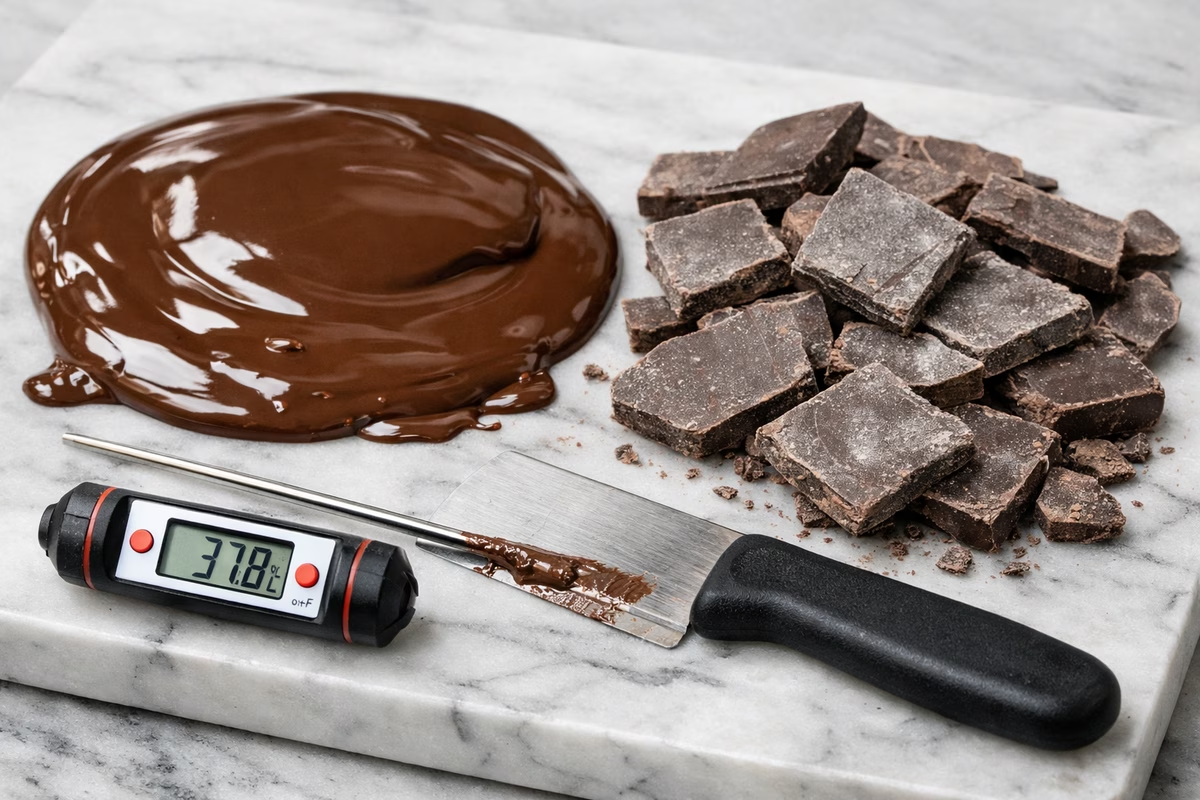
Tempering is the process of organizing cocoa butter crystals into a stable form. When temper works, chocolate sets glossy, snaps cleanly, releases from molds, and resists fat bloom. When temper fails, the same chocolate can set dull, streaky, soft, or pale. The cocoa solids did not change. The fat structure did.
This is why temperature control matters. Cocoa butter can crystallize in several forms, and not all of them are stable. Good temper encourages the crystal form that gives chocolate its desirable texture. Overheating can erase stable seed crystals. Cooling without control can invite unstable crystals. Rewarming too far can undo the structure you just built.
If you add cocoa butter to chocolate, it becomes part of this crystal system. Melt it gently and mix it thoroughly. Adding unmelted chunks late in the process can cool the bowl unevenly. Adding warm cocoa butter carelessly can push tempered chocolate above its working range. Small amounts are easier to manage than dramatic corrections.
Using Cocoa Butter to Adjust Flow
Home chocolate work often runs into thick chocolate. Maybe the bar was not formulated for coating. Maybe the room is cool. Maybe the chocolate has too many crystals after seeding. Maybe it is full of cocoa solids and not much added fat. A small amount of melted cocoa butter can improve flow without adding water, cream, butter, or oil.
The key is restraint. Add a little, stir fully, and observe. The goal is not to turn chocolate into sauce. It is to move it from clumsy to workable. If you add too much, dipped items may develop thin shells, flavor may seem muted, and the set can feel more delicate. Cocoa butter helps most when it corrects a specific flow problem rather than replacing proper chocolate choice.
For molded bars and shells, better flow helps bubbles rise and corners fill. For dipping, it helps excess chocolate fall away cleanly. For drizzling, it makes lines smoother. But if the chocolate is out of temper, cocoa butter will not fix the underlying problem. It can make the mixture more fluid while still setting badly. Flow and temper must both be right.
Cocoa Butter in Ganache and Fillings
Ganache is usually discussed as chocolate plus cream, but cocoa butter still matters. A dark chocolate with more cocoa butter can make a ganache feel silkier and less dense. A leaner chocolate can make the same ratio feel firmer, stronger, or slightly pasty. Milk chocolate and white chocolate bring more sugar and dairy, so their cocoa butter sits inside a different balance.
When a ganache breaks, the problem is emulsion rather than temper. Still, the fat phase includes cocoa butter, milk fat if present, and cream fat. The way those fats disperse affects shine, texture, and mouthfeel. Chocolate Ganache: Emulsion, Ratios, and Texture goes deeper on that structure, but the practical point is simple: chocolate choice changes ganache even before you change the cream.
Cocoa butter can also firm fillings without adding water. Some confectioners use it in nut pastes, gianduja, and firm centers because it sets cleanly and fits chocolate’s flavor. At home, it is most useful when you need a filling to slice, coat, or hold shape without becoming greasy. It should be melted gently and blended evenly so the texture does not become streaky.
White Chocolate Is a Cocoa Butter Lesson
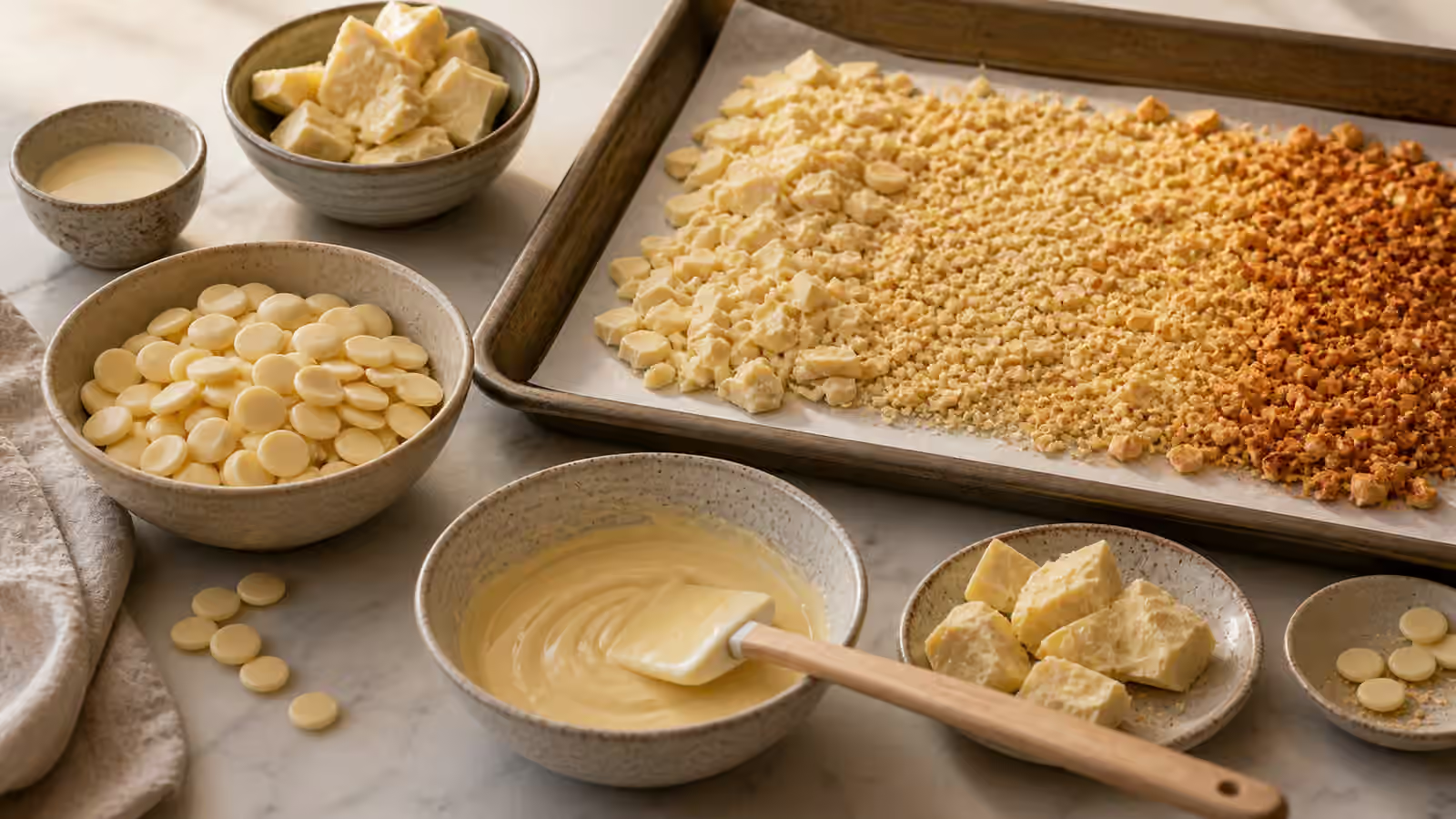
White chocolate shows cocoa butter without cocoa solids. It depends on cocoa butter, sugar, milk, and usually vanilla for its character. When white chocolate is good, the fat feels clean and creamy, the dairy has warmth, and the sweetness is balanced. When it is poor, it tastes mostly like sugar and vague fat.
This makes white chocolate useful for learning. It reveals the texture side of cacao without the bitterness and roast of cocoa solids. It also shows why storage matters. Cocoa butter absorbs odors readily, so white chocolate stored near spices, onions, or stale pantry smells can taste off quickly. White Chocolate: Cocoa Butter, Dairy, Sugar, and Texture is the companion piece for that side of the ingredient.
Colored cocoa butter for decoration belongs to a more specialized branch of chocolate work, but the same principles apply. It needs proper melting, temper awareness, clean molds, and respect for fat bloom. Decoration cannot rescue poorly handled chocolate. It only looks good when the underlying surface is stable.
Store It Like It Matters
Plain cocoa butter should be kept sealed, cool, dry, and away from strong odors. It is fat, and fat remembers its neighbors. If it smells stale, waxy, soapy, or like the cabinet, it will not improve your chocolate. Fresh cocoa butter should smell mild, cocoa-like, and clean.
Finished chocolate with high cocoa butter content needs the same care. Heat swings encourage bloom. Humidity can create surface problems. Refrigeration can introduce condensation unless the chocolate is sealed and warmed back to room temperature while still wrapped. The storage rules are ordinary, but they matter because cocoa butter records bad handling on the surface.
Cocoa butter is not the glamorous part of chocolate, but it is the part that makes chocolate behave like chocolate. Learn its habits and many small mysteries become practical: why one bar melts silkily, why another coats too thickly, why tempering is fussy, why white chocolate can be delicate, and why a little added fat can make a difficult bowl suddenly workable.