Texture is the first part of chocolate you notice before flavor has had time to explain itself. The bar breaks cleanly or bends with a dull softness. It melts quickly or sits waxy on the tongue. It feels smooth, sandy, dry, creamy, chalky, or thick. Those sensations are not decoration around the flavor. They are part of the flavor, because aroma reaches you differently when cocoa butter melts well, sugar particles disappear, and the chocolate releases itself slowly enough for you to pay attention.
Most guides teach chocolate through origin, percentage, and tasting notes. Those are useful, and the Chocolate Tasting guide gives you a strong way to practice them. Texture deserves the same attention because it tells you how the bar was made, how it was stored, and whether you are tasting it under conditions that let it behave as intended. A beautiful origin can feel flat if the bar is cold. A modest blend can feel polished if the maker refined it carefully and tempered it well.
Snap Is a Clue, Not a Trophy
Snap is the sound and feel of a bar breaking. In well-tempered dark chocolate, the break is clean and decisive, with a short crack rather than a bend. That sound comes from cocoa butter crystals arranged in a stable structure. The same crystal structure also helps the surface look glossy and lets the bar release from a mold cleanly.
Snap is useful, but it should not become a contest. A thick bar will sound different from a thin one. Milk chocolate and white chocolate often break more softly because milk fat and sugar change the structure. A bar with nuts, puffed grain, salt, or dried fruit may break around inclusions instead of through a clean plane. Even room temperature matters. Chocolate held in a warm kitchen may flex before it snaps, while a cold bar may crack dramatically but taste muted.
When you test snap, listen for confidence rather than volume. A clean break suggests stable temper and good handling. A bend, crumble, or dusty fracture asks for more context. It may point to poor temper, bloom, heat exposure, or a formula that was never meant to behave like a plain dark tasting bar. If you want the technical side, Tempering Chocolate at Home explains why cocoa butter crystals decide so much of the finished texture.
Melt Is Where Texture Becomes Flavor
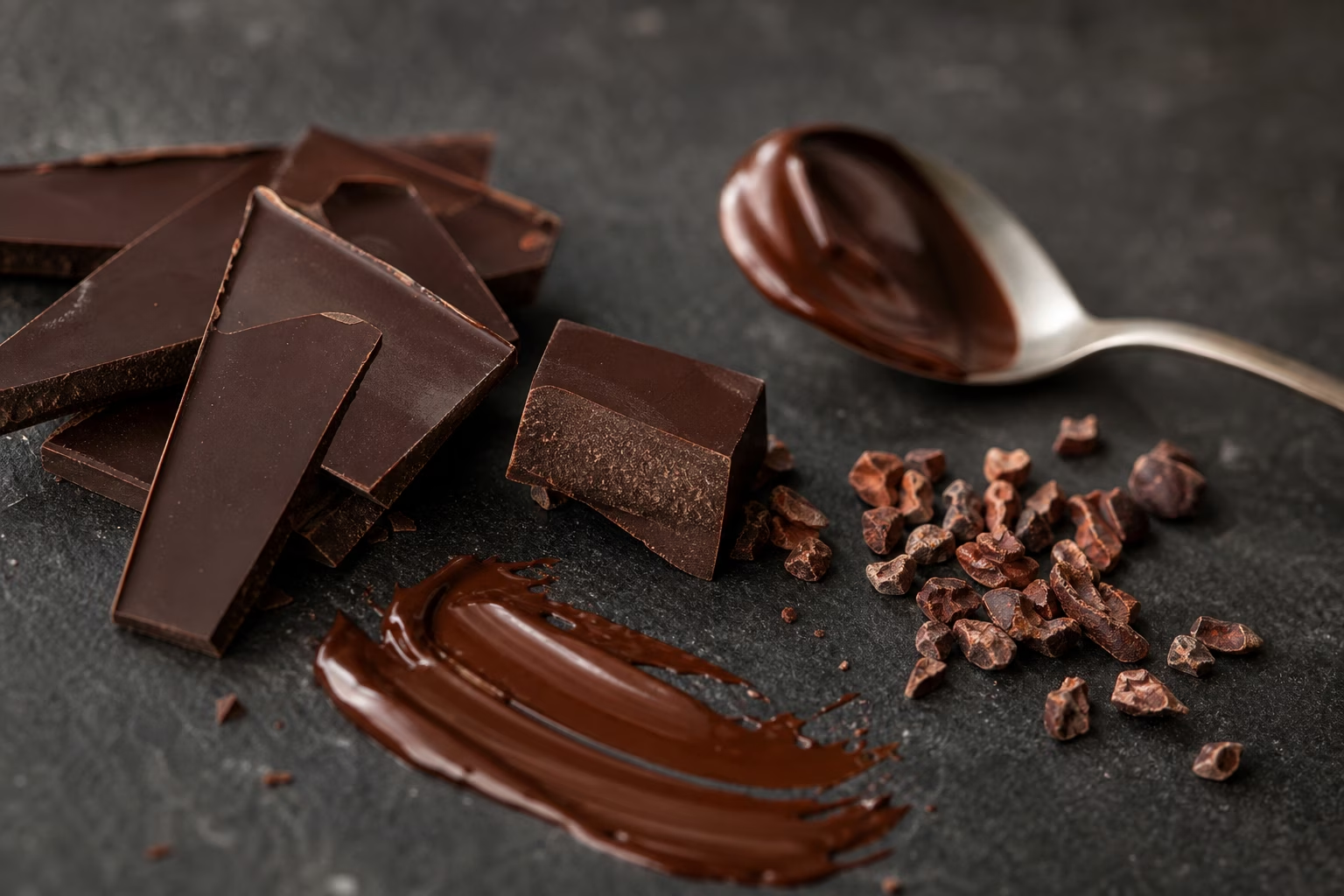
The real test begins after the snap. Put a small piece of chocolate on your tongue and let it sit for a few seconds before chewing. At first you may feel the surface soften. Then the edges round off. Then aroma begins to rise: cocoa, fruit, nuts, caramel, flowers, malt, toast, spice, or earth. A good melt does not simply disappear. It opens.
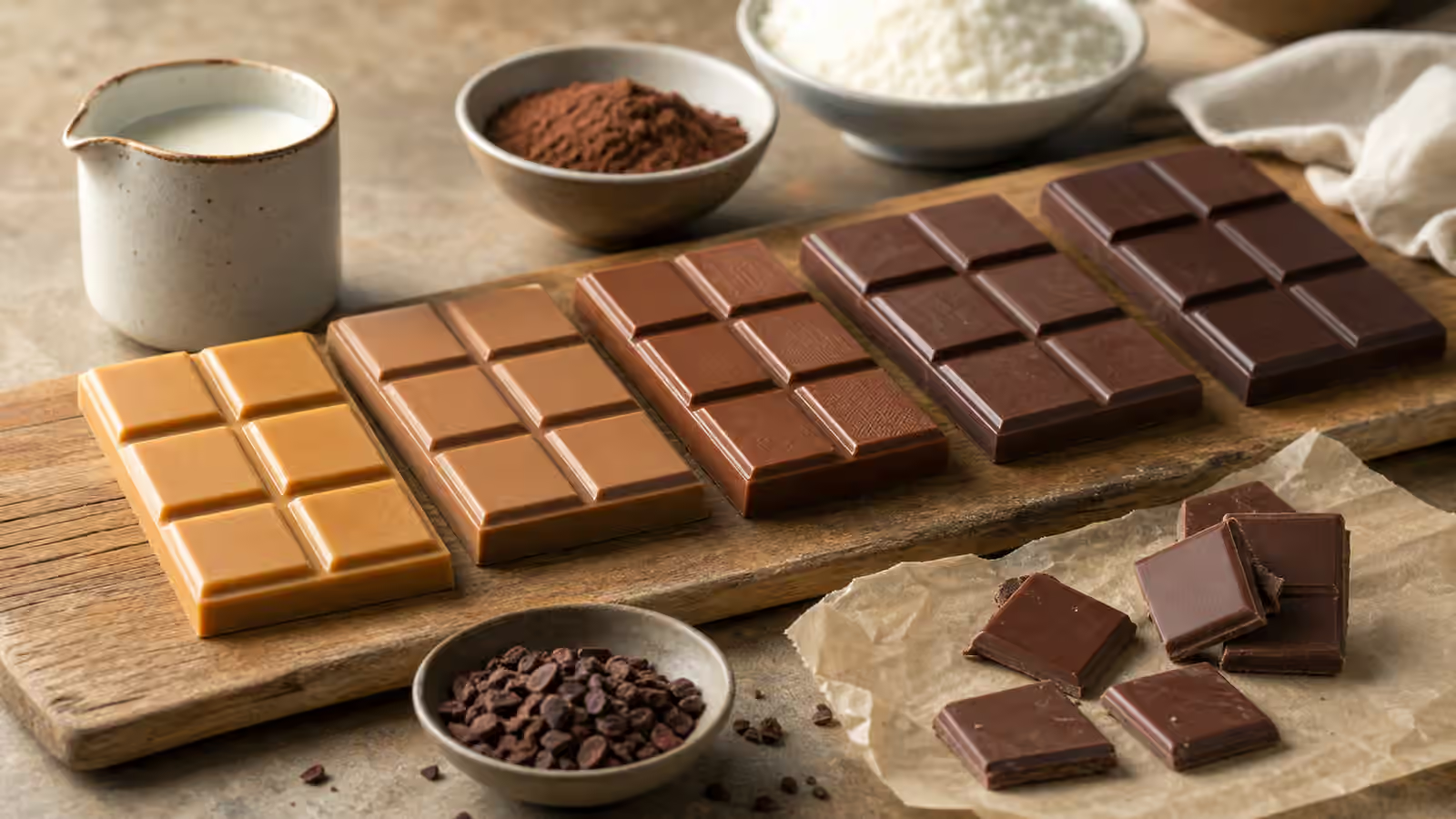
Cocoa butter melts just below body temperature, which is why chocolate can feel solid in the hand and fluid in the mouth. The amount and behavior of that fat shape the entire experience. More cocoa butter can make a bar feel silkier and less forceful. Less added cocoa butter can make the same percentage feel denser, darker, or slower to melt. The Understanding Chocolate Percentages guide covers this hidden part of the label: two 70 percent bars can feel very different because the percentage counts cacao ingredients, not the exact balance of cocoa solids and cocoa butter.
Melt also changes how sweetness lands. A fast-melting bar can feel sweeter because sugar reaches the palate quickly. A slow, dense bar can make bitterness and tannin seem more prominent before sweetness catches up. Neither is automatically better. A bright fruity origin may benefit from a smooth, open melt that lets acidity lift. A deep roasted bar may work well with a slower melt that stretches cocoa and nut notes across the finish.
Smoothness Comes From Particle Size
When chocolate feels smooth, it is partly because the cocoa and sugar particles have been refined below the point where your tongue reads them as separate grains. This is physical work. Cacao nibs begin as rough fragments. Sugar begins as crystals. Grinding and refining reduce those particles until they suspend evenly in cocoa butter.
If the particles remain too large, the bar feels gritty or sandy. That texture is easy to notice in a slow melt because the fat disappears first and leaves roughness behind. Some small-batch bars have a slightly rustic texture on purpose, especially when a maker wants a less industrial feel. But grit should still feel intentional and pleasant. Harsh sandiness, especially when it catches at the back of the throat, usually means refinement stopped before the chocolate became coherent.
Conching can change the impression of smoothness even when particle size is already small. During conching, the chocolate is mixed and aerated over time. Sharp volatile aromas soften, sugar feels more integrated, and the mass becomes more fluid. The Bean-to-Bar Basics guide walks through refining and conching from the maker’s side. As a taster, you do not need to measure microns. You only need to ask whether the texture helps the flavor stay clear.
Gloss, Bloom, and the Surface Story
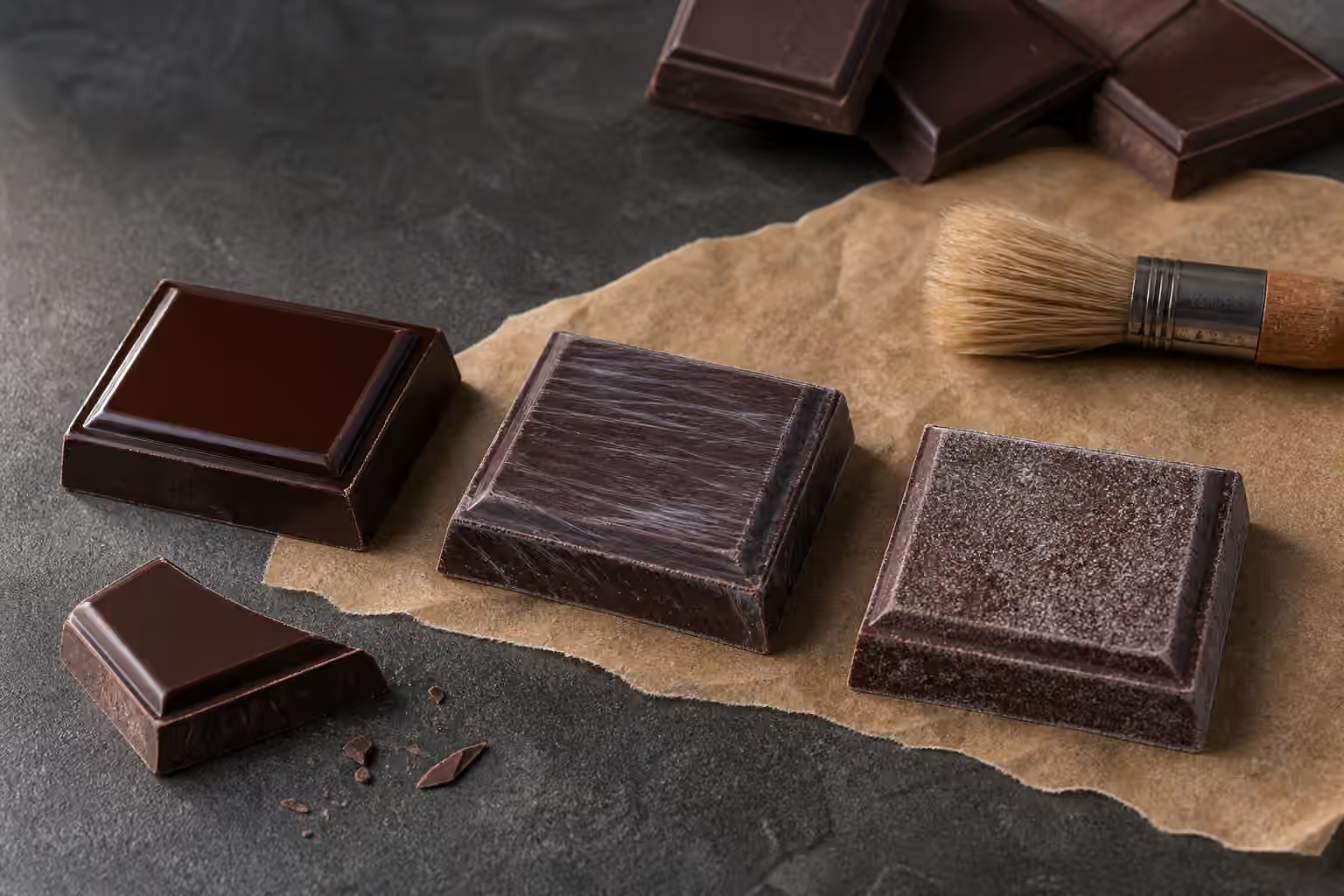
Before you break a bar, look at the surface. Glossy chocolate suggests good temper and careful cooling. A matte surface is not always a flaw, especially on rustic molds or hand-finished bars, but streaks, gray haze, or dusty patches deserve attention. They may be bloom.
Fat bloom happens when cocoa butter crystals migrate or reorganize, often after warm storage or imperfect temper. Sugar bloom happens when moisture dissolves surface sugar and leaves it behind as a rough pale coating after drying. Both can make chocolate look tired. They are different from mold, and plain bloomed chocolate is often still usable in baking or melting, but bloom changes the eating experience. Fat bloom can make the surface feel soft, greasy, or crumbly. Sugar bloom can feel dry and grainy.
Storage is often the quiet cause. Chocolate kept near an oven, in a sunny bag, or in a refrigerator without protection can shift from glossy to dull without any change in the cacao itself. If a bar tastes less aromatic than expected, let it warm gently to a stable cool room temperature before judging. If you see bloom often at home, the Chocolate Storage and Serving guide will help more than buying better bars will. Good chocolate still needs a calm environment.
Chew Only After the Melt Has Spoken
Many people chew chocolate immediately because that is how most candy is eaten. Chewing is not wrong, but it gives you a different reading. It emphasizes sweetness, inclusions, and fracture. It can make a smooth bar feel ordinary because you skipped the slow release that makes chocolate distinctive.
Try giving the bar a two-stage tasting. Let the first piece melt without chewing. Notice when the surface gives way, whether the center stays firm, and how long aroma keeps arriving. Then chew a second piece. The chew will reveal structure: brittle, fudgy, creamy, waxy, chalky, pasty, or crisp. It may show whether inclusions are balanced with the base chocolate or simply scattered through it. It may also tell you whether a bar that seemed severe during the melt has a pleasant finish once the particles and sugar move together.
This is especially useful with high-percentage chocolate. A very dark bar can feel stern if chewed quickly because bitterness and dry cocoa solids hit at once. Letting it melt gives the fat time to carry aroma and lets sweetness appear in sequence. With milk chocolate, the opposite can happen. A slow melt may emphasize cream and malt, while chewing brings caramelized sugar and dairy notes forward.
Why Some Chocolate Feels Waxy
Waxy texture can come from several places, and not all of them mean the same thing. Sometimes the chocolate is simply too cold. Cocoa butter needs warmth to melt fully, so a refrigerated bar can feel stubborn and bland until it comes back to a better serving temperature. Sometimes the formula contains a high amount of fat, which gives flow and polish but can make flavor seem padded. Sometimes the bar uses fats other than cocoa butter, especially in compound coatings, and the melt will not behave like true chocolate.
Waxy can also describe a mismatch between expectation and use. Chocolate chips are often designed to hold shape in cookies, so they may feel thicker and less graceful when melted or tasted alone. Couverture, by contrast, is designed for flow, coating, and molding. It can feel luxurious in ganache but may seem too fluid as a cookie chunk. Choosing Chocolate for Baking explains those practical differences in the kitchen.
As a taster, ask what the chocolate is trying to be. A plain single-origin bar should usually melt cleanly enough for flavor to unfold. A baking chip does not owe you the same experience. A truffle shell needs snap and then quick melt. A drinking chocolate needs body more than snap. Texture belongs to purpose.
Temperature Changes Everything
Chocolate served too cold hides aroma and exaggerates hardness. Chocolate served too warm loses snap, smears easily, and may feel heavy before it tastes interesting. The best range is not a single number, because rooms, formulas, and preferences differ, but the practical target is a cool, stable room where the bar feels firm in the hand and begins to melt after a short rest on the tongue.
If a bar seems dull, do not rush to blame the maker. Set a small piece on a plate for a few minutes away from heat and sunlight. Taste it again once the surface no longer feels chilly. You may find fruit notes that were missing, a smoother melt, or a finish that lasts longer. If the bar becomes floppy, oily, or sticky, it is too warm. Let it firm up in a cooler spot, sealed away from condensation and odors.
This small adjustment is one of the easiest ways to taste better. It costs nothing, and it respects the material. Chocolate is not just flavor locked in a solid block. It is a fat crystal system carrying aroma, sugar, and fine particles. Temperature decides when that system opens.
Reading Texture Alongside Flavor
The most useful question is not whether a texture is perfect. It is whether texture and flavor agree. A bright, acidic bar with a clean melt can feel lively and precise. The same flavor with sandy texture may feel sharp and unfinished. A deep roasted bar with a dense melt can feel comforting and long. The same density in a delicate floral bar may muffle everything that makes it special.
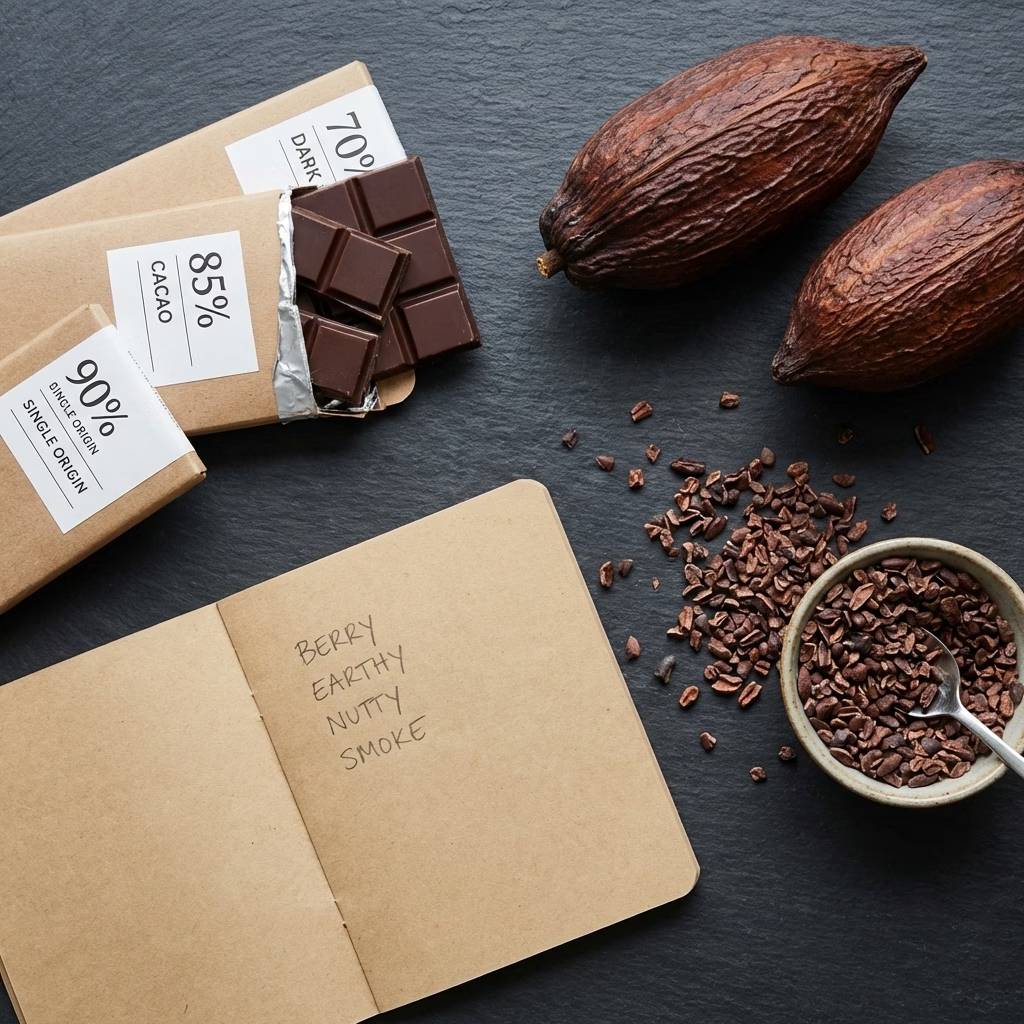
When you take notes, add one sentence about texture before you write flavor words. Say how it broke, how quickly it melted, whether it felt smooth, and what remained after swallowing. Then add the flavor. Over time, patterns appear. You may learn that you enjoy slower-melting dark bars, creamy high-cacao milk chocolate, or bars with a little added cocoa butter because they release aroma generously. You may also learn that some bars other people admire feel too dry or too waxy for your palate.
That is not failure. It is the point of careful tasting. Texture turns preference into something you can name. Once you can name it, you can buy more wisely, store more carefully, bake with better judgment, and understand why one square of chocolate feels alive while another tastes correct but never quite settles into pleasure.