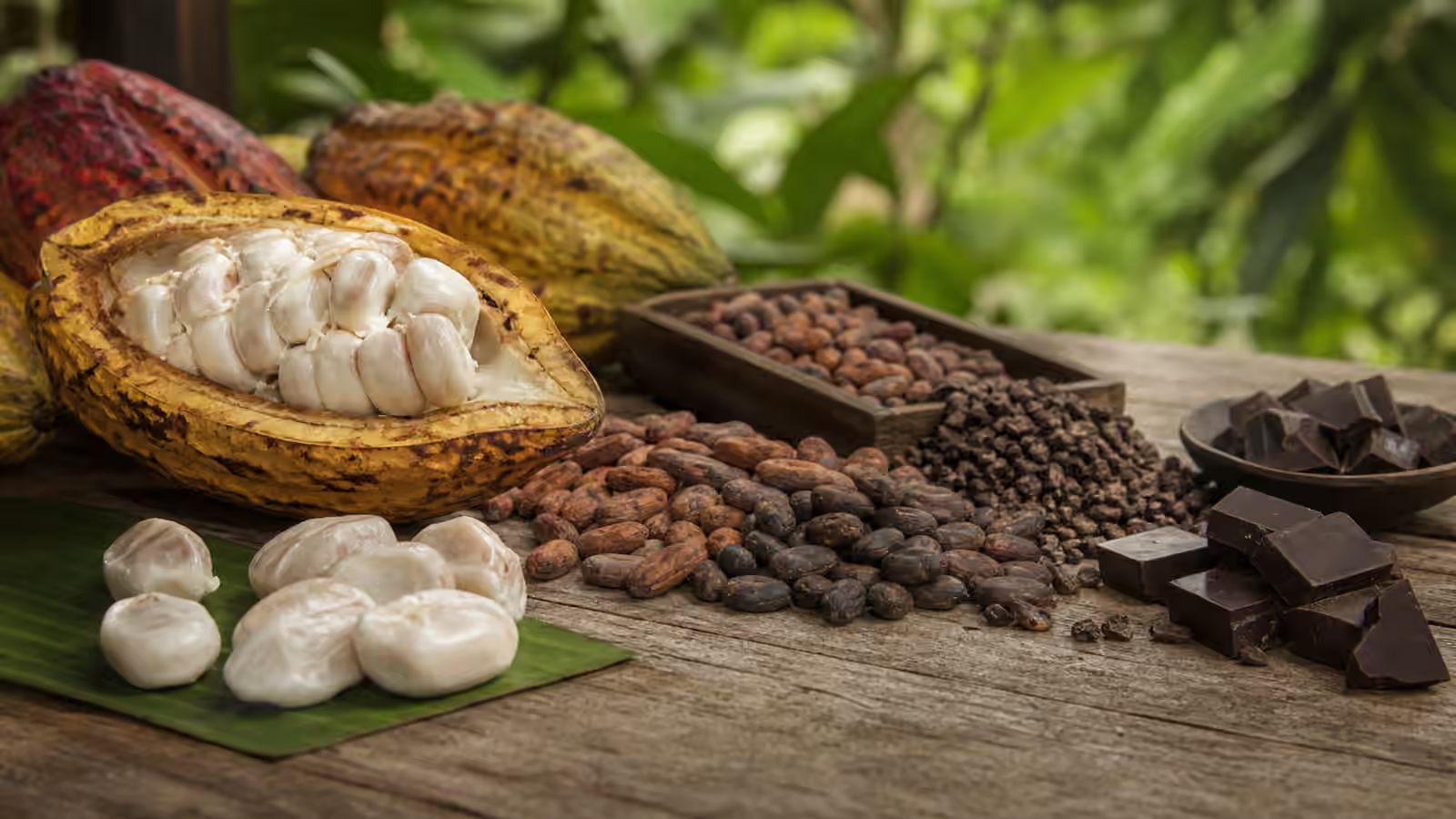
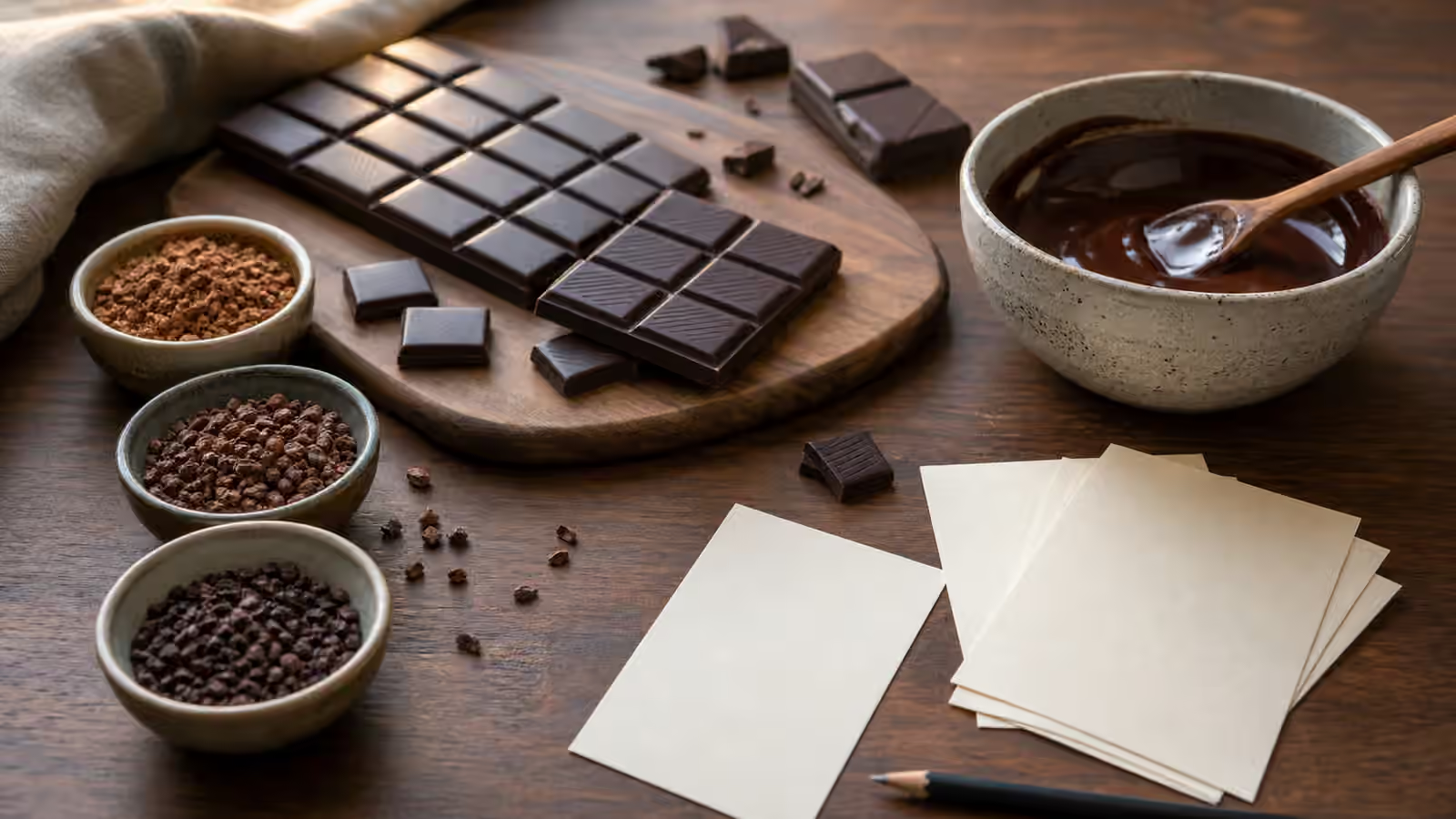
A chocolate tasting flight is not a contest. It is a way to make differences easier to notice. One bar eaten alone can be pleasant and still leave you with vague impressions. Three bars tasted side by side begin to explain one another. Sweetness has a reference point. Texture becomes easier to name. A fruity finish no longer feels like a private guess because the bar beside it ends with roast, nuts, or dry cocoa instead.
The most useful flights are small. A crowded table of twelve bars looks generous, but it tires the mouth and blurs memory. Chocolate is dense, aromatic, and fatty. After too many samples, the palate starts flattening everything into bitter, sweet, creamy, or too much. A careful flight gives you room to taste the first piece clearly and still understand the last.
If you are new to tasting, start with Chocolate Quickstart and Chocolate Tasting . This guide is about arranging comparison. The tasting method can stay simple. The design of the flight is what does the teaching.
Choose One Question
The strongest tasting flight begins with one question. If the question is percentage, choose bars that differ mainly in cacao percentage. If the question is origin, keep the percentage similar and change the place. If the question is maker style, choose different makers working near the same range. If the question is milk, compare milk chocolate styles rather than mixing every category on the table.
One clear question prevents the common problem of tasting everything at once. A 55 percent milk chocolate from one maker, a 70 percent Madagascar dark bar from another, and an 85 percent supermarket dark bar from a third may all be interesting, but they change too many variables. If you like one more than the others, you will not know whether percentage, milk, origin, roast, sugar, or texture did the work.
The question does not have to be academic. It can be as ordinary as asking why one bar tastes brighter than another, why some dark chocolate feels dry, or why a milk chocolate can taste more cocoa-forward than expected. A good flight gives that question a structure.
Keep the Pieces Plain
Inclusion bars are fun, but plain bars teach faster. Nuts, salt, fruit, caramel, spices, wafers, and nibs all add noise. They can be delicious noise, but they make it harder to isolate cacao, sugar, roast, milk, and texture. Save inclusion bars for a later flight once you know what the base chocolate is doing.
Plain does not mean boring. A row of plain bars can taste like citrus, raisin, malt, caramel, toasted almond, cream, coffee, flowers, tobacco, or fresh bread. Those notes come from cacao, fermentation, roast, conching, dairy, sugar, and storage. When you remove the obvious toppings, the quiet differences become easier to hear.
The same principle applies to serving. Avoid scented candles, strong coffee on the table, perfume, and bowls of snacks with loud seasoning. Water is enough. Plain crackers or bread can help reset the palate, but they should not become a second tasting event.
Design a Percentage Flight
A percentage flight is the easiest way to feel how sweetness and cacao intensity move. Choose three plain bars from the same maker if you can, such as a milk chocolate, a moderate dark chocolate, and a higher-percentage dark chocolate. If the same maker is not available, choose bars with simple ingredient lists and similar style.
Taste from lower intensity to higher intensity. Starting with the darkest bar can make the lower-percentage pieces seem flat afterward. Let each piece melt before chewing. Notice when sweetness arrives, when bitterness appears, and how the finish changes. The moderate bar often teaches the most because it sits between comfort and intensity.
Read Understanding Chocolate Percentages after you taste, not before. The article will make more sense once your mouth has already felt the difference between sweetness, cocoa mass, cocoa butter, and milk. Labels become more useful when they attach to a sensory memory.
Design an Origin Flight
An origin flight asks a different question. Here, keep percentage and style as close as possible, then change the cacao source. This is where single-origin chocolate becomes practical rather than romantic. A bar that names Madagascar, Ecuador, Peru, Tanzania, Vietnam, or another origin is making a claim that place and post-harvest handling matter. A flight lets you test that claim with your own senses.
Do not expect origin to behave like a guarantee. Not every bar from a place tastes the same, and maker style can be louder than geography. Still, origin flights are often the fastest route to noticing fruit, acidity, floral aroma, deep cocoa, nuts, spice, and earthy notes. If one bar tastes like red fruit and another tastes like roasted nuts at a similar percentage, you have learned something concrete.
Use Cacao Origins as a background map, but let the bars lead. The most useful note is not that a country is supposed to taste a certain way. The useful note is that this particular bar, from this maker and this harvest, showed you a pattern.
Design a Texture Flight
Texture flights are underrated because people talk more easily about flavor. Choose bars that look similar but feel different in the mouth. One may snap sharply and melt cleanly. Another may feel creamy and thick. A third may seem slightly gritty, waxy, or slow to release aroma. Those differences often point toward cocoa butter content, refining, conching, temper, and storage.
Let each piece warm slightly on the tongue before judging. Cold chocolate lies. It can make a smooth bar feel waxy and a balanced bar seem dull. If a piece melts quickly and evenly, notice whether aroma follows. If it feels dry, ask whether the dryness is tannin, low sugar, poor storage, or particle texture. Chocolate Texture: Snap, Melt, and Mouthfeel gives you vocabulary for that part of the flight.
Texture flights are especially useful before baking or confection work. A bar that tastes excellent but melts thickly may not be the best choice for a thin coating. A bar with beautiful snap may show careful temper but still feel too bitter for a ganache. The mouth gives practical information.
Build the Room Around Attention
Chocolate does not need formal staging, but the room matters. Serve pieces at cool room temperature. Break them shortly before tasting so fresh surfaces release aroma. Keep wrappers nearby for reference, but do not stare at the marketing copy before the first taste. Packaging can plant expectations that are hard to ignore.
Give each person enough of each bar for two tastes. The first taste is often surprise. The second is more accurate. If you are tasting alone, this matters even more because you do not have conversation to slow you down. A tiny second piece lets you confirm whether the berry note, dry finish, or creamy melt was really there.
Silence helps at the beginning. Taste the first round before discussing. Once one person says “raisin” or “coffee,” everyone else may start searching for it. That can be fun, but it can also erase quieter observations. Private notes first, conversation second, is the better order.
Write Notes You Will Actually Reuse
Long notes are not necessary. The best tasting records are short enough that you will keep writing them. Name aroma, texture, sweetness, bitterness, and finish in ordinary language. A note like “smells like malt, melts slowly, finishes dry and nutty” is more useful than a dramatic paragraph you will never compare again.
Avoid ranking too early. A bar can be educational without being your favorite. One flight may show that you love creamy milk chocolate. Another may show that you enjoy bright acidity only in small pieces. Another may reveal that you dislike smoky roast even when the bar is well made. Preference is not a failure of taste. It is data.
After the flight, choose one next question. If a fruity origin surprised you, compare two more fruity origins. If a high-percentage bar felt too dry, compare it with a higher-cocoa-butter bar near the same percentage. If milk chocolate tasted more complex than expected, read Milk Chocolate: Cocoa, Dairy, Sugar, and Balance and build a milk-focused flight.
The point is not to become precious about chocolate. The point is to make pleasure more specific. A small flight turns “I like this” into “I like this because it is creamy, bright, clean, and not too sweet.” That sentence makes the next bar easier to choose.