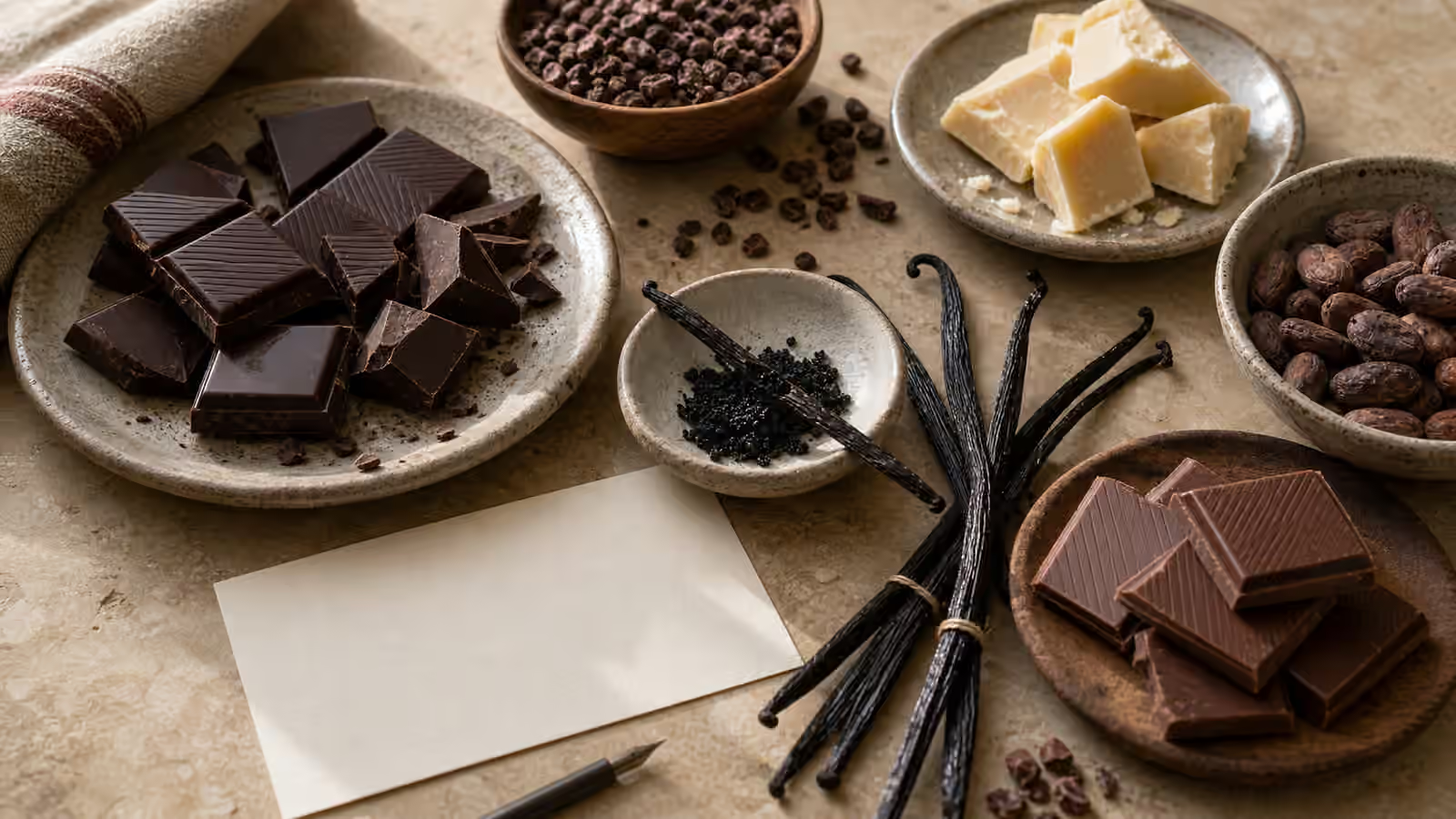
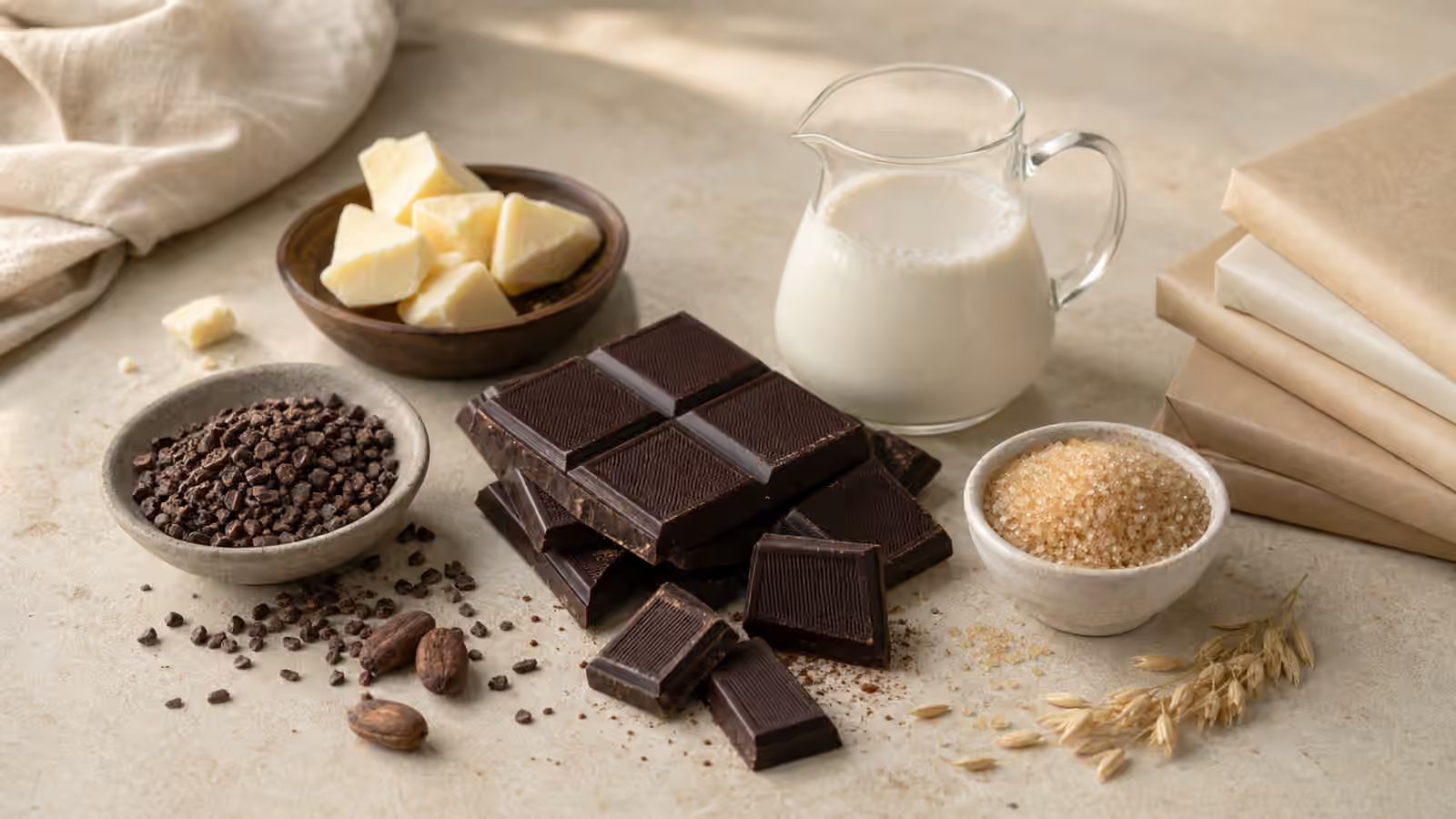
Sugar in chocolate is easy to notice and easy to misunderstand. Too much sweetness can blur cacao. Too little can leave bitterness, acidity, and tannin exposed in a way that feels severe rather than clear. But sugar is not only a sweetener in chocolate. It is part of the structure. It changes texture, aroma release, balance, melt, and the way a bar finishes after you swallow.
This matters because chocolate percentage often turns sugar into a moral argument. A higher percentage sounds more serious because it usually means less sugar. A lower percentage can be dismissed as childish because it usually means more. That shortcut misses the real question. The useful question is whether the sugar level helps the cacao speak.
Read this alongside Understanding Chocolate Percentages and Reading Chocolate Ingredients . Percentage tells you how much of the bar comes from cacao ingredients. The ingredient list tells you what else is involved. Sweetness is how those choices land in your mouth.
Sugar Opens Some Flavors and Covers Others
In a plain dark bar, sugar softens bitterness and gives aromatic notes a stage. Fruit can seem brighter when there is enough sweetness to make the acidity feel juicy instead of sharp. Nutty notes can feel warmer. Floral notes can become easier to notice because the bar is not asking you to fight through dryness first.
At the same time, sugar can cover detail. A very sweet bar may taste immediately pleasant but short. The first impression is round and friendly, then the finish disappears into general candy sweetness. In that case the cacao may not be flawed; it may simply be quiet under the formula.
The balance depends on the cacao. Some beans have lively acidity and need enough sugar to keep that brightness from becoming sour. Some have deep cocoa and low acidity, so too much sugar can make them taste flat. Some carry bitterness or tannin that needs either skillful roasting, longer conching, more cocoa butter, more sugar, or a different percentage target. Sugar is one lever among several.
Less Sugar Does Not Automatically Mean More Flavor
Removing sugar makes cacao louder, but loudness is not the same as clarity. A high-percentage bar can reveal beautiful flavor if the cacao and process are strong. It can also reveal harsh fermentation, aggressive roast, rough texture, or a dry finish that sugar had been hiding. That is not sugar’s fault. It is a reminder that formulation cannot create quality by subtraction alone.
This is why a balanced 68 percent bar can taste more expressive than an 85 percent bar. The lower number may give fruit, roast, and cocoa enough sweetness to feel complete. The higher number may be fascinating in small pieces but tiring after two bites. Neither result is universal. The point is to taste the whole structure rather than treating the label as a ladder.
When you compare bars, notice the timing of sweetness. Some chocolate tastes sweet immediately and then becomes cocoa-dry. Some starts with deep cocoa and lets sweetness appear as the piece melts. Some stays sweet through the finish. The same sugar percentage can feel different depending on particle size, cocoa butter, milk, vanilla, salt, acidity, and serving temperature.
Texture Changes How Sweetness Reads
Sugar crystals are refined into the chocolate along with cacao solids. If particle size is too large, the bar can feel gritty. That grit can make sweetness seem separate from the cocoa, as if the sugar and cacao are taking turns rather than becoming one texture. A smoother bar often feels more integrated even when the actual sugar level is similar.
Cocoa butter also changes sweetness. More cocoa butter can make chocolate melt faster and feel silkier, which may make sugar seem gentler. Less added cocoa butter can make a bar feel denser and more intense. If the bar melts slowly, bitterness may linger before sweetness has fully dissolved across the palate. That can be interesting, but it can also feel stern.
Temperature adds another layer. Cold chocolate tastes less sweet and less aromatic. If you taste a bar straight from the refrigerator, you may blame the formula for dullness that came from serving. The Storage and Serving guide explains why cool room temperature matters. Sweetness is not separate from melt.
Milk Chocolate Has Its Own Sugar Logic
Milk chocolate is not simply dark chocolate with more sugar. Milk powder brings lactose, dairy fat, proteins, cooked-milk aroma, and a softer frame for cacao. A high-cacao milk chocolate can taste serious and layered because milk changes bitterness without erasing cocoa. A lower-cacao milk chocolate can be delicious when dairy, sugar, and vanilla are balanced, but it can also become sticky or short if sugar dominates.
The best milk chocolate often tastes sweet in more than one way. There is sugar sweetness, dairy sweetness, caramel-like warmth, and sometimes malt or toasted notes. That complexity is why milk chocolate deserves its own reading, as explained in Milk Chocolate: Cocoa, Dairy, Sugar, and Balance . A plain percentage cannot tell you whether the sweetness will feel creamy, sharp, cooked, bland, or elegant.
White chocolate stretches the question further because cocoa butter carries texture rather than cocoa solids. Sugar is more exposed. Good white chocolate needs enough dairy character, vanilla if used, and cocoa butter quality to keep sweetness from feeling empty. The bar can be fragrant and satisfying, but the balance is fragile because there is no cocoa bitterness to push back.
Sugar in Baking Behaves Differently
When chocolate goes into a recipe, its sugar becomes part of a larger system. A 70 percent bar melted into brownies contributes cacao, cocoa butter, and sugar. Cocoa powder contributes mostly dry cocoa solids, so the recipe supplies sugar separately. Chips may bring sugar and stabilizing texture but not the same melt as a chopped bar. These differences are why Choosing Chocolate for Baking begins with the job the chocolate has to do.
In baking, a less sweet chocolate does not always create a better dessert. Butter, flour, eggs, fruit, coffee, nuts, salt, and spices can all change how sweetness lands. A very dark bar can make a brownie taste deep and adult, but it can also make the crumb seem dry or bitter if the recipe was built around sweeter chocolate. A milk chocolate can be too sweet in one cookie and perfect in another that uses browned butter, salt, and toasted nuts.
Sauces and ganache have their own balance. Cream softens bitterness and rounds sweetness. A ganache made with very high-percentage chocolate may need a different ratio than one made with milk chocolate because fat, sugar, and cocoa solids change texture. Sugar is not just taste there. It affects how rich the mixture feels and how quickly you want another bite.
Tasting for Balance
The simplest way to understand sugar is to compare three plain bars near the same style. Choose a moderate dark bar, a higher-percentage dark bar, and a high-cacao milk chocolate. Let each piece melt slowly. Notice whether sweetness makes the aroma clearer or shorter. Notice whether bitterness feels clean, dry, harsh, or pleasant. Notice whether the finish invites another bite or shuts the palate down.
Try not to use “too sweet” as the first and only judgment. Ask what the sweetness is doing. Is it lifting fruit? Is it hiding flat cacao? Is it making dairy feel lush? Is it shortening the finish? Is it making texture feel smoother? A precise criticism is more useful than a reflexive one.
The same is true for low sweetness. A bar can be impressively restrained and still not be enjoyable. If less sugar reveals roughness, that roughness belongs in the note. If less sugar reveals flowers, citrus, cocoa depth, or a long clean finish, that belongs in the note too.
Sugar balance is not about choosing a side. It is about proportion. Chocolate needs enough sweetness for its own materials, process, and purpose. Once you taste that way, percentage becomes a clue again instead of a scoreboard.