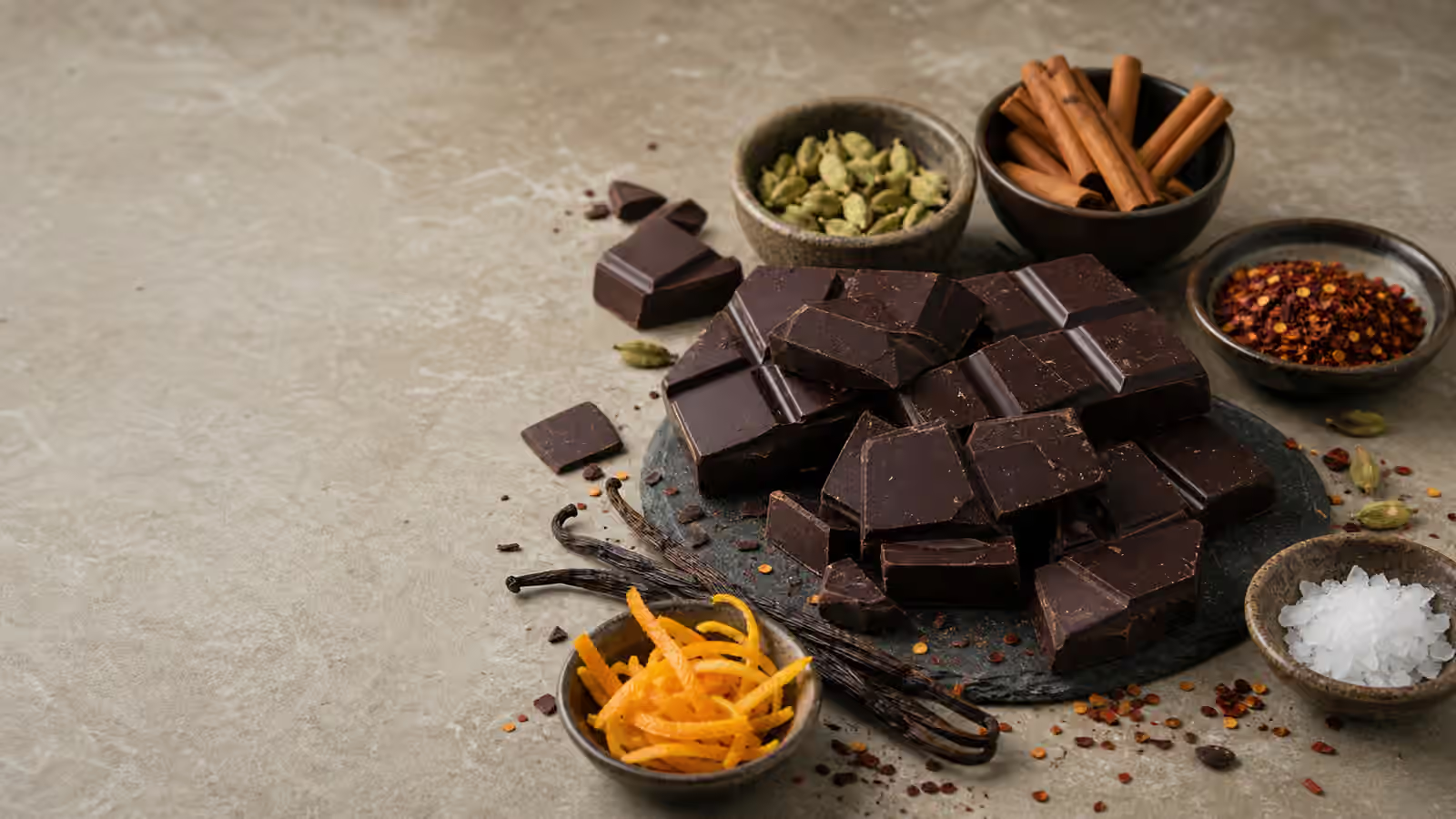
Chocolate and spice can taste ancient, festive, elegant, harsh, muddy, or cheap depending on how they meet. The difference is rarely the spice alone. Cinnamon can warm a dark chocolate or make it taste dusty. Chile can sharpen cocoa or flatten every aroma into heat. Cardamom can lift milk chocolate or perfume it into soap. Salt can make caramel notes sing or become the only thing anyone notices. Spice pairing works when the added aroma explains something already present in the chocolate.
The first rule is to taste the chocolate before adding anything. A fruit-forward bar, a roasty bar, a creamy milk chocolate, and a sweet white chocolate do not need the same spice. The guide to Chocolate Aroma and Tasting Vocabulary is useful here because spice pairing depends on naming what is already there. If a bar smells like dried cherry and wine, warm spices may deepen it. If it smells like coffee and roasted nuts, cinnamon or chile may fit naturally. If it smells delicate and floral, heavy spice may erase the part worth protecting.
Spice should have a reason
Spice is often added as a shortcut to excitement. That is why so many chocolate desserts taste vaguely of cinnamon, heat, and sugar without much chocolate character. A better approach is slower. Ask what the spice will do. Will it echo an aroma already in the cacao? Will it create contrast with sweetness? Will it make dairy notes feel warmer? Will it sharpen a flat finish? Will it add a first impression that the chocolate cannot provide alone?
Those questions keep the pairing from becoming decoration. Cinnamon works well when chocolate already leans toward toast, caramel, malt, or baked fruit. Cardamom works when there is cream, citrus, floral lift, or pistachio nearby. Chile works when bitterness, fruit, smoke, or roast can support heat. Ginger works with acidity and molasses. Black pepper can make fruit and tannin feel more precise. Vanilla can round rough edges, though too much can make every chocolate taste the same.
If the answer is only “because spice sounds interesting,” use less. Chocolate has its own bitterness, acidity, tannin, fat, and aroma. Spice should move with that structure, not sit on top of it like dust.
Cinnamon can warm or flatten
Cinnamon is familiar enough that people stop tasting it carefully. In chocolate, it usually emphasizes warmth, sweetness, and baked notes. It can make a roasty dark bar taste more like brownie edge or make milk chocolate feel closer to pastry cream. It is especially comfortable with nuts, coffee, caramel, brown sugar, and crisp grains.
The risk is dryness. Ground cinnamon has a powdery texture and a woody aroma. In a bar or bark, too much can make the surface feel dusty and the finish feel short. In drinking chocolate, cinnamon needs time to infuse or dissolve into the liquid’s aroma; a raw sprinkle on top can taste separate. In ganache, it is often better infused into warm cream and strained, unless you want the visible speckling and direct spice texture.
Cassia-style cinnamon tends to taste bolder and sweeter; Ceylon-style cinnamon often tastes more delicate and citrusy. The distinction is useful, but freshness matters more than prestige. Old cinnamon tastes like cabinet dust, and chocolate will not hide it. Smell the spice before it meets the chocolate. If it does not smell alive, it will not become alive in the dessert.
Chile is heat plus flavor
Chile is not just heat. Dried chile can taste fruity, smoky, raisiny, earthy, grassy, or sharp. Chocolate pairing improves when you choose chile for flavor before intensity. A fruity chile can support a bright dark chocolate. A smoky chile can deepen a roasty bar but may overwhelm a floral one. A sharp hot chile can make a sweet milk chocolate more lively, but it can also leave a burning finish that outlasts the chocolate.
Heat changes the rhythm of tasting. Chocolate usually opens through melt. Chile often blooms later and lingers. If the chile peak arrives after the chocolate has disappeared, the pairing feels unbalanced. The best chile-chocolate combinations let cocoa return at the end. You should still taste chocolate after the warmth fades.
Fat softens heat, which is why milk chocolate and ganache can carry chile differently from a lean cocoa drink. Sugar also changes perception. A sweet chocolate can make chile feel round at first, then hotter later. Salt can intensify both sweetness and heat. Small tests matter. Add less chile than you think, wait, taste again, and remember that infused heat may grow as the mixture rests.
Cardamom, ginger, and floral spices need space
Cardamom is beautiful with chocolate when it has air around it. Its aroma can feel citrusy, floral, resinous, and green. It pairs well with milk chocolate, white chocolate, pistachio, citrus peel, pear, coffee, and some bright dark chocolates. It becomes distracting when used heavily or paired with a bar whose own aroma is subtle. The line between fragrant and perfumed is thin.
Ginger brings heat of a different kind. Fresh ginger is juicy and sharp. Dried ginger is warmer and more concentrated. Candied ginger adds sugar and chew. With dark chocolate, ginger can highlight acidity. With milk chocolate, it can cut sweetness. With white chocolate, it needs enough tartness or salt nearby to keep the pairing from becoming sugary.
Clove, allspice, star anise, and nutmeg are powerful. They belong in small amounts because they can make chocolate taste medicinal or holiday-themed before you intend it. These spices work best when the surrounding dessert gives them a reason: poached fruit, coffee, orange, nuts, caramel, or a spiced cake structure. In a plain bar, restraint is usually wiser.
Salt is a spice-like amplifier
Salt is not aromatic in the same way cinnamon or cardamom is, but it changes chocolate dramatically. A small amount can sharpen cocoa, reduce the impression of bitterness, and make caramel or dairy notes more vivid. Too much salt turns the bite into a snack signal and shortens the chocolate finish.
Salt placement matters. Fine salt mixed into ganache seasons the whole center. Flaky salt on bark or a bar creates bright hits. Salt in a sauce dissolves and changes the entire sweetness balance. The guide to Chocolate Inclusions explains this difference through texture and distribution. A salt crystal on the surface is not the same experience as salt dissolved into the chocolate.
Use salt to clarify, not to rescue weak chocolate. If a bar has no aroma, salt may make the first bite more appealing, but it cannot create depth. With a good chocolate, salt should make you notice more chocolate, not more salt.
Pair spices with chocolate type
Dark chocolate can handle assertive spice because bitterness and cocoa solids give it structure. It often works with cinnamon, chile, black pepper, ginger, coffee-like spices, citrus peel, and warm baking spices. The more tannic or high-percentage the bar, the more carefully you need to manage dry spices, because both can make the finish feel severe.
Milk chocolate carries spice through dairy and sugar. It loves malt, cinnamon, cardamom, ginger, hazelnut, coffee, sesame, and gentle chile. The risk is sweetness. If the spice only adds warmth, the bar may become cozy but dull. A little salt, acid, roast, or bitterness can give milk chocolate pairings better shape. Milk Chocolate explains why dairy notes can be more complex than people expect.
White chocolate needs even more contrast because it lacks cocoa solids. Cardamom, citrus, pistachio, sesame, ginger, tea, and tart fruit can work. Heavy cinnamon or clove can make it taste like sweet fat with perfume. Because white chocolate is already sweet, spice should usually bring lift, bitterness, acidity, or aroma rather than more warmth alone.
Infusion is often cleaner than powder
Ground spices are easy, but they can create grit. Infusion gives a cleaner texture. Warm cream with cinnamon sticks, crushed cardamom pods, ginger slices, chile, citrus peel, or tea, then strain before making ganache or drinking chocolate. The liquid carries aroma without leaving woody particles behind. This method is especially useful for truffles, sauces, and hot chocolate.
For bark or inclusion bars, dry spice on the surface can work if the amount is tiny and the texture makes sense. Cocoa powder with cinnamon can coat truffles. Chile and salt can sit on dark bark. Crushed cardamom seeds can be beautiful but risky if too coarse. Whole spices usually belong nearby for aroma and visual context, not inside the bite.
Chocolate rewards small tests. Melt a little chocolate, add a trace of spice, and let it set. Taste it once when fresh and again later. Some spices grow stronger after resting. Some fade. Some seem perfect warm and harsh once cold. The best pairing is not the boldest one. It is the one where the chocolate still tastes more like itself after the spice arrives.