Chocolate has a reputation for lasting forever because a plain dark bar can remain edible for a long time when it is kept cool, dry, and protected. That reputation is only partly helpful. Chocolate does not stay exactly the same. Aroma fades. Cocoa butter moves. Sugar can bloom. Nuts can stale. Milk powders and inclusions can change the way the finish tastes. A bar may not be spoiled in any obvious way and still be past its most expressive moment.
Storage and Serving explains the everyday conditions chocolate likes. This guide adds the time dimension. Freshness is not only about avoiding disaster. It is about preserving the aromas, textures, and clean finish that made the chocolate worth buying. A bar tucked away for months may still be usable, but it may no longer taste like the bar the maker intended.
Plain Dark Chocolate Ages Differently From Filled Chocolate
A plain dark chocolate bar is relatively stable because it is low in water and high in sugar, cocoa solids, and cocoa butter. That does not make it invincible, but it gives it more patience than a ganache, praline, caramel, or cream-filled piece. Filled chocolates contain ingredients with more moisture and more fragile fats. They are designed for a shorter life, and their texture can change quickly compared with a solid bar.
Milk and white chocolates sit somewhere else on the map. They contain dairy ingredients and often more sugar, which changes aroma and freshness. A milk chocolate may lose its creamy, caramel, or malt notes over time and begin to taste flat. White chocolate depends heavily on cocoa butter quality, dairy, vanilla, and freshness, so stale or absorbed odors can be especially obvious. Milk Chocolate: Cocoa, Dairy, and Sweetness and White Chocolate and Cocoa Butter give those styles more detail, but the storage lesson is straightforward: the less a chocolate relies on robust cocoa solids, the more exposed its delicate aromas can feel.
Inclusion bars are often the most vulnerable solid bars. Nuts contain oils that can go stale. Crisp grains can soften. Dried fruit can bring moisture. Spices can fade. Salt on the surface can attract moisture in humid conditions. Chocolate Inclusions: Flavor, Texture, and Balance explains the flavor side of those additions. Freshness is the practical side. A plain dark bar and a dark bar with pistachios and dried cherries should not be expected to age in exactly the same way.
Aroma Is Usually the First Thing to Fade
Chocolate freshness often disappears quietly. The bar may still snap. It may still melt. It may still taste sweet and cocoa-like. What fades first is often the top aroma: flowers, fruit, toasted nuts, cream, honey, malt, or delicate roast notes. The chocolate becomes less specific. It tastes like a category instead of itself.
This is easiest to notice with bars you know well. Taste a newly opened piece, then taste a piece from a bar that has been open for a long time. If the older bar was wrapped loosely or stored near spices, coffee, soap, or savory foods, it may have absorbed odors. Cocoa butter is good at carrying aroma, which is wonderful when the aroma is cacao and unfortunate when the aroma is a pantry shelf.
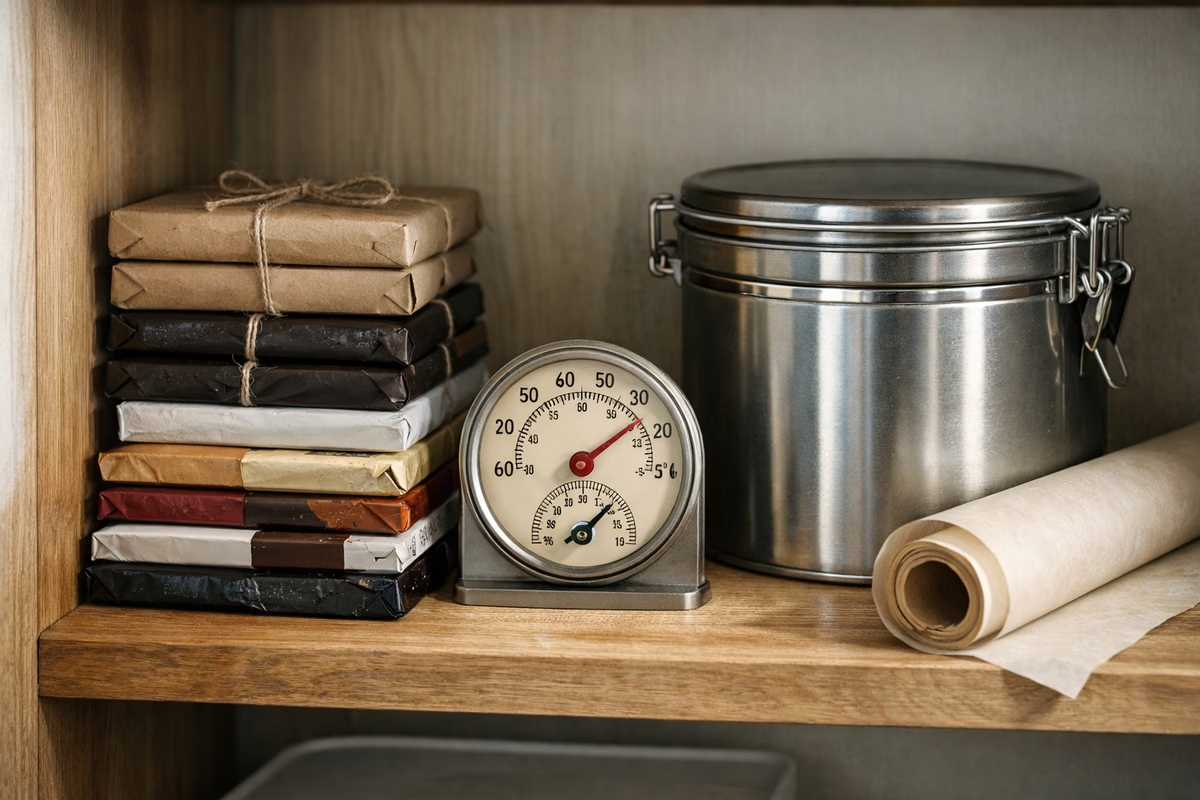
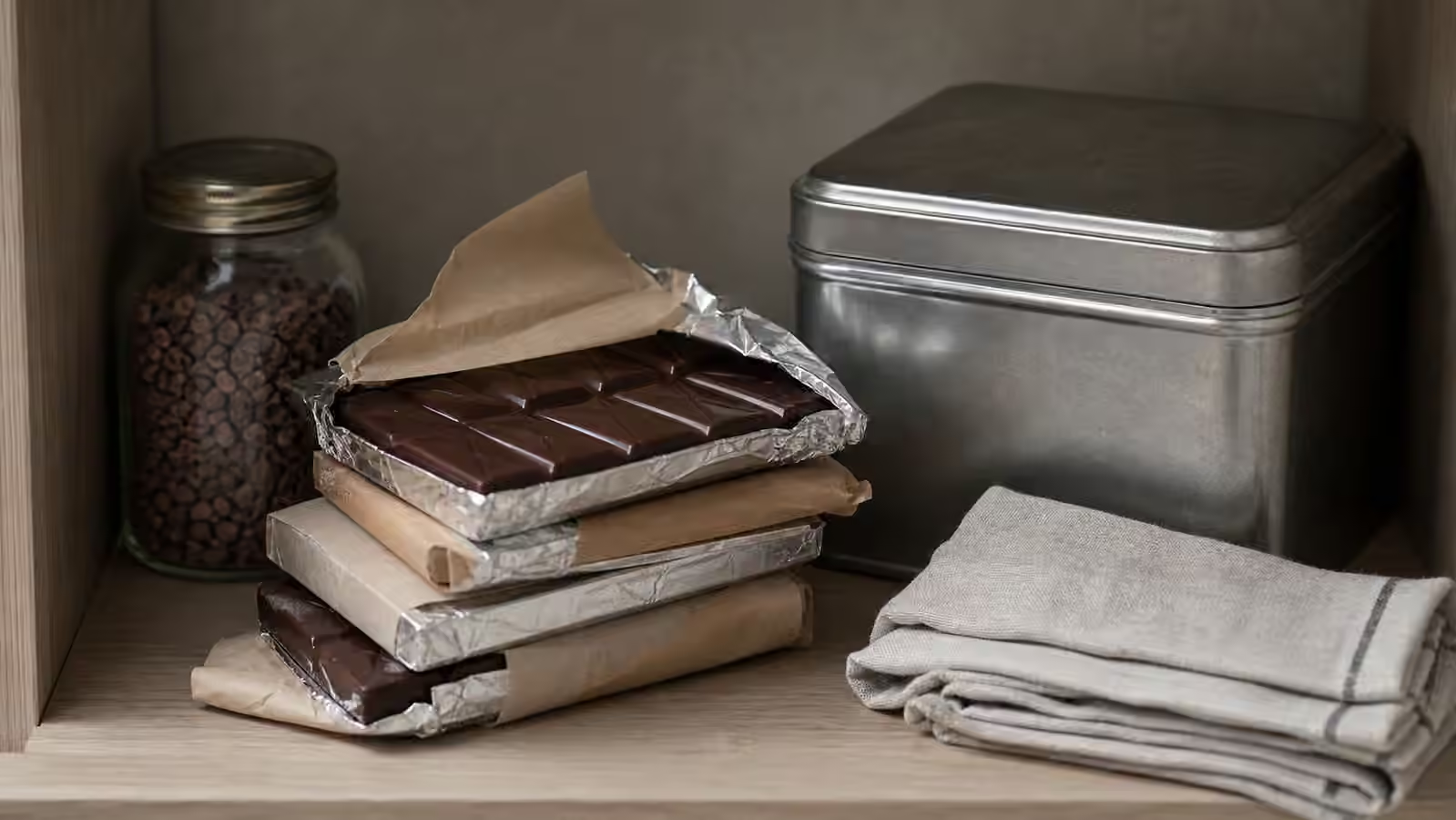
The wrapper matters. Foil, sealed inner sleeves, and tight folds slow exposure to air and odors. A decorative paper wrapper alone is rarely enough once the bar is open. If you plan to keep a bar for more than a few days after opening, close the inner wrap carefully or move the chocolate to an airtight container. Keep different strong-smelling bars separated if possible. A smoky inclusion bar can share its personality with a delicate floral bar in a way neither maker intended.
Bloom Is a Change, Not a Freshness Date
Bloom often alarms people because it looks like mold or dust. Most bloom on chocolate is either fat bloom or sugar bloom, and Chocolate Bloom Explained covers the difference in detail. Fat bloom comes from cocoa butter crystals moving or reorganizing. Sugar bloom comes from moisture dissolving surface sugar and leaving crystals behind as it dries. Both change appearance and texture. Neither automatically tells you that the chocolate is unsafe, but both tell you the bar has been stressed.
Fat bloom may make chocolate look gray, streaked, or dull. The melt can become softer or slightly waxy because the cocoa butter is no longer arranged as cleanly. Sugar bloom can feel rough or sandy. It often follows condensation, which happens when cold chocolate is moved into warm, humid air without protection. In both cases, the flavor may be muted even if the bar is still usable in baking or sauces.
Bloom and age are related but not identical. A new bar can bloom quickly after a hot delivery or a humid refrigerator. An older bar can remain visually clean if stored well. Do not use surface appearance as the only clock. Smell, snap, texture, and flavor all tell part of the story.
Best-By Dates Are Only One Clue
Chocolate labels often include a best-by date, but that date is not a magic switch. It is the maker’s estimate of quality under reasonable storage, and different products deserve different expectations. A plain dark bar sealed well may taste good beyond its printed date. A filled chocolate may decline before you expect if it was kept warm or handled poorly. A nut bar may be limited more by the nuts than by the chocolate.
The date also cannot know what happened after purchase. A bar left in a hot car, chilled uncovered, opened and loosely rewrapped, or stored beside strong odors has lived a different life from a bar kept in a cool cabinet. Chocolate is stable enough to forgive some ordinary handling, but it remembers heat, moisture, and aroma.
If a bar is old but looks and smells normal, taste a small piece before deciding what to do with it. If the aroma is dull but not unpleasant, it may be better melted into brownies, chopped into cookies, or used in a sauce where freshness is less exposed. If it smells rancid, musty, moldy, strongly stale, or like something it was stored beside, do not expect a recipe to make that disappear. Heat can concentrate bad aromas as easily as good ones.
Keeping Chocolate Fresh Without Fussing
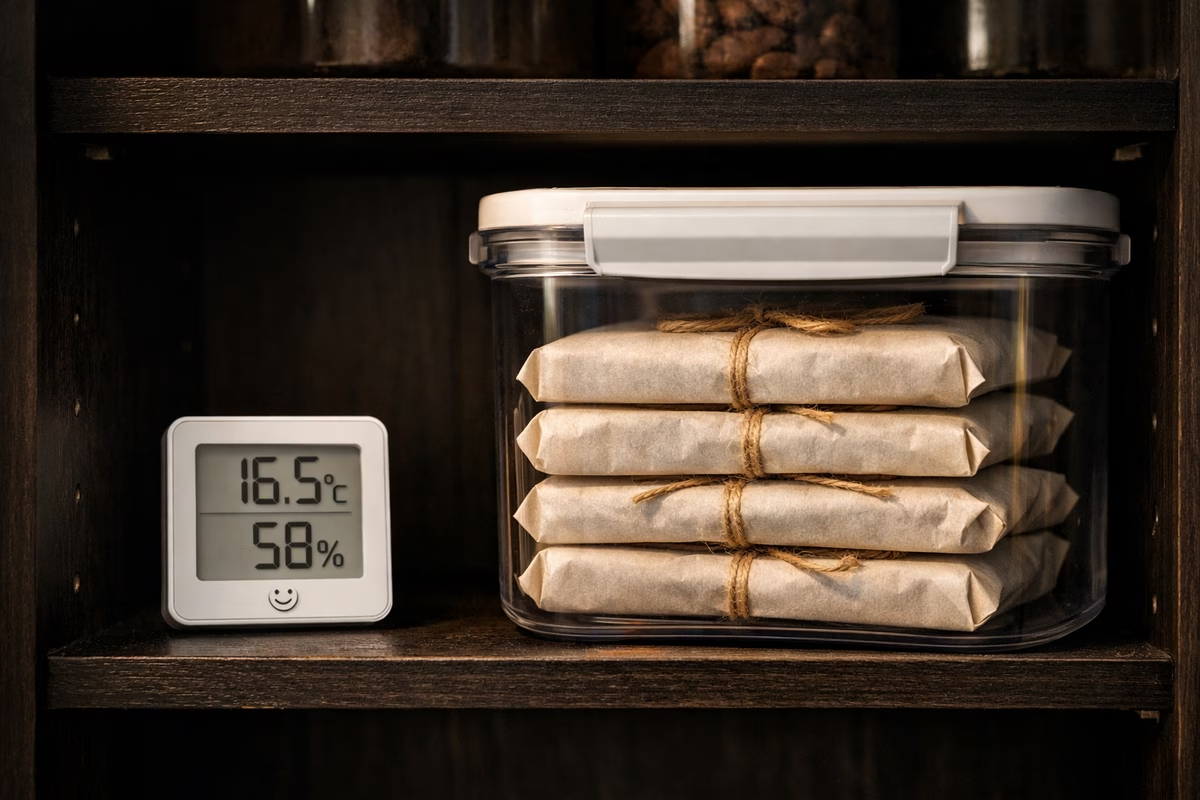
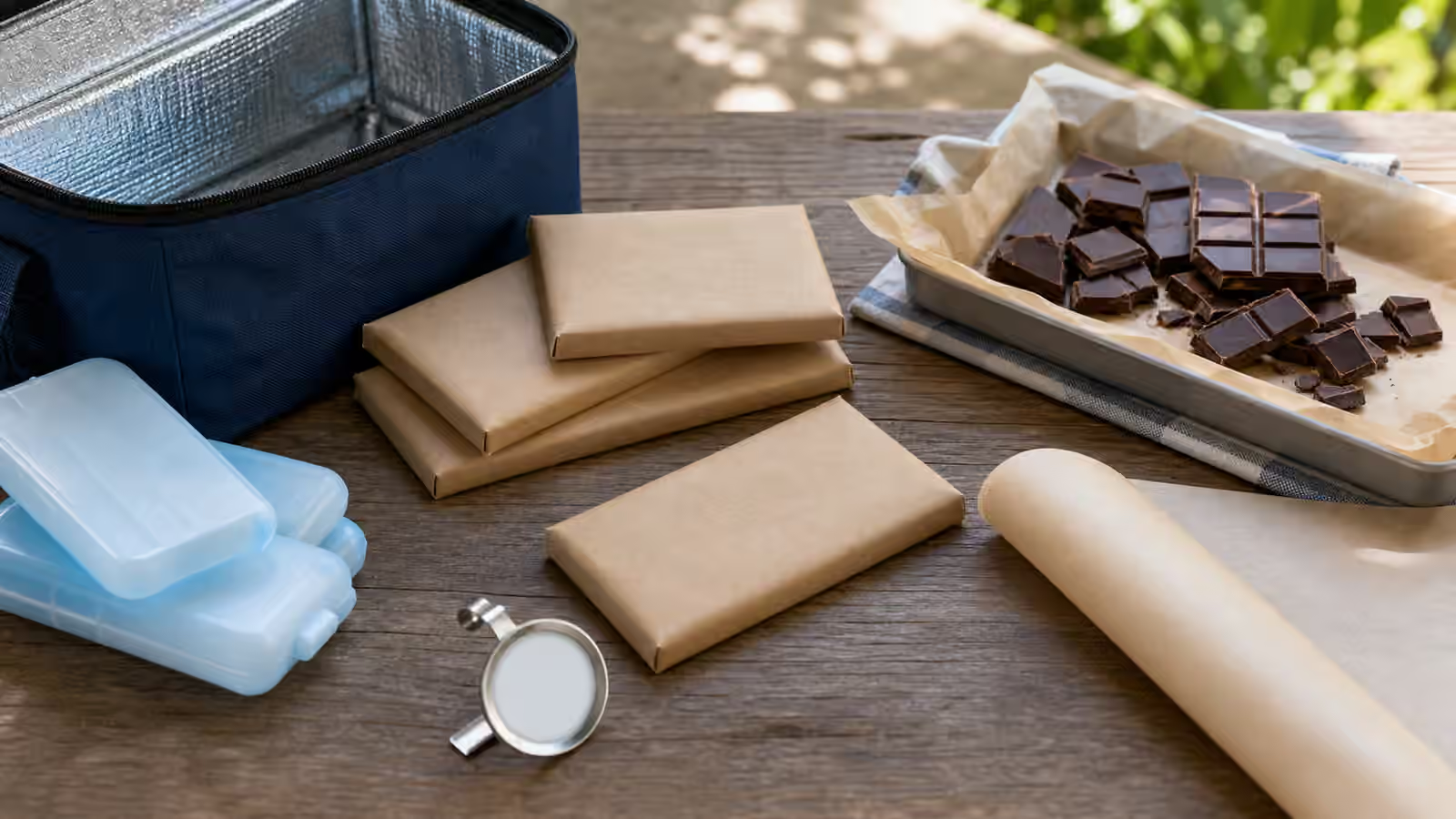
Good storage is mostly restraint. Keep chocolate away from heat, light, moisture, and odors. Avoid repeated temperature swings. If refrigeration is necessary because the room is very warm, wrap the chocolate tightly and let it come back toward room temperature while still covered so condensation forms on the wrapping rather than the surface. This is especially important for glossy bars, filled pieces, and chocolates with sugar-sensitive decorations.
Do not save special bars for so long that the specialness fades. Craft chocolate is food, not a museum object. If a bar was bought for tasting, taste it while its aroma is still alive. If you want to compare origins, keep the bars sealed until the tasting and serve them in good condition. Chocolate Tasting Flights at Home works better with fresh, expressive bars than with a drawer full of tired fragments.
Freshness is not perfectionism. It is respect for the work already inside the bar: cacao grown and fermented, beans dried and roasted, chocolate refined and conched, molds filled and wrapped. Good storage cannot improve weak chocolate, but it can preserve good chocolate long enough for you to meet it clearly. When chocolate tastes vivid, specific, and clean, time has stayed in the background. When it tastes flat, dusty, waxy, or borrowed from the pantry around it, time has become part of the flavor.