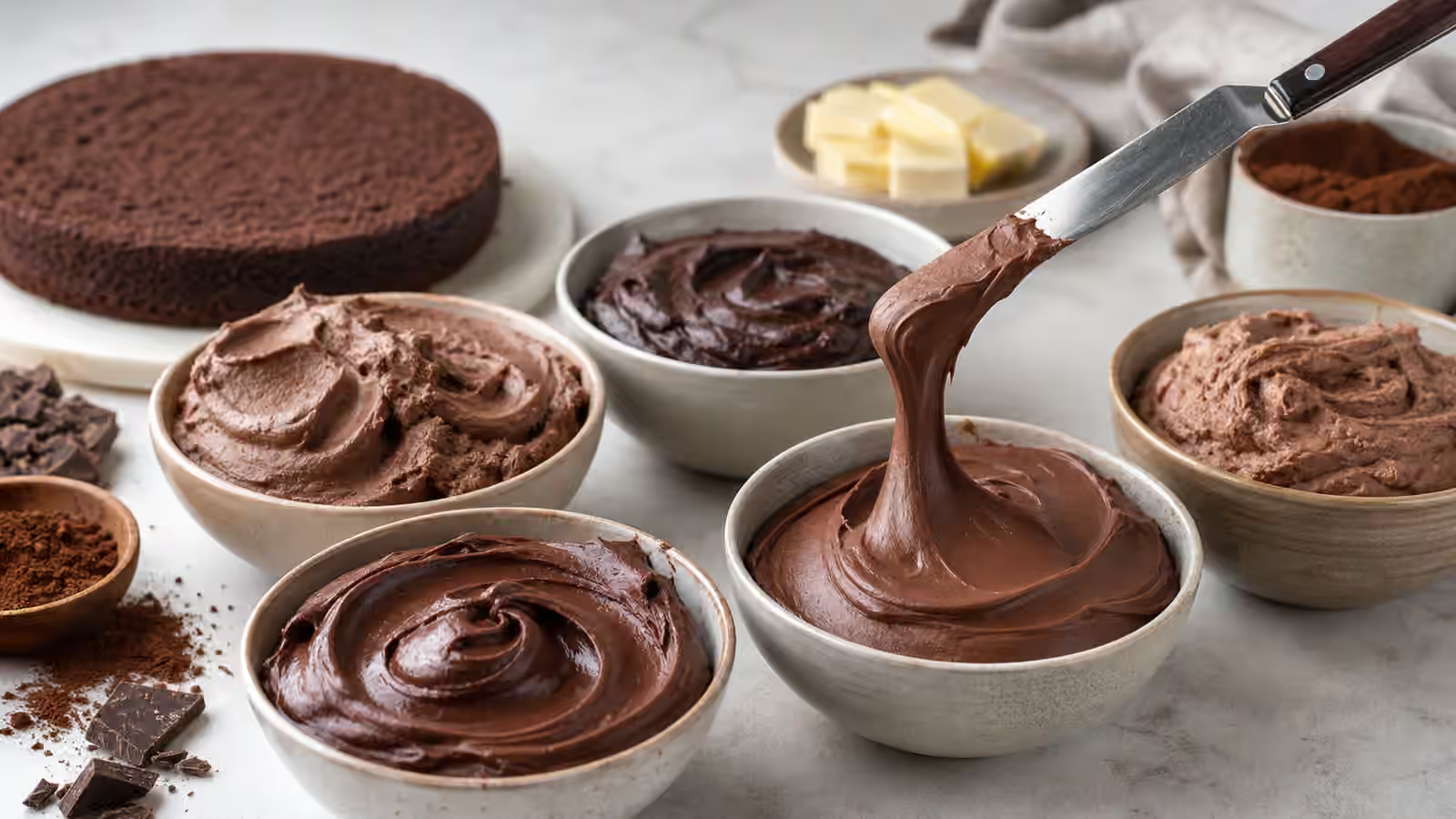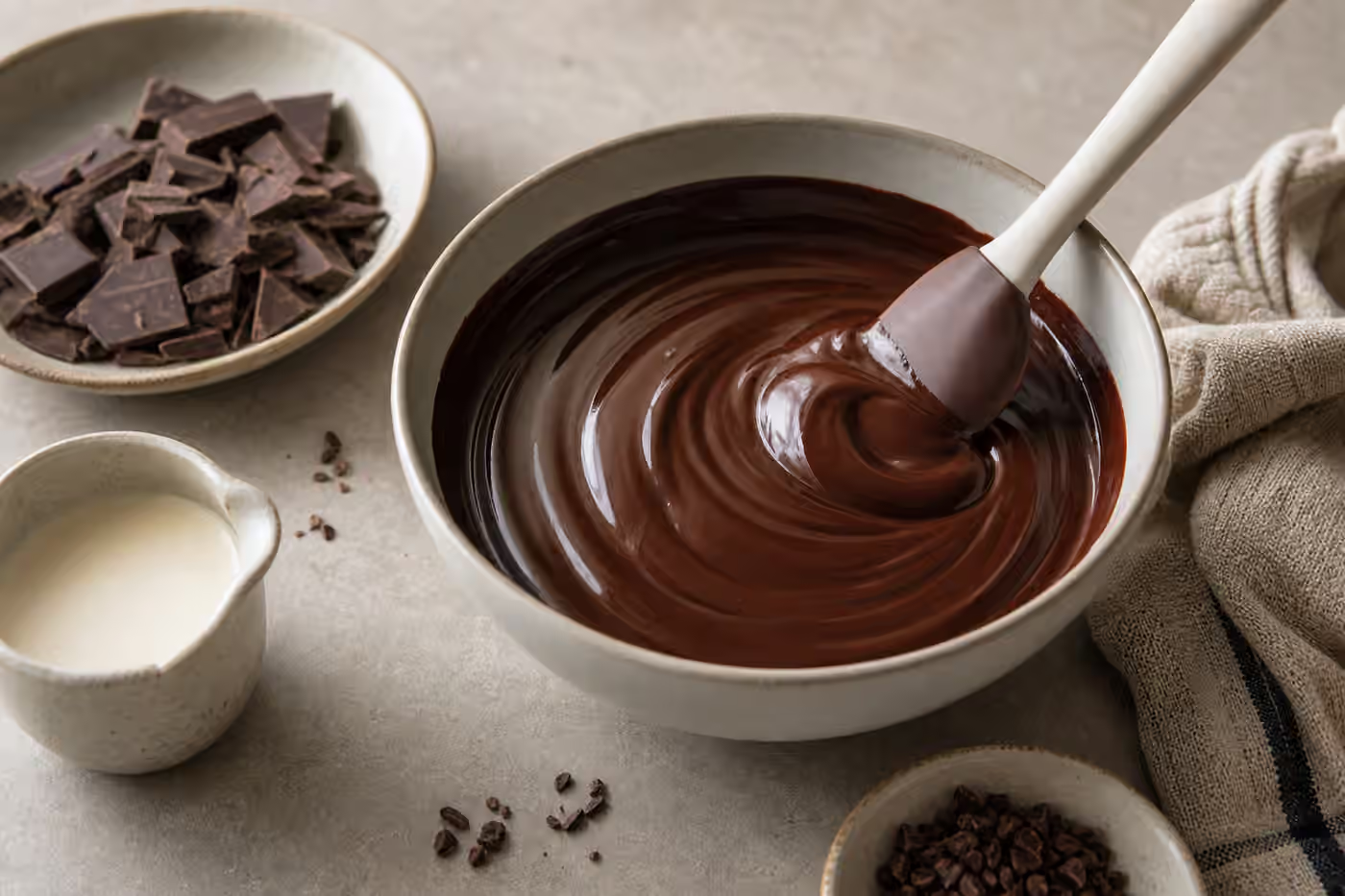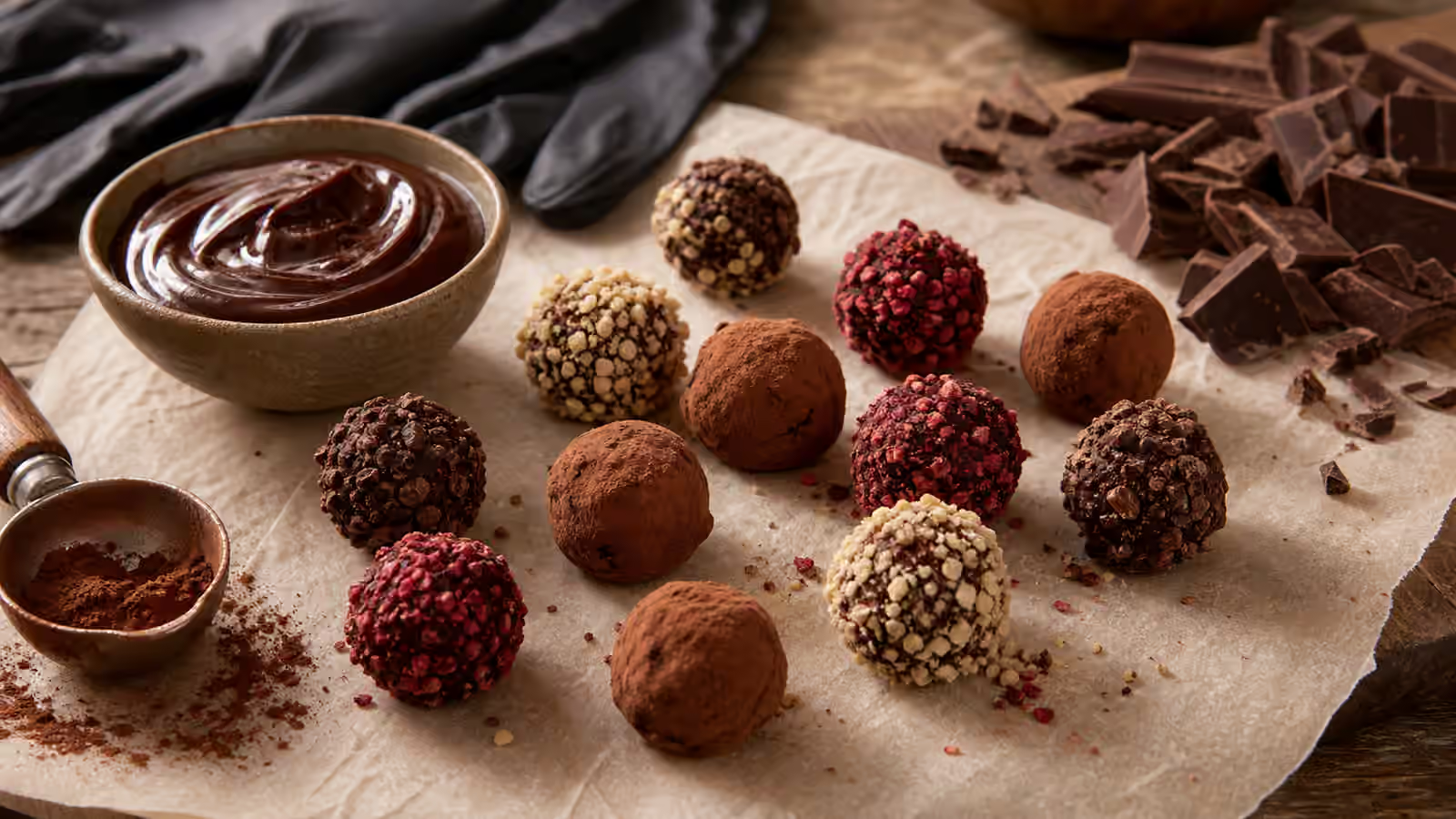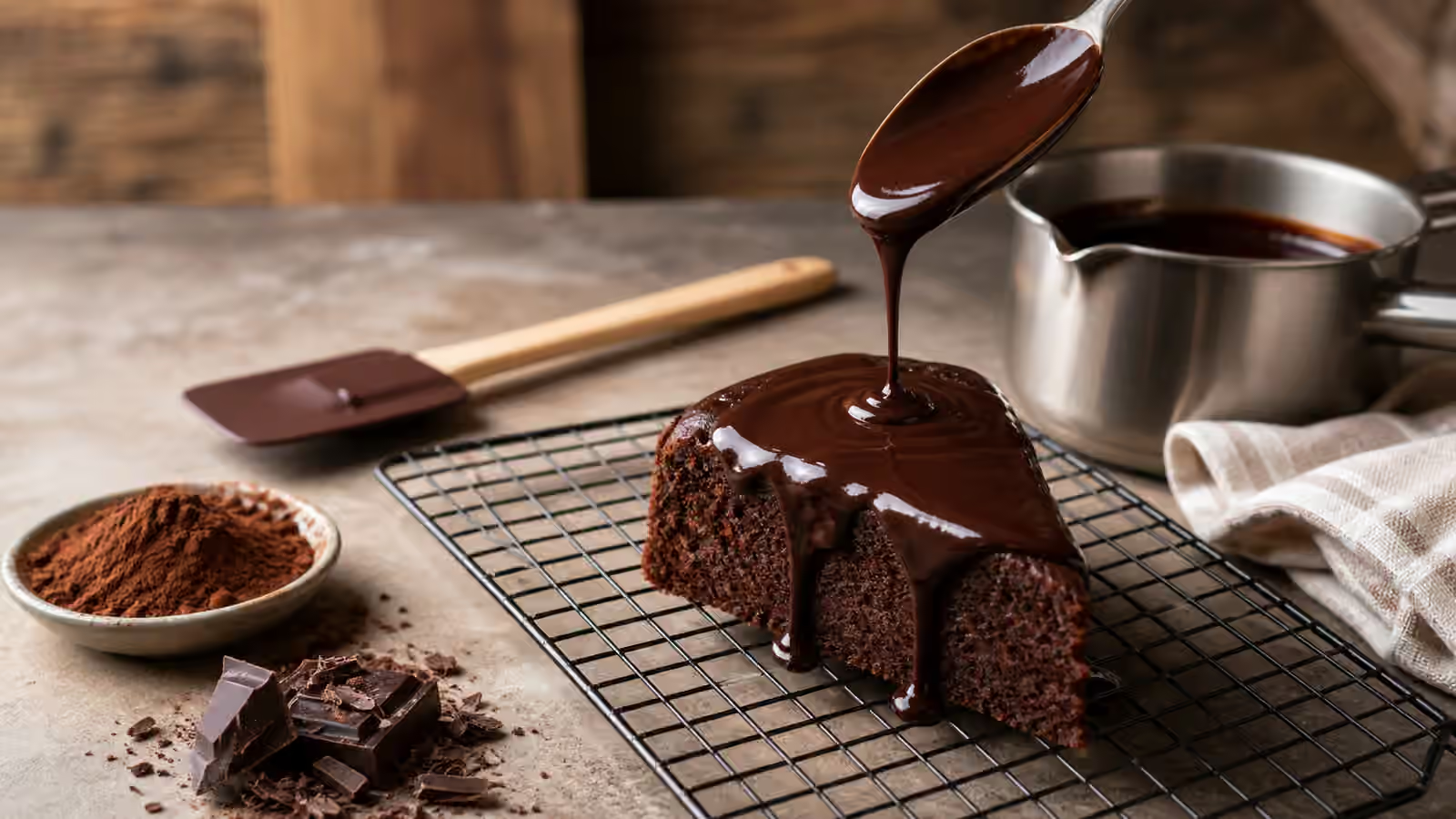
Chocolate sauce looks simple because it is usually served in motion: poured over cake, spooned onto ice cream, streaked across a plate, or warmed in a pan until it shines. That movement hides how different one sauce can be from another. A thin cocoa syrup, a cream-based ganache glaze, a butter-enriched fudge sauce, and a mirror-smooth coating may all look like melted chocolate for a few seconds, but they behave differently once they cool.
The difference comes from structure. Chocolate brings cocoa solids, cocoa butter, sugar, and sometimes milk. Cream brings water, dairy fat, protein, and lactose. Butter brings fat and water. Cocoa powder brings dry cocoa solids without much cocoa butter. Sugar changes thickness, shine, and freezing behavior. Heat decides whether those parts come together smoothly or separate into a dull, greasy, grainy finish.
If you already know Chocolate Ganache , you know the central idea: a good chocolate mixture is often an emulsion, not just chocolate melted with something wet. If you have had chocolate seize, the Melting Chocolate Without Seizing guide explains why a careless splash of water can turn smooth chocolate into paste. Sauces and glazes sit between those lessons. They use liquid on purpose, but they need enough liquid, enough stirring, and the right destination.
Sauce is not the same as glaze
A sauce is meant to remain spoonable or pourable. It may thicken as it cools, but it should not set into a firm shell unless that is the point. A glaze is meant to coat. Some glazes stay soft and glossy on a cake. Others set into a sliceable layer. A dipping glaze may need to cling to fruit, cookies, or small cakes without running off the plate. Those jobs need different ratios.
The easiest mistake is using the same chocolate mixture everywhere. A sauce that is beautiful over ice cream may be too loose for a cake. A glaze that sets cleanly on a chilled tart may turn stiff and muddy when spooned warm over a sundae. A ganache that pipes into truffles may be too dense to pour over a bundt cake. The chocolate may be good in every case, but the structure is wrong for the job.
Before you choose ingredients, decide what should happen after the pour. Should the chocolate disappear into a warm brownie, stay glossy on a cake, drip slowly down the sides, cut cleanly after chilling, or stay loose in a jar for reheating? That answer matters more than whether the recipe sounds fancy.
Cocoa powder makes direct, lean sauces
Cocoa powder sauces often begin with cocoa, sugar, water or milk, salt, and sometimes butter. They taste direct because the cocoa solids are front and center. They do not have the same cocoa-butter body as a sauce made from chopped chocolate, but that can be a strength. A cocoa sauce can be sharp, clean, and intense without feeling heavy.
Natural and Dutch-process powders behave differently here just as they do in baking. Natural cocoa can make a brighter sauce with more edge. Dutch-process cocoa often tastes rounder and darker. The guide to Cocoa Powder covers that distinction in more detail. In sauce, the key is hydration. Cocoa powder needs enough hot liquid and whisking to stop tasting dusty. If powder is dumped into fat first or stirred lazily into warm milk, small dry pockets can remain even when the sauce looks dark.
Sugar does more than sweeten a cocoa sauce. It gives body, helps the sauce look glossy, and softens bitterness. A pinch of salt can make the chocolate taste more complete. Butter adds roundness and shine, but too much can make the sauce feel greasy if the cocoa flavor is weak. The goal is balance, not richness for its own sake.
Chopped chocolate gives body and melt
A sauce made with chopped chocolate begins with a different structure because the chocolate already contains cocoa butter. When you combine it with hot cream, milk, water, coffee, or syrup, you are asking the cocoa butter and added liquid to form a smooth mixture. If the ratio is right and the stirring is steady, the sauce feels fuller than a cocoa-only sauce and melts with more roundness on the tongue.
The percentage of the chocolate matters, but not in isolation. A high-percentage dark chocolate brings less sugar and more cocoa structure, so the sauce may need more sweetness or cream to avoid tasting severe. Milk chocolate brings sugar and dairy, so the sauce may need less added sugar and more bitterness elsewhere, such as coffee or a darker cocoa powder. White chocolate is mostly cocoa butter, sugar, and milk solids, so it creates a sweet, pale glaze that needs acidity, salt, or a restrained hand to avoid becoming flat.
Use the habits from Choosing Chocolate for Baking here. A subtle single-origin tasting bar may lose its fine aroma once it meets hot cream and sugar. A steady chocolate with clear cocoa, roast, nut, or caramel notes may make a better sauce because it holds its shape through dilution.
Cream turns chocolate into a glaze
Many cake glazes are thin ganaches. Hot cream softens chopped chocolate, then stirring turns the mixture glossy. More cream gives a pourable glaze. Less cream gives a thicker ganache that can be spread or whipped. Butter can add shine and softness. Corn syrup, glucose, honey, or another syrup can increase gloss and help the glaze cut without cracking, though each brings its own sweetness and flavor.
A good pourable glaze should move slowly from the spoon. If it runs like water, it will slide off the cake and pool at the bottom. If it sits like frosting, it will need too much spreading and may tear crumbs from the surface. Temperature is part of the ratio. A glaze that seems too thin while hot may become perfect after a few minutes. A glaze that seems perfect in the pan may be too thick by the time it touches a cool cake.
This is why patient cooling matters. Let the glaze rest until it is fluid but not hot. Stir gently, then lift the spoon and watch the ribbon. It should fall smoothly and settle into the surface without disappearing instantly. If the glaze is going over a cake, the cake should be cool unless the recipe is designed for warm absorption. Warm cake melts and drinks glaze; cool cake holds it.
Shine comes from emulsion, not luck
Glossy chocolate sauce is usually a sign that fat, water, sugar, and cocoa particles are dispersed well. It is not only a matter of adding more fat. A greasy sauce can shine for the wrong reason, with separated fat glinting on top. A proper sauce looks unified, not oily.
Start with finely chopped chocolate so heat does not need to work too hard. Pour hot liquid over it and let it sit briefly before stirring from the center outward. That small rest lets the chocolate soften evenly. Stir with a spatula or whisk until the center becomes glossy, then widen the motion. If the mixture looks broken, it may need more liquid, not less. A tiny addition of warm liquid, stirred in slowly, can bring a split ganache back together because the emulsion needs a continuous water phase.
Avoid hard boiling once chocolate is involved. High heat can scorch dairy, thicken sugars too far, and make cocoa particles taste harsh. Gentle heat is enough. If reheating a stored sauce, warm it slowly and stir before judging its texture. Cold sauce often looks dull and firm until the cocoa butter softens again.
Setting depends on fat, sugar, and cold
Some glazes set because chocolate solidifies as cocoa butter crystallizes. Some thicken because water evaporates or starches and sugars concentrate. Some stay soft because cream, butter, syrup, or water keep the mixture flexible. This is why a sauce cannot be judged only while warm.
If you want a glaze to slice cleanly on a tart, test a spoonful on a chilled plate. If you want a sauce to stay pourable over ice cream, test it cold and then gently rewarmed. If you want a drip cake finish, test the drip on the side of a glass or bowl before pouring over the cake. Small tests prevent large disappointments.
Refrigeration changes texture quickly. A cream-based glaze that seems soft at room temperature may become firm in the refrigerator. A chocolate-heavy sauce may harden into a scoopable paste. A syrup-heavy sauce may remain spoonable but taste sweeter because cold mutes aroma and emphasizes sugar differently. Let the serving temperature match the experience you want.
Rescue the common problems calmly
If a sauce tastes dusty, the cocoa powder may not be hydrated. Heat a small amount of liquid, whisk the sauce into it gradually, and give the particles time to bloom. If a sauce tastes flat, it may need salt, a little bitterness, or better chocolate rather than more sugar. If it tastes harsh, it may be overheated, too lean, or made with a chocolate whose roast is too aggressive for the use.
If a glaze is too thick, warm it gently before adding anything. Temperature may solve the problem. If it is still too thick, add warm cream, milk, water, or syrup in small amounts, stirring until the texture returns. If a sauce is too thin, cooling may be enough. If not, it may need more chocolate, more cocoa, or a longer gentle reduction, depending on the recipe.
The quiet skill is matching the mixture to the moment. A bright cocoa syrup belongs on ice cream or pancakes where it can move. A cream ganache glaze belongs on cakes and tarts where it can settle. A butter-enriched sauce belongs with desserts that can handle richness. Once you see sauce and glaze as structures rather than moods, you stop hoping melted chocolate will behave and start giving it the conditions it needs.