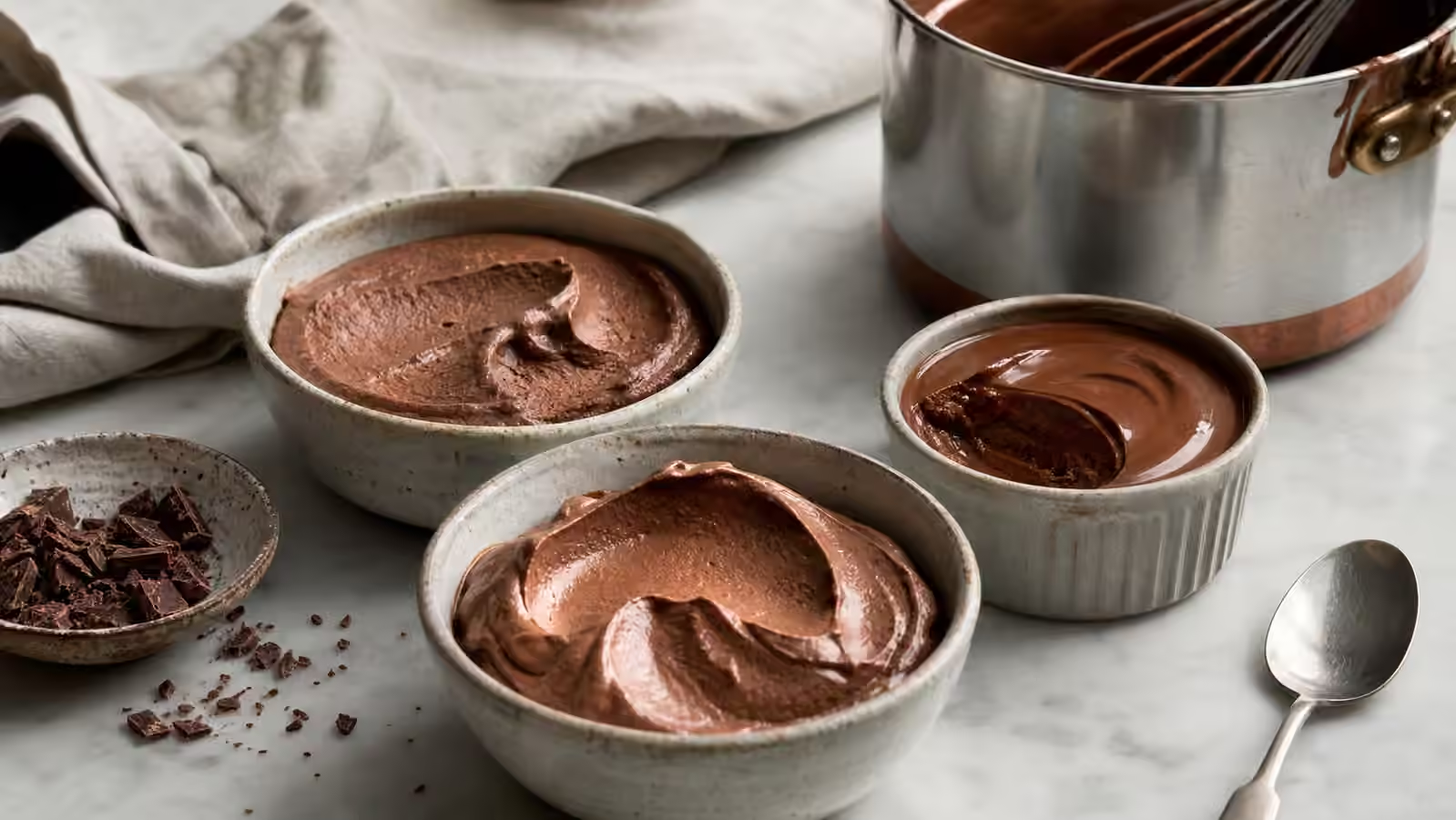
Spoon desserts reveal chocolate in a different way than bars or cakes. A square of chocolate asks you to notice snap, melt, and finish. A mousse, custard, pudding, or pot de creme asks chocolate to live inside cream, eggs, starch, sugar, air, and cold. The flavor is still cocoa, but the structure has changed. Instead of breaking and melting, the chocolate has to suspend itself in a soft texture that can be airy, silky, thick, or barely set.
This guide sits near Chocolate Ganache: Emulsion, Ratios, and Texture because spoon desserts also depend on fat, water, heat, and stable mixing. It also connects to Chocolate Ice Cream and Frozen Desserts because cold changes how chocolate tastes. The practical lesson is that chocolate cannot be treated as a flavoring extract. It brings solids, fat, sugar, bitterness, acidity, and thickening behavior to every bowl.
Mousse Is Flavor Plus Air
Chocolate mousse is often described by its lightness, but air alone is not enough. A good mousse needs chocolate flavor that remains clear after cream, eggs, meringue, or whipped cream have softened it. If the chocolate is too mild, the mousse tastes sweet and brown rather than chocolatey. If the chocolate is too bitter or acidic, the cold and air can make the sharp edges stand out. A middle-strength dark chocolate often works well because it has enough cocoa to carry through dilution without turning severe.
The way the chocolate is melted matters. Overheated chocolate can turn dull or grainy before it ever meets the foam. Chocolate that is too cool can seize into tiny flecks when folded into a colder base. Melting Chocolate Without Seizing gives the larger lesson: chocolate dislikes sudden shocks of water and temperature unless the recipe is designed to handle them. In mousse, the mixture must be warm enough to blend and cool enough not to collapse whipped elements.
Folding is not just a gentle ritual. It is structure management. The first addition of foam or cream lightens the chocolate base and makes it flexible. Later additions preserve air. If the base is too thick, you may overfold trying to smooth it. If it is too warm, the foam weakens. The best mousse recipes create a base that can accept air without fighting it.
Custards Carry Chocolate Through Heat
Custards use eggs, dairy, and gentle heat to create body. Chocolate changes that body because it brings cocoa solids and cocoa butter. A pot de creme made with chocolate sets more firmly than the same custard without it because the chocolate contributes structure as it cools. That can be luxurious, but it can also become heavy if the formula is too rich or the chocolate too high in cocoa butter.
Heat control is the custard maker’s quiet discipline. Eggs thicken gradually, then suddenly. Chocolate can hide visual cues because the mixture is dark and opaque. A pale vanilla custard shows curdling early. A chocolate custard may look smooth until the texture has already become slightly grainy. Stirring, moderate heat, and patience matter more than speed.
Straining is useful not because a careful cook expects failure, but because custards are fine textures. Tiny egg bits, cocoa particles, or unmelted chocolate fragments can distract from the silkiness. An immersion blender can make some chocolate custards especially smooth, but it should be used without whipping in too much air unless the dessert is meant to be foamy.
Pudding Depends on Starch and Cocoa Choices
Chocolate pudding often uses starch instead of, or alongside, eggs. That gives it a different texture from custard: more spoonable, sometimes bouncy, sometimes plush. Cocoa powder is common because it disperses through milk and brings strong flavor without adding the same fat as solid chocolate. But cocoa powder also absorbs liquid and can clump if it is not whisked with sugar or another dry ingredient before the dairy goes in.
Natural cocoa and Dutch-process cocoa produce different puddings. Natural cocoa can taste sharper and more lively. Dutch-process cocoa can give a darker color and rounder flavor. The choice should match the dessert. A pudding meant to taste like childhood comfort may welcome Dutch cocoa and a little extra salt. A pudding served with fruit or cream may benefit from natural cocoa’s brightness. Cocoa Powder: Natural vs Dutch gives the ingredient background, but tasting the finished spoonful is the real test.
Solid chocolate can be added to pudding for gloss, body, and deeper melt. It should usually enter near the end, after the starch has cooked enough to lose its raw taste. If it enters too early over strong heat, the chocolate can dull or scorch. If it enters too late into a cooling pudding, it may not melt evenly. The timing is simple in principle: cook the pudding base, remove or lower the heat, then let the chocolate melt with enough warmth and stirring to become smooth.
Cold Mutes Aroma and Firms Fat
Most spoon desserts are served cool or chilled, and cold changes chocolate. Cocoa butter firms. Aroma moves more slowly. Sweetness may seem quieter at first, while bitterness can feel more direct. A mousse that tastes perfect warm may taste muted after chilling. A custard that tastes balanced from the pot may seem too firm the next day. Recipes account for this, but tasters should remember it too.
Serving temperature can soften the difference. A chilled chocolate pot de creme may taste better after a few minutes out of the refrigerator, when the surface loses its deep chill and the aroma wakes up. A mousse should not be warm, but it should not be so cold that the chocolate tastes like a shadow of itself. The same idea appears in Storage and Serving : chocolate flavor is not fixed. It changes with temperature and time.
Because these desserts contain dairy, eggs, starch, or other perishable ingredients, their storage needs are different from a plain chocolate bar. Keep them covered, chilled when appropriate, and away from strong odors. This is not only about practicality. Refrigerator aromas can flatten the clean cocoa finish that made the dessert worth making.
Choosing Chocolate for Spoon Desserts
The best chocolate for mousse or custard is not always the strongest chocolate you enjoy plain. Dilution matters. A delicate single-origin bar may disappear in cream, or its subtle fruit may turn oddly sharp in a cold dessert. A very roasty bar may dominate a mousse but make a pudding taste satisfyingly deep. Milk chocolate can make a soft, caramel-like custard, though it often needs less added sugar. White chocolate behaves like sweetened cocoa butter and dairy, so it needs acidity, salt, fruit, or another contrast if the dessert is not to become flat.
Taste the chocolate before using it, then imagine what cream and cold will do. If the bar tastes thin on its own, it will not become profound in pudding. If it tastes balanced but intense, it may bloom beautifully once softened by dairy. Chocolate Sugar Balance helps here because spoon desserts already contain sugar from the formula. A sweet chocolate plus a sweet custard base can quickly become dull. A darker chocolate with enough aroma can keep the dessert focused.
Chocolate spoon desserts are comforting because they are smooth, but they are not simple. They are emulsions, foams, gels, and chilled fats wearing the same familiar flavor. When they work, the spoon moves through a texture that feels effortless and the chocolate remains clear after the cream has done its softening work. That clarity is the point. The dessert should not merely be brown and sweet. It should taste like chocolate that has found a softer form.