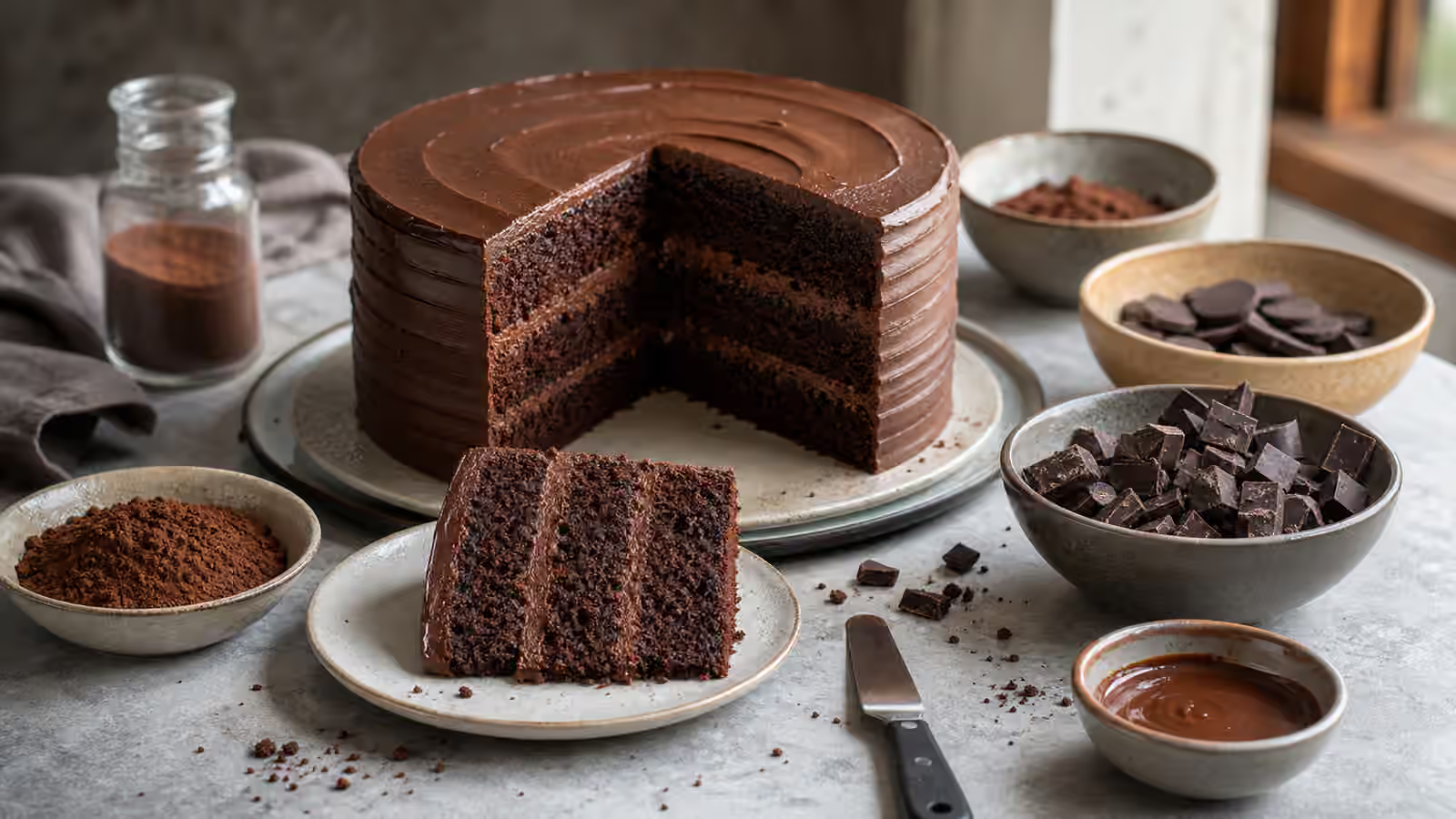
A chocolate layer cake has to do two jobs at once. It has to taste unmistakably of chocolate, and it has to behave like cake. That sounds obvious until a batter leans too far in either direction. Push only for chocolate intensity and the crumb can become heavy, pasty, or dry. Push only for softness and the chocolate flavor can fade into brown sweetness. The best layer cakes sit in the middle, where cocoa, fat, sugar, liquid, flour, and mixing all support one another.
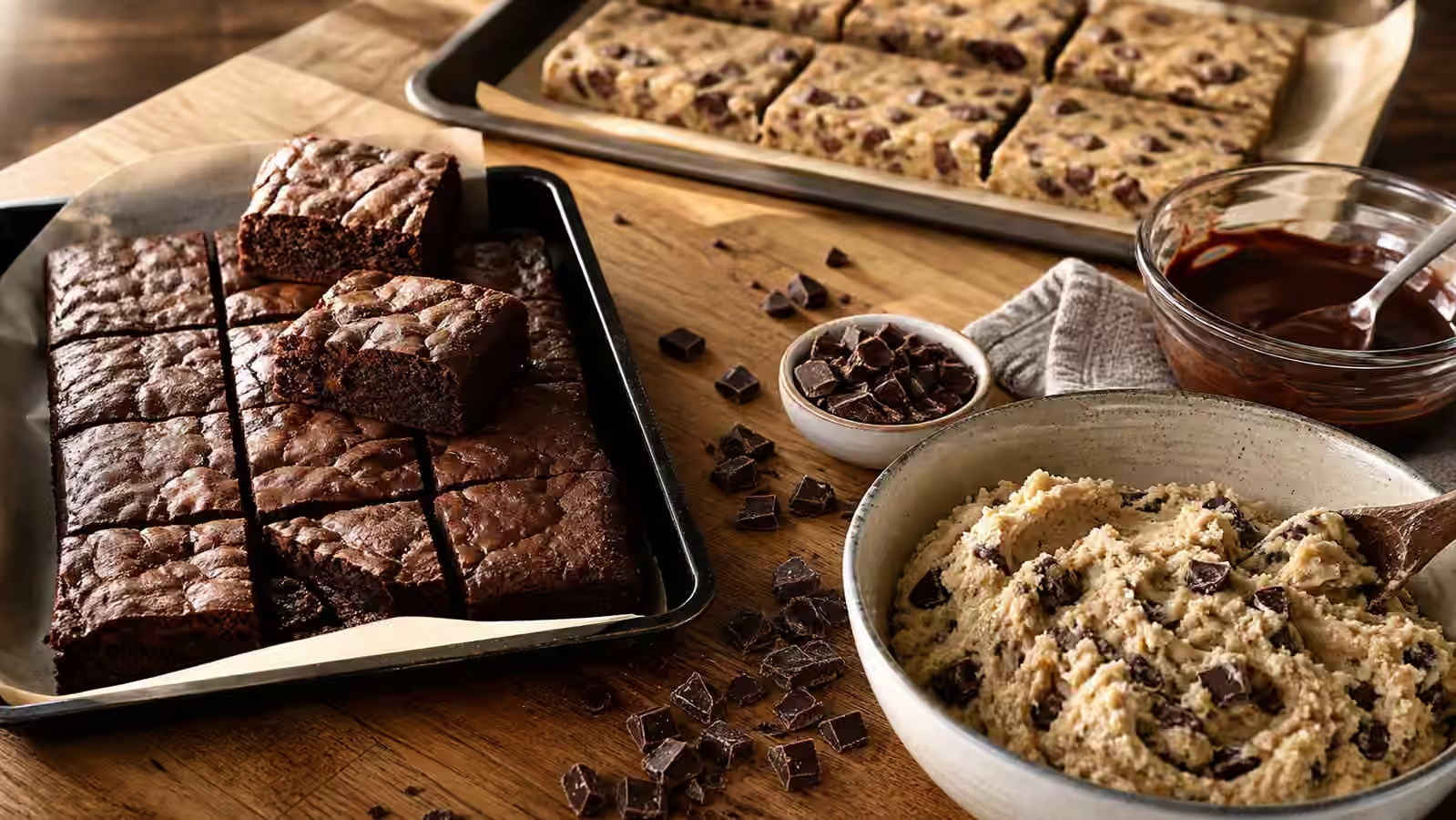
This guide builds on Choosing Chocolate for Baking , but the layer cake deserves its own attention. A brownie can be dense on purpose. A mousse can lean completely into cream and chocolate. A layer cake needs lift, sliceability, moisture, and a crumb that carries frosting without collapsing under it. Chocolate is not only flavor here. It changes the batter’s structure.
Cocoa Powder Gives the Clearest Cake Signal
Cocoa powder is the usual backbone of a chocolate layer cake because it adds cocoa solids without adding much cocoa butter. That matters. A cake batter already has fat from oil, butter, egg yolks, sour cream, buttermilk, or another ingredient. Cocoa powder lets the recipe add chocolate flavor while keeping fat under control. The result can be deeply flavored and still light enough to stack.
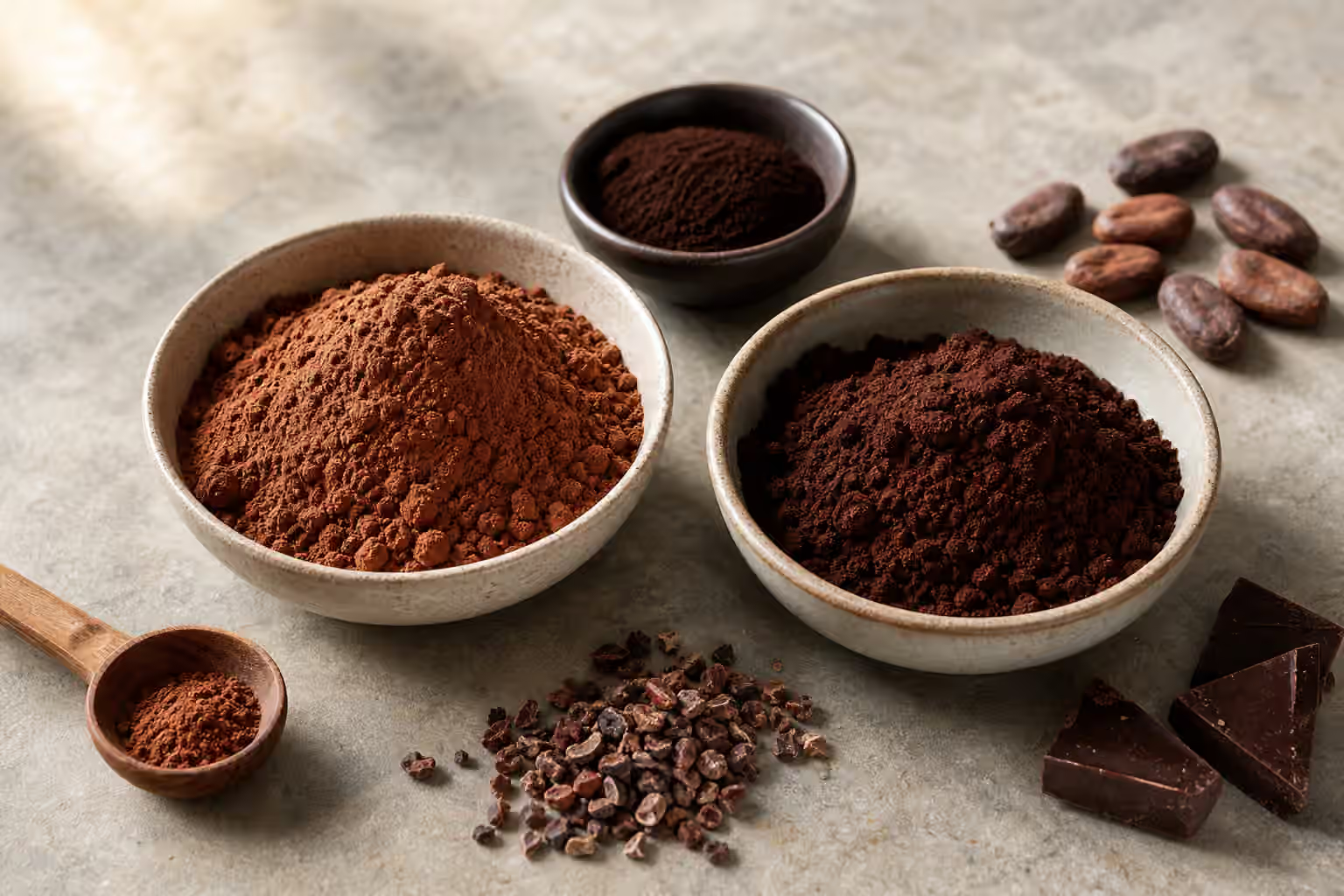
Natural and Dutch-process cocoa change the cake in different ways. Natural cocoa brings more acidity and a sharper cocoa edge. Dutch-process cocoa is darker, smoother, and often rounder because alkalization has softened the acidity. Neither is automatically better. Natural cocoa can give brightness, especially in cakes with baking soda and tangy dairy. Dutch-process cocoa can give the familiar dark color and mellow flavor many people expect from a bakery-style chocolate cake.
The leavening matters because cocoa is part of the chemistry, not just the color. If a recipe was built around natural cocoa and baking soda, swapping in Dutch-process cocoa can change lift. If a recipe was built around Dutch cocoa and baking powder, natural cocoa can make the flavor sharper than intended. Natural vs. Dutch-Process Cocoa Powder explains that difference in more detail. In cake, the practical habit is simple: follow the recipe’s cocoa type unless you are ready to adjust the whole batter.
Melted Chocolate Adds Body and Risk
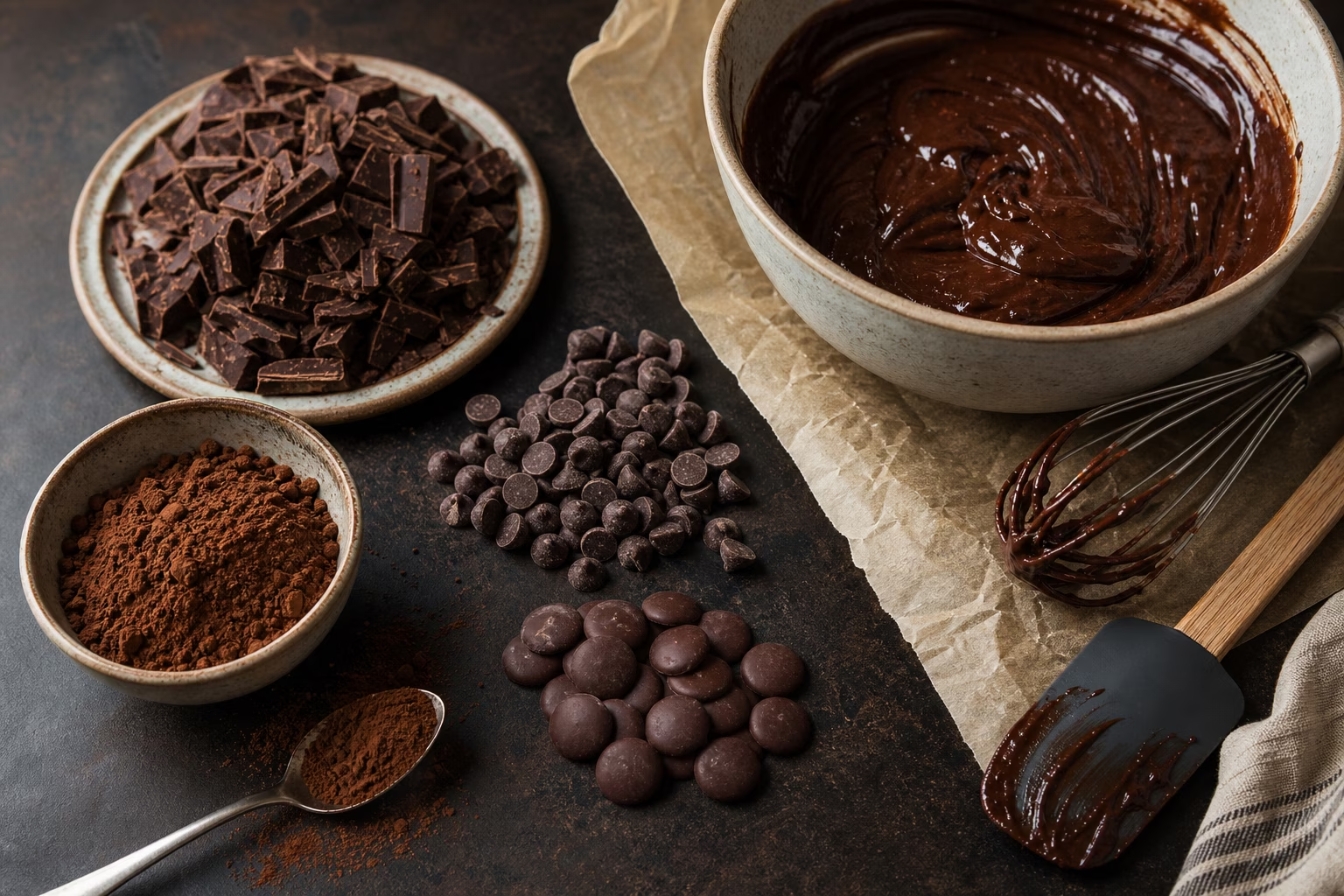
Melted chocolate can make a cake taste rounder because it brings cocoa butter, sugar, and cocoa solids together. It can also make the crumb heavier. Cocoa butter sets as the cake cools, and that set can be wonderful in a flourless cake or a fudgy layer. In a tall layer cake, too much melted chocolate can make the crumb feel tight, especially after refrigeration.
This is why many successful layer cakes use cocoa powder as the main chocolate ingredient and only a modest amount of melted chocolate, if any. The cocoa gives direct flavor. The melted chocolate adds roundness and finish. When a recipe uses both, the balance usually has a reason. Replacing cocoa powder with melted chocolate by instinct changes dryness, fat, sugar, and structure at once.
If melted chocolate is part of the batter, let it cool until it is fluid but not hot. Hot chocolate can melt butter unexpectedly, scramble eggs at the edge of a bowl, or loosen the batter so much that the mixing pattern changes. Chocolate that is too cool can seize into flecks before it disperses. The same gentle habits from Melting Chocolate Without Seizing apply, but cake gives you less room for rescue once flour is involved.
Moisture Is Not the Same as Wetness
Chocolate cake is often judged by whether it is moist, but moist does not mean wet. A good crumb feels tender because the starches are hydrated, the fat is well distributed, the sugar holds water, and the structure has set without drying out. A wet cake can feel gummy, especially near the center. A dry cake can taste chalky even when the flavor is good.
Oil and butter behave differently. Oil stays fluid at room temperature, so oil-based chocolate cakes often feel soft even after a day. Butter brings flavor and helps with creaming when the recipe uses that method, but it firms as it cools. A butter cake can taste excellent and still feel less plush straight from the refrigerator. Some recipes combine butter’s flavor with oil’s softness, or use sour cream, yogurt, coffee, buttermilk, or hot water to bloom cocoa and hydrate the batter.
Hot liquid is common in chocolate cake because it helps cocoa powder disperse and release aroma. The batter may look thin, but that does not mean it is poorly built. Thin cocoa batters can bake into tender cakes when the flour, eggs, sugar, and leavening are balanced. The danger is assuming that more flour will make the batter safer. Extra flour can mute chocolate and turn tenderness into breadiness.
Mixing Decides Whether the Crumb Feels Fine or Tough
Chocolate can hide overmixing visually because the batter is dark, but it cannot hide the texture. Once flour is added, mixing builds gluten. A small amount gives the cake enough strength to slice. Too much can make the crumb springy, rubbery, or tight. This is especially noticeable in layer cakes because the frosting highlights the cake’s resistance. A tender crumb yields to the fork. A tough crumb drags.
The order of mixing depends on the recipe. Creamed butter cakes rely on air beaten into butter and sugar. Oil-based cakes often rely more on chemical leavening and careful emulsification. Reverse-creamed cakes coat flour with fat before adding liquid, which can create a fine crumb. Each method can work, but switching methods casually can change the cake more than changing the chocolate.
Scrape the bowl because cocoa likes to cling to edges and pockets of dry ingredients can hide in dark batter. Mix until the batter is even, then stop. If additions like chopped chocolate, nibs, or nuts are folded in, keep them modest. A layer cake is not a bark slab. Heavy inclusions can sink, tear the crumb, or make slicing untidy. For more about texture additions, Chocolate Inclusions: Flavor, Texture, and Balance is the better guide.
Frosting Should Frame, Not Repair
A good chocolate cake does not need frosting to compensate for weak flavor. Frosting should frame the cake, add contrast, and keep the slice pleasant through several bites. A dark cocoa cake may want a lighter buttercream, whipped ganache, or tangy cream cheese frosting. A mild milk-chocolate cake may need a darker frosting so the whole slice does not become soft sweetness.
Ganache can be beautiful between layers, but it changes the eating rhythm. A firm ganache layer gives density and clean chocolate flavor. A whipped ganache gives air and a softer bite. A high-sugar buttercream brings sweetness and volume. A glaze gives shine but little cushioning. The cake and frosting should be designed together, not chosen separately from habit.
This is where Chocolate Sugar Balance becomes practical. Sweetness is not only a number. It changes how bitterness, acidity, dairy, salt, and cocoa arrive. A cake with strong Dutch cocoa may handle a sweeter frosting. A cake with fruity natural cocoa may taste better with a frosting that leaves some acidity alive.
Cooling and Storage Finish the Texture
The cake is not finished when it leaves the oven. Carryover heat continues setting the crumb. If the layers are wrapped too soon, steam can condense and make the surface tacky. If they sit uncovered too long, the edges dry. Let the layers cool in their pans long enough to firm, then move them to a rack until they are no longer warm. If you plan to trim or frost later, wrap them once cool.
Refrigeration changes chocolate cake more than people expect. Butter firms, cocoa butter firms, and cold mutes aroma. Chilling can be useful for crumb coating and clean slicing, but a slice usually tastes better after it has lost the refrigerator chill. The same temperature lesson from Storage and Serving applies to cake: chocolate flavor opens when it is not too cold.
The quiet goal is a cake that tastes like chocolate after the first bite, not only when you smell it. Cocoa should remain clear through flour and sugar. The crumb should be tender without feeling wet. The frosting should make the slice more complete, not louder for its own sake. When those pieces line up, a chocolate layer cake stops being a brown version of vanilla cake and becomes its own structure: soft, dark, aromatic, and clean enough that the second forkful still tastes intentional.