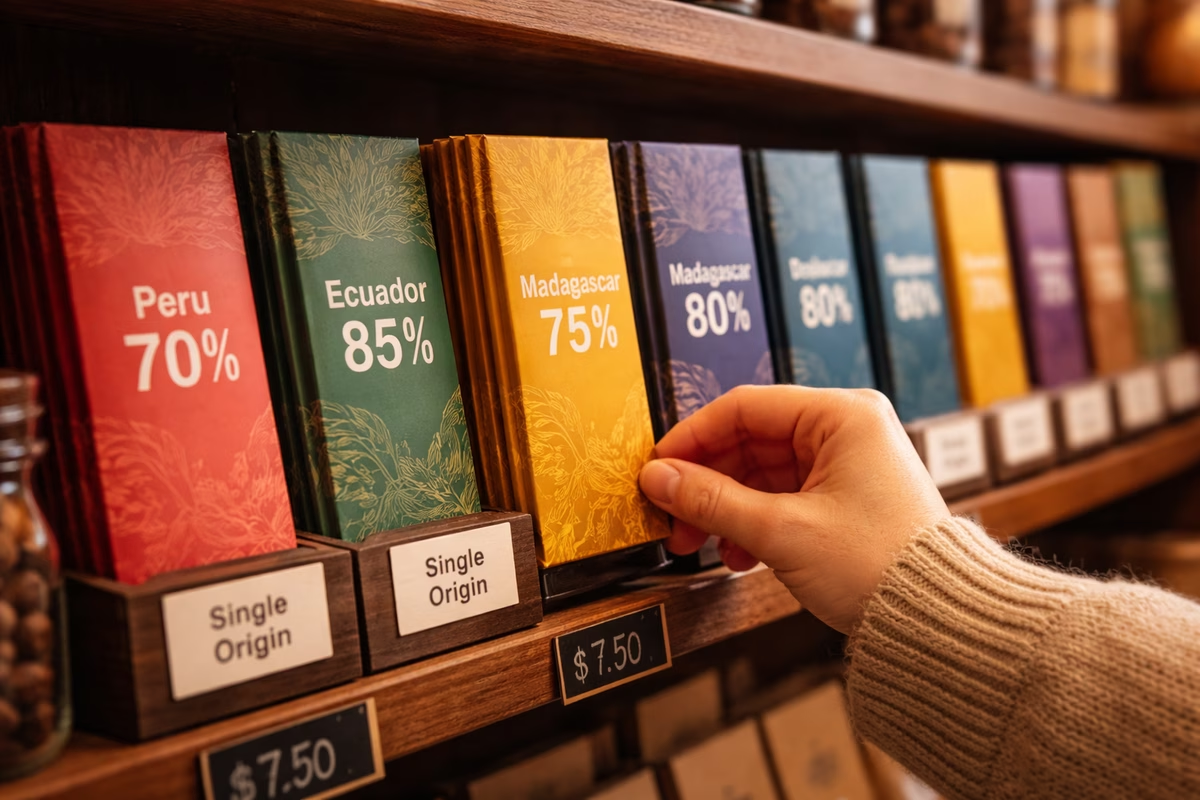
A chocolate wrapper often gives you two quick signals: a percentage on the front and a promise about origin, style, or flavor. Those signals are useful, but the ingredient list is where the bar becomes honest. It tells you what the maker needed in order to create the texture, sweetness, aroma, and stability you are about to taste. It also tells you what the wrapper is not saying.
Reading ingredients is not about purity tests. A two-ingredient bar can be wonderful, severe, dull, or gritty. A bar with added cocoa butter or lecithin can be elegant and carefully made. Vanilla can round a chocolate beautifully, or it can cover a weak base. Salt can sharpen flavor, or it can become the whole performance. The point is not to judge every addition as a flaw. The point is to understand what each one does.
If you are already using How to Buy Craft Chocolate and Understanding Chocolate Percentages , this guide fills the small print between them. The percentage tells you how much of the bar comes from cacao-derived ingredients. The ingredient list tells you how those ingredients were arranged, softened, strengthened, or stretched.
Cacao Is Not One Ingredient in Practice
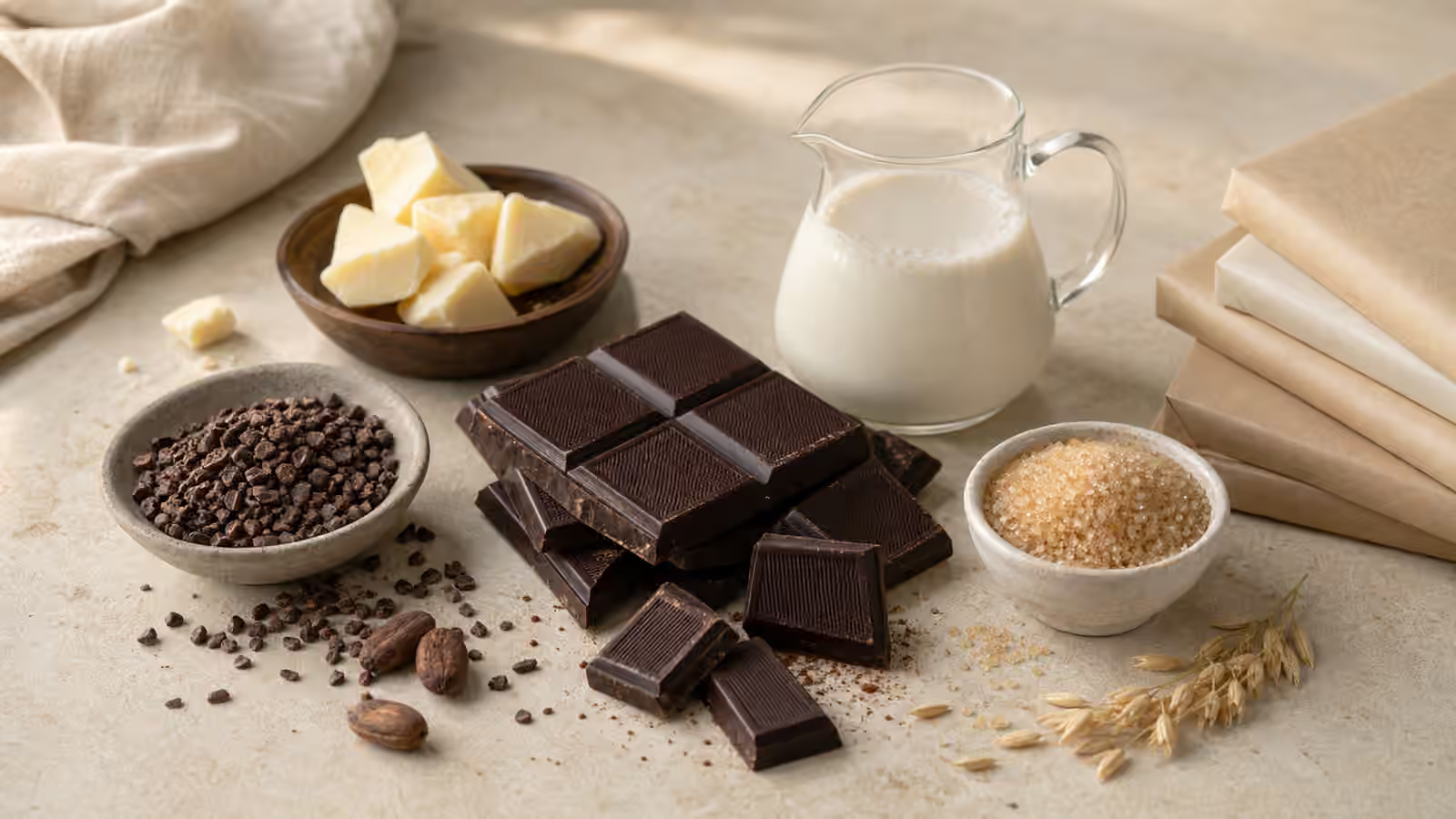
Many labels say cacao, cocoa beans, cocoa mass, chocolate liquor, cocoa solids, or cocoa butter. These words can feel interchangeable at first, but they point to different parts of the same plant. Cocoa mass or chocolate liquor is ground cacao nib: cocoa solids suspended in cocoa butter. Cocoa butter is the fat pressed from cacao. Cocoa powder is mostly cocoa solids after much of that fat has been removed. A finished bar may contain several of these forms because each one changes the result differently.
When a dark bar lists only cacao and sugar, the cacao usually arrives as ground beans or liquor, with whatever cocoa butter naturally came along. That can make the bar taste direct and expressive, especially when the beans were well fermented, dried, roasted, and refined. It can also make the texture thicker if the cacao itself does not contain enough free cocoa butter for the maker’s desired flow. A minimalist label is beautiful when the chocolate works, but minimalism does not remove the need for good process.
Added cocoa butter is often misunderstood. Because it comes from cacao, it belongs to the chocolate family rather than acting like an unrelated filler. It makes chocolate more fluid, helps it melt cleanly, and can make molding, enrobing, and ganache easier. The Chocolate Texture: Snap, Melt, and Mouthfeel guide explains why fat structure changes flavor release. More cocoa butter can make a bar feel silkier and less intense because the same cocoa solids are spread through a softer fat phase. Used well, it creates elegance. Used heavily, it can make chocolate taste polished but thin.
Sugar Sets the Pace
Sugar is not just sweetness. It changes how quickly chocolate opens, how bitterness appears, and how long the finish feels. A bar with very little sugar may show origin character clearly, but it can also feel dry or stern if the cacao is tannic. A sweeter bar can make fruit and caramel notes easier to notice, but too much sugar can flatten the middle of the bite so the chocolate arrives quickly and disappears quickly.
The ingredient list will not tell you particle size, but your mouth will. If sugar is not refined finely enough, the bar may feel sandy. If the particles are very fine and the fat system is generous, the same sweetness can feel smooth and quiet. This is one reason two bars with similar percentages can taste so different. The number gives a ratio. It does not tell you how the sugar was ground, how long the chocolate was conched, or whether sweetness is integrated into the cocoa.
Alternative sweeteners need the same practical reading. Coconut sugar, maple sugar, panela, and other less refined sugars can add aroma, but they also bring their own flavor. That can be lovely when the bar wants caramel, molasses, or warm spice. It can be distracting when the maker is trying to show a delicate floral origin. A sweetener with personality is not automatically better than plain cane sugar. It simply becomes part of the chocolate’s voice.
Lecithin Is a Texture Tool
Lecithin, often from soy or sunflower, appears in many chocolate bars and couvertures because it helps the fat and dry particles move past each other. In practical terms, it lowers viscosity. That means the chocolate can flow better without adding as much cocoa butter. For a maker who molds bars, coats nuts, or enrobes centers, that flow can matter a great deal.
Some craft chocolate buyers avoid lecithin because they associate it with industrial chocolate. That instinct is understandable, but it can become too blunt. Lecithin does not make a chocolate good or bad by itself. It is a tool. A tiny amount can make a thick chocolate easier to work with while leaving flavor essentially unchanged. Too much, or use in a chocolate that already tastes thin, can make the result feel engineered rather than alive.
The better question is whether the chocolate still tastes coherent. If the aroma is clear, the melt is clean, and the finish belongs to cacao rather than wax or sugar, lecithin is not the main story. If the bar tastes flat and the ingredient list leans heavily on emulsifier, flavors, and substitute fats, the label is telling you that structure may be doing more work than cacao quality.
Vanilla, Salt, and Flavorings
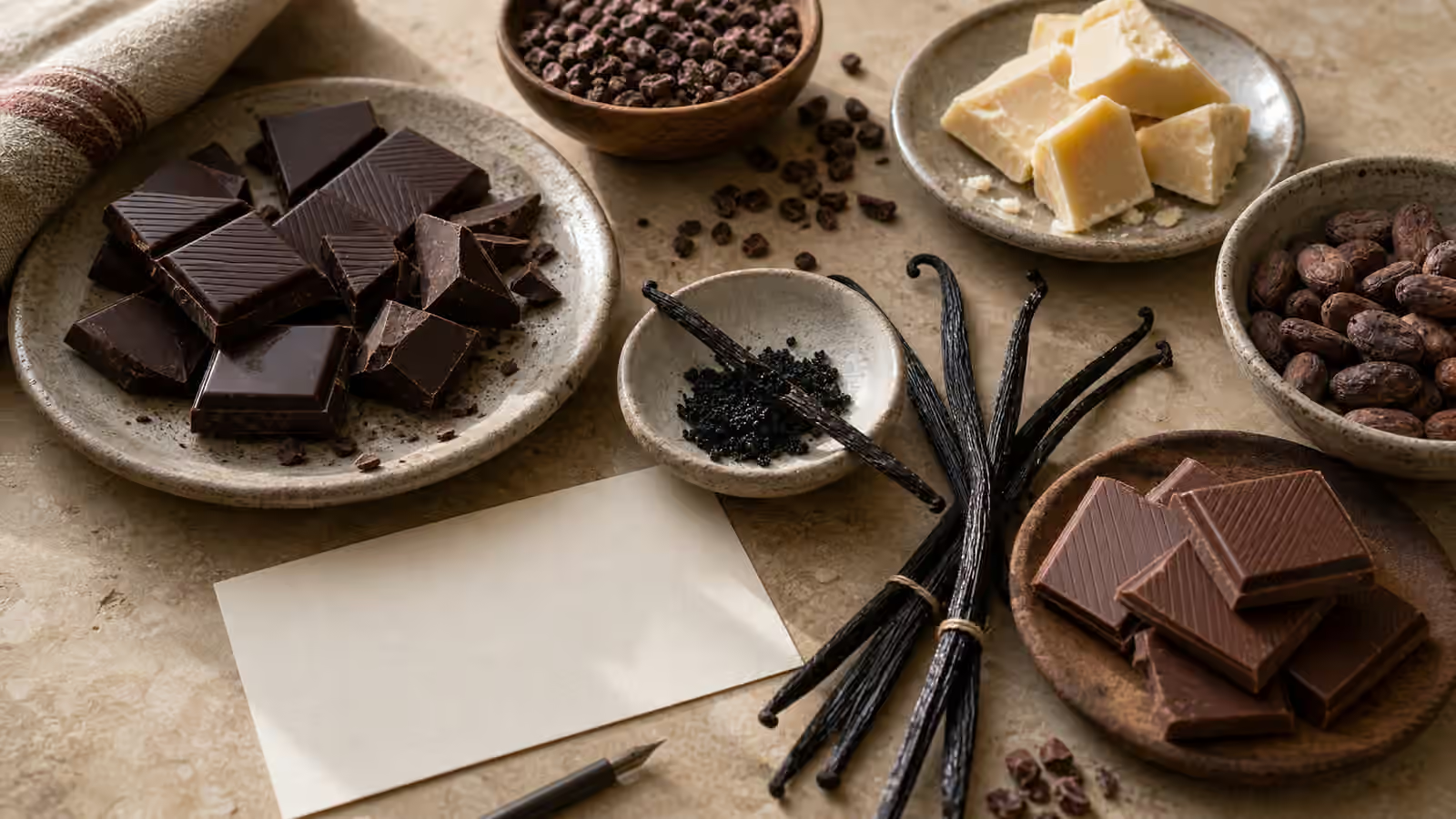
Vanilla has a long history with chocolate because the two aromas fit naturally. Used gently, vanilla can round bitterness, warm dairy notes, and make roast feel more generous. In milk chocolate and white chocolate, it can help sweetness feel less blunt. In dark chocolate, it can soften rough edges without hiding the origin completely.
The risk is that vanilla can become a blanket. A delicate cacao that might have shown flowers, citrus, or red fruit can be made to taste more generic when heavy vanilla sits over it. This is why plain single-origin bars are often better for learning. The Cacao Origins guide is easier to practice with chocolate that keeps the supporting cast quiet.
Salt is even more direct. A small amount can sharpen sweetness and make cocoa taste clearer. A surface flake or salted inclusion changes the timing of the bite, arriving early and loudly. Salted chocolate can be delicious, but it is harder to use as a reference point because salt changes the first impression so quickly. If you are comparing origins or roast styles, taste unsalted bars first, then enjoy salted bars for what they are: composed confections.
Flavorings belong on a spectrum. A little vanilla or coffee can support the bar. Strong fruit oils, extracts, spices, or artificial flavors can move it into confectionery. That is not a moral failure. It simply changes the question. You are no longer tasting cacao alone; you are tasting a recipe built around cacao.
Milk, White Chocolate, and Substitute Fats
Milk ingredients complicate labels because milk chocolate is not only dark chocolate made sweeter. Milk powder brings dairy solids, lactose, fat, cooked-milk aroma, and a softer flavor arc. The Milk Chocolate: Cocoa, Dairy, Sugar, and Balance guide looks at that structure in detail. On a label, the useful questions are whether the chocolate contains real cocoa ingredients, how prominent sugar is, and whether the dairy supports cocoa or replaces it.
White chocolate makes the label even more important because there are no cocoa solids to provide bitterness or roast. Good white chocolate depends on cocoa butter quality, dairy flavor, sugar balance, and careful texture. If the ingredient list leads with sugar and vegetable fats while cocoa butter is absent or minor, you are looking at a confectionery coating rather than white chocolate in the usual sense. The White Chocolate and Cocoa Butter guide explains why that difference matters in the mouth.
Vegetable fats are the line to read carefully. Compound coatings can be useful in some kitchen contexts because they set easily and do not require tempering in the same way. They are not the same eating experience as chocolate built around cocoa butter. Couverture vs. Compound Chocolate is the practical companion here. The label may say coating, confectionery, compound, or chocolaty rather than chocolate. Those words are not accidents. They tell you what fat system you are buying.
How to Use the Label Without Becoming Rigid
The best label reading is calm. Start with the category. Is this a plain dark bar, a high-cacao milk bar, a white chocolate, an inclusion bar, a baking chocolate, or a coating? Then ask whether the ingredients make sense for that job. A plain tasting bar benefits from restraint. A couverture may reasonably include extra cocoa butter or a little lecithin. A milk chocolate needs dairy. A flavored bar should name its flavors honestly. A coating that avoids tempering will probably use a different fat system.
Then taste to confirm. If the label promises simplicity but the bar tastes harsh, gritty, or flat, the simplicity did not save it. If the label includes a small amount of lecithin and the bar melts beautifully with clear flavor, the addition did its job quietly. If vanilla, salt, or flavors are louder than cocoa, decide whether that is what you wanted from the bar.
Ingredient lists are not there to make chocolate less romantic. They make it more legible. They show how a maker balanced cacao, sugar, fat, aroma, dairy, and flow. Once you can read that small paragraph, the wrapper stops being a sales pitch and becomes a set of clues you can test with your own mouth.