Chocolate inclusions are easy to treat as decoration: a handful of nuts, a scatter of salt, a line of dried fruit, a few cacao nibs for crunch. That is how many bars advertise them, as toppings that make the chocolate look generous. But the best inclusion bars are not merely chocolate plus something else. They are built around a relationship. The base chocolate has a certain melt, sweetness, bitterness, aroma, and finish. The inclusion interrupts that structure, then ideally gives it back with more contrast and clarity.
This matters because chocolate is already a carefully balanced material. Chocolate Texture: Snap, Melt, and Mouthfeel explains how snap, particle size, fat, and temperature shape plain bars. Inclusions add another layer of structure. A hazelnut changes the way the bar breaks. A cherry changes acidity and chew. A crystal of salt changes sweetness in the first second and bitterness in the finish. A cacao nib adds chocolate flavor, but in a rougher register than the refined chocolate around it. None of these changes is neutral.
The Base Chocolate Has to Carry the Addition
The first question is not what inclusion sounds delicious. It is what the chocolate underneath can support. A delicate, floral single-origin dark chocolate may lose its quiet perfume under smoked salt or heavy roasted nuts. A deep, roasty blend may welcome almonds, coffee, malted grains, or brittle because those additions speak the same language. A high-cacao milk chocolate may make toasted hazelnuts taste round and almost pastry-like, while a very sweet milk chocolate can turn the same hazelnuts into candy before the nut flavor has time to unfold.
This is why inclusion bars can be harder to read than plain bars. The percentage still matters, but it no longer tells the whole story. As the Understanding Chocolate Percentages guide explains, the number describes cacao-derived ingredients, not sweetness in the actual bite. Once fruit, caramel, nuts, milk powder, or grains enter the bar, the eating experience becomes more complicated. A 70 percent dark bar with dried cherries can taste softer and brighter than a plain 65 percent bar. A 55 percent milk chocolate with toasted buckwheat can feel less sweet than expected because roast and crunch slow the sugar down.
For tasting, it helps to let the chocolate speak first. Smell the bar before chewing, then let a plain corner or a less crowded piece melt briefly. That gives you a baseline. After that, chew a piece with the inclusion and notice what changed. Did the addition sharpen the finish, soften bitterness, add fragrance, or simply distract from a weak base chocolate? Good inclusions make the chocolate more legible. Weak inclusions make it louder without making it clearer.
Crunch Changes Time
Texture is often the first reason people enjoy inclusion bars. Nuts, nibs, puffed rice, brittle, toasted seeds, and crisp grains give the mouth something to do. But crunch is not only entertainment. It changes timing. Plain chocolate can be tasted slowly because cocoa butter melts gradually and carries aroma upward. A crunchy inclusion asks you to chew, and chewing pushes sweetness, bitterness, and aroma forward all at once.
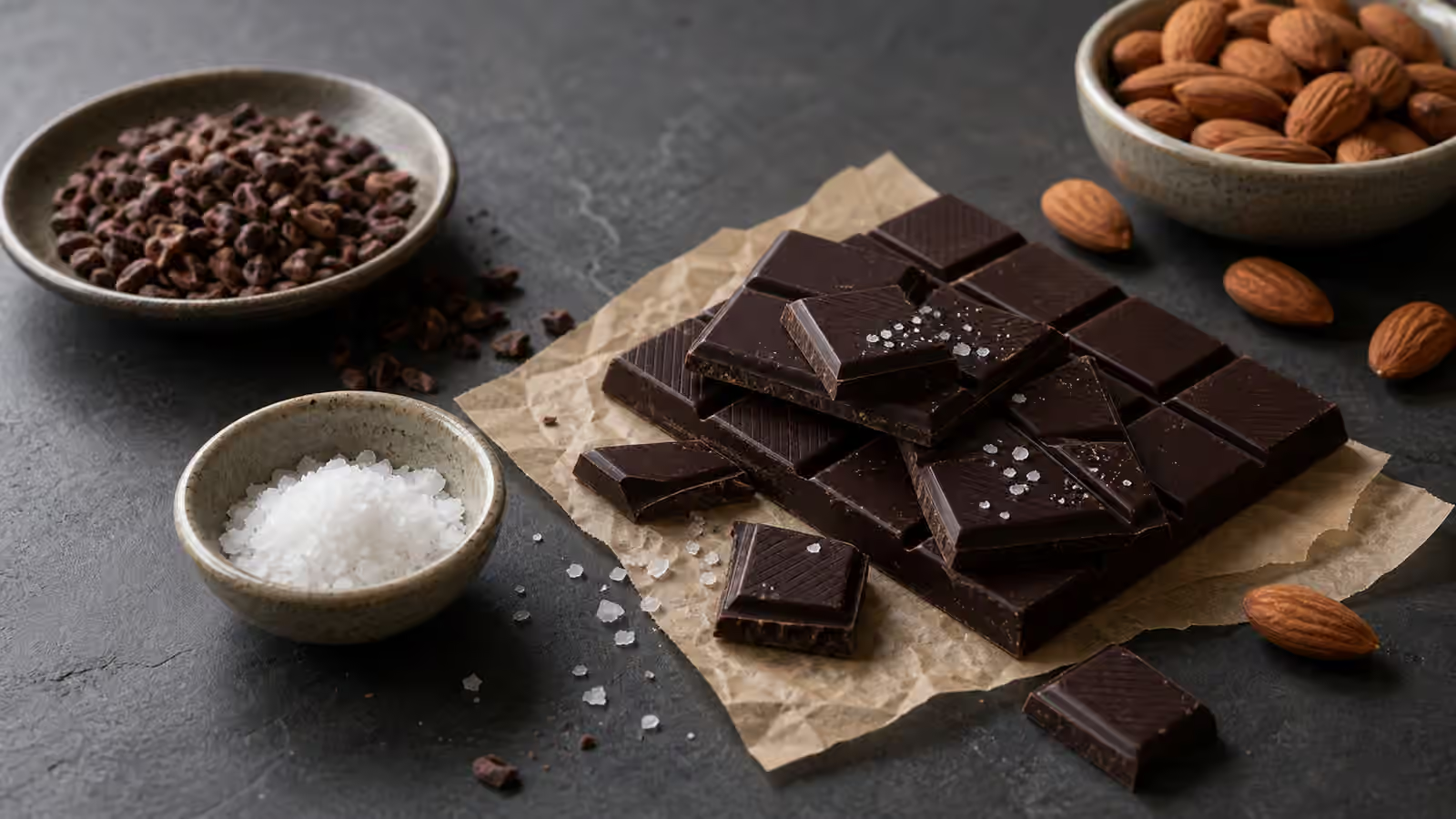
That can be useful when the base chocolate is dense or slow to open. Cacao nibs are a good example. They are made from roasted, cracked cacao beans before those nibs are refined into smooth chocolate. In a finished bar, nibs bring back a rawer version of cocoa: earthy, bitter, nutty, sometimes fruity, and always more angular than the polished chocolate around them. If the base is too sweet, nibs can give it grip. If the base is already tannic, nibs can make the finish feel dry and severe.
Nuts work differently because they bring fat as well as crunch. Almonds tend to read clean and firm. Hazelnuts bring aroma that can make chocolate taste more rounded, especially with milk chocolate or a nutty dark bar. Pistachios can be beautiful with white chocolate or gentle milk chocolate because their green, buttery flavor needs space. Peanuts are bold and familiar, which can be either comforting or flattening depending on the chocolate. The issue is not whether the nut is “premium.” The issue is whether its roast level, oiliness, and texture belong with the base chocolate.
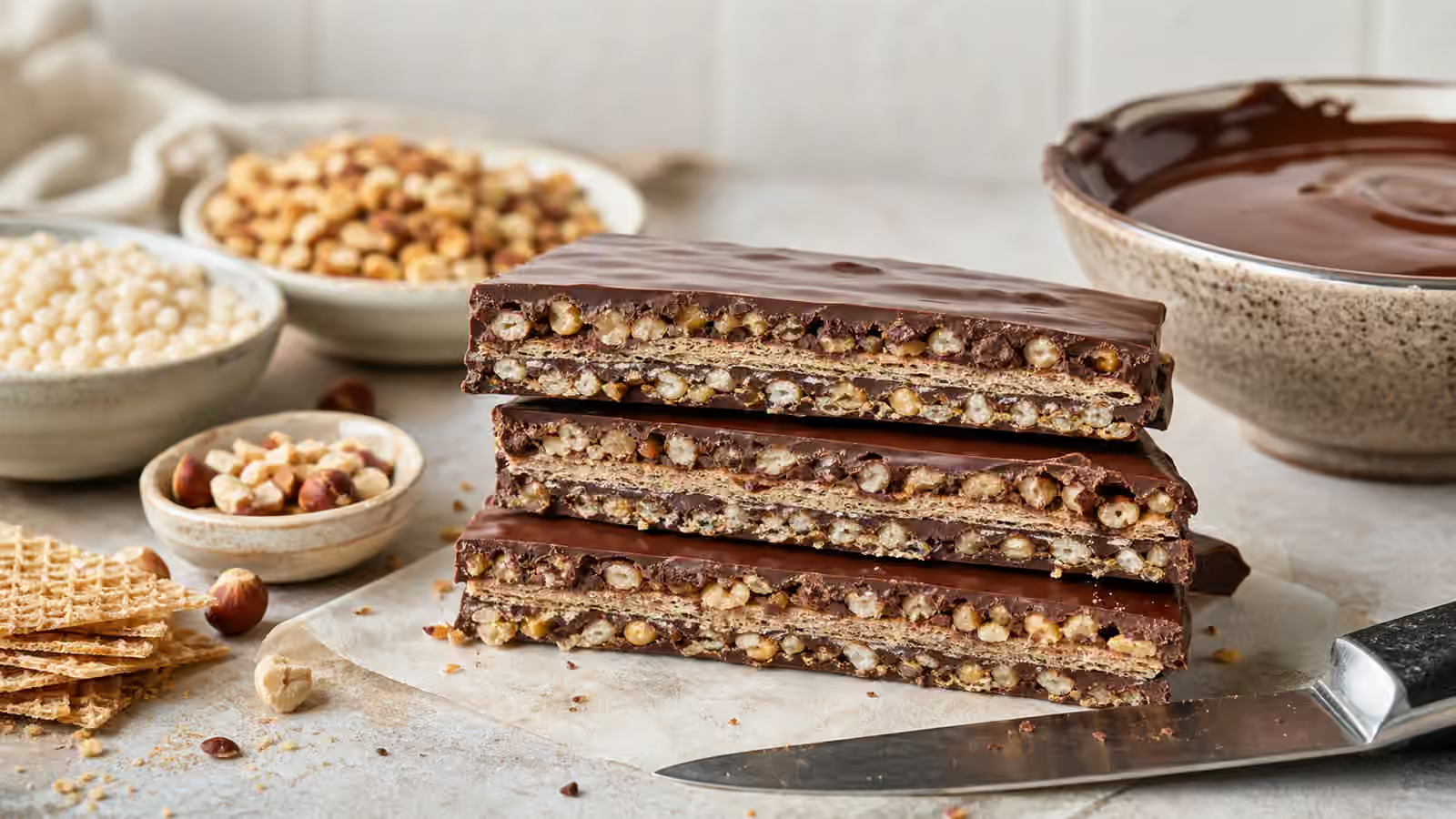
Crisp grains and wafers add a different kind of lightness. They can make a rich bar feel less heavy because the bite fractures into air pockets. The risk is staleness. A crisp inclusion that has absorbed moisture from fruit, caramel, or humid storage can turn leathery, and leathery crunch is worse than no crunch at all. This is one reason simple-looking inclusion bars still require good making decisions.
Fruit Brings Acidity, Water, and Chew
Dried fruit can be one of chocolate’s best partners because cacao already carries fruit-like notes. A bright origin from Madagascar or Tanzania may echo red berries, citrus, or dried fruit without containing any fruit at all, as the Cacao Origins guide describes. Adding actual fruit can make that signal more obvious. Tart cherries can lift a deep dark chocolate. Candied orange can make a roasty bar feel warmer. Raisins can pull a milk chocolate toward malt, caramel, and dried-fruit sweetness.
Fruit also brings practical complications. Even when dried, it contains more moisture than nuts, nibs, sugar, or cocoa solids. Moisture is not friendly to chocolate texture. It can soften nearby chocolate, encourage sugar bloom on the surface, or shorten the period when a bar tastes fresh. This does not mean fruit bars are fragile by default. It means the fruit needs to be properly dried, cut to a sensible size, and matched with chocolate that will not be overwhelmed by chew.
Chew is the overlooked part. A large sticky fruit piece can interrupt the melt so strongly that the chocolate disappears. A smaller piece can release acidity gradually and keep the bite balanced. Freeze-dried fruit behaves differently again. It is dry, bright, and brittle, so it can give sharp aroma without the same chew, but it can also taste thin or dusty if the chocolate does not provide enough fat and depth around it.
The best fruit inclusion bars often feel edited. They do not try to place fruit in every bite with perfect equality. They let some pieces taste mostly like chocolate and others open into fruit. That variation keeps the palate interested. It also avoids the common problem where a bar becomes a fruit snack held together by chocolate instead of a chocolate bar shaped by fruit.
Salt Is Small but Powerful
Salt is the inclusion that needs the least physical space and the most restraint. A few flakes can make sweetness feel cleaner, reduce the impression of bitterness, and sharpen aroma. Too much salt takes over quickly because it announces itself before the chocolate has melted. Then the bar becomes about impact rather than flavor.
Crystal size matters. Fine salt disappears into the formula and changes overall seasoning. Flake salt sits on the surface and arrives in pulses. Coarse crystals can be exciting if they are sparse, but they can also feel like grit if the bar is thin or the chocolate is delicate. The timing matters too. Salt on the back of a molded bar tastes different from salt embedded inside a thick piece because the tongue meets it at a different moment.
Salt also exposes weak chocolate. If a bar tastes flat, salt can make the first bite more appealing, but it cannot create a long finish where none exists. It is better understood as contrast than repair. In a strong bar, salt lets cocoa, caramel, nuts, and dairy notes stand in clearer relief. In a weak bar, it can become the only memorable thing.
Inclusions Complicate Making
For makers, inclusions are not just a flavor decision. They affect tempering, molding, cooling, and storage. Anything added to tempered chocolate can change the temperature of the mass, and cold additions can thicken chocolate suddenly or disturb the crystal structure. That is why the tempering guides keep returning to dry, room-temperature tools and ingredients. Tempering Chocolate at Home gives the crystal logic, while Chocolate Molds and Casting shows how fluidity and release can suffer when chocolate is too thick, too cool, or filled with awkward pieces.
Size and distribution matter in molded bars. Large nuts can prevent the chocolate from settling into corners. Fine nib dust can thicken the flow and make a bar feel rough. Sticky fruit can drag across the mold and leave smears. Surface toppings need to be added while the chocolate is still tacky enough to hold them, but not so fluid that they sink completely. Inclusions mixed through the whole batch need to be dry and stable enough to survive the time before the bar sets.
There is also a storage question. Nuts contain oils that can stale over time. Fruit can bring moisture and acidity. Crisp grains can soften. Spices can fade or grow dusty. A plain dark bar stored well can remain pleasant for a long while, but an inclusion bar is often only as durable as its most fragile ingredient. The habits in Storage and Serving still apply: cool, dry, stable, protected from odors. They matter even more when the bar contains ingredients that can absorb moisture or carry aromas of their own.
Bloom can also look more confusing on inclusion bars. Pale streaks near nuts or fillings may come from fat movement rather than only poor temper. Rough patches near fruit may be sugar bloom caused by moisture. Chocolate Bloom Explained is helpful here because it separates surface appearance from spoilage panic. The practical reading is simple: bloom tells you something moved after the bar was made. With inclusions, more things can move.
Choosing and Tasting Inclusion Bars
When buying, read the inclusion as part of the recipe, not as a bonus. A bar that names a careful origin and then adds many loud ingredients may be delicious, but it is no longer the best way to study that origin. If your goal is learning place, keep the bar plain and use Chocolate Tasting as your reference. If your goal is pleasure, contrast, or pairing, an inclusion bar may be exactly right.
Look for signs of intention. The best labels often make the relationship obvious without overselling it: dark chocolate with cacao nibs for extra cocoa bite, milk chocolate with toasted hazelnuts for roundness, white chocolate with pistachio and salt for fat, color, and contrast, or a bright dark chocolate with cherry because acidity is already part of the bar’s personality. Vague abundance is less useful. If every possible treat has been added, the chocolate may be acting as glue.
At home, taste inclusion bars more slowly than candy habits suggest. Break a piece and look at the cross-section. Notice whether the additions are large, fine, even, sparse, embedded, or only on the surface. Let part of the piece melt before chewing if you can. Then chew and pay attention to the finish after the inclusion is gone. The important question is whether chocolate returns. If the last flavor is clean cocoa, fruit, nut, caramel, dairy, or roast, the bar has balance. If the last flavor is only salt, stale nut oil, sticky fruit, or sugar, the inclusion has taken the bar away from itself.
Inclusions are at their best when they make chocolate more specific. They can turn a quiet bar into a dessert, a roasty bar into something savory, a sweet bar into something crisp, or a severe dark bar into something generous. The craft is in knowing how much interruption the chocolate can bear. A good inclusion bar still tastes like chocolate after the surprise has passed.