Frozen desserts change chocolate. A bar that tastes lush at room temperature can seem muted once frozen. A sauce that flows beautifully when warm can turn chewy or brittle over ice cream. Chips that taste pleasant from the bag can become hard little pebbles in a scoop. Cold does not ruin chocolate, but it changes the rules.
The reason is simple enough: cold dulls aroma, lowers perceived sweetness, firms cocoa butter, and slows melt. Ice cream also adds water, dairy, sugar, air, and stabilizing structure. Chocolate has to work inside that system rather than behave like a plain square on a tasting plate. The best chocolate choices for frozen desserts are often the ones that keep flavor clear after the freezer has turned the volume down.
If you bake often, the pantry logic from Choosing Chocolate for Baking will help, but frozen desserts deserve their own reading. Heat hides some chocolate details. Cold hides others. Texture becomes the decisive difference.
Cold Mutes Aroma and Sweetness
Taste a piece of chocolate cold from the refrigerator, then taste another piece after it has warmed slightly. The cold piece will usually seem harder, less aromatic, less sweet, and sometimes more bitter. Ice cream does the same thing. A base that tastes perfectly chocolatey before freezing may taste timid after churning because cold has reduced aroma and sweetness.
This is why frozen chocolate bases often need more intensity than you expect. Cocoa powder can be useful because it brings direct cocoa flavor without adding much cocoa butter. Melted chocolate brings fat, roundness, and depth, but its aroma may need support from cocoa powder, salt, dairy balance, or a little coffee depending on the recipe. The goal is not to make the base harsh when warm. It is to make it still taste like chocolate when frozen.
Sugar also behaves differently in frozen desserts because it affects texture as well as taste. It lowers the freezing point and helps keep ice cream scoopable. Reducing sweetness by instinct can make a chocolate ice cream icy, hard, or dull. For a deeper look at sweetness as structure, read Chocolate Sweetness and Sugar Balance .
Cocoa Powder Gives Clean Flavor
Cocoa powder is often the backbone of chocolate ice cream because it delivers cocoa solids without adding much extra fat. Natural cocoa can bring brightness and sharper chocolate flavor. Dutch-process cocoa can bring darker color and a rounder, smoother profile. Black cocoa can create dramatic color and cookie-like depth, but it can taste flat if used alone.
The choice depends on the dessert. A custard ice cream with egg yolks and cream can handle a darker, rounder cocoa. A lighter milk-based base may benefit from natural cocoa’s directness. A frozen mousse might use Dutch-process cocoa for smoothness and color, then add melted chocolate for body. Cocoa Powder: Natural, Dutch-Process, and How to Choose explains the flavor and acidity differences in more detail.
Cocoa powder must be hydrated well. Dry clumps do not disappear just because the mixture is cold. Whisking cocoa with sugar before adding liquid helps disperse it. Heating the base gives cocoa particles time to bloom and soften. A rushed base can taste dusty even if the formula looks correct.
Melted Chocolate Adds Body
Melted chocolate brings cocoa butter, sugar, and cocoa solids. In ice cream, that can be a gift or a problem. Cocoa butter firms when cold, so a base with a lot of melted chocolate can become dense or slightly waxy if the balance is off. Used well, melted chocolate gives a luxurious body and a longer finish than cocoa powder alone.
Moderate dark chocolate is often easier than very high-percentage chocolate. A very dark bar brings less sugar and more cocoa structure, which can taste strong when warm but austere when frozen. Milk chocolate can make beautiful ice cream when the formula respects its sweetness and dairy. White chocolate works best when paired with strong supporting flavors or tart contrast because cold can make its sweetness feel broad.
Bars with subtle origin notes may not justify their cost in a frozen base. Freezing, dairy, sugar, and air soften fine aroma. Save rare tasting bars for eating slowly unless the dessert is very simple and the chocolate is meant to be the main event. For many frozen desserts, a reliable, flavorful chocolate with clear cocoa, roast, caramel, or malt notes will serve better than a delicate bar whose best qualities vanish in the freezer.
Chips, Shards, and Stracciatella Need Thinness
Chocolate pieces inside ice cream should be thin enough to melt quickly in the mouth. Thick chunks freeze hard. They can taste less sweet and require chewing while the ice cream melts around them. That contrast can be unpleasant unless the pieces are intentionally small.
Stracciatella solves this by drizzling melted chocolate into churning ice cream so it breaks into thin flakes. Those flakes warm quickly on the tongue and release chocolate flavor without becoming stones. The chocolate often needs a little neutral fat or cocoa butter adjustment depending on the recipe, but restraint matters. Too much added fat can leave a greasy finish.
Chopped chocolate can work if it is shaved or cut fine. Chips are less ideal because they are designed to hold shape in heat and can feel hard when frozen. If you use chips, mini chips are usually more pleasant than large ones. The rule is sensory rather than decorative: the chocolate should melt before the bite becomes work.
Sauces and Ribbons Need Different Formulas
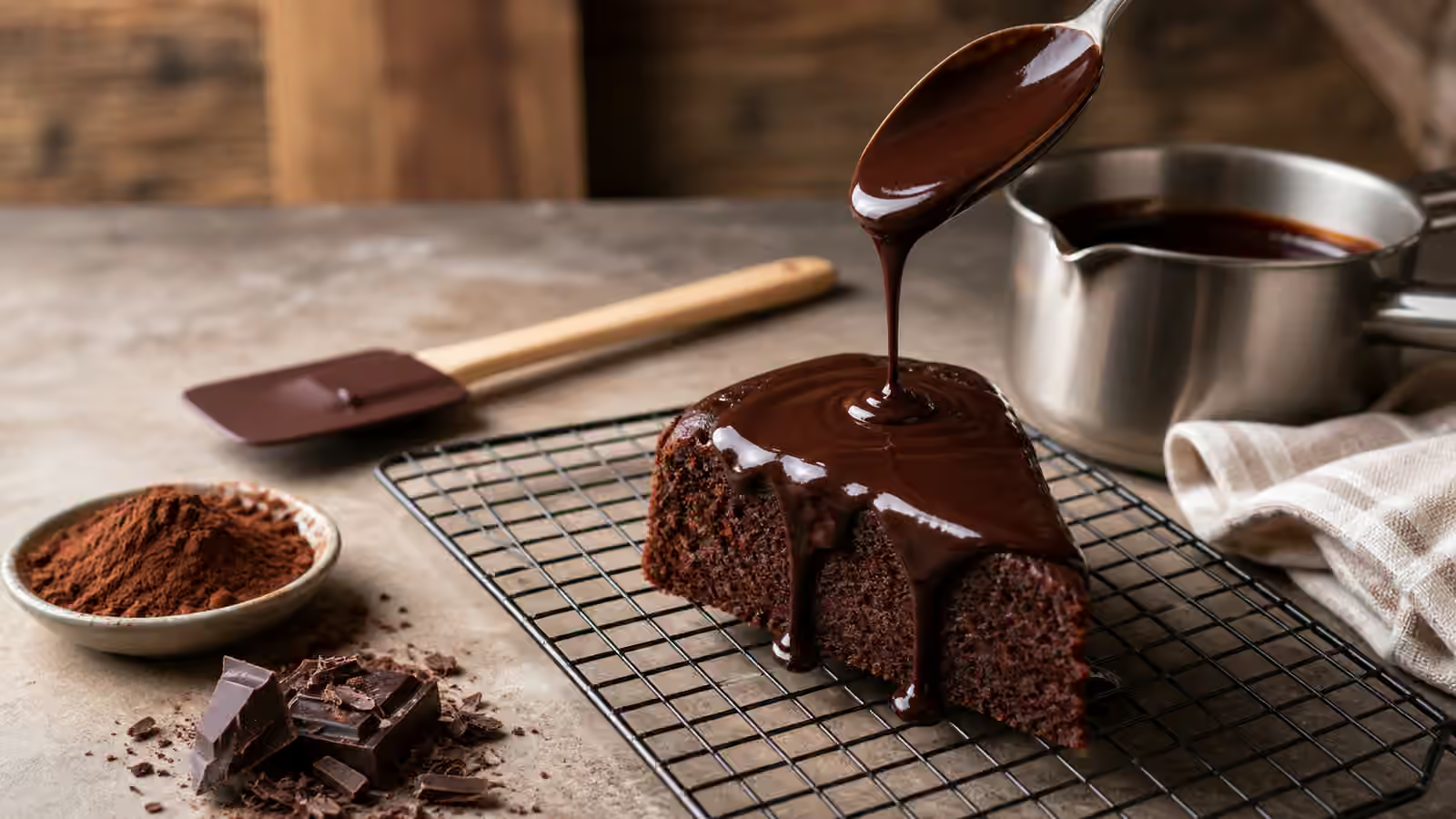
A warm chocolate sauce poured over ice cream has to survive a temperature shock. If it contains too much firm chocolate and not enough liquid or sugar, it may set into a shell. That can be desirable if you want a crackly coating, but it is not the same as a flowing sauce. A sauce meant to stay soft needs enough water, dairy, syrup, or sugar structure to remain spoonable as it cools.
Ganache ribbons inside ice cream need similar care. A firm ganache that slices beautifully at room temperature may become chewy when frozen. A looser ganache may ripple through the base and stay pleasant. Chocolate Ganache: Emulsion, Ratios, and Texture is useful here because a ribbon is still an emulsion problem, only colder.
Fudge swirls often rely on sugar syrups because they resist freezing solid. That does not mean they must taste cheap or flat. Good cocoa, salt, and careful cooking can create a ribbon that stays soft while still tasting like chocolate. The formula’s job is specific: it must taste good cold and move correctly in a frozen base.
Balance Chocolate With Dairy, Salt, and Time
Dairy can round cocoa bitterness, but it can also blur chocolate if the base is too rich. Cream gives body and scoopability. Milk keeps the base lighter and can make cocoa taste clearer. Egg yolks add custard richness, which can be wonderful with dark chocolate but heavy if the chocolate is already high in cocoa butter.
Salt matters because cold suppresses flavor. A small amount can make chocolate taste more complete without making the dessert salty. Vanilla can warm the profile, but too much can turn chocolate ice cream into vanilla ice cream wearing a cocoa coat. Coffee can deepen roast notes, though it should be used carefully if you do not want a mocha flavor.
Resting the base before freezing can improve flavor and texture. Cocoa hydrates, dairy fats stabilize, and the mixture tastes more integrated. After churning, time in the freezer firms the structure, but long storage can dull aroma and pick up freezer smells if the container is not sealed well.
Taste Warm, Then Imagine Cold
Frozen dessert work requires a small act of prediction. The base should taste slightly more intense and slightly sweeter before freezing than you want the final scoop to taste. A sauce should be tested on something cold, not only from the spoon. Chocolate pieces should be frozen briefly and tasted with a cold bite of dairy if you want to know whether they will behave.
The most reliable chocolate frozen desserts are not the ones with the fanciest chocolate. They are the ones where chocolate form matches the job. Cocoa powder for direct flavor. Melted chocolate for body. Thin flakes for texture. Softer ribbons for swirls. Warm sauce for contrast. Each form has a reason.
When chocolate fails in ice cream, it usually fails physically before it fails romantically. It is too hard, too waxy, too muted, too icy, or too sweet without enough cocoa. Fix the physical problem and the flavor often follows. Cold is strict, but it is also honest.