Chocolate is a generous gift until the journey becomes part of the flavor. A bar can arrive warm and bent. A box of caramels can pick up the smell of tape, cardboard, perfume, or a freezer pack. A glossy molded piece can bloom after a humid temperature swing. None of this means chocolate is impossible to send or carry. It means the gift needs the same attention after purchase that it received during making.
This guide is a practical companion to The Gift Box That Taught Me to Taste , Warm-Weather Chocolate Handling , and Chocolate Shelf Life and Freshness . It is not about turning every gift into a logistics project. It is about preserving the chocolate’s shape, aroma, and texture long enough for the recipient to meet it clearly.
The Route Matters More Than the Calendar
People often ask whether chocolate can be shipped in a certain month, but the route matters more than the month. A cool day can still include a hot truck, a sunny porch, a warm apartment lobby, or a long stop beside a heat source. A warm region can still be manageable if the package moves quickly, is insulated well, and is received promptly. The risk is not only outside temperature. It is the number of uncontrolled transitions.
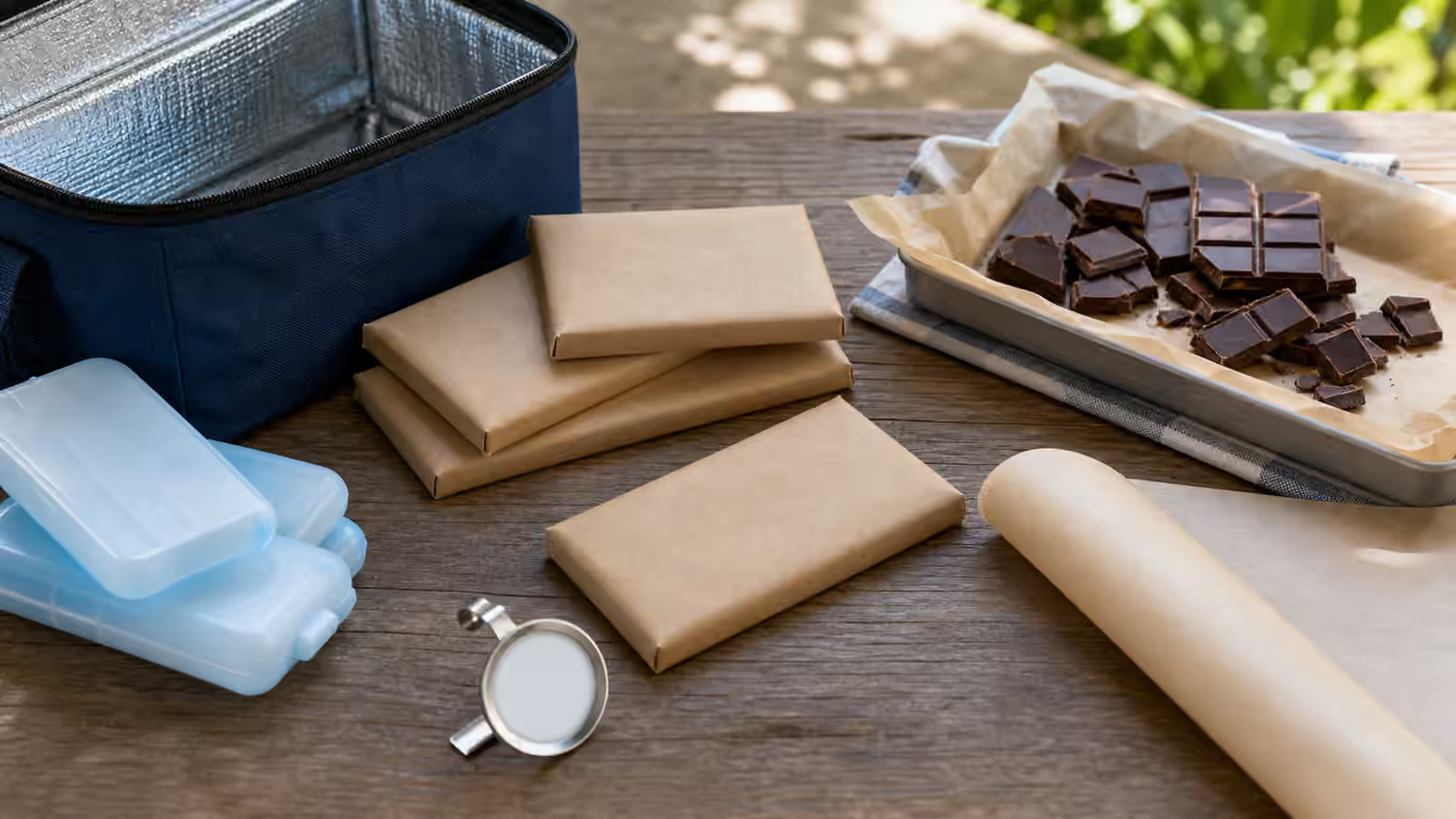
For hand-carried gifts, the route is easier to manage. Keep the chocolate in the passenger area rather than a trunk. Avoid leaving it in a parked car. Use a small insulated bag if the trip includes sun, errands, or public transit. For mailed gifts, think about time in transit, weekend delays, delivery location, and whether the recipient will know to bring the package inside.
Fast shipping is not magic, but time matters. The longer chocolate spends in unknown conditions, the more chances it has to warm, cool, absorb odors, or get crushed. If the gift includes filled chocolates, caramels, or delicate decorations, the route should be shorter and more predictable than for plain wrapped bars.
Bars, Filled Chocolates, and Bark Need Different Protection
Plain bars are the easiest chocolate gifts because they are flat, wrapped, and relatively stable. They still dislike heat and odor, but they are less fragile than molded bonbons or soft caramels. A bar can tolerate a careful padded mailer in cool weather if it is protected from bending and strong smells. A delicate inclusion bar with nuts, fruit, or crisp pieces deserves more structure because the inclusions can press through the chocolate or stale faster.
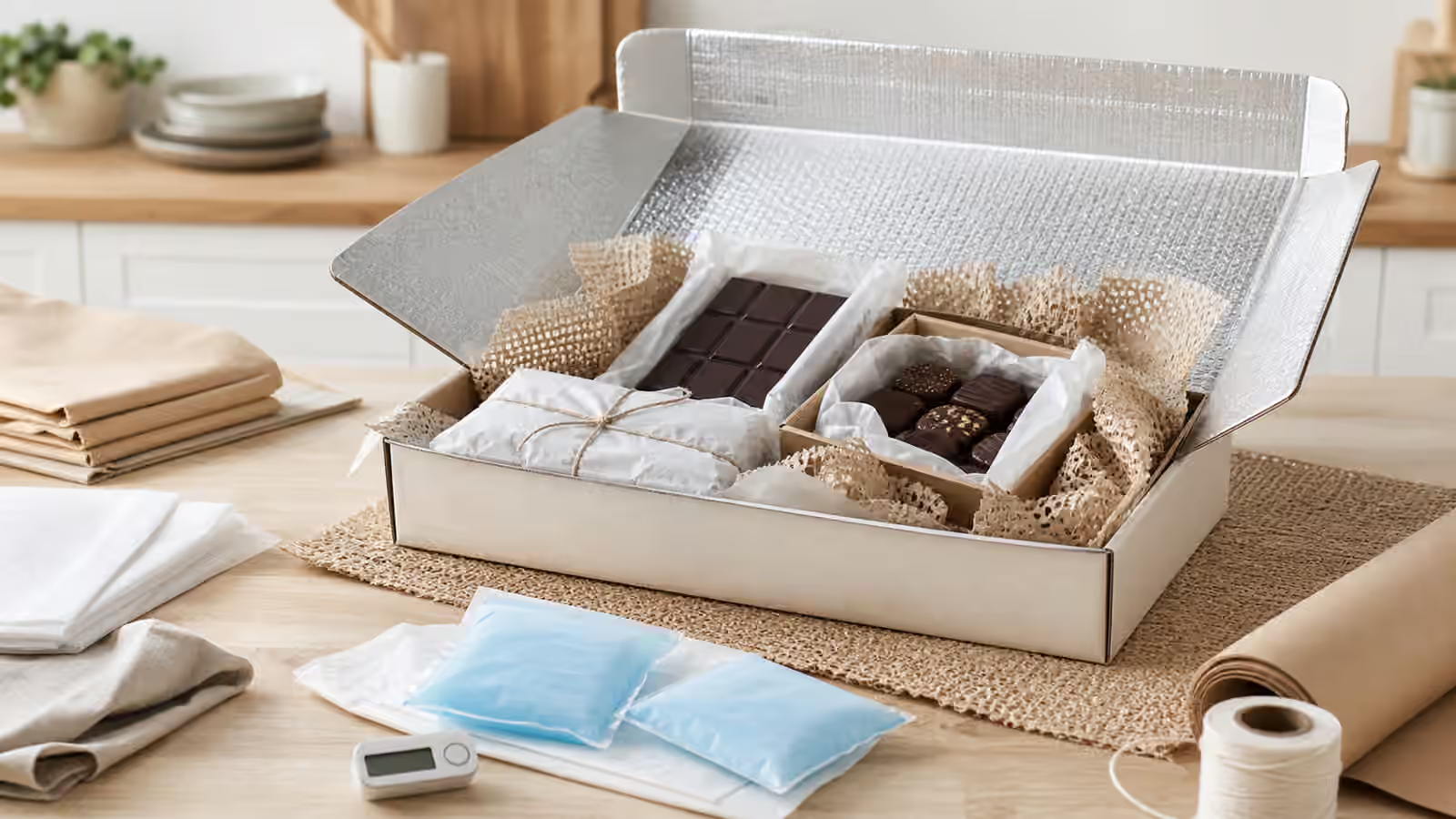
Filled chocolates need a box that prevents movement. Each piece should sit in a cavity, cup, or snug layer so it cannot knock into its neighbor. Soft centers are more sensitive to heat, and dairy-rich fillings have a shorter freshness window than solid bars. Filled Chocolates: Shells, Centers, and Clean Bites explains why the shell is structural. Packing should respect that structure rather than treating the pieces like hard candy.
Bark, clusters, slabs, and crisp layers are irregular. They need padding that protects edges without trapping too much warmth. If the gift is intentionally rustic, breakage may not ruin it, but crumbs still make the opening feel careless. A simple rigid box inside the outer package often does more than layers of soft wrap. The rigid layer prevents bending; the soft layer absorbs shock.
Odor Control Is Part of Packing
Chocolate carries aroma beautifully, which is why good cacao can taste like fruit, nuts, flowers, roast, or cream. That same fat-based aroma carrying makes chocolate vulnerable to its surroundings. It should not travel beside scented tissue, soap, candles, coffee beans, spices, fresh pine, perfume, or strongly printed packaging. A gift that smells like the box is not a small flaw. It changes the tasting.
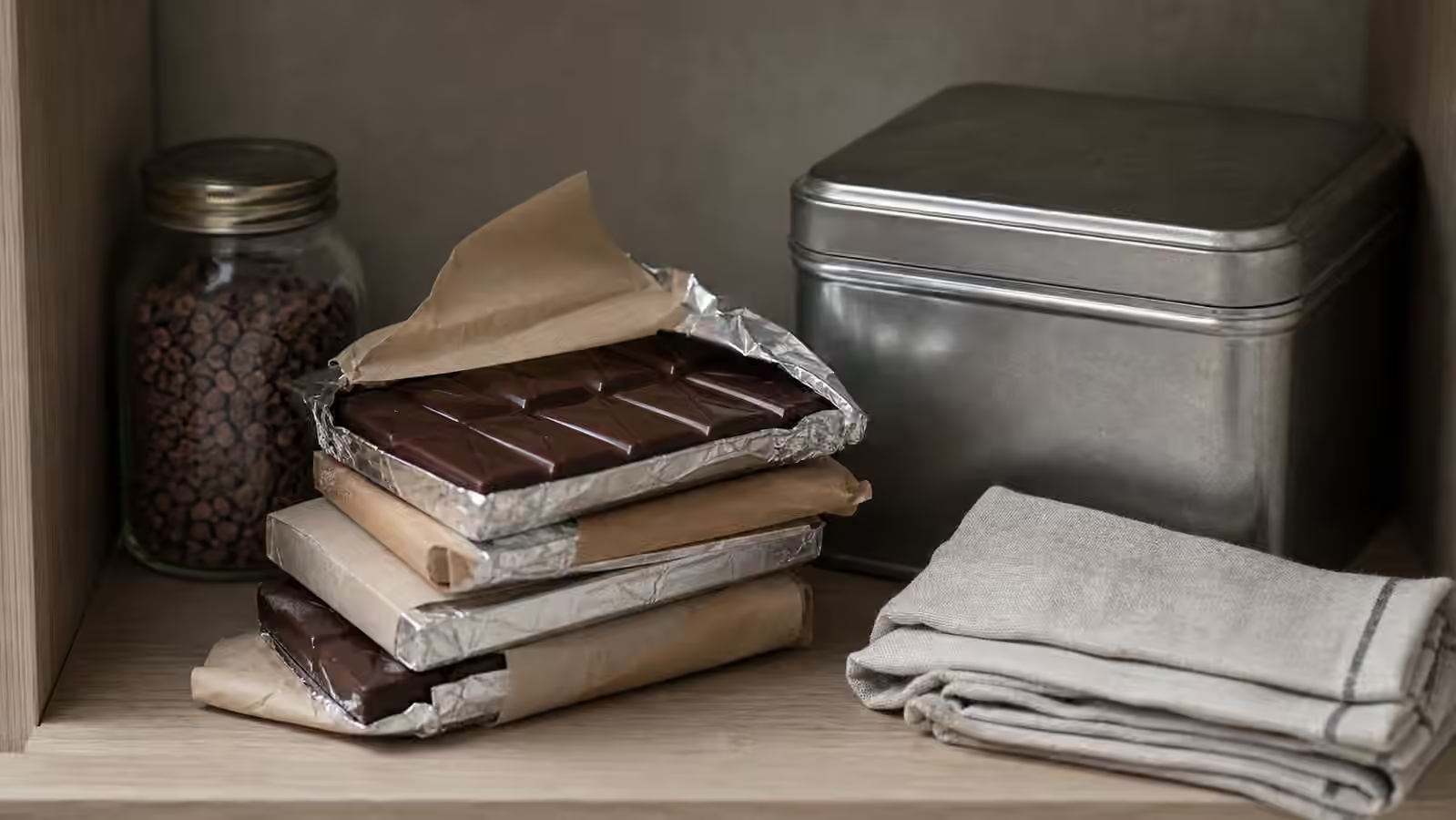
Use clean, food-safe inner wrapping. If the chocolate is already sealed by the maker, keep that seal intact. If you are packing homemade pieces, use plain candy cups, parchment, foil, glassine, or boxes intended for food. Decorative outer paper is fine outside the food barrier. It should not touch unwrapped chocolate unless it is made for that purpose.
Tape and adhesives should stay away from the chocolate itself. They can smell strong, especially in warm conditions. Cardboard can also have odor. Let new boxes air out if they smell papery or chemical. This sounds fussy until you taste a delicate white chocolate or floral dark bar that has borrowed aroma from its packaging. Chocolate Equipment Cleaning and Odor Control covers the same principle in the kitchen.
Cool Packs Need Separation
Cold packs can help in warm weather, but they introduce their own problem: condensation. A frozen pack placed directly against chocolate can chill the surface, and when the package warms later, moisture can collect. That moisture can cause sugar bloom, dull surfaces, sticky packaging, or damaged decorations. The goal is a cool environment, not icy contact.
Wrap cool packs separately and keep a barrier between them and the chocolate. Insulation, cardboard, padding, or a raised divider can prevent direct cold spots. The chocolate should not rattle against the pack. If the gift is traveling only a short distance by hand, a cool pack in an insulated bag can be useful, but it should still be separated from the box.
Do not overchill chocolate before packing unless the plan accounts for condensation. Refrigerator-cold chocolate moved into humid air can sweat, especially if opened too soon. If refrigeration is unavoidable, keep the chocolate wrapped while it returns toward room temperature so moisture forms on the outside of the wrapping rather than on the chocolate. Storage and Serving gives the broader habit.
Presentation Should Not Defeat Protection
A beautiful gift box can be a poor shipping box. Ribbon, tissue, loose shredded paper, and decorative layers may look generous, but they do not always prevent heat, odor, or movement. Start with protection, then add presentation around it. The recipient will forgive plain cushioning if the chocolate arrives clean and intact. They may not forgive a gorgeous box that smells like fragrance oil or opens onto melted pieces.
Write any tasting notes or personal message on a separate card, not on wrappers that need to stay sealed. If you include a tasting order, keep it simple and place the card away from the chocolate surface. Avoid inks or markers with strong odor. The card should guide the gift, not season it.
If the gift includes several styles, pack strong aromas separately. A smoky bar, spiced bark, mint piece, or coffee ganache can share its aroma with a delicate milk chocolate or white chocolate. Separation can be as simple as individual wraps inside the same box, but the stronger the aroma, the more useful a separate inner packet becomes.
Tell the Recipient What the Package Needs
The final protection is communication. If the package should be brought inside quickly, say so. If the chocolates are best eaten soon, say so. If refrigeration is only a last resort, say that gently. The point is not to burden the recipient with rules. It is to keep the gift from sitting on a porch, in a mailroom, or beside a warm window after it survived the trip.
For local gifts, handing over chocolate with a simple note about storage can be enough. Keep it cool, dry, sealed, and away from strong smells. Let it warm slightly before tasting if it has been chilled. Eat filled pieces sooner than plain bars. These habits are practical, not precious. They protect the work already inside the chocolate.
Packing chocolate well is mostly an act of respect. Choose a route that makes sense, protect against heat and crushing, separate cold packs, avoid odors, and match the package to the chocolate’s fragility. The goal is not perfection. It is for the recipient to open the gift and smell chocolate first, not cardboard, tape, perfume, or regret. When the journey stays quiet, the chocolate gets to be the memorable part.