Ganache looks like one of the simplest chocolate preparations because the ingredient list can be almost comically short: chocolate and cream. That simplicity is useful, but it can also hide what is actually happening in the bowl. A smooth ganache is not just melted chocolate loosened with dairy. It is an emulsion, a careful suspension of cocoa butter, dairy fat, water, sugar, and cocoa particles that stays glossy because everything has been persuaded to share the same space.
When ganache works, it feels effortless. It pours over a cake in a dark ribbon, sets into a clean sliceable layer, or rolls into truffles that melt before they chew. When it fails, the mixture can look oily, grainy, dull, or strangely thick. The difference is rarely luck. It comes from temperature, particle size, liquid balance, and the way the chocolate and cream are brought together.
This guide sits between Choosing Chocolate for Baking and Melting Chocolate Without Seizing . Those guides help you choose the right chocolate and keep it from turning into a paste. Ganache adds a second idea: once enough liquid is invited in on purpose, chocolate stops behaving like a coating and starts behaving like a sauce, filling, glaze, or center.
Ganache Is a Controlled Truce
Chocolate is mostly fat and dry particles. Cream is mostly water with dairy fat, proteins, minerals, and milk sugar. Those two worlds do not naturally become one stable texture. If you pour cold cream onto warm chocolate, the cocoa butter can harden before it disperses. If the cream is too hot, the cocoa butter can separate and make the surface look slick. If you stir too violently at the wrong moment, you can trap air and make the ganache look cloudy instead of polished.
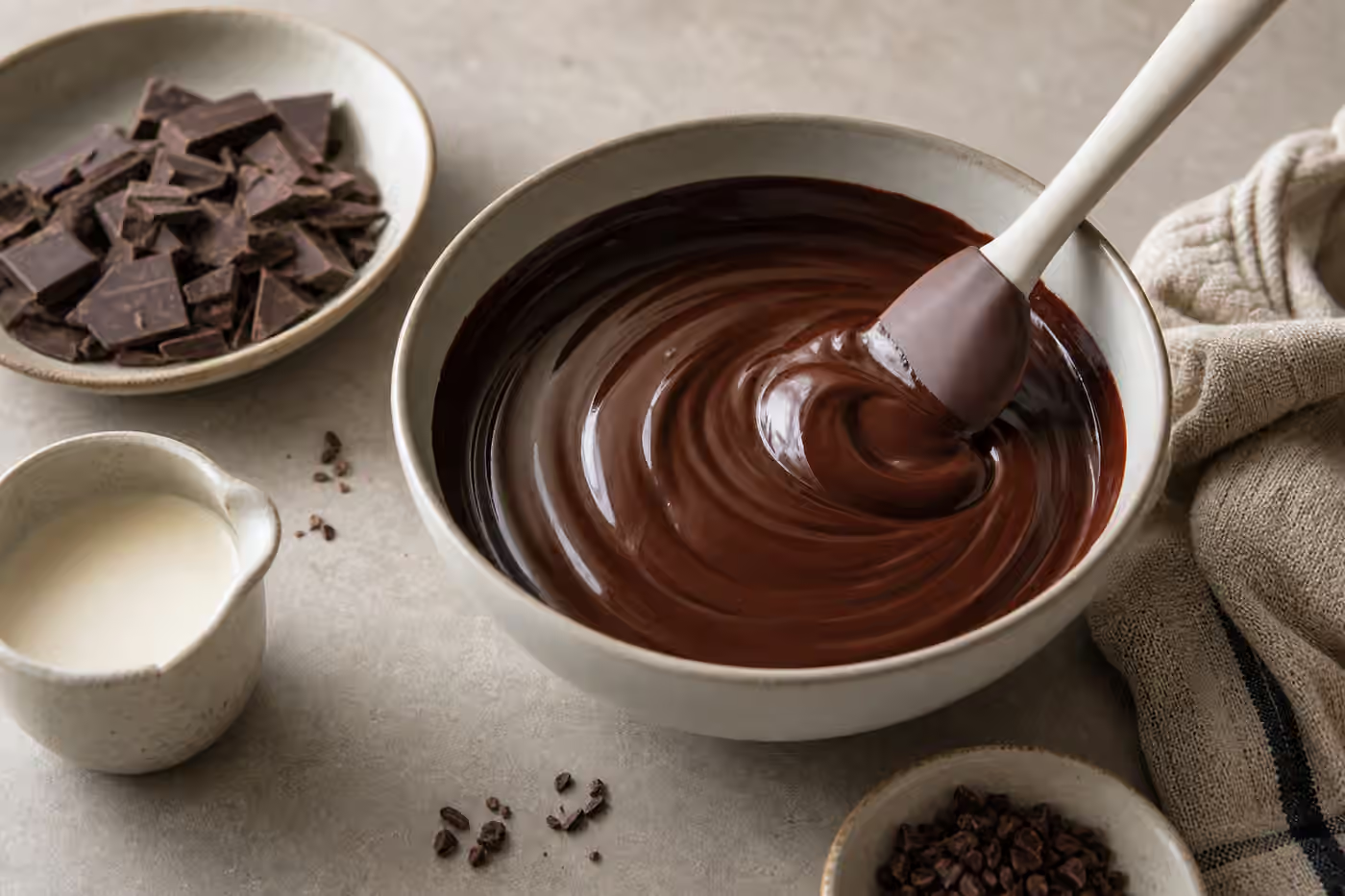
The goal is to melt the cocoa butter gently while giving the water in the cream enough access to the sugar and cocoa particles. The early stir matters because it builds the emulsion from the center outward. At first, the bowl may look broken on purpose: a dark puddle in the middle, pale cream around the edge, and streaks that seem too loose to become anything elegant. Keep stirring in small circles and the center will usually tighten into a shiny elastic core. Once that core exists, it can accept the rest of the liquid more calmly.
This is why many pastry cooks begin with finely chopped chocolate and hot cream rather than a bowl of fully melted chocolate. Small pieces melt evenly. Hot cream provides both heat and liquid. A short rest gives the chocolate time to soften without aggressive stirring. The method is quiet because the emulsion needs cooperation more than force.
The Chocolate Decides More Than the Recipe Admits
A recipe that says “use chocolate” is leaving out most of the story. Dark chocolate, milk chocolate, white chocolate, chips, baking bars, and couverture all bring different amounts of cocoa solids, cocoa butter, sugar, milk powder, and emulsifier. A one-to-one ganache made with a dark 70 percent bar will not set like the same one-to-one ganache made with milk chocolate. The dark version has more cocoa solids to give structure and bitterness. The milk version has more sugar and dairy, which makes it softer, sweeter, and more prone to feeling heavy if the cream ratio is not adjusted.
Couverture is often helpful because its added cocoa butter gives flow, especially for glazes and molded fillings. That same fluidity can make a ganache feel luxurious, but it can also make a truffle center softer than expected. Chocolate chips are less predictable for ganache because they are often designed to hold shape in cookies. They can still work in a forgiving frosting or sauce, but they may resist melting into the same fine texture as a chopped bar or pistoles.
For a ganache where flavor is exposed, choose chocolate you would be willing to taste plain. That does not mean using the rarest single-origin bar in the drawer. A ganache for a layered cake needs balance more than preciousness. Cocoa, roast, caramel, nut, malt, and gentle fruit notes often carry well through cream and butter. Sharp acidity can be beautiful in a small truffle, but it may feel distracting under a sweet glaze. The tasting habits from Chocolate Tasting still apply: smell the chocolate first, taste a small piece, and ask whether its finish belongs in the dessert you are building.
Ratios Are Texture, Not Rules
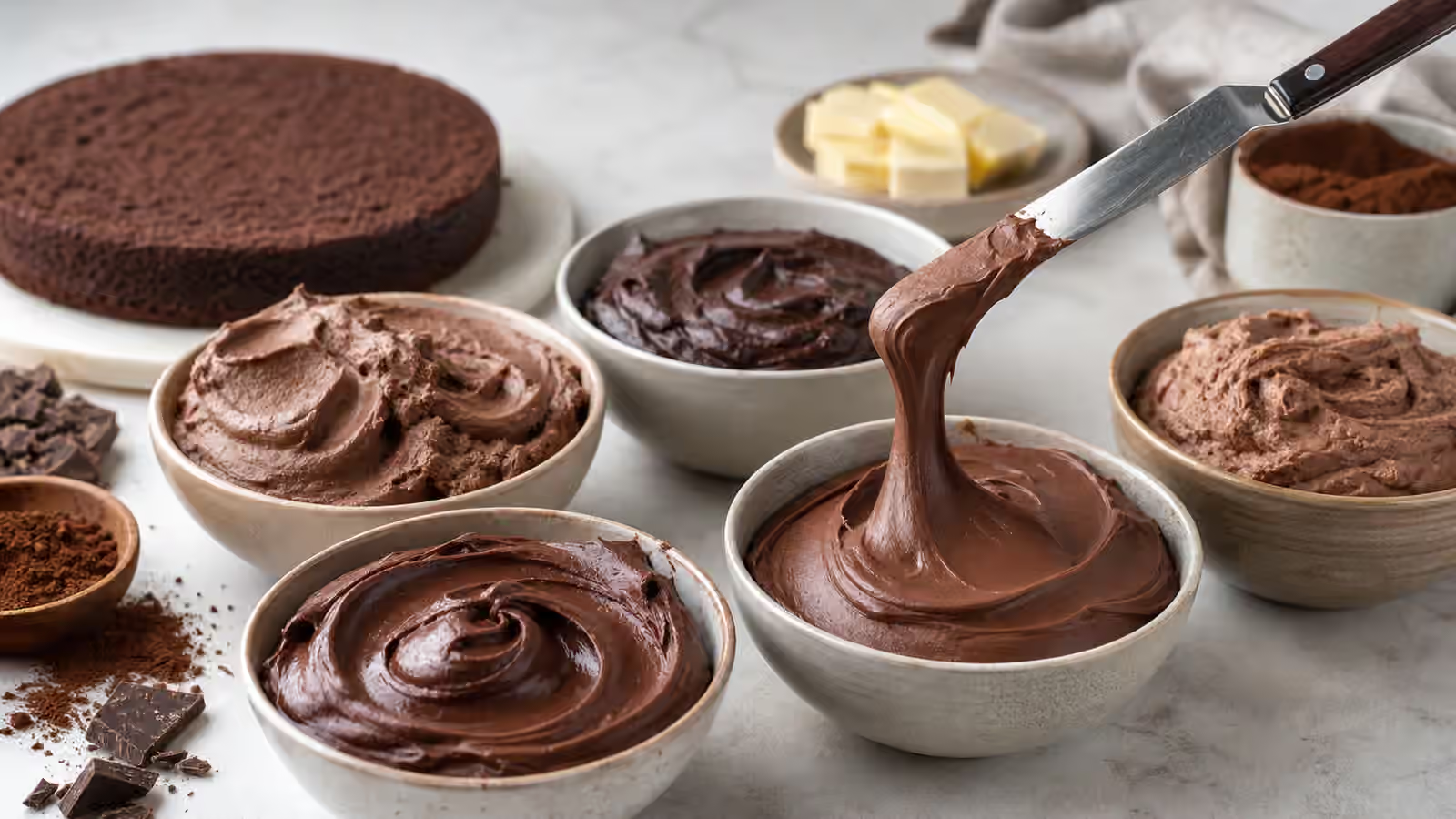
Ganache ratios are usually described as a formula, but they are better understood as texture choices. Equal weights of dark chocolate and cream make a useful middle ground: soft enough to spread, firm enough to set, and flexible enough for cake fillings, tart layers, and whipped ganache after chilling. Add more cream and the ganache moves toward sauce, glaze, or drinking-chocolate territory. Add more chocolate and it moves toward truffle centers, piped fillings, and slices that hold a sharper edge.
The same ratio changes when the chocolate changes. Dark chocolate can tolerate more cream because its cocoa solids help the ganache set. Milk chocolate usually needs less cream for the same firmness because the bar already contains milk ingredients and more sugar. White chocolate needs even more caution because it has cocoa butter, sugar, and dairy but no cocoa solids. It can make a silky ganache, but the balance is narrower. Too much cream and it becomes loose; too much heat and it can turn greasy.
Temperature also changes your reading of texture. Warm ganache always feels looser than it will after resting. A bowl that looks pourable after mixing may become spoonable after an hour and sliceable after a night. This delay is not only cooling. Cocoa butter crystals are reorganizing, sugar and cocoa particles are hydrating, and the emulsion is settling into its final body. Judge ganache after it has had time to become itself, not only when it first leaves the spatula.
Mix From the Center and Let the Shine Tell You
The most reliable home method is calm. Chop the chocolate evenly and place it in a dry bowl. Warm the cream until it is steaming and hot to the touch, then pour it over the chocolate and let it sit briefly. The rest is not a pause for drama; it lets the heat reach the center of each piece before stirring begins. Start with small circles in the middle of the bowl. As the center becomes glossy and elastic, widen the circles and draw in more cream from the edge.
If the ganache looks thin at first, keep going. If it looks thick and pudding-like in the center, that is often a good sign. You are seeing the emulsion form. The danger is panic stirring, which can splash cream around the edge without building a stable core. A spatula is usually better than a whisk because it stirs without adding much air. An immersion blender can rescue or refine a ganache, especially for a glaze, but it should be kept fully submerged so it does not foam the surface.
Butter, if used, belongs near the end when the ganache is warm but not hot. It rounds texture and adds gloss, but it can make a split mixture worse if added while the emulsion is unstable. Salt belongs earlier or with the cream so it dissolves fully. Vanilla, coffee, liqueur, fruit puree, and tea infusions all need to be counted as part of the liquid system, not as harmless flavor dust sprinkled over the top.
When Ganache Breaks
A broken ganache usually announces itself. You may see oil pooling on the surface, tiny grainy specks, a dull paste, or a mixture that refuses to become smooth no matter how much you stir. The cause is often one of three quiet problems: the mixture got too hot, the emulsion never formed in the center, or the balance of liquid to chocolate is off for the chocolate you used.
The fix depends on what the bowl is telling you. If it looks oily and separated, cooling it slightly and blending can bring the fat phase back into line. If it is thick and grainy, a small spoonful of warm cream, milk, or even warm water can help the dry particles hydrate and loosen. That may sound backward if you have learned to fear water around chocolate, but ganache is the moment when liquid is no longer an accident. The difference is intention and quantity. A few stray drops can seize melted chocolate; enough warm liquid, added patiently, can turn the same chocolate into a stable sauce.
If the ganache is scorched, the repair is much less promising. Burnt dairy and overheated cocoa solids carry a bitterness that blending cannot erase. That is why gentle heat matters from the start. The Melting Chocolate Without Seizing guide is still the safer companion when you are using direct heat, a microwave, or a double boiler before adding liquid.
Flavor Belongs Inside the Structure
Ganache is a good place for flavor, but the structure has to be respected. Tea, coffee, spices, herbs, and citrus zest are often best infused into the cream, then strained out before the cream meets the chocolate. This gives aroma without adding gritty fragments. Fruit puree can work beautifully, but it brings water, acidity, sugar, and sometimes enzymes, so it should replace part of the cream rather than simply joining it. Alcohol can sharpen aroma, but too much can loosen the set and make the finish feel hot.
Nut pastes, praline, tahini, and peanut butter bring fat and solids rather than mostly water. They can make ganache plush and aromatic, but they also change firmness. A hazelnut ganache may need less cream than a plain dark ganache because the nut paste contributes oil. A caramel ganache brings its own sugar and cooked dairy notes, which can make the chocolate taste rounder but also sweeter. Each addition is not only flavor; it is architecture.
This is where Chocolate Texture: Snap, Melt, and Mouthfeel becomes useful beyond tasting bars. A ganache that melts too fast may need more chocolate, cooler storage, or a chocolate with more structure. A ganache that feels waxy may have too much cocoa butter, too little liquid, or too much time in the cold. A ganache that tastes flat may be too cold, under-salted, or made with chocolate whose aroma was already muted.
Setting, Storing, and Serving
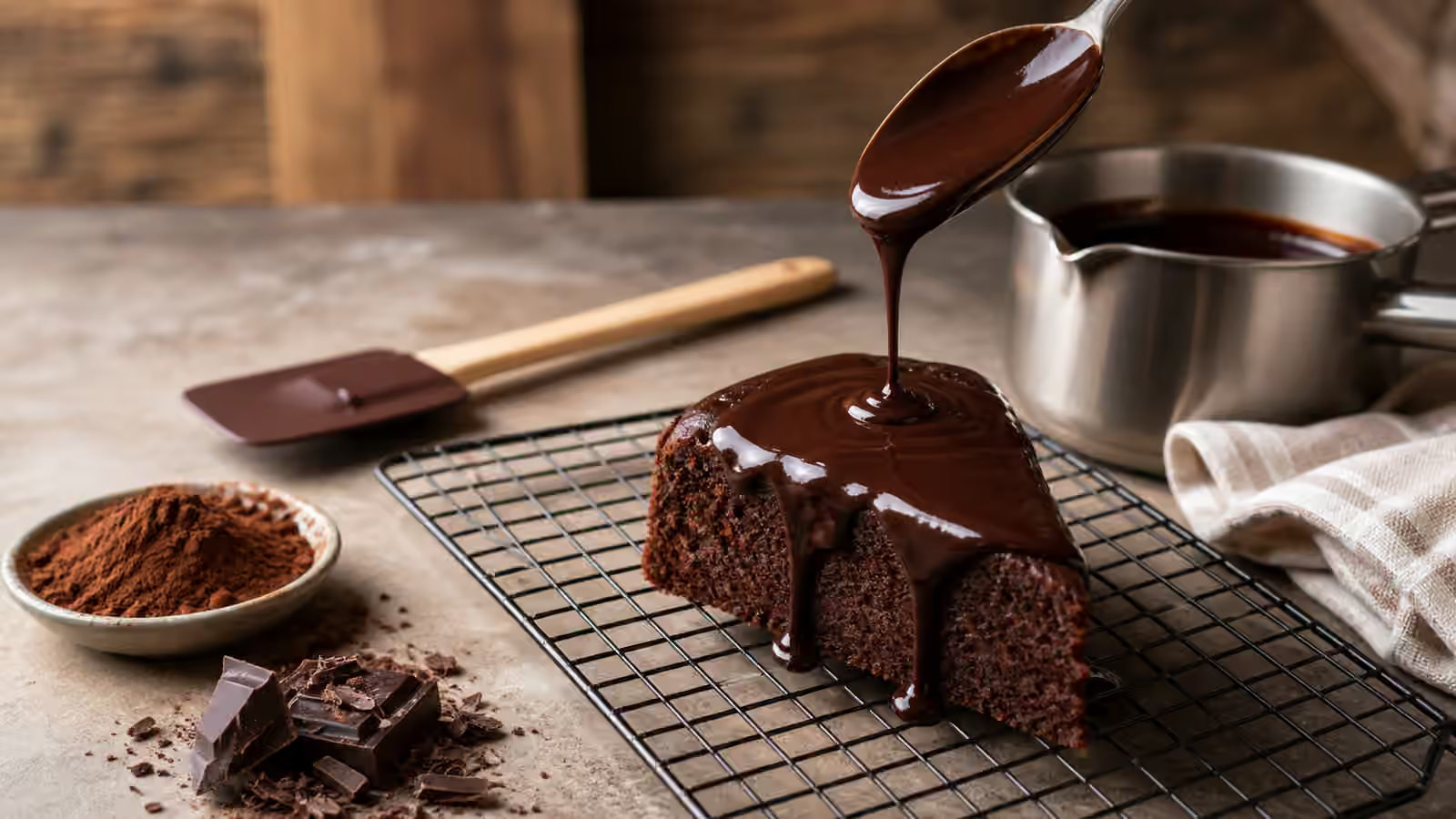
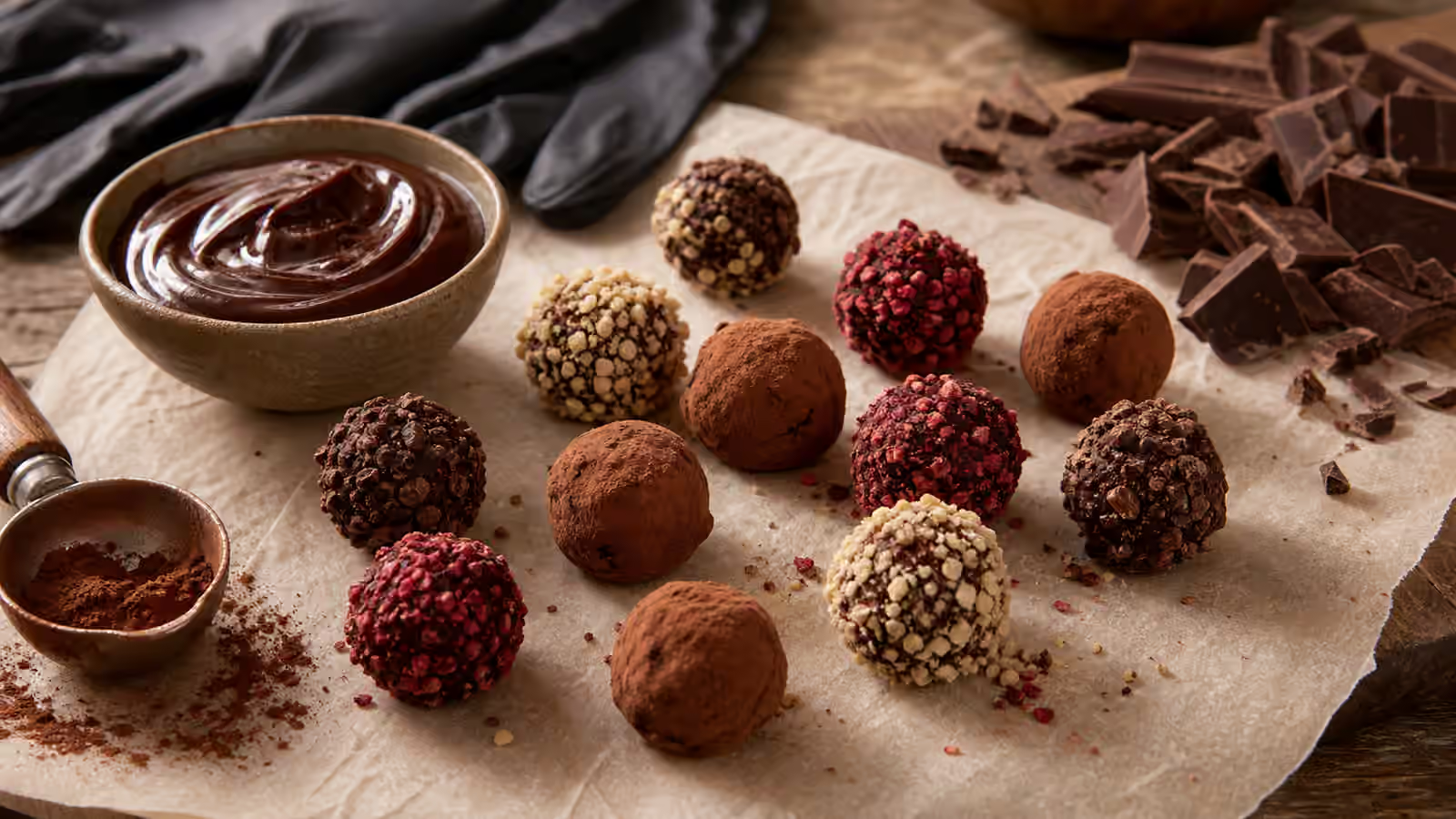
Ganache keeps changing after it is mixed. For a cake filling or tart, spread it while it is fluid enough to level, then give it time to set before slicing. For truffle centers, let it crystallize until it is scoopable rather than sticky. For a glaze, pour while it still moves in a smooth ribbon. If you wait until it is thick, you will fight it with a spatula and lose the clean surface that made ganache appealing in the first place.
Storage depends on the ingredients and the job. A plain bar of chocolate is low in water; ganache is not. Cream, fruit puree, butter, and other additions shorten its practical life and make cool storage more important. If you chill ganache or a finished dessert, protect it from refrigerator odors and condensation. Let it warm while covered so moisture collects on the wrapping rather than the chocolate surface. The same habits in Storage and Serving apply here, with less forgiveness because ganache contains more water and dairy.
If ganache will be enclosed in a tempered chocolate shell, let the filling cool before it meets the shell. A warm filling can melt the temper from the inside and lead to dull shells, weak snap, or bloom. For dipped truffles, the coating side belongs to Tempering Chocolate at Home . The ganache provides the center; temper provides the shell. When both are treated with patience, the contrast is the whole pleasure: a clean break outside, a smooth melt inside, and flavor that arrives without grain or grease.
Ganache teaches a useful lesson about chocolate work. The same ingredient that seizes with a few careless drops can become silk when liquid is added with purpose. Once you understand that shift, the bowl becomes easier to read. Gloss means the emulsion is cooperating. Grain means something needs hydration, cooling, or blending. Thickness is not a verdict until the ganache has rested. The recipe gives you a starting ratio, but the texture in front of you is the better teacher.