Chocolate frosting is often treated as decoration, but it is really the first thing the fork meets. It decides whether a cake feels generous, heavy, clean, chalky, sweet, bitter, or balanced. A good frosting does not merely cover a cake. It changes the way the cake is eaten by adding fat, air, sugar, cocoa, dairy, and temperature-sensitive texture. The same cake can feel elegant with whipped ganache, nostalgic with cocoa buttercream, dense with fudge frosting, or blunt with a sugary paste that never quite tastes like chocolate.
This guide sits beside Chocolate Layer Cakes: Crumb, Cocoa, and Clean Flavor and Chocolate Ganache: Emulsion, Ratios, and Texture . Cake asks for structure. Ganache asks for emulsion. Frosting asks for both pleasure and control. It has to spread, hold, slice, and taste good in a thick enough layer that every weakness becomes obvious.
Cocoa Buttercream Is Direct but Easy to Make Dusty
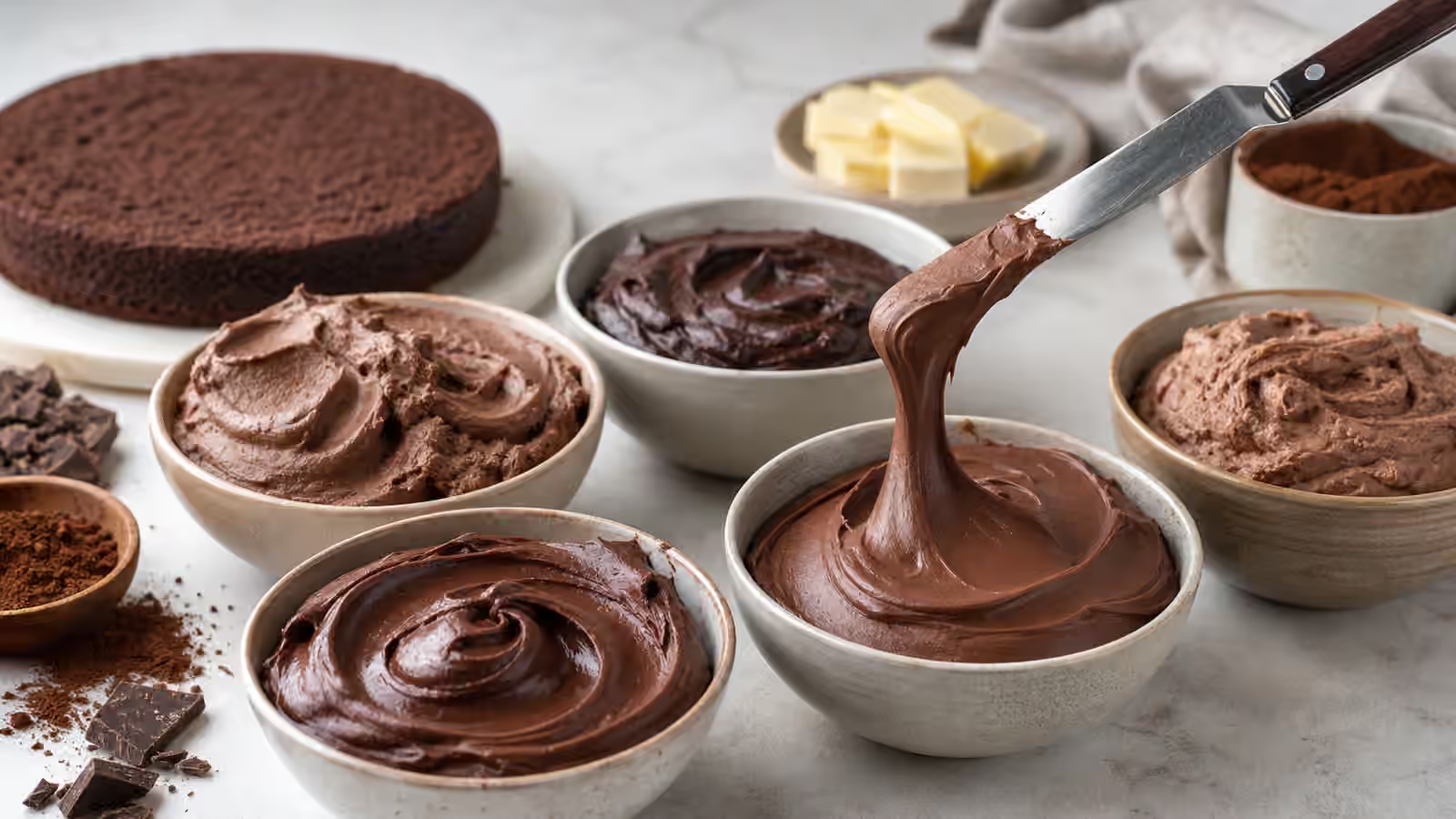
Cocoa buttercream is popular because it is direct. Butter, sugar, cocoa powder, salt, vanilla, and a little liquid can become a spreadable frosting without melting chocolate. Cocoa powder gives strong flavor and dark color, while butter supplies fat and softness. The method is forgiving, but the texture is not automatic.
The main risk is dustiness. Cocoa powder is dry, and powdered sugar is dry. If they are beaten into butter without enough liquid, the frosting can look smooth and still feel powdery on the tongue. More beating helps only to a point. At some stage, the frosting needs moisture and time. Milk, cream, coffee, or a small amount of warm water can hydrate the cocoa and sugar so they stop tasting like separate particles.
Blooming cocoa before adding it to buttercream can make a noticeable difference. A little hot liquid stirred into cocoa creates a paste with deeper aroma and fewer dry pockets. The paste should cool before it meets butter, but it does not need to become cold. That small step borrows the same logic used in cake batters and drinking chocolate: cocoa tastes clearer when it has been fully wetted.
Dutch-process cocoa often works well in buttercream because its smoother acidity and darker color suit frosting. Natural cocoa can work too, especially when you want a brighter chocolate flavor, but it may taste sharper against large amounts of sugar. Natural vs. Dutch-Process Cocoa Powder explains the background. In frosting, the practical question is whether the cocoa tastes round after fat and sugar are added.
Melted Chocolate Adds Roundness and Firmness
Melted chocolate changes frosting because it brings cocoa butter. That fat sets as it cools, giving the frosting body, clean sliceability, and a longer chocolate finish. A buttercream made with both cocoa powder and melted chocolate can taste more complete than one made with either alone. Cocoa brings intensity. Melted chocolate brings roundness.
Temperature is the difficulty. Add warm melted chocolate to buttercream and it can soften the butter until the frosting looks loose or greasy. Add chocolate that is too cool and it can form small flecks before it blends. The target is fluid and barely warm, with the buttercream at a cool room temperature. If the frosting begins to look slack, a short rest in a cool spot can help. If it becomes hard and broken, gentle warming and patient mixing may bring it back.
Chocolate percentage matters. A high-percentage dark chocolate brings less sugar and more bitterness, which can be useful in a sweet frosting. Milk chocolate brings dairy and sweetness, which can be lovely on a dark cake but cloying if the sugar is not reduced elsewhere. White chocolate brings cocoa butter, dairy, and sweetness without cocoa solids, so it is better for vanilla, fruit, tea, or caramel frostings than for deep chocolate flavor.
Do not expect every eating bar to behave like a frosting ingredient. Inclusion bars with nuts, brittle, fruit, salt, or spices can create gritty or uneven textures. Save those for finishing, shaving, or separate decoration if they make sense. The frosting base should be smoother and more predictable.
Whipped Ganache Is Frosting With an Emulsion Memory
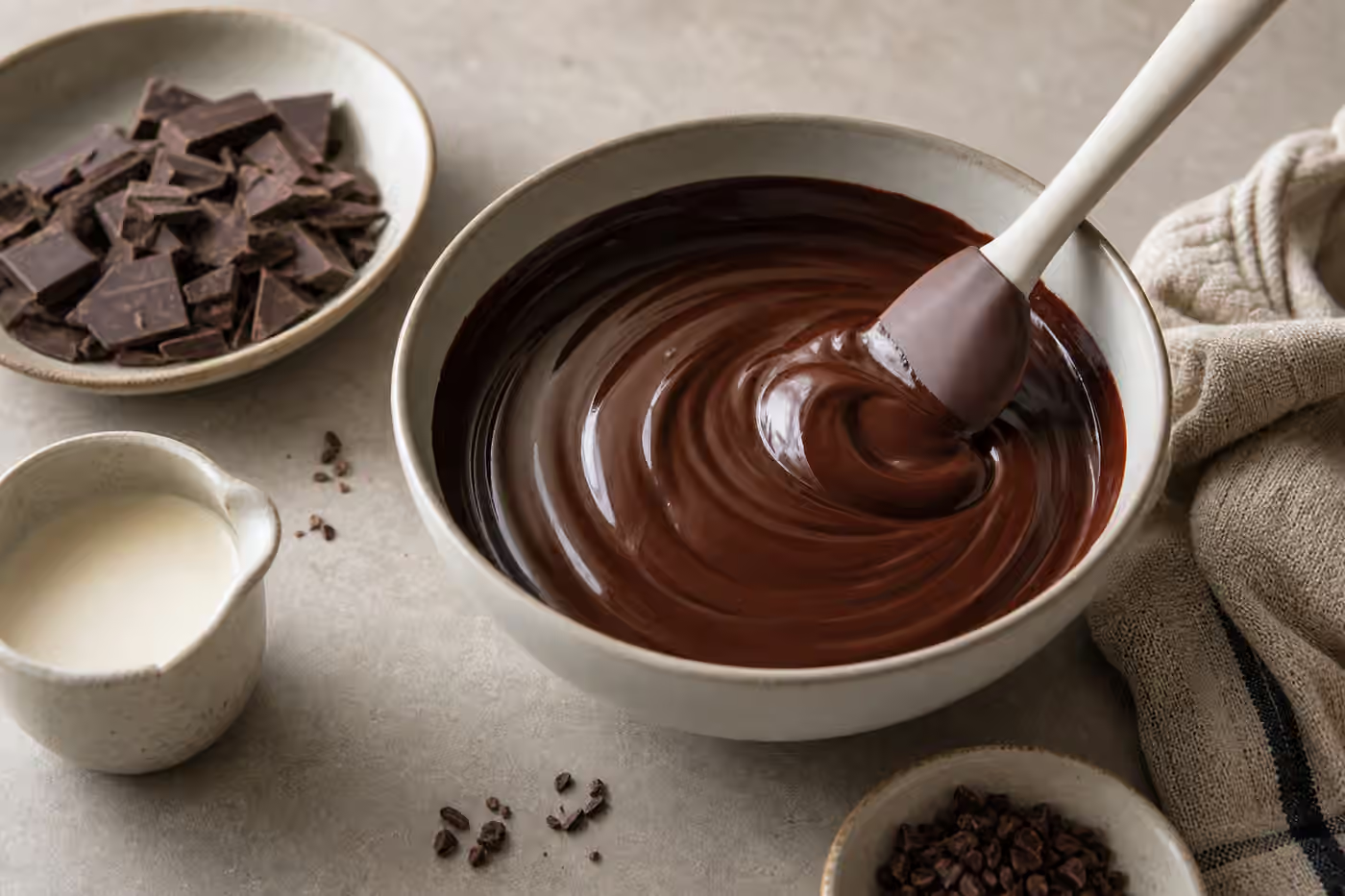
Whipped ganache can feel lighter than buttercream because air is beaten into a chocolate and cream emulsion. It spreads softly, tastes cleanly of chocolate, and can make a layer cake feel less sugary. It is not simply ganache beaten until fluffy. The ratio, cooling, chocolate choice, and whipping time decide whether it becomes silky or grainy.
A ganache meant for whipping usually needs enough cream to stay flexible after chilling, but not so much that it collapses. Once made, it should cool until thickened throughout. If it is whipped while warm, it may become loose and unable to hold shape. If it is whipped after becoming very cold and firm, it can overwhip quickly or break into a rough texture. The best window is cool, thick, and spoonable.
Whipped ganache tastes less sweet than many buttercreams, even when the chocolate contains sugar, because cream and cocoa carry the flavor instead of powdered sugar. That can be an advantage with rich cakes. It can also make a cake seem severe if the sponge is already bitter. Pairing matters. A bright natural-cocoa cake may need a slightly sweeter ganache. A sweet oil-based cake may welcome a darker one.
The emulsion lessons in Chocolate Ganache: Emulsion, Ratios, and Texture apply directly. If the ganache looks oily before whipping, whipping will not make it elegant. Fix the emulsion first. Frosting magnifies texture because it is eaten in a thicker layer than a glaze.
Fudge Frosting Is About Controlled Density
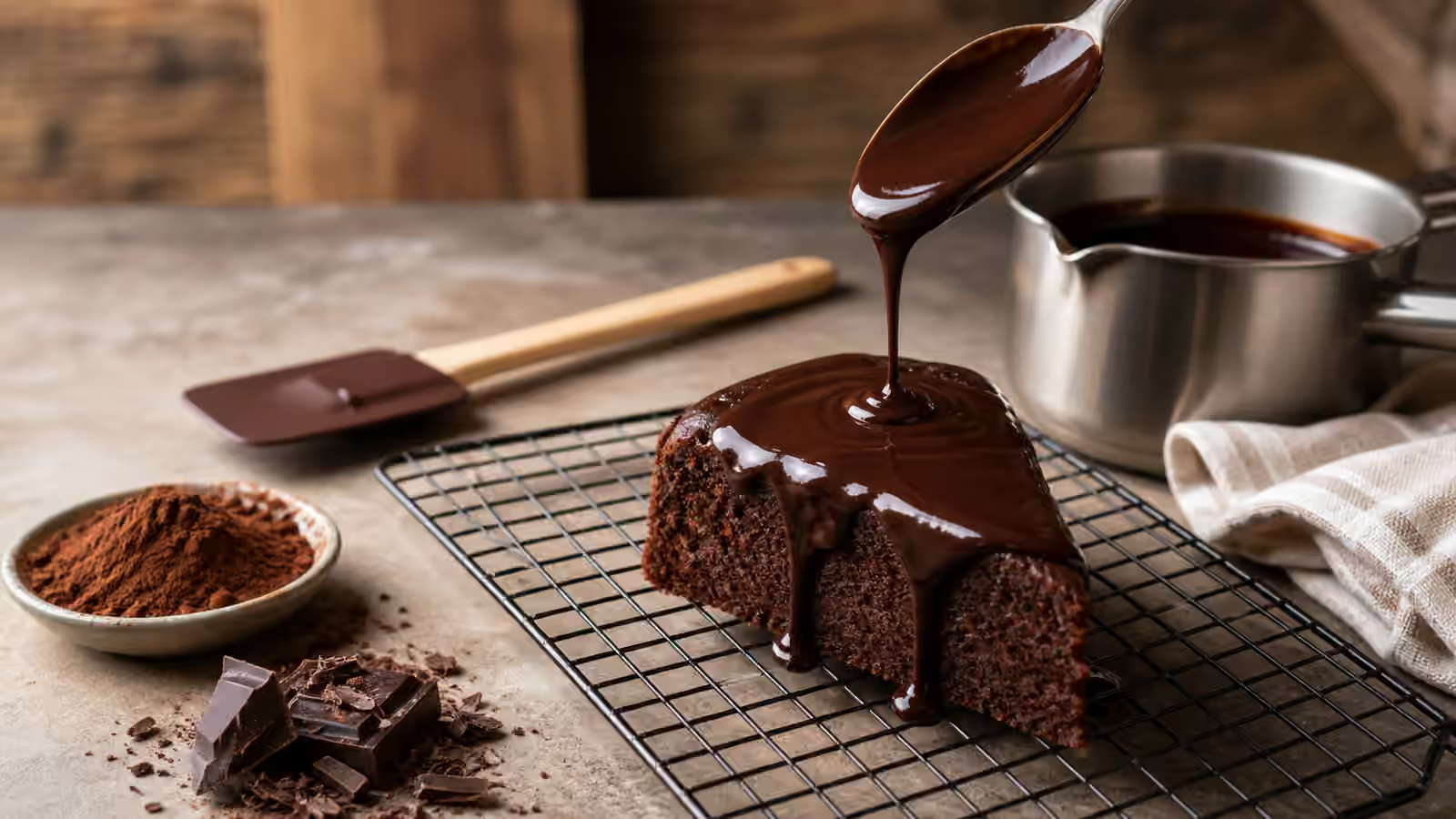
Fudge frosting has a different charm. It is dense, glossy, and old-fashioned in the best sense when it is done well. It may use cocoa, sugar, butter, milk, cream, or melted chocolate cooked or warmed together until the texture thickens. The appeal is not airiness. It is a soft set that clings to the cake and tastes like chocolate candy.
The risk is heaviness. A fudge frosting that is too sweet or too thick can make a slice tiring after a few bites. A frosting that is spread while too warm can slide or soak the surface unevenly. One spread when too cool can tear crumbs and set in ridges. Timing matters more than decoration. The frosting should be fluid enough to move, thick enough to stay, and balanced enough that the cake still tastes like cake.
Salt is especially useful here. A small amount can make cocoa taste clearer and soften the impression of sugar. Too much turns the frosting into a salted confection and shortens the chocolate finish. Salt in Chocolate gives a useful frame: salt should focus flavor, not become the topic unless that is truly the intent.
Frosting Should Match the Cake’s Weakness and Strength
A frosting should be chosen for the cake in front of it. A soft oil-based cake can handle a denser frosting because the crumb will not fight the fork. A butter cake that firms when cold may be better with something softer and less cocoa-butter-heavy. A very dark cake can take sweetness, dairy, or tang. A mild cake may need a frosting with stronger chocolate flavor so the whole slice does not taste like sugar and flour.
The thickness of the frosting matters as much as the recipe. A thin layer of strong ganache may be balanced. A thick layer of the same ganache may overwhelm the cake. A sweet buttercream can work beautifully when spread lightly and become blunt when piled high. Taste a small piece of cake with the frosting before committing to the whole assembly. The fork tells you what the bowl cannot.
Temperature finishes the story. Buttercream tastes dull when very cold and greasy when too warm. Ganache firms as cocoa butter sets. Fudge frosting can become grainy if stored poorly. Most chocolate frostings are best when cool enough to hold shape but warm enough for aroma and melt. That is a narrower target than it sounds, but it is easy to feel: the frosting should yield cleanly, not crack, smear, or sit on the tongue like cold fat.
Chocolate frosting is successful when it makes the cake easier to understand. It can deepen cocoa, soften bitterness, add cream, sharpen contrast, or bring a clean finish. It fails when it becomes a separate layer of sugar that happens to be brown. Keep the texture smooth, the sweetness purposeful, and the temperature kind, and frosting becomes part of the cake’s architecture rather than a repair job spread over the top.