Chocolate for baking asks a different question from chocolate for tasting. A bar can be fascinating when you eat it slowly, yet disappear inside a brownie. A bag of chips can be ordinary as a snack, yet perfect in cookies because it holds its shape through heat. Cocoa powder can taste flat on a spoon, then become the cleanest chocolate flavor in a cake once butter, sugar, salt, and flour give it a frame.
The mistake is treating every chocolate product as if it were the same ingredient in a different costume. Baking chocolate is not one thing. It is a set of tools, and each tool brings its own balance of cocoa solids, cocoa butter, sugar, milk, starch, emulsifier, and melt behavior. Once you know what job the chocolate has to do, choosing becomes calmer.
This guide is for the moment before you start a recipe, when the cupboard offers a half-used cocoa tin, a fancy single-origin bar, a bag of chips, and a vague hope that one of them can substitute for another. Sometimes it can. Often it should not. The difference comes down to structure as much as flavor.
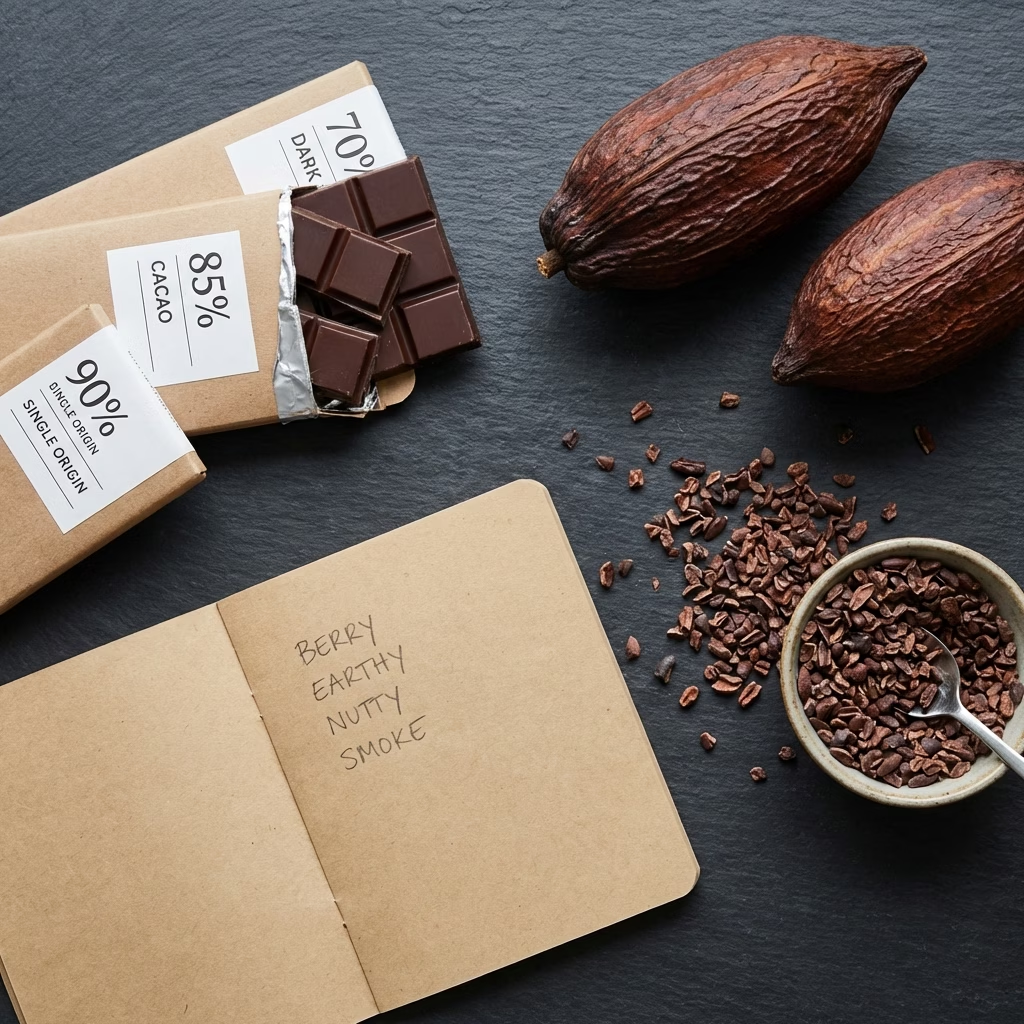
Start with the job the chocolate has to do
In baking, chocolate usually has one of three jobs. It can provide flavor, as cocoa powder does in a chocolate cake. It can provide both flavor and fat, as melted chocolate does in brownies and flourless cakes. Or it can act as a physical piece of texture, as chips and chopped chunks do in cookies.
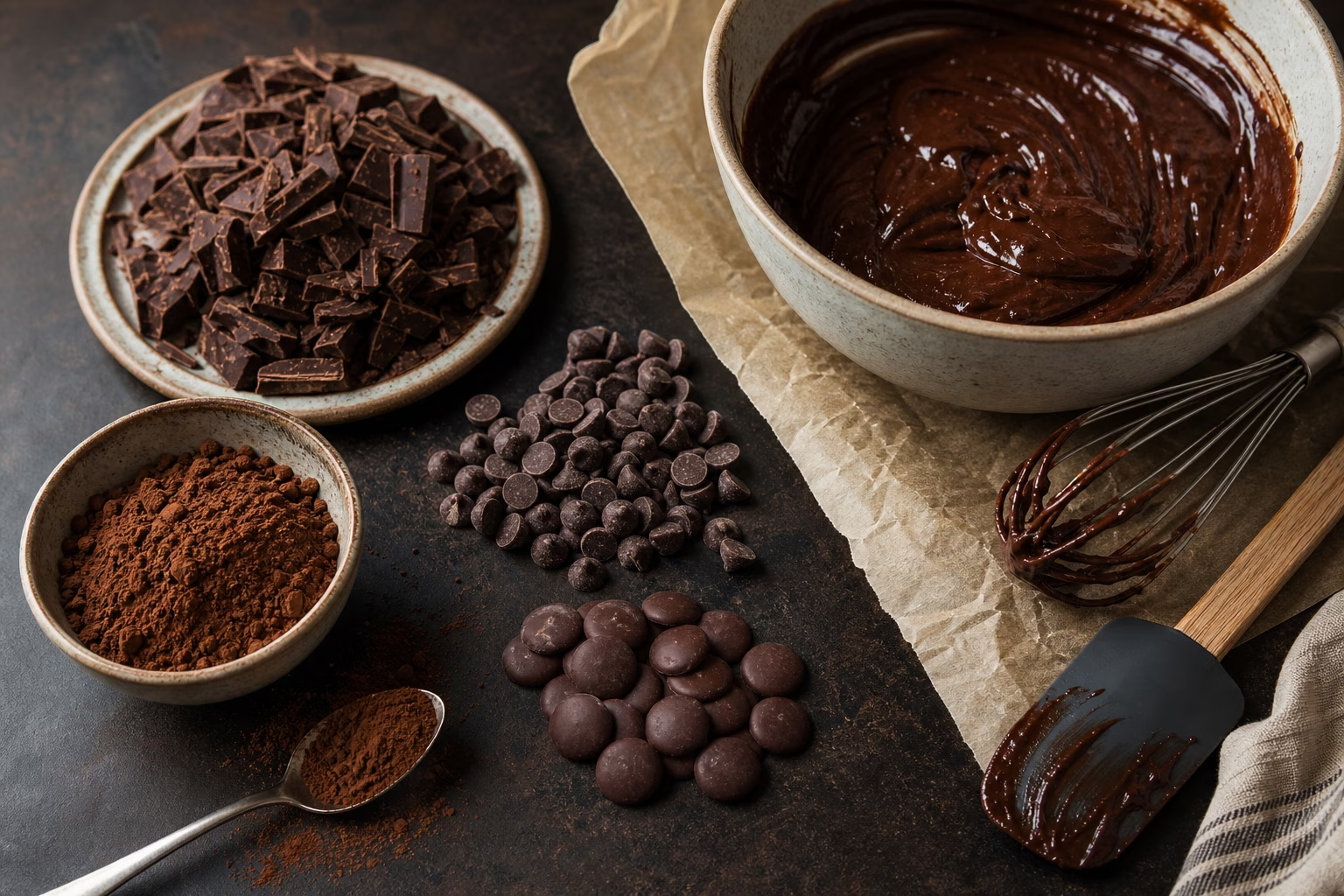
Those jobs are not interchangeable. Cocoa powder is mostly cocoa solids with much of the cocoa butter removed, so it gives strong flavor without adding much fat. A chocolate bar contains cocoa solids, cocoa butter, sugar, and sometimes milk or added vanilla, so it changes both taste and texture. Chips are formulated to survive the oven with some shape intact. Couverture contains enough cocoa butter to flow smoothly when melted, which makes it useful for ganache, dipping, molding, and glazes.
When a recipe calls for one form, it is usually asking for that form’s behavior. If a cake recipe uses cocoa powder, the batter may be built around the powder’s dryness and acidity. If a brownie recipe uses melted chocolate, the fat in the bar may be part of the fudgy structure. If a cookie recipe uses chips, the author may want little pockets that stay recognizable instead of puddling into the dough.
Bars are best when chocolate is part of the batter
Use bars when the recipe wants chocolate to melt into the structure of the dessert. Brownies, flourless cakes, ganache, pudding, sauces, and some frostings benefit from the rounded flavor and fat that a real bar brings. A chopped bar melts into the mixture more evenly than chips because it was made to become fluid when warmed.
For most baking, you do not need the rarest or most expensive bar in the drawer. Heat, butter, eggs, flour, vanilla, and salt all soften the fine origin notes that make an excellent tasting bar special. A deeply fruity single-origin chocolate might still show up in a simple ganache or mousse, but it will often become vague inside a heavily spiced cake or a brownie loaded with nuts.
Look for balance rather than prestige. A dark bar in the 60 to 75 percent range is useful because it brings enough cocoa flavor without making the dessert harsh. Very high percentages can work, but they bring less sugar and more bitterness, so the recipe may need adjustment. Milk chocolate brings dairy sweetness and a softer cocoa profile, which can be beautiful in cookies, blondies, caramel desserts, and creamy fillings, but it can make an already sweet recipe feel heavy if used without restraint.
If you are buying bars specifically for baking, use the same label-reading habits from How to Buy Craft Chocolate , then lower the stakes. Short ingredient lists are still helpful, but a baking bar does not need to be a collector’s item. The most useful bar is one whose flavor stays clear after heat: cocoa, roast, nuts, caramel, malt, dried fruit, or gentle bitterness.
Chips are for cookies, not always for melting
Chocolate chips have a reputation problem because people expect them to behave like chopped chocolate. They are not designed for that. Most chips are shaped and formulated to keep some structure in the oven. That is exactly why they work in cookies, where the goal is a soft dough with distinct chocolate pockets.
That same strength becomes a weakness when you need fluid melted chocolate. Chips often melt thickly. They can resist smoothing out, especially when the recipe asks for a thin coating, a glossy glaze, or a loose ganache. Some chips contain less cocoa butter or include stabilizers that help them hold shape, which means they may never flow the way couverture or a chopped baking bar does.
Use chips when you want the chocolate to remain visible and biteable. Use chopped bars when you want irregular shards, thin flakes, and puddles. The difference is not only visual. Chopped chocolate creates small fragments that spread through the dough and larger pieces that melt into soft pockets. Chips give a more predictable bite. Neither is superior. The better choice depends on the cookie you are trying to make.
If chips are all you have and you need to melt them, work gently and expect a thicker result. A little added fat may help in some sauces or fillings, but it can also change setting behavior. For more detail on gentle heat, steam, and rescue plans, use Melting Chocolate Without Seizing before you put the bowl over water.
Cocoa powder is not just powdered chocolate
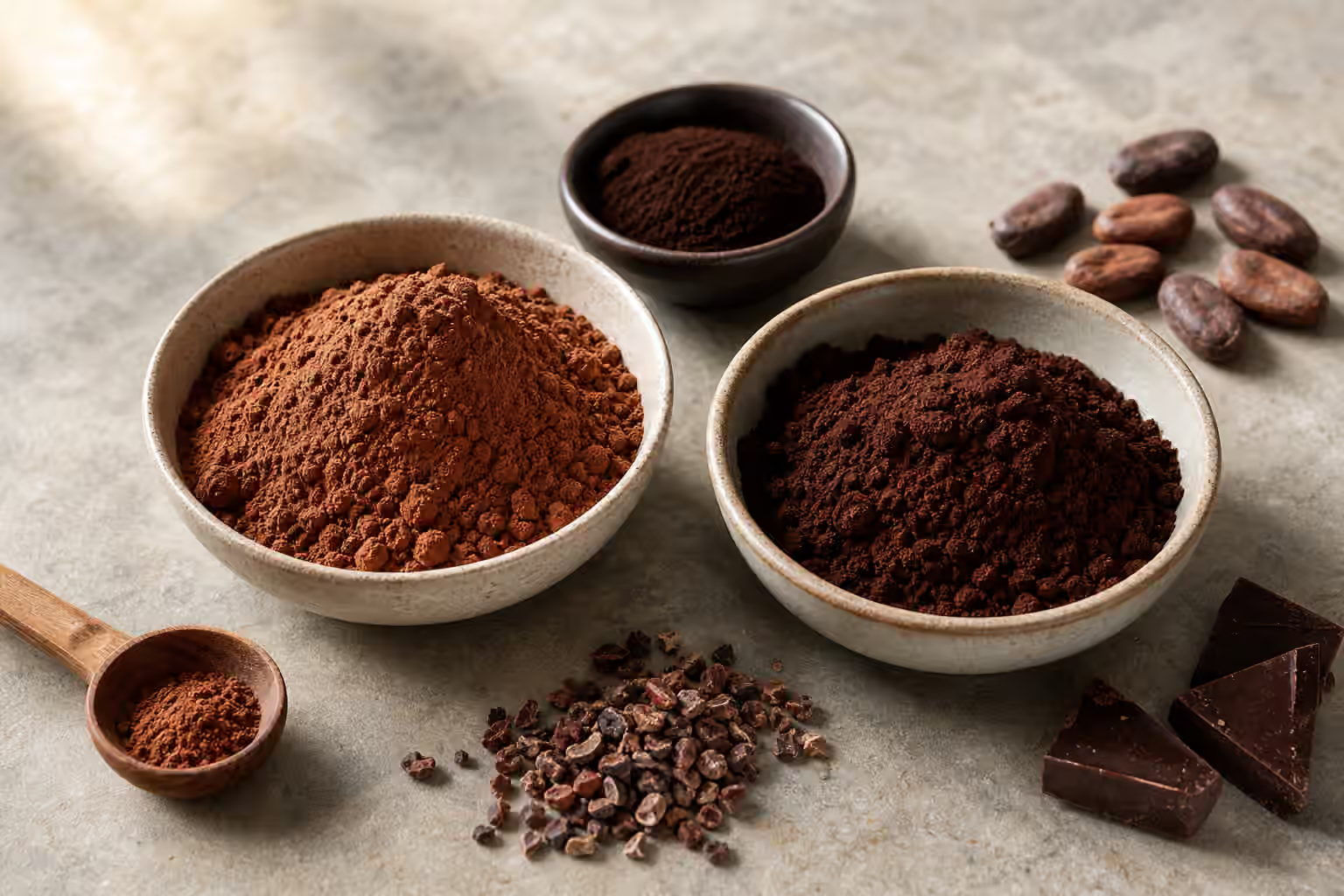
Cocoa powder is what remains after cacao is processed and much of the cocoa butter is pressed out. That makes it intensely useful in baking because it gives chocolate flavor without adding much fat. A cocoa-based cake can taste deeply chocolatey while still staying light, because the recipe controls fat separately through butter, oil, egg yolks, or dairy.
The main distinction is natural cocoa versus Dutch-process cocoa. Natural cocoa is usually brighter and more acidic. Dutch-process cocoa has been treated with alkali, which darkens the color and softens acidity. That treatment changes flavor and can also affect leavening in recipes that rely on the reaction between an acidic ingredient and baking soda.
This is where substitutions get risky. If a recipe specifically calls for natural cocoa and baking soda, the cocoa may be part of the leavening system. If it calls for Dutch-process cocoa and baking powder, the recipe may not be expecting acidity from the cocoa. Some forgiving brownies and cookies can handle either. Delicate cakes are less forgiving.
Flavor also changes. Natural cocoa can taste sharper, fruitier, and more direct. Dutch-process cocoa often tastes rounder, darker, and more mellow. For a classic dark layer cake, Dutch-process can give that familiar deep color and smooth flavor. For a brighter chocolate cookie or a recipe with tangy dairy, natural cocoa can keep the flavor lively.
Do not replace cocoa powder with melted chocolate by instinct. Melted chocolate adds cocoa butter and sugar, while cocoa powder adds dry cocoa solids. The batter will not absorb them the same way. If a substitution is necessary, it belongs to recipe development, not pantry improvisation.
Couverture is about flow
Couverture sounds fancy, but its practical meaning is simple: it is chocolate with enough cocoa butter to melt fluidly and coat cleanly. That makes it valuable when appearance and texture matter. Dipped fruit, molded bonbons, thin bark, shiny glazes, and smooth ganache all become easier when the chocolate flows.
For baking into batters, couverture is not mandatory. You can make excellent brownies with a chopped supermarket baking bar. But for coating and dipping, couverture gives you room to work. It spreads more thinly, releases bubbles more easily, and sets with a cleaner shell when tempered well.
The important phrase is “when tempered well.” Couverture does not exempt you from crystallization. If you want a glossy coating that snaps and stays stable at room temperature, you still need temper. The Tempering Chocolate at Home guide explains the crystal side of that process. If you are making ganache or a sauce that will remain soft, tempering is not the point. Smooth melting and a stable emulsion matter more.
Couverture can also be too fluid for some jobs. In a cookie, small pistoles may melt into the dough more than you want. In a chunky brownie, they may disappear instead of creating defined bites. Flow is a virtue only when the recipe wants flow.
Match chocolate intensity to the rest of the dessert
Chocolate does not bake in isolation. Butter rounds it. Salt sharpens it. Coffee can deepen roast notes. Vanilla can make sweetness feel warmer. Brown sugar pushes caramel. Fruit can pull acidity forward. Nuts emphasize roast. Dairy softens edges. A chocolate that tastes assertive alone may become perfect in a rich batter, while a mild chocolate may vanish.
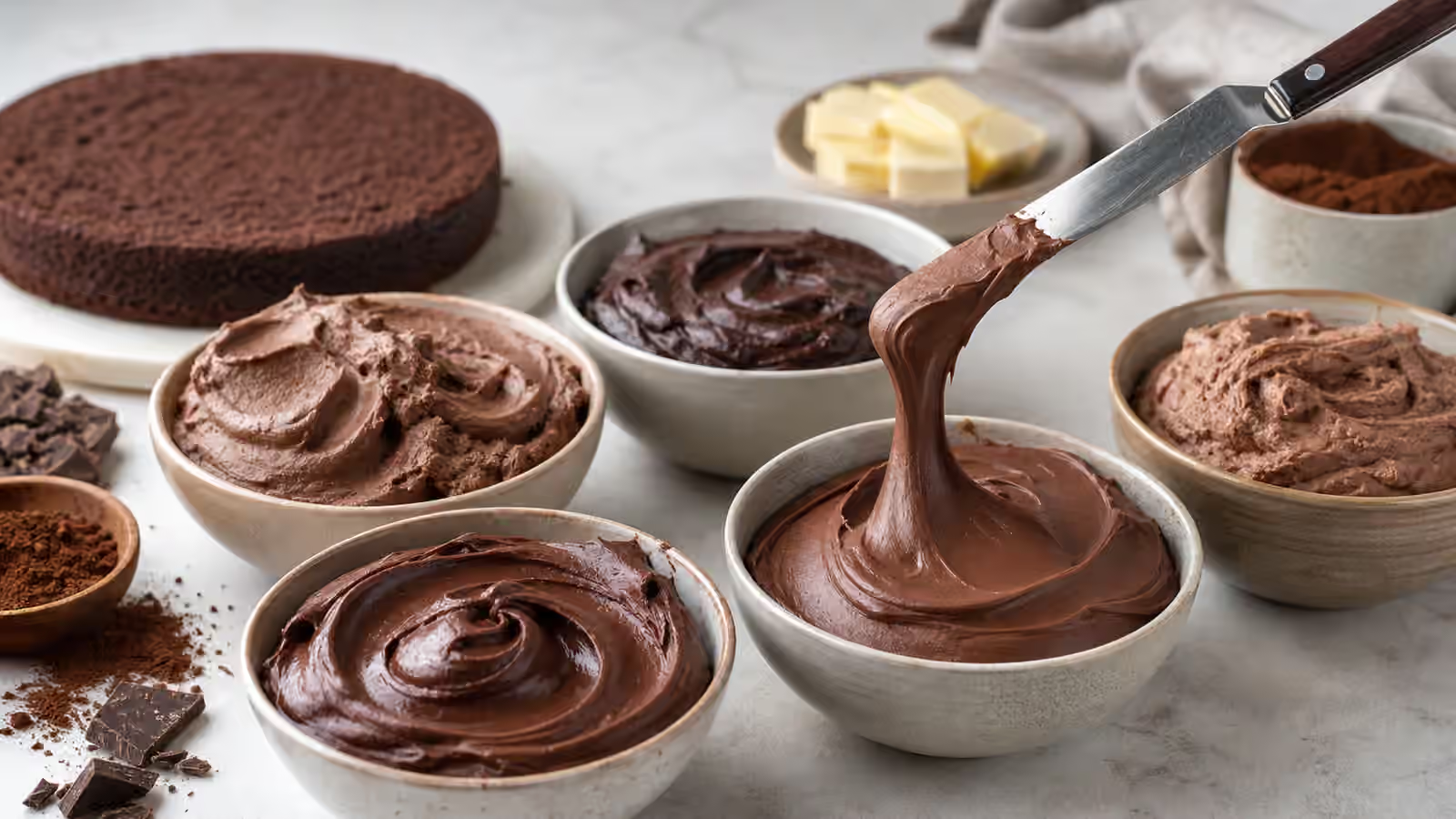
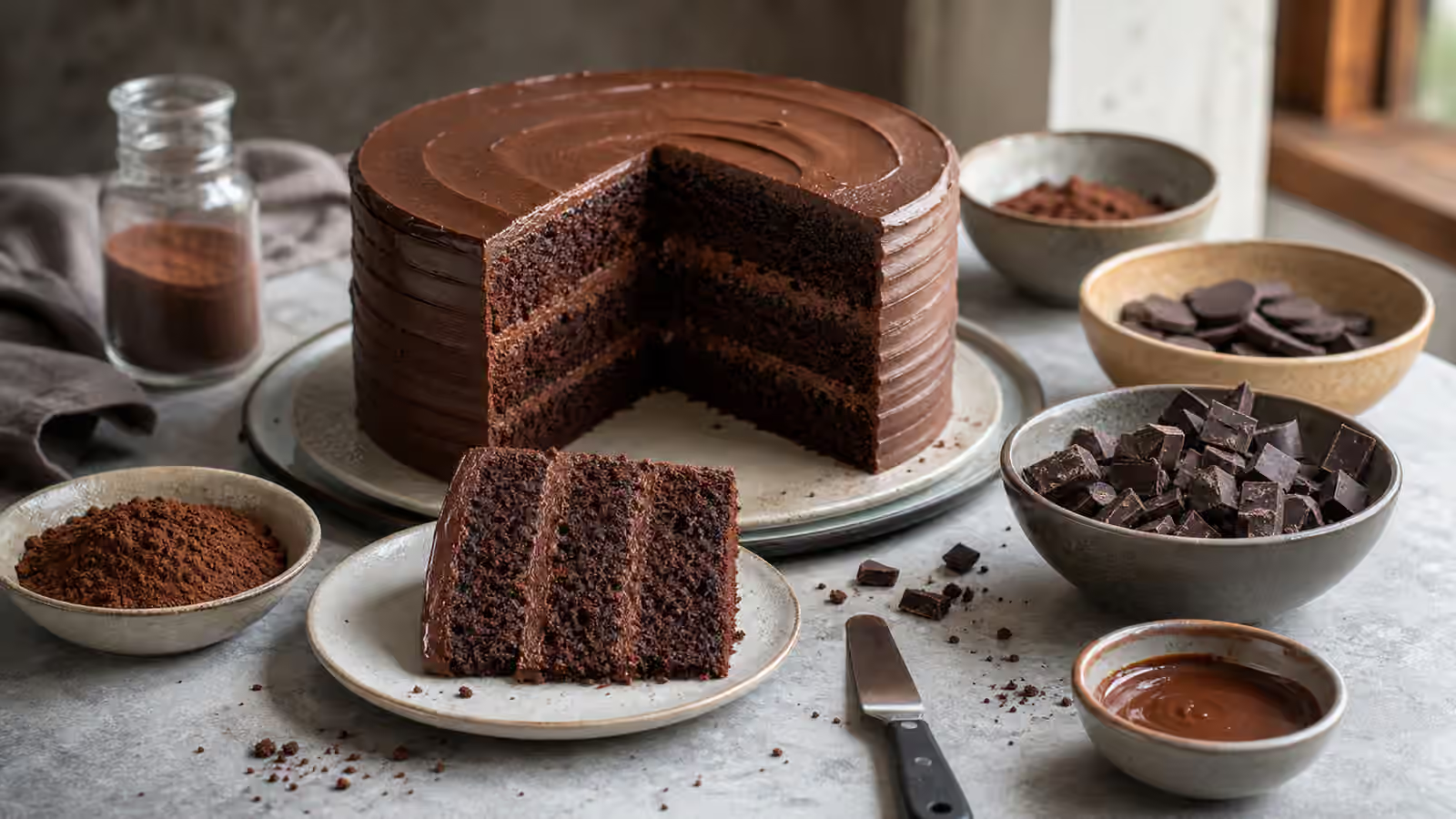
For brownies, choose chocolate with enough bitterness to push back against sugar and butter. For chocolate cake, cocoa powder often gives the cleanest signal because the recipe can add fat separately. For cookies, think about contrast. A sweet dough can handle a darker chip or chopped bar. A brown-butter dough may love milk chocolate because dairy and caramel notes reinforce each other. A tart fruit dessert may need a gentler chocolate so the fruit remains clear.
Inclusions need extra caution. Bars with nuts, dried fruit, brittle, caramel, salt, or spices can be good eating bars, but they complicate baking. Nuts can over-toast. Dried fruit can harden. Caramel can leak. Salt can concentrate unevenly. Spices can become blunt with heat. Save inclusion bars for eating, rough chopping over ice cream, or folding into forgiving cookie doughs where surprise is welcome.
Store baking chocolate like flavor matters
Baking chocolate often sits around longer than eating chocolate, which makes storage more important. Cocoa butter absorbs odor, and dry cocoa powder can pick up stale pantry smells. Keep bars, chips, and couverture sealed away from onions, spices, coffee, cleaning products, and warm appliances. Keep cocoa powder tightly closed so it stays dry and aromatic.
The same habits in Storage and Serving apply here, with one extra thought: baking hides some flaws but not all of them. Slight bloom on a bar is usually fine for brownies or ganache. A stale, dusty, refrigerator-scented bar is harder to save. Old cocoa powder can make a cake taste flat no matter how good the recipe is.
Before baking, chop chocolate evenly if it needs to melt. Small, even pieces melt faster and reduce the urge to overheat the bowl. Keep tools dry. Steam and wet spatulas are still the quickest route to thick, grainy chocolate. If you are folding chunks into dough, varied size can be useful. Tiny shards season the dough; larger pieces create pockets.
The quiet rule that solves most choices
Choose the least complicated chocolate that performs the job well. Use cocoa powder when you need dry, direct chocolate flavor. Use chopped bars when chocolate should melt into the batter or create irregular pockets. Use chips when you want shape and predictability in cookies. Use couverture when flow, coating, ganache, or molding matters.
That rule will not make every dessert perfect, but it prevents the most common mismatch: spending too much on a subtle bar that heat will erase, or forcing chips to behave like a fluid coating. The more you bake, the more you will notice that chocolate choice is not about finding the best chocolate in the abstract. It is about choosing the chocolate whose structure matches the recipe in front of you.
When the dessert is simple, let the chocolate speak. When the dessert is busy, choose a steady chocolate that can carry through butter, sugar, flour, and heat. That is enough to make the baking aisle less confusing and the finished dessert taste more intentional.