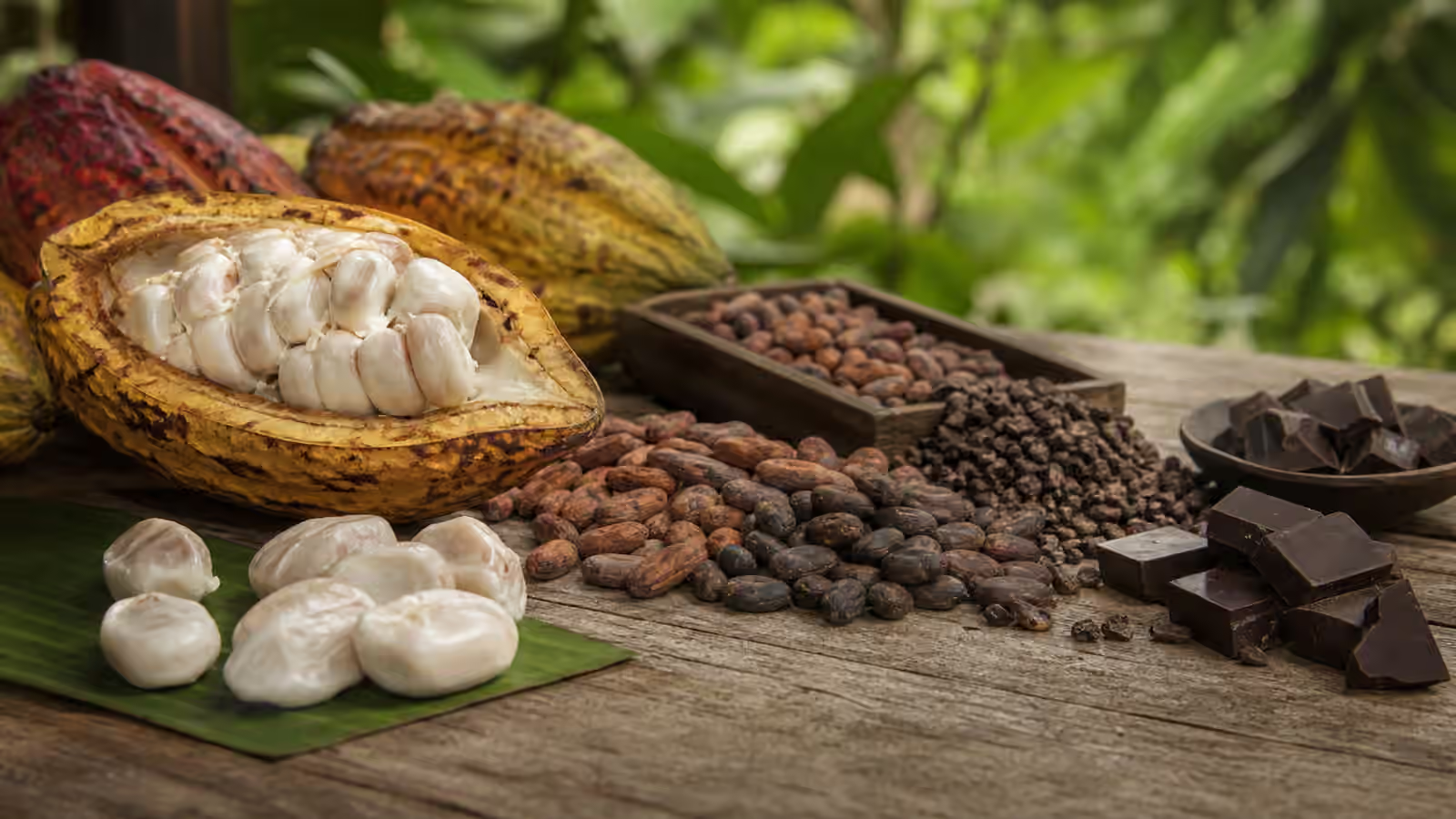
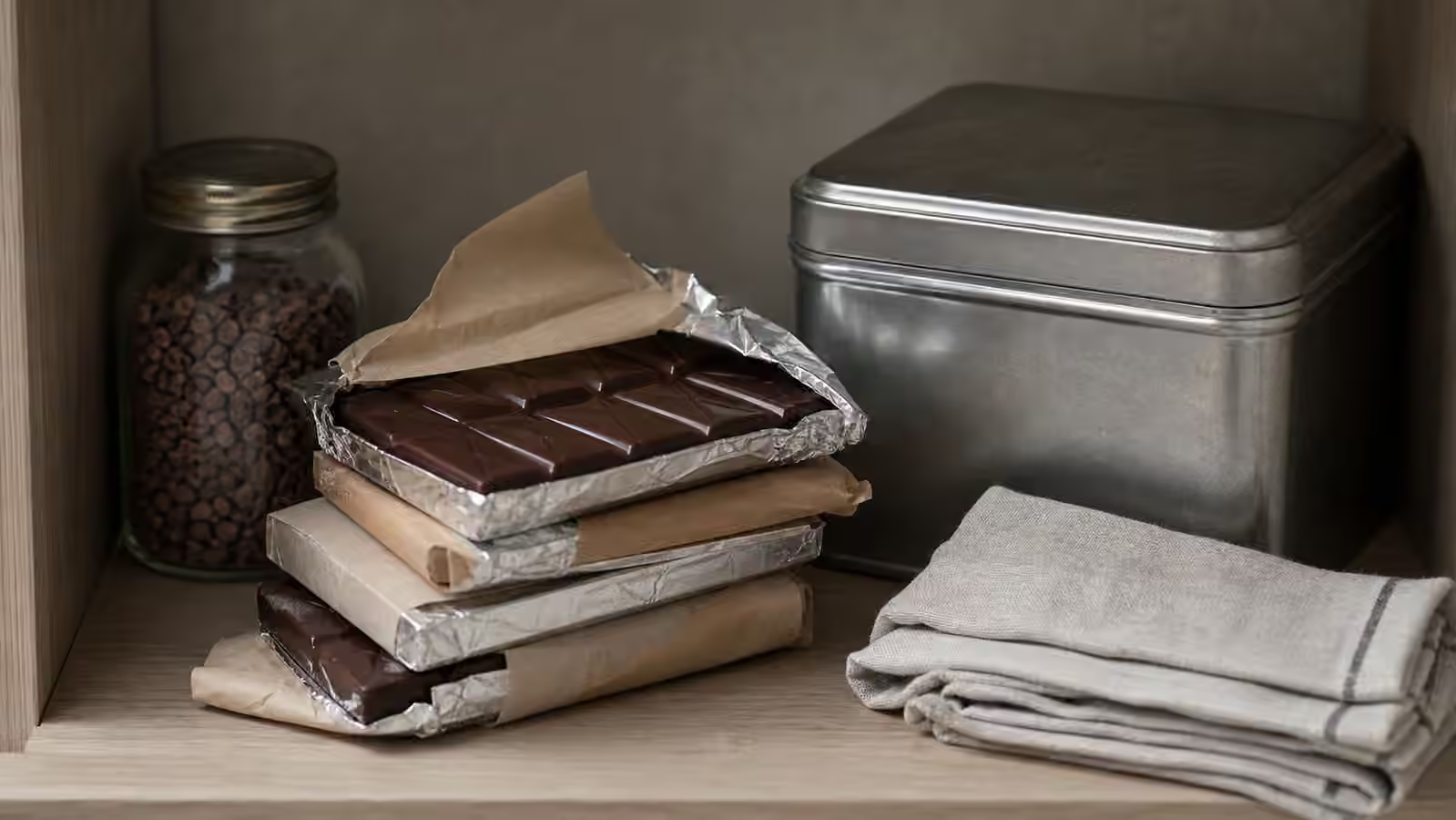
Not every surprising flavor in chocolate is a flaw. Some bars are bright enough to suggest berries or citrus. Some are earthy, tannic, floral, smoky, nutty, malty, or intensely roasted. Craft chocolate becomes interesting precisely because it does not all collapse into one smooth cocoa note. The hard part is learning when an unusual note belongs to the bar and when it points to a problem in fermentation, drying, roasting, storage, or handling.
Flavor faults are easiest to read when you stay calm. A single strange note is not a verdict. Taste the chocolate at a sensible room temperature, smell it before judging, let it melt slowly, and ask whether the flavor becomes clearer or harsher over time. Defects tend to narrow the experience. Strong style usually opens into something coherent, even if it is not your preference.
This guide builds on Chocolate Tasting but slows down on the uncomfortable side of tasting: sourness, mustiness, smoke, dullness, rancidity, and rough bitterness. It also connects those flavors back to Cacao Fermentation and Drying , Cacao Roasting at Home , and Chocolate Storage and Serving , because most faults have a history.
Preference Is Not the Same as Defect
The first mistake is calling every disliked flavor a defect. A bright origin can taste sharp if you prefer deep roast. A high-percentage bar can feel dry if you usually eat milk chocolate. A minimally refined bar can seem rustic if your reference point is very smooth industrial chocolate. Those are differences in style, formula, and expectation. They may not be what you want to eat, but they are not automatically failures.
A defect feels less integrated. It interrupts the bar rather than giving it character. Clean acidity can remind you of ripe fruit, yogurt, wine, or citrus zest, and it often lifts aroma as the chocolate melts. Faulty sourness feels narrower and more aggressive, like vinegar that does not resolve. Earthiness can be pleasant when it suggests nuts, loam, dried leaves, or warm spice. Mustiness is different. It feels damp, closed, and stale, as if the flavor is being muffled by a cellar smell.
The distinction matters because tasting should make you more accurate, not more anxious. If you label everything intense as flawed, you miss some of chocolate’s best range. If you excuse every harsh note as origin character, you miss the craft signals that separate careful work from careless handling.
Fermentation Faults Often Sound Like Acidity or Rot
Cacao fermentation creates many of the flavor precursors that roasting later develops. It also creates risk. Under-fermented beans can taste raw, woody, bitter, peanut-shell dry, or aggressively astringent. The chocolate may feel unfinished even if the roast is competent. The acidity may be low, but the bitterness feels green and stubborn, with a finish that dries the mouth before aroma has time to bloom.
Over-fermented or poorly controlled beans can move in the opposite direction. They may carry vinegar, compost, overripe fruit, hammy notes, or a heavy funk that feels more decayed than complex. Some fermentation character is welcome. A bar can have winey fruit, tropical brightness, or a faint savory depth and still be clean. The question is whether those notes support chocolate flavor or crowd it out.
Drying can make fermentation faults worse. If beans dry too slowly, must and mold can appear. If they dry near smoke, the beans can absorb smoke that survives roasting. If drying is uneven, some beans may carry trapped moisture and stale flavor into storage. When a finished bar tastes both sour and dull, or both fruity and moldy, the problem often began before the maker opened a bag of beans.
Roast Faults Hide Behind Familiar Chocolate Words
Roast is tricky because many people associate chocolate with dark, toasted, coffee-like flavors. A strong roast can be delicious. It can bring brownie crust, malt, toasted nuts, caramel, and deep cocoa. A roast fault appears when development becomes damage. Burnt bitterness is shorter and harsher than cocoa bitterness. Smoke from over-roasting feels acrid rather than aromatic. Ashy notes dry the finish and make the next bite less appealing.
Under-roasting has its own signature. The chocolate may taste raw, grassy, woody, or sour in a way that never becomes fruit. The texture may be fine, the temper may be clean, and the bar may still feel unfinished. This is especially noticeable when acidity and astringency arrive together. A bright bar should have lift. An underdeveloped bar often has scrape.
The roast can also mask earlier problems. A maker may push heat harder to cover rough fermentation, and the result can taste acceptable at first because roast is loud. As the chocolate melts, though, the finish may become flat, smoky, or bitter without much origin detail. The Cacao Roasting at Home guide explains the maker’s side of this balance: a good roast makes the bean legible, while a heavy roast can make several origins taste like the same darkness.
Storage Faults Make Good Chocolate Seem Tired
Chocolate is durable compared with many foods, but it is not invincible. Heat, humidity, light, oxygen, and odors can all change the way a bar tastes. Storage faults often feel less dramatic than fermentation or roast faults. Instead of one obvious bad note, the chocolate seems muted. Aroma fades. Texture becomes waxy or crumbly. The finish shortens. A bar that should taste lively starts to feel old before it feels clearly wrong.
Odor pickup is especially common because cocoa butter carries aromas well. Chocolate stored near spices, coffee, soap, onions, scented candles, or a refrigerator full of leftovers can absorb those smells. The result may not scream contamination. It may simply taste oddly perfumed, stale, or savory in a way that does not match the bar.
Bloom is visible, but it also affects flavor and texture. Fat bloom can make the surface look gray or streaked and can give the melt a dull, soft, or crumbly quality. Sugar bloom can feel rough and dry because moisture dissolved surface sugar and left it behind. Chocolate Bloom Explained separates those two surface problems. For fault reading, the important point is that bloom can make a good bar taste less expressive without proving that the cacao or maker was poor.
Rancid, Chemical, and Musty Notes Deserve More Attention
Some off-notes are stronger warnings than ordinary style differences. Rancidity often smells like old nuts, stale oil, crayons, or cardboard. It can come from fat oxidation, poor storage, old inclusions, or ingredients that aged before they entered the chocolate. Nut inclusions are a common source because nuts contain fats that can turn stale faster than plain dark chocolate. A beautiful base chocolate cannot fully hide a tired hazelnut or almond.
Chemical notes can come from packaging, cleaning residues, environmental odors, or mishandled equipment. They may smell like plastic, solvent, perfume, detergent, or smoke from the wrong source. These notes are usually easier to identify by smelling the bar before tasting. If the aroma already feels artificial or intrusive, the palate rarely repairs that impression.
Mustiness is different from earthiness and should not be romanticized. Pleasant earthy notes still have warmth and direction. Mustiness feels damp and stale, sometimes like wet cardboard, moldy grain, basement air, or old burlap. It can point to bean storage problems, poor drying, contaminated packaging, or a bar kept in a humid place. If a musty note persists from aroma through finish, it is not likely to become charming on the second square.
Texture Can Reveal a Fault Before Flavor Does
A fault is not always a flavor word. Sometimes the first clue is texture. A bar that bends softly, smears easily, or leaves a greasy film may have been heat damaged or poorly tempered. A gritty surface may point to sugar bloom. A sandy melt may come from coarse refining, moisture damage, or intentionally rustic texture. The same sensation can have several causes, so texture should be read together with aroma and flavor.
Cold chocolate can fool you. If a bar has been refrigerated or carried through winter air, it may taste muted and waxy until it warms. Let it rest, still wrapped if condensation is possible, before deciding it is stale or poorly made. Warm chocolate can fool you too. A bar held near sunlight or an oven may smell strong but lose snap, smear on the fingers, and taste heavy because the cocoa butter structure has been disturbed.
The Chocolate Texture: Snap, Melt, and Mouthfeel guide is useful here because it treats texture as evidence rather than decoration. A clean snap, smooth melt, and clear finish do not guarantee excellent flavor, but they make it easier to taste the chocolate itself instead of the damage around it.
Compare Before You Accuse
The most reliable way to learn faults is comparison. Taste the questionable bar beside another plain bar near the same percentage. If both are bright, your palate may simply be reading acidity more loudly that day. If one opens into fruit while the other stays vinegary and narrow, the difference becomes clearer. If one tastes earthy and warm while the other smells damp and stale, you have a more useful distinction than any single tasting note could give you.
Use smell as the first comparison. Break both bars and smell the fresh interior. Then let each melt without chewing. The early taste can be dominated by sugar and roast, so wait for the middle and finish. Faults often show themselves after the first pleasant second. Vinegar lingers. Mustiness closes the aroma. Rancidity sits on the palate. Burnt roast shortens the finish.
Do not force certainty when the evidence is weak. Sometimes a bar is simply not to your taste. Sometimes it was stored badly before you bought it. Sometimes an inclusion has aged while the chocolate remains fine. Sometimes the maker chose a style that exposes fermentation more than you enjoy. Accurate tasting includes saying “I do not know, but this tastes muted,” or “I dislike this acidity, but it may be intentional.”
What to Do With a Flawed Bar
If the issue is mild bloom, dull texture, or a bar that tastes flat but not spoiled, the chocolate may still be useful in baking, ganache, or drinking chocolate. Heat and other ingredients will not restore lost aroma, but they can put the chocolate in a context where texture matters less. Choosing Chocolate for Baking can help you decide when a bar is still worth using in a recipe.
If the bar smells rancid, chemical, moldy, or strongly musty, do not try to rescue it for a special dessert. Those notes tend to survive. They also teach a useful buying lesson. Look at how the shop stored the chocolate, how the package was sealed, whether inclusions are delicate, and whether the bar had been sitting in heat or light. The guide to How to Buy Craft Chocolate is not only about choosing exciting labels. It is also about avoiding bars that were treated carelessly after they were made.
Fault reading should make chocolate more interesting, not less generous. The point is not to become severe. The point is to give names to the moments when flavor feels wrong, and to separate those moments from legitimate style. A clean bright bar can be thrilling. A sour bar can be flawed. A dark roast can be comforting. A burnt roast can be blunt. Once you can tell those differences, you taste with more confidence and buy with better judgment.