Chocolate remembers the room. It remembers a damp spatula, a steamy double boiler, a mold wiped with a linty towel, a bowl that smelled faintly of garlic, a pantry shelf full of spices, and a container opened while still cold from the refrigerator. None of these details feels dramatic while you are working. Together, they decide whether chocolate melts smoothly, sets cleanly, releases from molds, and tastes like cacao rather than the kitchen around it.
This is not about making home chocolate work fussy for its own sake. It is about respecting chocolate’s physical habits. Cocoa butter absorbs odors. Dry sugar and cocoa particles dislike stray moisture. Tempered chocolate shows fingerprints, dust, streaks, and scratches. Molds reveal whether they were handled carefully. The small practical habits sit beside Melting Chocolate Without Seizing and Storage and Serving because they prevent problems before troubleshooting begins.
Dry Is A Working Condition
Chocolate and water can coexist when a recipe is designed for it. Ganache, sauces, drinking chocolate, and puddings all use liquid on purpose. The trouble begins when a small, uncontrolled amount of water enters melted chocolate that does not have enough liquid to form a proper emulsion. A few drops can make the chocolate tighten into a thick, grainy paste because dry particles grab the water and clump.
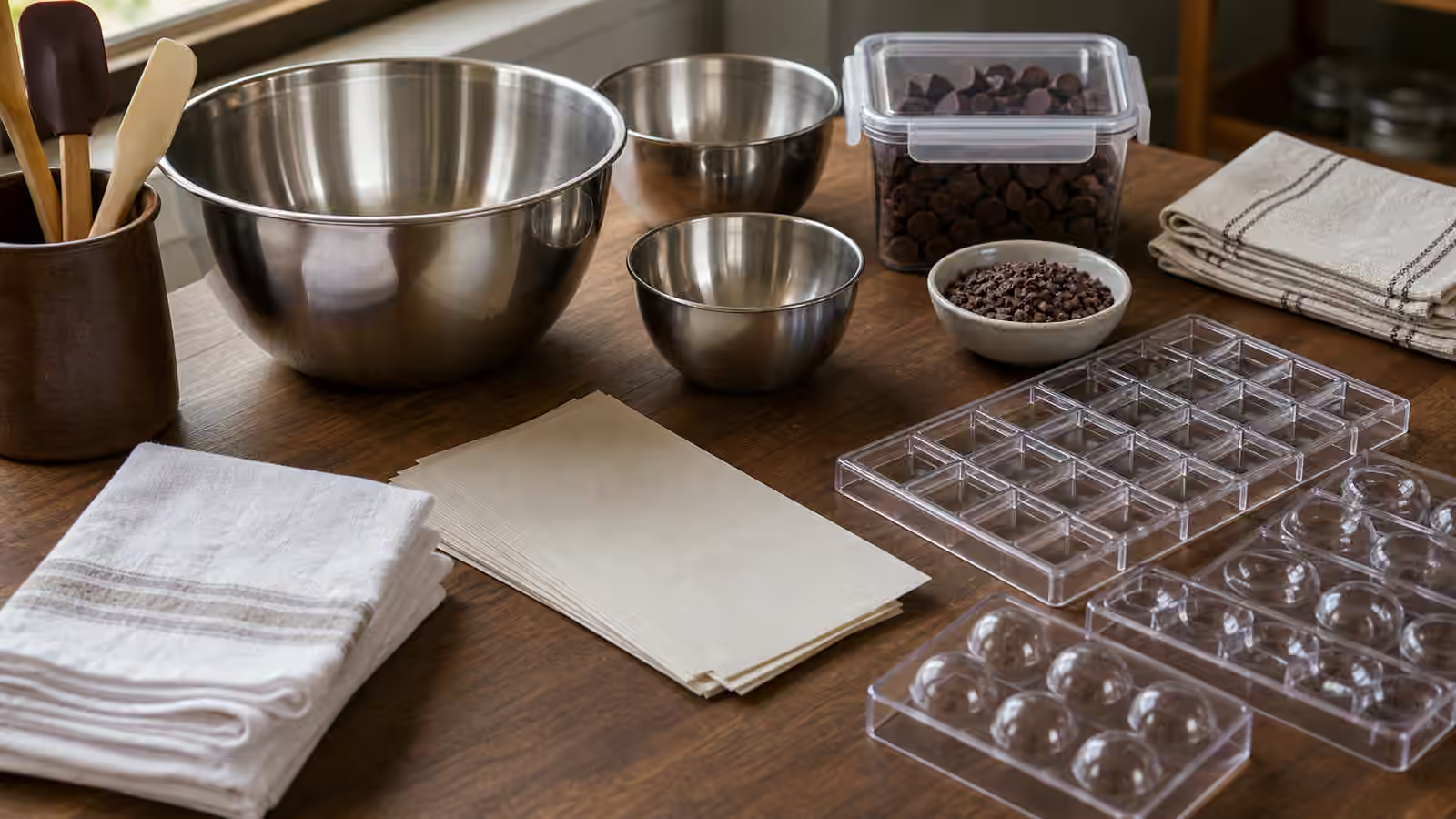
That is why tools should be dry before chocolate touches them. A bowl that was rinsed and left with a thin film of water can cause trouble. A spatula pulled from a dish rack may hold moisture near the handle. Steam from a water bath can condense on the underside of a bowl or drip from a lid. Even damp hands near chopped chocolate can make the work less predictable.
The habit is simple: wash early, dry fully, then set up. Do not wash a bowl in panic while chocolate is melting and return it half dry to the bench. Give tools time, use clean towels that do not shed, and keep the work area free from active steam. If you use a double boiler, the water should be gentle and controlled, not boiling hard enough to splash or fog the bowl.
Clean Does Not Mean Perfumed
Chocolate absorbs odor because cocoa butter is a good carrier of aroma. This is pleasant when the aroma belongs to vanilla, nuts, coffee, or roasted cacao. It is less pleasant when the aroma comes from onions, dish soap, scented cleaner, cardboard, smoke, stale oil, or last night’s curry. A bowl can look clean and still smell wrong.
Before serious chocolate work, smell the equipment. Stainless bowls, silicone spatulas, plastic containers, and molds can all hold faint odors. Silicone is especially good at remembering strong smells. If a spatula has lived in tomato sauce, garlic oil, or scented dishwasher detergent, it may not be the right spatula for white chocolate or delicate ganache. A dedicated chocolate spatula is not precious. It is practical.
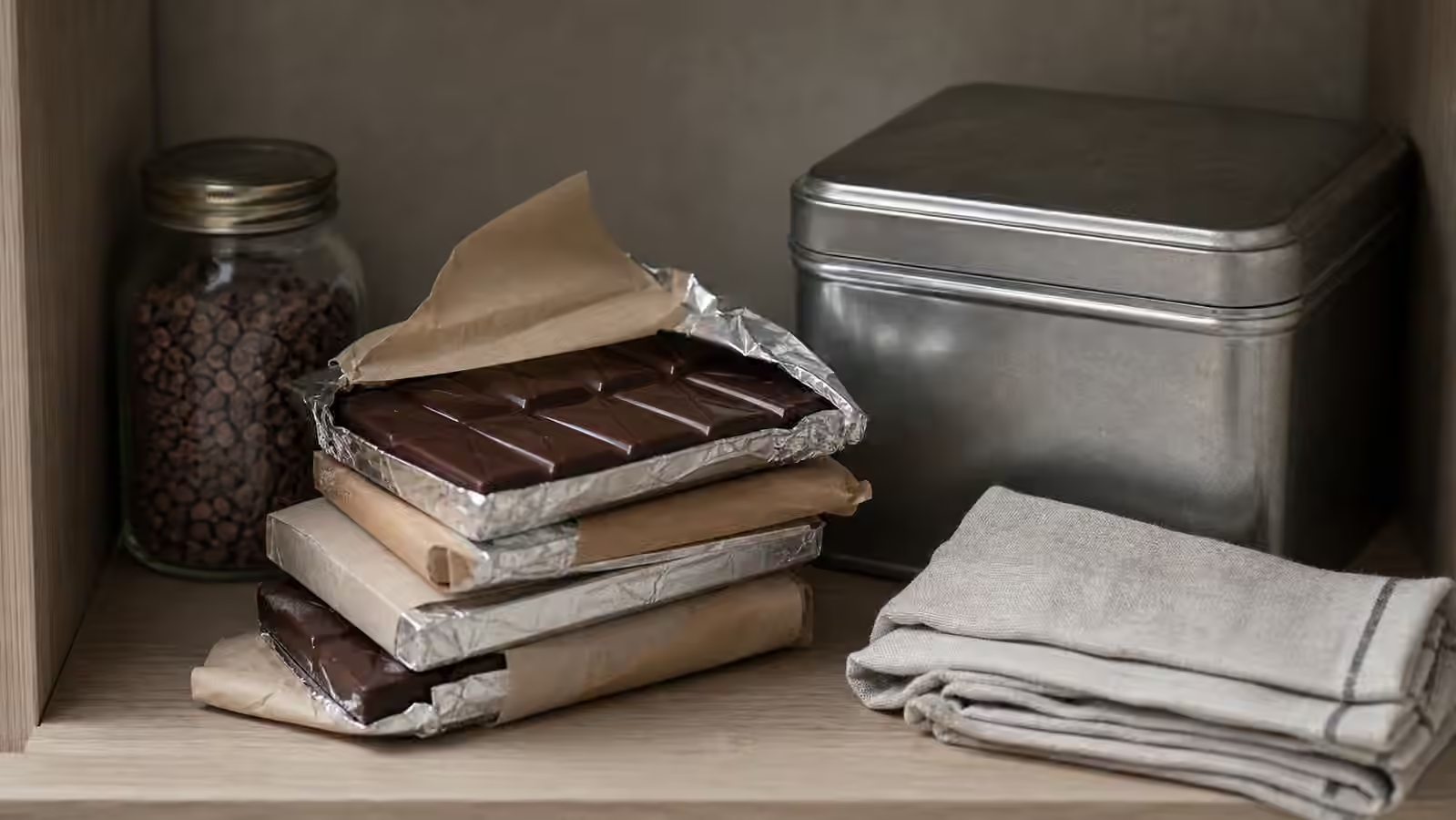
The same applies to storage containers. A plastic box that once held chopped onions should not become the home for finished bonbons. A cardboard box stored near laundry products may lend a perfume note. Chocolate Shelf Life and Freshness explains how aroma fades and contamination creeps in over time. Equipment is part of that storage chain.
Molds Need A Different Kind Of Clean
Chocolate molds reward restraint. A clean mold should be free from grease, dust, water spots, crumbs, lint, and old chocolate, but it should not be scrubbed into a scratched haze. Scratches and dull surfaces can transfer to the chocolate. Residue can create streaks or release problems. Water left in corners can cause sugar bloom or surface marks.
Polycarbonate and other rigid molds are often polished rather than aggressively washed before each use, depending on how they were stored and what touched them. Soft molds and inexpensive hobby molds may need different handling, but the principle is the same: clean enough to release and shine, gentle enough not to damage the surface. If a mold smells like detergent, it is not ready.
Chocolate Molds and Casting covers the forming side. Cleaning is the quiet precondition. Good temper cannot fully overcome a dusty mold. A beautiful shell can be ruined by a lint fiber. A shiny cavity can become dull if wiped with an abrasive cloth. Treat molds like surfaces that will print onto the chocolate.
Towels, Parchment, And Bench Habits
The humble towel can help or sabotage. A clean cotton towel is useful for drying hands, stabilizing bowls, or wiping the outside of a container. A linty towel can shed fibers into molds and melted chocolate. A towel that smells like fabric softener can perfume the bench. Paper towels can leave lint too, depending on the brand and use. For polishing molds or wiping delicate surfaces, choose materials that leave nothing behind.
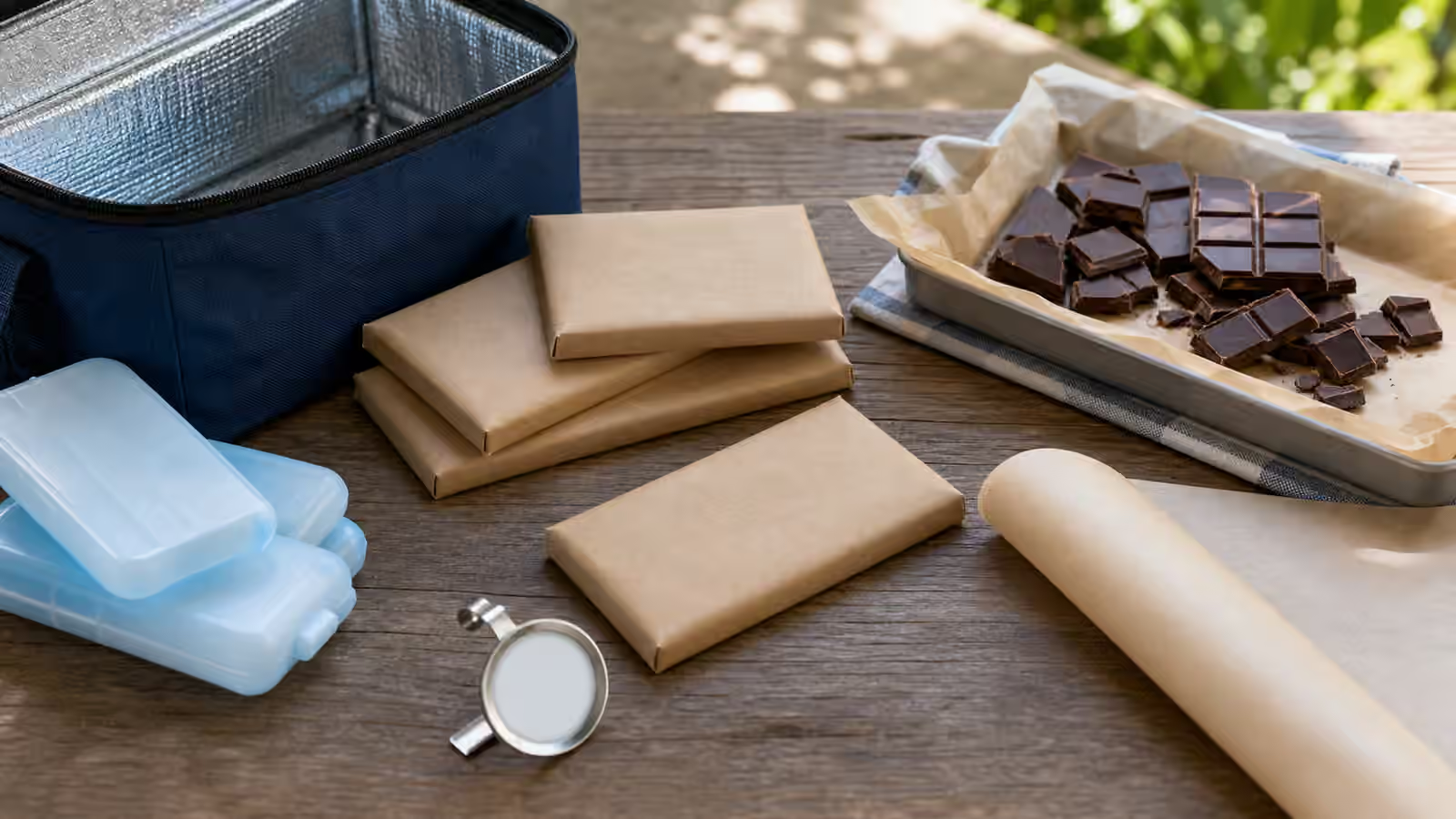
Parchment is usually a safer resting surface for chocolate pieces than a bare cutting board that has seen onions, bread crumbs, or oil. It gives you a clean landing zone for tempered pieces, bark, curls, or test streaks. It also makes cleanup calmer because hardened chocolate can be lifted and reused when appropriate. Chocolate Decorations, Curls, and Shavings benefits from this kind of bench discipline because thin pieces show every rough surface.
Keep wet work and chocolate work separate in time. If you are rinsing berries, washing dishes, boiling syrup, and tempering chocolate all at once, the bench becomes humid and chaotic. Chocolate can be part of a busy kitchen, but it rewards sequence. Finish the wet jobs, clear the steam, dry the tools, then work the chocolate.
Melangers And Bean-To-Bar Equipment
Bean-to-bar work adds more surfaces. Roasting trays, cracking tools, winnowing containers, melangers, scrapers, molds, and storage jars all affect flavor. A melanger that holds old fat, stale cacao, or detergent aroma can mark the next batch. Nibs stored in a container that smells like spices will carry that smell into the grinder. Husk dust left around the bench can drift into clean chocolate.
Cleaning bean-to-bar equipment should follow the manufacturer’s instructions and common sense about dryness, food contact, and mechanical parts. Do not immerse equipment that should not be immersed. Do not leave trapped moisture where it can sour, rust, or contaminate the next batch. Do not use harsh scents that will cling to stone, plastic, or silicone. The goal is a clean neutral surface, not a perfumed one.
Bean-to-Bar Basics and Chocolate Refining and Conching focus on transformation. Cleaning protects those transformations from noise. If a batch tastes unexpectedly stale, smoky, soapy, or musty, check the beans and roast, but also check the equipment path.
Refrigeration And Condensation
Sometimes chocolate must be cooled or stored in a refrigerator because the room is too warm. The risk is condensation. Cold chocolate moved into warmer air can collect moisture on the surface. That moisture can dissolve sugar at the surface and later dry into sugar bloom, leaving a rough, pale finish. Refrigerators also carry odors, and chocolate absorbs them readily.
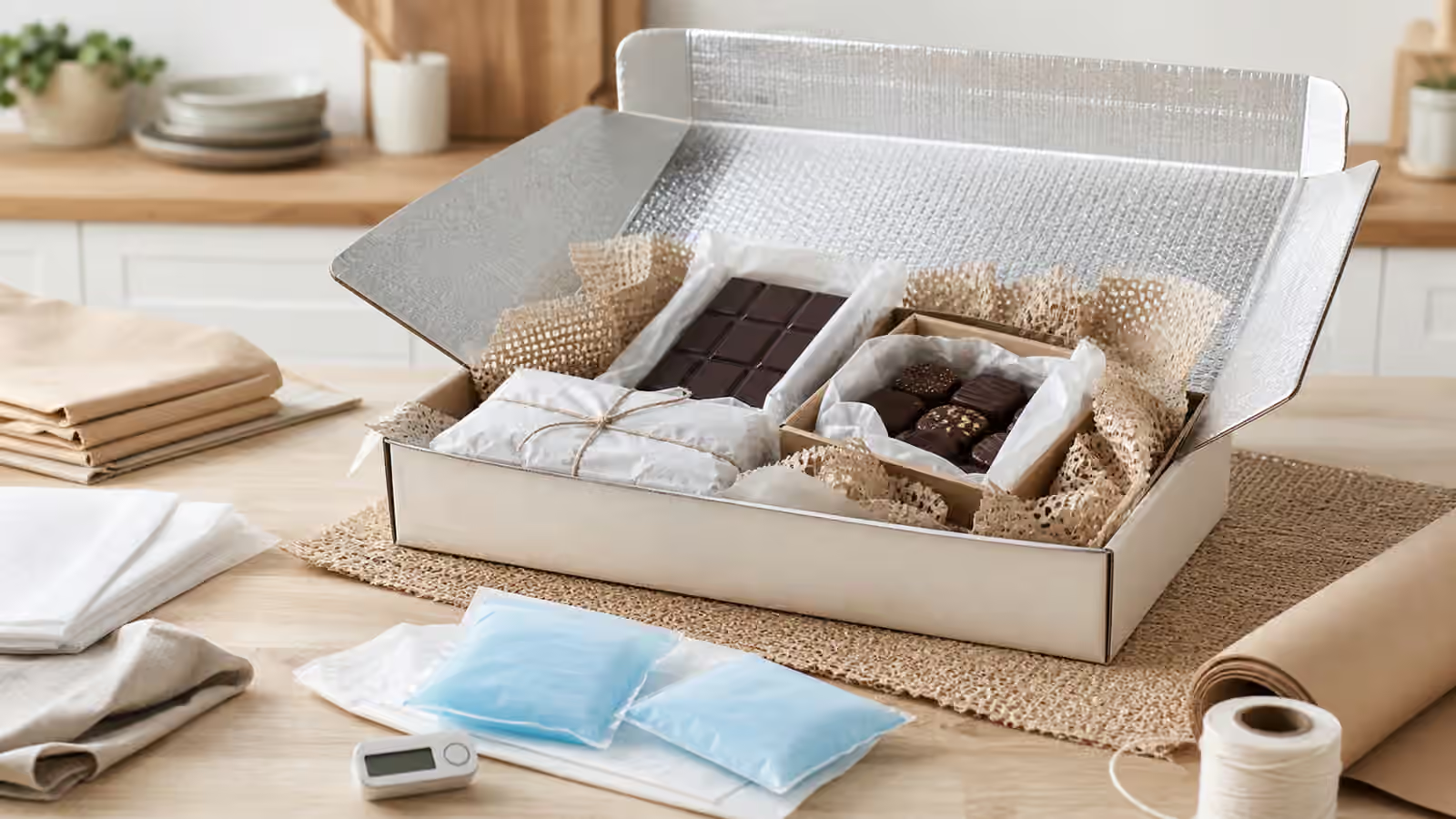
If chilling is necessary, protect the chocolate well. Seal it before chilling, and let the sealed container come closer to room temperature before opening. The goal is for moisture to form on the outside of the container rather than directly on the chocolate. This habit matters for molds, finished bars, ganache slabs, bark, and decorations.
Chocolate Bloom explains what the surface is telling you after the fact. Equipment and storage habits are how you avoid creating the problem in the first place. A refrigerator can be a tool, but it is not a casual shelf for unwrapped chocolate.
Cleanup Should Preserve Reusable Chocolate
Chocolate left in a bowl is not always waste. Plain melted chocolate that stayed clean, dry, and free from crumbs may be scraped onto parchment, cooled, wrapped, and used later for baking, ganache, or remelting. Chocolate contaminated with water, cream, nuts, cookie crumbs, or filling has a different future. It should not be returned to a clean tempering supply as if nothing happened.
Separate clean scrap from flavored or messy scrap. Labeling is helpful even if the label is only mental and immediate. Dark chocolate with almond bits belongs in cookies or bark, not in a future plain single-origin tasting bar. White chocolate that picked up coffee aroma will carry it forward. The more disciplined the cleanup, the easier the next session becomes.
Good chocolate work often looks calm because the decisions happened before the bowl was warm. Tools were dry. Molds were clean. Towels were neutral. Containers did not smell. Steam was elsewhere. Chocolate rewards that quiet setup by behaving more like itself.