
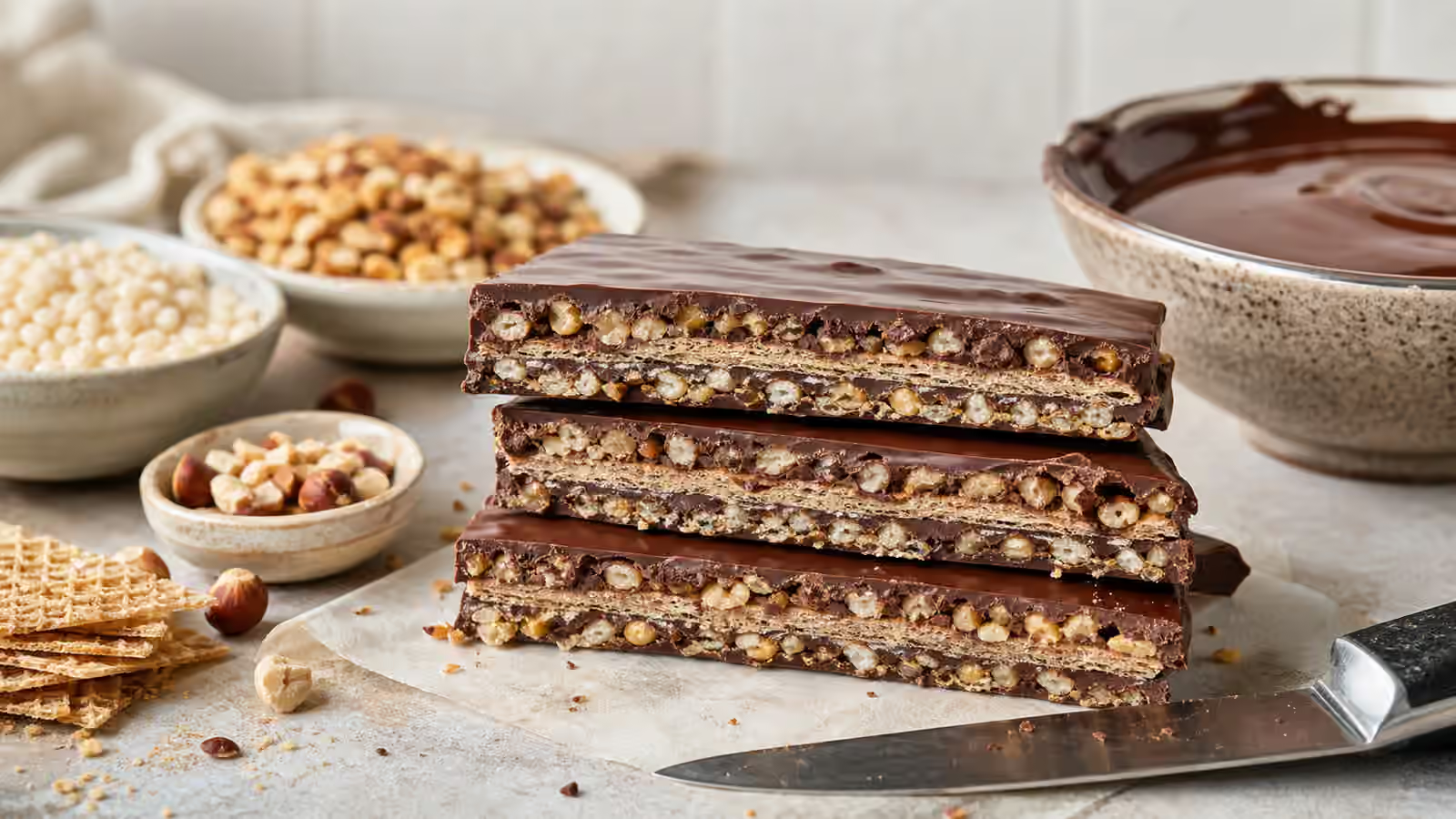
Crunch is one of chocolate’s best contrasts because chocolate melts while crisp ingredients break. A thin wafer, toasted nut, brittle shard, puffed grain, or caramelized crumb can make a bar or dessert feel alive. The trouble is that crunch is temporary unless it is protected. Humidity, fillings, ganache, fruit, cream, and even chocolate itself can soften crisp layers until the bite becomes dull. What began as contrast turns into chew.
This guide extends Chocolate Inclusions: Flavor, Texture, and Balance into layered work. Inclusions are mixed through chocolate or placed on top. Crunch layers are more architectural. They sit between ganache and cake, under mousse, inside molded bars, beneath glaze, or in a slab meant to be cut into neat pieces. Their success depends on moisture control as much as flavor.
Crisp Ingredients Need a Dry Life
Anything crisp is crisp because it is dry and structured. A wafer snaps because it has little moisture. Toasted nuts crack because roasting has driven off water and tightened texture. Puffed rice, cornflakes, feuilletine, brittle, meringue, cookie crumbs, and cereal pieces all depend on dryness. Put them near wet ingredients and they begin moving toward softness.
Chocolate can protect crisp ingredients because cocoa butter is fat, and fat slows water movement. A wafer brushed or coated with tempered chocolate will stay crisp longer than a bare wafer pressed against cream. A praline crunch bound with chocolate and nut paste will resist moisture better than loose crumbs folded into mousse. Protection is not permanent, but it buys time and keeps the first serving closer to the intended bite.
The mistake is assuming that chocolate automatically seals everything. A thin smear with gaps does not protect much. A coating applied while the crisp ingredient is warm can trap steam. A layer cut with a wet knife or stored uncovered in a humid refrigerator can soften from the edges inward. Crunch asks for boring discipline: dry ingredients, cool components, complete coverage, and storage that respects texture.
Wafers Give Shape but Hate Moisture
Wafers are useful because they are thin, even, and easy to layer. They can turn chocolate into a clean bar, add structure under ganache, or separate soft fillings. Their weakness is that they soften quickly when exposed to moisture. A wafer placed directly against whipped cream or fruit puree may lose its snap before the dessert reaches the table.
Chocolate coating helps, especially when the wafer is fully covered. Tempered chocolate gives the best shell because it sets firm and contracts cleanly. Untempered chocolate or a soft chocolate spread may taste good, but it does not create the same crisp barrier. If the wafer needs to stay crisp in a finished dessert, think of chocolate as waterproofing, not merely flavor.
The thickness of the chocolate matters. Too little leaves exposed wafer. Too much turns the bite into a hard slab. A good wafer layer breaks easily and lets the filling or cake remain part of the bite. If the chocolate layer cracks away from the wafer, it may be too thick, too cold, or poorly bonded. If the wafer disappears, the surrounding components are too wet or the storage time is too long for that design.
Nuts Bring Flavor and Their Own Fragility
Nuts are the most forgiving crunch because they bring fat as well as structure. Hazelnuts, almonds, pistachios, peanuts, pecans, and walnuts can all work with chocolate, but they do not behave the same way. Hazelnuts and almonds stay crisp and roasty when toasted well. Pecans and walnuts bring softer oils and can taste stale faster. Pistachios offer color and aroma but can lose their snap if stored poorly.
Toast nuts before they meet chocolate unless a recipe has a reason not to. Raw nuts can taste flat, grassy, or waxy inside a rich confection. Toasting develops aroma and drives off some moisture. Cool them completely before coating or chopping. Warm nuts can soften chocolate and create condensation when moved between environments.
Nut size changes the bite. Fine praline paste gives flavor and fat but not much crunch. Chopped nuts give irregular crackle. Whole nuts give a clear center but can make cutting harder. Nut brittle gives intense snap and caramel flavor, but it is hygroscopic, which means it wants moisture. Once brittle is exposed to humid air or wet fillings, it softens. Chocolate can slow that process, but it cannot make brittle immortal.
Gianduja and Nut Praline is useful background because nut pastes often form the flavor base for crunch layers. A praline paste mixed with crisp flakes and enough chocolate can become a layer that cuts cleanly, tastes nutty, and stays crisp long enough to matter.
Crisp Grains Need Flavor, Not Just Noise
Puffed rice and crisp cereals add lightness, but they can taste hollow if used only for texture. Chocolate is strong enough to expose blandness. A crunch layer made from neutral cereal, sweet chocolate, and no salt can feel busy without tasting interesting. Toasted grains, caramelized crumbs, cocoa nibs, roasted nuts, and a little salt can give the crunch a reason to be there.
The grain should match the chocolate. A fruity dark chocolate may want toasted oats, almonds, or cocoa nibs rather than a sugary cereal note. Milk chocolate can handle malt, puffed rice, cornflake, or hazelnut because dairy and cereal flavors share a warm register. White chocolate often needs sharper contrast: pistachio, freeze-dried fruit used carefully, toasted sesame, coffee, or citrus can prevent the layer from becoming pure sweetness.
Cocoa nibs are a special case. They are crisp and intensely cacao-like, but they are not dry cereal. They bring bitterness, acidity, and astringency as well as crunch. Used sparingly, they can make a sweet layer taste more grown-up. Used heavily, they can make the texture woody and the finish dry. Cacao Nibs: Flavor and Use gives them more room.
Layer Order Changes the Eating Experience
Where the crunch sits changes how it reads. A crisp layer at the bottom of a cake gives the fork a final snap. A layer between ganache and mousse creates contrast after softness. A wafer inside a molded bar gives an immediate break. Crunch scattered on top gives aroma and texture first, but it is also the most exposed to air and humidity.
The cleanest layered pieces often keep crunch near fat-based components and away from water-rich ones. Chocolate, praline paste, nut butter, and ganache with a firm set are kinder neighbors than fresh fruit, whipped cream, custard, or syrup. If a wet component is essential, add a chocolate barrier between it and the crisp layer. Let that barrier set before assembly.
Cutting is part of design. A crunch layer that shatters under the knife may look dramatic but serve badly. A layer that bends instead of breaks has already lost the point. Chill only enough to make the piece clean to cut, then use a warm dry knife if the recipe allows. Too much cold can make chocolate crack and fillings firm in a way that changes the intended bite.
Storage Is the Final Ingredient
Crunch layers should not be judged only when freshly made. Many are perfect for an hour and disappointing the next day. That does not mean the recipe failed; it means the layer was designed for a shorter window. A plated dessert can use fragile crunch because it is served soon. A boxed chocolate, travel gift, or make-ahead cake needs sturdier design.
Keep crisp chocolate pieces cool, dry, sealed, and away from strong odors. Refrigeration is sometimes necessary for dairy fillings, but it is hard on crunch because refrigerators bring humidity and temperature swings. If chilling is unavoidable, wrap well and avoid moving pieces in and out repeatedly. Chocolate Shelf Life and Freshness explains the broader storage problem.
Crunch succeeds when it has a job beyond surprise. It can make sweetness feel lighter, give creamy fillings a frame, carry nut aroma, or make a simple bar more satisfying. But it has to be protected. Dry ingredients, complete chocolate coverage, smart neighbors, and realistic serving time matter more than a long ingredient list. A crisp layer is a promise made at the first bite. Good chocolate work keeps that promise long enough for the bite to arrive.


