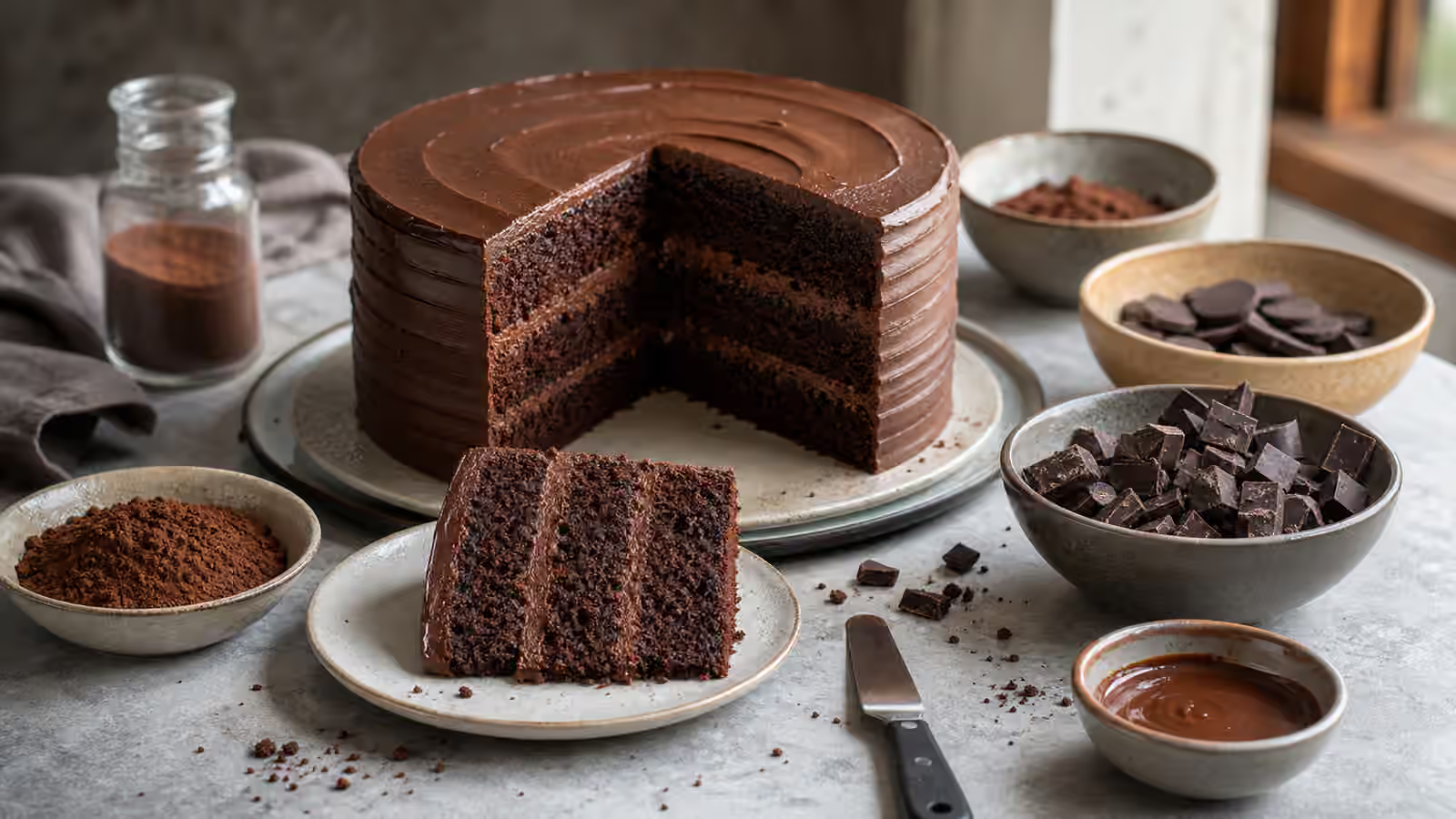
Cookies and brownies make chocolate look forgiving. A chopped bar can disappear into dough, a spoonful of cocoa can darken batter, and a handful of chips can make almost any tray smell like dessert. Yet the way chocolate behaves in these bakes is surprisingly specific. A chip that holds its shape in a cookie is not doing the same job as melted chocolate in a brownie. Cocoa powder brings flavor without cocoa butter. Chopped couverture melts into pockets. Inclusions add texture but can also throw off moisture, sweetness, and timing.
This guide builds on Choosing Chocolate for Baking , which covers broad ingredient decisions. Here the focus is narrower: the everyday tray bakes where chocolate has to survive flour, sugar, eggs, butter, heat, cooling, and storage. The goal is not to crown one form of chocolate as best. It is to understand what each form contributes so the finished cookie or brownie tastes intentional instead of merely sweet.
Chips, Chunks, and Chopped Bars Melt Differently
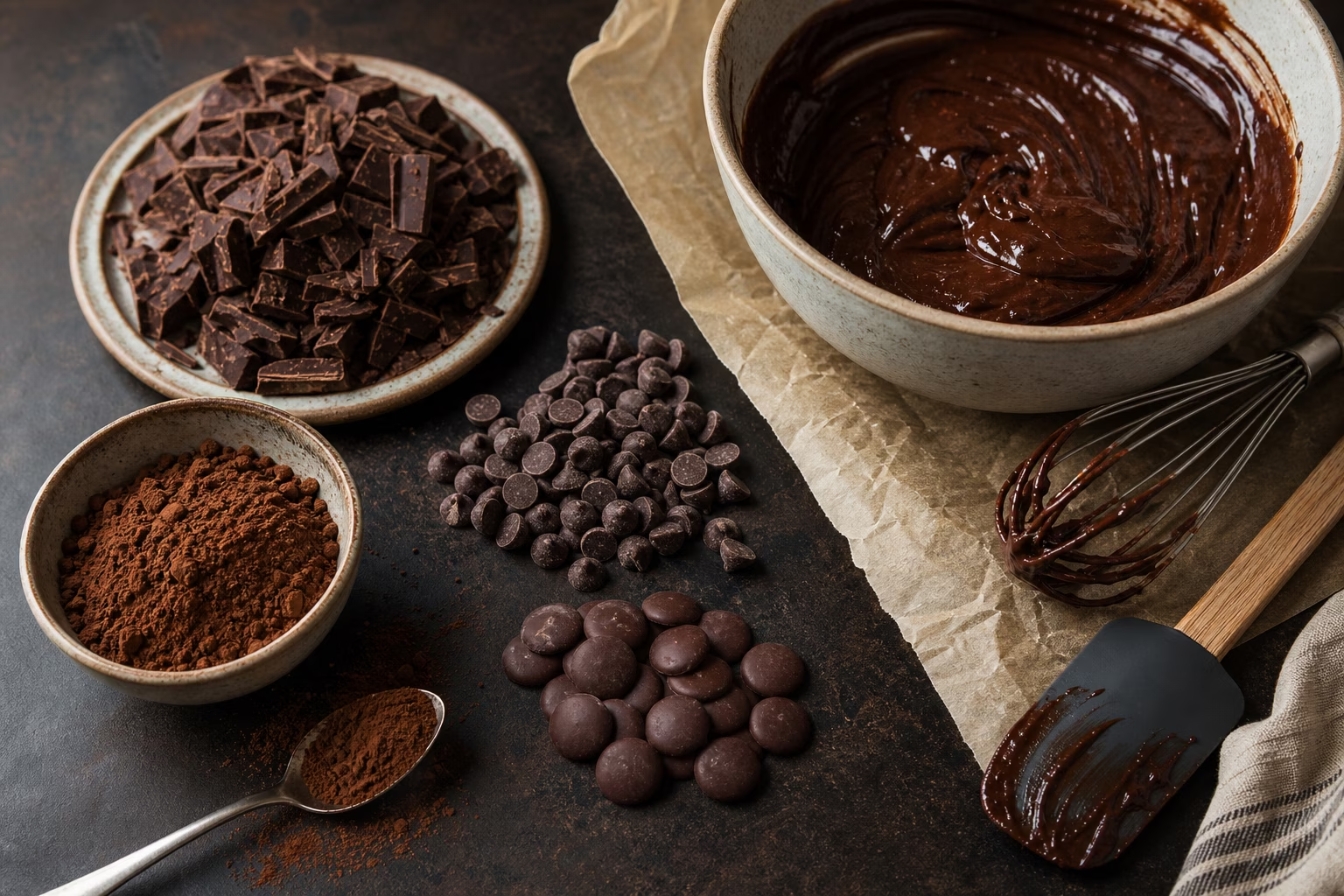
Chocolate chips are designed for performance. Many hold their shape through baking because their formula, size, and surface area help them resist fully melting into the dough. That can be exactly what a cookie needs. A chip gives repeatable pockets of chocolate, clean distribution, and a familiar bite. It is less ideal when you want irregular puddles, long melt, or the flavor of a particular bar to spread through the crumb.
Chopped chocolate behaves more loosely. Thin shards melt into the dough and season it. Larger pieces become soft pockets. Dust and tiny flakes darken the surrounding crumb. This variety is why chopped bars often make cookies taste more layered. One bite may be mostly cookie with a trace of cocoa; the next may have a warm seam of melted chocolate. The tradeoff is less predictability. If the pieces are too large, they can weaken the structure or sink. If the bar is very high in cocoa butter, it can create greasy-looking patches if the dough is already rich.
Couverture can be beautiful in cookies because its extra cocoa butter melts readily and gives a luxurious pocket. In a thick cookie, that can be generous. In a thin or delicate cookie, it may spread more than expected. Couverture vs Compound Chocolate explains why these products behave differently. Compound coating may keep shape and resist bloom in some applications, but its vegetable fats change melt and flavor. For a cookie where chocolate is the central pleasure, that difference is easy to taste.
Cocoa Powder Builds Flavor Without Fat
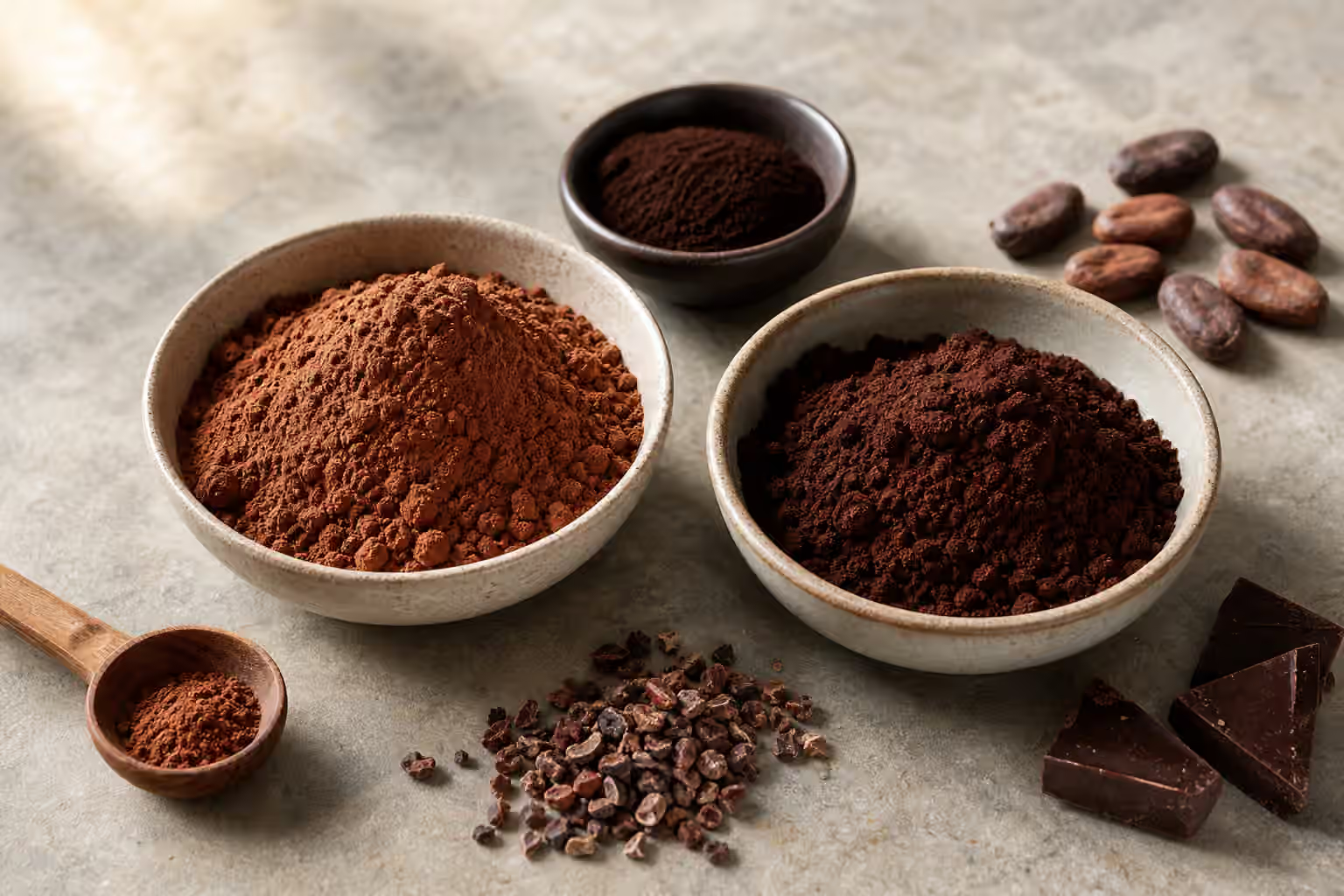
Cocoa powder is not just melted chocolate in dry form. Most of its cocoa butter has been pressed out, so it brings concentrated cocoa solids without the same fat load. That is why cocoa powder can make a brownie taste dark while the texture still depends on butter, oil, eggs, and sugar. Natural cocoa and Dutch-process cocoa behave differently too. Cocoa Powder: Natural vs Dutch explains the acidity and color differences, but in tray bakes the practical result is flavor, appearance, and leavening behavior.
Natural cocoa often tastes brighter and more assertive. Dutch-process cocoa can taste rounder, darker, and smoother, with a color that may look more dramatic. Neither is universally better. A cookie with brown sugar, butter, and vanilla may welcome Dutch cocoa because it leans into a mellow, Oreo-like darkness. A brownie with fruit notes or a tangy dairy element may benefit from natural cocoa’s sharper edge. The recipe’s leavening matters, so substitution should be careful, but flavor is the reason to pay attention in the first place.
Cocoa powder also absorbs moisture. A dough with too much cocoa and not enough liquid or fat can bake up dry and dusty. That dryness may be mistaken for intensity. A good chocolate cookie should not need to parch the mouth to prove itself. It should carry cocoa flavor through a texture that still feels pleasant.
Brownies Need Both Flavor and Structure
Brownies are where chocolate choices become most visible. A brownie made with melted chocolate usually has cocoa solids, cocoa butter, sugar, and emulsifiers from the chocolate itself. That can give density, shine, and a rounded flavor. A brownie made mostly with cocoa powder can taste very direct and dark, but it depends on added fat for tenderness and richness. Many good recipes use both because they do different jobs.
The shine on a brownie top is not only about chocolate quality. It comes from sugar dissolving, eggs, mixing, and baking method. A glossy top does not guarantee deep chocolate flavor, and a matte top does not mean failure. Taste the crumb. Does the chocolate flavor continue after the sweetness fades? Does the texture feel fudgy, cakey, chewy, or greasy? Each style asks for a different chocolate balance.
Very high-percentage chocolate can make brownies taste adult and deep, but it can also push bitterness forward if the sugar and salt are not balanced. Milk chocolate can make brownies plush and caramel-like, but it can become too sweet unless the formula accounts for it. Unsweetened chocolate gives control because the recipe supplies all the sugar, but it can taste blunt if the surrounding ingredients do not build aroma. Unsweetened Chocolate and Chocolate Liquor is helpful when a recipe calls for that older baking format.
Bar Cookies Are About Distribution
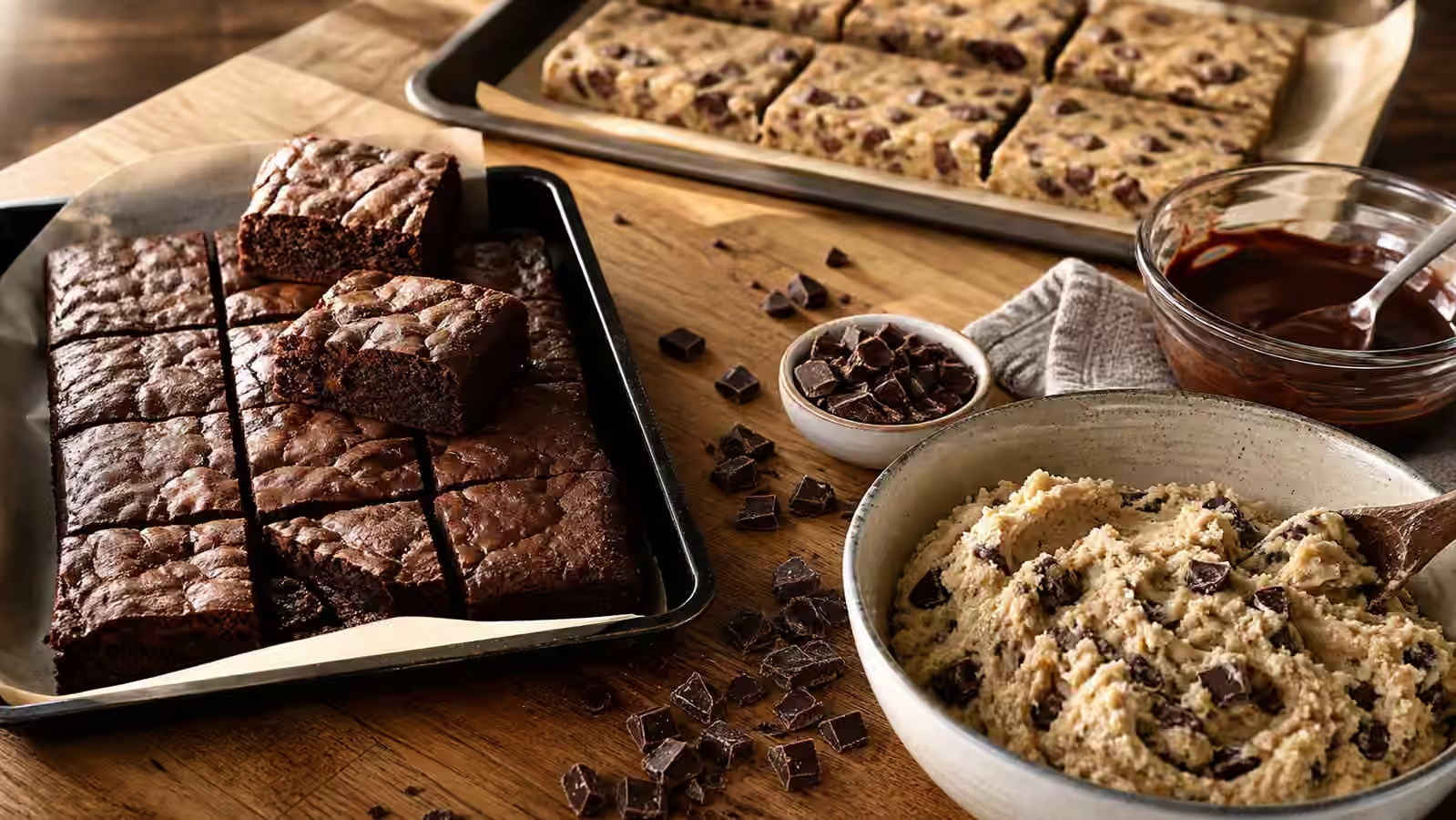
Blondies, shortbread bars, oatmeal bars, and layered sliceable sweets often use chocolate as an accent rather than the whole structure. In these bakes, distribution matters as much as intensity. A single thick layer of chocolate can make a bar hard to cut or awkward to bite. Small chunks can spread pleasure through the crumb. A thin melted layer can act like a seam, but if it is too brittle it may crack away from the base.
Inclusions need restraint. Nuts, dried fruit, nibs, pretzels, coconut, and grains can be excellent with chocolate, but they change moisture and chew. Chocolate Inclusions: Flavor, Texture, and Balance focuses on bars of chocolate, yet the same idea applies to baked bars. Every addition interrupts the base. If the base is buttery and sweet, bitter nibs or a little salt may add useful contrast. If the base is already dense and loaded, more additions can make it heavy rather than generous.
Chopping size is a quiet control. Fine chocolate flecks make the whole bar taste more chocolatey. Medium pieces give defined pockets. Large pieces create drama but can make neat slicing harder. For a bake sale square or packed lunch bar, medium distribution often eats better than giant chunks, even if the giant chunks look more exciting on a photo.
Heat, Cooling, and Storage Change the Finish
Chocolate continues to behave after the pan leaves the oven. Melted pockets set as the cookie cools. Brownies firm as starches, sugar, fat, and cocoa settle. If you cut too early, the chocolate may smear and the crumb may seem underdone. If you wait until fully cool, the flavor may read more clearly. Some brownie styles taste better the next day because moisture has evened out and cocoa has had time to integrate.
Storage matters because baked goods contain far more moisture than plain chocolate. A crisp cookie with chocolate chips can soften in a sealed container. A fudgy brownie can become dense and sticky. Nuts can stale. Fruit can make nearby chocolate tacky. The chocolate storage rules in Storage and Serving still matter, but the baked good around the chocolate usually has the shorter life and stronger storage needs.
Good chocolate baking is not simply adding more chocolate. It is choosing where chocolate should be solid, melted, powdered, bitter, sweet, smooth, chunky, or crisp. A cookie wants pockets and contrast. A brownie wants structure and depth. A bar cookie wants distribution and clean cutting. Once you see those jobs separately, the chocolate drawer becomes easier to use. Chips, bars, cocoa powder, nibs, and chunks all have a place, but they do not all do the same work.