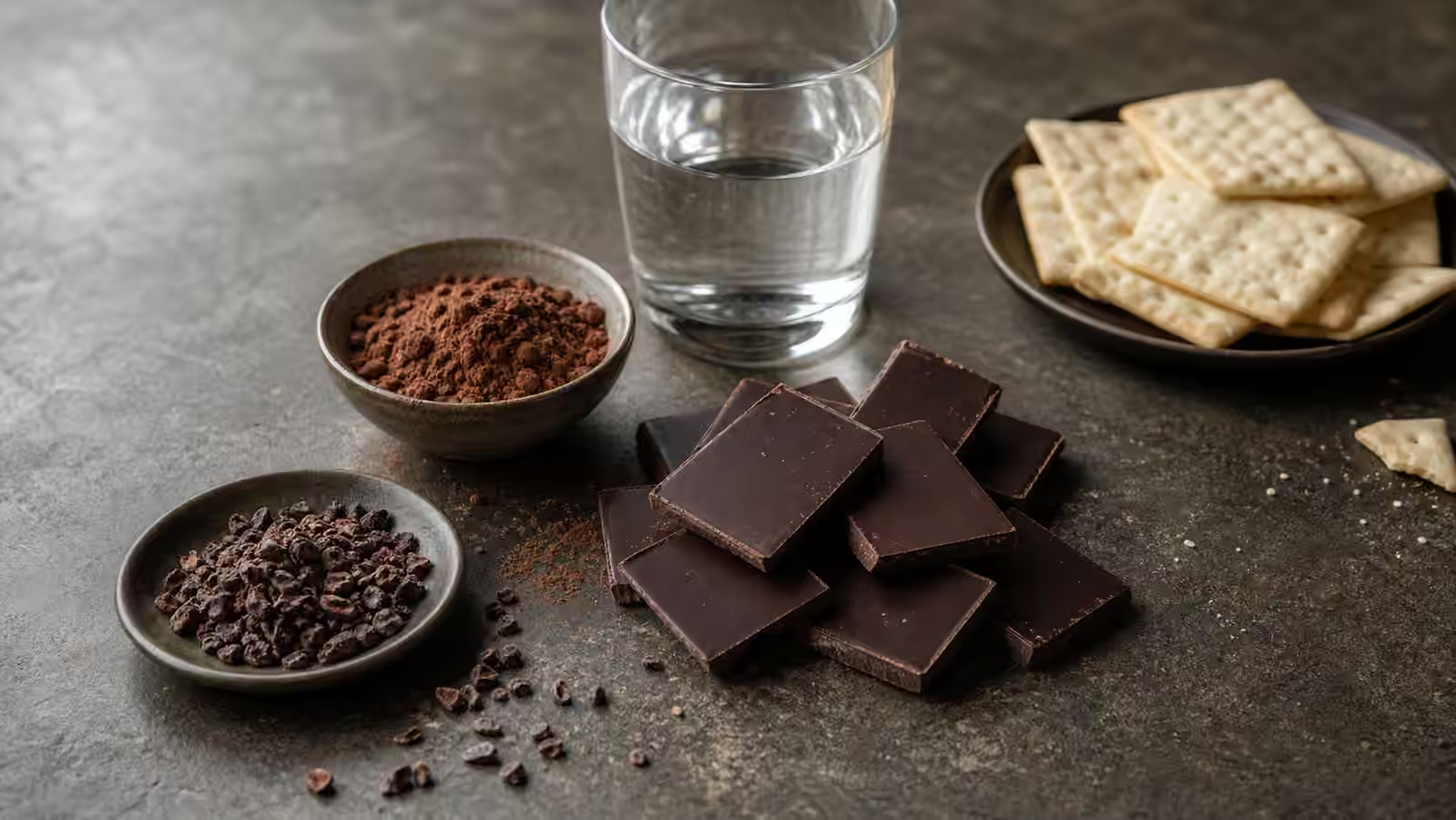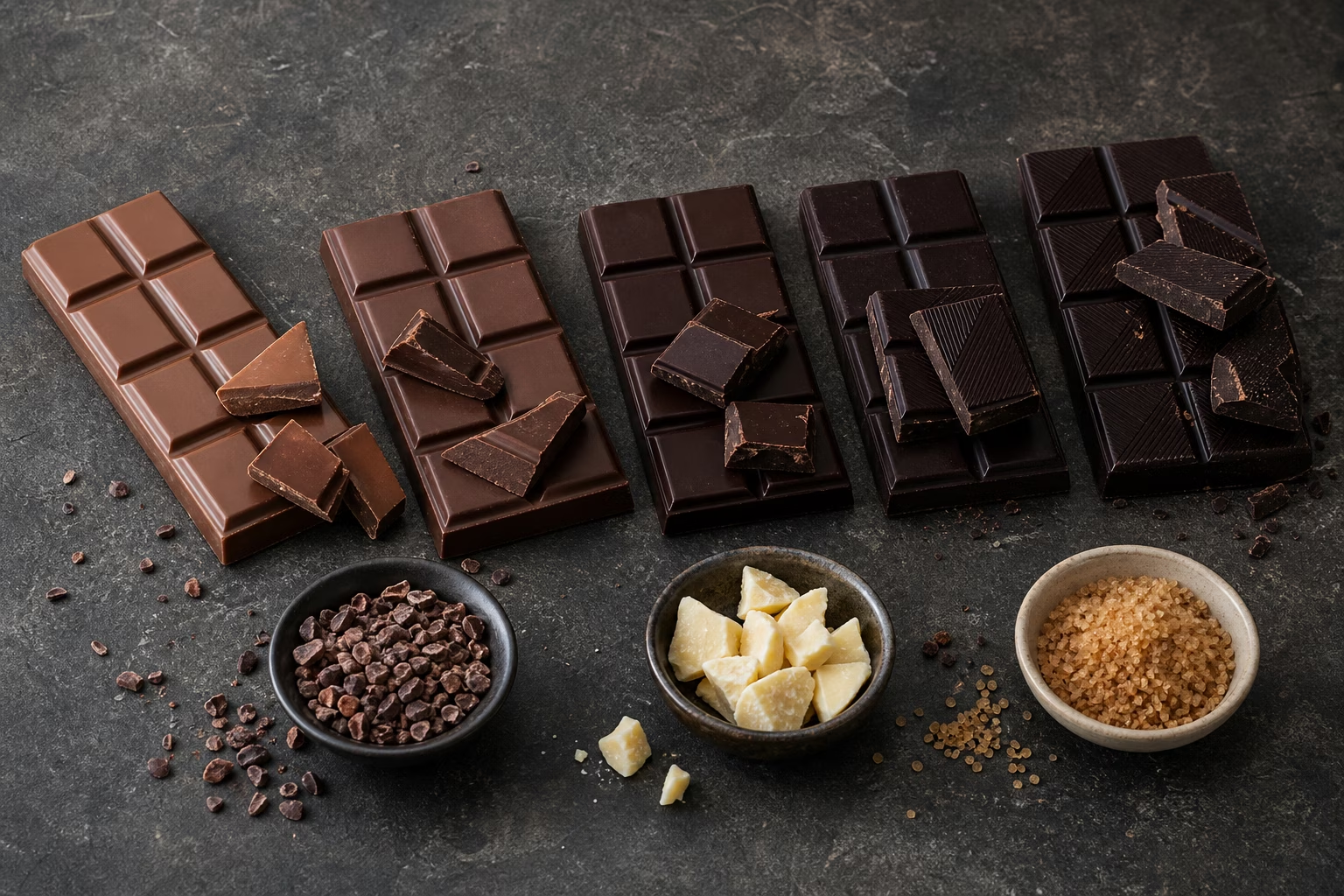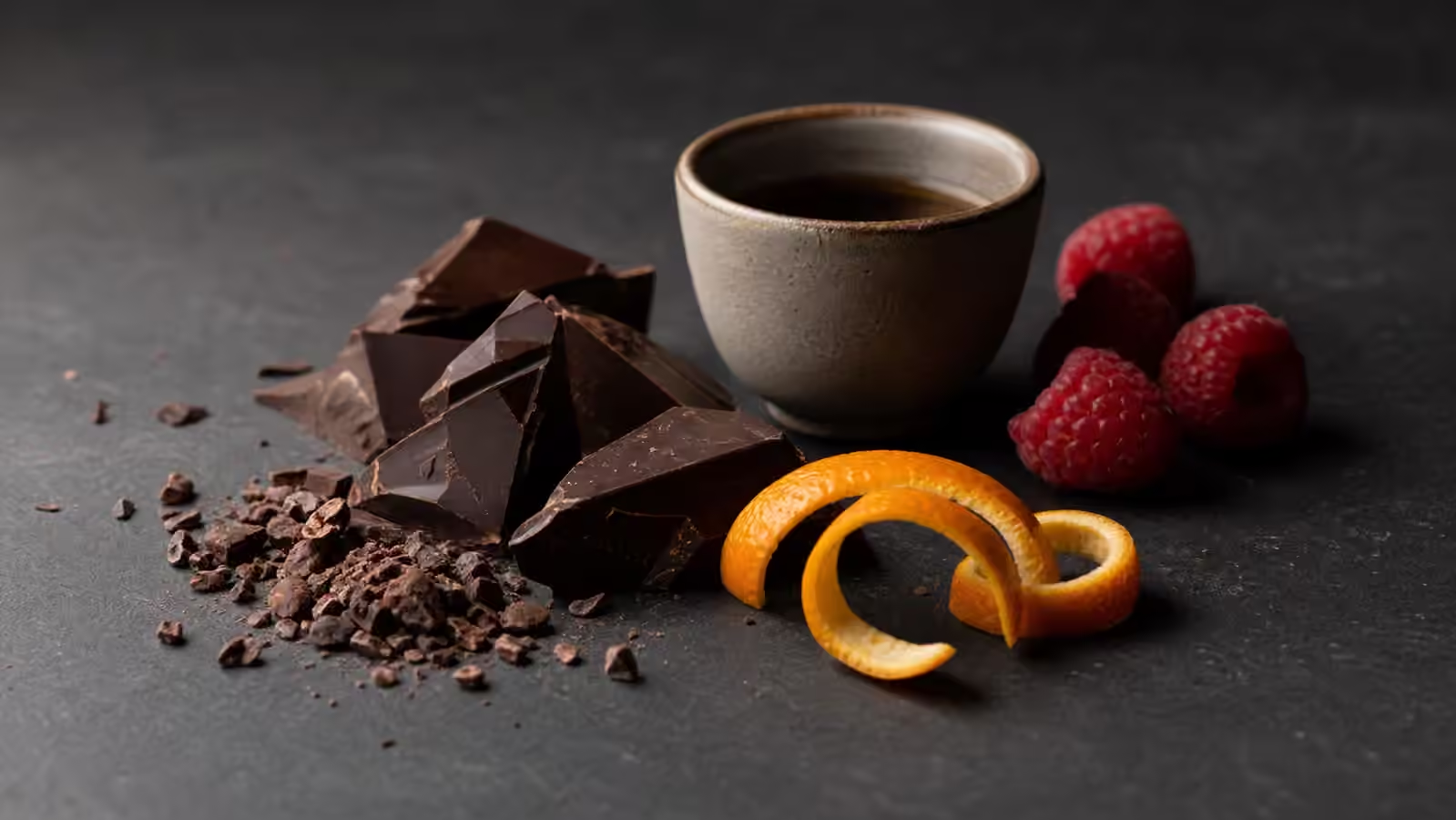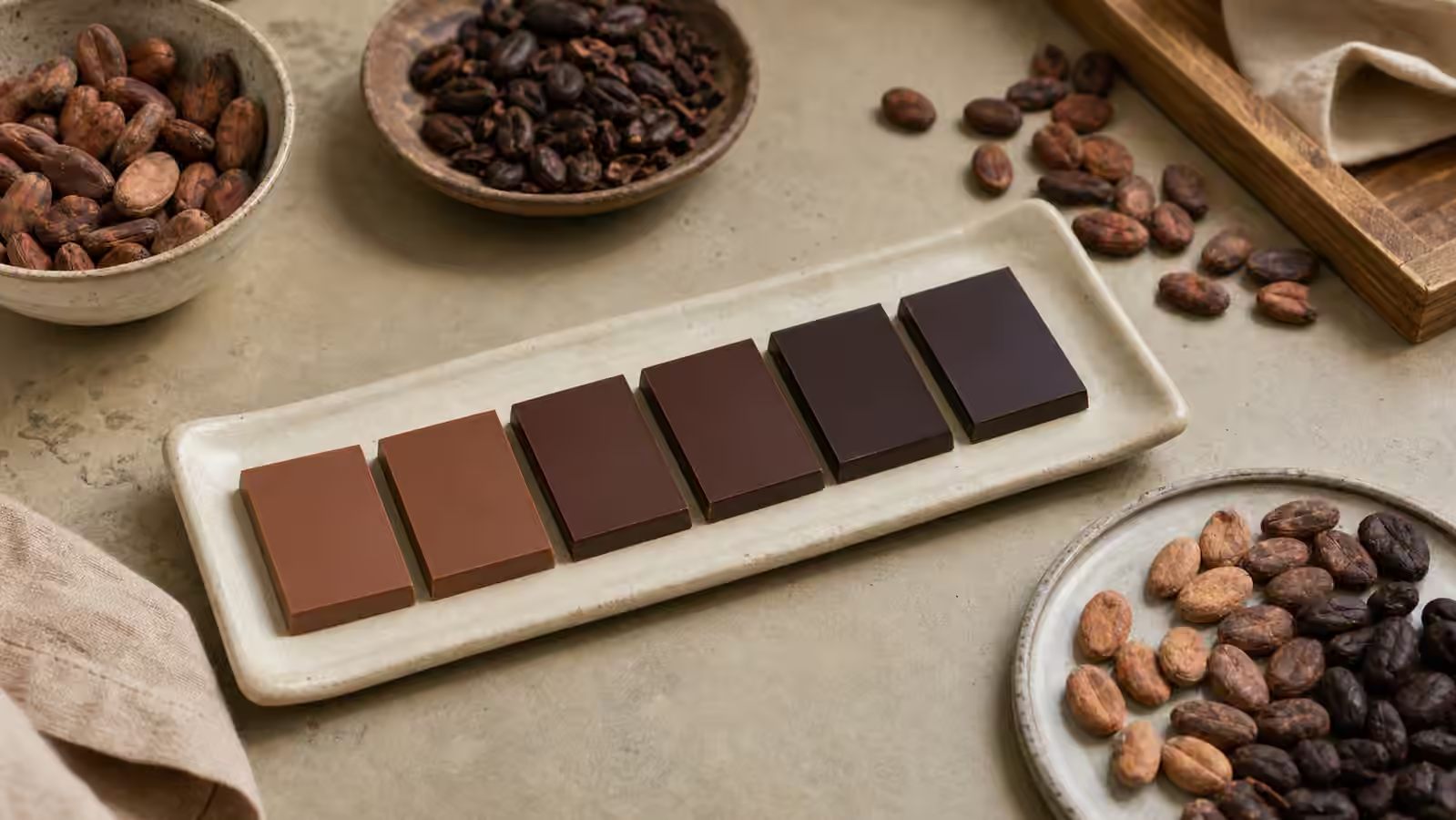
Chocolate color is persuasive. A very dark bar looks intense before it reaches your nose. A pale milk chocolate looks gentle. A white chocolate looks sweet almost by definition. Those expectations are not useless, but they are easy to overtrust. Color can suggest something about cacao, roast, milk, sugar, cocoa powder, and processing. It cannot tell you whether a chocolate will taste good, whether the cacao was carefully handled, or whether the maker found the best expression of the beans.
The habit of reading color belongs near Chocolate Tasting because sight is part of tasting even when we pretend it is not. It also belongs near Cacao Roasting at Home and Cocoa Powder: Natural vs Dutch because roast and alkalization can change color dramatically. The goal is not to ignore what you see. The goal is to treat color as a clue instead of a verdict.
Darker Does Not Always Mean Stronger
A darker chocolate often contains more cacao-derived material than a lighter one, but the relationship is not automatic. Understanding Chocolate Percentages explains that the percentage includes cocoa solids and cocoa butter together. Two bars with the same percentage can have different amounts of nonfat cocoa solids, different cocoa butter levels, different sugar, and different roast profiles. One may look darker and taste gentler. The other may look lighter and taste more bitter.
Roast is one reason. Cacao beans darken as they roast, just as bread crust, coffee, and nuts darken with heat. A deeper roast can give chocolate a darker appearance and flavors of brownie edge, coffee, toast, smoke, or roasted nuts. But deeper color does not prove better development. A heavy roast can flatten fruit and flowers, and it can make rough cacao seem more acceptable by covering it. A lighter roast may preserve fruit, acidity, or floral notes, but it can also leave raw edges if the beans needed more heat.
Genetics and fermentation matter too. Some cacao naturally produces beans and liquor that look lighter or redder. Some fermentation and drying styles leave different color cues in the cotyledon, the inside of the bean. A maker starting with red-brown cacao may produce a bar that looks different from one made with pale or deep brown beans even before roast choices enter the picture. Place and variety can be visible, but only in conversation with process.
Milk, Sugar, and Cocoa Butter Blur the Signal
Milk chocolate is not merely dark chocolate diluted with milk. Milk powder brings proteins, sugars, dairy fat, and cooked milk flavors. It lightens color and changes aroma. A high-cacao milk chocolate can still look warm and approachable while carrying serious cocoa flavor. A very sweet milk chocolate can look similar but taste mostly of sugar and dairy. Sight alone will not separate them.
White chocolate makes the point even more clearly. It contains cocoa butter but no cocoa solids, so it does not show the brown color most people associate with chocolate. Its quality depends on cocoa butter aroma, dairy, sugar balance, texture, and freshness. White Chocolate and Cocoa Butter gives that category its own space because judging it by darkness makes no sense. Pale color can be bland, but it can also be fragrant with vanilla, cream, honey, or cocoa butter.
Sugar affects color less dramatically than milk, but it affects what color seems to promise. A dark-looking bar with plenty of sugar may taste softer than expected. A medium-dark bar with less sugar and more assertive cacao may taste more severe. That is why color and percentage should be read together, then checked against the actual melt.
Alkalization Can Make Cocoa Look Deeper
Dutch-process cocoa is treated with an alkaline solution that changes acidity, flavor, and color. It often looks darker and redder than natural cocoa powder, sometimes dramatically so. That color is useful in cakes, cookies, drinks, and icings when a deep chocolate appearance is wanted, but it does not automatically mean more chocolate flavor. Alkalization can soften acidity and bitterness while also muting some aromatic complexity.
This matters because people often learn chocolate color through baked goods. A nearly black cookie or cake may get its drama from heavily alkalized cocoa, not from a massive amount of cacao. A lighter brownie made with natural cocoa or melted chocolate may taste more lively. Neither is automatically superior. The color is telling you something about processing and style, not about moral seriousness.
In finished eating chocolate, alkalization is less often the main story than in cocoa powder, but color expectations still leak across categories. If you have been trained by dark cocoa cookies to equate blackness with intensity, a reddish-brown craft bar may seem mild before you taste it. Slow tasting corrects that assumption. Aroma and finish are better guides than the shade alone.
Gloss and Surface Tell a Different Story
Color is about hue and darkness. Surface is about temper, storage, and handling. A well-tempered bar can be glossy, clean, and even. A bloomed bar can look gray, dusty, streaked, or mottled. That pale film is not the natural color of the chocolate; it is fat or sugar moving on the surface. Chocolate Bloom Explained separates those two common forms, and the distinction matters. A gray cast from bloom tells you about storage or temper, not necessarily about the cacao underneath.
Matte chocolate is not always bad. Some bars are intentionally less shiny because of mold texture, formulation, inclusions, or handling. A rustic surface can still taste excellent. But streaks, cloudy patches, and grainy white roughness deserve attention. They may signal temperature swings, moisture, or unstable crystallization. The color of the interior after you break the bar can be more useful than the surface alone. A clean snap reveals the true body of the chocolate; a surface film may only be a storage story.
Inclusions complicate color further. Nuts, fruit, salt, and grains change the surface, interrupt the break, and sometimes cause fat movement around their edges. Chocolate Inclusions: Flavor, Texture, and Balance is a better guide for those bars than a simple color reading.
Use Color as a Starting Question
Before tasting, let color ask questions. Does the bar look unusually dark for its percentage? It may be deeply roasted, alkalized, or made with naturally dark cacao. Does it look reddish? It may carry fruit, acidity, or a particular bean character, though roast and lighting can fool you. Does it look pale for a dark bar? It may have more cocoa butter, lighter roast, or a cacao type that does not produce deep brown liquor. Does it look gray or dusty? You may be seeing bloom rather than the chocolate’s real color.
Then smell. Aroma quickly corrects sight. A dark bar may smell gentle and fruity. A lighter bar may smell intensely roasty. A pale milk chocolate may have deep caramelized dairy notes. After that, taste and watch the arc. Color speaks before flavor, but flavor gets the final word.
Good chocolate tasting is not blind to appearance. It is skeptical of easy appearance. Darkness can be beautiful. Red-brown chocolate can be beautiful. Pale milk and white chocolate can be beautiful. What matters is whether the color belongs to a coherent experience of aroma, melt, sweetness, bitterness, acidity, and finish. Once you stop treating darkness as a ranking system, the chocolate in front of you gets more room to explain itself.