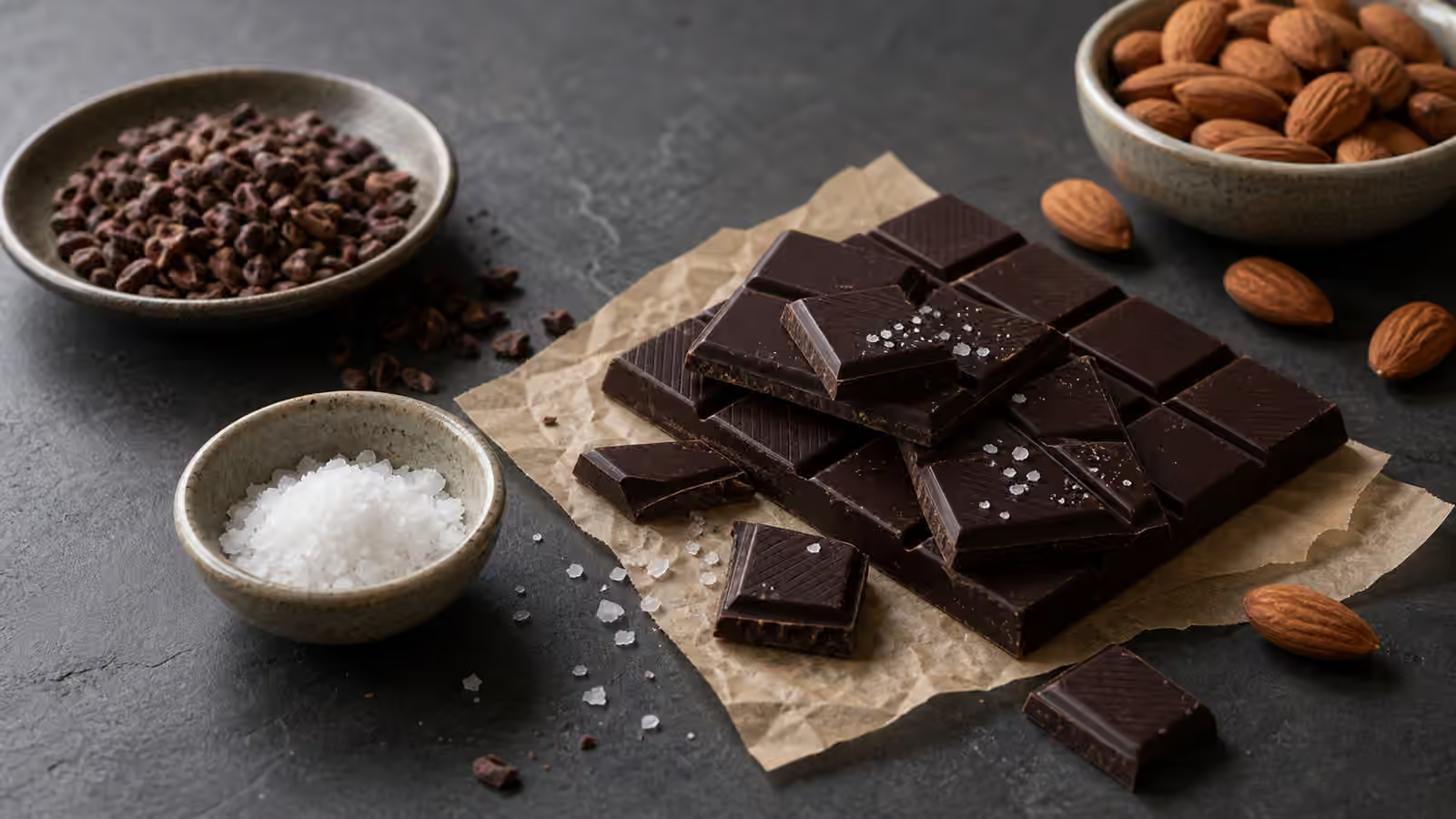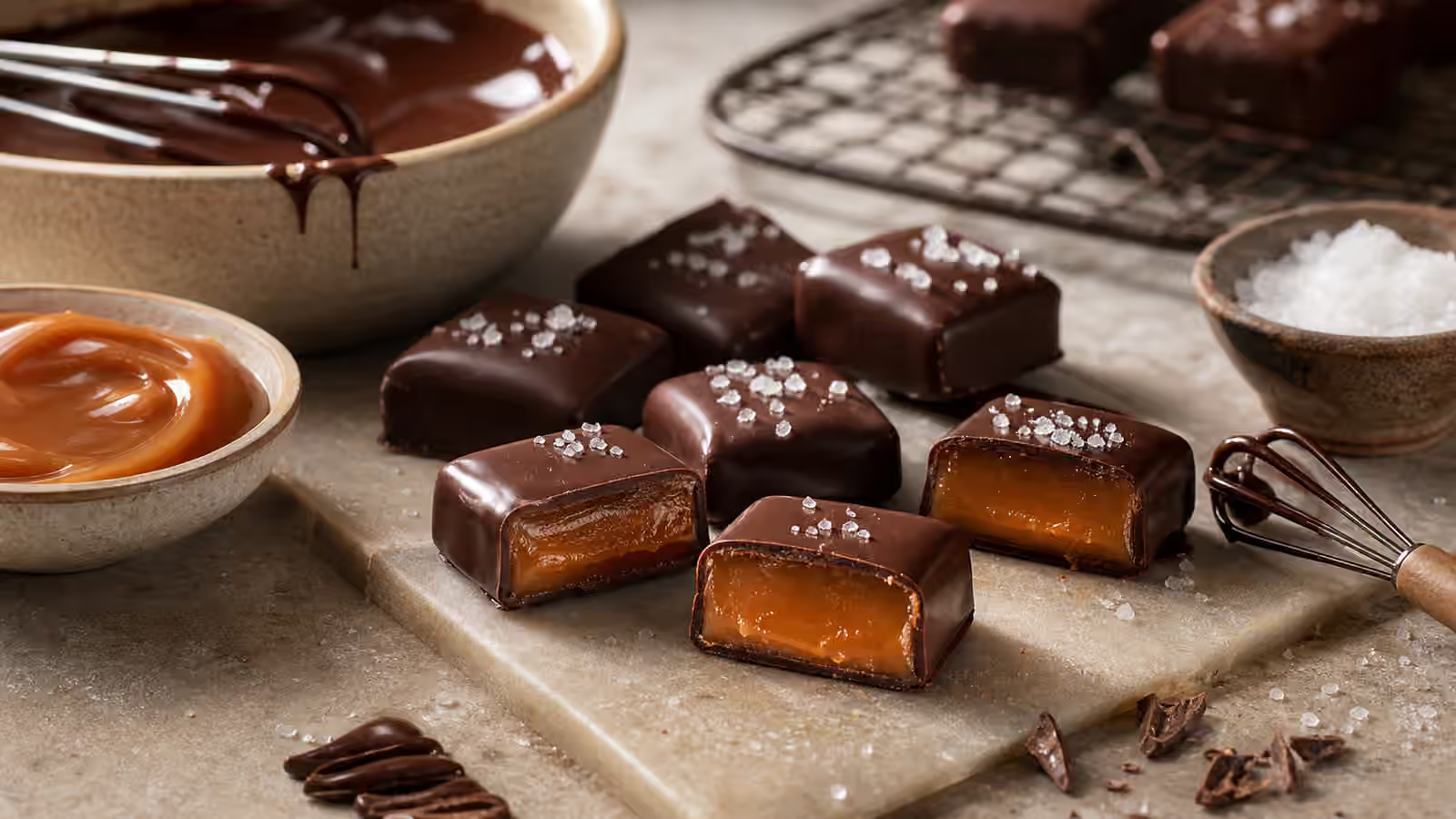
Chocolate and caramel seem like an easy match because both are built from sweetness and heat. In practice, they can fight. Caramel can be too sticky, too sweet, too firm, too runny, too salty, or too warm for the shell around it. Chocolate can be too bitter, too thick, too thin, or too cold to frame the center cleanly. When the balance works, the piece feels inevitable: a thin chocolate break, a soft amber pull, a little salt or dairy warmth, and a finish that invites another bite instead of exhausting the mouth.
This guide belongs near Filled Chocolates: Shells, Centers, and Clean Bites and Chocolate Panning and Enrobing . Caramel is only one kind of center, but it exposes every weakness in coating work. It sticks to tools, holds heat, absorbs flavor, and changes texture as it cools. It rewards patience more than drama.
Caramel Texture Decides the Chocolate Job
Before choosing chocolate, decide what the caramel is supposed to feel like. A firm slab caramel asks for a different shell than a soft flowing caramel. A chewy caramel can handle a slightly stronger coating because the center has resistance of its own. A loose caramel needs a cleaner seal and often a thinner shell so the bite does not become a hard case around a liquid center.
Caramel texture comes from cooking, water loss, sugar concentration, dairy, fat, glucose or invert sugar, and cooling. A caramel that seems perfect in the pot may become firmer after several hours. A caramel that cuts neatly one day may soften in a warm room. Chocolate does not erase those changes. It frames them. If the center is too stiff, a beautiful shell will only make the piece harder to bite. If the center is too loose, the shell may crack, leak, or feel messy.
For home practice, cut caramels are usually kinder than fully fluid centers. A slab can be cooked, cooled, cut, and dipped. The chocolate coating has a clear object to grip. Molded caramels are more demanding because the shell has to contain the center and close cleanly. If you are still learning shell thickness, start with a caramel that holds its shape before moving toward softer fillings.
Chocolate Percentage Changes the Finish
Caramel is sweet by nature, so the chocolate needs enough structure to keep the piece from becoming blunt. Dark chocolate is the obvious partner because bitterness, roast, and cocoa can push back against sugar. That does not mean the darkest chocolate is always best. A very high-percentage shell can make the caramel taste thin or burnt if the bitterness arrives before the dairy and sugar have a chance to open.
Moderate dark chocolate often works well because it gives cocoa without turning the finish severe. Milk chocolate can be excellent with caramel when the center is not too sweet and the chocolate has real cocoa presence. The dairy notes in milk chocolate can echo butter, cream, and cooked sugar. White chocolate is more difficult because it adds sweetness without cocoa bitterness, but it can work when the caramel is deeply cooked, salty, or paired with nuts, coffee, or browned dairy notes.
The best test is small and plain. Taste a piece of the caramel with a shard of the candidate chocolate. Let them melt together before deciding. If the caramel makes the chocolate vanish, choose a stronger shell or reduce sweetness in the center next time. If the chocolate makes the caramel taste burnt or metallic, choose a gentler chocolate. Chocolate Bitterness and Astringency is useful here because bitterness that works in a tasting square can feel different against caramel’s sugar.
Salt Should Sharpen, Not Rescue
Salt and caramel are so familiar together that salt is sometimes added without thought. In chocolate caramels, salt has a job. It focuses sweetness, highlights dairy, and makes cocoa taste more vivid. It should not be asked to rescue a flat caramel or cover a clumsy shell. Too much salt shortens the finish and turns the piece into a snack signal instead of a balanced confection.
Salt can be built into the caramel or placed on the surface. Salt inside the caramel gives even seasoning, but it can disappear if the center is very sweet or heavily cooked. Salt on top of the chocolate gives immediate contrast and a visual clue, but it also draws attention to itself. Surface salt can attract moisture in humid conditions and may become less pleasant over time. For pieces meant to sit, travel, or be boxed with other chocolates, restrained internal seasoning is often calmer.
The shape of the salt matters less than restraint. Fine salt disperses. Flaky salt announces itself. Coarse crystals can feel aggressive on a small piece. Salt in Chocolate gives the broader tasting logic, but caramel makes the point quickly: salt is most elegant when the second bite tastes better because of it, not when the first bite shouts salt.
Shell Thickness Is a Bite Decision
A caramel shell should be thin enough to break before the center has to be pulled apart, and thick enough to protect the piece. This is a narrow target. A thick shell around soft caramel can feel like armor. A thin shell around a firm caramel can crack unpredictably because the center resists the bite. The right thickness depends on both chocolate flow and center texture.
Couverture helps because it flows into a thinner layer when tempered well. A thick chocolate may seem safer, but it can create heavy corners and bottoms. Chocolate Viscosity and Flow explains why some chocolates coat easily and others cling. With caramel, excess thickness is especially noticeable because the center already brings density.
Hand dipping teaches shell thickness directly. If the chocolate pools at the bottom, the pieces may need better draining, warmer working chocolate, or a more fluid couverture. If corners show through, the caramel may be too cold, too damp, or the chocolate too thin for the job. Molded shells have a different rhythm: cast, drain, let set, fill, leave room, close. The empty space at the top of each cavity is not wasted. It is the seal that keeps caramel from becoming a leak.
Temperature Can Make or Break the Piece
Caramel holds heat. A center that feels merely warm can still soften a tempered shell or interfere with the closing layer in a mold. Let caramel cool fully before dipping or filling, unless a tested recipe says otherwise. Cool does not mean refrigerator-cold. Cold centers can collect condensation when moved into a warmer room, and moisture is a quiet enemy of clean chocolate work.
The chocolate also needs to stay in working temper. If it cools too much, the shell thickens. If it warms too much, shine and snap suffer. Caramel pieces are often dipped in batches, which means the bowl may drift while you work. Stirring, checking texture, and pausing before the chocolate becomes stubborn are better than forcing the last pieces through thick chocolate.
Storage should respect both parts. Plain bars can be patient, but caramels are more fragile. Dairy, water, and soft texture shorten the practical life of a confection. Use reliable recipes for storage guidance, make small batches while learning, and avoid heat swings. Chocolate Shelf Life and Freshness explains why filled pieces do not age like solid bars.
Caramel Should Still Taste Cooked
The most memorable chocolate caramels are not merely sweet centers in dark shells. The caramel itself has flavor: cream, butter, toasted sugar, honey, malt, browned milk, a faint bitterness from cooking, and sometimes vanilla, coffee, or nut. If the caramel is cooked too lightly, the piece can taste like sugar and cream with chocolate around it. If it is cooked too deeply, bitterness and burnt notes may clash with the shell.
Chocolate can emphasize different parts of caramel. A fruity dark chocolate can make the center taste brighter, sometimes almost like cooked fruit. A roasty dark chocolate can deepen burnt sugar and coffee notes. Milk chocolate can make the caramel seem softer and more dairy-forward. A nut praline layer or a crisp wafer can add contrast, but it also turns the piece into a layered confection that needs its own balance.
Restraint is the real skill. Cut the caramel cleanly. Keep the pieces modest. Use a shell that breaks before it dominates. Season enough to focus sweetness. Let the center cool and the chocolate set without rush. A chocolate caramel is a small lesson in proportion: sugar needs bitterness, chew needs snap, salt needs quiet, and shine means little unless the bite underneath has been thought through.