Dark chocolate is often introduced through a dare. How high a percentage can you handle? How bitter is too bitter? That question can be fun, but it is not a very useful way to taste. Bitterness is only one part of dark chocolate, and astringency is often confused with it. One is a taste. The other is a drying, gripping sensation. They can appear together, but they do not mean the same thing, and learning to separate them makes chocolate much easier to understand.
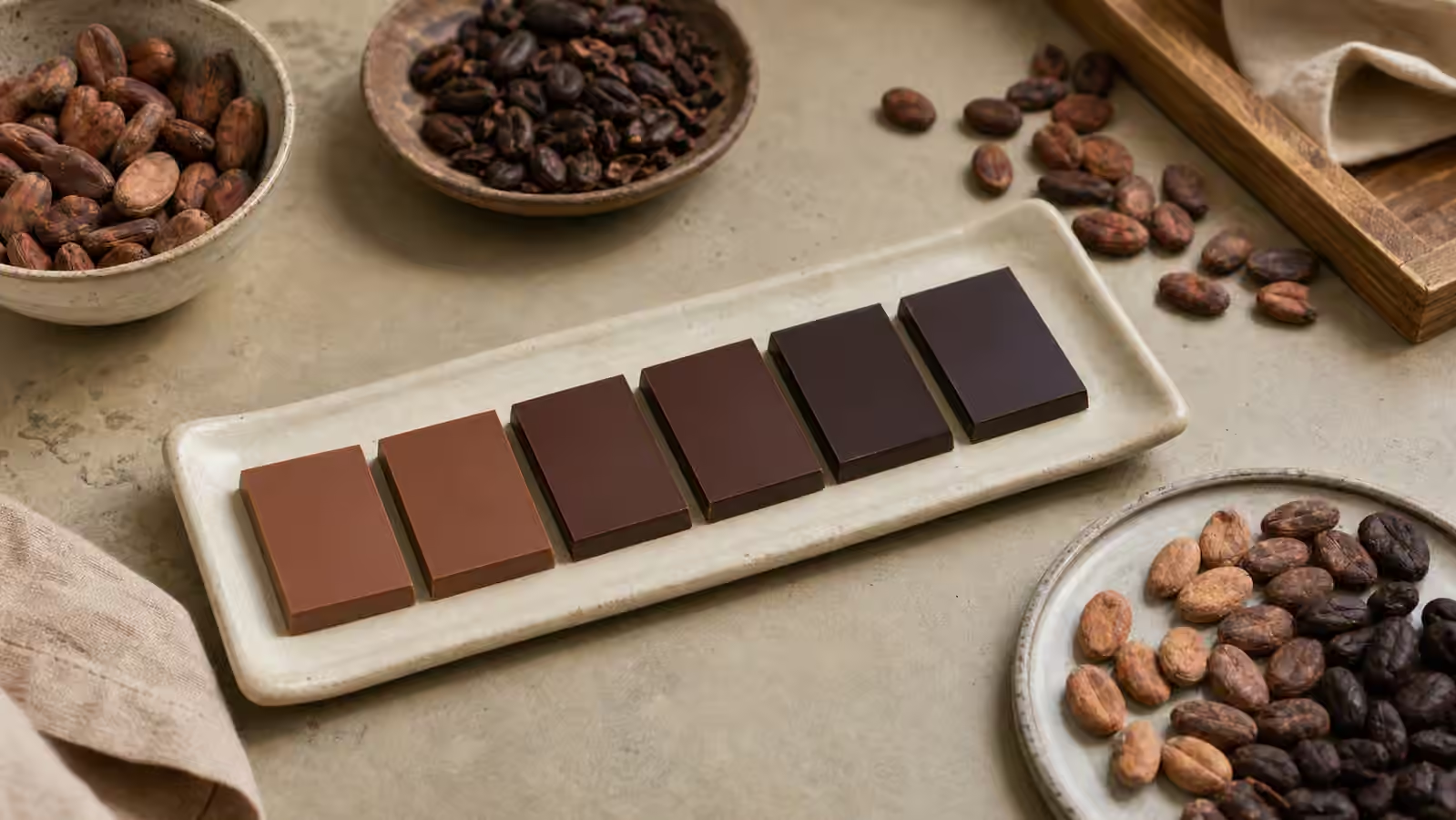
If Understanding Chocolate Percentages explains what the number on a wrapper can and cannot tell you, this guide explains what your mouth may be reacting to after the number has done its first bit of persuasion. A 70 percent bar can be gentle, fruity, and mellow. Another 70 percent bar can be aggressive, dry, and smoky. The percentage sets a broad frame, but bitterness and astringency depend on cacao, roast, refining, conching, sugar balance, and serving conditions.
Bitterness Has More Than One Shape
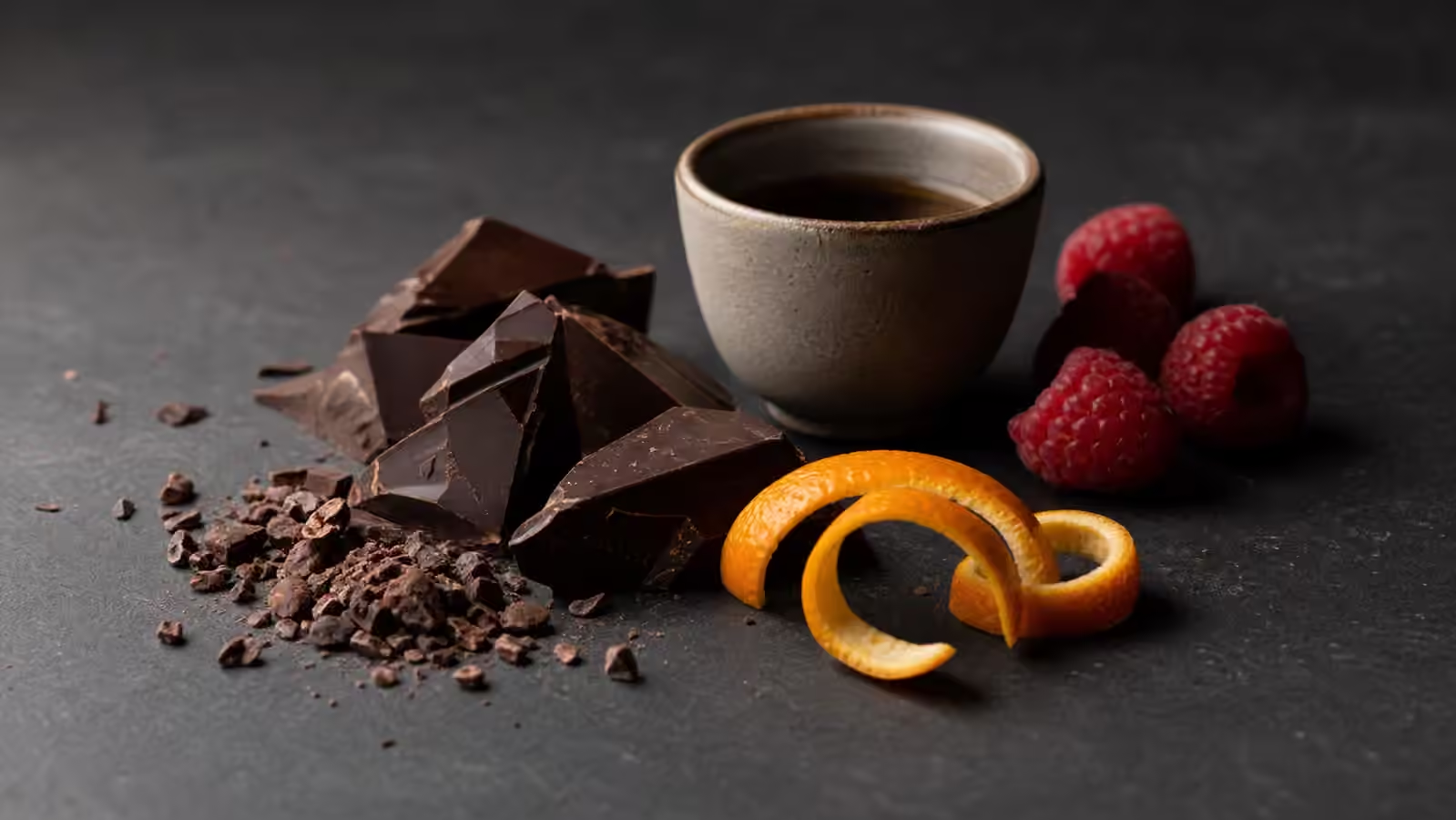
Bitterness in chocolate comes from cocoa solids, roast compounds, and the natural chemistry of cacao. It can be pleasant in the way coffee, toasted walnuts, grapefruit peel, or dark beer can be pleasant. It gives chocolate depth and prevents sweetness from feeling flat. A little bitterness can make fruit notes seem more vivid and milk notes seem less heavy. Without any bitterness at all, dark chocolate would lose much of its seriousness.
The problem is not bitterness itself. The problem is bitterness without structure. Harsh bitterness arrives fast, stays flat, and leaves little aroma behind. It can taste burnt, medicinal, acrid, or like stale coffee grounds. Integrated bitterness changes as the chocolate melts. It may begin as cocoa, move toward espresso or toasted nut, then soften into fruit, caramel, malt, or wood. It gives the bar a spine instead of a bruise.
Roast plays a large role. A careful roast can turn raw cacao into chocolate flavor, building nutty, bready, caramel, or deep cocoa notes. An overdone roast can make everything taste charred. An underdeveloped roast can leave bitterness feeling green and rough. Cacao Roasting at Home is written for small-batch practice, but the tasting lesson applies to finished bars too: roast is not simply light or dark. It is a series of choices about what to reveal and what to soften.
Astringency Is Dryness and Grip
Astringency is the feeling of dryness, roughness, or grip on the tongue, gums, and cheeks. Strong black tea, red wine, underripe banana skin, and walnut skins can all be astringent. In chocolate, astringency often comes from polyphenols and other compounds in cacao that interact with saliva. It can make your mouth feel as if moisture has been pulled away.
Some astringency gives dark chocolate structure. It can make a bar feel firm, serious, and long. Too much makes the finish feel punishing. Instead of wanting another taste, you may want water. The danger is calling that dryness bitterness and then blaming the cacao percentage. A high-percentage bar can be smooth if the cacao is well fermented, roasted, refined, and balanced. A lower-percentage bar can feel rough if the beans or process leave too much tannic edge.
Texture can disguise astringency. A very smooth bar may still dry the mouth after swallowing. A slightly coarse bar may feel rustic but not especially astringent. This is where Chocolate Texture: Snap, Melt, and Mouthfeel helps. Particle size, melt, and fat release shape how bitterness and dryness arrive. A waxy melt can make bitterness linger in an unpleasant way. A quick, clean melt can let bitterness speak and then leave.
Sugar Does Not Simply Erase Bitterness
Sugar softens bitterness, but it does not automatically fix a harsh bar. It can make the opening taste friendly while the finish remains burnt, dry, or hollow. This is why a sweet dark chocolate can still feel unpleasant after a few seconds. The sugar has moved quickly, but the cocoa solids and roast character remain.
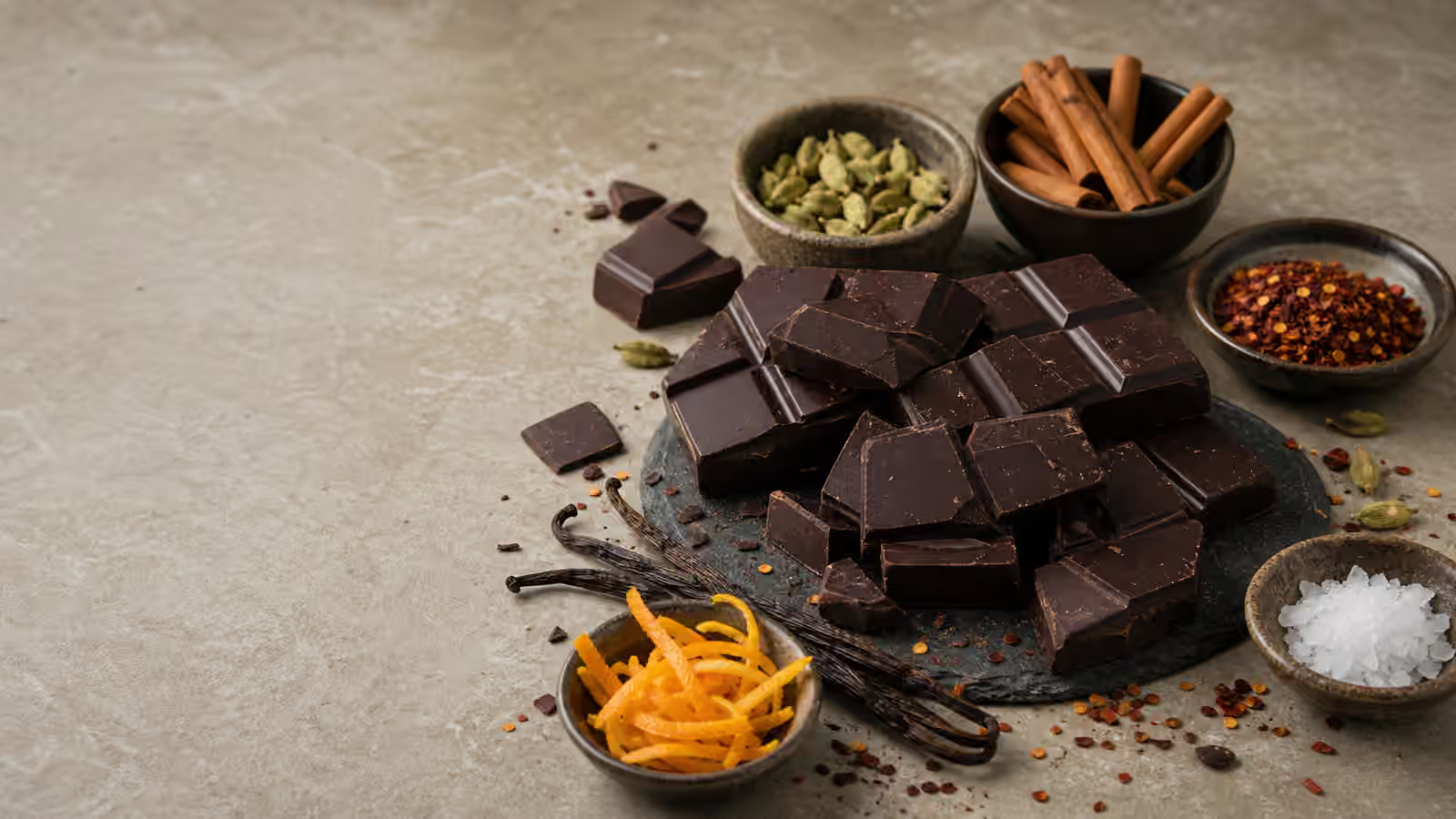
Good sugar balance gives bitterness somewhere to rest. In a dark bar with clean cacao, sugar can frame fruit, nuts, malt, flowers, or spice. In a bar with rough cacao, sugar may only cover the first impact. Chocolate Sugar Balance is useful because sweetness is not an apology for cacao. It is part of the architecture. Too little sugar can make a bar severe. Too much can make it flat. The right amount lets the bitterness read as depth rather than punishment.
Milk changes the picture too. Milk powder brings lactose, proteins, fat, and cooked dairy notes. Those can round bitterness and reduce the perception of astringency, which is why a high-cacao milk chocolate may feel more approachable than a lower-percentage dark bar. That does not make it less serious. It only means the structure is different. The question is not whether dark is more adult than milk. The question is whether the chocolate has balance.
Taste Bitterness Slowly
To separate bitterness from astringency, use small pieces and slow timing. Smell the chocolate first. Then let a piece melt without chewing for several seconds. Ask what arrives first. Is it sugar, cocoa, fruit, roast, smoke, or immediate bitterness? As the chocolate melts, notice whether the bitterness changes. Does it become coffee, walnut, bread crust, tea, caramelized sugar, or burnt toast? After swallowing, notice your mouth. Is the finish flavorful, or is it mainly dry?
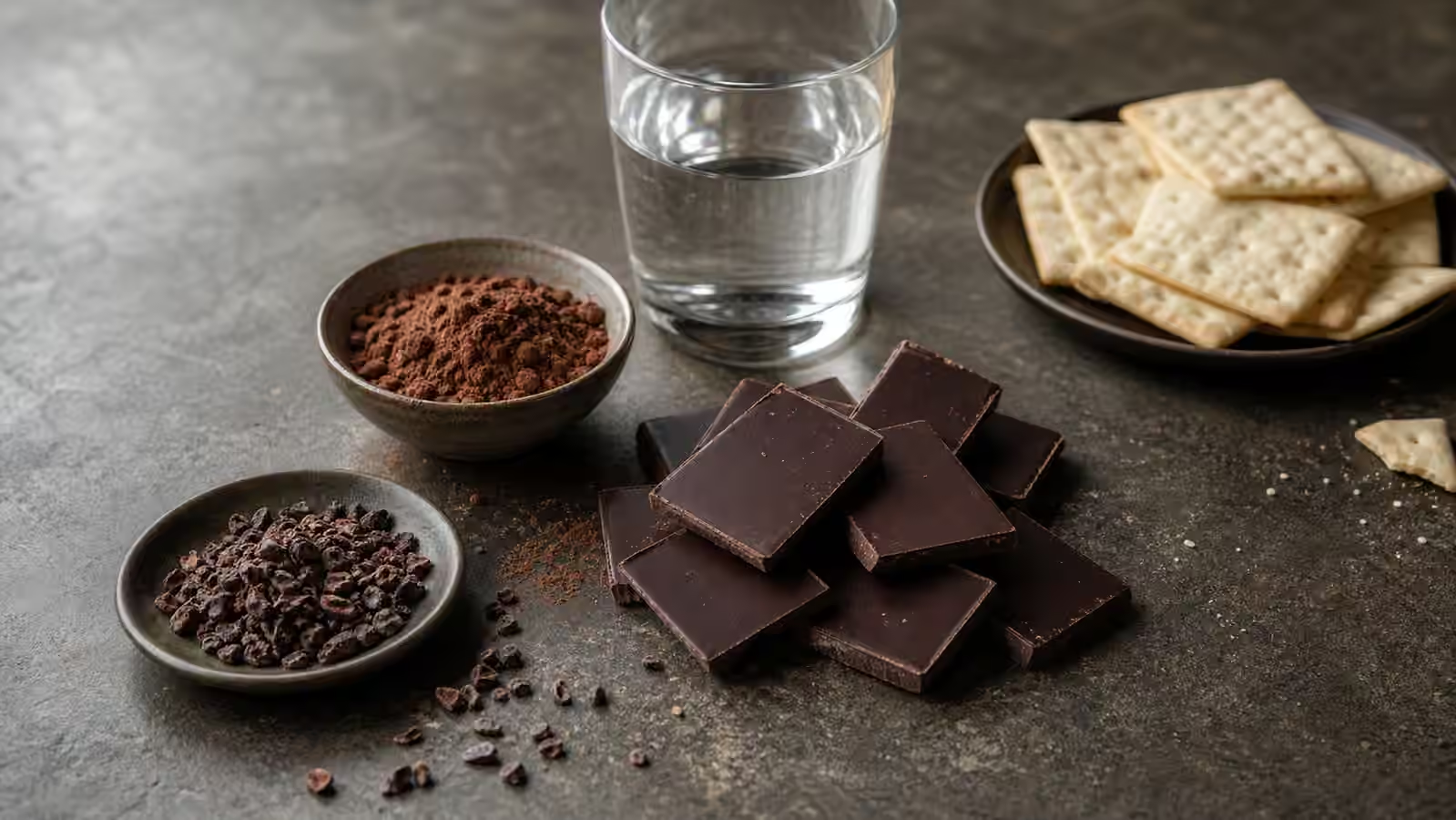
Water can reset the palate, but crackers or plain bread often help more because they absorb fat and soften tannic grip. Do not taste a long row of intense dark bars without pauses. Astringency accumulates, and the fifth bar may seem harsher because the first four have already dried your mouth. This is one reason Chocolate Tasting Flights at Home works best when the flight is edited rather than enormous.
Temperature changes bitterness. Cold chocolate melts slowly, which can make bitterness seem blunt and aroma seem muted. Warm chocolate melts faster and may reveal flavor sooner, but if it is too warm it can feel soft and heavy. Room-temperature service is not fussiness. It gives cocoa butter and aroma a fair chance to behave.
When Bitterness Points to a Fault
Not every bitter bar is flawed. Some styles are built around deep roast, high cacao, and firm structure. A problem begins when bitterness has no pleasant companion and no clean finish. Burnt bitterness can taste like charred coffee or smoke without sweetness. Medicinal bitterness can feel chemical or harsh. Raw bitterness may taste green, woody, or peanut-shell dry. Combined with strong astringency, these flavors can make a bar feel more like an endurance test than food.
Chocolate Flavor Faults gives names to more of those defects, but the practical question is whether the bitterness is integrated. Does it support cocoa, fruit, nuts, spice, or caramel? Does it shift while the chocolate melts? Does it leave your mouth ready for another taste? If the answer is no, the bar may be poorly made, poorly stored, or simply outside your preference.
Bitterness is not the enemy of pleasure. It is one of the reasons chocolate can feel deep rather than merely sweet. Astringency is not automatically bad either; a little grip can make a dark bar feel structured and long. The skill is learning when those sensations are carrying flavor and when they are standing in for it. Once you can tell the difference, high-percentage chocolate stops being a badge and becomes a conversation between cocoa, sugar, roast, texture, and time.