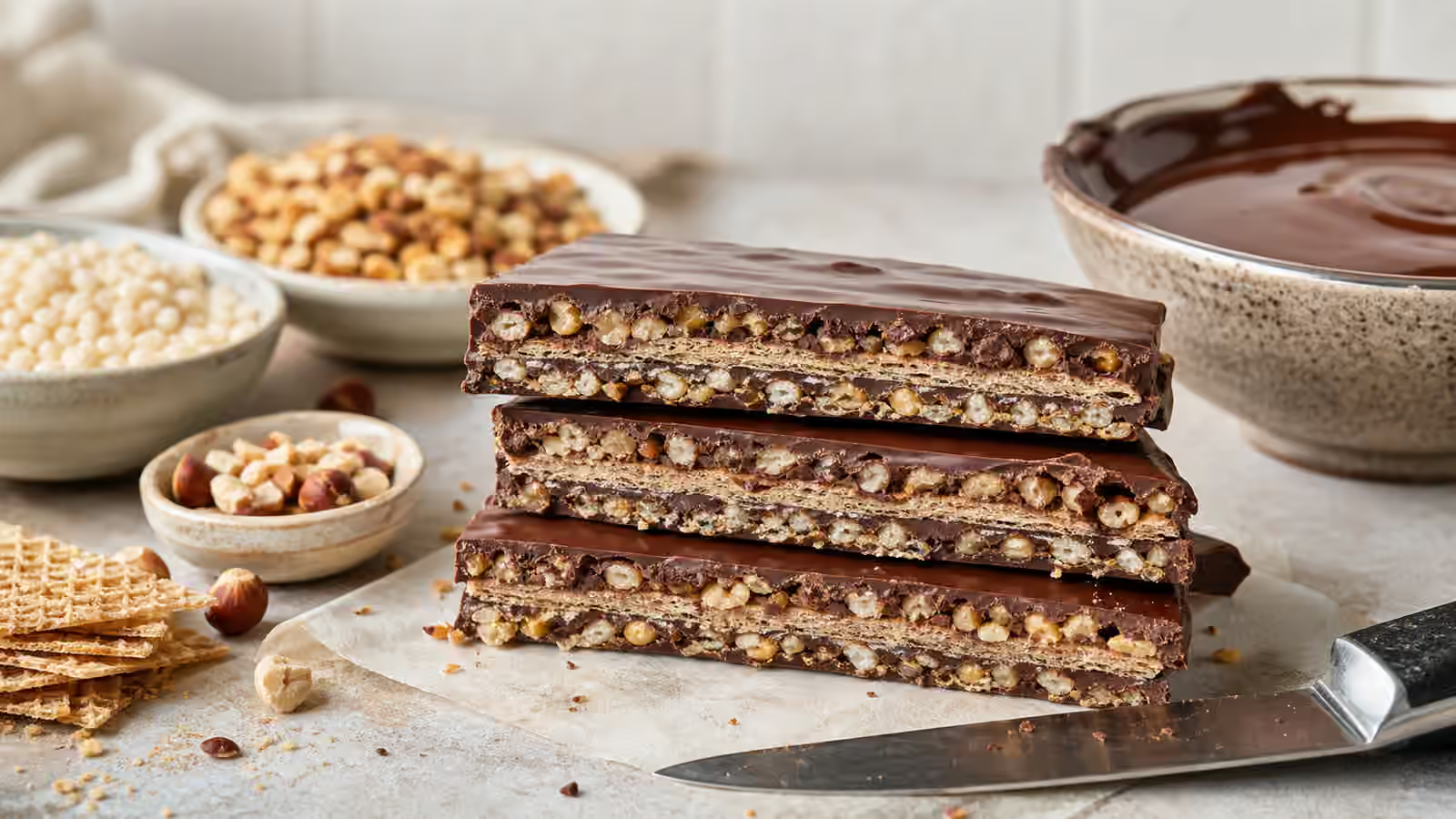
Chocolate bark looks relaxed because it does not ask for molds, shells, piping bags, or a perfect row of identical pieces. Melt chocolate, spread it thin, add toppings, let it set, and break it by hand. That looseness is part of the pleasure. The problem is that bark still exposes the same chocolate truths as more formal confectionery. If the chocolate is too thick, it eats like a slab. If the toppings are wet, they soften the surface. If the chocolate is out of temper, it may set dull, streaky, crumbly, or soft. If the toppings are scattered without thought, every bite tastes like a different mistake.
Good bark is not complicated. It is edited. The chocolate is chosen for the toppings, the layer is thin enough to break cleanly, and each addition earns its space. Clusters follow the same logic in a different shape. Instead of a flat sheet, the chocolate binds nuts, nibs, cereal, seeds, candied peel, or dried fruit into small mounds. Both forms are forgiving, but they reward restraint.
If you have not worked with melted chocolate before, read Melting Chocolate Without Seizing first. If you want room-temperature snap and gloss, keep Tempering Chocolate at Home nearby. Bark can be made without temper if it will be chilled and eaten soon, but the texture will not be the same. A cold slab from the refrigerator is not a substitute for well-crystallized chocolate at room temperature.
Choose chocolate for the job, not for prestige
Bark magnifies the flavor of the base chocolate because there is no batter, cream, or cake to soften it. At the same time, toppings can distract from the delicate notes of an expensive tasting bar. A rare single-origin chocolate with quiet floral character may be wasted under roasted nuts and dried cherries. A steady dark chocolate with cocoa, roast, and moderate bitterness may perform better because it gives the toppings a clear frame.
Dark chocolate is the easiest starting point. It balances nuts, dried fruit, caramelized sugar, pretzels, spices, nibs, and salt without becoming cloying. Milk chocolate can make excellent bark, especially with roasted nuts, malt, coffee, sesame, or crisp grains, but its sweetness needs contrast. White chocolate can work with citrus, pistachio, freeze-dried fruit, or toasted coconut, but it can become sugary fast. The guide to White Chocolate is useful if you want to understand why its fat, dairy, and sugar behave differently from dark chocolate.
Chips are not ideal for bark when a thin, glossy sheet is the goal. They often melt thickly because they are made to hold shape in cookies. A chopped bar, pistoles, or couverture will spread more cleanly. This is the same lesson from Choosing Chocolate for Baking : form matters because behavior matters. Bark is simple enough that the chocolate’s melt behavior is visible.
Thickness decides how bark eats
The most common home bark flaw is thickness. A slab that looks generous on the tray can become tiring in the mouth. Thick bark is hard to bite, slow to melt, and prone to toppings falling off because the surface set before they were pressed in. Thin bark breaks more cleanly and lets the toppings share the bite instead of sitting like decoration on a chocolate brick.
For most bark, spread the chocolate into a layer that feels slightly thinner than you think you need. It will look modest while warm, then feel more substantial once it sets and breaks into pieces. Use an offset spatula or the back of a spoon, and move the chocolate outward rather than repeatedly scraping the same spot. Overworking the surface can cool some areas faster than others, which matters if the chocolate is tempered.
A rimmed sheet pan is useful, but the bark does not need to fill it. Parchment gives clean release. Silicone mats work too, though they can hold odors if they have lived near savory baking. A cool room helps tempered chocolate set evenly. A hot kitchen slows everything down and can make you rush the toppings. If the tray is cold from the freezer, the chocolate may set too quickly and develop uneven crystals or condensation. Cool is helpful; shock is not.
Toppings need dryness, size, and a reason
The safest toppings are dry and flavorful: toasted nuts, cacao nibs, crisped grains, sesame, brittle crumbs, freeze-dried fruit, candied peel, crushed cookies, roasted coffee beans in tiny pieces, and flaky salt. Dried fruit can work beautifully, but it should not be sticky or wet. Fresh fruit does not belong on shelf-stable bark. It brings water, shortens keeping time, and can make the chocolate surface weep or soften.
Size matters as much as flavor. Large whole nuts can make bark hard to break and awkward to bite. Very fine powder can dull the surface and make the bark dusty. A mix of small and medium pieces usually eats best. Chop nuts so their cut surfaces release aroma. Break dried fruit into pieces small enough to meet chocolate in every bite. Keep salt visible but sparse. Salt should sharpen the chocolate, not turn the bark into a snack mix pretending to be confectionery.
It helps to choose one main direction. Dark chocolate with almonds, cacao nibs, and orange peel has a clear shape. Milk chocolate with toasted hazelnuts and malted crumbs has another. White chocolate with pistachio and tart freeze-dried raspberry has a different one. When every topping in the pantry joins the tray, the bark stops tasting generous and starts tasting unfocused. Chocolate Inclusions goes deeper into how texture and flavor additions change a bar; bark uses the same idea in a quicker format.
Tempering changes the whole experience
Tempered bark snaps, shines, releases from parchment, and holds its shape at cool room temperature. Untempered bark can still be edible, but it may feel soft, streaked, or greasy, especially as it warms. If you are serving bark from the refrigerator at a casual table, you can accept that tradeoff. If you are gifting bark, packing it in boxes, or leaving it out for guests, tempering is worth the attention.
The seed method is practical for home bark. Melt most of the chocolate gently, stir in reserved finely chopped tempered chocolate, and let the seed guide the crystal structure as the mass cools. Then spread while the chocolate is fluid but not hot. The details depend on chocolate type and temperature, so use the tempering guide for the actual process. Bark is a good place to practice because it does not require filling molds or closing shells. If the temper is slightly imperfect, the pieces may still taste fine, and you have learned something for the next batch.
Timing the toppings is the bark-specific trick. Add them while the surface is still glossy and tacky, then press larger pieces lightly so they anchor without sinking. If you wait too long, toppings sit loose and fall away when the slab breaks. If you add them too early and stir them through, you are no longer making bark; you are making a rough inclusion slab. That can be good, but it has a different texture.
Clusters are about coating, not drowning
Clusters use the same ingredients but a different balance. Instead of spreading chocolate into a sheet, you stir dry inclusions into melted chocolate until each piece is coated, then spoon small mounds onto parchment. The chocolate should bind the cluster and fill some gaps, but it should not bury the texture completely. If the bowl looks like a pool of chocolate with a few nuts floating in it, add more dry material or make bark instead.
Nuts should be toasted and cool before they meet chocolate. Warm nuts can push chocolate out of temper. Freshly toasted nuts smell wonderful, but they need a few minutes to release surface heat. Cereal, wafers, and crisped grains should be dry and added shortly before shaping so they do not soften. Dried fruit should be chopped and separated, not clumped. A tiny amount of salt can wake up a cluster, but it is harder to distribute evenly than on bark, so mix carefully.
Clusters are excellent for small amounts of leftover tempered chocolate. After dipping or molding, stir in nuts or nibs before the bowl gets too thick. This reduces waste and creates something intentional from the last usable chocolate. The key is honesty about texture. A cluster should have contrast: snap or firmness from chocolate, crunch from inclusions, chew only if the dried fruit earns it, and enough chocolate to carry flavor through the finish.
Setting, breaking, and storing
Let bark set fully before breaking. If you bend it too soon, it can smear or fracture in dull, soft lines. Once set, lift the parchment and break the slab by hand. A knife gives cleaner rectangles, but bark usually looks better with natural breaks. Try not to handle the top surface too much. Warm fingers leave marks, especially on tempered dark chocolate.
Store bark and clusters like chocolate, not like cookies. Keep them sealed, cool, dry, and away from odors. Refrigeration can be useful in a hot room, but protect the pieces well and let the container come toward room temperature before opening so condensation forms on the container rather than directly on the chocolate. The same bloom and storage issues explained in Chocolate Bloom apply here, with extra risk from toppings that carry moisture or oil.
Oil-rich nuts can stale before the chocolate does. Dried fruit can firm up or weep if stored poorly. Crisp toppings can lose snap in humidity. That means bark is best made in a quantity you can enjoy while the toppings still taste fresh. A beautiful slab that sits too long near a warm oven will not improve with age.
The charm of bark and clusters is that they are direct. They let chocolate meet texture without the precision demands of bonbons or molded bars. But direct does not mean careless. Choose chocolate that can carry the toppings, keep the layer thin, use dry additions, temper when snap matters, and store the pieces with the same respect you would give a good bar. Then the break in your hand will tell you most of what you need to know.