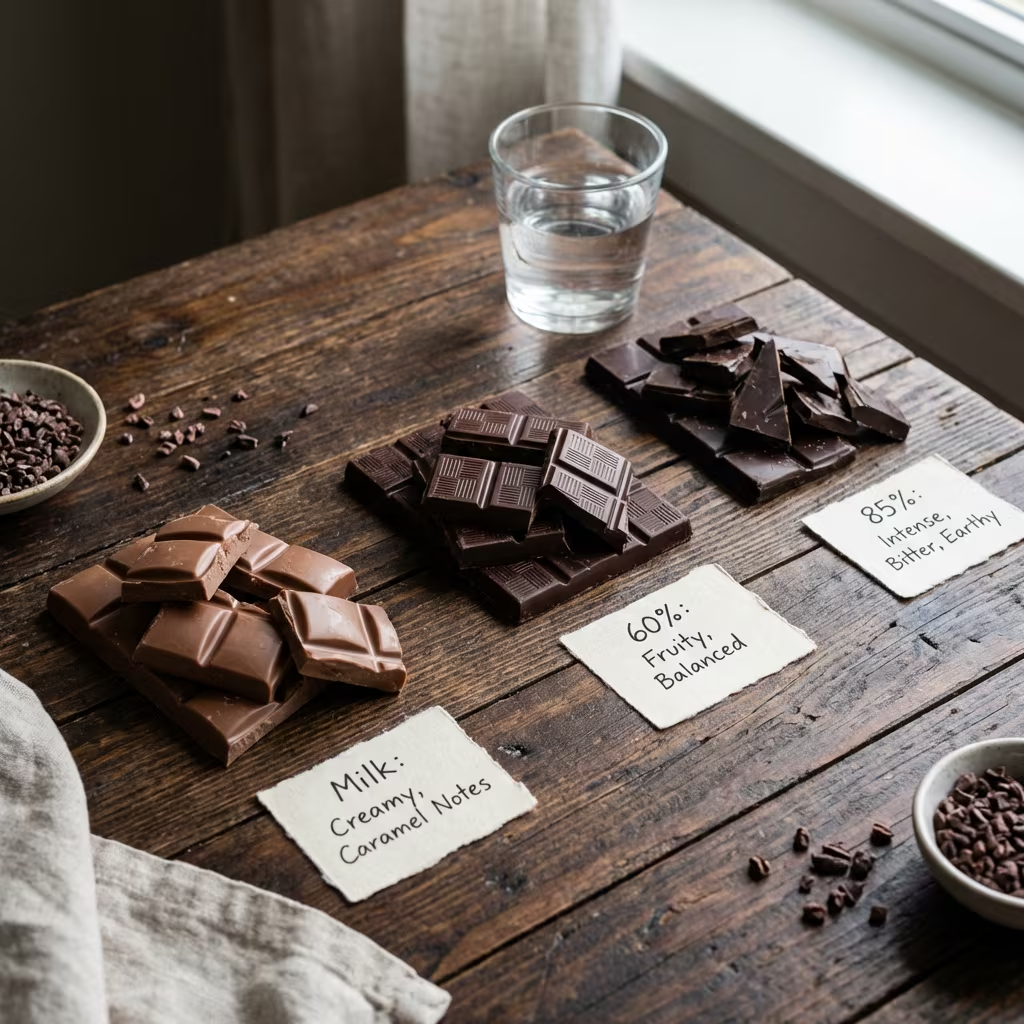
A useful chocolate tasting note is not a performance. It is a small record of attention. The note does not need to prove that you found plum skin, jasmine, toasted rye, or any other elegant phrase. It needs to help you remember what happened in your mouth, compare one bar with another, and notice when a maker, origin, roast, or recipe changes the experience.
Chocolate makes that work interesting because it can move quickly. The first smell may be cocoa and sugar. A few seconds later the melt may bring citrus, malt, cream, peanut, tobacco, raisin, yogurt, molasses, or browned butter. Then the finish may turn drying, clean, earthy, bitter, nutty, floral, or smoky. If you do not have language ready, the whole thing can blur into “good,” “strong,” or “weird.” Those words are honest, but they do not give you much to build on.
Use this guide beside Chocolate Tasting when you want a slower way to name flavor. If a note feels tied to place, Cacao Origins gives the wider map. If something tastes wrong rather than merely intense, Chocolate Flavor Faults will help you separate style from defect.
Smell Before You Taste
Aroma is the first part of the tasting note because much of what people call flavor arrives through smell. Break a piece of chocolate and smell the fresh edge. The surface of a bar may have been sitting in air, packaging, or a warm room for a while, but the broken edge gives you a cleaner look at the chocolate inside. Let it warm for a few seconds in your fingers or on a plate, then smell again. Chocolate is fat-rich, and aroma often opens as the cocoa butter softens.
Do not rush to name the most specific thing. Start with direction. Does the aroma feel roasted, fruity, dairy-like, nutty, floral, earthy, spicy, or sharp? A broad family is useful because it keeps you from forcing a poetic answer too early. A bar that smells like warm bread crust, roasted almond, and cocoa powder can begin as “roasty and nutty.” A bar that smells like dried cherry, wine, and molasses can begin as “dark fruit and ferment.” The exact words can come later.
Temperature changes aroma, so keep the setting ordinary and repeatable. Cold chocolate can seem closed and waxy. Chocolate left near heat can lose the crisp snap and carry stale fat notes. The storage guide, Chocolate Storage and Serving , is useful here because serving condition can change the tasting note before the cacao even has a chance to speak.
Build From Flavor Families
The easiest tasting vocabulary starts in families rather than isolated references. Cocoa and roast notes include brownie edge, cocoa powder, espresso, toasted bread, malt, roasted nuts, and caramelized sugar. Fruit notes can feel fresh, dried, jammy, cooked, tropical, citrusy, or wine-like. Dairy notes can suggest cream, yogurt, butter, caramel milk, or cooked milk, especially in milk and white chocolate. Earthy notes may remind you of clean soil, tobacco, tea, wood, mushroom, or dried leaves.
Those families are not rigid boxes. A single chocolate can move through several of them. A Madagascar-style dark bar might begin with bright fruit, then settle into cocoa and a tangy finish. A darker roasted origin might begin with coffee and nut, then leave a trace of smoke. A milk chocolate might seem simple at first, then show malt, caramel, and hazelnut once the sweetness calms down. The point is not to choose one category forever. The point is to track movement.
When you taste with other people, family words also make conversation easier. One person may say raspberry while another says red wine or dried cranberry. Those are not necessarily disagreements. They may all be pointing toward red fruit, acidity, and a slightly tannic finish. A shared family lets everyone stay close to the same experience without arguing over the perfect fruit.
Separate Taste, Aroma, and Texture
Chocolate is confusing because taste, aroma, and texture arrive together. Sweetness, bitterness, acidity, salt, and astringency are not aroma notes. They are structural sensations. Aroma gives you cocoa, fruit, flowers, nuts, dairy, spice, smoke, and earth. Texture gives you snap, melt, grit, waxiness, creaminess, dryness, and thickness. A complete note usually needs all three.
Imagine a 75 percent dark chocolate that smells like dried cherry and toast. In the mouth it may taste moderately sweet, clearly acidic, and lightly bitter. The texture may be smooth at first, then drying on the finish. If you only write “cherry,” you will forget the structure. If you only write “bitter,” you will miss the aroma. A better note would say that the bar opens with dried cherry and toast, melts smoothly, then finishes acidic and a little drying. That sentence is plain, but it is useful.
Chocolate Texture: Snap, Melt, and Mouthfeel is a good companion because mouthfeel can change how flavor seems to behave. A gritty chocolate may make acidity feel rougher. A high-cocoa-butter chocolate may soften bitterness and make aroma seem more elegant. A bar with a slow melt may release flavor in layers, while a quick melt can make sweetness and fat arrive early.
Use Comparisons Without Pretending
Specific comparisons make notes vivid, but they are strongest when they come from real memory. If you never eat black currants, there is no need to call a chocolate black currant because the phrase sounds expert. Say grape skin, berry jam, red wine, or tart dried fruit if that is closer to your life. A tasting note is a memory tool, not a vocabulary test.
Kitchen references are often better than luxury references. Brownie edge, peanut skin, banana bread, toasted oats, orange peel, yogurt, graham cracker, molasses, dried fig, cream, cinnamon, and black tea are all useful because many people know them. They also connect flavor to something concrete. “Elegant” may be true, but it does not say what you tasted. “Soft cocoa with cream, malt, and a clean finish” says more.
It is also fine to use uncertainty. Words like “almost,” “reminds me of,” and “somewhere between” can make a note more accurate. Chocolate often suggests a family without matching one ingredient exactly. A bar may not taste like a fresh peach, but it may have the round acidity and faint perfume of stone fruit. That is worth writing down.
Intensity Is Not the Same as Quality
Strong flavor can impress quickly, but intensity is only one part of the tasting. A chocolate can be powerfully fruity and still feel harsh. It can be mild and still beautifully balanced. It can be bitter in a pleasant cocoa way or bitter in a burnt, short, drying way. The vocabulary should help you describe how a note behaves, not only whether it appears.
Balance is especially important with acidity and bitterness. Bright acidity can make fruit notes feel alive, but it can also become sour or vinegar-like if fermentation, drying, or roasting left the chocolate sharp. Bitterness can give dark chocolate shape, but it can also flatten the finish if roast or bean quality is heavy. Cacao Fermentation and Drying and Cacao Roasting at Home explain why those sensations often begin long before the finished bar.
When a note feels unpleasant, describe it calmly. Musty, smoky, rubbery, moldy, rancid, medicinal, and stale are strong words, but sometimes they are the accurate words. Do not use them as insults. Use them as observations. Then taste again later or compare with another bar from the same maker if you can. A single bite can be distorted by storage, mood, temperature, or whatever you ate before it.
Write Notes That Help You Later
The best tasting notes are short enough to reread and specific enough to matter. Name the bar, percentage, origin if known, and serving condition if it affected the tasting. Then write a few plain sentences. Start with aroma, move through melt and flavor, and end with finish. You do not need a full paragraph every time, but the sequence helps you avoid writing only the loudest first impression.
Retasting is where vocabulary becomes useful. A chocolate that seemed simply bitter on the first day may show walnut and toast when you taste it after dinner. A bar that seemed fruity may reveal that the fruit is mostly acidity without much aroma. A milk chocolate that seemed sweet may become more interesting when you notice cooked milk, malt, and caramel. Notes let you watch your own palate get more precise.
Over time, your private vocabulary will become more valuable than any official wheel. You will learn which words you use too broadly and which references you can trust. You will notice that “nutty” sometimes means almond, sometimes peanut skin, sometimes hazelnut, and sometimes just roasted fat. You will notice that “earthy” can mean clean tea and wood or a less pleasant damp note. Naming chocolate well is not about collecting rare words. It is about paying enough attention that the next piece tells you more than the last one.