Why These Two Work Well Together
Chocolate and coffee share a lot. Both grow in warm climates, both pick up flavor during fermentation, and both change a lot in roasting.
That does not mean every chocolate and coffee pair works. A basic milk chocolate bar with burnt coffee is just sweetness and bitterness colliding. Good pairings come from matching specific flavors on purpose.
This guide shows you how to do that and gives you a few pairings to try.
The Flavor Bridge Principle
Good pairings work because chocolate and coffee share flavor notes. If they both lean fruity, nutty, caramel, or floral, those notes tie them together.
The Three Pairing Strategies
1. Complement — Match similar flavors. A nutty Brazilian coffee with a milk chocolate bar that has toffee notes is a simple example.
2. Contrast — Pair different styles. A bright Ethiopian coffee and an earthy dark chocolate can work because each gives the other something missing.
3. Complete — Let one fill the gaps in the other. A fruity chocolate can work with a full-bodied coffee that adds weight.
Pairing by Chocolate Type
Dark Chocolate (70–85%)
Dark chocolate has the widest range. Its bitterness needs a coffee that can stand next to it.
Best coffee matches:
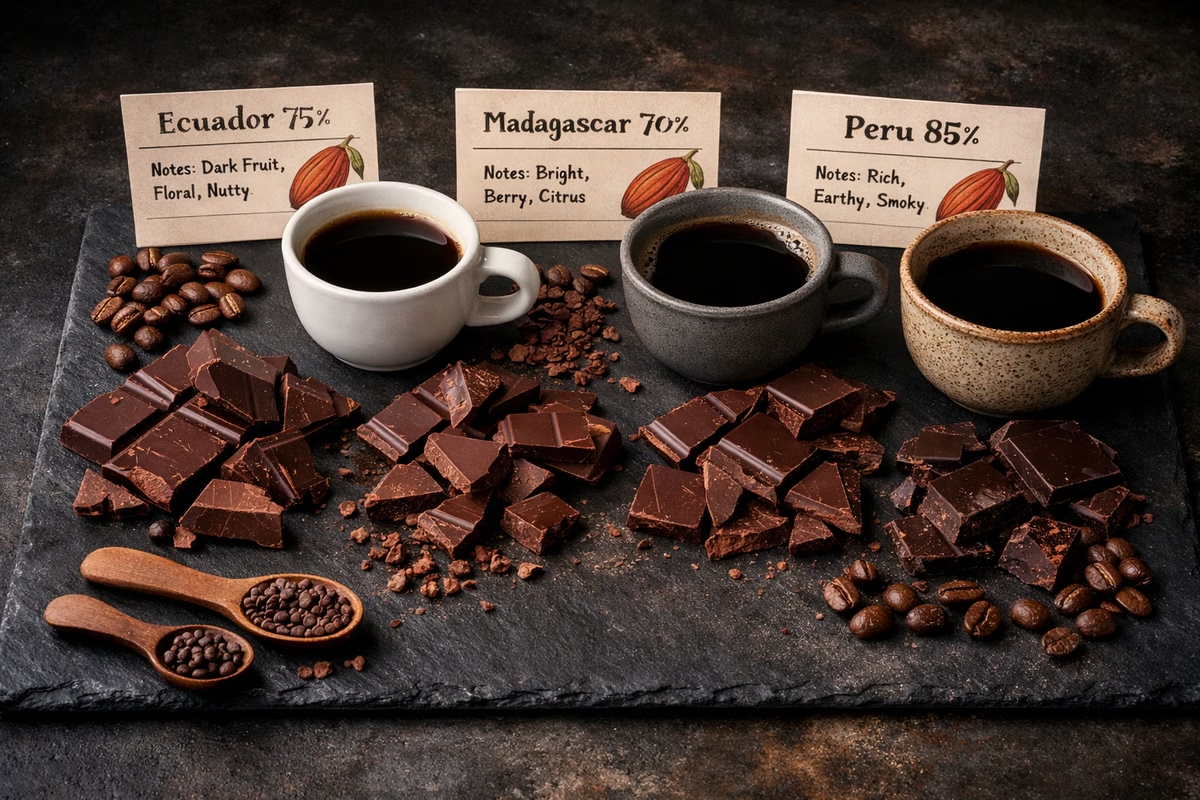
- Medium-roast Ethiopian with a fruity Madagascar dark chocolate
- Full-bodied Sumatra with an Ecuadorian dark chocolate
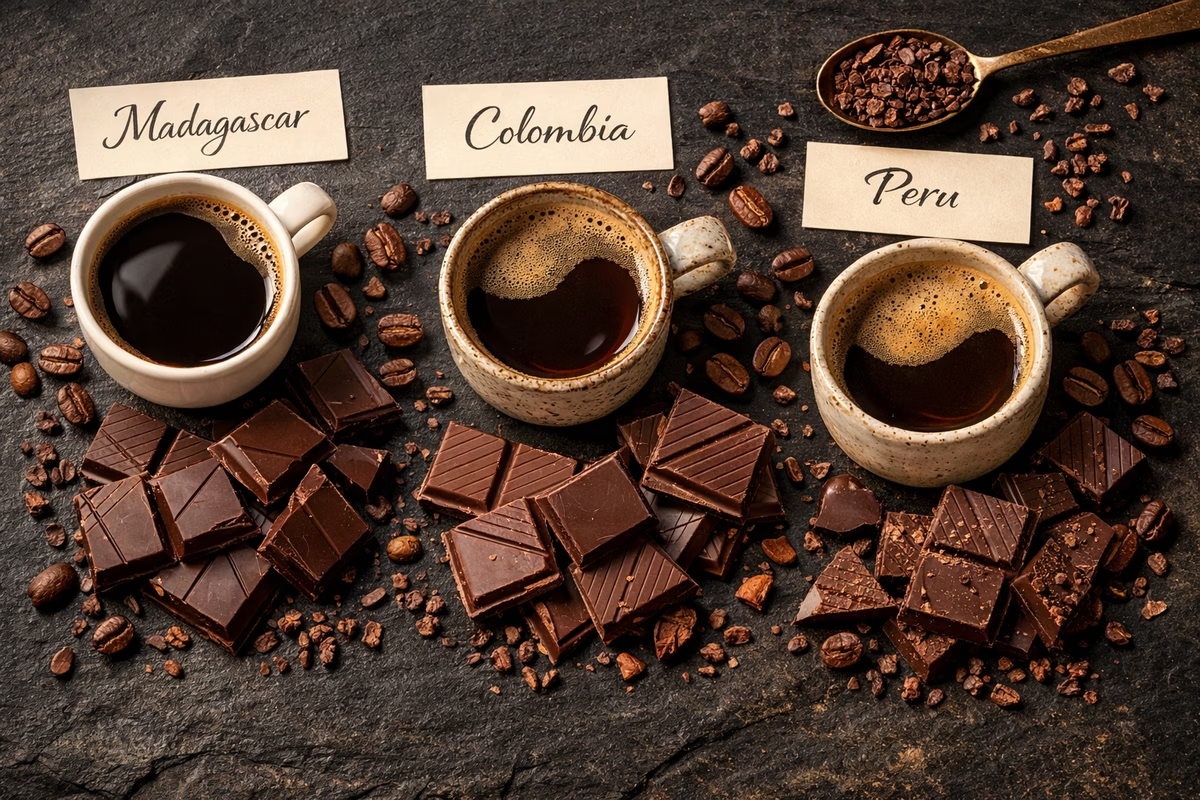
- Medium Colombian with a Peruvian dark chocolate
Avoid: Very light roast coffee with very dark chocolate. The acidity can turn sharp.
Milk Chocolate (35–50%)
Milk chocolate is sweeter and creamier, so it works with more coffees. It still gets overwhelmed by very intense coffee.
Best coffee matches:
- Medium-roast Brazilian
- Costa Rican honey-processed
- Decaf or low-acid coffee
Avoid: Very fruity or acidic coffee. It can overpower milk chocolate.
White Chocolate
White chocolate is technically not chocolate because it has no cocoa solids. Good white chocolate still has a creamy, vanilla-forward profile that can work well.
Best coffee matches:
- Light-roast Kenyan
- Espresso
Pairing by Coffee Origin
Ethiopia
Ethiopian coffees are often floral, berry-forward, and tea-like. Pair them with chocolates that also lean fruity.
| Ethiopian Coffee Style | Chocolate Match | Why It Works |
|---|---|---|
| Yirgacheffe | Madagascar 70% | Shared brightness |
| Sidamo | Tanzanian dark | Berry notes line up |
Central America (Guatemala, Costa Rica, Honduras)
Central American coffees often lean chocolate, caramel, and nut. That makes them easy pairing partners.
| Coffee | Chocolate Match | Why It Works |
|---|---|---|
| Guatemalan Huehuetenango | Peruvian 72% | Shared caramel warmth |
| Costa Rican Tarrazú | Milk chocolate with almonds | Nut on nut |
Indonesia (Sumatra, Java)
Indonesian coffees are often earthy, herbal, and full-bodied. They can stand up to very dark chocolate.
| Coffee | Chocolate Match | Why It Works |
|---|---|---|
| Sumatra Mandheling | Papua New Guinea 85% | Deep intensity |
| Java estate | Indonesian single-origin dark | Similar origin profile |
The Tasting Method
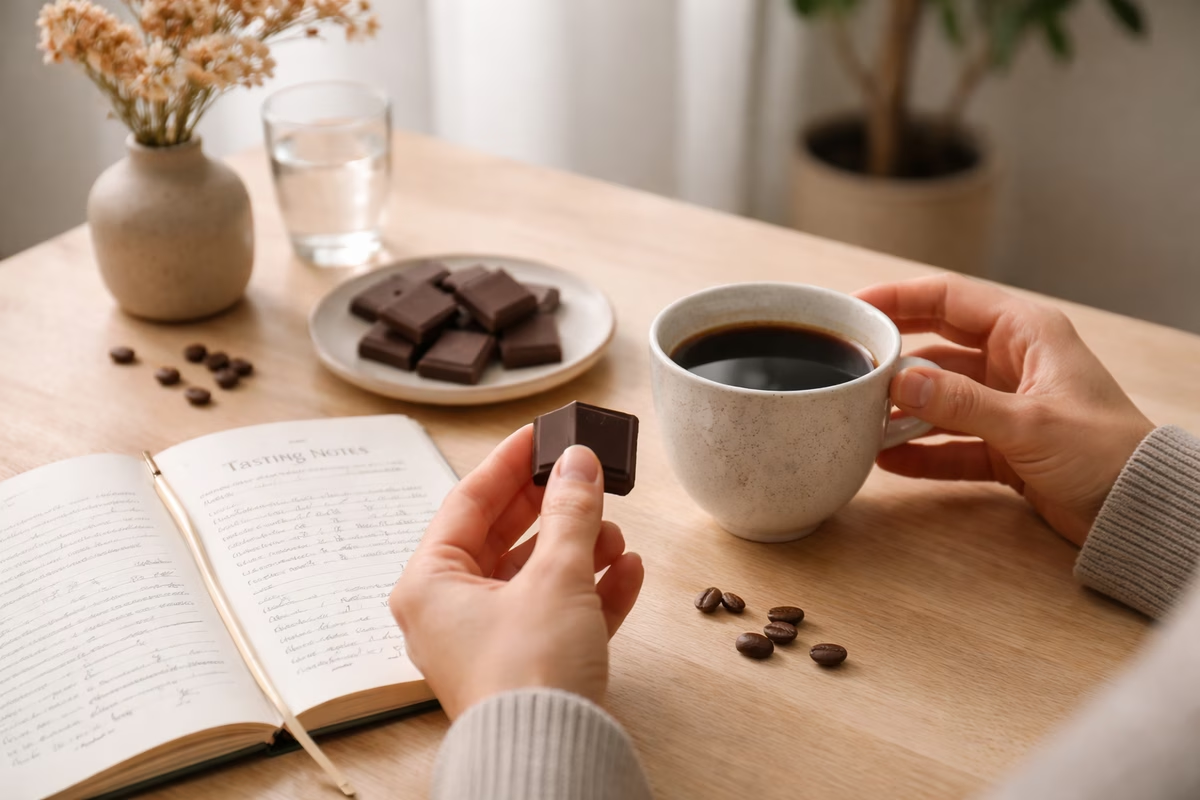
When you taste a pairing, use this sequence:
Step 1: Taste the Chocolate Alone
Break off a small piece and let it melt. Note the main flavors and the texture.
Step 2: Taste the Coffee Alone
Take a sip and pay attention to acidity, body, and the main flavor notes.
Step 3: Taste Together
Take a small bite of chocolate, let it start to melt, then sip the coffee while the chocolate is still on your tongue. Notice what changes:
- Do new flavors show up?
- Does one make the other taste sweeter or smoother?
- Does anything clash?
Step 4: Reverse the Order
Sip the coffee first, then eat the chocolate. The order changes the result.
Common Mistakes
Over-roasting either ingredient. Burnt coffee or ashy chocolate will throw the pairing off.
Ignoring sweetness levels. Very sweet chocolate with very sweet coffee can get heavy. Balance sweet with bitter or acidic.
Rushing. Let the chocolate melt and sip slowly.
Using flavored coffee. Flavored coffee often fights the chocolate instead of working with it.
Your First Three Pairings to Try
If you want a simple starting point, try these three:
- The Classic Complement: Medium-roast Colombian + 55% milk chocolate.
- The Bright Contrast: Light-roast Ethiopian Yirgacheffe + 70% Madagascar dark chocolate.
- The Deep Grounding: Full-bodied Sumatra + 80% dark chocolate.
Next Steps
- Read the Chocolate Tasting guide
- Explore Cacao Origins
- Visit the Coffee Bean Origins guide on the Coffee site
Return to the square in your hand
Chocolate learning becomes richer when it stays sensory. For Chocolate and Coffee Pairing: A Tasting Guide, the important move is to connect origin, roast, grind, sugar, fat, inclusion, storage, and serving temperature to the square in your hand. The label matters, but the melt tells the story.
Start by looking and smelling before tasting. Notice snap, shine, bloom, aroma, and how quickly the chocolate softens. Then let a small piece melt slowly. Fruit, nut, caramel, floral, earthy, dairy, spice, bitterness, and acidity can appear in layers.
Change one variable at a time. Taste a bar slightly warmer, compare two percentages from the same maker, or pair one square with coffee, tea, fruit, or bread. Small comparisons build memory better than big flights.
Storage deserves respect. Heat, odor, humidity, and time can flatten even excellent chocolate. A tidy storage habit protects the pleasure you paid for.
Chocolate and Coffee Pairing: A Tasting Guide should make chocolate feel more alive and less like a label contest. The goal is attention, not snobbery.