Chocolate and cheese share a secret: both are fermented foods whose flavor comes from time, microbes, and restraint. That common foundation makes them surprisingly compatible, but it also means pairings can fail dramatically when one side overwhelms the other.
The goal is not novelty. The goal is harmony. A good pairing makes both items taste more like themselves: chocolate feels more aromatic, cheese feels more dimensional, and the finish stays clean enough that you want another bite.
If you’ve ever had a pairing that turned metallic, muddy, or strangely sour, that’s normal. Chocolate brings sweetness and cocoa bitterness; cheese brings fat, salt, and savory funk. When those forces are out of balance, the palate gets tired fast. When they’re aligned, the pairing feels like a complete course.
The pairing logic in one sentence
Match intensity first, then choose whether you want to complement or contrast. When the power levels are uneven, nothing else matters.
Chocolate brings sweetness, cocoa bitterness, and sometimes sharp acidity. Cheese brings fat, salt, and fermentation-driven savory notes. Pairing is mostly about managing those forces so they don’t clash.
Start with texture and intensity
If you’re building your first board, avoid extremes. Ultra-high percentage bars can dominate everything, and ultra-stinky washed rinds can bulldoze aroma. Start in the middle, and you’ll learn faster.
As a rule of thumb, creamy cheeses pair best with bars that have lift and brightness, because acidity cuts fat and keeps the finish lively. Hard aged cheeses pair well with nutty, caramel-forward bars, because both sides share browned, savory notes. Blues can be magical with the right chocolate, but they demand either sweetness to tame salt or enough roast depth to stand up.
One useful way to think about it is “what needs help?” If the cheese is very rich, you want chocolate that provides lift. If the chocolate is very tannic or bitter, you want cheese that provides softness and fat. If both are intense in the same direction, the pairing can feel heavy.
How to serve so the pairing works
Serve both at the right temperature. Chocolate should be cool room temperature. Cheese should be tempered so aroma opens and texture softens. A board pulled straight from the fridge makes every pairing harder because fat stays tight and aroma stays hidden.
Keep portion sizes small. Chocolate is loud, and cheese is rich. Thin shavings or small squares are enough. Your goal is repeated comparison, not a full dessert course.
If you’re serving this to guests, build in pacing. Start with the gentle pairings first, then move toward blues and higher cacao percentages. The palate calibrates upward; if you start with the loudest items, everything after tastes muted.
A few pairing anchors (in plain language)
When a chocolate reads bright—fruit, citrus, berries—reach for cheeses that are creamy and not too aggressive: bloomy rinds, fresh goat, young alpine styles. The acidity lifts fat and keeps aromas clear. When a chocolate leans caramel, nuts, and cocoa, alpine cheeses, aged Gouda, and aged cheddar tend to click because both sides share toasted, savory notes. When a bar goes deep into roast—coffee, smoke, cocoa—choose carefully: some washed rinds can be spectacular, but it’s safer to start with aged hard cheeses where roast can stand up to savory funk without turning metallic. With milk chocolate, the success factor is cleanliness; a restrained, non-vanilla milk chocolate can soften tangy cheeses and keep the finish gentle. And if you’re working with very high percentages and a bitter finish, either choose a very aged hard cheese with enough intensity to match, or add a touch of honey to introduce softness and round the edges.
A few dependable pairing families
Bloomy rind + bright dark chocolate
Bloomy rinds are creamy, mushroomy, and delicate when they’re at peak. They love chocolates that bring fruit and acid without too much bitterness. A bright origin bar can make a bloomy cheese feel lighter and more floral.
Alpine or aged Gouda + nutty dark chocolate
Nutty, browned flavors in hard cheeses pair naturally with chocolate that reads as toasted nuts, caramel, or cocoa. This is one of the easiest “wow” pairings because the flavors meet in the middle rather than fighting.
Blue cheese + deliberately chosen sweetness
Salt and sweetness are a classic partnership. A blue cheese with a sweeter chocolate can feel like a complete dessert without adding anything else. If you prefer darker bars, choose one with enough fruit or caramel to stand up to salt, and avoid bars that finish sharply bitter.
Fresh goat + milk chocolate that stays clean
Fresh chèvre is bright and tangy, and a clean milk chocolate can soften that acidity without smothering it. The success factor here is restraint. Avoid milk chocolate that is overly vanilla-forward or aggressively sweet.
Build a three-pair flight (the easiest way to learn)
Instead of building a huge board, build a small flight that teaches you quickly.
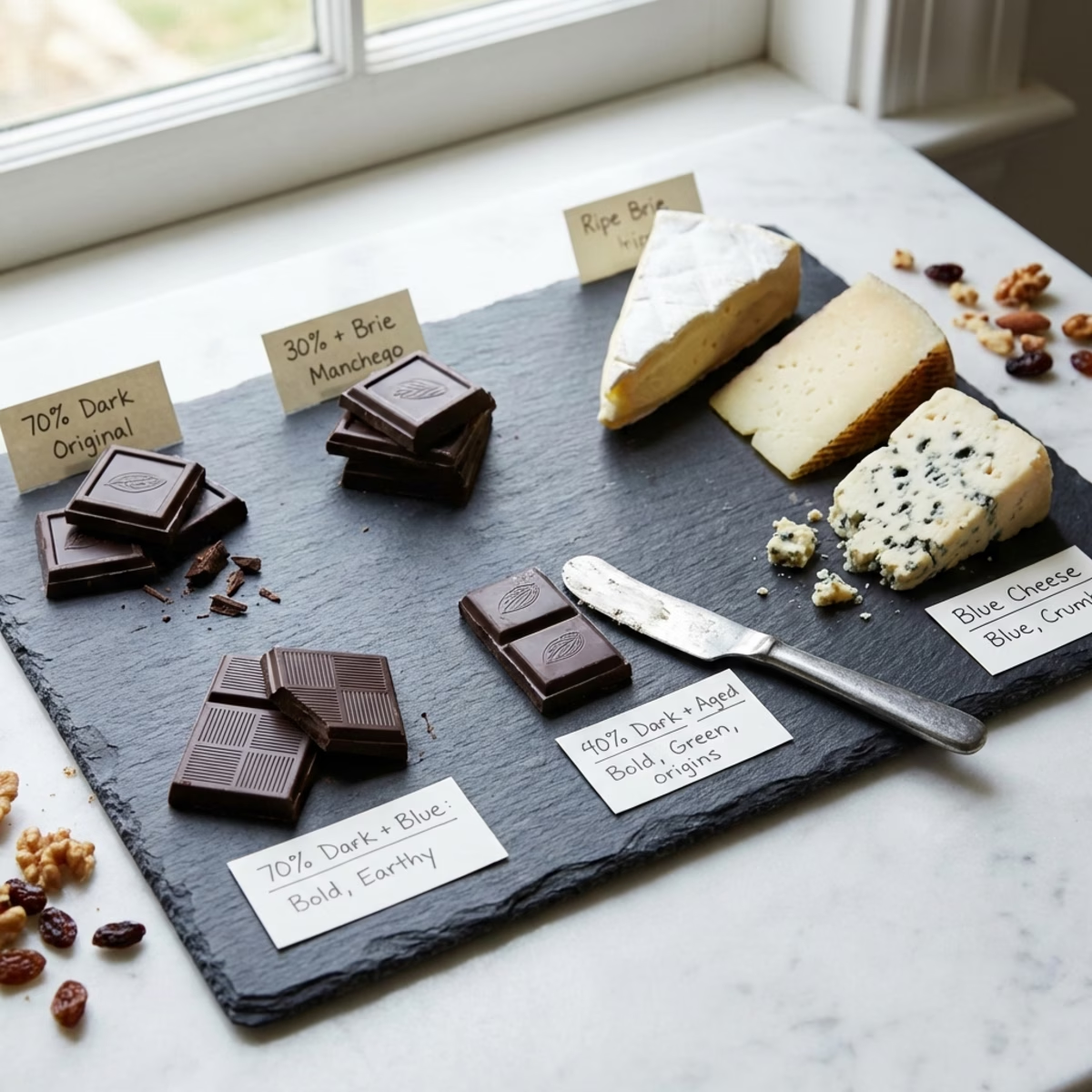
Choose one “complement” pairing (nutty hard cheese + caramel-leaning dark chocolate), one “contrast” pairing (creamy bloomy rind + bright fruity dark chocolate), and one “dessert” pairing (blue + sweeter chocolate or a bar with fruit/caramel lift). Taste each item alone first, then together, and pay most attention to the finish: clean and inviting, or heavy and tiring.
If you want a simple serving order, go from mild to strong: bloomy/fresh → aged hard → blue, and lower cacao → higher cacao. That keeps fatigue down and makes the differences obvious.
Run a 15-Minute Tasting (No Fancy Gear)
Set out three cheeses and three chocolates; nine pairings is plenty, and more than that tends to blur. Taste each chocolate once on its own, then each cheese on its own, so you know what “baseline” you’re working with. Now pair in small bites and make one honest call: does the finish stay clean, or does it turn heavy. If a pairing is close but not perfect, change a single variable—use a smaller piece of chocolate, choose a brighter bar, or swap to a less salty cheese—and taste again.
Build a tasting flight that teaches your palate
If you want to learn fast, build a three‑pair flight rather than a sprawling board. Choose one pairing that is complementary, one that is contrasting, and one that feels slightly risky. Taste in that order: easy first, then contrast, then the challenge.
After each pairing, take a breath and ask one honest question. Did the finish stay clean, or did it turn heavy? If the finish feels sticky, reduce sweetness or choose a brighter chocolate. If the finish feels harsh, reduce bitterness or choose a cheese with more fat and less salt.
Troubleshooting the common failures
If the chocolate dominates, you usually need either a less intense bar or a higher-fat cheese. If the cheese dominates, you usually need either a sweeter chocolate or a cleaner, less funky cheese.
If everything tastes “flat” together, you may be missing acidity. Bright chocolates or tangy cheeses can fix that quickly. If everything tastes “sharp”, you may be stacking acidity with tannin or stacking salt with bitterness; soften one side and the pairing often snaps into place.
Common Pitfalls to Avoid
Ultra-stinky washed rinds paired with very bitter dark chocolate often read metallic or harsh. Very salty blue cheese alongside very dry, bitter high-cacao bars can become a battle of salt and bitterness, leaving the palate tired rather than intrigued. And overly sweet, vanilla-forward milk chocolate tends to smother delicate bloomy rinds, turning something aromatic into something indistinct.
If a pairing feels close but not quite there, try changing context before you change the ingredients. Use smaller portions, let both warm slightly, or add a neutral carrier like a plain cracker to manage intensity. Pairing is often about dosage.
When you want practice without committing a whole board, use the Chocolate games for quick pairing intuition drills, then keep notes on what actually worked for you. Your palate is the final judge, and repetition is the fastest teacher.