Chocolate can taste like berries, citrus peel, dried fruit, wine, yogurt, green banana, or vinegar without containing any of those ingredients. That is part of what makes origin chocolate interesting and also part of what makes it easy to misread. A bright bar may seem sour at first if you are expecting only cocoa and sugar. A genuinely sour bar may seem sophisticated if the label has trained you to look for fruit. The useful skill is learning where acidity gives chocolate lift and where it becomes a defect that narrows everything around it.
This guide belongs beside Chocolate Tasting and Cacao Origins . Those pieces give you the basic tasting rhythm and the idea that place matters. Acidity is one of the ways place, fermentation, drying, and roast become visible in the mouth. It is not a separate flavor sprinkled on top of chocolate. It is structure, timing, and aroma working together.
Brightness Is Not the Same as Sourness
Acidity in chocolate is often described with fruit words because fruit gives us an easy vocabulary. Lemon is sharper than peach. Raspberry is brighter than fig. Tamarind is tangier than raisin. Those comparisons are useful, but they can make acidity sound like an ingredient rather than a sensation. In a plain bar, the fruit is usually an impression created by cacao genetics, fermentation chemistry, roast choices, and the way sugar carries aroma.
Clean acidity makes a bar feel awake. It gives the first melt a little tension, then opens into aroma. You may notice red fruit, citrus peel, tropical fruit, wine, or dried cherries, but the important part is that the sensation moves. It starts sharp, becomes fragrant, and leaves room for cocoa in the finish. Sourness behaves differently. It can feel thin and pointed. Instead of blooming into aroma, it clamps down on the palate and makes the next taste seem smaller.
The distinction is not only personal preference. You might dislike a bright chocolate and still recognize that it is clean. You might enjoy a very roasty chocolate and still notice that it is hiding dull or vinegary cacao underneath. A good tasting habit is to ask whether the acidity makes the chocolate more specific. If it helps you notice fruit, flowers, honey, wine, or lively cocoa, it is probably doing useful work. If it only makes your mouth tighten, it may be a flaw or simply an origin handled in a way you do not enjoy.
Where Fruit Notes Come From
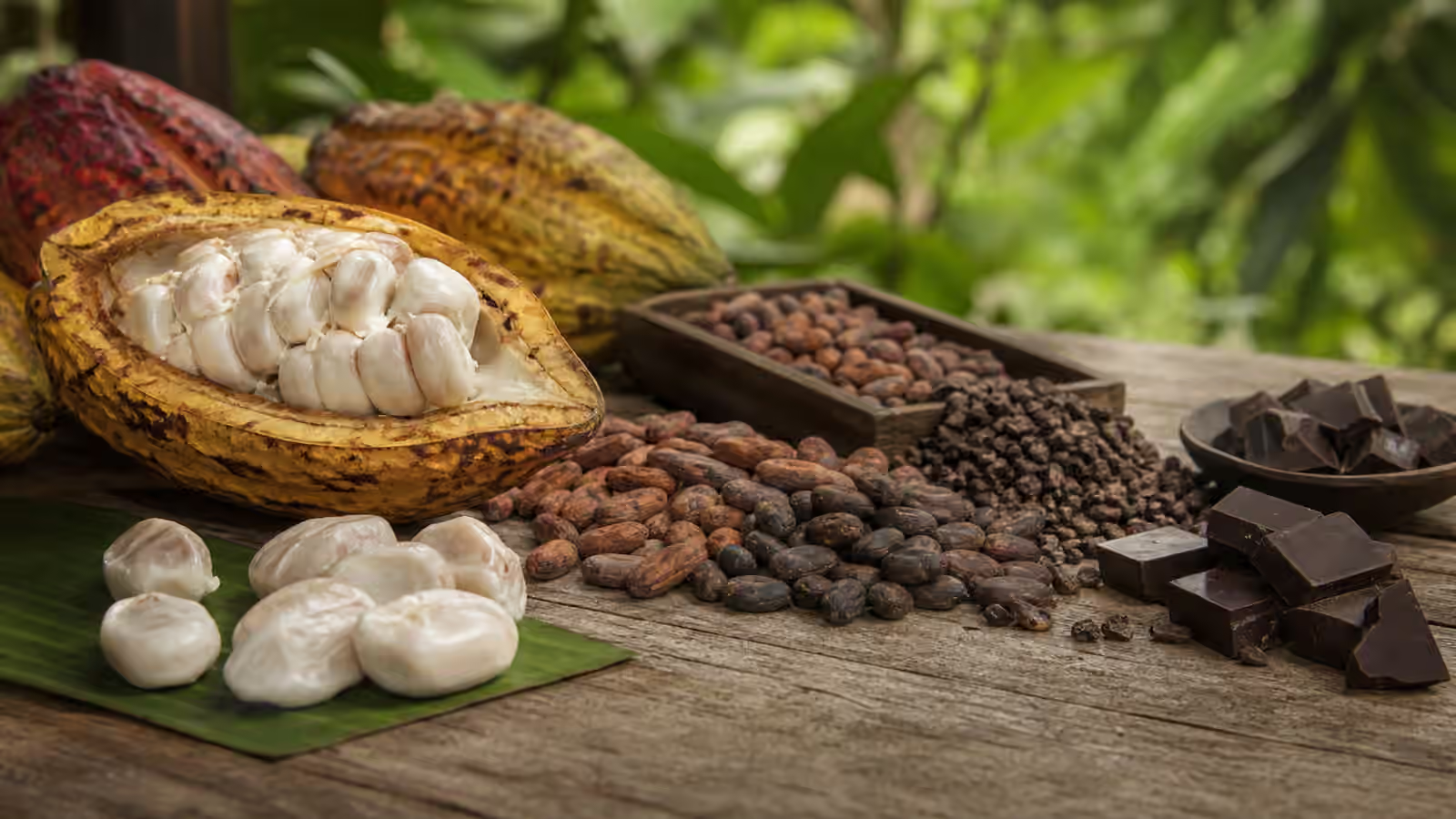
Fresh cacao pulp is sweet and tangy, but finished chocolate is not made from that pulp. It is made from the seeds after fermentation, drying, roasting, grinding, refining, and conching. The fruit notes in chocolate mostly come from flavor precursors created during fermentation and developed during roasting. That is why Cacao Fermentation and Drying matters so much. Fermentation can preserve vivid fruit, soften harshness, and create the conditions for later aroma. It can also push too far and leave vinegar, rot, or muddy heaviness.
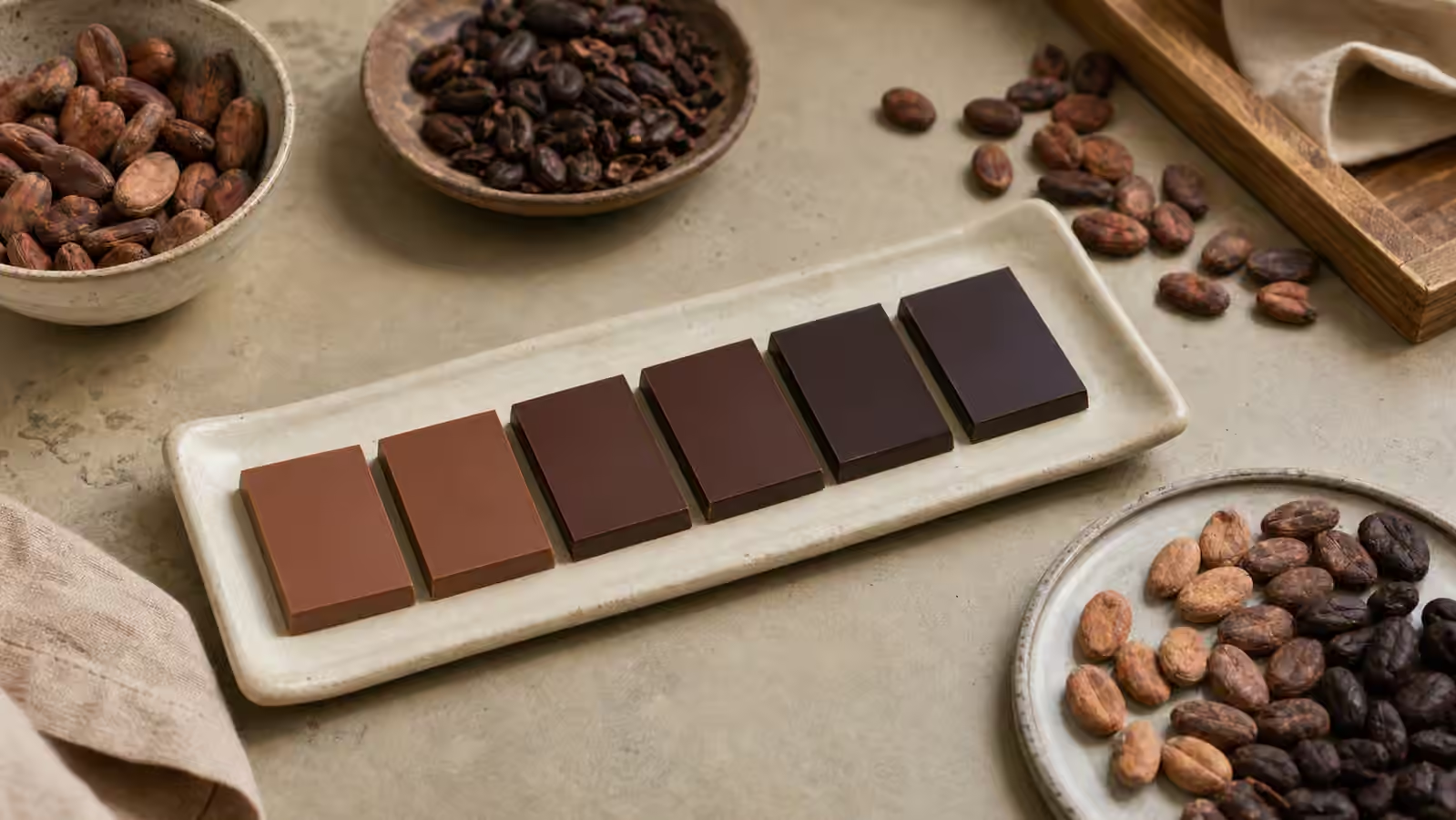
Genetics and region matter too, but they are never the whole explanation. Some origins are known for brightness, yet the same country can produce bars with very different flavor because farms, harvest timing, fermentation style, drying weather, and maker decisions all change the result. A wrapper that names an origin gives you a clue, not a verdict. The chocolate still has to show its work in the cup of your hand and on your tongue.
Roast changes the shape of acidity. A lighter roast may keep fruit notes lively, but if the beans were not well prepared it can also leave raw, green, or sharp flavors exposed. A deeper roast may round acidity into dried fruit, caramel, or nut, but it can also flatten delicate aromas. The best roast for a bright cacao is not always the lightest one. It is the roast that lets acidity become flavor instead of edge.
Taste the Arc, Not the First Second
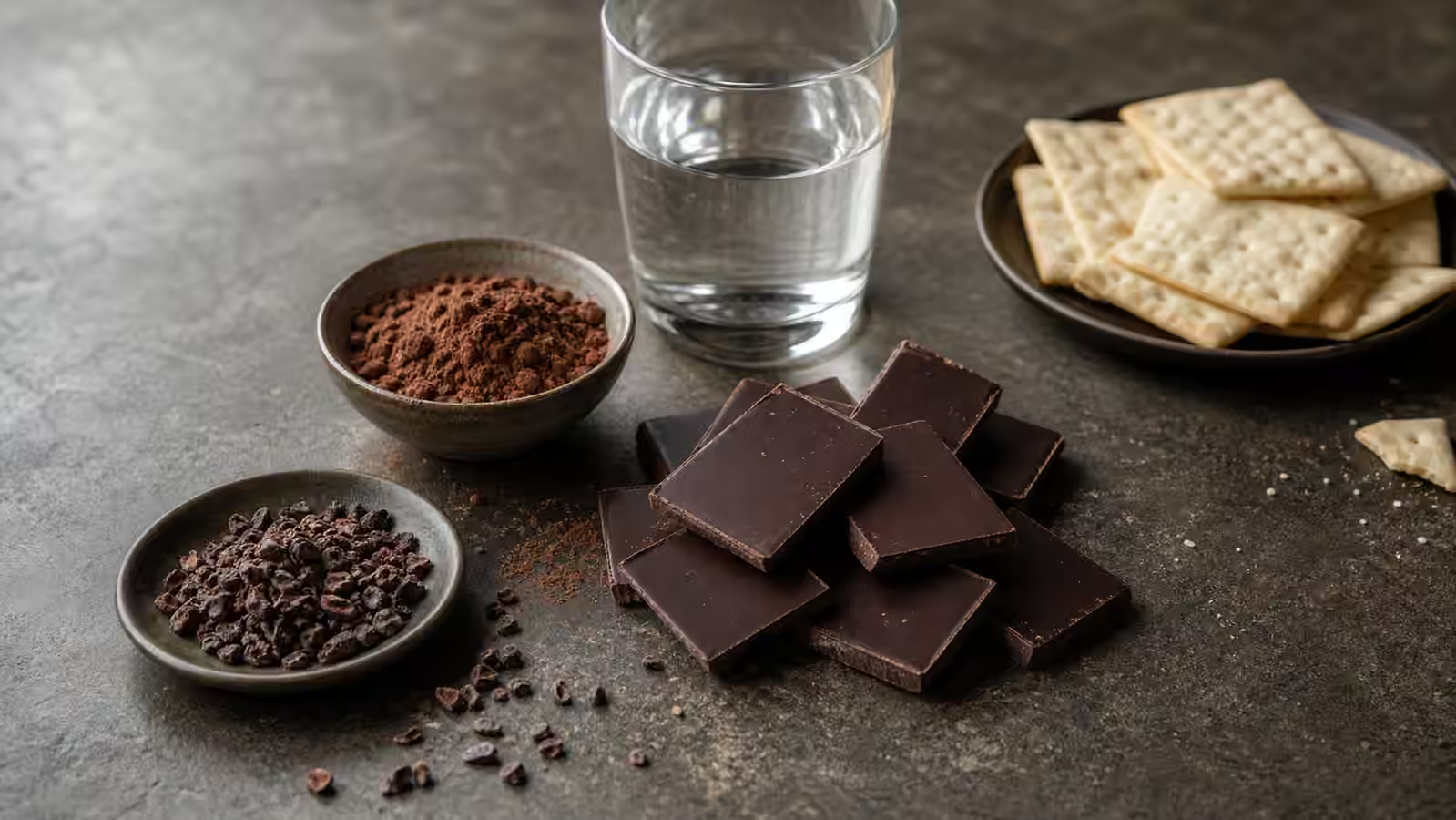
The first second of a chocolate taste is often misleading. Sugar dissolves quickly. Acids speak early. Cocoa butter has not yet fully melted. If you judge only the opening, many bright bars seem harsher than they really are. Let a small piece sit on your tongue before chewing. Notice the smell before it enters your mouth, then notice how the first sharpness changes as the chocolate warms.
Clean fruit notes often become clearer in the middle of the melt. Raspberry may begin as tartness and then become seed, jam, or wine. Citrus may begin as lemony lift and then become peel, blossom, or marmalade. Tropical notes may begin as sharp pineapple and then settle into banana, mango, or fermented fruit. Dried fruit notes often appear later, after roast and cocoa have had time to deepen.
The finish tells you whether the acidity belonged. If the last impression is cocoa, fruit skin, gentle wine, caramel, or flowers, the brightness probably carried flavor forward. If the last impression is vinegar, metal, raw wood, or mouth-drying sourness, the acidity may have overwhelmed the chocolate. Chocolate Flavor Faults gives a fuller vocabulary for those moments, but the main habit is simple: do not name the first sensation and stop. Follow the taste until it leaves.
Sugar, Salt, and Pairing Can Change the Reading
Acidity never arrives alone. Sugar softens it. Fat slows it down. Salt can make fruit seem clearer in small amounts. Dairy can round it, which is why a high-cacao milk chocolate may taste like berries and cream when the same beans in a dark bar seem sharper. The Chocolate Sugar Balance guide is useful here because sweetness is not merely the opposite of bitterness. It also changes how acidity lands.
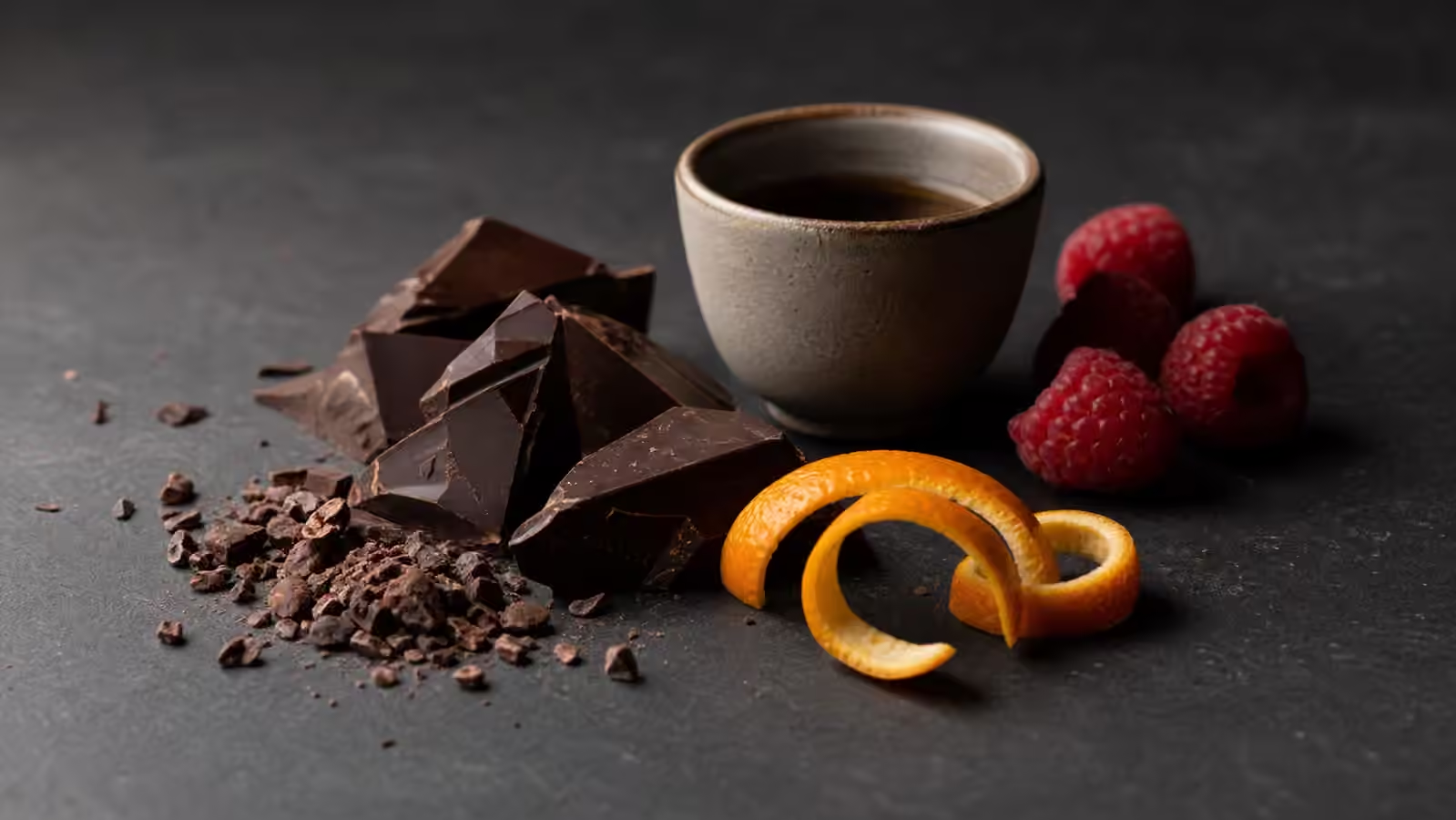
Pairings reveal this quickly. A bright dark chocolate beside berries may taste rounder because the fruit gives your palate a familiar reference. The same chocolate beside a very sour fruit may seem thin because both are pulling in the same direction. With tea or coffee, acidity can either echo or clash. A fruity chocolate with a floral tea may feel lifted and precise, while the same chocolate with a very acidic coffee can become too sharp. The point is not to memorize rules. It is to notice whether the companion gives the chocolate a place to go.
Temperature matters as well. Cold chocolate can make acidity feel abrupt because cocoa butter melts slowly and aroma is muted. Slightly warmer chocolate, still firm but not chilled, usually lets fruit notes unfold with more patience. This is one reason Storage and Serving is not just about preventing bloom. Serving temperature changes flavor.
When Brightness Becomes a Problem
Some acidity is part of the identity of a bar. Too much acidity can point to processing trouble, an awkward roast, or a chocolate that simply does not have enough body to support its sharpness. A sour bar often feels narrow. It may remind you of vinegar, unripe fruit, wet wood, or raw beans. It may make your mouth water at first and then dry out quickly. It may leave bitterness and acidity stacked on top of each other instead of integrated.
There is no need to turn tasting into fault hunting. If a bar is bright and you enjoy it, enjoy it. But if you want to learn, taste bright bars beside calmer ones. Put a fruit-forward origin next to a nutty or roasty bar at a similar percentage. Keep the pieces small. Smell, melt, wait, and write down not only what the acidity reminds you of, but what it does. Does it lift the cocoa, sharpen the fruit, clean up the finish, or erase the middle?
Over time, acidity becomes less mysterious. You begin to hear its different registers: fresh berry, dried cherry, citrus peel, wine, yogurt, vinegar, green fruit, tropical ferment. Some are pleasurable, some are awkward, and some depend on the chocolate around them. The goal is not to prefer bright chocolate all the time. The goal is to read brightness as one part of structure, so a lively square can be appreciated for its clarity and a sour one can be named without pretending it is profound.