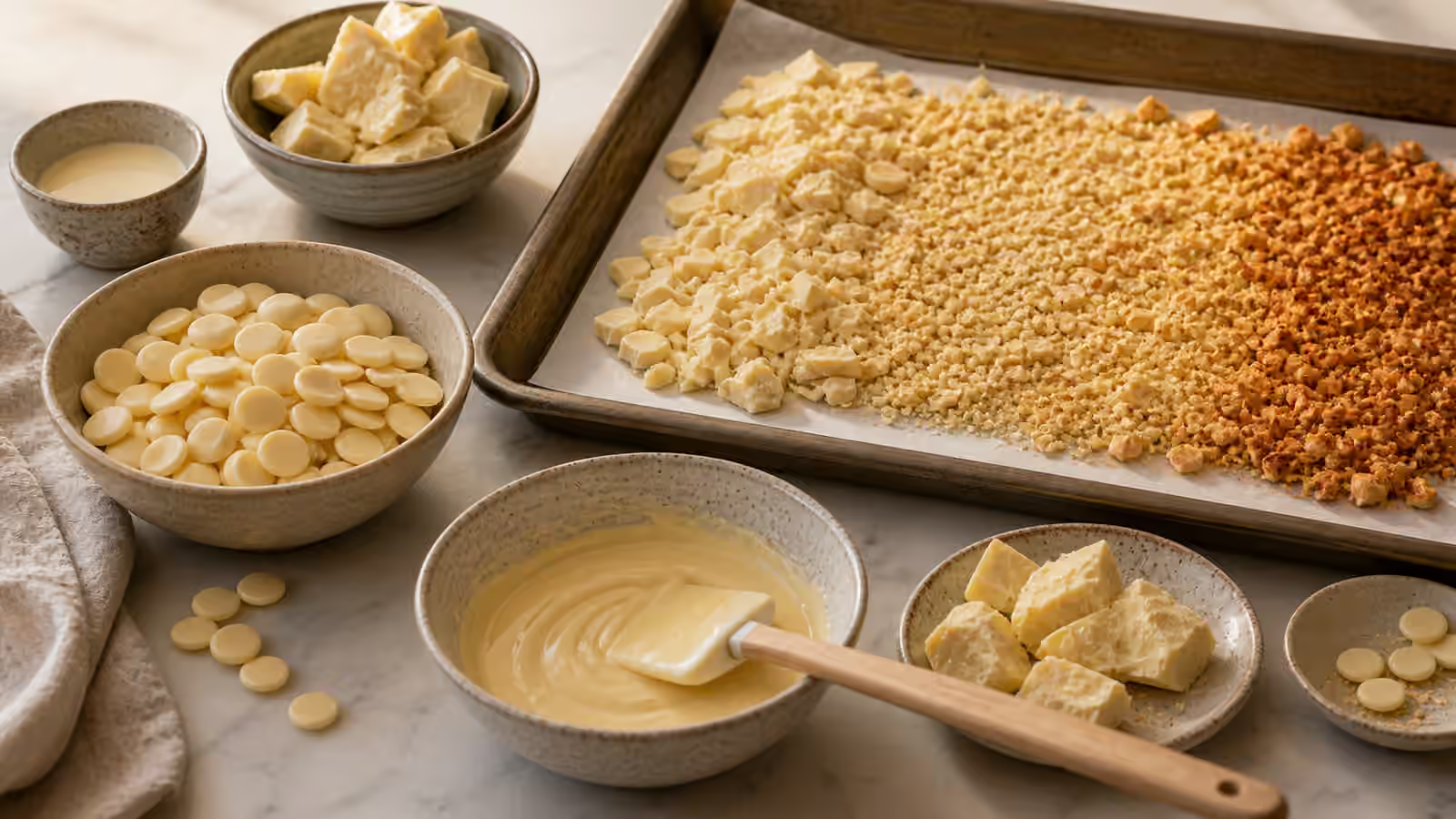
Caramelized white chocolate is white chocolate that has been given time, heat, and stirring until its pale sweetness turns deeper, toastier, and more complex. The color moves from ivory toward biscuit, butterscotch, or light caramel. The flavor moves with it: less plain sugar, more cooked milk, browned butter, toasted dairy, and gentle caramel. It is still white chocolate, but it no longer behaves like a blank sweet base.
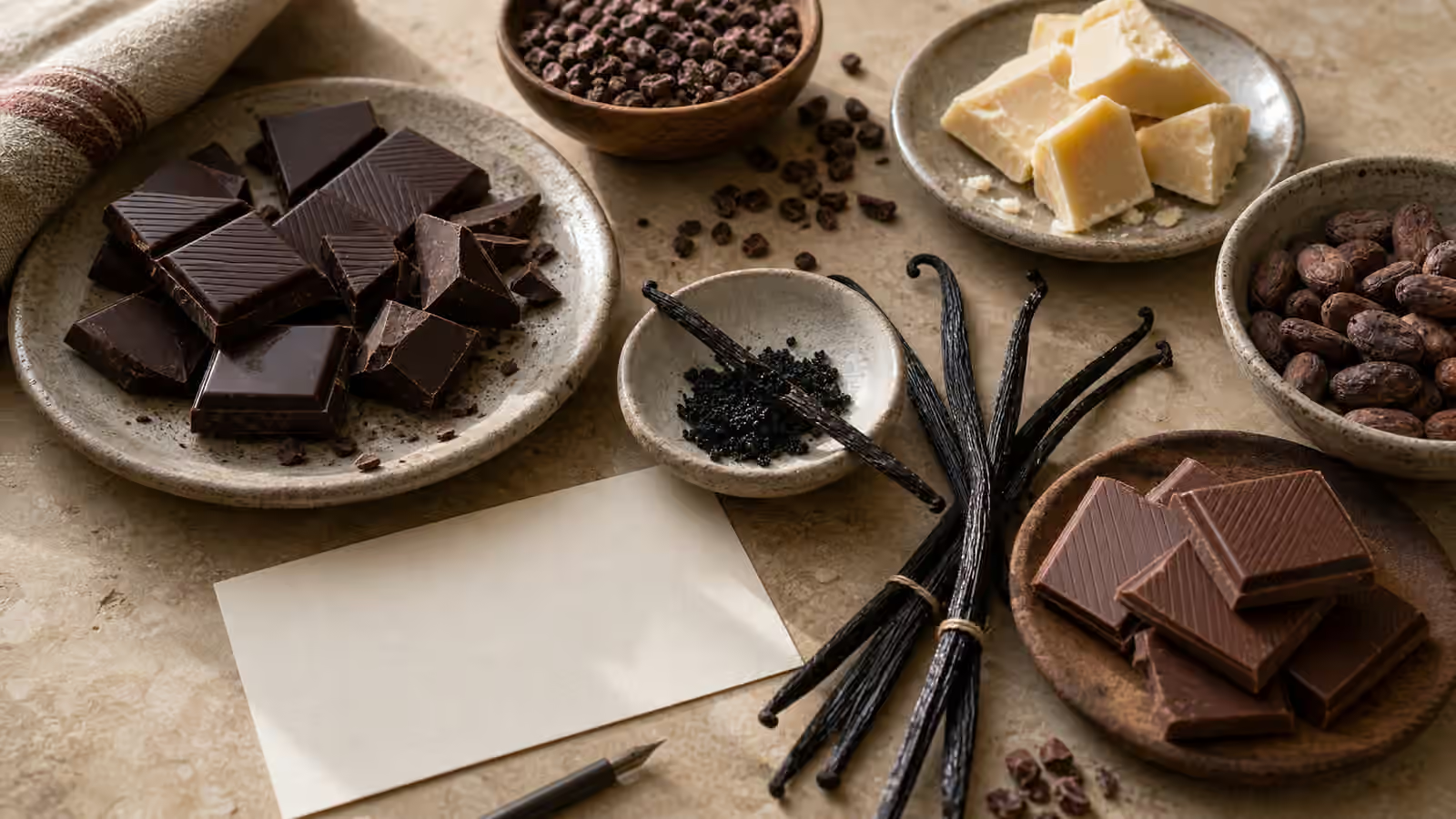
This technique makes sense only if the white chocolate itself has a real chocolate structure. Cocoa butter, sugar, and dairy are the center. If the product is mostly vegetable fat and sugar, it may brown or melt, but it will not give the same clean cocoa-butter melt. Start with White Chocolate and Cocoa Butter if the category still feels confusing. Caramelization does not make weak white chocolate noble. It amplifies what is already there.
What Is Actually Changing
Caramelized white chocolate is often described as caramelized sugar, but that is only part of the story. White chocolate contains sugar and milk solids. Under gentle heat, those ingredients can develop browned, toasted, and cooked-dairy flavors. The cocoa butter carries those flavors through the mouth, giving the finished chocolate a creamy melt rather than the dry snap of a hard caramel.
The result is not the same as dulce de leche, browned butter, butterscotch, or caramel sauce, though it can suggest all of them. It remains a fat-rich chocolate ingredient. That means it can be molded, melted into ganache, folded into mousse, shaved over desserts, or used in sauces if the formulation is handled with care. It brings both flavor and cocoa-butter behavior.
The shift in color is useful but imperfect. A pale gold batch may taste gently toasted. A deeper batch may taste more like caramelized milk and biscuit. Push too far and the flavor can become scorched, dry, or harsh. Color should be read with smell and texture, not as the only target.
Gentle Heat Matters More Than Speed
White chocolate is sensitive. It contains cocoa butter and dairy, and it can scorch or become grainy when heated carelessly. Caramelizing it is less like searing and more like coaxing. The chocolate needs enough heat to develop flavor and enough movement to avoid hot spots. Thin layers help because they expose more surface and reduce the risk of one area burning while another remains pale.
Stirring is not busywork. It redistributes heat, breaks up clumps, and keeps the fat and solids in conversation. As the chocolate warms and browns, it may look thick, sandy, or separated for a while. That does not always mean failure. With patient stirring and gentle handling, it often smooths again. If it smells scorched, however, the batch has crossed a line that sweetness cannot repair.
Melting Chocolate Without Seizing is a useful companion because moisture and heat shocks matter here too. A wet spatula, steamy setup, or overheated bowl can make white chocolate tighten. Caramelized white chocolate asks for dry tools, calm heat, and attention rather than force.
Cocoa Butter Carries The Result
Cocoa butter is the reason caramelized white chocolate feels like chocolate rather than merely toasted sugar. It melts below body temperature, spreads flavor, and gives the finished piece its creamy release. If the white chocolate has too little cocoa butter or uses substitute fats, the texture may feel waxy, greasy, or short after caramelization.
This is also why added cocoa butter can sometimes help in pastry work. A small amount can loosen a thick batch and improve flow, though too much can make the flavor feel diluted. Cocoa Butter in Chocolate Work explains the broader pattern. Fat is not only richness. It changes viscosity, set, melt, and the way flavor opens.
Caramelized white chocolate usually tastes less sharply sweet than plain white chocolate because browning adds depth. But the sugar has not disappeared. It still needs balance. Salt, tart fruit, coffee, toasted nuts, citrus, cultured dairy, dark chocolate, and bitter cocoa can all help. Without contrast, the flavor can become warm and pleasant but heavy.
Where It Works Best
Caramelized white chocolate is strongest when its toasted dairy flavor has a reason to be there. It is natural with hazelnuts, almonds, sesame, pecans, browned butter, shortbread, roasted bananas, pears, coffee, malt, miso-like savory depth, and tart berries. It can make a ganache taste like caramel without adding a separate caramel sauce. It can bring warmth to a mousse or custard. It can turn a simple glaze into something with a longer finish.
It is less successful when used as a direct substitute for plain white chocolate without adjusting the rest of the dessert. A recipe built around bright fruit and clean vanilla may become too toasted. A very sweet base may become cloying because caramelized notes reinforce the impression of sugar. A dessert that already contains caramel may become muddy if every element points in the same direction.
Chocolate Mousse, Custards, and Puddings and Chocolate Sauces and Glazes both show how chocolate changes when diluted by cream, eggs, water, or sugar. Caramelized white chocolate follows the same rule. Taste it in the finished system, not only from the spoon.
Pairing With Dark And Milk Chocolate
Caramelized white chocolate can sit beside dark chocolate beautifully because it brings dairy warmth while dark chocolate supplies bitterness and cocoa depth. A thin caramelized white layer under a dark ganache can make the dark chocolate taste rounder. A drizzle over a dark chocolate tart can add toast without needing more sugar in the filling. The contrast works because the two chocolates carry different kinds of structure.
With milk chocolate, the pairing is softer. Both bring dairy and sweetness, so the risk is heaviness. Choose a milk chocolate with real cocoa presence, malt, nut, or caramel notes rather than one that tastes mostly sweet and vanilla. Milk Chocolate helps explain why some milk chocolates have enough structure for this and others do not.
With plain white chocolate, caramelized white chocolate can create contrast inside the same family. A pale white chocolate cream and a toasted white chocolate crumb can make the category feel less simple. The difference is especially useful in desserts where dark chocolate would overpower fruit or tea.
Storage And Freshness
Caramelized white chocolate should be stored with the same care as other chocolate, with extra attention to aroma. Cocoa butter absorbs odors readily, and the warm dairy notes can pick up stale pantry smells. Keep it sealed, cool, dry, and away from spices, onions, coffee, and cleaning products. If it was made at home, let it cool fully before sealing so trapped warmth does not create condensation.
Bloom can still happen. The chocolate has been heated, stirred, and changed, but the fat system remains cocoa butter. If you want it to set as a glossy molded piece, tempering matters. If you are using it in ganache, sauce, or a baked component, temper may not be the point. Tempering Chocolate at Home is the better guide when snap and shine are the goal.
Caramelized white chocolate is best treated as a flavor with structure, not a novelty. Its strength is quiet depth: toasted milk, cocoa butter, sugar, and time. Use it where those qualities answer a real need in the dessert. Then stop before every element turns the same shade of caramel.