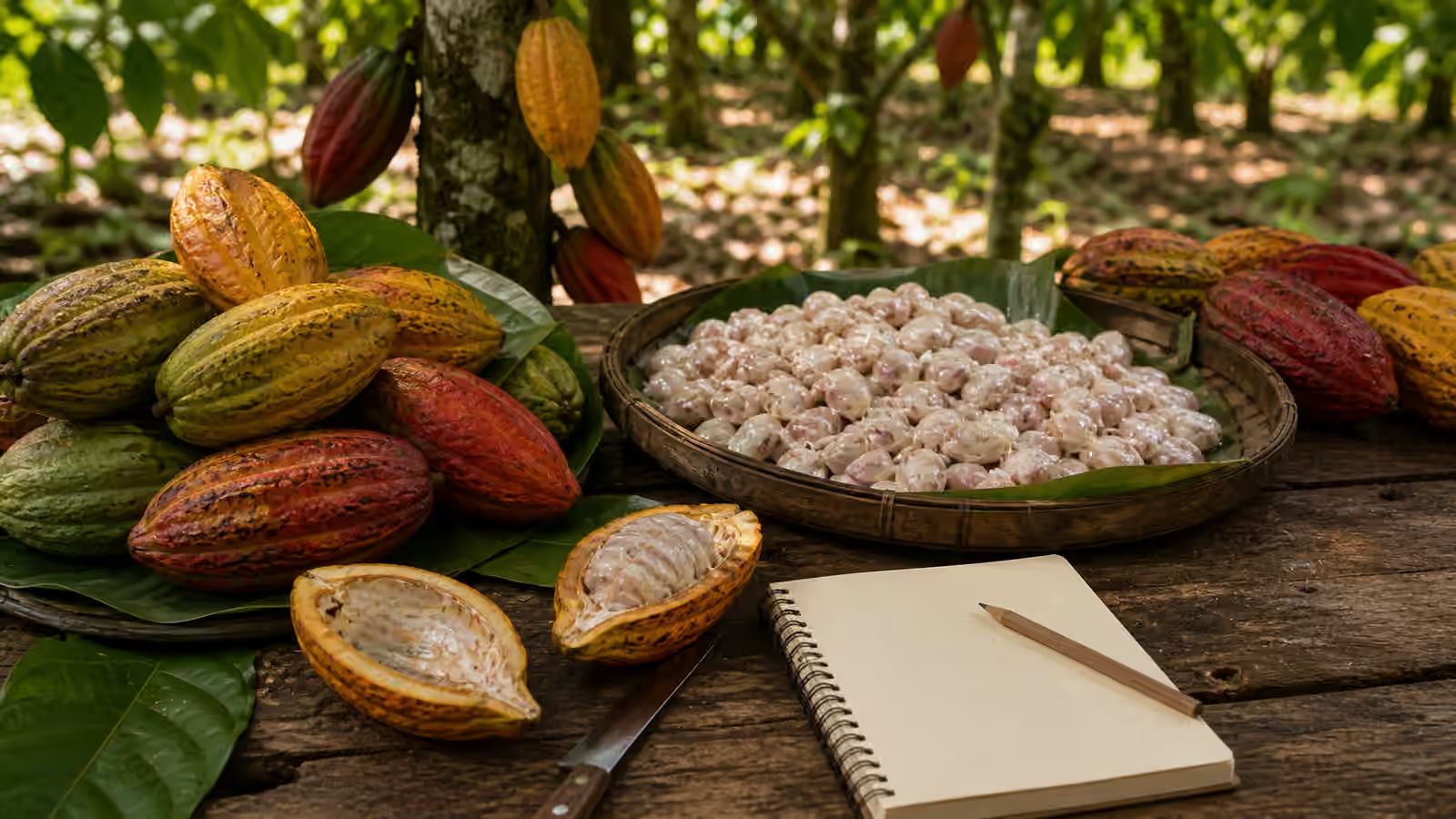
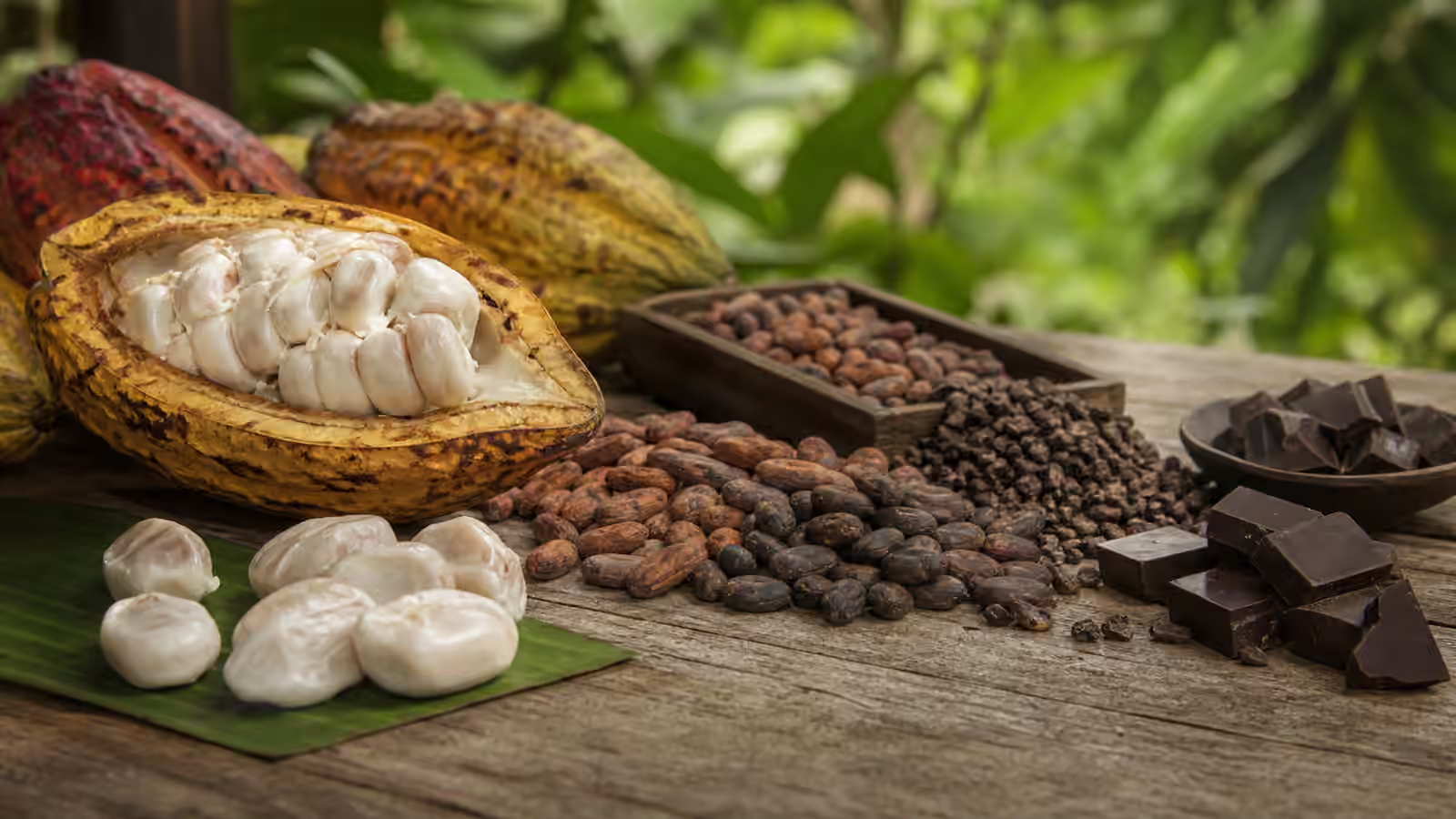
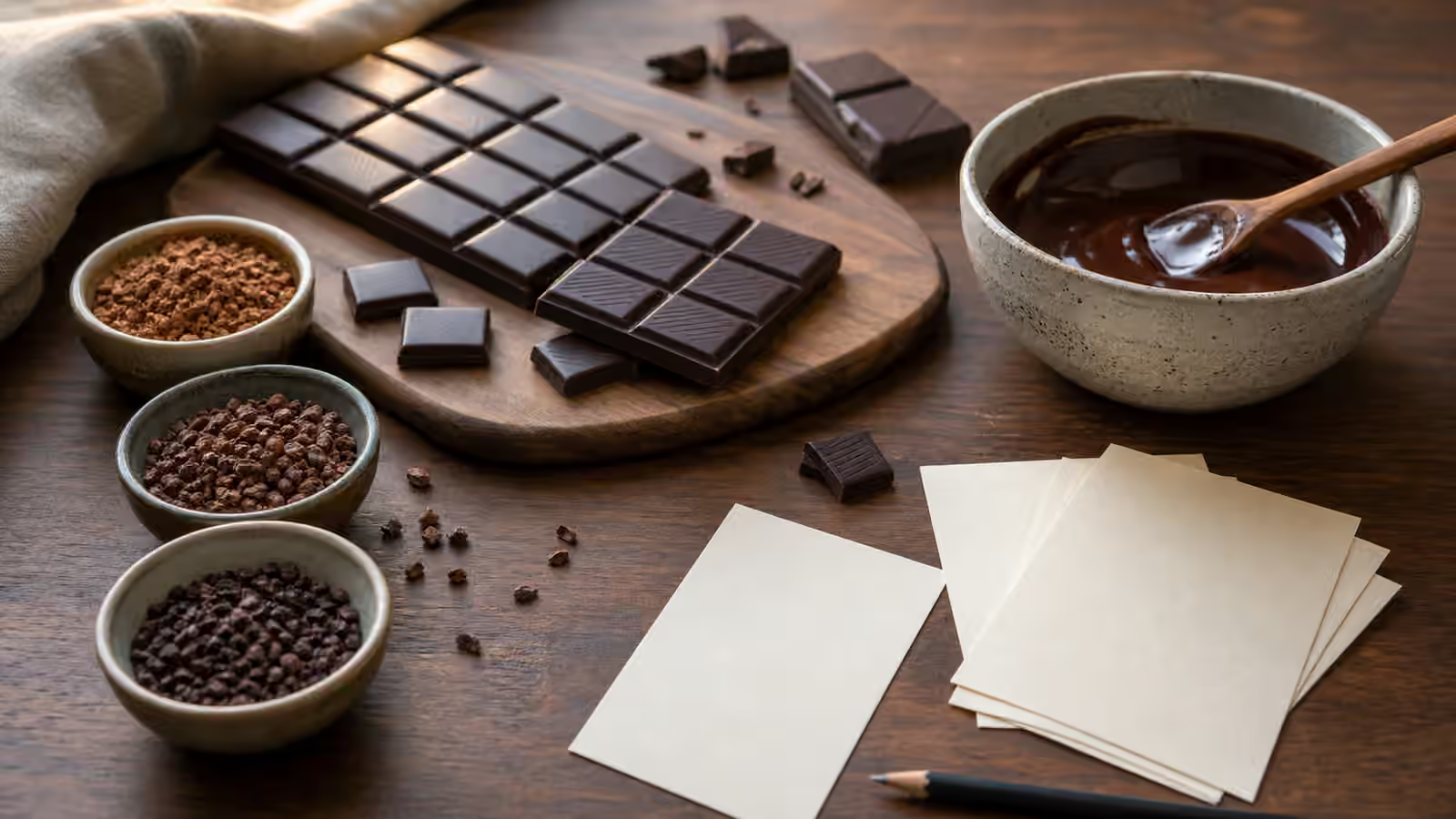
Cacao variety names have a way of sounding more precise than they are. Criollo, Forastero, and Trinitario appear on wrappers, shop signs, tasting notes, and farm descriptions as if they were three tidy drawers. One is often described as delicate, one as sturdy, and one as a hybrid between them. That shorthand is useful enough to begin with, but it can become misleading when it is treated as the whole truth.
Modern cacao is genetically tangled. Trees have moved, crossed, adapted, been replanted, and been selected for yield, disease resistance, flavor, and survival. A farm may contain old trees, newer hybrids, and local selections that do not fit cleanly into the famous three names. A chocolate maker may buy from a cooperative where many farms contribute beans, each with slightly different genetics. Even a single estate can contain a mixed orchard. Variety matters, but it rarely acts alone.
If Cacao Origins is the map, genetics is one layer under the map. Place matters because climate, soil, rainfall, elevation, and post-harvest practice shape the crop. Genetics matters because it sets part of the flavor potential before fermentation begins. The most useful way to read variety is not as a guarantee, but as a clue about what the bean may be able to express when the farm and maker do their work well.
The Old Three Names Still Help, Carefully
Criollo has long been associated with delicate, aromatic cacao. In old descriptions, it is the refined one: lower bitterness, softer tannin, pale beans, and elegant flavors that may lean toward nuts, cream, fruit, honey, or flowers. It also tends to be discussed as rare and fragile. Some of that reputation is deserved, but the name can be used loosely. A label that says Criollo may point to genuine heritage genetics, a local marketing tradition, or a broader idea of fine-flavor cacao.
Forastero has often been treated as the workhorse. It includes many hardy, productive cacaos historically associated with bulk chocolate and classic cocoa depth. That reputation can be unfair when it collapses a huge amount of genetic diversity into one plain category. Some Forastero-related cacao can be ordinary when poorly handled. Some can be deep, clean, nutty, and satisfying when fermented, dried, roasted, and refined with care. Strength is not the opposite of quality.
Trinitario is usually described as a hybrid of Criollo and Forastero, historically connected to Trinidad after disease devastated older plantings and new material was introduced. It can carry aroma and structure together, with profiles that move from dried fruit and spice to cocoa, nuts, and caramel. But here too the name covers a wide family rather than a single flavor. A Trinitario bar from one origin may taste bright and perfumed; another may taste round, roasty, and deep.
The value of the three-name model is that it reminds you genetics exists. Its danger is that it invites certainty. If you taste enough bars, you will find delicate chocolate that is not simply Criollo, powerful chocolate that is not crude, and hybrid cacao that refuses to sit in the middle.
Genetics Sets Potential, Not Flavor
A cacao tree can only express what its genetics allow, but flavor does not become finished on the branch. The pod grows in a climate. The beans develop inside fruit. The farmer harvests at a certain ripeness. The wet beans ferment with pulp, heat, acid, and microbes. They dry under sun, shade, airflow, and weather pressure. Later, a maker sorts, roasts, winnows, refines, conches, tempers, and molds.
That chain matters because genetics is not a finished taste. It is more like a range of possibilities. A variety with floral potential can become dull if fermentation is uneven or drying is poor. A sturdy cocoa-forward variety can become elegant if the post-harvest work is clean and the roast is restrained. A rare variety can be wasted by bad handling. A common variety can exceed expectations when the farm and maker understand it.
Cacao Fermentation and Drying is the best companion to this idea. Fermentation creates flavor precursors and changes bitterness, acidity, and astringency. Drying protects those precursors from mold, smoke, and musty flavors. Genetics may decide what the bean can become, but post-harvest handling decides whether that potential arrives intact.
Roasting is the next filter. A delicate cacao can lose its perfume under a heavy roast. A dense, tannic cacao can feel raw if the roast is too gentle. Cacao Roasting at Home shows why development and preservation are always in negotiation. Variety informs the roast, but it does not write the roast profile by itself.
Why Wrappers Use Variety Names
Variety names are attractive because they give shoppers a sense of specificity. A label that names a region and a cacao type feels more grounded than one that says premium dark chocolate. Sometimes that specificity is meaningful. A maker who knows the farm, the orchard, and the post-harvest method may use a variety name because it truly helps explain the bar. If the bar is made from a known local selection with a recognizable sensory pattern, the name can be a useful guide.
Sometimes the name is softer than it sounds. It may describe a local tradition, a broad population, or a supplier’s shorthand. It may be true in a general sense without being genetically exact. That does not mean the maker is dishonest. Cacao genetics can be difficult and expensive to verify, and farmers may use names inherited through local practice rather than lab analysis. The important question is whether the maker gives enough context for the name to be useful.
The best wrappers usually connect variety to place and process. A label might describe an old orchard, a named cooperative, a regional cacao population, or a harvest with particular fermentation notes. That context matters more than a famous word standing alone. How to Buy Craft Chocolate is helpful here because it trains the habit of looking for specifics rather than romance.
If a wrapper says rare genetics but gives no origin, no farm, no producer, no fermentation detail, and no maker process, treat the variety claim as decoration until the chocolate proves otherwise. If a modest wrapper gives farm, region, harvest, and tasting notes that match what you experience, trust the coherence more than the prestige of the variety name.
Flavor Clues Associated With Genetics
Genetics can influence bitterness, acidity, fat content, bean size, shell behavior, aroma potential, and tannin. Some cacaos naturally lean toward fruit and flowers. Some lean toward cocoa, nuts, and earth. Some have a long, elegant finish with little harshness. Others have power and structure that need careful fermentation and roast to become pleasant.
Still, no flavor note belongs exclusively to one variety. Red fruit can come from genetics, fermentation, origin, or maker style. Floral aroma can be genetic, but it can also be preserved or destroyed by roast. Nutty depth may reflect variety, drying, roast development, or conching. When you taste, it is more honest to say “this bar suggests floral potential” than to declare “this must be Criollo.”
The most useful tasting habit is comparison. Taste two bars from the same region but different makers and ask how much seems like place and how much seems like process. Taste two bars from different origins that both claim similar genetics and ask what stays constant. Taste a bar with a named variety beside a plain single-origin bar and see whether the name helped you predict anything real. The method in Chocolate Tasting works especially well here because it separates aroma, melt, structure, and finish.
Good cacao genetics often show up as clarity rather than loudness. The bar may not shout rare fruit or perfume. It may simply have bitterness that stays in proportion, acidity that feels clean, and a finish that continues after the sugar fades. Those are quiet signals, and they are easy to miss if you are chasing dramatic tasting notes.
Diversity Matters for More Than Flavor
Cacao genetics also matter because farms need trees that can live in real conditions. Disease pressure, drought, rainfall changes, pests, soil limits, and market demands all shape what farmers plant. A tree that tastes extraordinary but produces poorly or dies easily may be difficult for a farmer to depend on. A tree that produces heavily but tastes flat may support commodity systems while limiting fine-flavor potential. The farm has to balance survival, income, and quality.
This is why diversity matters. Old orchards, local selections, research hybrids, and farmer-led propagation all hold different strengths. A chocolate culture that values only one famous variety name risks narrowing its attention. A healthier way to think about fine cacao is to value traceability, good post-harvest work, farmer knowledge, and sensory quality alongside genetic interest.
For the eater, this makes variety names more interesting, not less. They become part of a larger story: the tree, the farm, the fermentation box, the drying bed, the roast, and the maker’s intention. Genetics gives chocolate some of its possibility. Craft decides whether that possibility becomes a clear bar.
When you see Criollo, Forastero, Trinitario, Nacional, Amelonado, or any other cacao name, pause before turning it into a ranking. Ask what the label actually explains. Then taste slowly. If the chocolate is beautiful, the name may help you remember why. If it is not, the name cannot rescue it. The bar is always the final evidence.