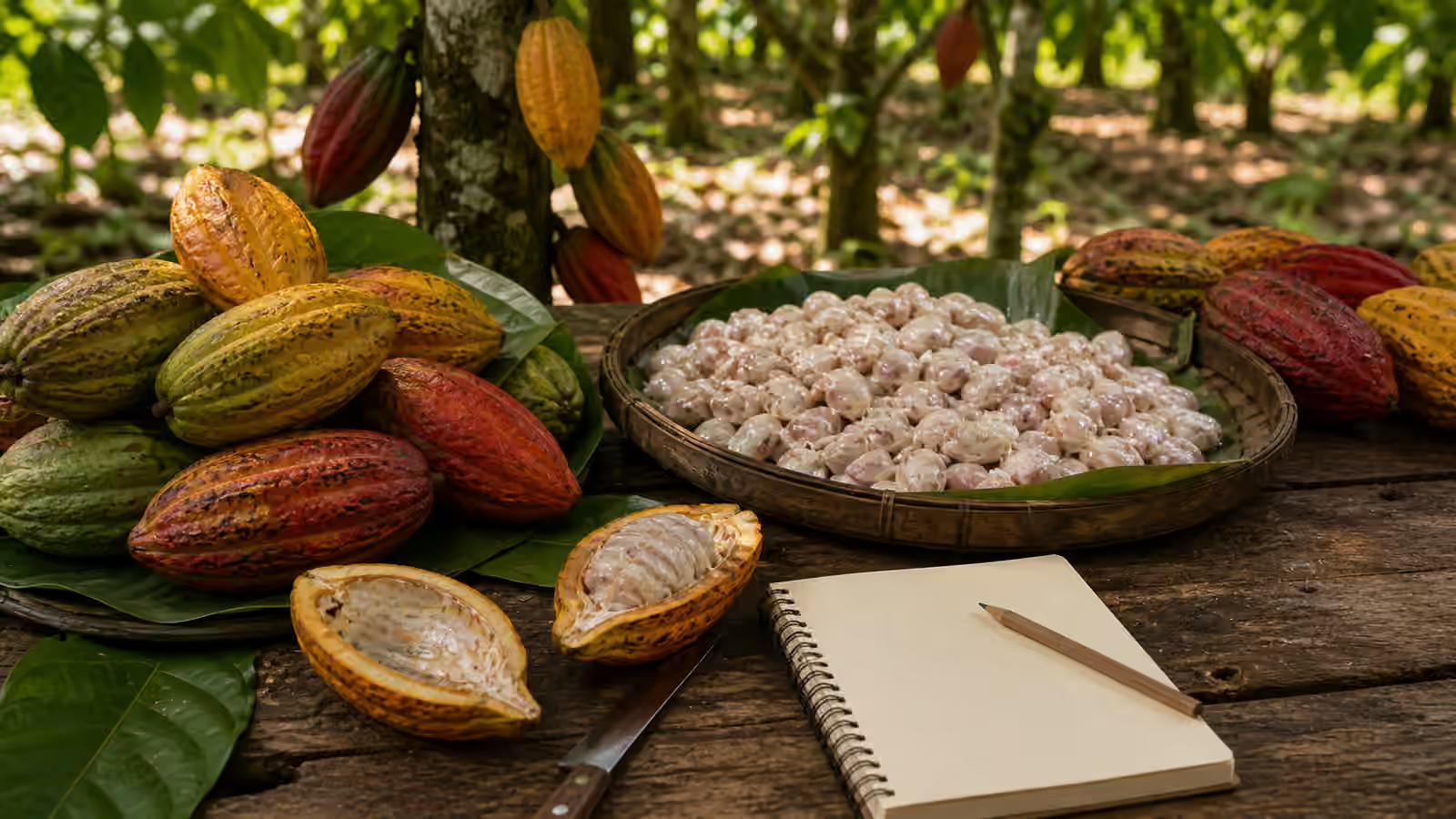
Fresh cacao pulp surprises people because it does not taste like a chocolate bar. It is pale, wet, sweet, tangy, and tropical, wrapped around seeds that will eventually become cacao beans. The pulp can suggest lychee, citrus, mango, soursop, pear, banana, or flowers depending on variety and ripeness. The seed inside is bitter and astringent, not ready for a candy counter. Chocolate begins in that contrast: fruit around a seed that does not yet taste like chocolate.
This guide connects Cacao Harvest and Seasonality , Cacao Fermentation and Drying , and Chocolate Acidity and Fruit Notes . Those pages explain the farm and tasting sides. Here the focus is the bridge: how a fresh fruit environment helps create the conditions for finished chocolate that may later taste fruity, floral, bright, or wine-like even though the pulp itself is not what becomes the bar.
The Pulp Feeds Fermentation
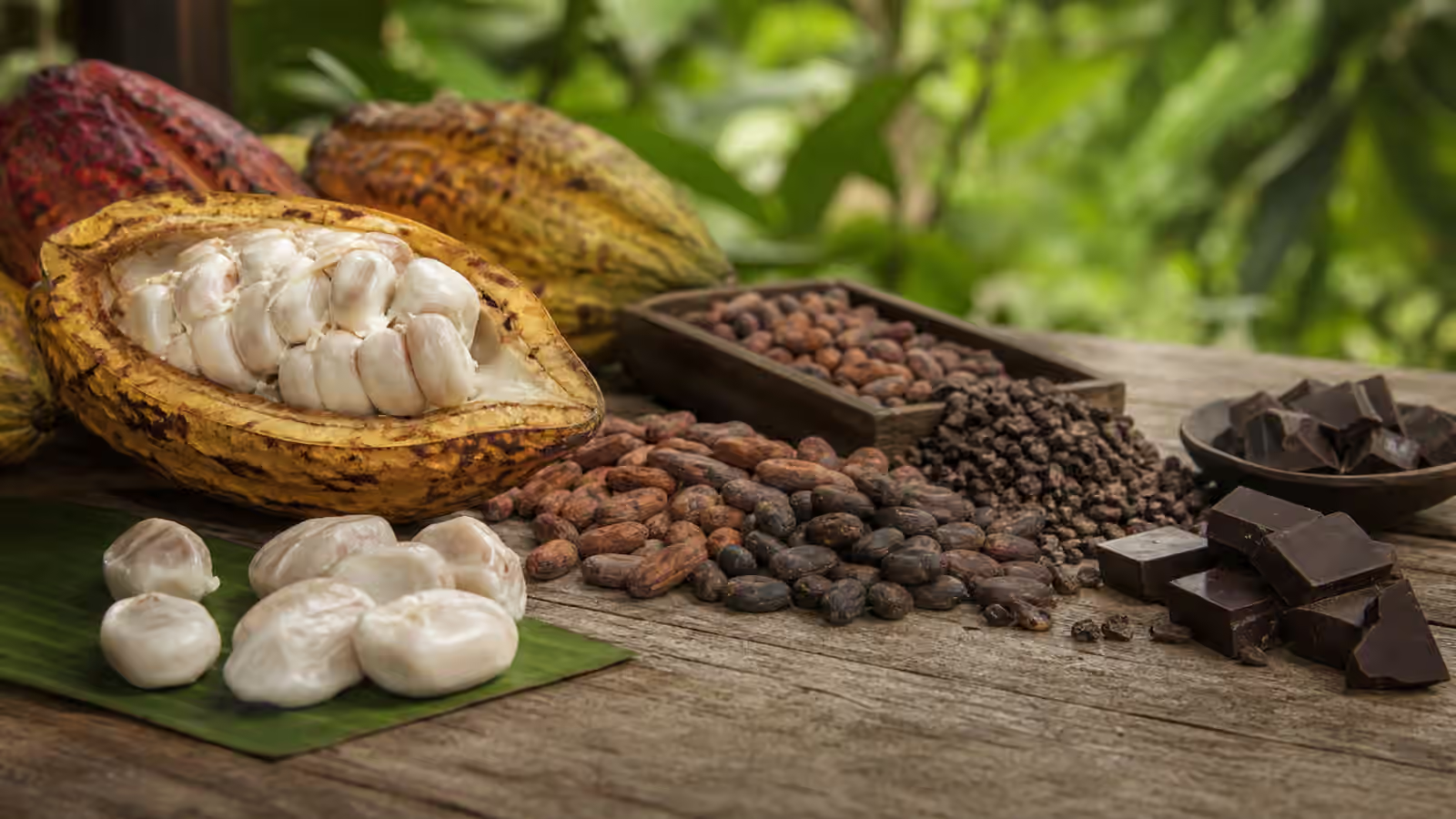
When cacao pods are opened, the beans are covered in mucilage, the sticky pulp that clings to each seed. Farmers do not wash it away before fermentation because the pulp is fuel. Yeasts and bacteria feed on its sugars, creating heat, alcohol, acids, and changing aromas. As the pulp breaks down and drains, the bean is transformed from a living seed into material that can be dried, roasted, and made into chocolate.
The pulp is not simply flavoring painted onto the bean. It is an active environment. Its sugar level, acidity, microbial life, and ripeness influence the fermentation. A lively pulp can support a strong fermentation. Underripe, overripe, diseased, or poorly handled pods can make the process harder. Weather, harvest timing, pod health, and farm practice all matter before a maker ever sees the beans.
This is why cacao cannot be understood only from a country name or a percentage label. The first flavor decisions are biological and agricultural. A farmer judging ripeness, a crew opening pods, and a fermentation manager turning or resting the mass are shaping future aroma long before roasting begins.
Fruit Notes in Chocolate Are Not Pieces of Fruit
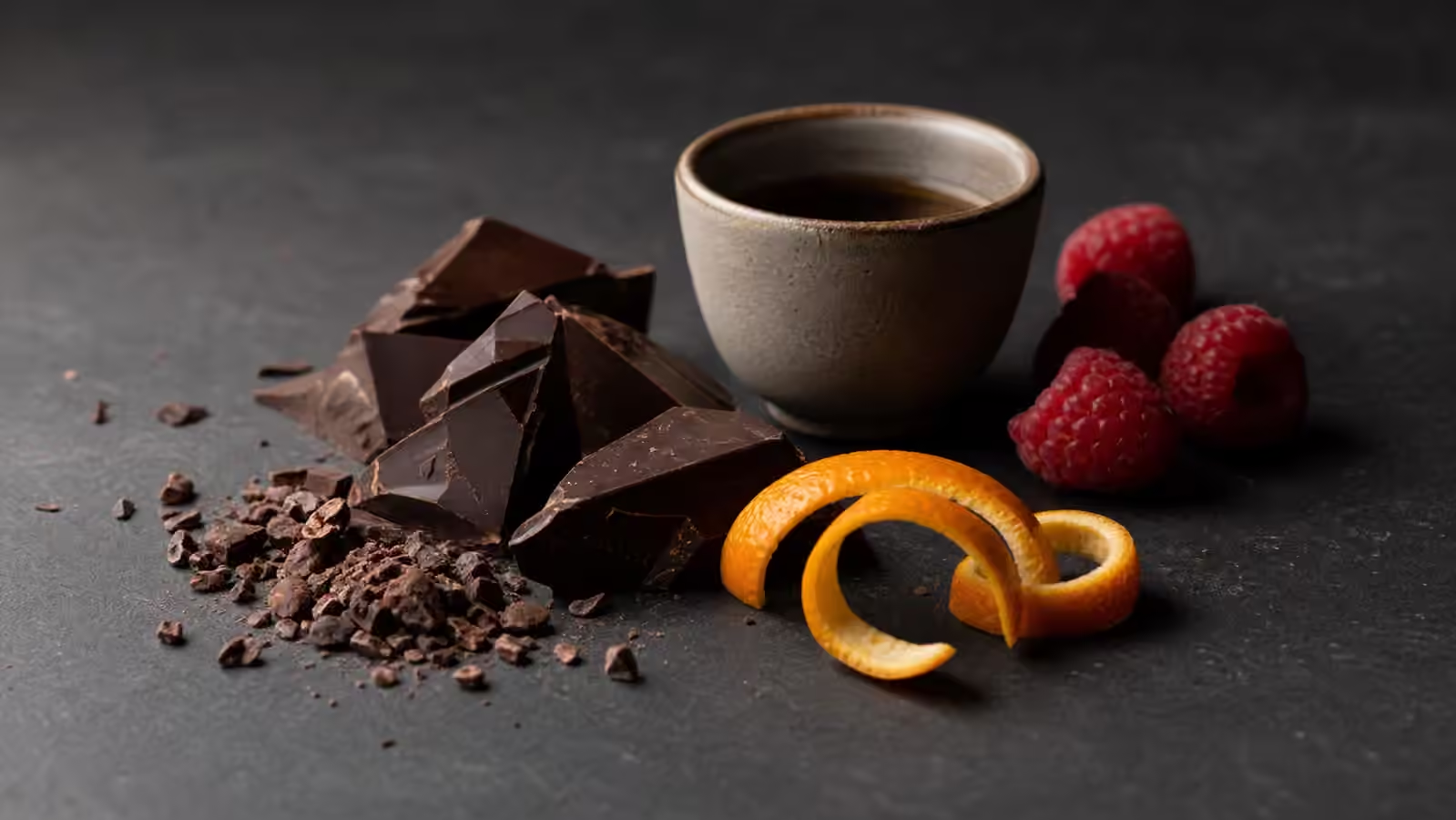
When a chocolate tastes like raspberry, citrus, raisin, mango, or red wine, that does not mean those fruits were added. Plain chocolate can carry fruit notes because fermentation and roasting create aromatic compounds the palate recognizes by analogy. The taster is not saying the bar contains berries. The taster is saying the aroma reminds them of berries.
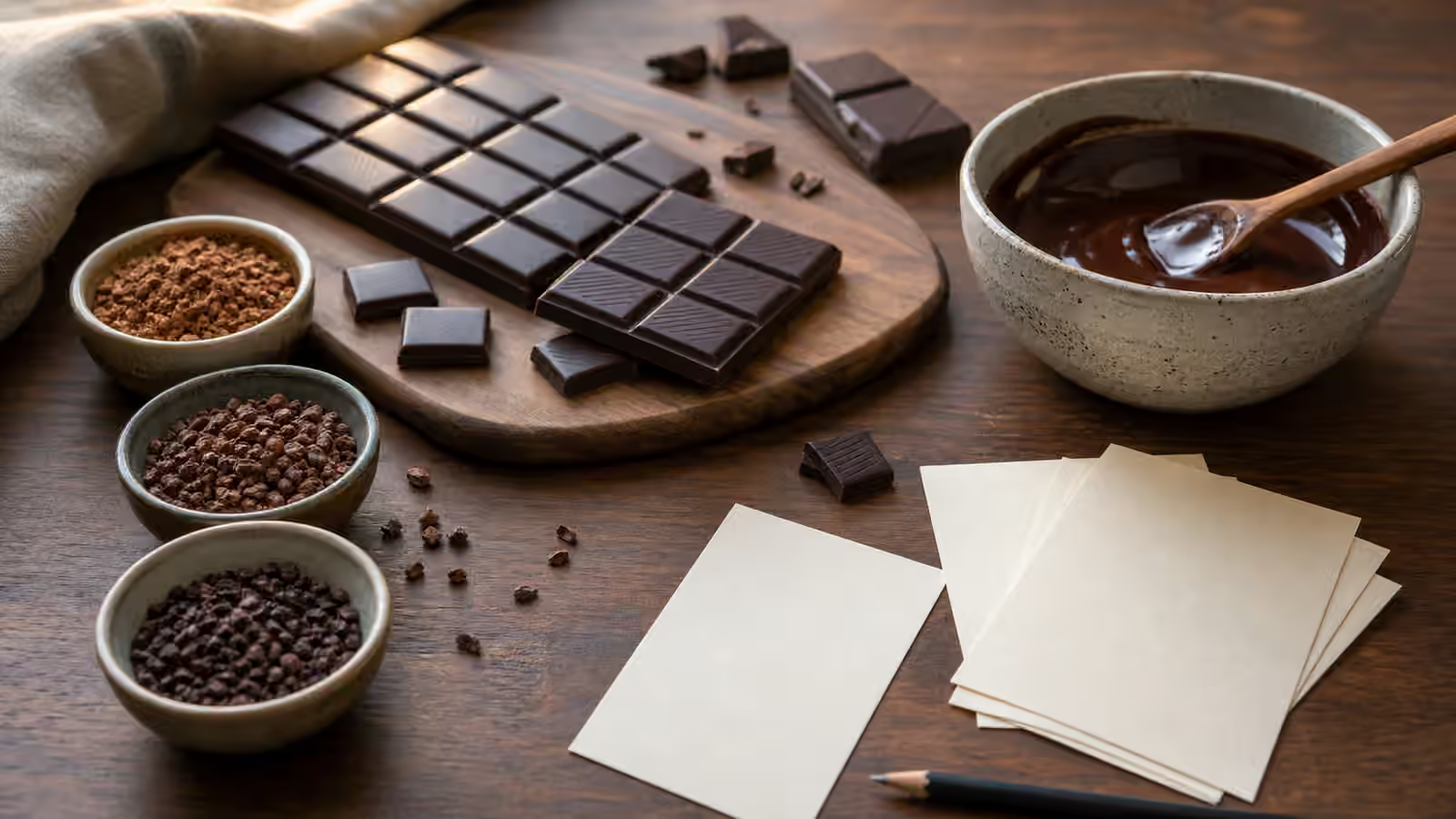
The fresh pulp helps set up those possibilities, but it does not transfer as a simple copy. Cacao pulp may taste bright and tropical while the finished chocolate from those beans tastes like dried cherry, honey, nuts, flowers, or deep cocoa. Fermentation changes the seed. Drying stabilizes it. Roasting develops and reshapes the precursors. Grinding, refining, conching, sugar, milk, and storage all influence what remains.
This distinction keeps tasting honest. Fruit language is useful when it points to a real sensory impression. It becomes misleading when treated as a promise from geography or genetics. A Madagascar bar may be bright and red-fruited, but not every cacao from Madagascar tastes the same. A bar from Ecuador may be floral, nutty, earthy, or something else depending on the beans and the maker. Cacao Origins gives a broader map, but the map is not the meal.
Ripeness Shapes the Starting Point
Ripe cacao pods bring pulp with enough sugar to feed fermentation and enough acidity to create a lively environment. Underripe pods may have less developed pulp and beans that are not ready. Overripe or damaged pods can introduce off aromas or uneven fermentation. Harvest is not a decorative step. It is a flavor step.
The challenge is that cacao pods do not ripen in perfect unison. A tree can hold flowers, young pods, nearly ripe pods, and ripe pods at the same time. Farms may have main harvests and smaller crops, but picking still requires judgment. Color helps in some varieties, but it is not universal. Experience with the local trees matters.
Once pods are opened, time matters. The wet beans and pulp are alive with sugar and microbes. Delay, contamination, excessive heat, or poor drainage can push the fermentation in unwanted directions. Good fermentation is controlled transformation, not random rot. The aromas can move from fresh fruit to wine, vinegar, warm bread, cocoa, dried fruit, and deeper notes as the process advances.
Drying Protects the Work
After fermentation, the beans must be dried. Drying is not just preservation. It influences acidity, cleanliness, and future roast behavior. Beans dried too quickly may keep harsh acidity or uneven internal moisture. Beans dried too slowly in damp conditions can develop musty or moldy notes. Rain, humidity, drying bed design, turning, and sorting all shape the result.
The pulp is mostly gone by this stage, but its work remains inside the bean. Acids have moved. Enzymes have acted. The seed has changed color, aroma, and structure. Drying protects those changes so the beans can travel without spoiling. If drying goes badly, even a promising fermentation can be damaged.
For tasters, this is useful because some fruit notes are clean and some are not. A bright citrus or berry note can be beautiful when it feels integrated with cocoa, sugar, and roast. A vinegar, rotten fruit, or solvent note can point toward fermentation problems. Chocolate Flavor Faults helps separate pleasant brightness from defects.
Roast Translates the Bean
Roasting is where many pulp-born possibilities become recognizable chocolate aroma. Heat develops Maillard reactions, drives off some volatile acidity, deepens cocoa notes, and changes the balance between fruit, nuts, caramel, flowers, and roast. A lighter roast may preserve bright fruit and floral notes. A deeper roast may round acidity into dried fruit, caramel, toast, or nuts. Too little roast can leave raw edges. Too much can erase the delicate work of fermentation.
Roast is not a volume knob. It is a translation. The same bean can taste different under different roast choices, and good makers roast for the beans they have rather than an abstract color. Chocolate Color and Roast Cues explains why darkness alone cannot prove intensity or quality. A bright bar may be dark. A dark bar may be gentle. Aroma has to be tasted, not assumed.
Conching and refining continue the translation. Particle size changes mouthfeel. Time and aeration can soften sharp edges. Sugar and sometimes vanilla or milk change how fruit notes appear. A fruit-forward chocolate that feels vivid in a plain dark bar may become softer in milk chocolate or disappear in a heavily flavored inclusion bar.
Tasting Fruit Notes Takes Memory
Fruit notes are easier to notice when you give yourself comparisons. Taste a bright bar beside a roasty bar. Taste a plain single-origin bar beside a blend. Taste the same bar at a slightly warmer serving temperature and notice how aroma opens. Chocolate Tasting Flights at Home gives a method for that kind of comparison.
Use ordinary language. If a chocolate reminds you of orange peel, dried cherry, grape skin, banana, apple cider, or jam, write that. If it only tastes generally bright, write bright. There is no need to force a fruit bowl into every note. Some good chocolate is nutty, malty, floral, earthy, creamy, or deeply cocoa-forward without obvious fruit.
Fresh cacao pulp matters because it reveals that chocolate begins as agriculture, not as a flavor category. The finished bar may not taste like the pulp, but the pulp helped feed the transformation that made flavor possible. When a plain dark chocolate tastes like fruit, it is carrying a memory of ripeness, fermentation, drying, roast, and careful making. That memory is indirect, but it is real enough to notice when the square melts slowly and the fruit note rises from cocoa instead of being added from outside.