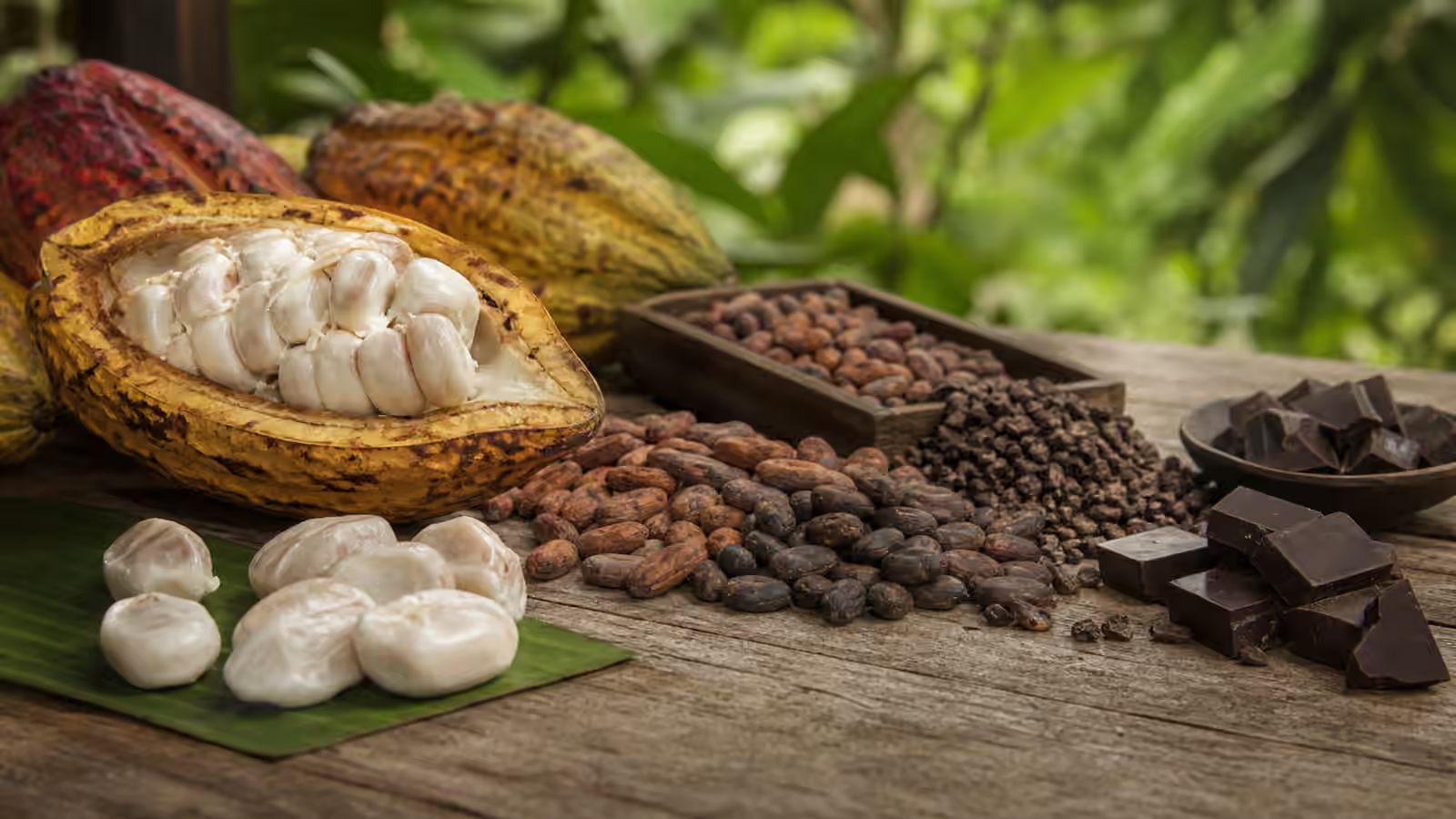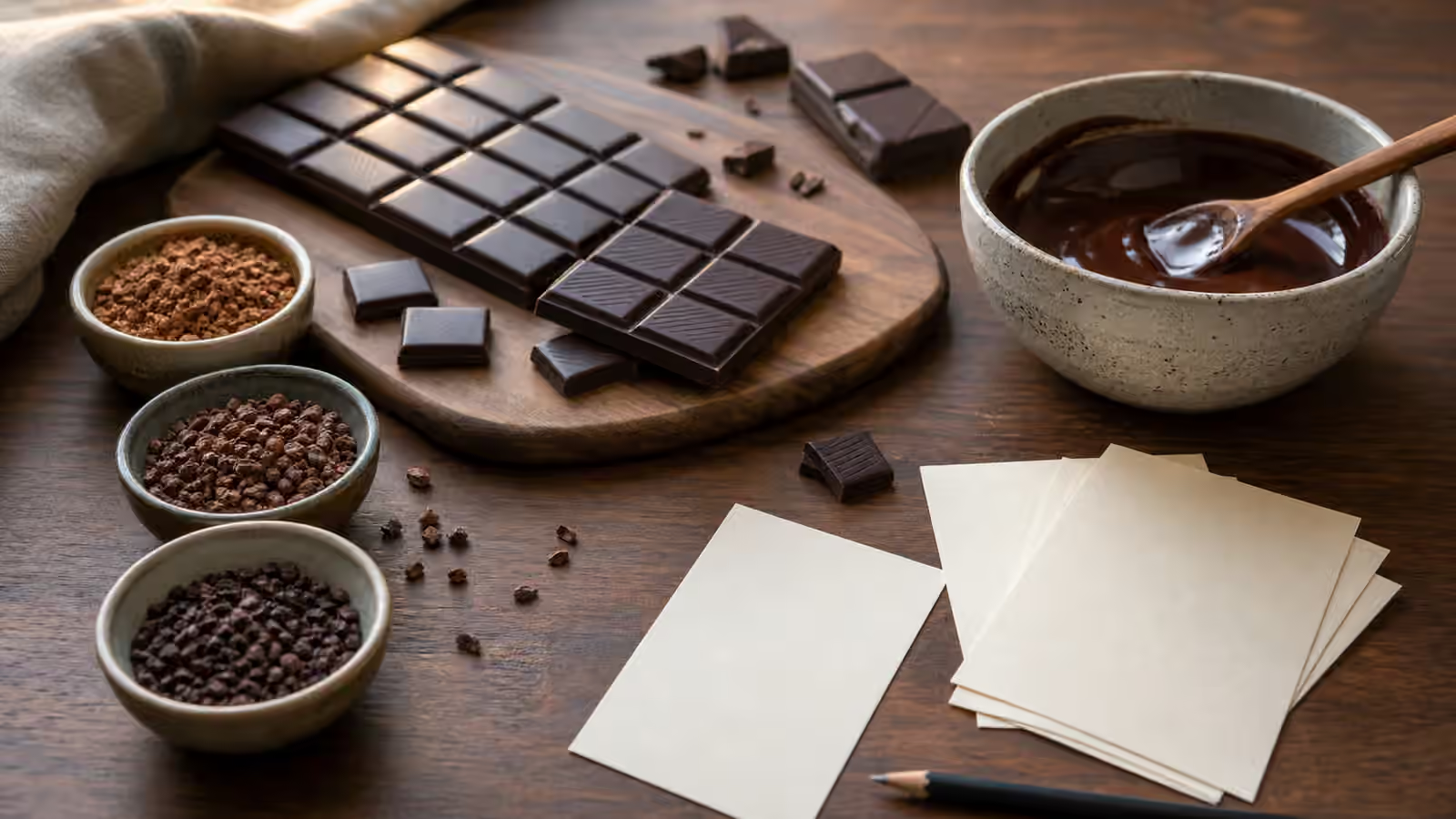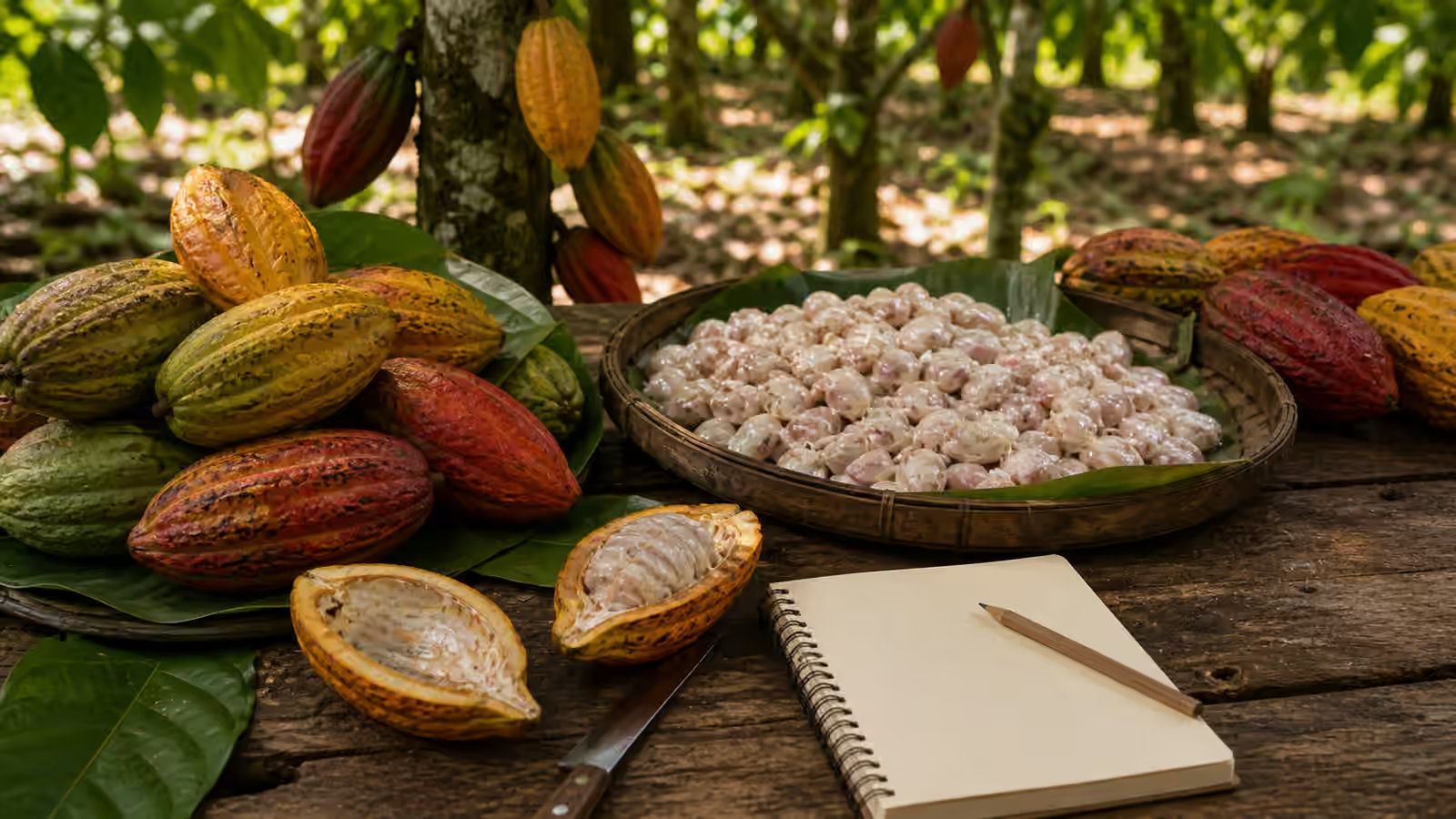
Cacao is easy to forget as fruit. By the time it reaches a chocolate bar, it has been harvested, opened, fermented, dried, sorted, shipped, roasted, winnowed, refined, conched, tempered, wrapped, stored, and finally broken by hand. The agricultural beginning can feel distant. Seasonality brings it back. A bar is not only a formula. It is the result of a crop that ripened in a particular place under a particular stretch of weather and handling.
This does not mean every chocolate needs a harvest date on the wrapper before it can be enjoyed. Many good bars are made from well-managed lots that are blended or held in inventory. But crop year helps explain why a maker’s familiar bar can change subtly over time. The same origin, percentage, and maker may taste brighter, deeper, softer, or more tannic from one harvest to another.
Ripeness Is The First Flavor Decision
Cacao pods ripen on trees over time rather than all at once. A farm may have a main harvest, a smaller mid-crop, scattered ripe pods between those peaks, or several picking passes depending on region and climate. A ripe pod is not just a prettier fruit. Ripeness affects sugar in the pulp, bean development, acidity, fermentation energy, and the flavor precursors that later become chocolate aroma.
Harvest too early and the beans may be underdeveloped, thin, or more astringent. Wait too long and the pod can become vulnerable to disease, fermentation problems inside the pod, or damage before processing. Farmers and harvest crews use local knowledge, pod color, sound, timing, tree condition, and experience to decide when to cut. That judgment is one reason cacao cannot be understood only from a country name. Place matters, but people read the place.
The guide to Cacao Varieties and Genetics explains how trees set part of the potential. Seasonality shows how that potential arrives unevenly. Even strong genetics need good timing. Even a respected origin can taste ordinary if the harvest was rushed or the weather made careful handling difficult.
Harvest Windows Are Local
It is tempting to talk about cacao season as if there were one global calendar. There is not. Cacao grows across humid tropical regions, and harvest patterns vary by country, latitude, rainfall, altitude, farm management, and local climate. Some origins have a clear main crop and a smaller crop. Others produce more continuously, with stronger and weaker periods. Weather can shift the rhythm from year to year.
For the eater, the important point is humility. A label that names a year or harvest is giving a clue, not a universal prediction. A new harvest from one origin may taste more acidic because rainfall affected drying. Another may taste rounder because fermentation was warmer and more even. A third may taste cleaner because a cooperative improved sorting and covered drying beds during rain. The calendar matters only through what happened to the fruit and beans.
This is where Cacao Fermentation and Drying becomes the practical companion. Fresh cacao beans are surrounded by sweet pulp. Fermentation transforms that pulp and heats the mass, changing acidity, bitterness, aroma potential, and bean structure. Drying then protects the work. If rain interrupts drying or beans are dried too quickly, the season can leave its mark long after the pods were cut.
Weather Shapes Post-Harvest Work
Weather does not only affect trees. It affects the days after harvest, when the beans are most vulnerable. A dry, sunny period can make careful drying easier. Heavy rain can slow drying, encourage musty defects, or force farmers to use covered systems. High heat can push fermentation quickly. Cooler conditions can slow it. Too little airflow can trap moisture. Too much aggressive heat can create uneven dryness or smoky notes if fire is involved.
None of this means bad weather automatically makes bad chocolate. Good producers plan for it. Raised beds, covered drying areas, careful turning, smaller fermentation lots, moisture checks, and disciplined sorting can protect quality. But seasonality explains why post-harvest skill matters so much. The farmer, cooperative, or fermentary is not simply following a script. They are responding to fruit and weather in real time.
By the time a maker receives beans, the crop already carries those decisions. The maker can roast with care, as described in Cacao Roasting at Home , but roasting is not a reset button. It can develop what is present, soften some sharpness, and avoid burning away character. It cannot fully erase mold, heavy smoke, or severe drying faults. Seasonality reaches the chocolate room with the beans.
Crop Year On A Wrapper
Some makers print harvest year, crop year, lot number, or batch information. This can be useful, especially for single-origin bars. It lets you notice that one year’s bar is not identical to the previous one. It also gives the maker a way to be honest about variation. Instead of pretending chocolate is fixed, the wrapper admits that agricultural flavor moves.
Still, crop year is not a quality score. Freshness matters, but chocolate is not lettuce. Well-made plain dark chocolate can age gracefully for a time when stored cool, dry, and odor-free. Some bars become rounder after a short rest. Others lose aroma if held too long or stored badly. Chocolate Shelf Life and Freshness is useful here because age and harvest are related but not identical. A newer crop badly stored can taste worse than an older crop protected well.
If you see a harvest note, treat it as an invitation to taste with attention. Does the maker describe fruit, roast, nuts, cocoa, florals, or spice? Does the bar show those notes? Does the same bar from another year feel different? If a maker keeps good archives or seasonal releases, you can learn a great deal by comparing slowly.
Maker Style Can Amplify Or Calm Seasonality
Some makers want seasonality to remain visible. They may release small lots, adjust roast profiles, and let each harvest show its quirks. These bars can be exciting because they feel alive and specific. They can also be less predictable. A bar you loved last year may not repeat the exact same profile because the crop changed.
Other makers use blending to smooth variation. That does not make the chocolate less serious. Chocolate Blending explains why makers may combine lots for balance, continuity, or working behavior. A house bar might use several lots from one region or several origins so the finished chocolate keeps a familiar shape. In that case, seasonality is still present, but the maker has chosen to manage it quietly.
The same contrast appears in coffee, wine, olive oil, tea, fruit, grain, and many other agricultural foods. Some products celebrate vintage. Some aim for consistency. Chocolate can do either. The important thing is that the result be coherent and honest about what it is asking the eater to notice.
Tasting Across Seasons
To taste seasonality, choose one bar you can revisit. It might be a maker’s annual single-origin release, a farm-specific bar, or a familiar house dark chocolate. Taste it when it is fresh enough to be aromatic and stored well. Write a short note about aroma, sweetness, acidity, bitterness, texture, and finish. Months later or the next crop year, taste the newer version under similar conditions.
Do not search only for dramatic changes. Many seasonal differences are small. One year may smell more like red fruit, another like cocoa and nuts. One may finish drier. One may melt faster. One may need a slightly different roast to show its best side. The method from Chocolate Tasting helps because it separates first impression from texture and finish.
Seasonality makes chocolate less mechanical. It reminds us that a bar begins with flowering trees, ripening pods, harvest judgment, pulp, heat, weather, labor, and drying beds before it ever becomes polished squares. When a crop-year note changes, the chocolate has not betrayed consistency. It has carried the season forward in a form you can taste.