
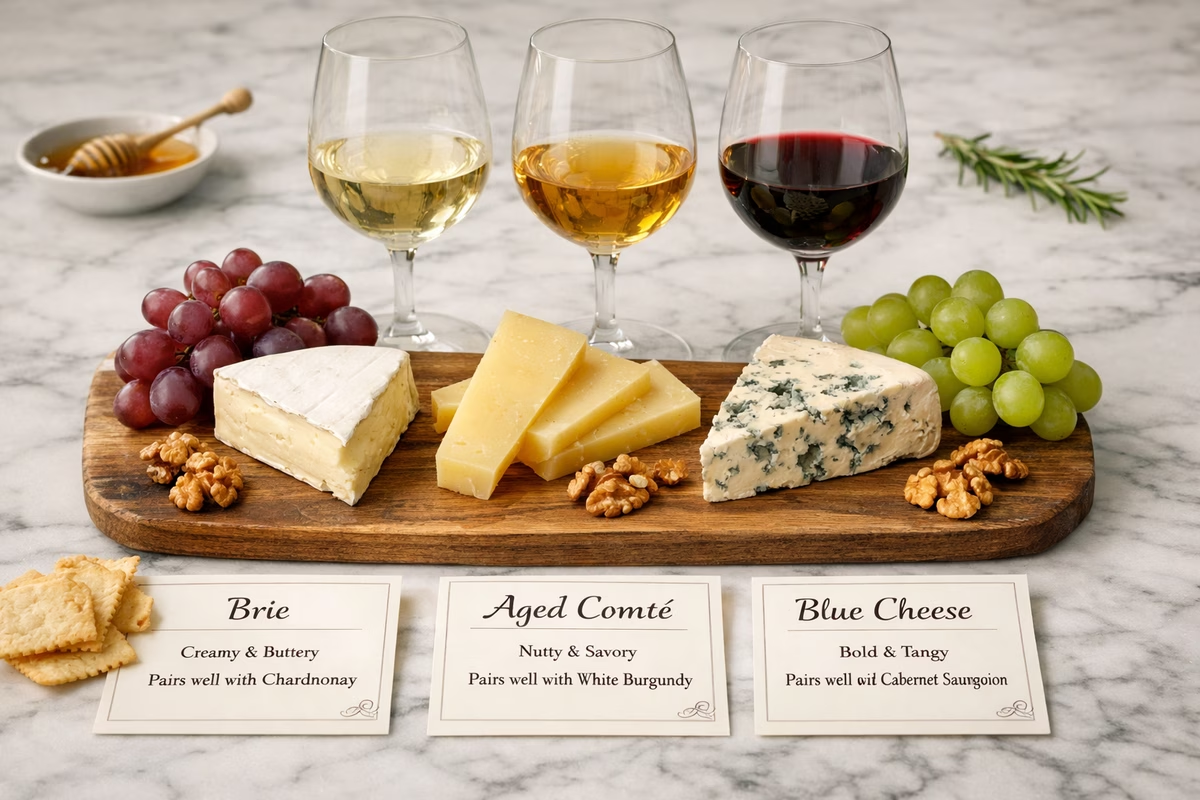
Cheese and Wine Pairing Guide
Cheese and wine work because fat meets acid, salt meets fruit, and aroma meets aroma. When the match is right, both taste clearer and longer.
Pairing is learnable. You do not need perfect bottles or rare cheese. You need a few reliable moves and enough confidence to adjust. This guide gives you a simple way to think about it, then shows how to use it on real boards and real budgets.
Pairing Principles
The Three Approaches
Most good pairings use one of three strategies. If you can remember these, you can improvise almost anything.
1) Complement (match intensity). Pair like with like: delicate cheese with delicate wine, bold cheese with bold wine. This is the safest move when you are learning a new cheese or serving a group.
2) Contrast (opposites attract). Use one side to solve the other. Acid cuts cream. Sweetness softens salt. Fruit brightens funk. Contrast creates the strongest pairings.
3) Regional (what grows together, goes together). Local tradition is a good place to start. Many famous pairings are simply wine and cheese that grew up together.
Why These Pairings Work
Cheese is mostly fat, protein, salt, and aroma. Wine brings acid, tannin, alcohol, sugar, and fruit. Pairing is about how those parts interact.
- Acidity cuts fat and refreshes your palate, which is why sparkling and crisp whites are so useful.
- Tannins bind to proteins and can feel drying. They can work with firm, aged cheeses, but they can clash with salt.
- Sweetness helps with salty, pungent cheeses. That is why blue cheese and sweet wine works so well.
- Alcohol and body set the weight. A heavy wine can overwhelm a delicate cheese, and a light wine can disappear next to a bold one.
The one-bottle shortcut
If you are serving multiple cheeses and want to keep it simple:
Dry sparkling wine is the best all-around answer because it cleanses the palate, cuts richness, and rarely fights. If you want a red, Pinot Noir works with many cheeses because it stays light and fresh. If you are pairing bold aromatic cheeses, especially washed rind, off-dry Riesling is a strong pick because sweetness and acid handle spicy, salty, and funky notes.
Pairing by Cheese Type
Use these sections as “what the cheese needs from the wine.”
Fresh Cheeses
Fresh cheeses (chèvre, fresh mozzarella, ricotta, feta) are delicate. Their flavors are bright and milky, and they are easy to overwhelm. They usually want wines that are light, high-acid, and not too oaky.
Great choices:
Sauvignon Blanc, especially Loire styles, works with chèvre because the acidity and herbal notes match the goat tang. Pinot Grigio or a light Pinot Gris stays clean with mozzarella and ricotta. Dry rosé gives fruit without heaviness, and dry sparkling resets the palate.
Avoid heavy reds and heavily oaked whites, since they tend to flatten fresh cheese.
Soft-Ripened Cheeses (Bloomy rind)
Brie, Camembert, and triple crème are rich and earthy. The wine’s job is usually to cut the fat without fighting those aromas.
Great choices:
Champagne or dry sparkling keeps bites from feeling heavy. Lightly oaked Chardonnay can match the creaminess. Pinot Noir can add earth without much tannin. Chenin Blanc (Vouvray styles) adds bright structure with a little honey.
Avoid very tannic reds; tannin + cream can taste harsh and drying.
Washed-Rind Cheeses
Époisses, Taleggio, Limburger, and friends are bold, savory, and aromatic. They often want wines with aromatic lift or a little sweetness, because delicate wines can get lost and tannins can feel harsh.
Great choices:
Gewürztraminer brings perfumed aromas that stand up to funk. Alsace-style Pinot Gris offers more body with good acidity. Off-dry Riesling can calm intensity without flattening flavor. Bold Rhône reds (Syrah blends) can work when you want to match intensity instead of contrast.
Semi-Soft Cheeses
Havarti, young Gouda, Fontina, Monterey Jack: these are “food-friendly” cheeses that don’t demand a perfect pairing. They like wines that are fruit-forward and not too tannic.
Great choices:
- Pinot Noir
- Beaujolais (Gamay) (especially lightly chilled)
- Merlot (softer tannin)
- Medium Chardonnay
Semi-Hard Cheeses
Cheddar, Manchego, Comté, and Gruyère have more structure and stronger flavor, so they can handle fuller wines and some tannin.
Reliable pairings:
- Aged Cheddar + Cabernet Sauvignon: bold with bold, especially when cheddar is truly sharp and mature.
- Manchego + Rioja (Tempranillo): classic regional harmony.
- Comté + Jura wines (Vin Jaune / Côtes du Jura): nutty meets nutty.
- Gruyère + Pinot Noir: friendly and balanced.
Hard Cheeses
Parmigiano-Reggiano, Pecorino, Grana-style cheeses, and extra-aged Gouda are intense and firm. They can handle structured reds, but they also work well with bubbles and nutty styles.
Great choices:
- Parmigiano-Reggiano + Lambrusco: bubbles and acidity cut richness.
- Pecorino + Chianti (Sangiovese): salt meets acid.
- Aged Gouda + Tawny Port: caramel with sweet-salty contrast.
- Aged Manchego + Sherry (Oloroso): nutty, oxidative harmony.
Blue Cheeses
Blue cheese is salty and pungent. The wine’s job is to bring sweetness or stay low in tannin. The famous pairings are famous because they work.
Great choices:
Roquefort + Sauternes, Stilton + Port, and blue cheese with late-harvest Riesling, Tokaji, or ice wine are classics because sweetness softens the salt.
Pairing by Wine Type
If you are starting from the bottle rather than the cheese, this section helps you choose the right cheese.
Sparkling Wines
Dry sparkling wine works with almost everything. It is especially good with:
Bloomy rinds (Brie, triple crème), fresh cheeses (chèvre, mozzarella), and aged Alpine cheeses (Comté, Gruyère).
Why it works: high acidity and bubbles cut richness and keep cheese from feeling heavy.
White Wines
White wine is the easiest starting point.
Sauvignon Blanc works with fresh goat cheeses and lighter tangy styles. Chardonnay, especially if it is not overly oaked, works with creamy cheeses and nutty semi-hards. Riesling is flexible: dry for many cheeses, off-dry for bold washed rinds and spicy pairings, sweet for blues. Gewürztraminer helps with washed rinds because its aroma can stand up to the funk.
Red Wines
With red wine, tannin is the main issue.
Pinot Noir is the easiest red with cheese because it has good acidity, moderate tannin, and earthy notes. Cabernet, Malbec, and Syrah can work with firm aged cheeses like cheddar, Manchego, and aged Gouda, but avoid them with salty blues. Sangiovese and Tempranillo often work well with salty aged sheep cheeses because they bring acid and savory structure.
Sweet/Fortified Wines
Sweet wines are not just for dessert. Sweet and fortified wines are often the best matches for salty, pungent cheeses.
Port with Stilton is a classic for a reason. Sauternes, or similar botrytized wines, with blue cheese is a classic match. Sherry, especially nutty oxidative styles, works well with aged nutty cheeses.
Building a Cheese and Wine Board
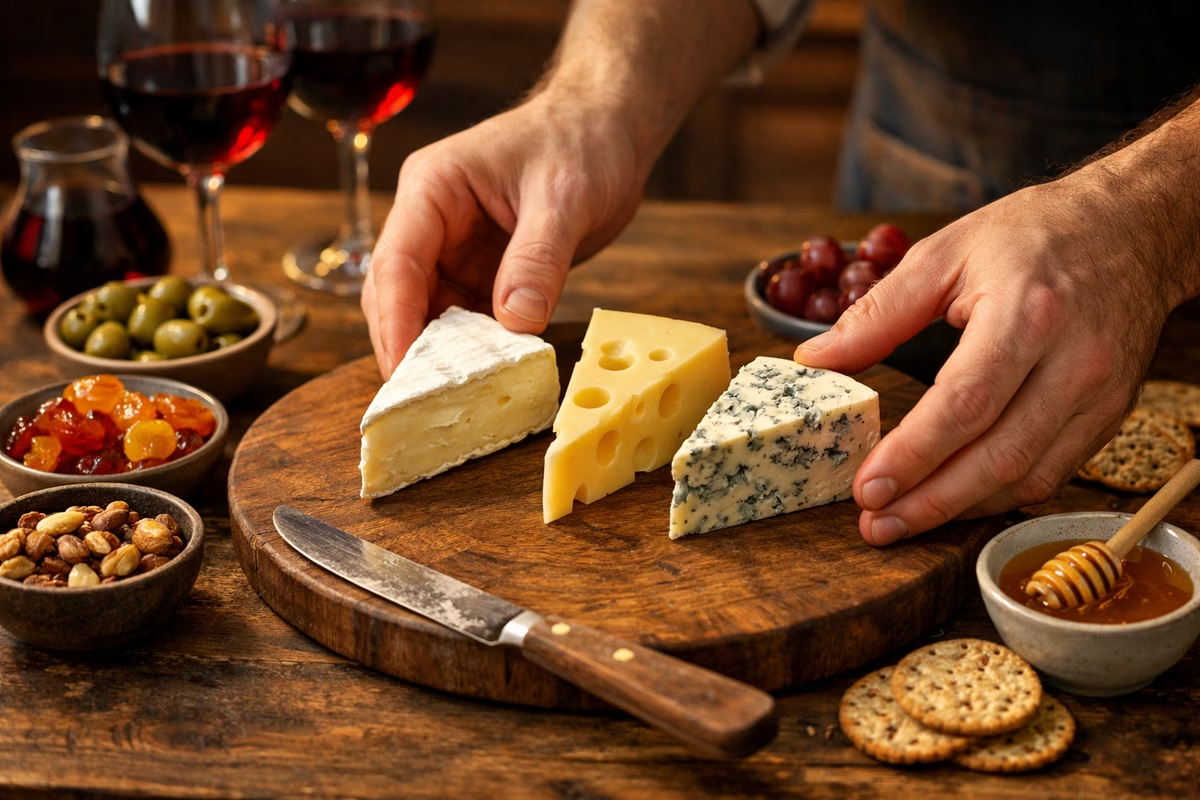
A good board is easy to read. Start with easy wins, then add a few bolder cheeses.
A simple board that always works
Choose three cheeses with different jobs: a soft crowd-pleaser, a firm anchor, and a bold finish. Add bread or crackers, fresh fruit, nuts, and a little honey or jam, especially for blue cheese.
Wine selection
If you are pouring multiple wines, a simple lineup is:
Dry sparkling, a crisp white, a medium red such as Pinot Noir, and a sweet or fortified bottle like Port or Sauternes cover most boards.
If you’re pouring one wine, see the one-bottle shortcut above.
Tasting Order
Order matters because bold flavors linger.
The simplest progression
Start with fresh or mild cheeses and move toward aged or strong ones. Start with sparkling or white, move toward red, and finish with sweet.
A tasting technique that teaches fast
Taste the wine alone, then the cheese alone, then together. Notice what changes. Then repeat once. The second pass teaches you more.
Special Occasion Pairings
If you want easy combinations: triple crème and Champagne is romantic; Brie, Manchego, and aged cheddar with Prosecco and Pinot Noir works for a casual party; older Comté, washed rind, and blue with a crisp aromatic white plus a sweet wine for the blue works for dinner; and Stilton with Port and a crowd-friendly sparkling option is a holiday classic.
Common Pairing Mistakes
The biggest mistakes are practical, not about grapes.
Serving cheese ice-cold mutes aroma and texture. Using one tannic red for every cheese, especially blues, gets old fast. Offering too many cheeses turns the board into noise. Cutting too far ahead dries out the surface.
Bring cheese out 1 to 2 hours before serving so flavors open up. Keep whites and sparkling chilled but not icy. Chill light reds slightly and serve big reds cooler than room temperature.
Quick Reference Chart
If you want a fast mental chart, use these anchors: chèvre + Sauvignon Blanc; Brie or Camembert + dry sparkling; washed rind + Gewürztraminer or off-dry Riesling; aged cheddar + a structured red; Manchego + Rioja; Parmigiano + Lambrusco or Sangiovese; blue cheese + Port or Sauternes; young Gouda + Pinot Noir or Beaujolais.
Pairing is part art and part science, but it also leaves room to play. Use the principles to get close, then trust your own taste. The right pairing is the one you want another bite of.